Hechahof sits in the Inn Valley village of Zimmermoos outside Brixlegg, operating in a region where farm-to-table is less a trend than a long-standing Alpine necessity. With the Tyrolean mountains as immediate context, the kitchen draws on the surrounding agricultural belt in ways that distinguish it from the polished resort dining found further west in the Austrian Alps. A grounding option for travellers moving through the Tyrol corridor.
Pearl is the En Primeur Club membership app — saves, bookings, and concierge access live there. Same editors, same standards.
- Address
- Zimmermoos 1, 6230 Zimmermoos, Austria
- Phone
- +436641137184
- Website
- alpbachtal.at
- Directions
- Get directions
 Saves & bookings on Pearl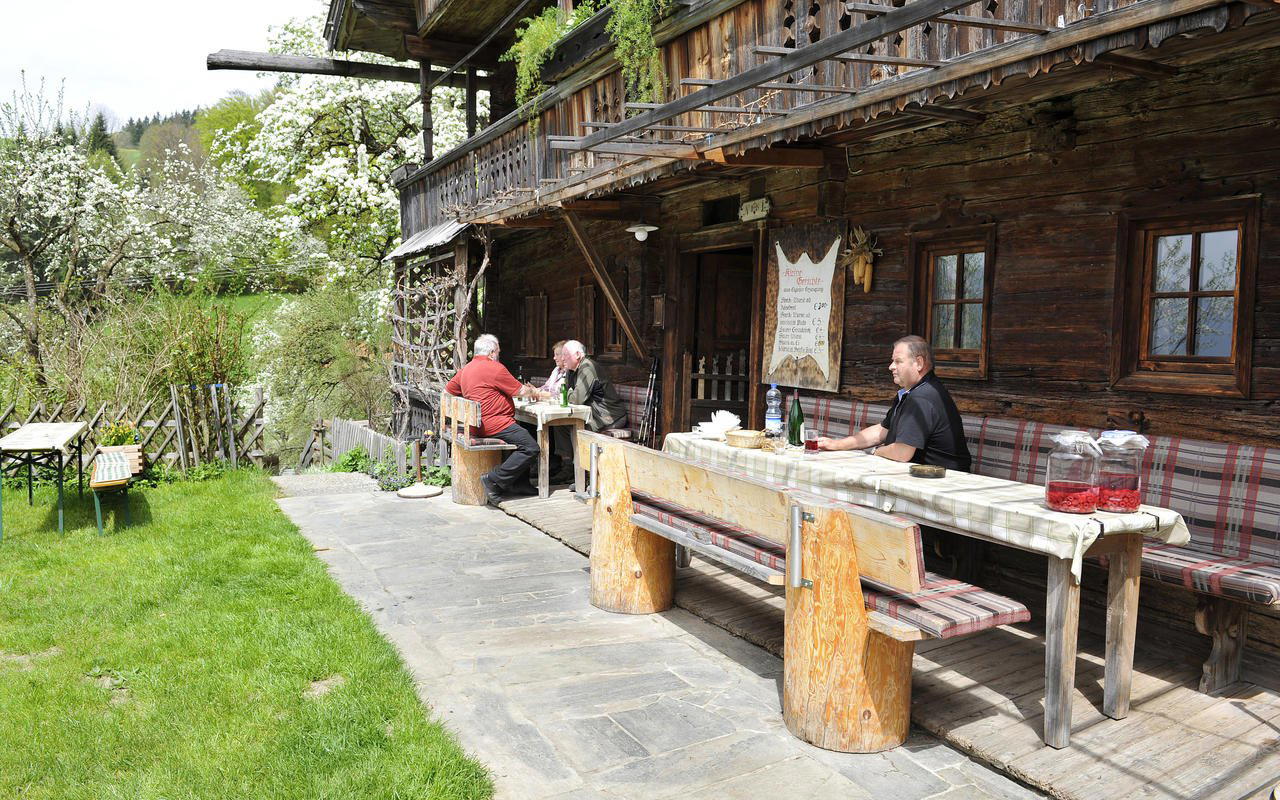
Where the Inn Valley Sets the Table
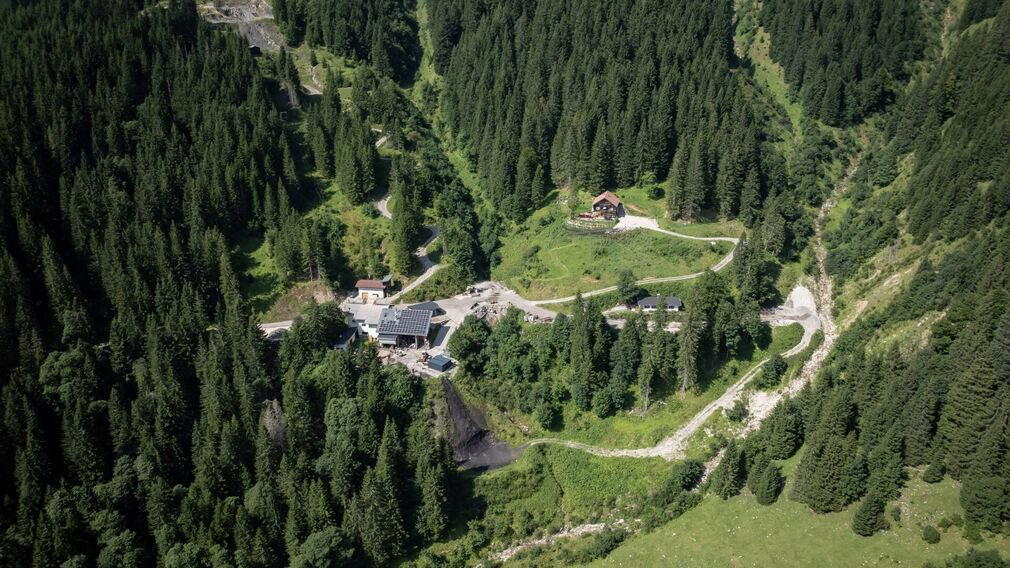
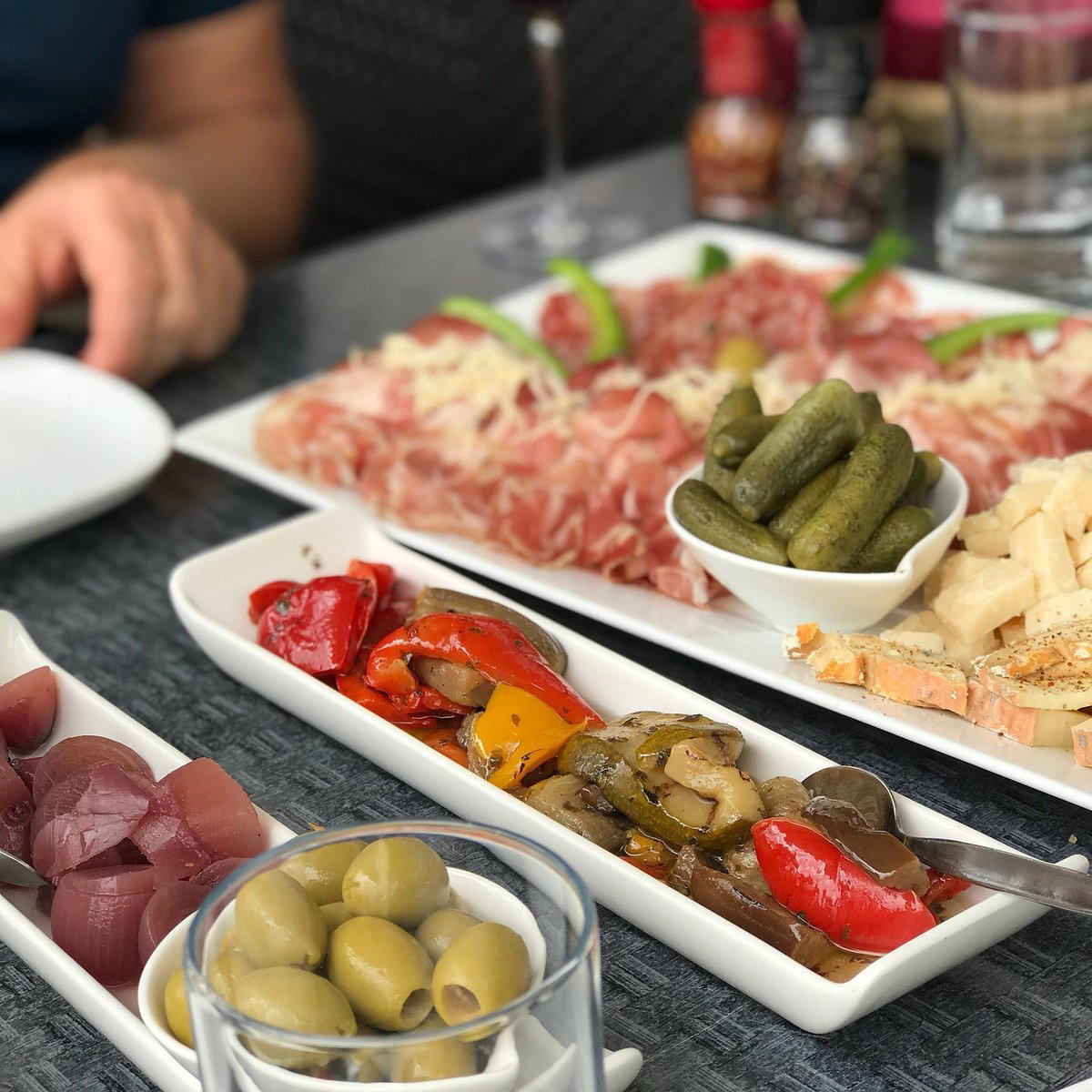
The road into Zimmermoos from Brixlegg drops you into a part of the Tyrolean Inn Valley that has not restructured itself around ski tourism. Hechahof is a restaurant in Zimmermoos, Austria, Serving Traditional Tyrolean Speckstüberl cooking. The villages here are working communities, and the farms that ring them supply the kind of short-chain ingredients that Alpine kitchens across Europe have spent the last two decades trying to reconstruct. At Hechahof, that supply chain is a geographic fact rather than a positioning statement. The address, Zimmermoos 1, places it at the edge of the settlement, where farmland and hospitality have historically occupied the same buildings and the same families.
This matters for how the kitchen operates. In the Austrian Alps, the restaurants that command critical attention tend to cluster in the resort towns: the destination counters of Ischgl, Lech, and Sankt Anton am Arlberg, or the Michelin-tracked rooms of Salzburg and Vienna. Hechahof operates in a different register entirely, one closer to the agrarian tradition that underpins Austrian cuisine before awards recognition reshapes it for an international audience.
Ingredient Sourcing as Regional Identity
Tyrolean cooking draws on a specific larder: mountain cheeses, cured meats produced at altitude, freshwater fish from Inn tributaries, and wild herbs that grow along the valley's upper slopes. The region's agricultural calendar is compressed by elevation, which concentrates flavours in ways that longer-season lowland produce rarely matches. Kitchens in this part of the valley have access to that larder in its most direct form, not through distributors but through neighbours.
That proximity to primary producers shapes what appears on the plate and, just as importantly, what doesn't. The ingredient vocabulary at a kitchen like Hechahof is narrower than at a destination restaurant with a national or international supply network, but narrower in this context means more specific. You are eating the Inn Valley's particular soil and seasonal rhythm rather than a curated selection of Austria's greatest hits assembled from across the country.
They represent a different model: national-scale fine dining with regional identity as one of several editorial threads. A village kitchen in the Inn Valley represents something structurally different, where regional identity is the entire framework.
The Tyrolean Context Beyond the Ski Resorts
Brixlegg sits in the lower Inn Valley, roughly between Innsbruck and the Salzburg provincial border, in a stretch that receives considerably less tourist infrastructure investment than the Arlberg or the Ötztal. The consequence is that dining options here reflect local demand rather than international visitor expectations. That is not a criticism, it is a structural observation with practical implications for the traveller who seeks it out deliberately.
The resort-tier dining west of here, Griggeler Stuba in Lech, Stüva in Ischgl, or Gourmetrestaurant Tannenhof in Sankt Anton am Arlberg, operates within a seasonal hospitality economy calibrated for high-spending international visitors. Pricing, format, and ambition are shaped accordingly. The Inn Valley corridor around Brixlegg functions on different economics. What you find here is closer to the baseline of how Tyrolean people actually eat, which for certain travellers is the more instructive experience.
The closest local comparison in Brixlegg's dining scene is Sigwart's Tiroler Weinstuben, which represents the classic Tyrolean Weinstube format, regional wines, traditional dishes, a strong sense of local identity. Hechahof and Sigwart's together define the character of eating in this part of the valley: grounded in place, not performing it for an outside audience.
How This Fits Into Austria's Broader Dining Picture
Austria's restaurant culture has split along increasingly defined lines. On one side, a cluster of internationally recognised kitchens, many of them carrying Michelin recognition, that operate in Vienna, Salzburg, and the premium Alpine resort towns. On the other, a network of farm-oriented, tradition-rooted establishments that sustain the cuisines those decorated restaurants reference and reimagine. Kräuterreich by Vitus Winkler in Sankt Veit im Pongau is one example of a kitchen that bridges those two registers, bringing formal technique to a deeply local ingredient philosophy. Obauer in Werfen and Ois in Neufelden represent further points along that spectrum.
Hechahof sits at the more traditional end of that range, a place where the logic of the kitchen is determined by geography and season rather than by culinary ambition directed at external recognition. That is not a lesser version of Austrian dining. It is a different use case, relevant to a different kind of trip.
Planning Your Visit
Hechahof is located at Zimmermoos 1 in the village of Zimmermoos, directly outside Brixlegg in the Tyrolean Inn Valley. Brixlegg is served by the main Innsbruck-Salzburg rail line, making it accessible without a car, though reaching Zimmermoos itself is more direct by road. Confirm hours and reservation requirements directly before visiting.
Travellers routing through the Inn Valley who want to extend their Austrian dining experience eastward toward Vienna will find relevant reference points at Taubenkobel in Schützen am Gebirge and Schwarzer Adler in Hall in Tirol, the latter only a short drive from Innsbruck. Those planning a broader Austrian circuit can also consider Ikarus in Salzburg or, further south, Artis in Graz. For international benchmarks in ingredient-focused fine dining, Le Bernardin in New York City and Atomix in New York City illustrate how sourcing-led kitchens operate at the highest recognition tier.
Side-by-Side Snapshot
Comparable venues nearby, for context on price, style, and recognition.
| Venue | Cuisine | Price | Awards | Notes |
|---|---|---|---|---|
| HechahofThis venue — the venue you are viewing | Traditional Tyrolean Speckstüberl | $$ | Not listed | Not listed |
| Sigwart's Tiroler Weinstuben | Modern Tyrolean Fine Dining | $$$ | Michelin 1 Star | Brixlegg |
| Rübezahl-Alm | Traditional Tyrolean | $$ | Not listed | Ellmau |
| Gasthof zur Arche | Modern Tyrolean Wirtshaus | $$ | Not listed | Rinn |
| Burgeralm | Tyrolean Alpine Burgers & Cheese | $$ | Not listed | Rettenschöss |
| Restaurant Outside | Modern East Tyrolean Austrian | $$ | Not listed | Matrei in Osttirol |
Continue exploring
More in Brixlegg
Restaurants in Brixlegg
Browse all →
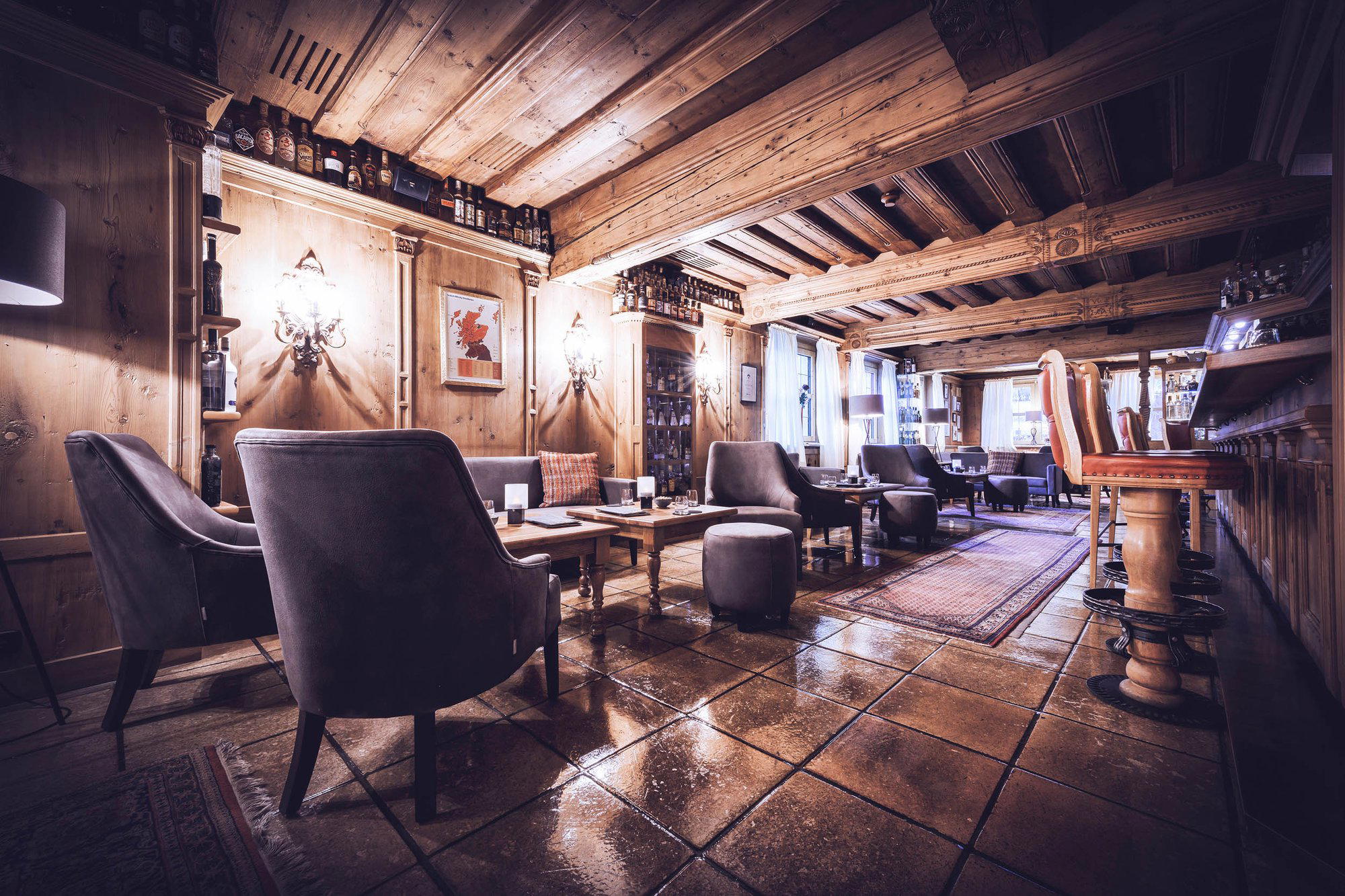
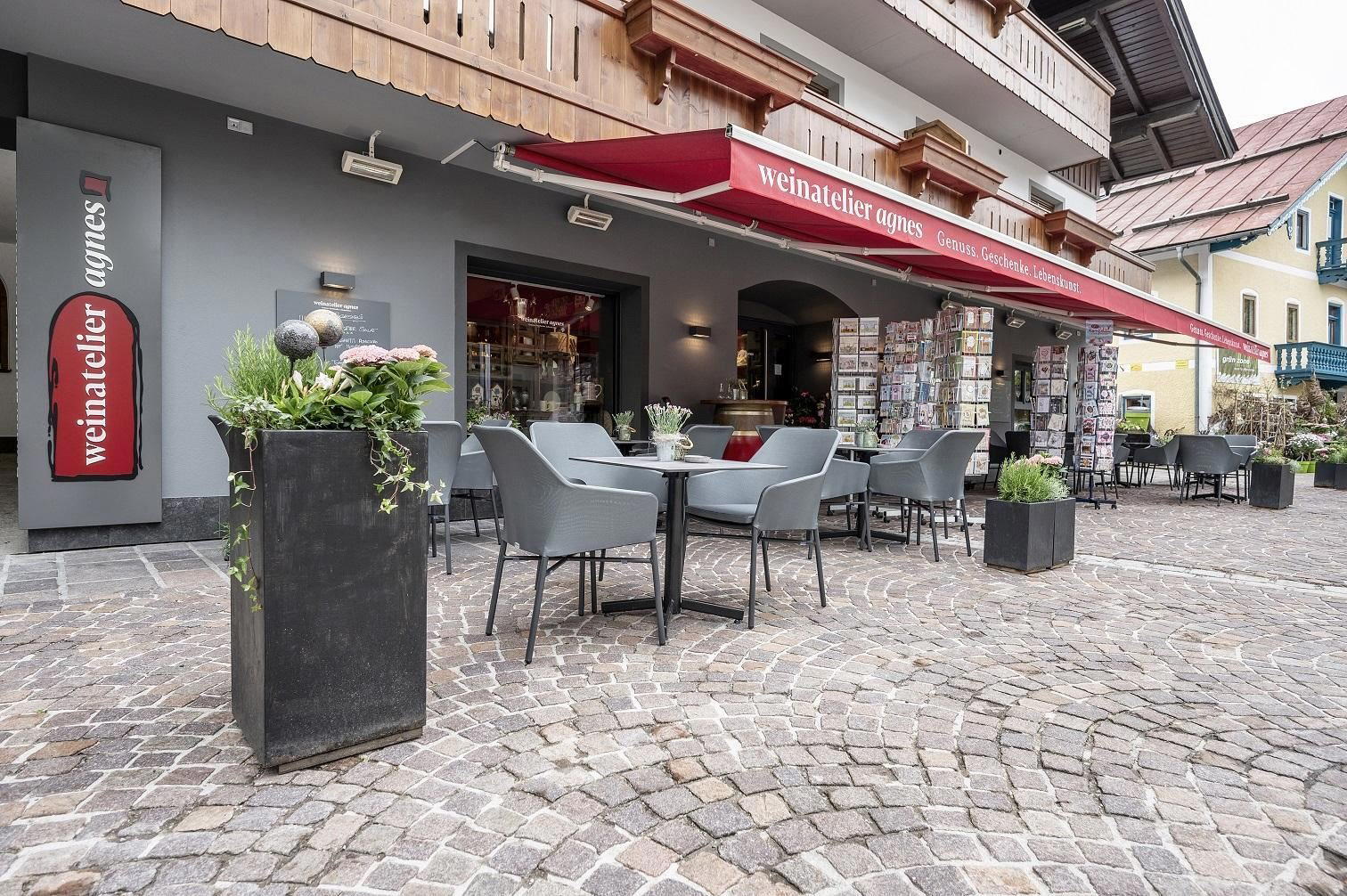
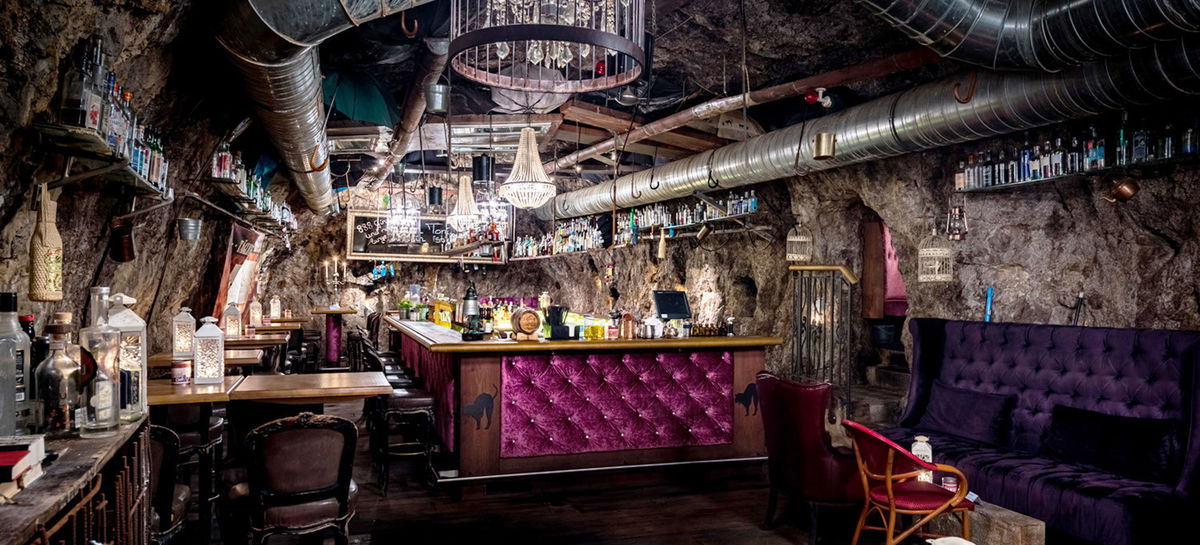
Bars in Brixlegg
Browse all →
Hotels in Brixlegg
Browse all →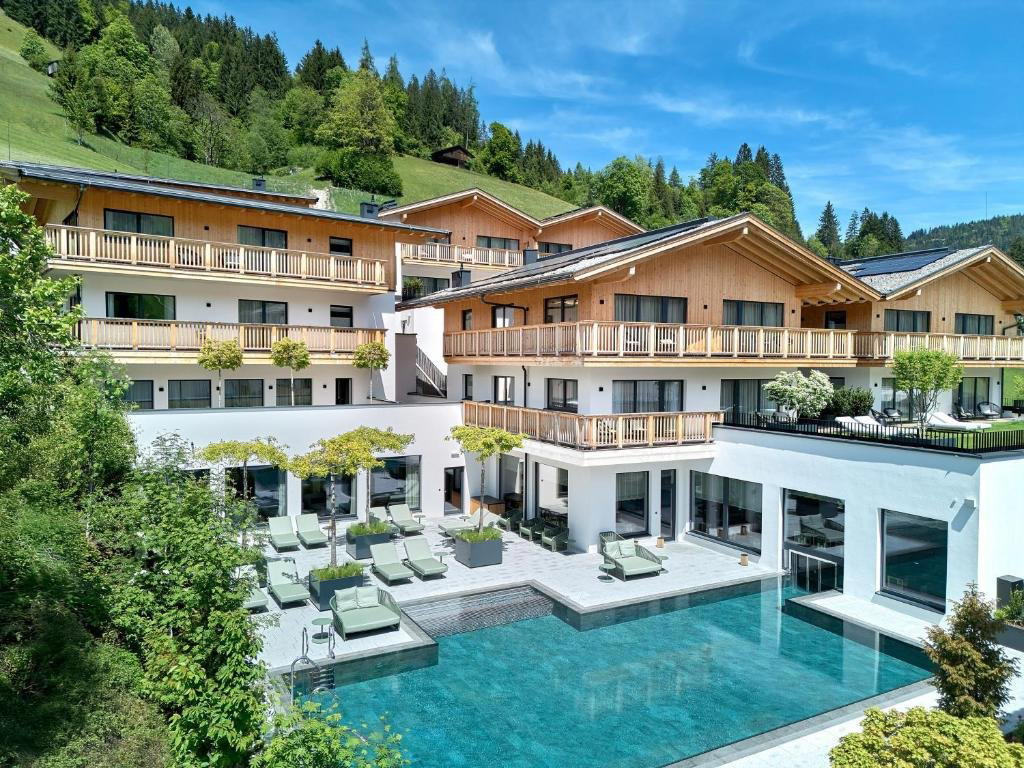

At a Glance
- Rustic
- Cozy
- Scenic
- Casual Hangout
- Historic Building
- Local Sourcing
- Mountain
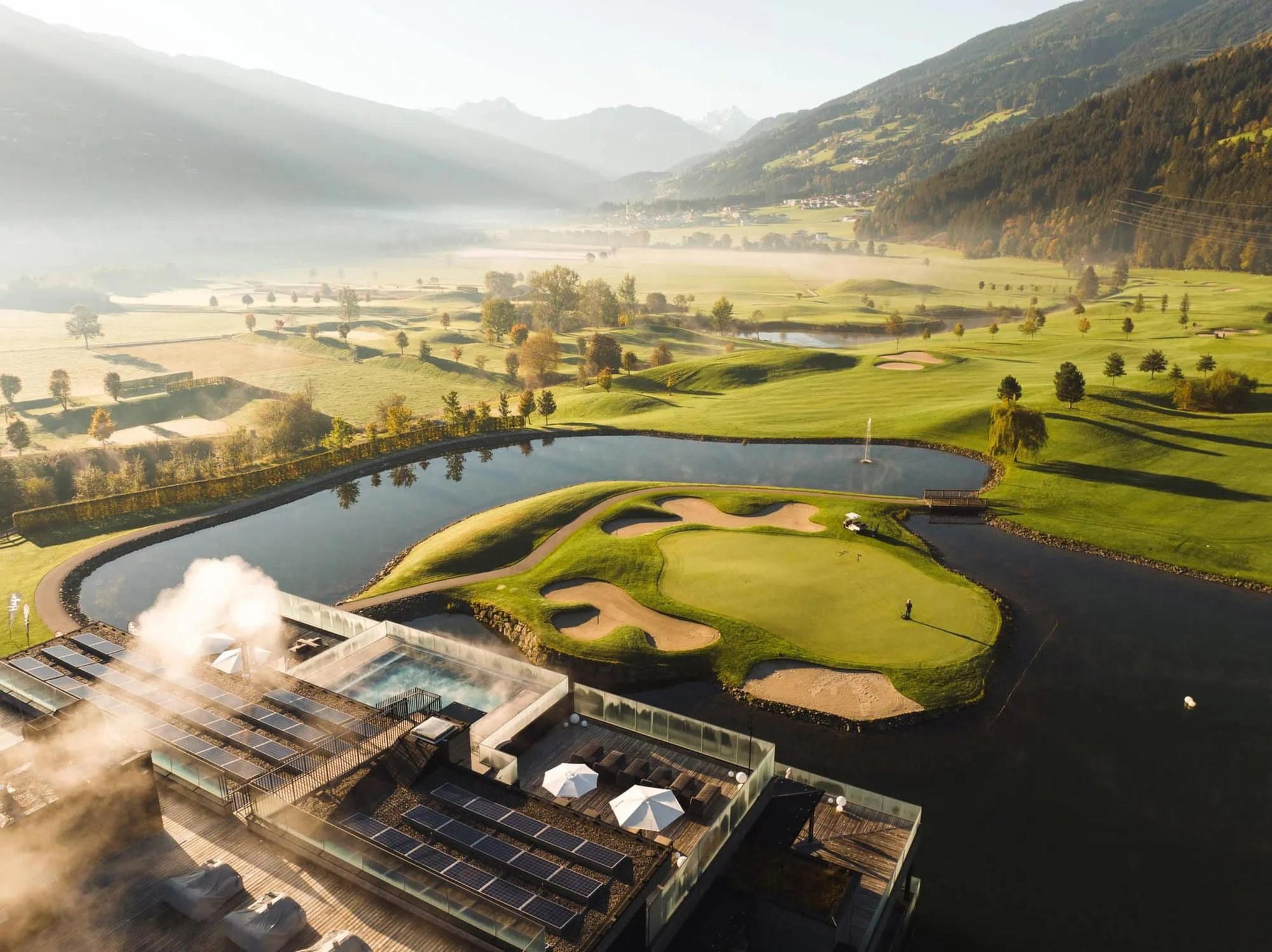
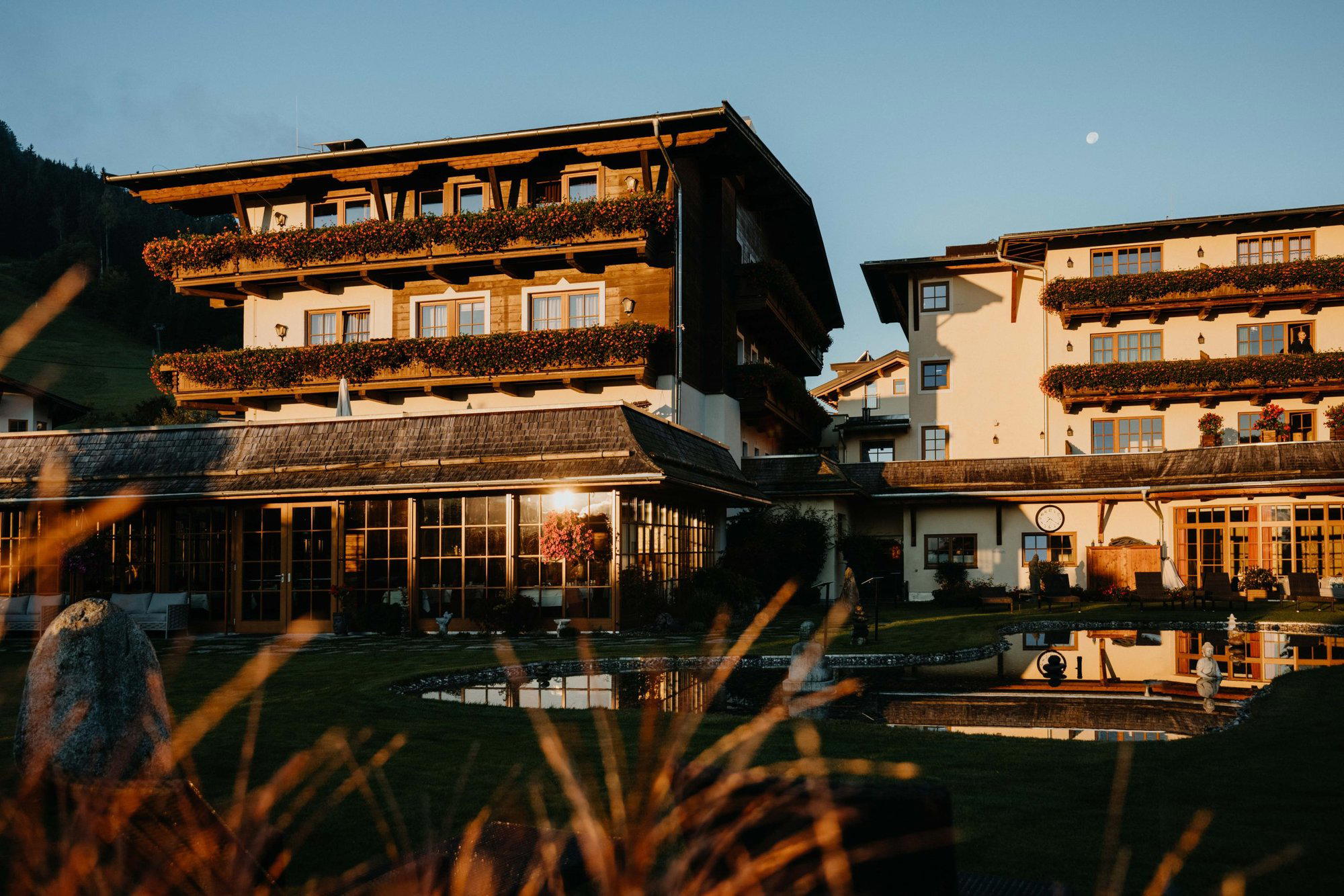
Traditional rustic atmosphere in an ancient farmhouse parlor with mountain views from the garden.