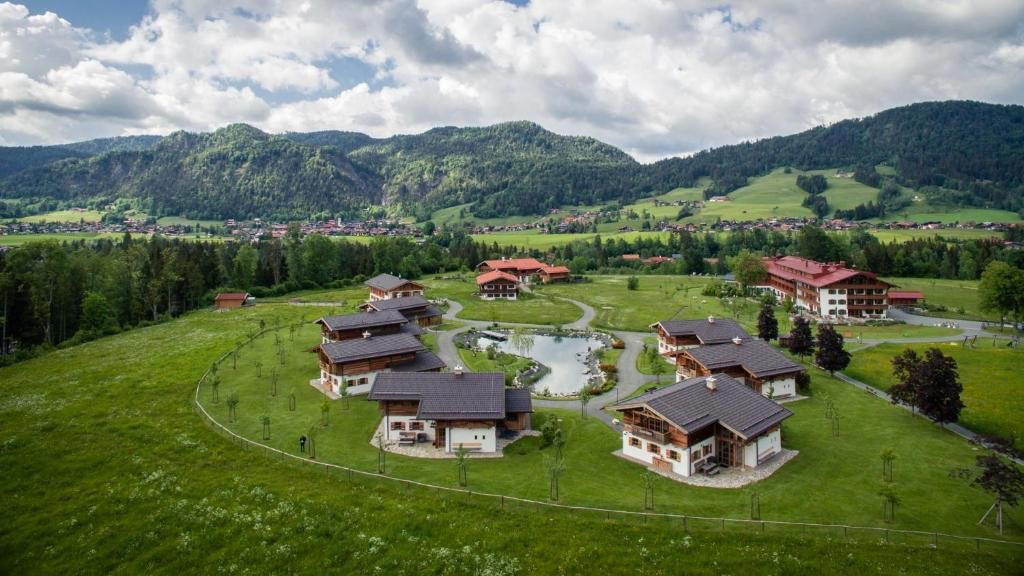
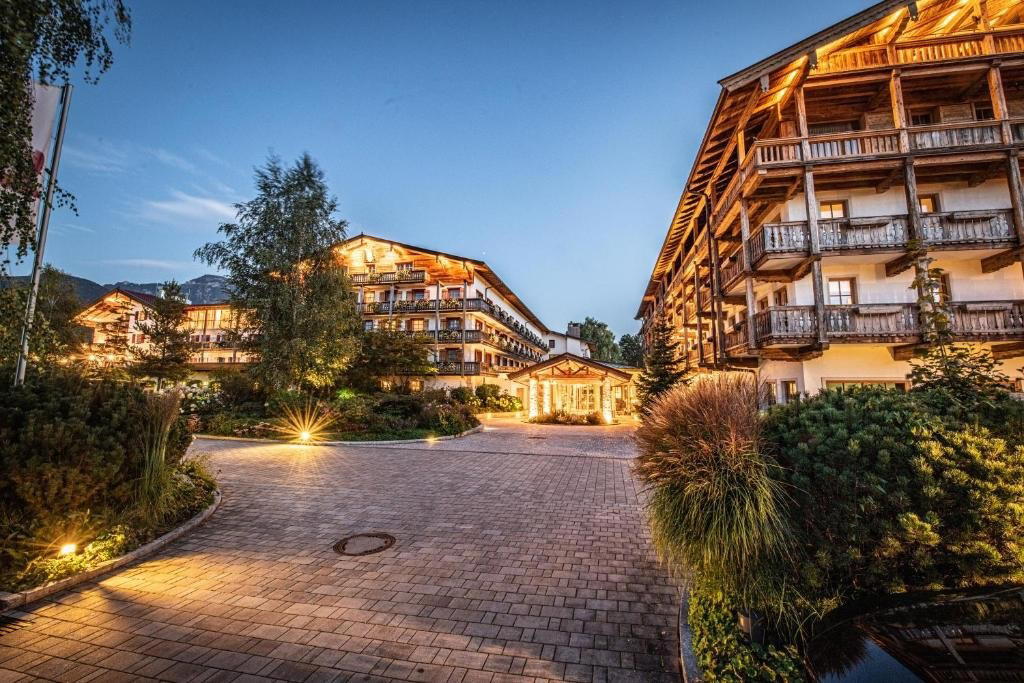
Hotel Gasthof Post sits at the heart of Kössen, a Tyrolean village where the Inn Valley's agricultural traditions shape what ends up on the table. The property represents the gasthaus format at its most grounded: an inn where the kitchen draws from the surrounding Alpine landscape rather than from supply chains. For travellers passing through the Kaiserwinkl region, it offers a direct encounter with how rural Austria actually eats.
Pearl is the En Primeur Club membership app — saves, bookings, and concierge access live there. Same editors, same standards.
- Address
- Dorf 43, 6345 Kössen, Austria
- Phone
- +43537529490
- Website
- hotelgasthofpost.at
- Directions
- Get directions
 Saves & bookings on Pearl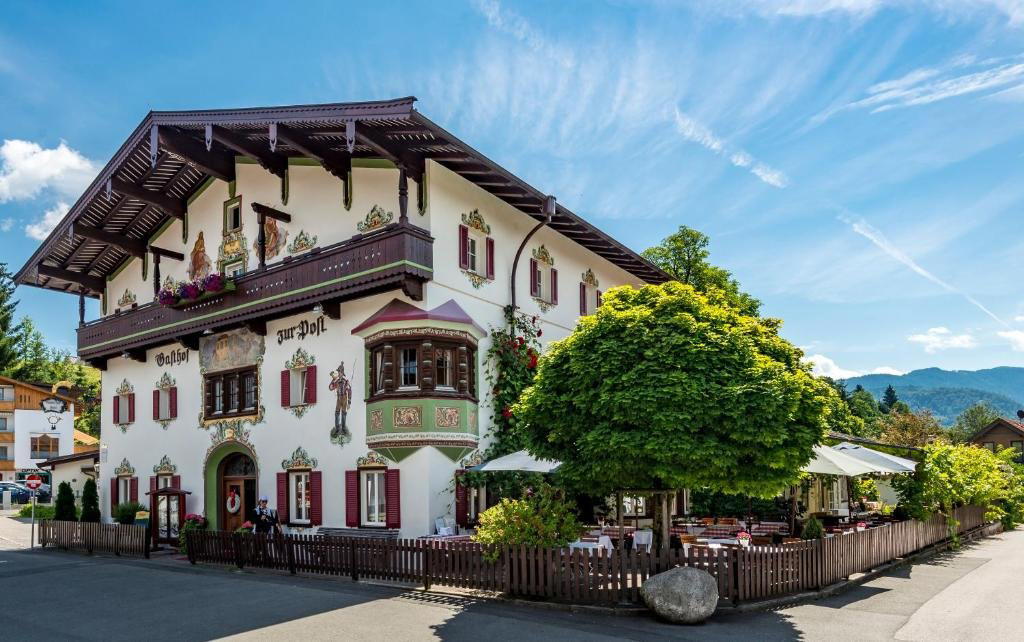
Where the Inn Valley Sets the Table
Tyrolean gasthaus culture operates on a logic that most urban restaurant formats have abandoned: the kitchen reflects what the surrounding land produces, and the dining room serves as a communal space for locals and travellers alike. Kössen sits in the Kaiserwinkl, a corner of the Tyrol where the Inn Valley floor meets the Kaisergebirge foothills, and the agricultural output of that terrain, dairy from high-altitude pastures, game from the surrounding forests, root vegetables from valley smallholdings, forms the practical foundation of what properties like Hotel Gasthof Post put on the table. This is not a marketing position. It is a structural reality of how gasthaus kitchens in this part of Austria have always worked.
The gasthaus format itself is worth understanding before arriving. Unlike the destination-dining model that dominates coverage of Austrian fine dining, think Steirereck im Stadtpark in Vienna or the creative programs at Ikarus in Salzburg, the gasthaus operates as an integrated hospitality unit where accommodation and food share equal weight. The kitchen does not anchor the experience; the place does. Guests staying at Hotel Gasthof Post at Dorf 43 in Kössen are coming for a meal rooted in Tyrolean gasthaus tradition. They are coming for the kind of cooking that disappears when regional supply chains get replaced by centralised wholesale distribution, and for the specific atmosphere of a working inn that serves the village it occupies.
The Ingredient Logic of the Kaiserwinkl
Austria's Alpine interior has a supply geography that separates it sharply from lowland European food cultures. At altitude, the growing season compresses, livestock graze on herb-rich mountain grass rather than cultivated feed, and the proximity of forest to pasture to kitchen means ingredient provenance is a function of geography rather than procurement philosophy. The cheeses that appear on tables in this region carry the flavour signatures of specific alms, summer grazing pastures above 1,500 metres, in ways that lowland dairy cannot replicate. Smoked meats follow curing traditions tied to particular valley microclimates. Game from the Kaisergebirge has a leanness and flavour intensity that reflects a diet of alpine vegetation.
This sourcing context matters because it defines what a gasthaus kitchen in Kössen can reasonably do well: dishes built around preserved, smoked, and slow-cooked ingredients that reflect the preservation traditions developed before refrigeration standardised the food chain. The more technically ambitious end of Austrian regional cooking, as practiced at properties like Döllerer in Golling an der Salzach or Obauer in Werfen, takes those same ingredient foundations and applies contemporary technique. The gasthaus format tends to stay closer to the traditional preparation methods, which is not a limitation so much as a different set of priorities.
Kössen itself sits roughly 40 kilometres northeast of Kitzbühel and close to the German border, which means the Kaiserwinkl's food culture absorbs some Bavarian influence alongside its Tyrolean base. That cross-border character shows up in broader gasthaus menus across the region, where dumpling traditions from both sides of the Inn appear alongside specifically Austrian preparations. For a more focused reading of how Tyrolean cooking plays out in other parts of the region, Taubenseehütte, also in Kössen, offers a useful point of reference within the same village.
The Gasthaus in the Austrian Hospitality Spectrum
Austria's hospitality offering has stratified considerably over the past two decades. At one end, internationally recognised fine-dining destinations in Vienna, Salzburg, and the Vorarlberg ski resorts draw a global audience. Properties like Griggeler Stuba in Lech or Gourmetrestaurant Tannenhof in Sankt Anton am Arlberg sit firmly inside that tier, with format and pricing aligned to international luxury travel. At the other end, village gasthouses serve a function that tourism has not yet fully commodified: genuine local hospitality, where the dining room serves both the visiting hiker and the neighbouring farmer, and where the menu changes with what is available rather than with the season's press release.
Hotel Gasthof Post occupies that second position. It is not competing with the Michelin-tracked properties that run through Austria's wine-growing regions and mountain resort towns, including Taubenkobel in Schützen am Gebirge, Landhaus Bacher in Mautern an der Donau, or Schwarzer Adler in Hall in Tirol. Its comparable set is the collection of working inns across rural Tyrol that keep regional cooking traditions alive without the scaffolding of awards recognition or destination-dining pricing. That distinction matters for how you plan a visit. Kössen is not primarily a dining destination in the way that Salzburg or Graz functions, for the latter, see Artis in Graz, but rather a base for exploring the Kaisergebirge, with the gasthaus providing a grounded, locally sourced counterpoint to resort-area dining elsewhere in the Tyrol.
For travellers building a broader Austrian itinerary that includes both the gasthaus tradition and more technically ambitious cooking, it is worth noting how the ingredient-sourcing logic of rural properties like this one underpins the more refined presentations found at award-tracked kitchens. The same Tyrolean dairy and game that appears simply prepared in a village gasthaus forms the sourcing foundation for the regional tasting menus at Kräuterreich by Vitus Winkler in Sankt Veit im Pongau or the ingredient-forward work at Ois in Neufelden. The gasthaus is, in that sense, the base layer of a supply chain that the rest of Austrian regional fine dining draws upon.
Planning a Visit to Kössen
Kössen is accessible from Salzburg in roughly 90 minutes by road, and from Munich in under two hours, making it a practical stop on a Tyrolean circuit rather than a dedicated destination requiring long-haul planning. The Kaiserwinkl's visitor pattern follows skiing in winter and hiking in summer, with the shoulder months of May and October offering the quietest conditions and the clearest connection to local life rather than resort-season tourism. Hotel Gasthof Post at Dorf 43 functions as an integrated inn, so accommodation and dining bookings are typically handled together; contacting the property directly by phone or in person is the standard approach for rural Austrian gasthouses of this type, where online booking infrastructure varies considerably.
Travellers used to the precision booking windows and pricing transparency of internationally tracked properties should recalibrate expectations accordingly. The gasthaus operates on different rhythms: less advance planning, more flexibility, and a dining experience whose value lies in regional authenticity rather than technical ambition. That is its specific offer, and it is one that the rest of the Austrian dining spectrum does not replicate.
Fast Comparison
Comparable venues nearby, for context on price, style, and recognition.
| Venue | Cuisine | Price | Notes |
|---|---|---|---|
| Hotel Gasthof PostThis venue — the venue you are viewing | Traditional Austrian Tyrolean | $$ | Not listed |
| Taubenseehütte | Traditional Tyrolean Alpine Cuisine | $$ | Kössen, Tirol |
| Das Gablerbräu | Traditional Austrian Wirtshaus | $$ | Rechte Altstadt |
| Zum Hirschen | Traditional Austrian | $$ | old town |
| Kandler Alm | Traditional Austrian Alpine | $$ | Brixen im Thale |
| zur LINÄ | Austrian Brewery Taproom | $$ | Schwoich |
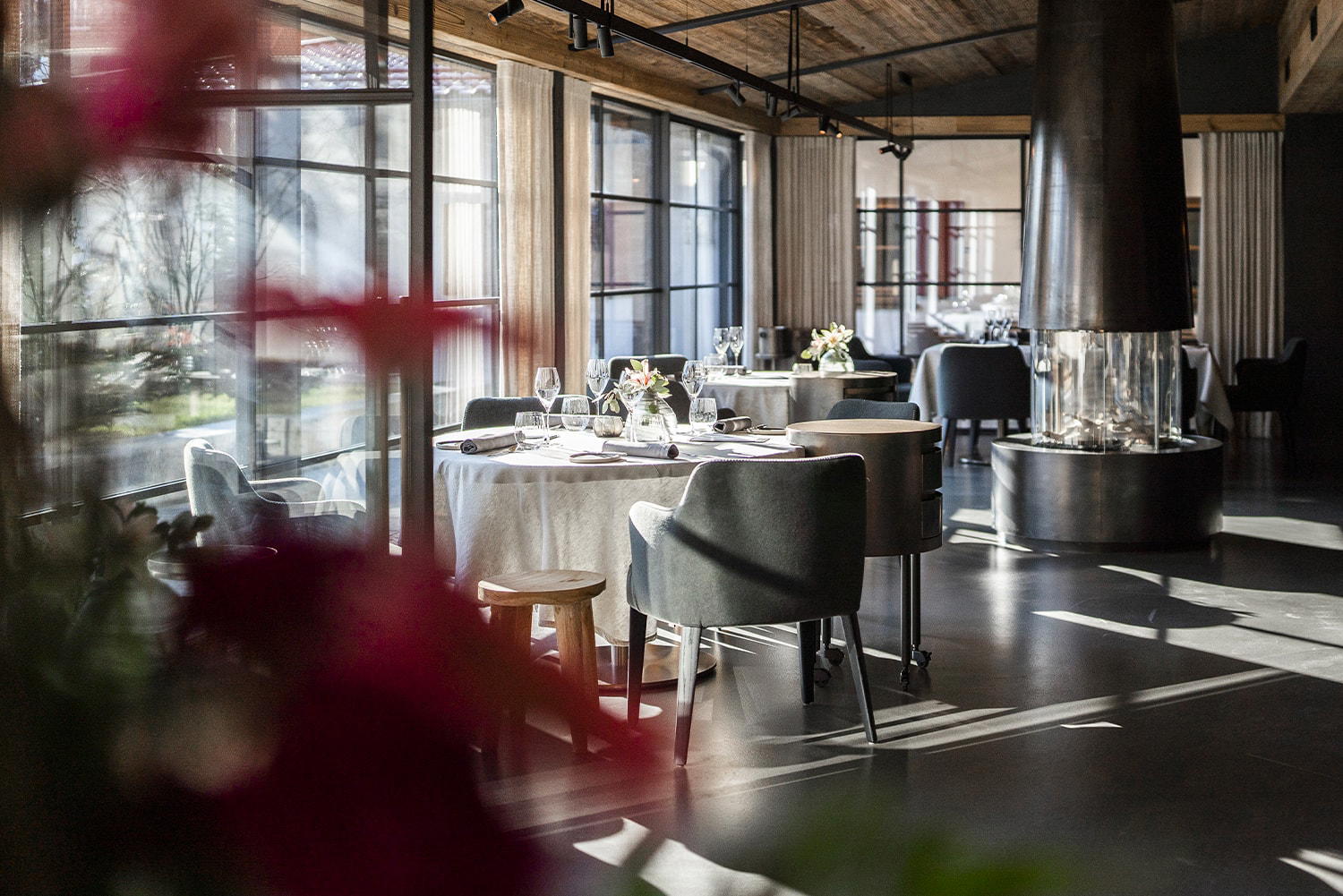
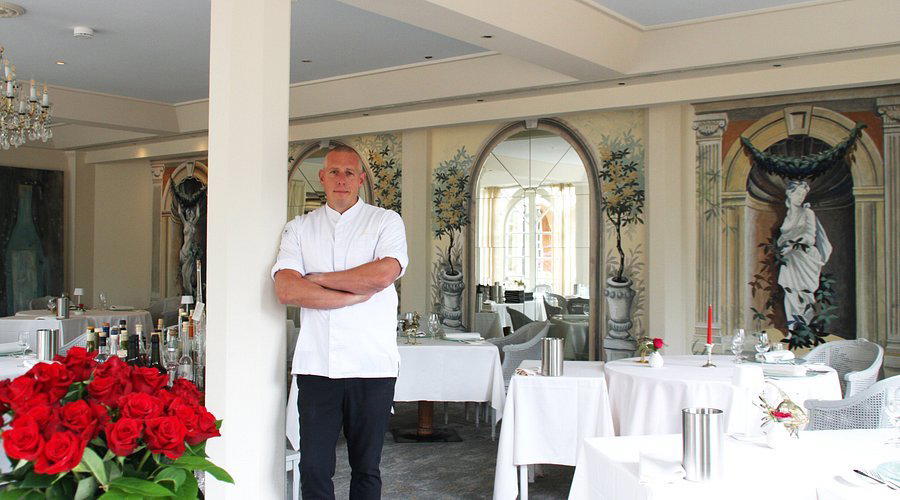
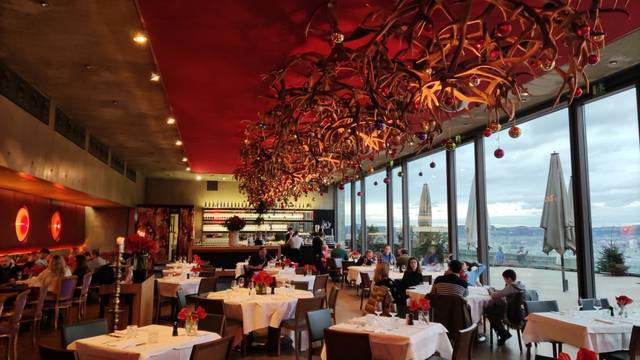


At a Glance
- Romantic
- Cozy
- Rustic
- Classic
- Family
- Date Night
- Hotel Restaurant
- Historic Building
- Local Sourcing
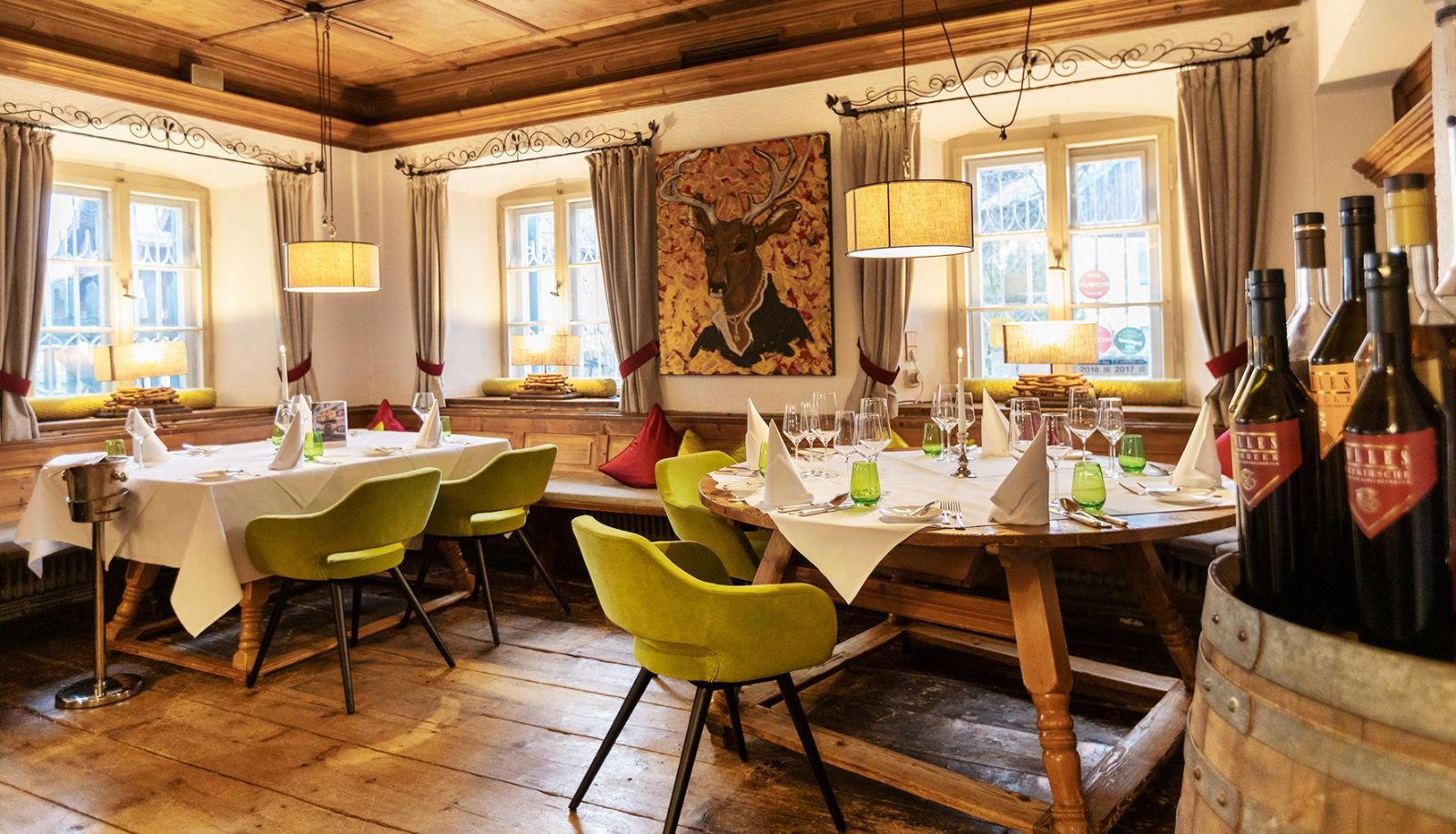
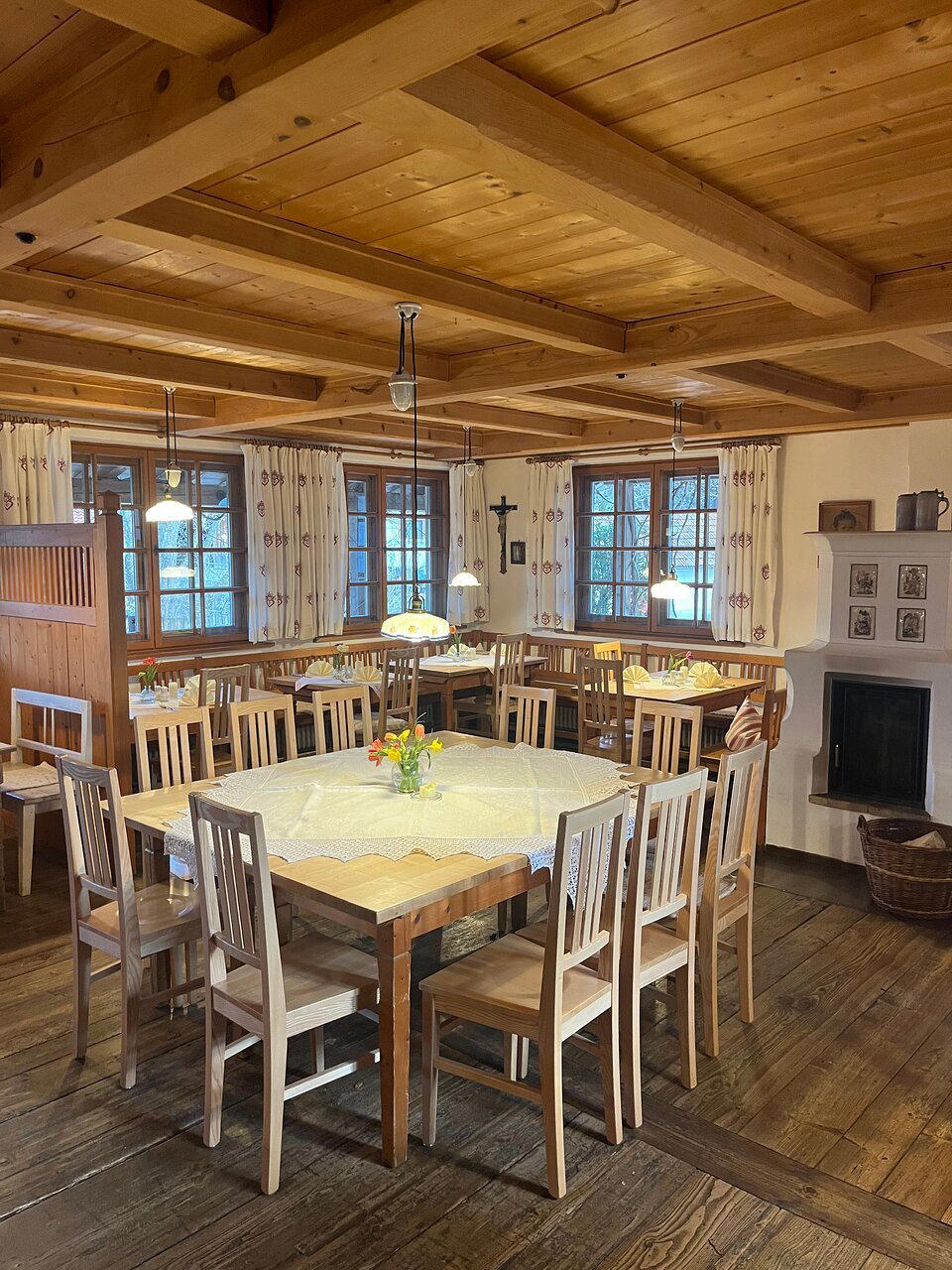
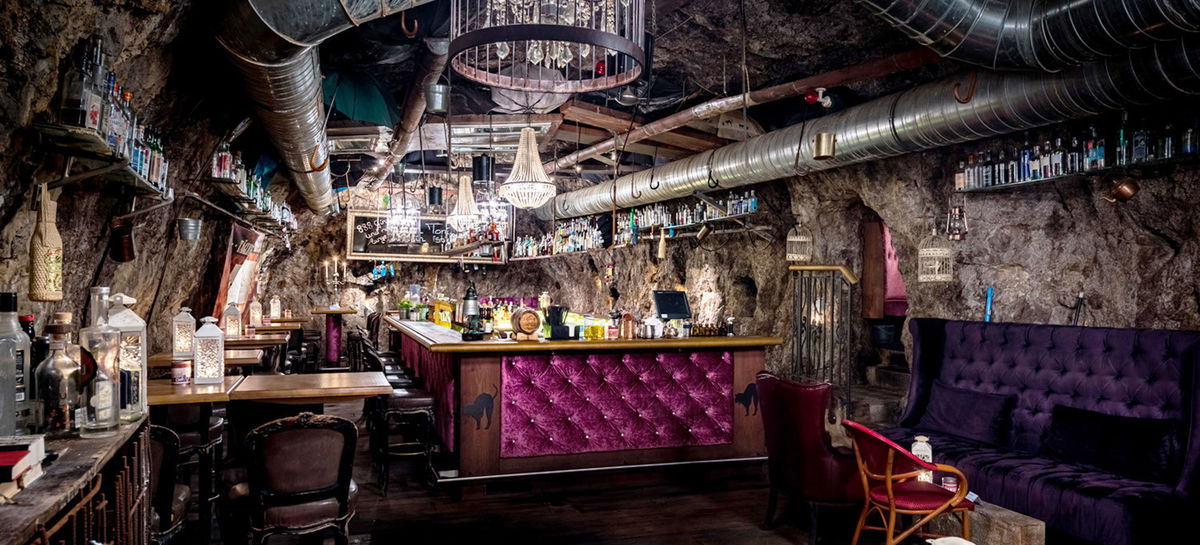
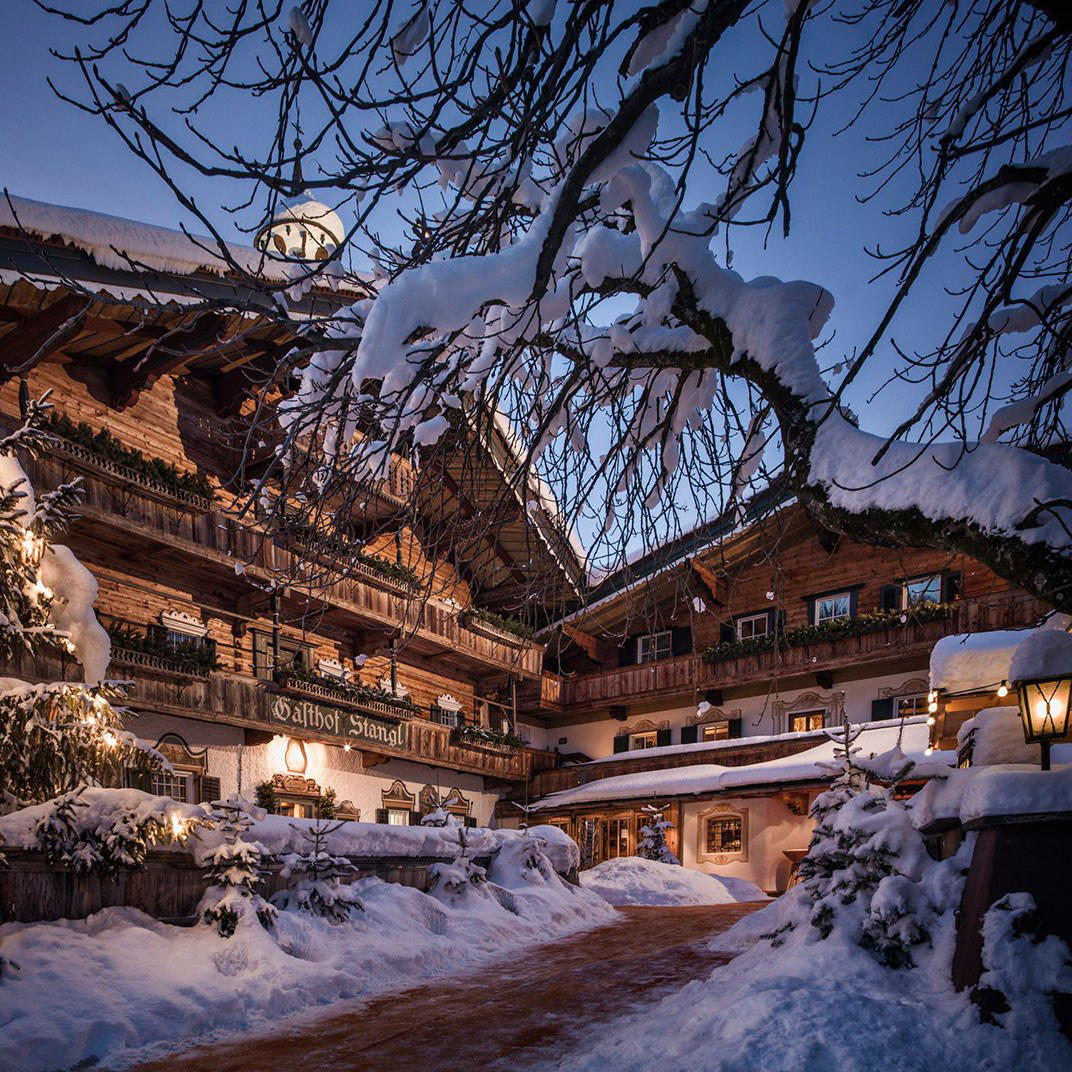
Homely living comfort in a lovingly decorated traditional setting with nostalgic, cozy atmosphere.