Almstüberl Gschwendt
Almstüberl Gschwendt sits on the slopes above Reith im Alpbachtal, where Alpine hut tradition and local ingredient sourcing converge in a setting shaped by the Tyrolean landscape. The cooking here draws from what the surrounding valleys and farms produce, placing it in a category of mountain dining where provenance and altitude are part of the logic. For context on the wider Tyrolean dining scene, see our full Reith Im Alpbachtal restaurants guide.
Pearl is the En Primeur Club membership app — saves, bookings, and concierge access live there. Same editors, same standards.
- Address
- Reither Kogel 4, 6235 Reith im Alpbachtal, Austria
- Phone
- +43533764395
- Website
- almstueberl-gschwendt.at
- Directions
- Get directions
 Saves & bookings on Pearl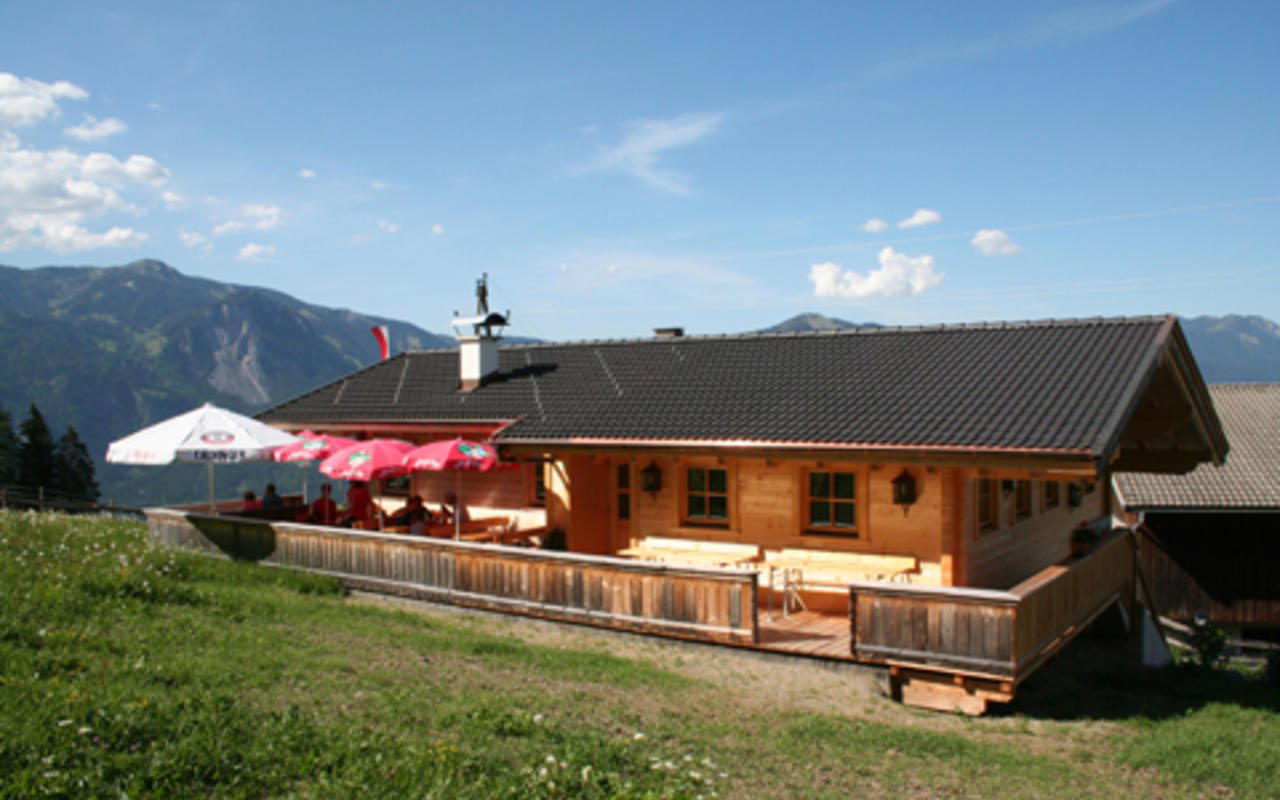
Where the Mountain Does the Work
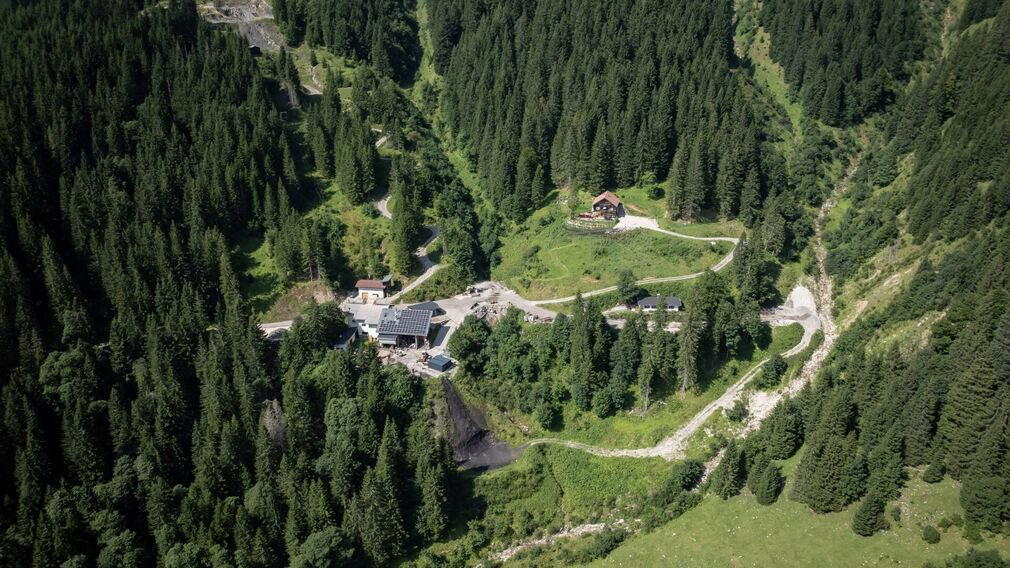
Approach Almstüberl Gschwendt from the valley below and the climb tells you something before you arrive. The Reither Kogel rises sharply above the Alpbachtal, one of Austria's most preserved Alpine valleys, and huts at this altitude have always operated according to a different set of rules than town restaurants. The supply chain is shorter by necessity. The menu is shaped by season in ways that urban kitchens often perform rather than practice. At mountain-hut level in Tyrol, what the kitchen can obtain from its immediate surroundings is not a marketing position; it is a structural constraint that historically produced particularly direct, ingredient-led cooking in the region.
Reith im Alpbachtal sits in a valley corridor that has maintained a quieter profile than the larger Tyrolean tourist centres. The village and its surrounding hamlets are associated more with hiking access and agricultural continuity than with the resort infrastructure of, say, the Arlberg. That context shapes expectations for an address like Almstüberl Gschwendt: this is not a dining destination in the destination-restaurant sense, but a place whose value is inseparable from the terrain it occupies. For those mapping their way through Austrian Alpine dining, our full Reith Im Alpbachtal restaurants guide situates this address within the wider local picture.
The Tyrolean Hut Tradition and What It Demands
Across the Austrian Alps, the Almstüberl format occupies a specific and well-understood position. These are not rustic novelties. At their functional core, mountain huts have always been provisioning points, and their kitchens evolved to handle locally raised meats, dairy from nearby pastures, foraged herbs and mushrooms from the surrounding forest, and preserved goods that could survive without the logistics infrastructure of a town below. The cooking that emerged from this structure is direct: heavily influenced by what the land offers and by the seasons that determine what is available.
Tyrol's Alpine pastures produce dairy with a flavour profile shaped by elevation and grass composition. The region's cattle grazing at altitude yield milk with distinct character that carries through into cheeses and cream-based preparations. Wild herbs found along high-altitude hiking corridors, including sorrel, alpine chervil, and various mountain grasses, have historically appeared in hut cooking not as garnish but as primary flavouring agents. This is the tradition that an address like Almstüberl Gschwendt operates within, and it is a tradition with real culinary substance behind it.
The comparison set for this kind of cooking is not the formal Austrian restaurant tier occupied by places like Steirereck im Stadtpark in Vienna, Döllerer in Golling an der Salzach, or Landhaus Bacher in Mautern an der Donau. Those kitchens operate with refined tasting menu structures, extensive wine programs, and a national reputation that places them at the apex of Austrian gastronomy. The Almstüberl format sits in a different and equally legitimate category: cooking whose quality is assessed by its fidelity to place rather than its position in a Michelin-led hierarchy. For context on what the Tyrolean fine-dining tier looks like at elevation, Griggeler Stuba in Lech and Stüva in Ischgl represent the formal end of that spectrum, where the mountain setting is paired with a polished international program.
Ingredient Geography at This Altitude
The sourcing logic for a hut kitchen at Reither Kogel is determined first by what can physically reach the kitchen. Deliveries to mountain addresses in the Alpbachtal are subject to road access, weather, and the seasonal rhythms of the valley. That limitation has historically acted as a creative pressure: kitchens at this level become skilled at working with what is proximate, abundant, and preserved. Dried meats, aged cheeses, smoked fish from nearby rivers, root vegetables from the lower farms, and wild forage from the surrounding slopes are the building blocks.
Austria's Alpine interior has a preserved food culture that rivals any in Central Europe. The Tyrolean tradition of Speck, the air-dried pork speciality produced according to regional methods, is one marker. Mountain cheeses from small producers in the Inn Valley and surrounding valleys represent another. Bread made from regional grains, often denser and more mineral than lowland equivalents, is a third. These are not nostalgic details; they are the functional base of Alpine hut cooking and the primary reason this format has retained relevance alongside the more formally ambitious end of the Austrian restaurant scene represented by addresses like Obauer in Werfen or Taubenkobel in Schützen am Gebirge.
Planning a Visit
Reith im Alpbachtal is accessible via the Inn Valley motorway, with the Alpbach exit placing visitors within a short drive of the valley floor. The Reither Kogel is served by lift infrastructure during the ski season and by hiking paths in the warmer months, which means access to an address at this altitude shifts depending on the time of year. Mountain hut dining in Tyrol operates most heavily during the summer hiking period, roughly late June through September, and during the winter ski season from December through March. The shoulder periods in between typically see reduced or no access. Visitors should confirm operating status and hours directly before making a specific trip, as hut kitchens at this elevation often operate on weather-dependent schedules that differ from valley restaurants.
For those building a wider Tyrolean or Austrian itinerary that includes this kind of terrain-focused dining alongside more formally credentialed addresses, the regional picture includes Schwarzer Adler in Hall in Tirol, Restaurant 141 by Joachim Jaud in Mieming, and Gourmetrestaurant Tannenhof in Sankt Anton am Arlberg. Further afield in the Austrian Alpine context, Kräuterreich by Vitus Winkler in Sankt Veit im Pongau and Ikarus in Salzburg show how the Alpine herb-and-forage tradition has been absorbed into more formally structured contemporary programs. For reference at the international level, Le Bernardin in New York City and Lazy Bear in San Francisco show how terrain-specific sourcing has become a primary organising principle in premium dining well beyond Austria's borders. Closer to Reith, Ois in Neufelden and Atelier Fischer in Sankt Gilgen offer two more data points on how the Austrian provincial kitchen has evolved in recent years, and Thaller - Gasthaus in Sankt Veit am Vogau demonstrates the gasthaus format operating at a high level in a comparable rural setting.
Quick Comparison
Comparable venues nearby, for context on price, style, and recognition.
| Venue | Cuisine | Price | Notes |
|---|---|---|---|
| Almstüberl GschwendtThis venue — the venue you are viewing | Traditional Tyrolean Alpine Cuisine | $$ | Not listed |
| Metzgerwirt | Traditional Tyrolean Austrian | $$ | Laimach |
| Umbrüggler Alm | Modern Tyrolean | $$ | Hungerburg |
| Schloss Mitterhart | Traditional Tirolean Cuisine | $$ | Vomp |
| Weidener Hütte | Regional Tyrolean Mountain Hut Cuisine | $$ | Weerberg |
| Frankalm | Traditional Austrian Alpine Cuisine | $$ | Brixen im Thale |
Continue exploring
More in Reith Im Alpbachtal
Restaurants in Reith Im Alpbachtal
Browse all →
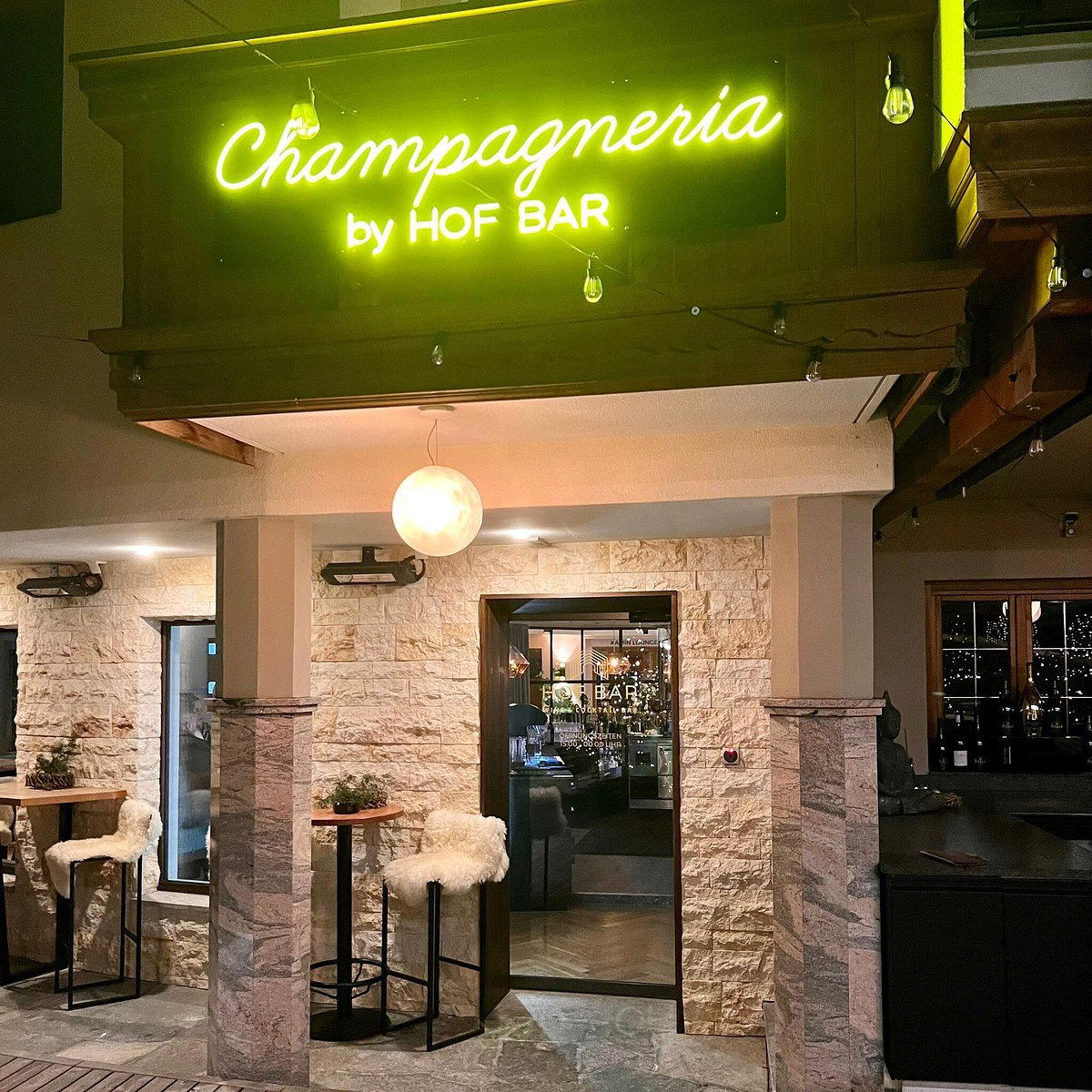
Bars in Reith Im Alpbachtal
Browse all →
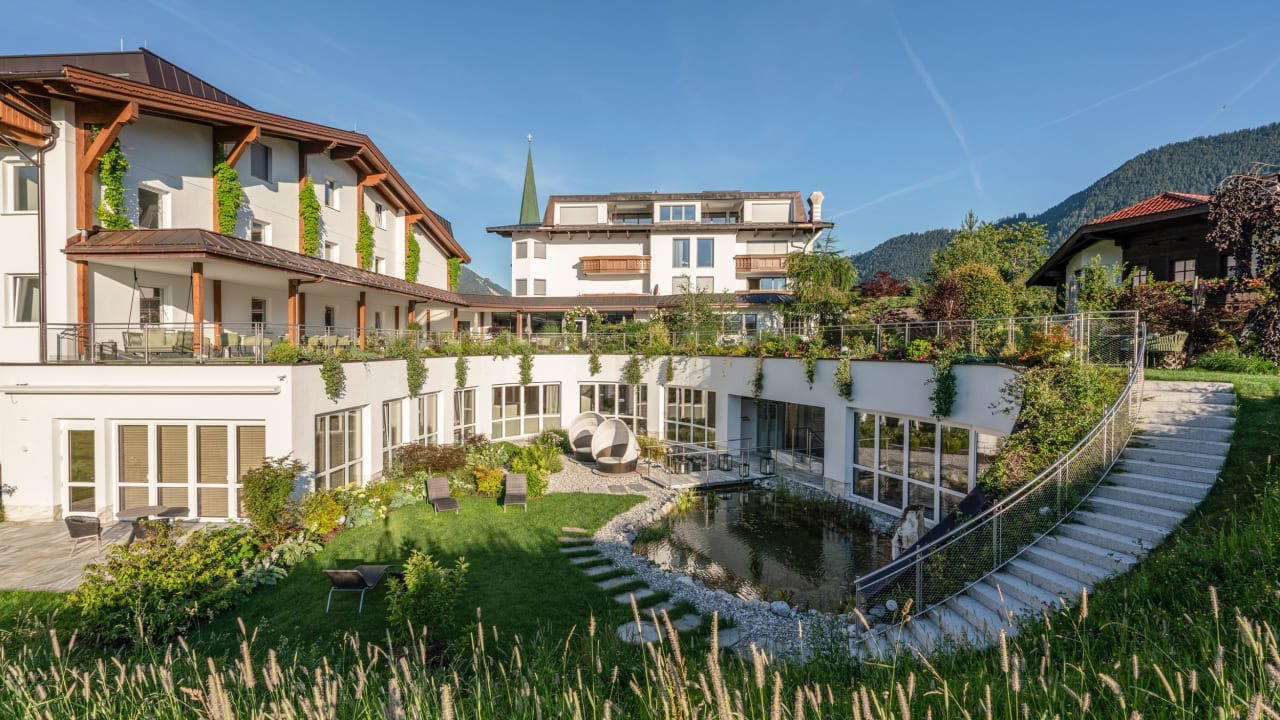
Hotels in Reith Im Alpbachtal
Browse all →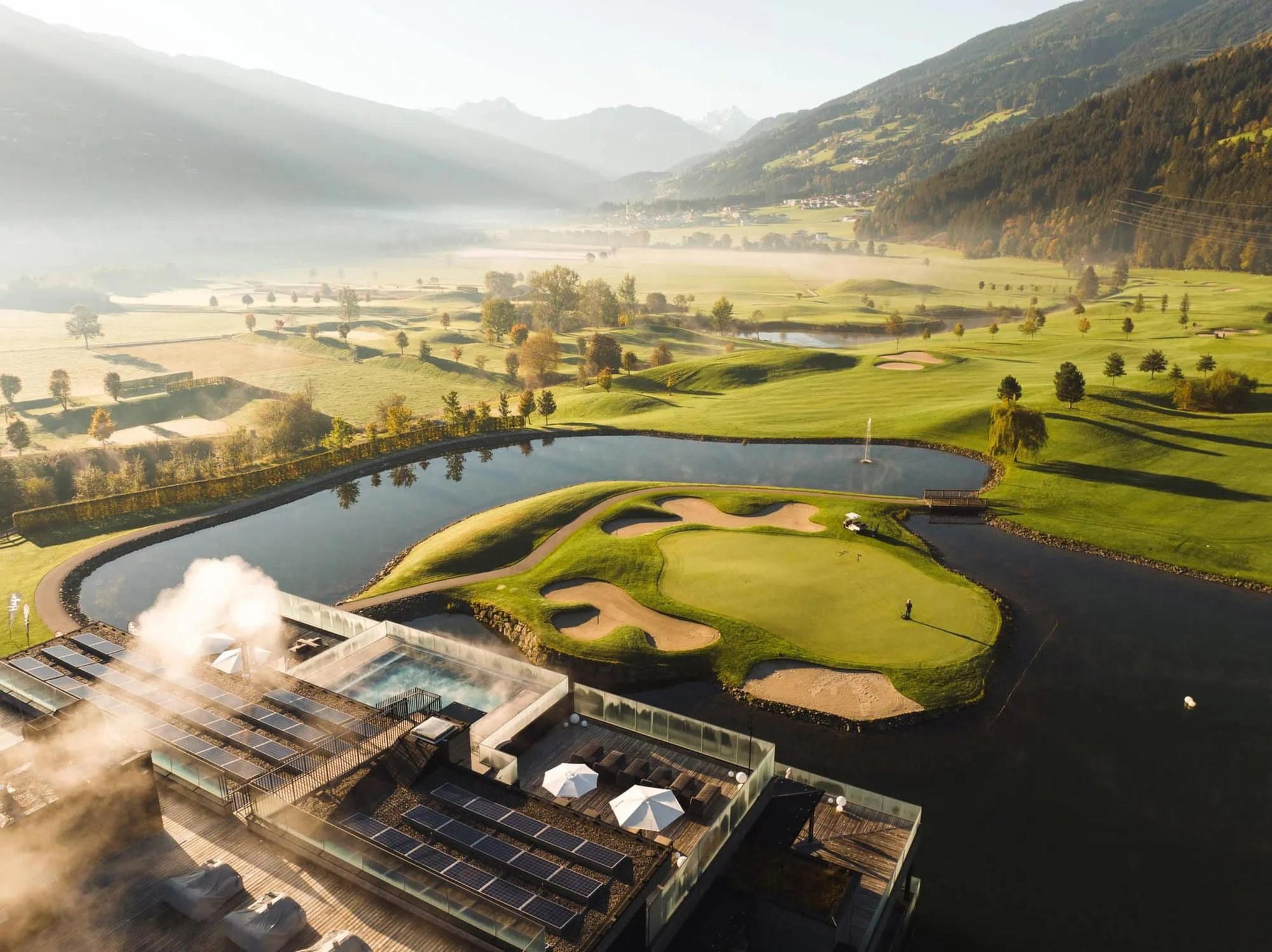
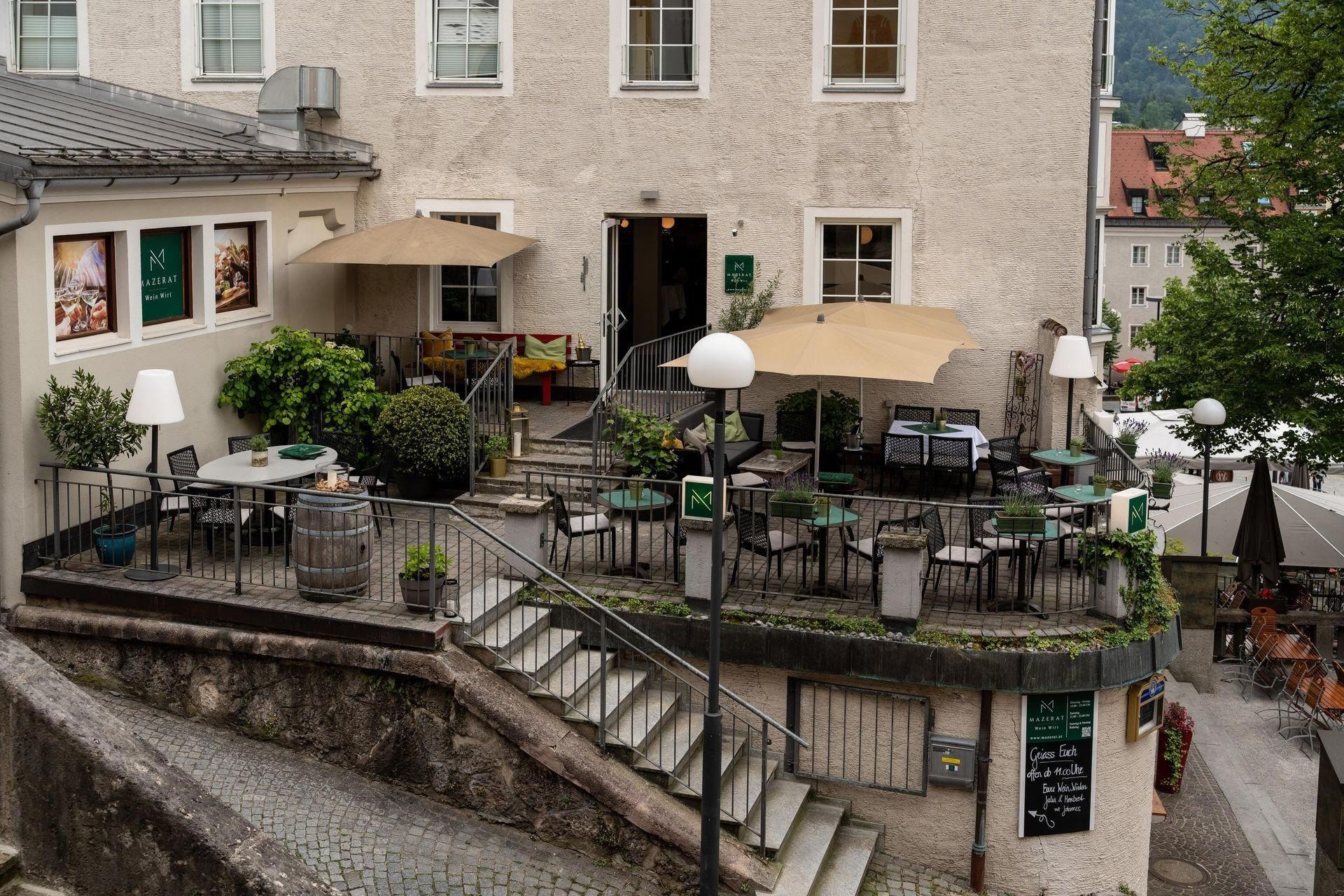
Wineries in Reith Im Alpbachtal
Browse all →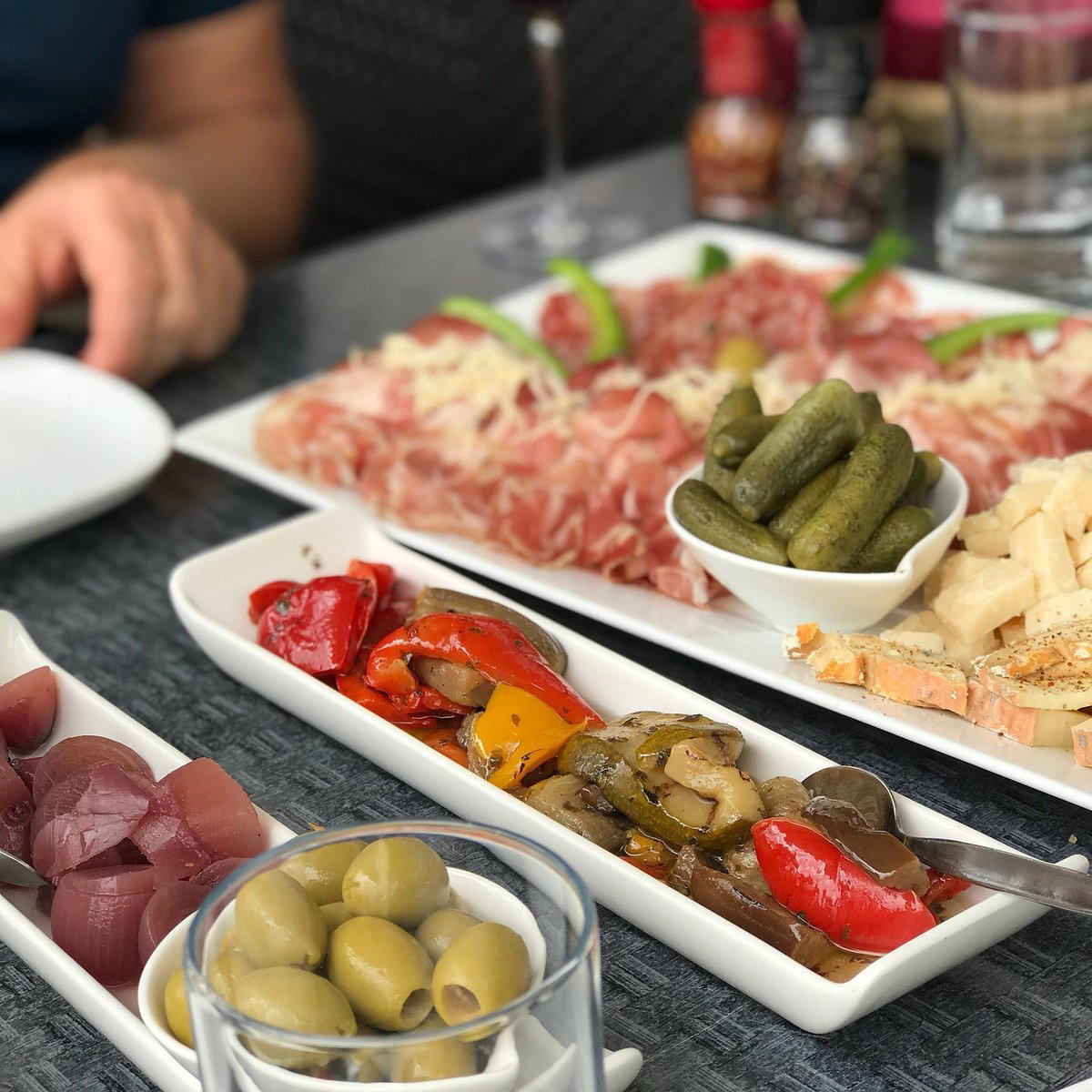

At a Glance
- Cozy
- Rustic
- Scenic
- Casual Hangout
- Family
- Historic Building
- Terrace
- Panoramic View
- Local Sourcing
- Mountain
Warm, inviting, and cozy atmosphere well-suited for relaxing after hikes or skiing.