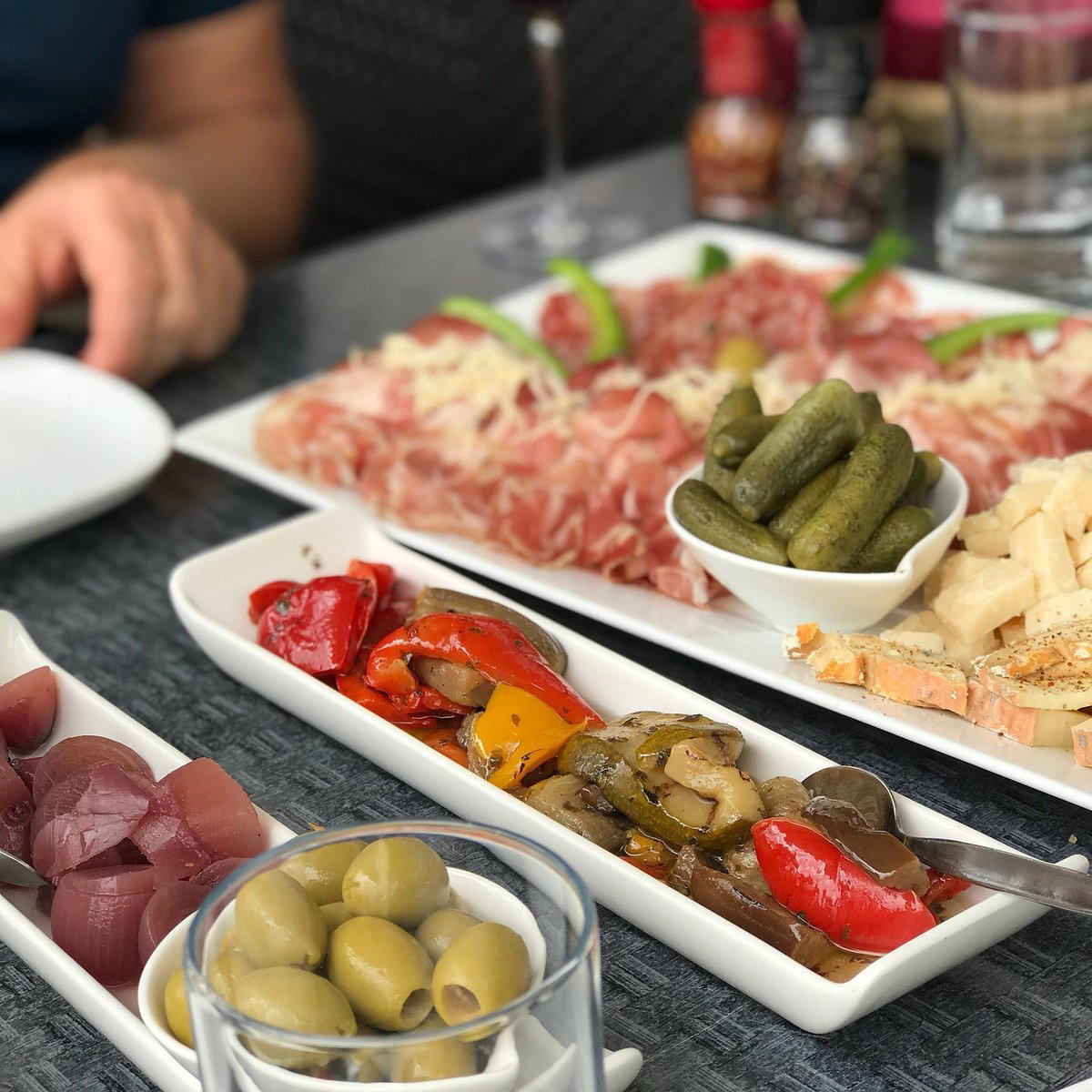
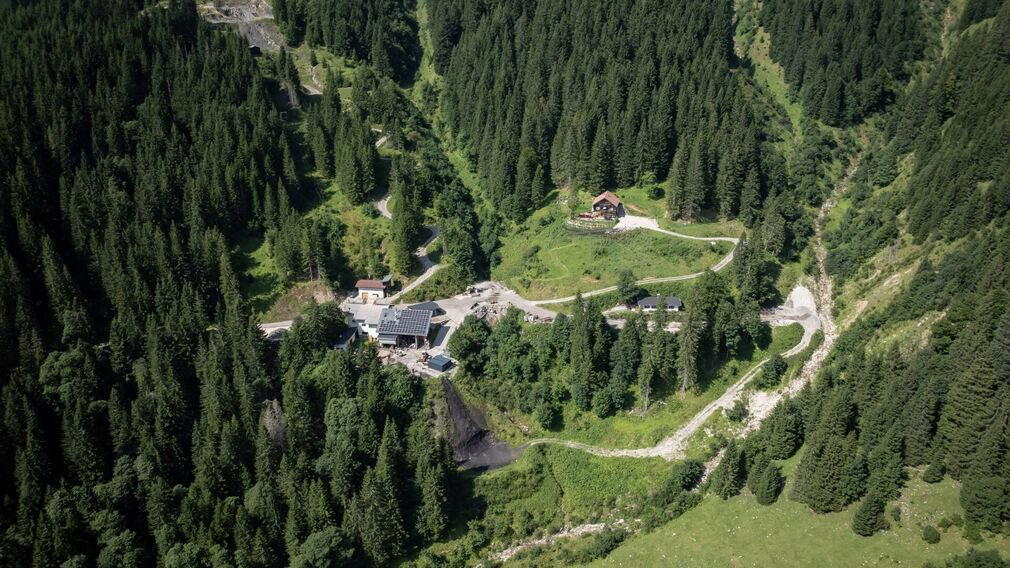
Zottahof sits at Alpbach 115 in one of Austria's most photographed alpine villages, where the surrounding Tyrolean landscape shapes what ends up on the plate. The address places it within a tight cluster of mountain producers and seasonal suppliers that define the Inn Valley's approach to ingredient-led cooking. For visitors exploring Alpbach's dining scene, it represents the quieter, produce-rooted end of the local offer.
Pearl is the En Primeur Club membership app — saves, bookings, and concierge access live there. Same editors, same standards.
- Address
- Alpbach 115, 6236 Alpbach, Austria
- Phone
- +436502727023
- Website
- business.site
- Directions
- Get directions
 Saves & bookings on Pearl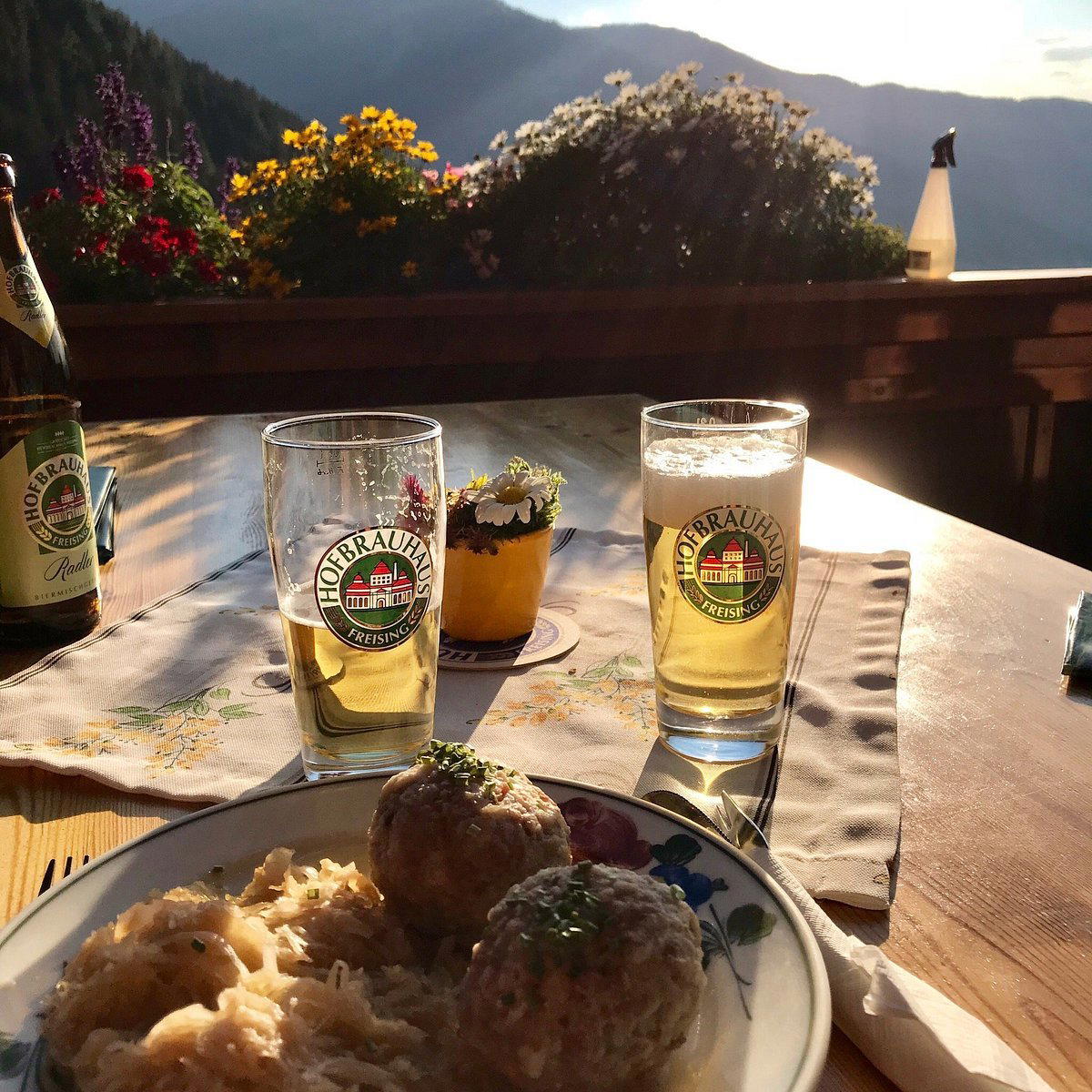
Where the Inn Valley's Produce Logic Shows Up Most Clearly
Alpbach does not announce itself loudly. The village, consistently ranked among Austria's most architecturally preserved alpine settlements, keeps its Tyrolean farmhouse facades intact and its supply chains short. The approach is not romantic artifice, it reflects geography. At this altitude, in a valley where the growing season compresses into a few decisive months, cooking that draws from the immediate surroundings is less a philosophy than a practical necessity. Zottahof, at address 115 on the village roll, sits inside that logic.
Understanding what Zottahof represents requires placing it against the broader pattern of Tyrolean mountain dining. This is a region where the distance between farm and kitchen is often measured in walking minutes rather than distribution kilometres, and where the seasonal calendar functions as a de facto menu. That constraint, which lowland kitchens spend considerable effort simulating, is simply the operating condition here. The Inn Valley's dairy farms, alpine herb meadows, and river-sourced proteins create a supplier map that ambitious kitchens at this altitude have always drawn from. Zottahof's position at Alpbach 115 places it physically inside that map.
The Ingredient Logic of the Tyrolean Alps
Austria's alpine kitchens have split into two recognisable camps over the past two decades. One camp chases the destination-restaurant model, formal tasting menus, wine cellars, and the kind of investment in service infrastructure that earns recognition from guides. The other stays closer to the farmhouse tradition: shorter menus, ingredients sourced within a narrow radius, and a register that reads as unpretentious rather than calculated. The comparison set for Zottahof is not Steirereck im Stadtpark in Vienna or Ikarus in Salzburg, both of which operate with urban resources and international ambitions. It sits closer to the village end of that spectrum, where local sourcing is structural rather than decorative.
This distinction matters when reading what any kitchen in Alpbach actually offers. The Inn Valley's alpine meadows produce dairy with a fat profile and flavour intensity shaped by short grass and high altitude. Wild herbs, particularly those harvested from above 1,000 metres, carry aromatic compounds that disappear at lower elevations. These are the raw ingredients that define the region's cooking character, and they set a different ceiling and floor for what a kitchen here can credibly claim to do. Properties like Kräuterreich by Vitus Winkler in Sankt Veit im Pongau have built formal recognition partly on the back of this alpine herb advantage. At the village level, that same raw material is available without the formal apparatus.
Further afield, Austria's most ingredient-focused kitchens, Döllerer in Golling an der Salzach, Obauer in Werfen, and Landhaus Bacher in Mautern an der Donau, demonstrate how deeply the country's cooking identity is tied to regional produce specificity. The Tyrolean corner of that tradition is less formally documented but no less real in its supply-chain logic.
Alpbach's Dining Position in the Tirol
Alpbach occupies an unusual position among Tyrolean resort villages. It lacks the ski-industry infrastructure of Ischgl, where Stüva operates within a high-spend winter economy, or the profile of Sankt Anton am Arlberg, where Gourmetrestaurant Tannenhof and the broader Arlberg fine-dining cluster draw destination visitors. Alpbach draws a quieter, architecturally curious crowd, the village won the title of Austria's most beautiful village multiple times, and its dining scene reflects that register. The offer skews toward smaller, locally grounded operations rather than the polished destination formats of the larger resorts.
That context positions venues like Zottahof within a specific reader decision. Visitors arriving via the Alpbachtal valley road, most commonly from Brixlegg on the Inn Valley floor (roughly 15 kilometres and 600 metres of elevation), are typically not arriving for a high-end tasting menu. They are arriving for the village itself, and the dining exists in service of that visit rather than as an independent draw. For deeper alpine fine dining in the Tirol, the comparison set runs through Griggeler Stuba in Lech and Schwarzer Adler in Hall in Tirol, both operating at a different scale of ambition and service investment.
For those building a broader Austrian food itinerary, the context extends to operations like Ois in Neufelden, Taubenkobel in Schützen am Gebirge, and Artis in Graz, each representing a different regional chapter in Austria's produce-rooted dining story. Restaurant 141 by Joachim Jaud in Mieming provides the closest geographic comparison within Tirol's more formally recognised kitchens. The full scope of Alpbach's local dining options includes Fuggerstube, which operates a seasonal format alongside Zottahof in the village's dining scene.
Planning a Visit
Alpbach is a seasonal destination with two distinct peaks: summer (July to September), when the hiking calendar drives visitor numbers, and winter (December to March), when the Ski Juwel Alpbachtal Wildschönau area draws skiers. Both periods compress demand into the village's limited accommodation and dining stock. Reaching Alpbach without a car requires a train to Brixlegg followed by a connecting bus, a combination that adds planning friction for international arrivals. The village is walkable once you are there, with Zottahof's address at 115 placing it within the main settlement cluster. Confirm opening times directly before visiting.
Comparable Venues
Comparable venues nearby, for context on price, style, and recognition.
| Venue | Cuisine | Price | Awards | Notes |
|---|---|---|---|---|
| ZottahofThis venue — the venue you are viewing | Authentic Tyrolean | $$ | Not listed | Not listed |
| Fuggerstube | Alpine Fine Dining | $$$$ | Michelin Plate | Alpbach center |
| zur LINÄ | Austrian Brewery Taproom | $$ | Not listed | Schwoich |
| Bürgerstuben | Austrian & Central European with Mediterranean influences | $$ | Not listed | Axams |
| Bacheralm | Traditional Tyrolean Alpine Hut | $$ | Not listed | Kirchdorf in Tirol |
| Bärstattalm | Traditional Tyrolean | $$ | Not listed | Gaisberg |
Continue exploring
More in Alpbach
Restaurants in Alpbach
Browse all →
Bars in Alpbach
Browse all →
Hotels in Alpbach
Browse all →

At a Glance
- Rustic
- Cozy
- Scenic
- Casual Hangout
- Family
- Terrace
- Mountain
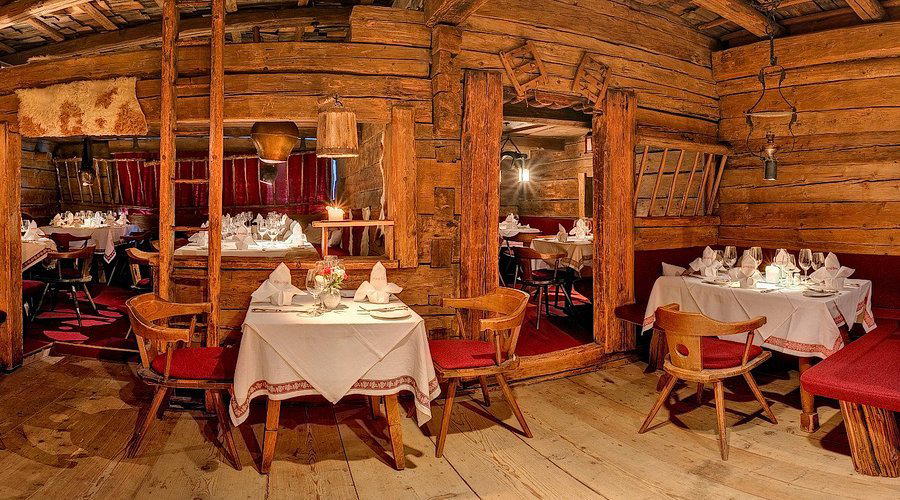
Warm and charming atmosphere in a picturesque alpine setting.