Fatback
Fatback brings an in-house butcher program and artisanal sandwich format to the West Loop corridor, positioning itself in the fast-casual tier that Chicago's lunch crowd has quietly made one of the city's most contested dining categories. At 176 W Wacker Dr, it operates as part sandwich counter, part specialty market, a format that separates it from both the grab-and-go deli and the sit-down lunch set.
Pearl is the En Primeur Club membership app — saves, bookings, and concierge access live there. Same editors, same standards.
- Address
- 176 W Wacker Dr, Chicago, IL 60601, USA
- Directions
- Get directions
 Saves & bookings on Pearl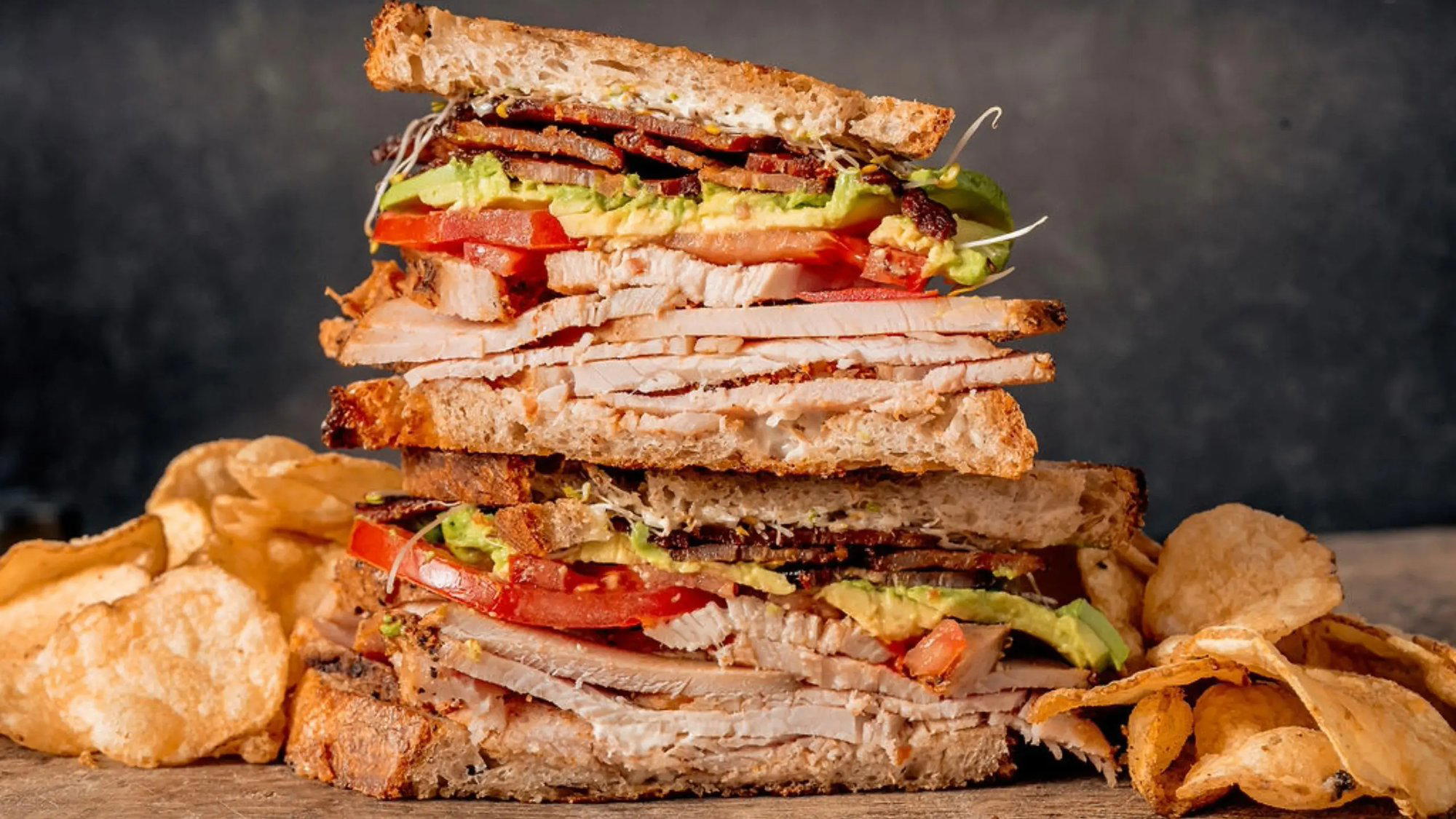
Where the Counter Meets the Cutting Block
Fatback is a restaurant in Chicago's Loop at 176 W Wacker Dr, known for artisan sandwiches and rotisserie, with a casual walk-in-friendly format and an average price around $15. The physical container here does real work. Fast-casual formats in this part of downtown tend toward the anonymous: laminate counters, overhead menu boards, queues that funnel you through and out. Fatback's in-house butcher component changes that equation visually before you've ordered anything. A working butcher setup signals something different from the usual grab-and-go format, it places the sourcing process in the room rather than hiding it in a kitchen, which is a deliberate spatial choice with editorial consequences for how the food reads.
Chicago has a long relationship with meat and the traditions surrounding it. The city's stockyard history is well-documented, and that lineage has shaped a civic appetite, literal and figurative, for serious protein work. The artisanal sandwich category that has grown nationally over the past decade draws on that tradition in a new register: slower sourcing, in-house curing or butchery, bread programs that treat the vessel as seriously as the filling. Fatback positions itself in that current, at a location where the competition for the lunch hour is intense and the formats range from expense-account dining rooms to fast-food counters.
The Fast-Casual Tier, Reconsidered
Chicago's lunch market has become one of the more interesting testing grounds for what premium fast-casual can mean in practice. At the upper end of the city's dining register, places like Alinea, Smyth, and Oriole operate in a multi-hundred-dollar-per-head bracket with booking windows measured in months. Kasama and Next Restaurant occupy a middle register where the format is still structured and the commitment is evening-length. The space below that, the midday, no-reservation, counter-service tier, is where Fatback operates, and it is not an easy category to do well.
The challenge is that the fast-casual format demands a kind of compression: the sourcing intelligence of a serious restaurant has to survive a service model built for throughput. Specialty markets that attach to a sandwich program try to solve this by making the sourcing legible as retail, you can see the products, buy them to take home, and understand something about the supply chain in the process. That dual-format structure (counter service plus market) is more common in cities like New York and Los Angeles, where the food-retail crossover has been developing longer. In Chicago, it remains a smaller niche, which gives venues in that space more room to define what the category means locally.
Bread, Butchery, and the Logic of the Sandwich
The artisanal sandwich, properly executed, is an argument about ratios and sourcing rather than complexity for its own sake. The leading examples in the category, whether in the Italian beef tradition that Chicago already owns, or in the newer grain-to-counter model that has emerged from the artisan bread movement, succeed because every component is treated as load-bearing. The bread has to hold structure without overwhelming the filling. The protein has to be cut and seasoned with the final assembly in mind. The condiments have to do specific work rather than serving as generic lubrication.
An in-house butcher program, integrated into a sandwich operation rather than operating as a standalone shop, gives a venue direct control over that middle layer. It means cuts can be chosen and prepared specifically for sandwich application, thickness, fat distribution, and seasoning can be calibrated for how the meat will sit between bread rather than how it will perform on a plate. That level of integration is less common in the fast-casual tier than the language around it might suggest; many operations that describe themselves as butcher-forward are sourcing from external suppliers and doing limited processing in-house. The distinction matters to the quality of what lands in front of you.
Chicago's broader dining scene provides useful comparative context here. The city that produced the deep-dish debate, the Chicago dog orthodoxy, and the Italian beef as a civic institution has strong opinions about what constitutes a serious sandwich. Fatback enters that conversation at a Wacker Drive address that puts it in proximity to a lunch audience that cycles through options quickly and knows when something is different.
Getting There and Planning Your Visit
Reaching 176 W Wacker Dr is direct from most downtown starting points. The address sits close to the Chicago River, with CTA access from multiple lines in the Loop. For visitors staying in the River North or West Loop hotel corridors, the walk is manageable in most weather. As a fast-casual format, Fatback does not operate on a reservation system in the way that Chicago's tasting-menu tier does. The practical upside is flexibility; the practical reality is that midday queueing at this address will reflect the density of the surrounding office and tourism foot traffic. Arriving before noon or after the primary lunch rush typically translates to a shorter wait.
The specialty market component means the visit can have a retail dimension beyond the meal itself, a useful consideration if you're building a day around Chicago's food scene rather than just a single lunch stop.
For those using Chicago as a node in a broader American food trip, the reference points shift depending on direction. The tasting-menu tradition that runs from The French Laundry in Napa through Le Bernardin in New York City and down to Emeril's in New Orleans represents one axis of American dining ambition. The counter-service and artisan-market tier that Fatback inhabits represents a different one, lower in ceremony, no less serious in its sourcing commitments, and more revealing of how a city actually eats day to day.
The Short List
Comparable venues nearby, for context on price, style, and recognition.
| Venue | Cuisine | Price | Notes |
|---|---|---|---|
| FatbackThis venue — the venue you are viewing | Loop, Artisan Sandwiches & Rotisserie | $$ | Not listed |
| Harry Caray's Tavern, Navy Pier | Not listed | $$ | Navy Pier, American and Italian Comfort Food |
| Roots Handmade Pizza | Lincoln Square, Quad Cities-Style Pizza | $$ | Not listed |
| 90th Meridian | Not listed | $$ | Downtown Chicago Loop, Contemporary American Casual |
| Grant Park Bistro | Not listed | $$ | Downtown / The Loop, American Bistro |
| Smoke Daddy | Wrigleyville, Chicago BBQ | $$ | Not listed |
At a Glance
- Modern
- Trendy
- Industrial
- Casual Hangout
- Open Kitchen
- Local Sourcing
- Street Scene
Current opening hours
- Monday
- 10 AM–7 PM
- Tuesday
- 10 AM–7 PM
- Wednesday
- 10 AM–7 PM
- Thursday
- 10 AM–7 PM
- Friday
- 10 AM–7 PM
- Saturday
- Closed
- Sunday
- Closed
Hours can change for holidays and private events. Last verified .
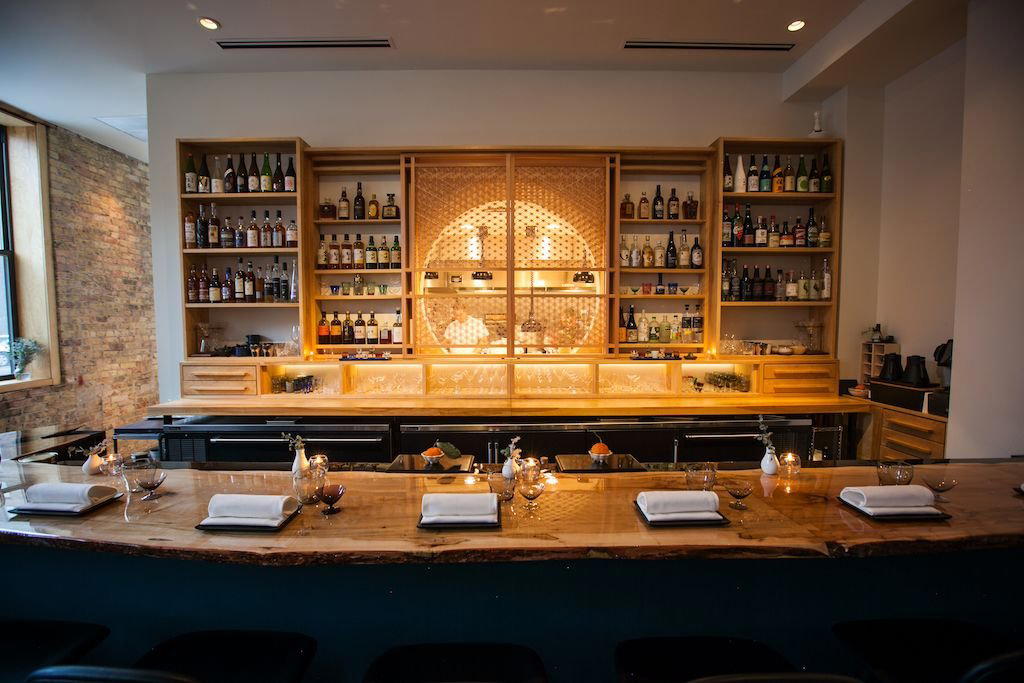
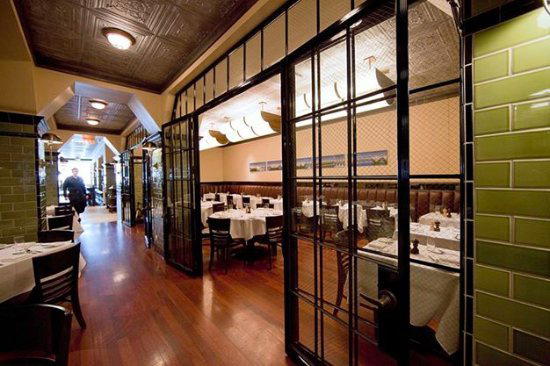
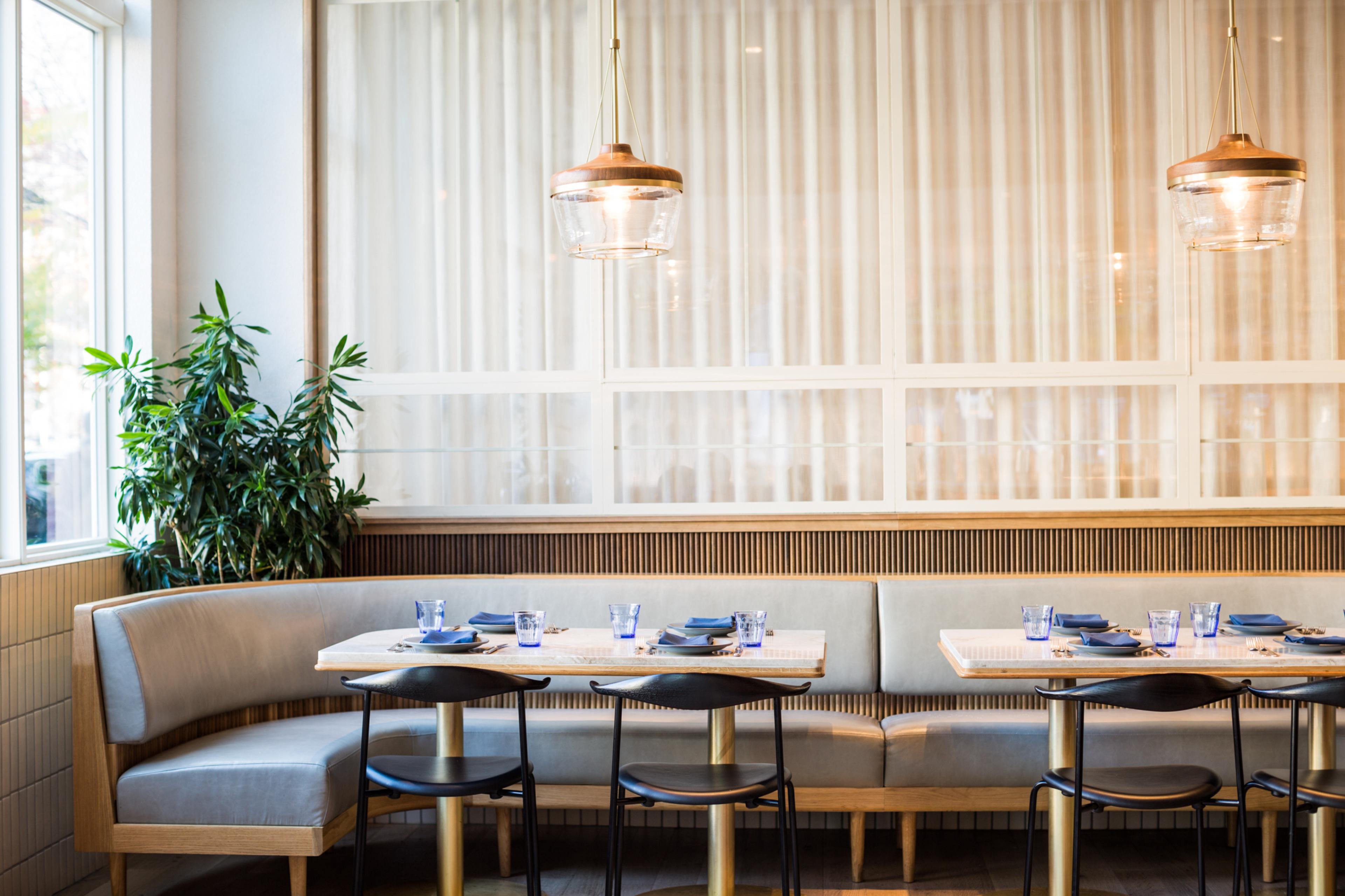
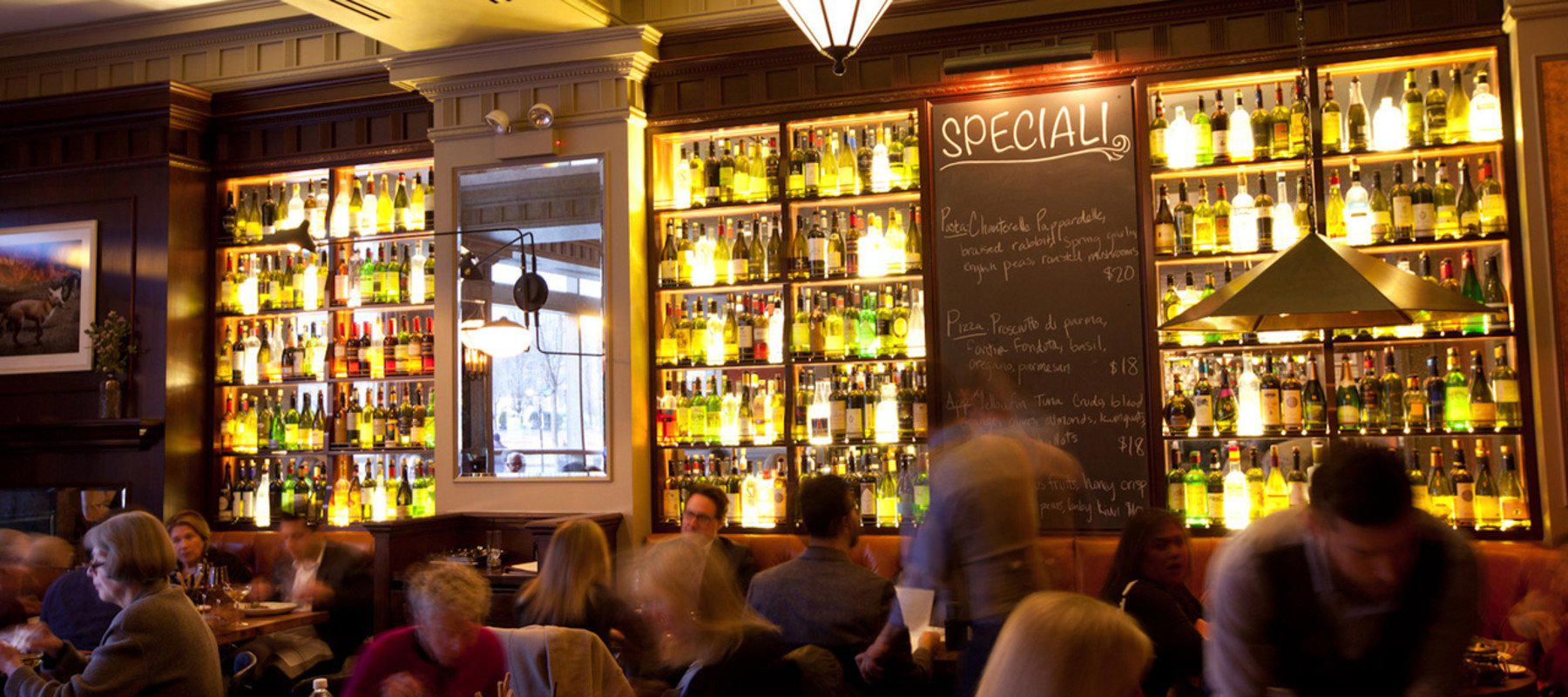
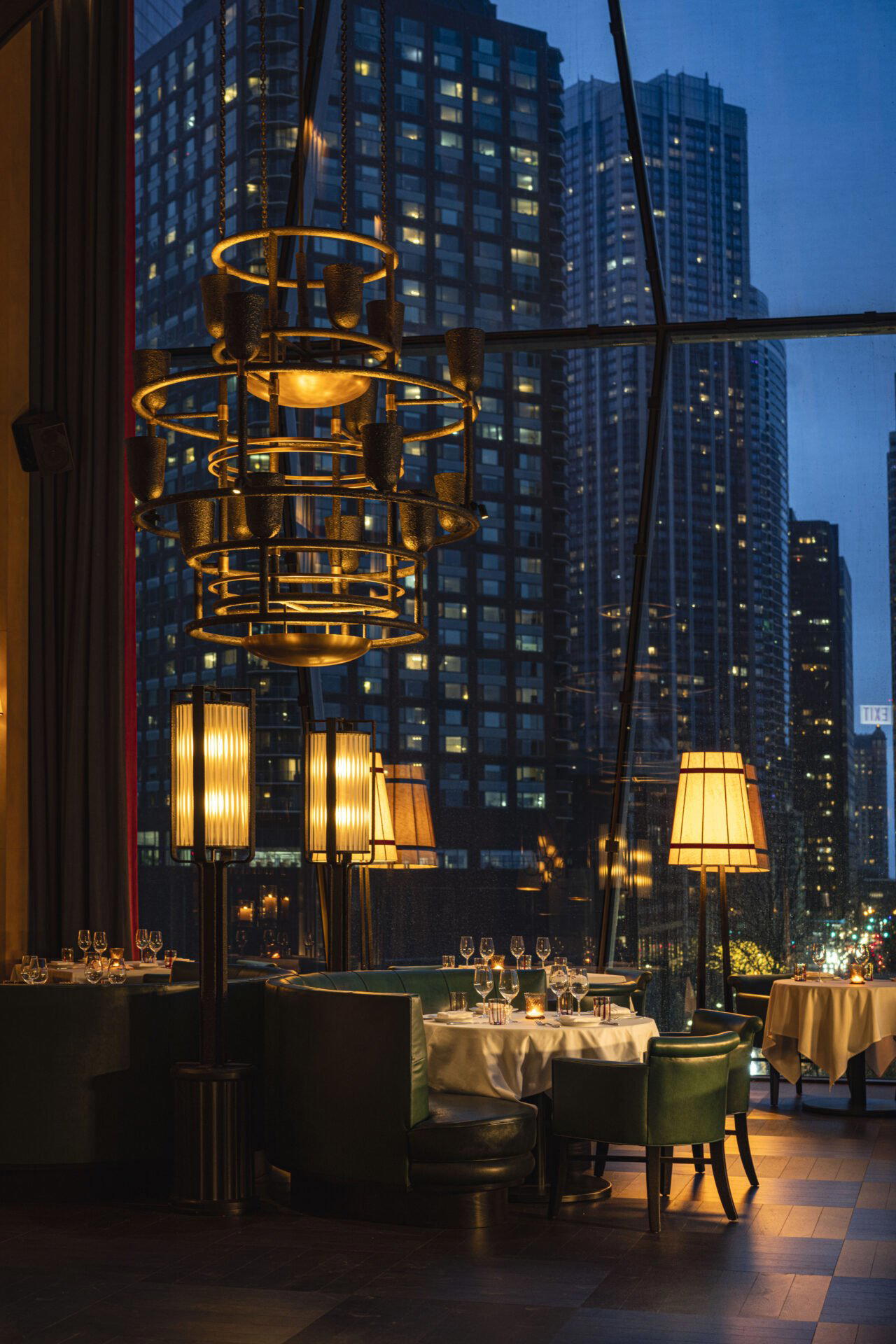
European market vibes with 1950s French butchery inspiration, large windows overlooking Wacker Drive, central market table, high-top tables, and counter seating.