Pop Up Bagels
Pop Up Bagels brings New York-style bagel culture to Chicago, operating through a format built around freshness, simplicity, and walk-in accessibility. Part of a growing national wave of specialty bagel operations that prioritise the bread itself over elaborate toppings, it sits within a casual dining tier that contrasts sharply with Chicago's celebrated fine-dining scene anchored by restaurants like Alinea and Oriole.
Pearl is the En Primeur Club membership app — saves, bookings, and concierge access live there. Same editors, same standards.
- Address
- Chicago, United States
- Website
- popupbagels.com
- Directions
- Get directions
 Saves & bookings on Pearl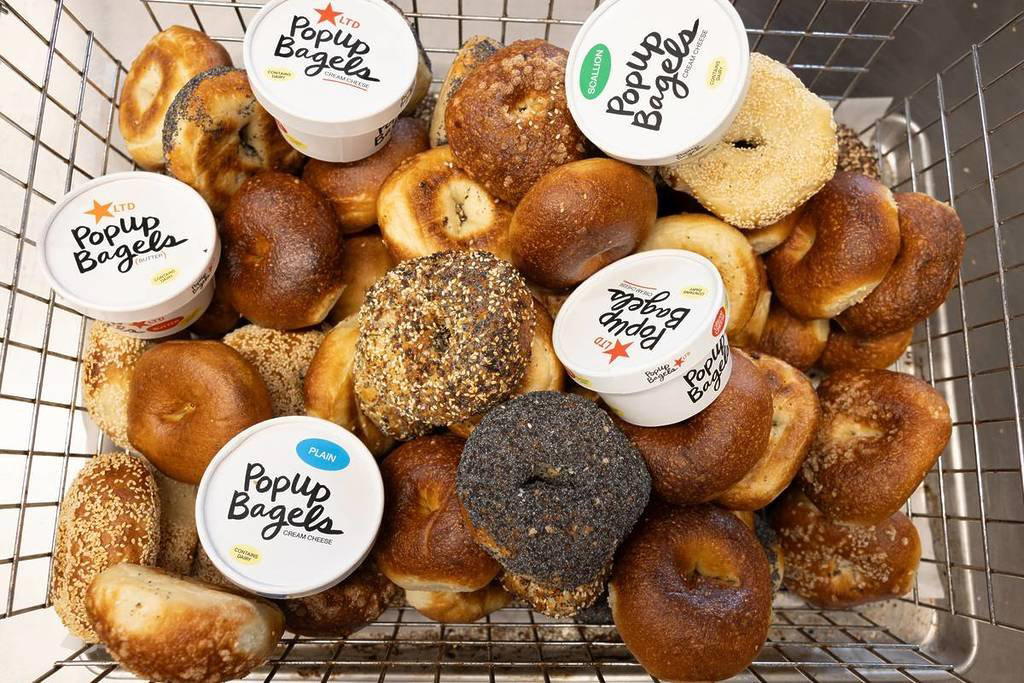
Where Chicago Queues for Bread
There is a particular kind of morning energy that forms around a serious bagel operation: the queue that arrives before the sign goes up, the brown paper bags folded at the leading, the counter staff moving with the deliberate speed of people who know the product will run out. That rhythm, long associated with specific streets in New York and Montreal, has been transplanting itself to cities across North America, and Chicago is no exception. Pop Up Bagels represents one node in that expansion, bringing a format built around the bagel itself, boiled and baked to order, into a city whose breakfast culture has historically tilted toward diner eggs and corner bakeries rather than dedicated bagel counters.
Chicago's dining identity is most publicly associated with its fine-dining tier. Restaurants like Alinea, Smyth, and Oriole have defined how the city appears in international food conversations, while spots like Kasama and Next Restaurant show how the city absorbs and reinterprets culinary traditions from across the world. But that visibility creates a gap: the casual, format-driven, neighbourhood-first operations that sustain daily eating often get less editorial attention than the tasting-menu counters. Specialty bagel operations sit squarely in that gap, and their recent proliferation in American cities reflects a shift in where food-conscious consumers are directing their attention and spending outside of special-occasion dining.
The Bagel as Format, Not Afterthought
The broader wave of serious bagel operations in North America shares a defining characteristic: the bread is the product, not a vehicle. This contrasts with decades of grocery-store and chain-bakery bagels, where the dough had become dense, over-sized, and shelf-stable in ways that moved it far from its origins. The renewed interest in kettle-boiled, wood-fired or deck-oven bagels, kept simple in topping range but precise in production, draws on models that have operated for generations at places like Fairmount Bagel in Montreal and Absolute Bagels in New York City. Those reference points matter when assessing any new operation claiming to take the format seriously: the bar is set by places that have been doing one thing well for decades, with limited menus and no interest in expansion for its own sake.
Pop Up Bagels, as a brand, entered the market with that kind of focus as its stated premise, prioritising fresh production runs and a tight offering over the sprawling menus that characterise many American brunch operations. In Chicago specifically, that positioning lands in a market where the competition at the casual end of the breakfast spectrum is a mix of traditional Jewish-deli-style counters, artisan bakeries oriented around sourdough and pastry, and corporate chains. A bagel-first operation with production discipline fits a gap that the city has not historically filled in the same concentrated way that New York or Montreal have.
Neighbourhood Context and Walk-In Culture
The editorial angle that matters most for any casual, counter-service operation is location. A bagel shop derives its character almost entirely from its immediate neighbourhood, the foot traffic it catches, the morning commuters or weekend walkers who find it organically rather than through a reservation system. Unlike Chicago's Michelin-tracked restaurants, which draw destination diners from across the city and beyond, a neighbourhood bagel counter tends to build its reputation block by block before word spreads further.
Chicago's food geography is genuinely distributed: the city's best-regarded eating is not concentrated in a single district but spread across neighbourhoods with distinct characters, from River North's restaurant density to Logan Square's independent food culture to the South Side's deep-rooted culinary traditions. Where a specialty bagel operation plants itself within that geography shapes everything about who it serves, when it's busiest, and what kind of community ritual it becomes.
What is consistent across the Pop Up Bagels model is the walk-in format. There are no reservations and no pre-ordering complexity. You arrive, you queue if needed, and you leave with something made that day. That simplicity is itself a product decision, and it positions the operation in a different tier from the reservation-required, multi-course experiences at restaurants like Lazy Bear in San Francisco, The French Laundry in Napa, or Blue Hill at Stone Barns in Tarrytown. The bagel counter and the tasting-menu restaurant occupy opposite ends of the dining accessibility spectrum, and both have their place in any serious food city's offer.
How It Compares: A Practical Tier Reference
| Venue | Format | Price Tier | Booking |
|---|---|---|---|
| The restaurant (Chicago) | Counter / walk-in | $ (casual) | Walk-in only |
| Kasama | Tasting menu / daytime bakery | $$$$ | Reservations required (tasting) |
| Alinea | Progressive tasting menu | $$$$ | Advance booking, prepaid |
| Fairmount Bagel (Montreal) | Counter / walk-in, wood-fired | $ | Walk-in only, 24-hour operation |
| Absolute Bagels (NYC) | Counter / walk-in | $ | Walk-in only |
For readers building a broader picture of American dining at different price points and formats, our guides to restaurants like Le Bernardin in New York, Providence in Los Angeles, Addison in San Diego, Bacchanalia in Atlanta, The Inn at Little Washington, and Emeril's in New Orleans cover the full range. Our Single Thread Farm in Healdsburg piece also offers a useful counter-point: what it looks like when precision and locality are applied at the opposite end of the price spectrum. The full context for Chicago eating is in our complete Chicago restaurants guide.
Planning Your Visit
Given the walk-in format and production-run model, timing matters more than most casual operations. Early arrivals in the morning window are advisable, particularly on weekends when foot traffic across Chicago's food-active neighbourhoods rises sharply. Sell-outs are a feature, not a failure, of this format: they signal that production is calibrated to freshness rather than volume. Specific hours, current address, and any seasonal operational changes should be confirmed through the venue's own channels before visiting.
Price Lens
Comparable venues nearby, for context on price, style, and recognition.
| Venue | Cuisine | Price | Notes |
|---|---|---|---|
| Pop Up BagelsThis venue — the venue you are viewing | Lincoln Park, Artisan Bagels & Schmears | $$ | Not listed |
| River North Bistro | Not listed | $$ | River North, Contemporary American Bistro |
| Andy's Jazz Club | River North, American Jazz Club Fare | $$ | Not listed |
| Willow Café and Bistro | Not listed | $$ | Lincoln Square, American Bistro with German Influences |
| Harry Caray's Tavern, Navy Pier | Not listed | $$ | Navy Pier, American and Italian Comfort Food |
| Cupitol Coffee & Eatery | Streeterville, American Bakery Cafe | $$ | Not listed |

At a Glance
- Trendy
- Modern
- Casual Hangout
- Brunch
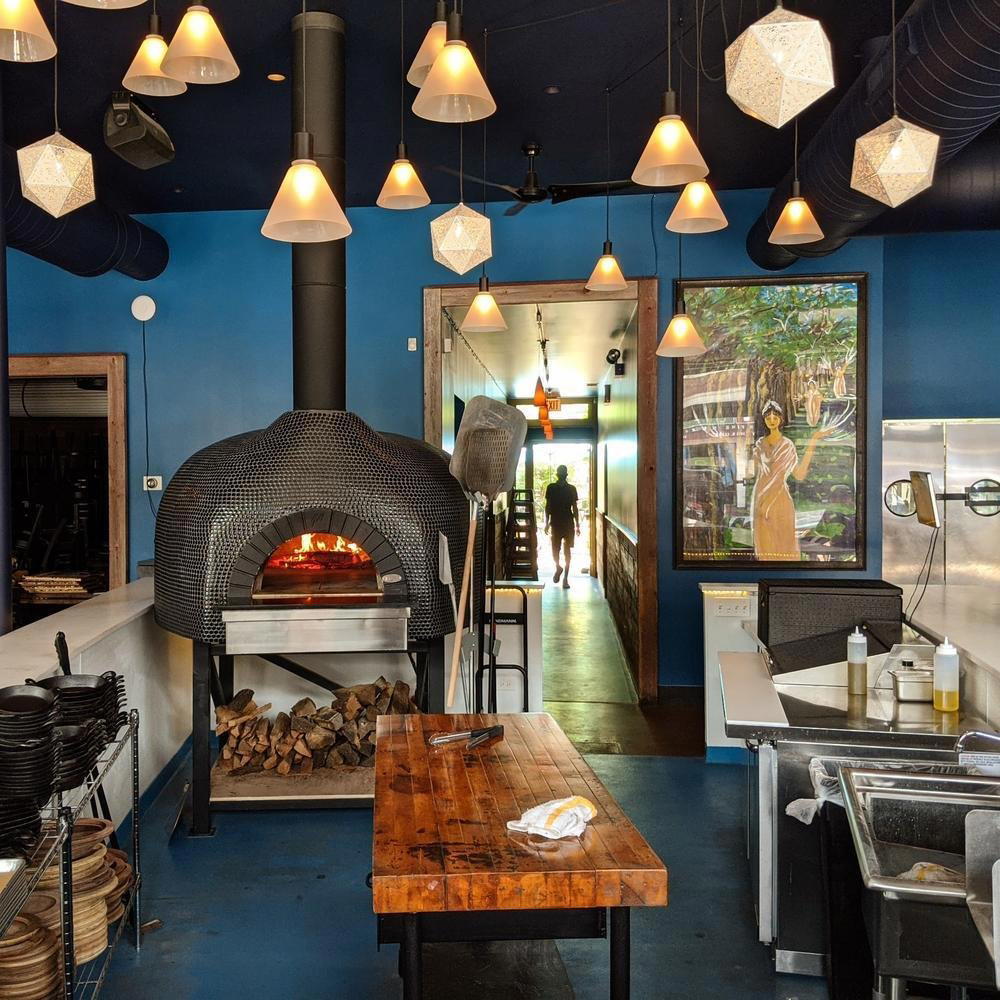
- Open Kitchen
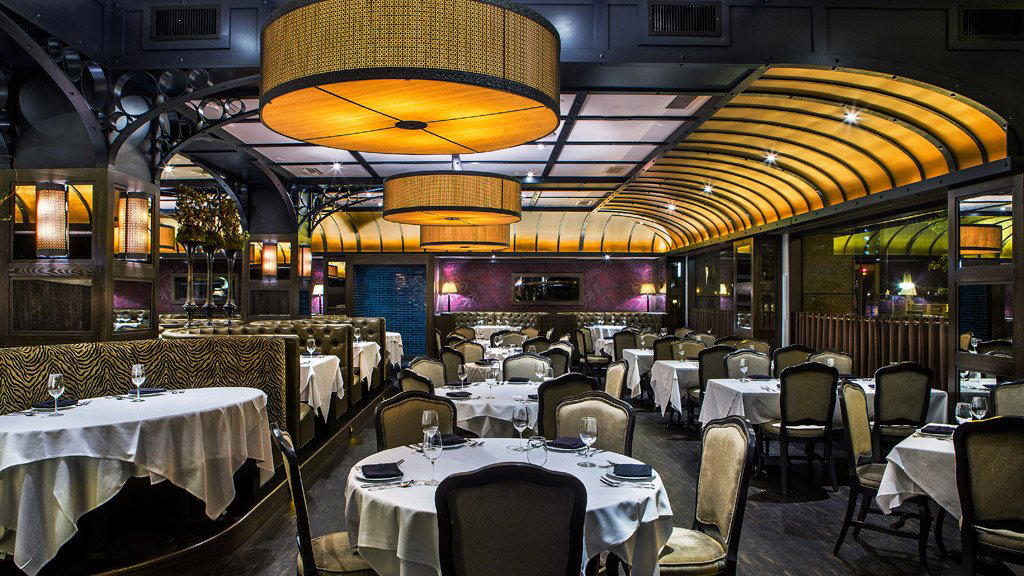
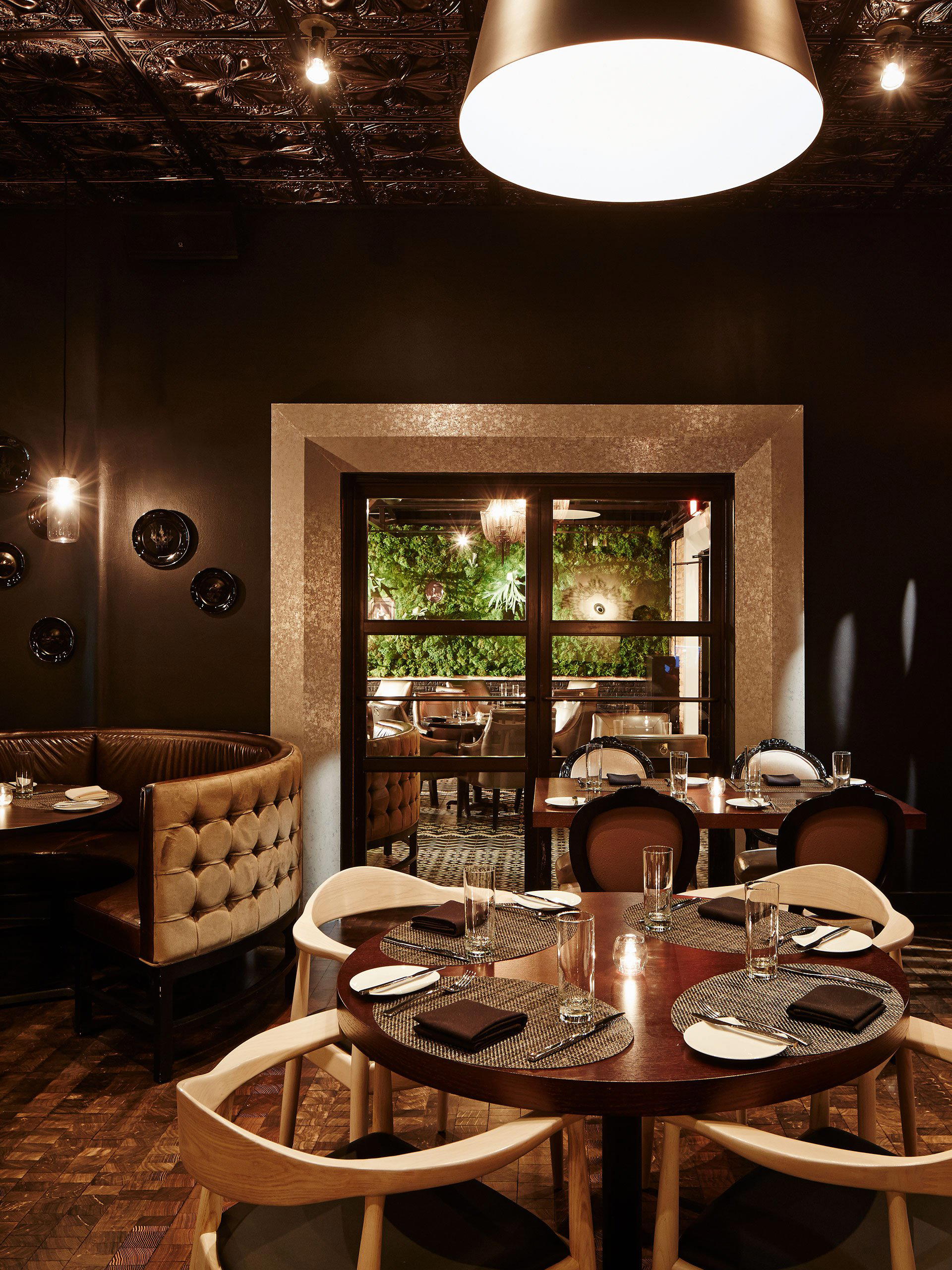
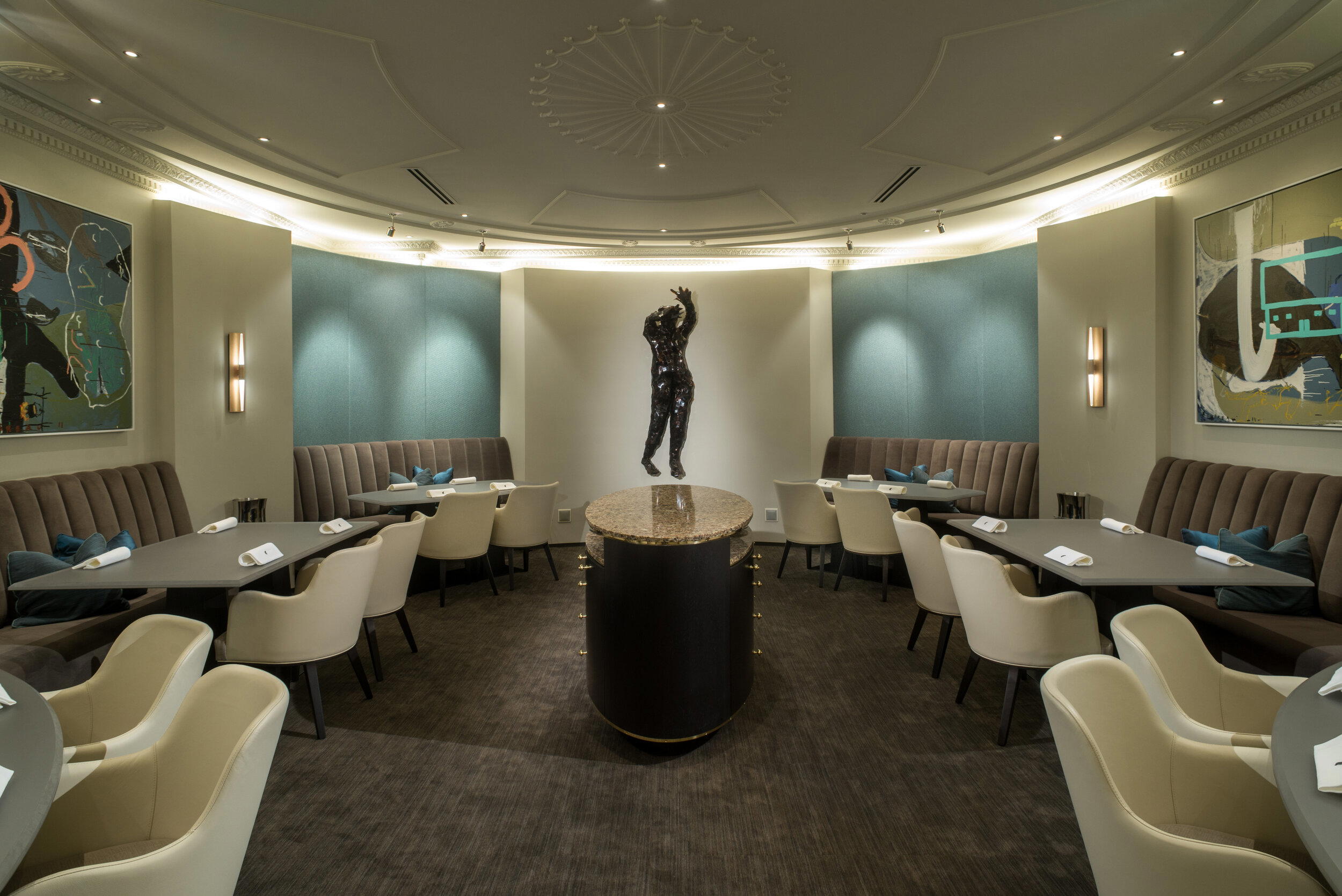
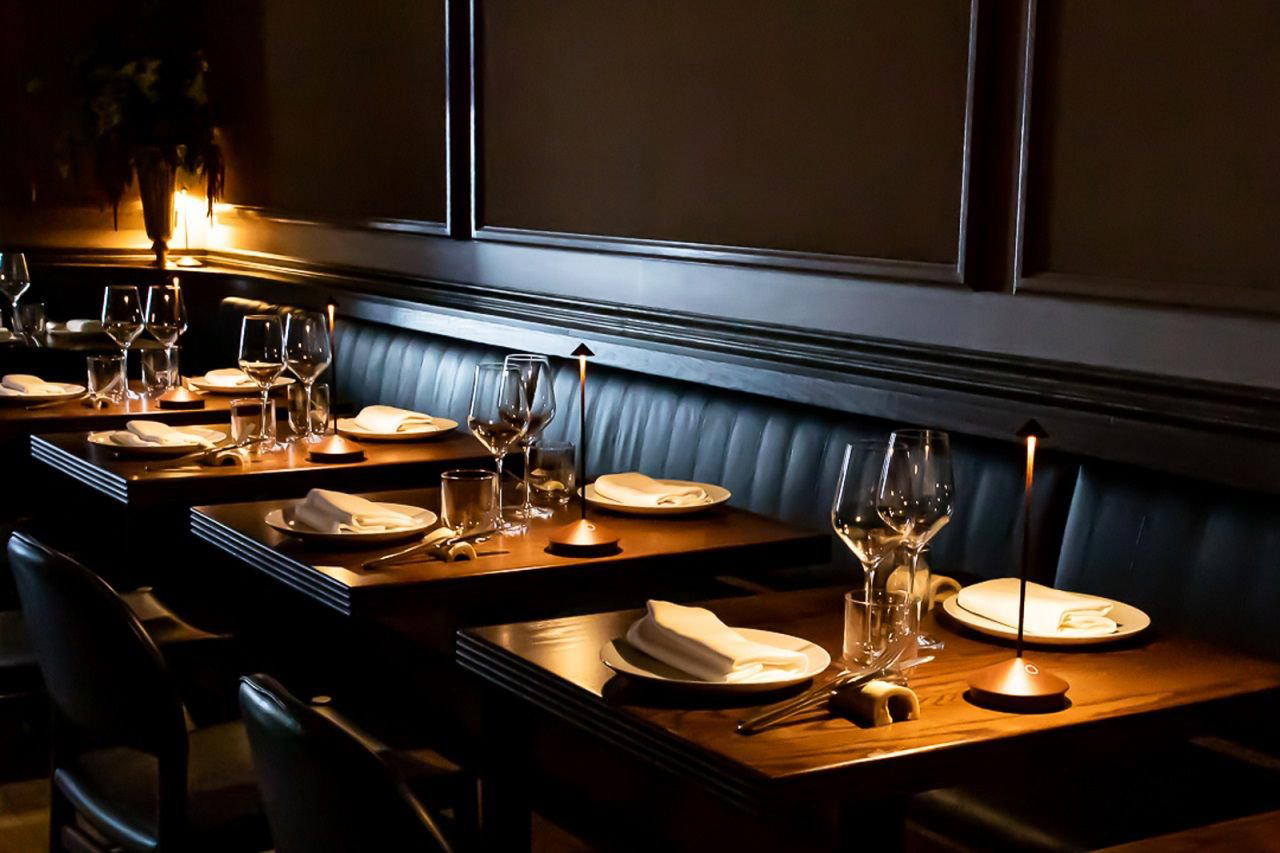
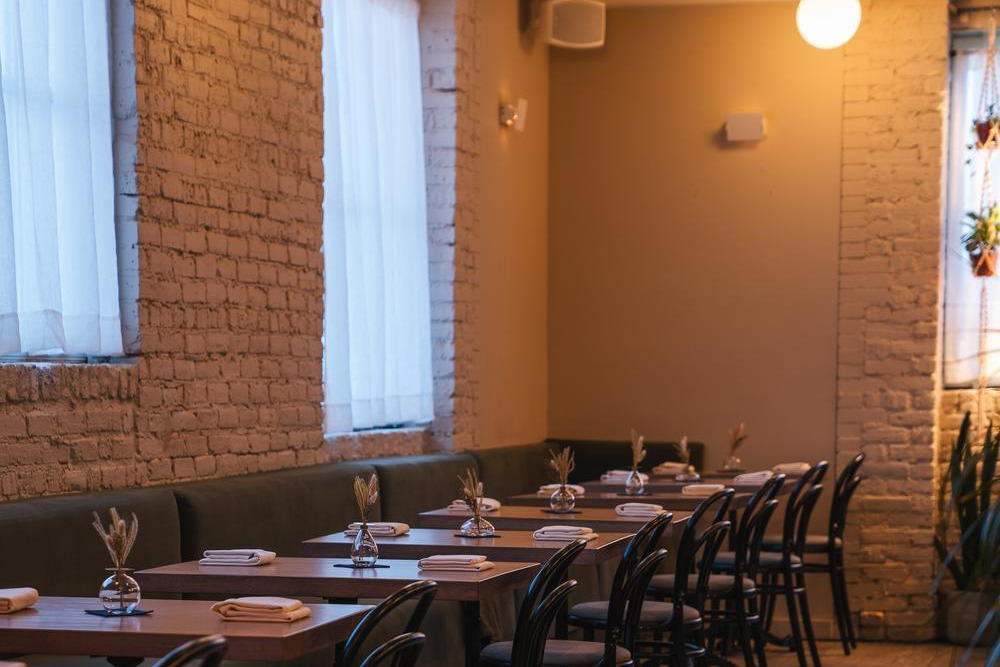
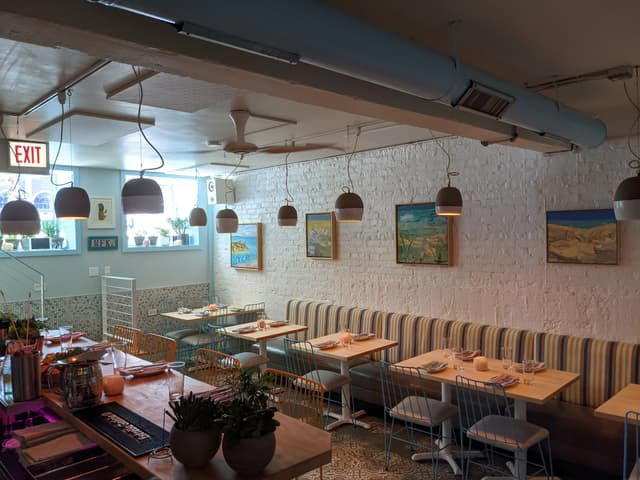
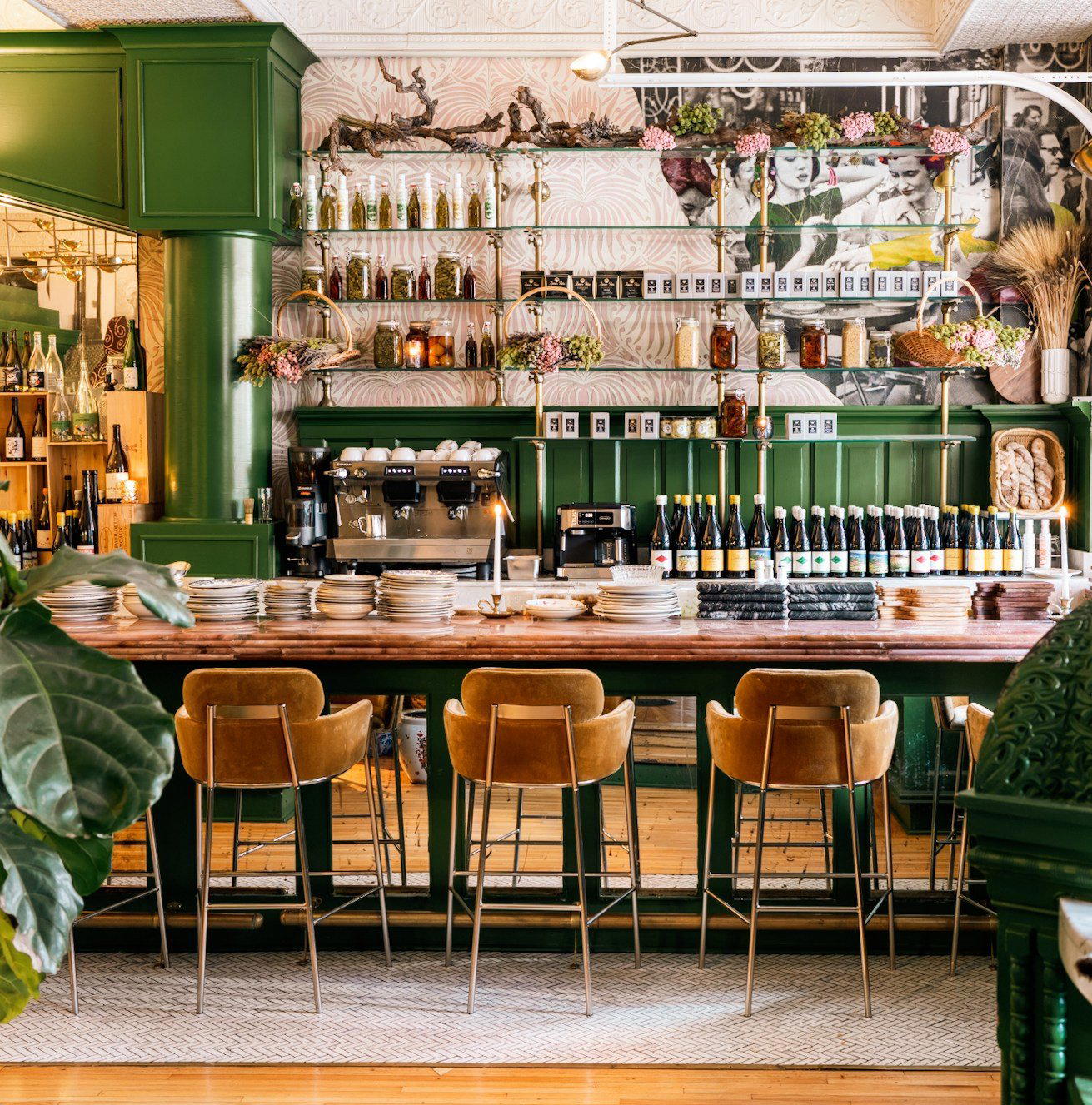
Casual and energetic atmosphere focused on fresh, hot-out-of-the-oven bagels and handcrafted schmears.