Lido occupies a first-district address on Landskrongasse in central Vienna, placing it within reach of the city's most serious dining rooms. Vienna's inner-city restaurant scene has consolidated around a handful of formats, and Lido sits in that conversation as a venue worth tracking. For travellers moving through the Austrian capital with an eye on where the city's dining culture is heading, it belongs on the shortlist.
Pearl is the En Primeur Club membership app — saves, bookings, and concierge access live there. Same editors, same standards.
- Address
- Landskrongasse 8, 1010 Wien, Austria
- Phone
- +436701854917
- Website
- lido-bar.at
- Directions
- Get directions
 Saves & bookings on Pearl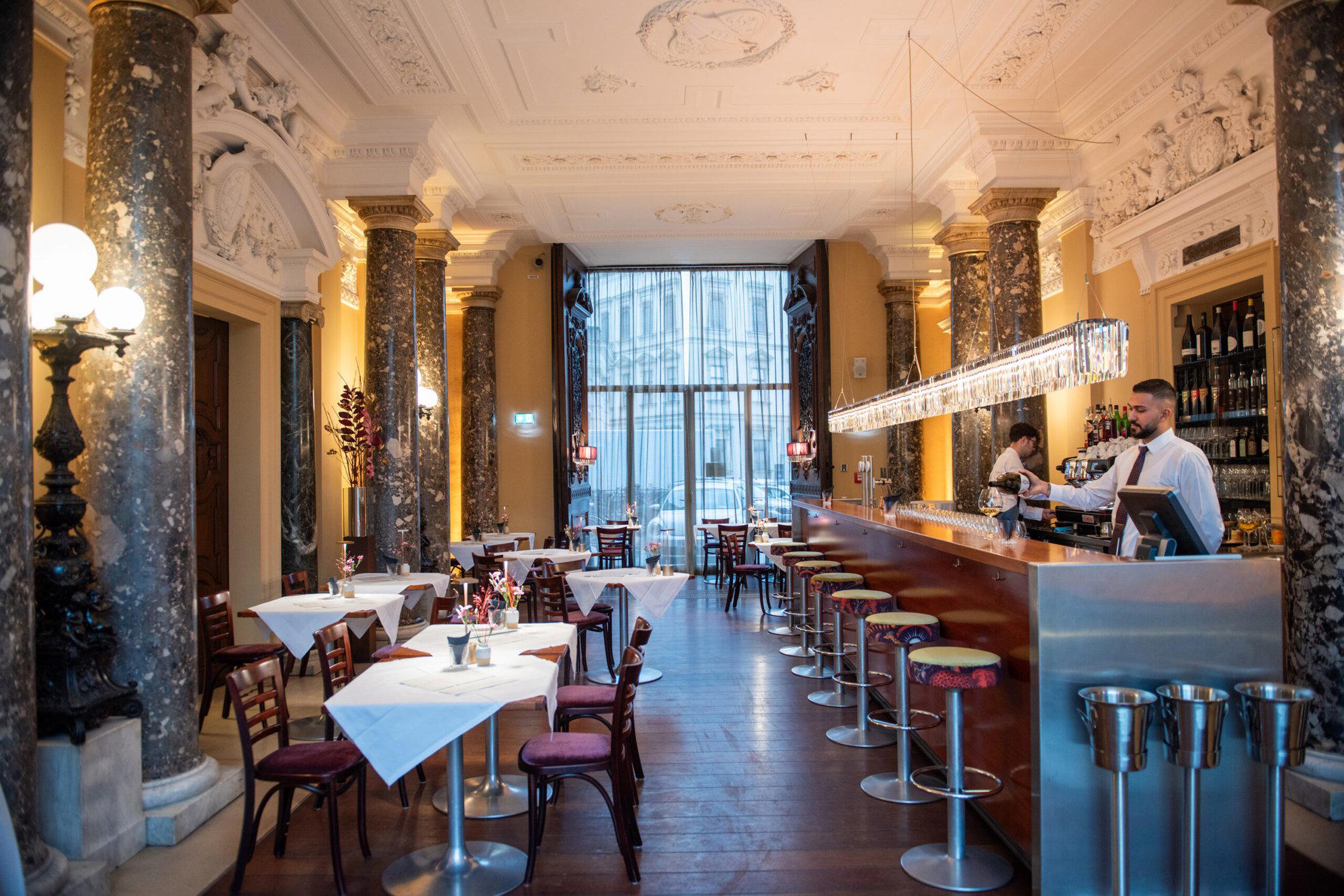
A First District Address and What It Signals
Lido is an Italian Cicchetti Bar in Vienna's first district. The addresses here carry weight not because of postcode prestige alone, but because the concentration of serious restaurants in a walkable core forces every newcomer to compete against a field that includes Steirereck im Stadtpark, Amador, and Konstantin Filippou, each operating at the €€€€ tier with sustained critical recognition. Landskrongasse 8 puts Lido squarely inside that geography. The street sits close enough to the Graben and the historic inner ring that foot traffic skews toward informed visitors rather than casual tourists. That placement is a structural fact about the dining room before anyone sits down.
Vienna's high-end scene has grown more stratified over the past decade. The €€€€ bracket now contains restaurants with different orientations: tasting-menu-only formats, à la carte holdouts, hybrid structures that blend both. What a menu's architecture reveals about a restaurant's ambitions matters more than ever in a city where the format itself has become a statement.
Reading the Menu as a Document
Menu architecture in Vienna's upper tier tends to fall into recognizable patterns. Particularly discussed rooms, including Mraz & Sohn and Doubek, have committed to formats that signal a specific relationship between kitchen and guest: multi-course progressions that remove choice in exchange for coherence, or shorter formats that invite repetition rather than single ceremonial visits. The choice between these structures is not neutral. A restaurant that builds around a fixed tasting sequence is making an argument about how food should be experienced. One that preserves à la carte optionality is making a different argument, about access, flexibility, and the value of guest agency.
What the first-district address and the competitive comparable set do suggest is that the restaurant is operating in a context where format choices are legible to the dining public. Vienna's most engaged restaurant-goers are accustomed to reading menus as editorial positions, not just lists of options. Any serious room at this address is in dialogue with that expectation, whether it confirms or complicates it.
The broader Austrian fine dining tradition offers a useful frame here. Outside Vienna, rooms like Döllerer in Golling an der Salzach, Obauer in Werfen, and Landhaus Bacher in Mautern an der Donau have built reputations on menus deeply anchored in regional product and seasonal discipline. The Alpine rooms, including Griggeler Stuba in Lech, Gourmetrestaurant Tannenhof in Sankt Anton am Arlberg, and Kräuterreich by Vitus Winkler in Sankt Veit im Pongau, operate with an even tighter geographic logic, where the menu is essentially a map of what grows within a defined radius. Vienna's first-district restaurants inherit that tradition but translate it through an urban lens, sourcing from further afield while maintaining the expectation of seasonality and craft that Austrian fine dining audiences carry.
The Vienna Context: What the comparable set Tells You
Placing Lido against its immediate Vienna peers is instructive even when venue-specific data is limited. The restaurants operating at the summit of Vienna's dining hierarchy have mostly resolved the format question in favour of tasting menus or strongly structured à la carte with limited options per course. The city's most awarded rooms push guests toward a curated sequence. What remains less common in the first district is the kind of menu that functions as a genuine catalogue, offering meaningful breadth without sacrificing kitchen focus. Ikarus in Salzburg or the more structured urban formats.
Internationally, the menus that have generated sustained critical attention, rooms like Le Bernardin in New York City or Atomix in New York City, share a quality of internal logic: every element of the menu exists in relation to every other element, and the structure itself communicates something about the kitchen's priorities. Vienna's most serious rooms have absorbed that lesson. The first-district address on Landskrongasse signals that Lido is in conversation with that expectation,
Rooms operating in comparable central-European cities, Prague and Budapest included, have largely followed Vienna's lead in adopting structured progressive formats at the leading price tier. Vienna retains an advantage in the depth of its fine dining culture, a function of the city's historical role as an imperial capital with the institutional dining infrastructure that legacy implies. Schwarzer Adler in Hall in Tirol and Restaurant 141 by Joachim Jaud in Mieming represent the regional expression of that tradition, while Vienna's inner-city rooms carry the metropolitan version. Lido's Landskrongasse address places it in the metropolitan category, where the dining public's expectations are calibrated against international comparisons, not just Austrian ones.
The scene at Ois in Neufelden illustrates how regional Austrian kitchens are engaging with the same format questions from a different starting point, where hyper-local sourcing is the primary editorial statement. Vienna's central rooms tend to layer that sourcing argument with a more explicit engagement with technique and international reference points. The result is a dining culture that reads as both distinctly Austrian and genuinely cosmopolitan.
Know Before You Go
Quick Comparison
Comparable venues nearby, for context on price, style, and recognition.
| Venue | Cuisine | Price | Notes |
|---|---|---|---|
| LidoThis venue — the venue you are viewing | Italian Cicchetti Bar | $$ | Not listed |
| La Spiga | Neapolitan Pizza | $$ | Josefstadt |
| Ristorante Paolo | Italian & Croatian Seafood | $$ | Prater |
| Wolke | Modern Neapolitan Pizza | $$ | Franz Josefs Bahnhof |
| Ristorante Roma | Classic Italian Trattoria | $$ | Wahring |
| Mario | Italian Pasta & Grill | $$ | Hietzing |
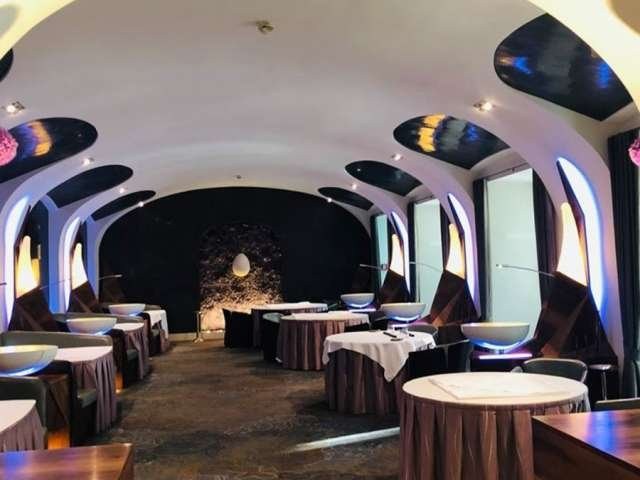
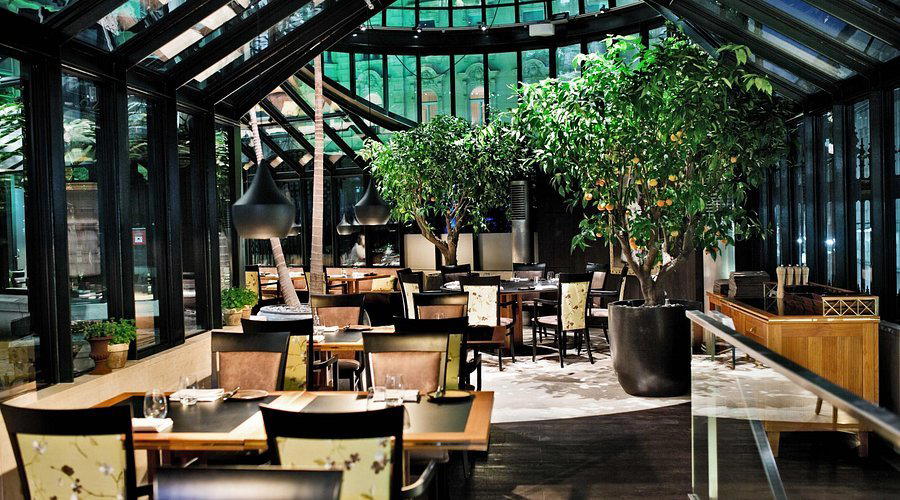
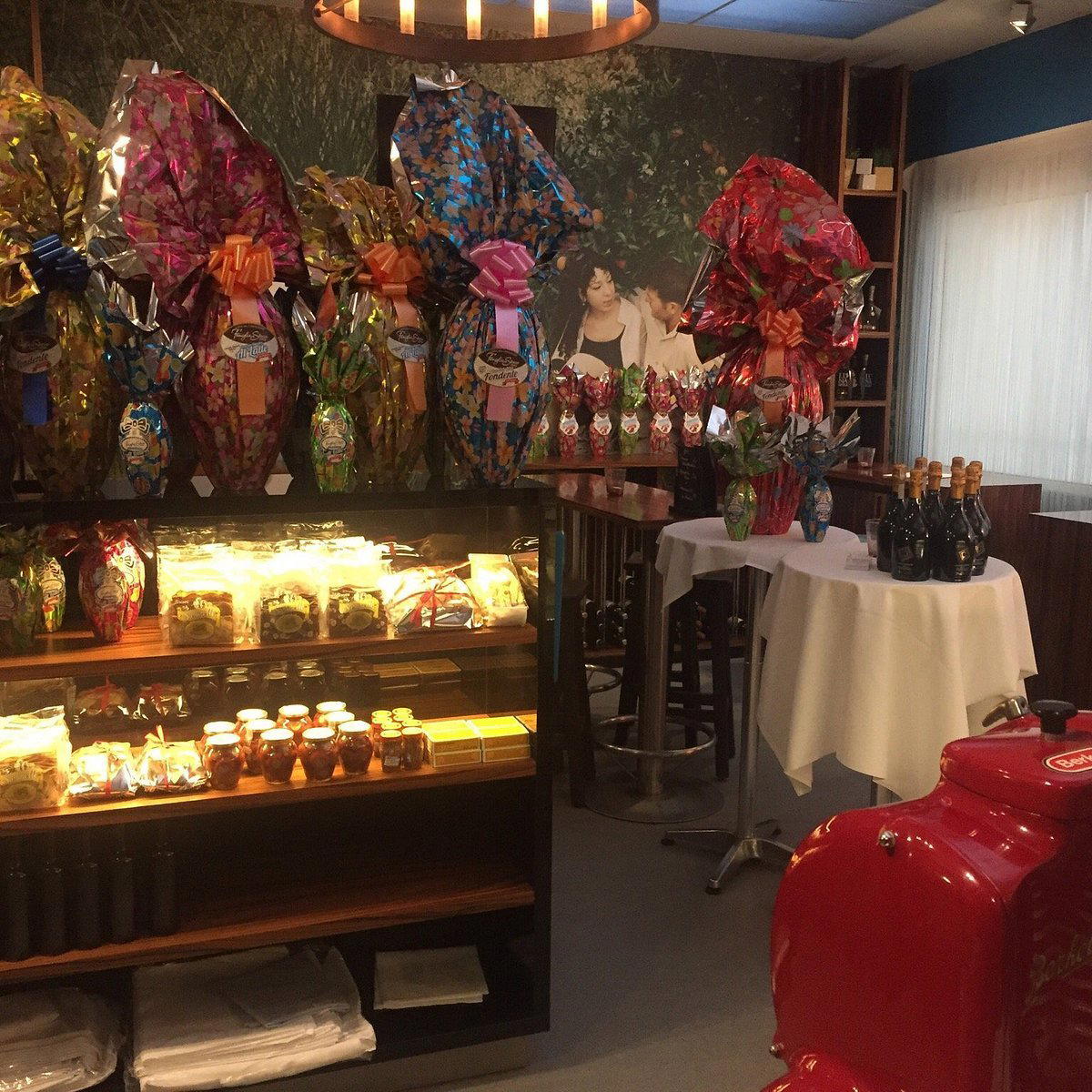
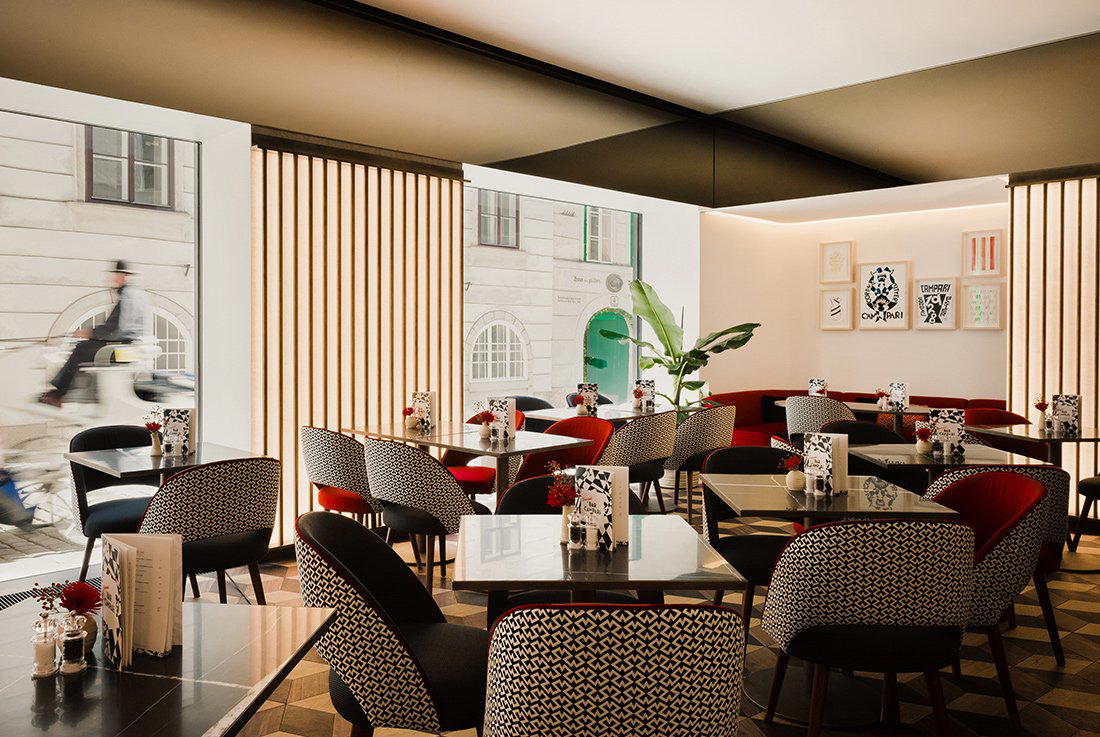
At a Glance
- Lively
- Trendy
- Cozy
- Casual Hangout
- After Work
Current opening hours
- Monday
- Closed
- Tuesday
- 5 PM–1 AM
- Wednesday
- 5 PM–1 AM
- Thursday
- 5 PM–1 AM
- Friday
- 5 PM–2 AM
- Saturday
- 5 PM–2 AM
- Sunday
- Closed
Hours can change for holidays and private events. Last verified .
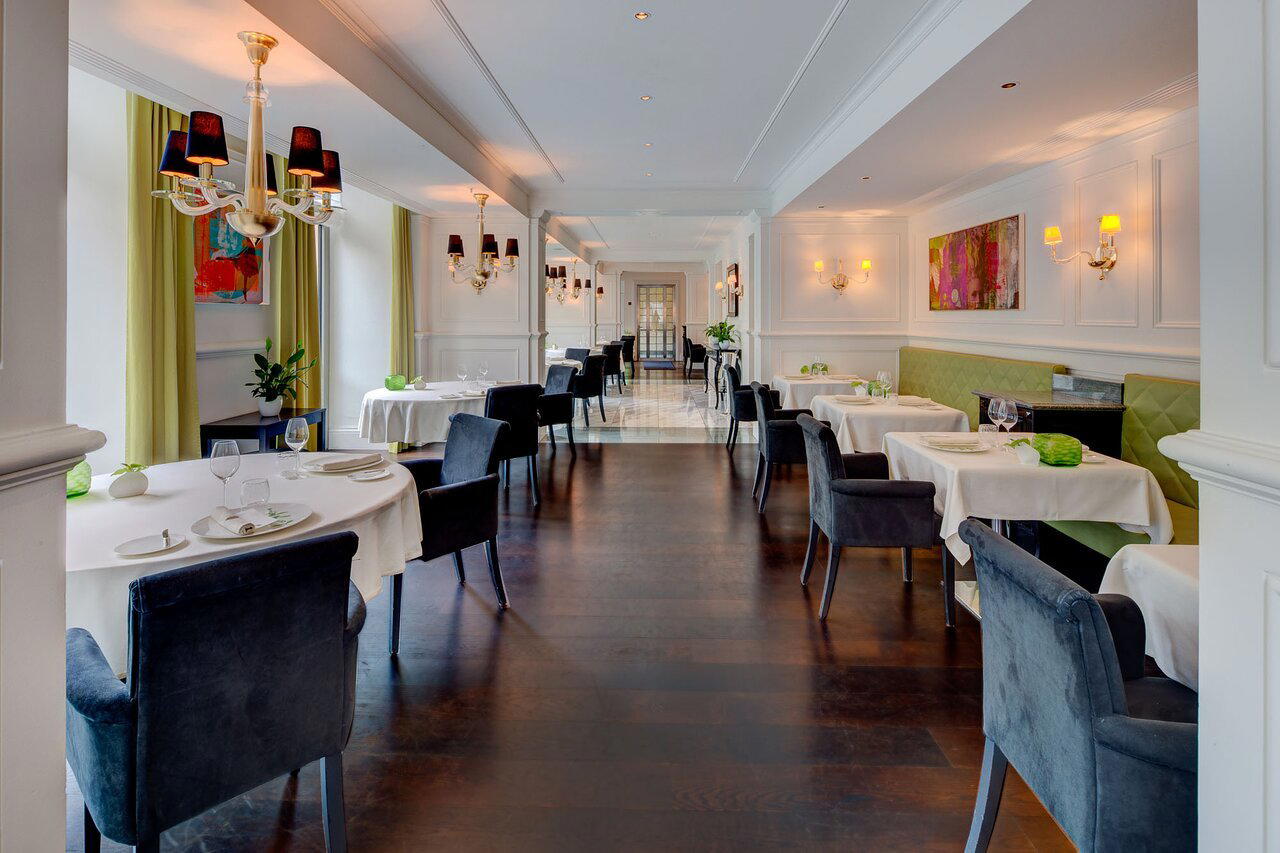
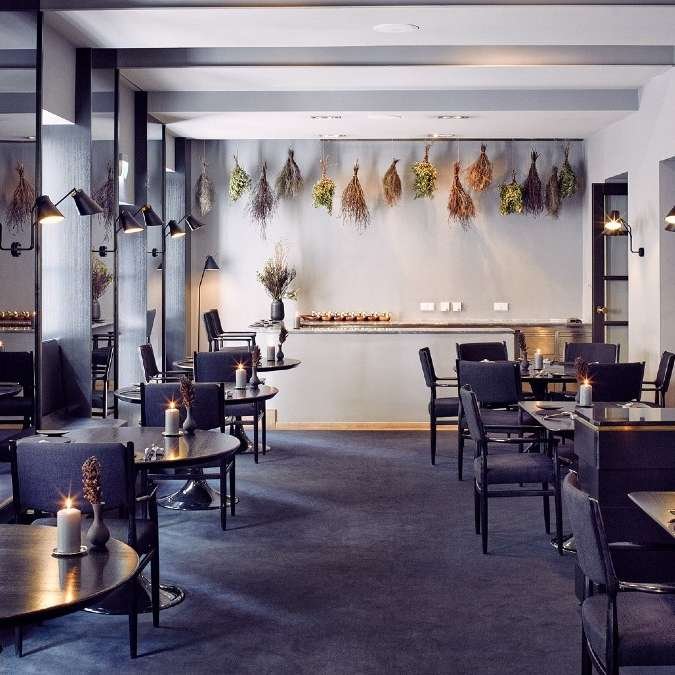
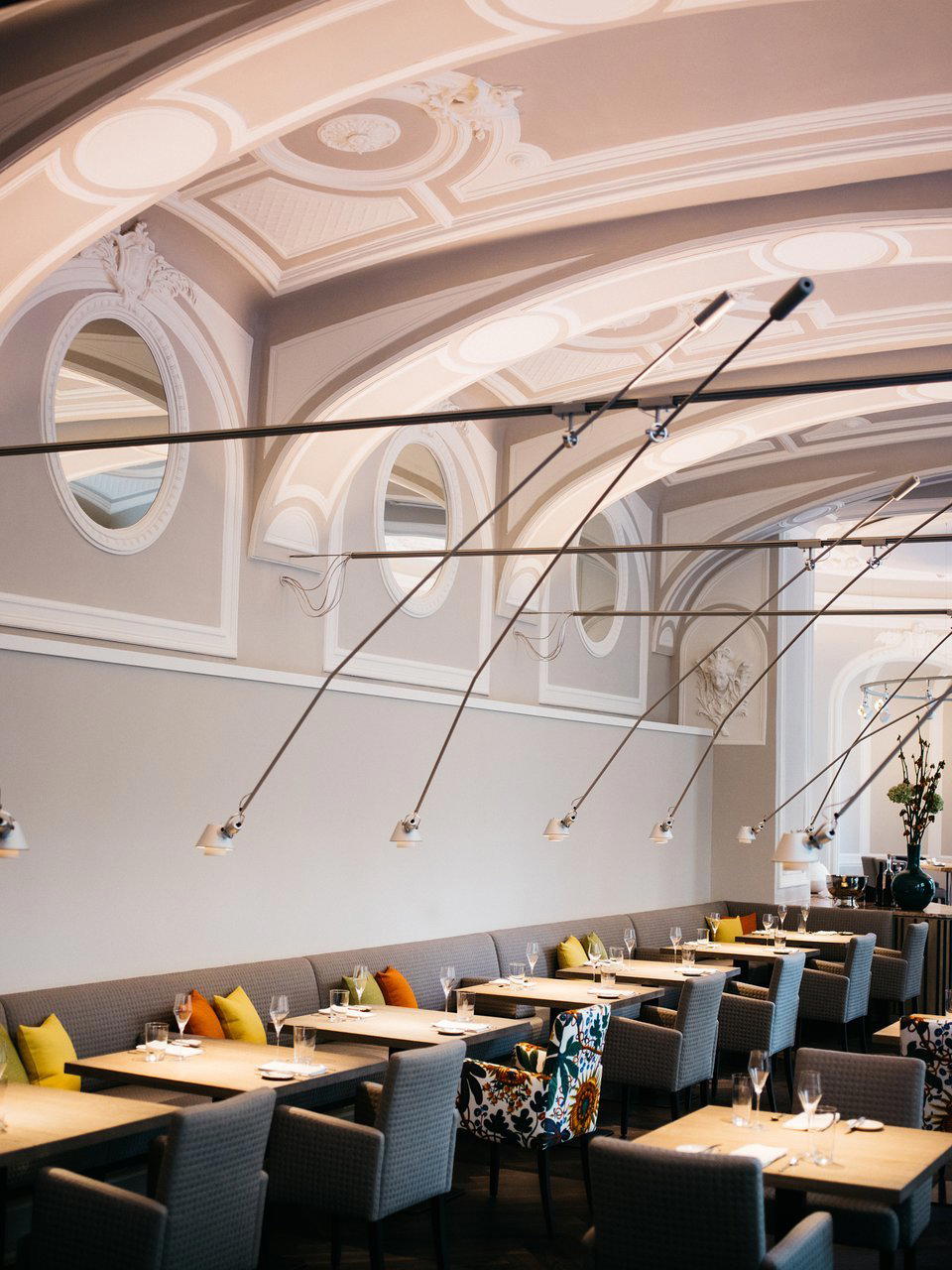
Real Italian vibe with a gem-like casual bar atmosphere.