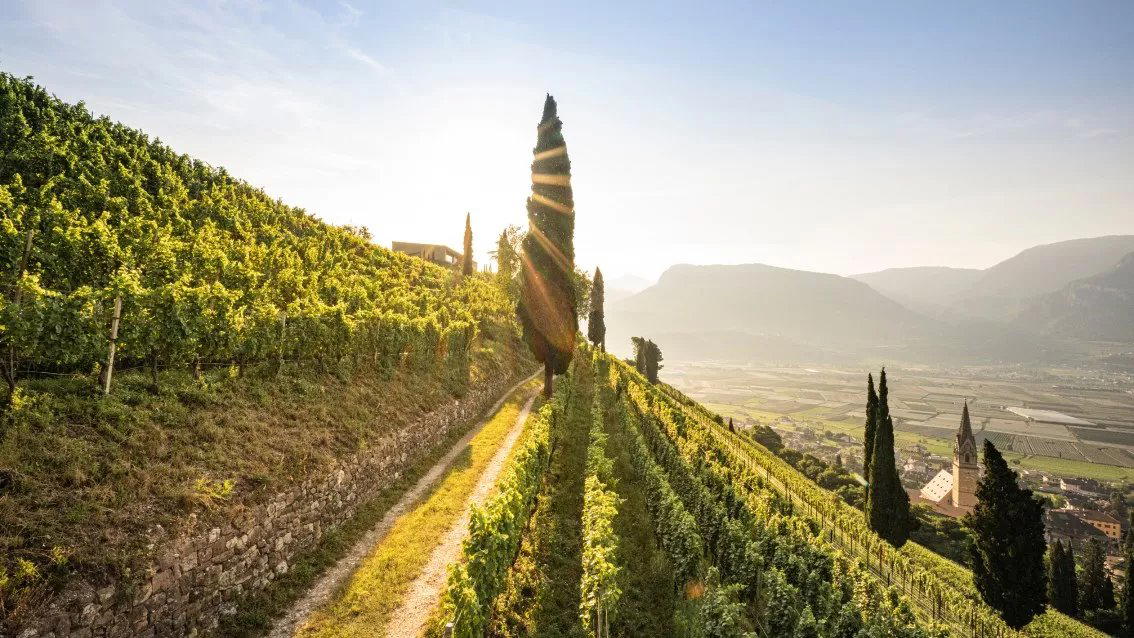
Wine and alpine vibe blend with homemade dishes
 Discover on Pearl
Pearl is the En Primeur Club membership app — saves, bookings, and concierge access live there. Same editors, same standards.
- Address
- Atzwang 8, 39054 Renon BZ, Italy
- Phone
- +39471353386
- Website
- weingutebner.it
Alto Adige on the Plateau: The Ritten Wine Tradition
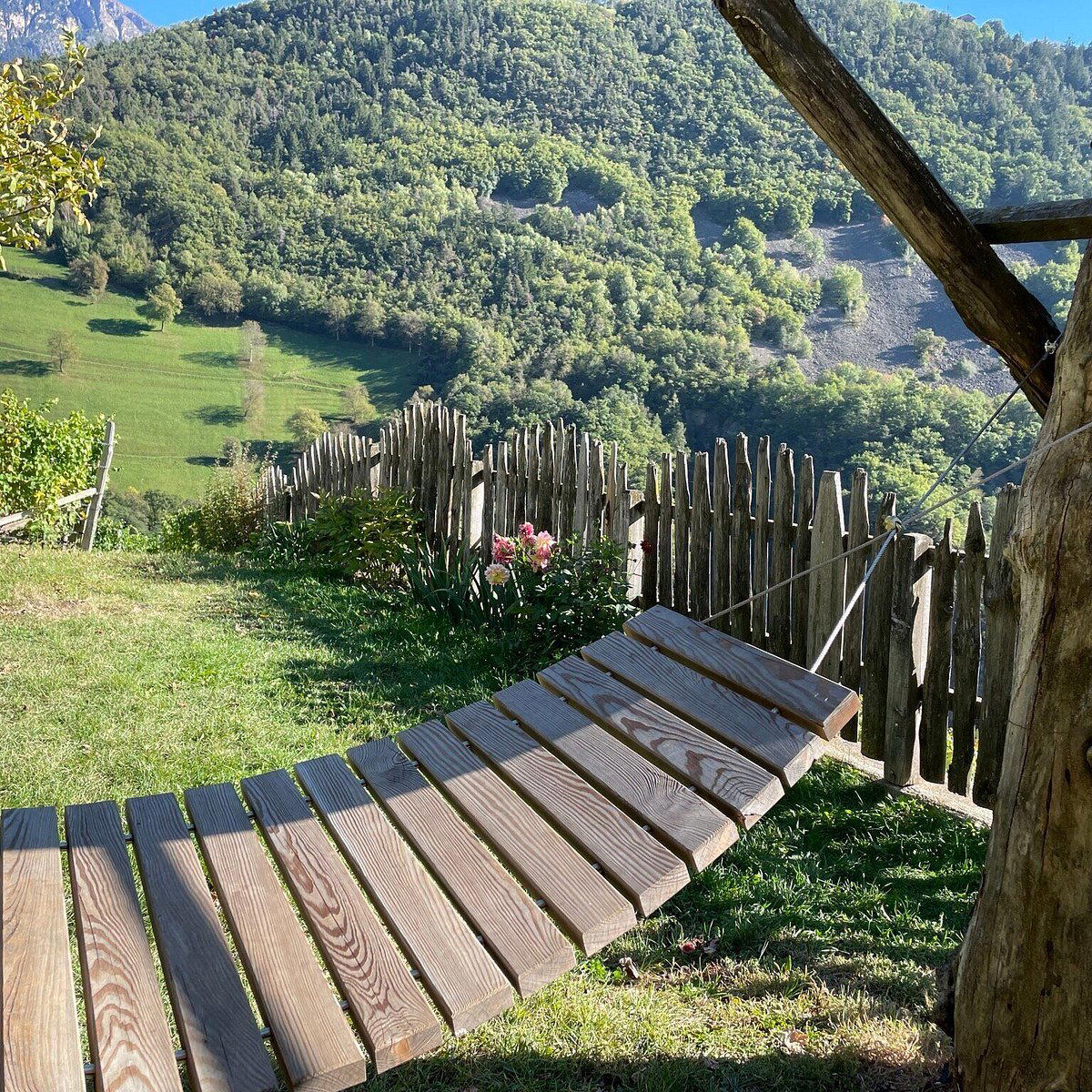
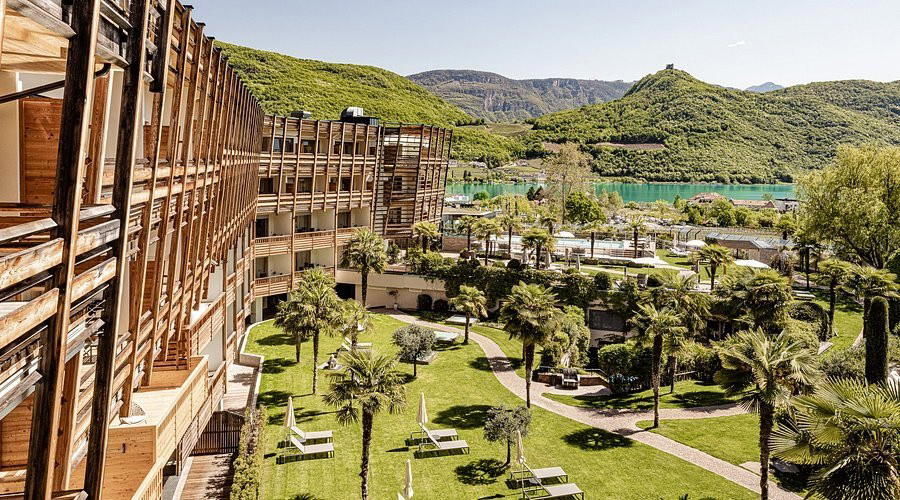
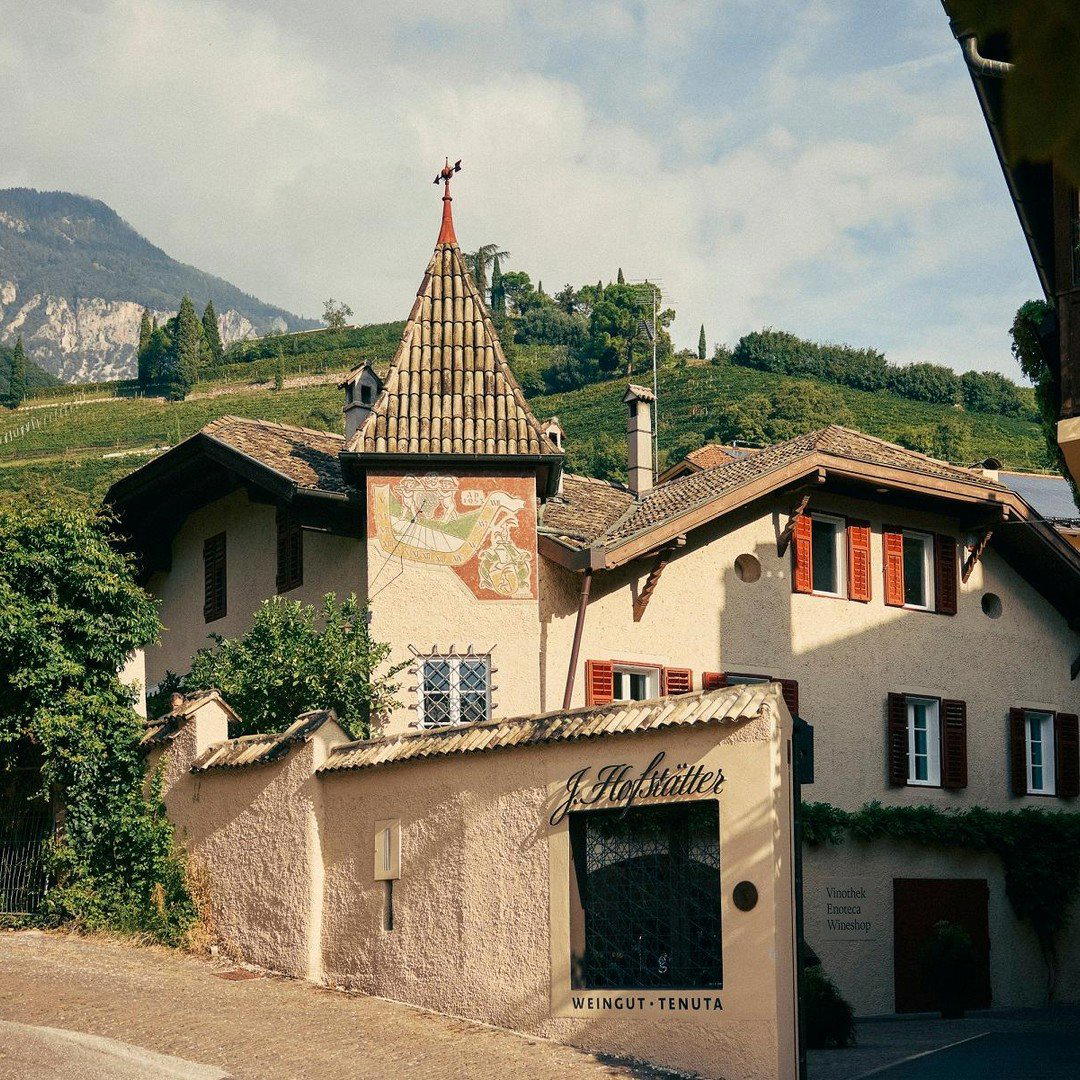
The Ritten plateau, rising above Bolzano at roughly 1,200 metres, occupies a particular position in South Tyrol's wine geography. Most of the region's celebrated production happens on valley floors and lower slopes, where Gewürztraminer, Lagrein, and Schiava ripen reliably under Alpine sun. Up on the plateau, conditions are cooler and the season shorter, which shapes what growers here can realistically pursue and how their wines tend to read against the broader Südtirol DOC classification. Weingut Ebner is a Tyrolean Buschenschank at Atzwang 8, 39054 Renon BZ, Italy, with a casual dress code and reservations recommended.
South Tyrol has spent two decades building one of Italy's most coherent quality narratives for white wine, with producer cooperatives and small estates alike earning consistent recognition in international markets. The region's Germanic cultural inheritance, which shapes everything from cellar vocabulary to labelling conventions, also informs how growers at this altitude think about their work: methodically, seasonally, with attention to the relationship between elevation and aromatic expression. Weingut Ebner belongs to that cultural lineage, operating from an address that places it firmly within the agricultural hamlet tradition rather than the more tourist-oriented wine estate format found closer to Bolzano.
What Ritten Winemaking Looks Like at Altitude
Across South Tyrol, the contrast between valley-floor and mountain viticulture is more than cosmetic. Valley producers, including the large cooperatives that handle the majority of Südtirol DOC volume, work with warmer sites, longer growing windows, and higher tourist throughput. Plateau estates on the Ritten operate on a different rhythm. Cooler nights preserve acidity in white varieties. The harvest window is compressed. And the visitor infrastructure is thinner, which means most production here moves through direct sales, regional restaurateurs, and a committed local clientele rather than through international export channels.
Contact ahead of any visit is advisable. Neighbouring properties on the plateau, including Loosmannhof, Ebnicherhof, and Feichtnerhof, operate under similar conventions, and the pattern holds across the broader Ritten restaurant and producer scene.
South Tyrol's Cultural Frame for Small Estate Wine
Understanding Weingut Ebner requires some orientation toward how South Tyrol's wine culture developed. The region sits in territory that changed national hands after World War One, and its identity has remained distinctly bilingual, German and Italian, ever since. That duality shapes the wine sector in concrete ways: grape names appear in both languages on labels, estate names follow German-language conventions, and the production philosophy often draws as much from Austrian and German winemaking norms as from Italian ones. The Südtirol DOC, established formally in 1971 and since expanded to include numerous sub-zones and varietal designations, has given growers a structured framework within which both cooperative and private production operates.
At the smaller, private estate level, the emphasis typically falls on direct relationships between grower, grape, and buyer. This is the world Weingut Ebner inhabits: a Weingut designation (the German-language equivalent of a wine estate or domaine) implies family or single-owner production rather than cooperative aggregation. The distinction carries weight in South Tyrol, where cooperative wineries like Cantina Bolzano and Kellerei Tramin handle significant volume and serve a different market function than individual-site producers.
For comparative reference, the higher-profile end of northern Italian dining and wine culture is well-documented elsewhere: Atelier Moessmer Norbert Niederkofler in Brunico represents South Tyrol's most internationally recognised fine-dining expression, while the broader Italian canon includes Osteria Francescana in Modena, Piazza Duomo in Alba, and Le Calandre in Rubano. These are the anchors of Italy's prestige dining tier, and they draw on wine lists that frequently include South Tyrolean producers precisely because of the region's reputation for precise, altitude-influenced whites. Weingut Ebner occupies a different tier, closer to the farm-gate end of that supply chain, which is not a diminishment but a description of format.
The Ritten in Context: Getting There and Planning a Visit
Reaching the Ritten plateau from Bolzano is direct. A rack railway, the Rittnerbahn, connects Bolzano to Soprabolzano in roughly 18 minutes, after which a narrow-gauge tram continues across the plateau toward Collalbo and the surrounding hamlets. Atzwang, the address associated with Weingut Ebner, sits within the lower reaches of the Renon municipality. Visitors arriving by car from the A22 motorway should allow for mountain road conditions, which vary significantly by season. In winter months, the plateau is snow-covered, and access to outlying properties requires appropriate vehicle preparation.
Timing matters on the Ritten. The growing season defines the estate calendar, with harvest typically running through September and into October depending on variety and site. Summer months bring the plateau's most accessible weather, and the surrounding area, which includes walking trails and the famous Ritten earth pyramids, draws regional visitors who combine outdoor activity with local food and wine.
Other producers and dining operations on the Ritten plateau worth mapping alongside Weingut Ebner include Pirbamer and Rielingerhof, both of which reflect the same agricultural, family-operation character that defines this part of South Tyrol. For those building a broader Italian wine and dining itinerary, the country's range extends from Dal Pescatore in Runate and Enoteca Pinchiorri in Florence to Uliassi in Senigallia, Reale in Castel di Sangro, Quattro Passi in Marina del Cantone, and Enrico Bartolini in Milan. At the international level, operations like Le Bernardin in New York City and Atomix in New York City illustrate how far the premium dining tier extends globally, with South Tyrolean wines increasingly appearing on those lists as the region's international profile grows.
Cost and Credentials
Comparable venues nearby, for context on price, style, and recognition.
| Venue | Cuisine | Price | Awards | Notes |
|---|---|---|---|---|
| Weingut EbnerThis venue — the venue you are viewing | Ritten, Tyrolean Buschenschank | $$ | , | |
| Pirbamer | Auna di Sotto, Modern Northern Italian | $$$ | , | |
| Loosmannhof | Renon, South Tyrolean Farmhouse Tavern | $$ | , | |
| Feichtnerhof | $$$ | , | Mittelberg, Ritten, Traditional Italian / Tyrolean | |
| Ebnicherhof | Oberbozen, Traditional Tyrolean | $$ | , | |
| Signaterhof | Renon, Traditional South Tyrolean | $$$ | , |
At a Glance
- Rustic
- Cozy
- Scenic
- Casual Hangout
- Special Occasion
- Wine Cellar
- Standalone
- Extensive Wine List
- Local Sourcing
- Vineyard
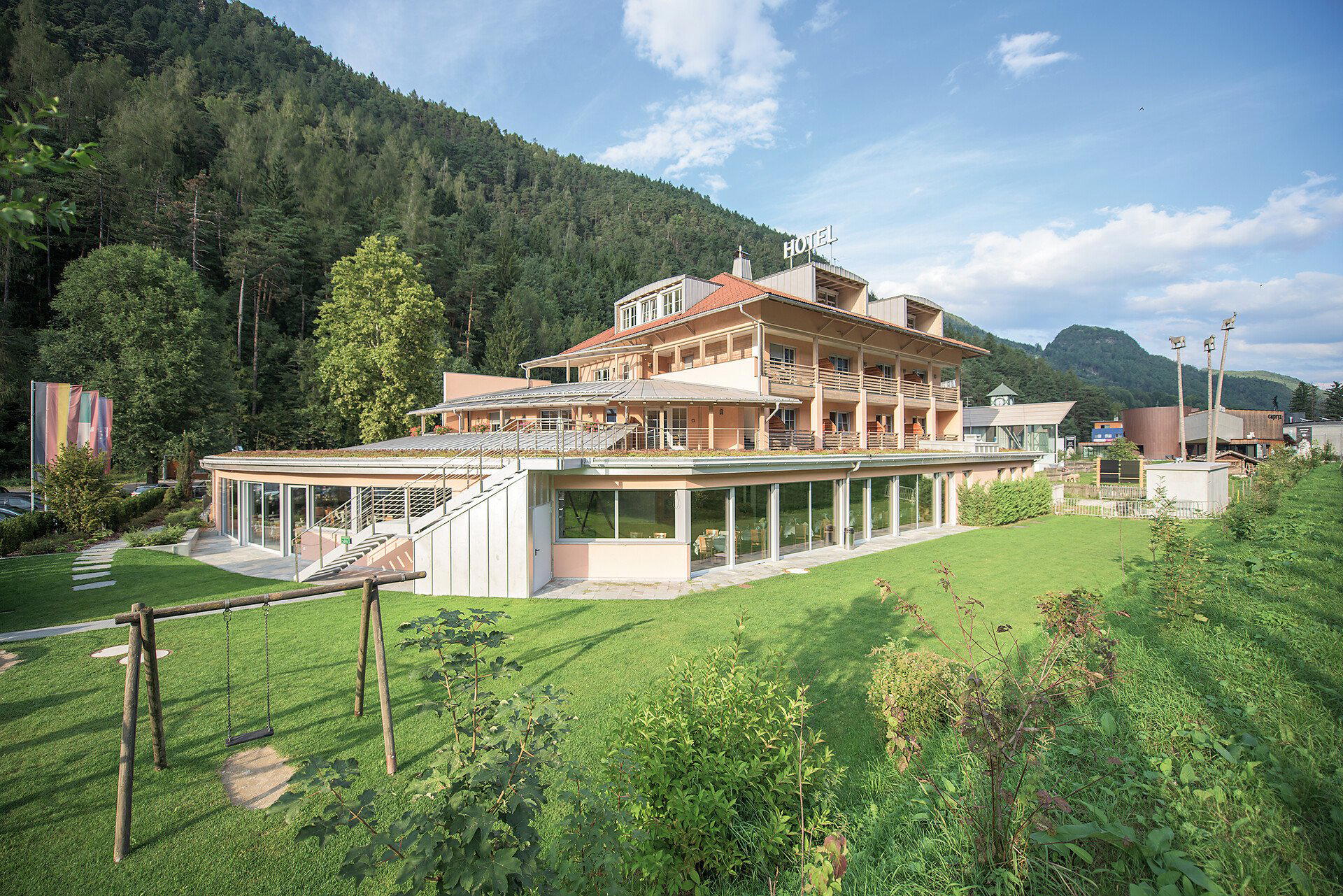
- Mountain
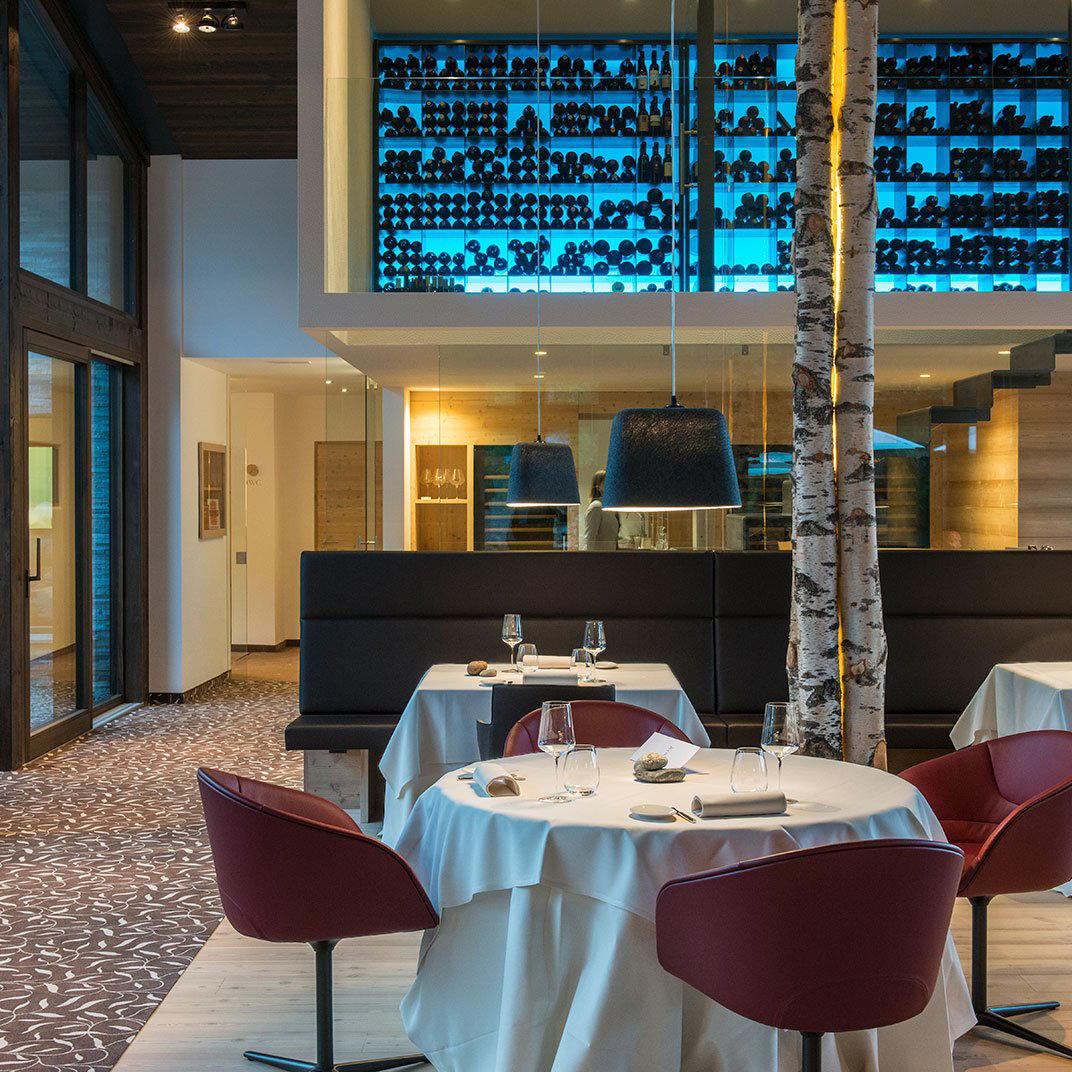
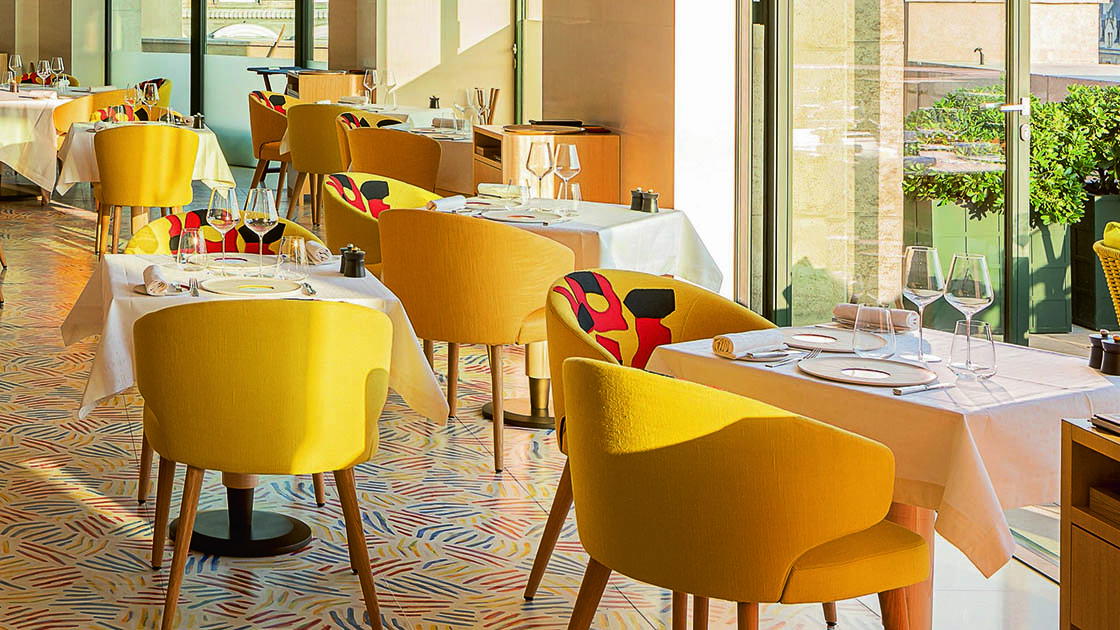
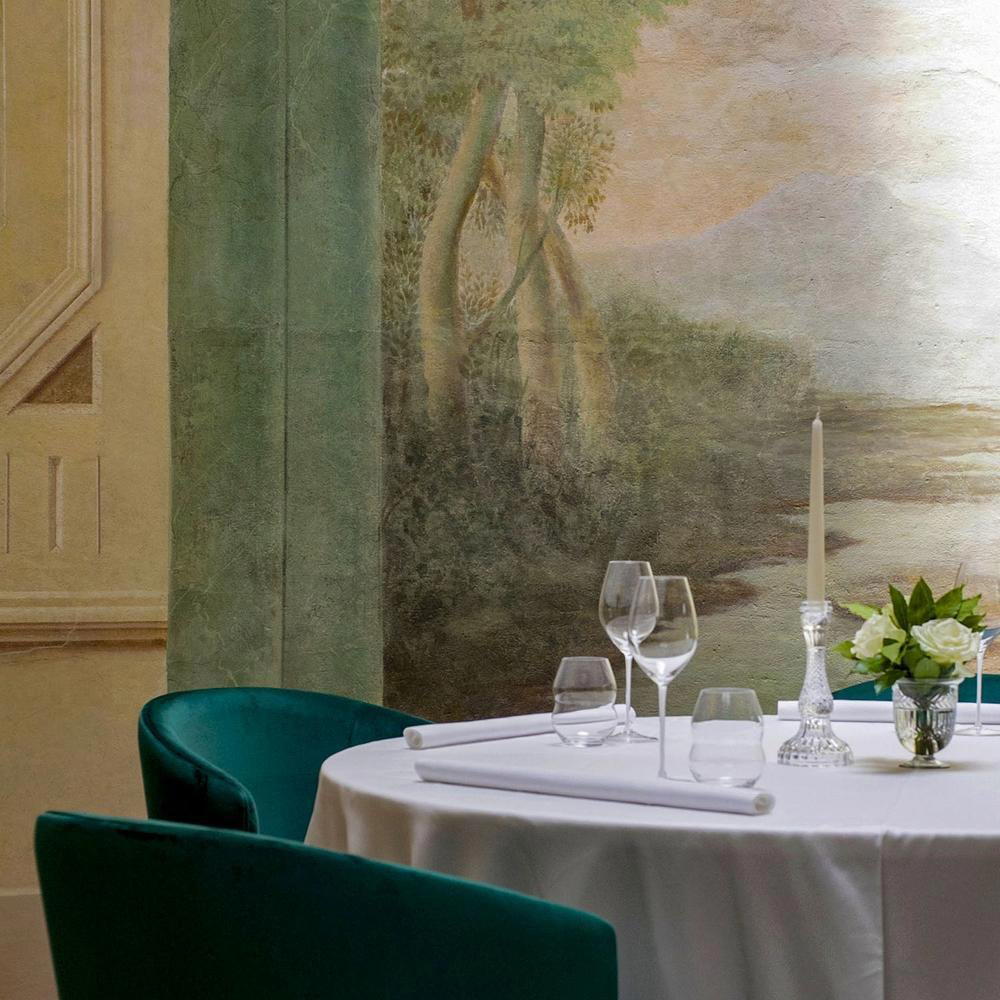
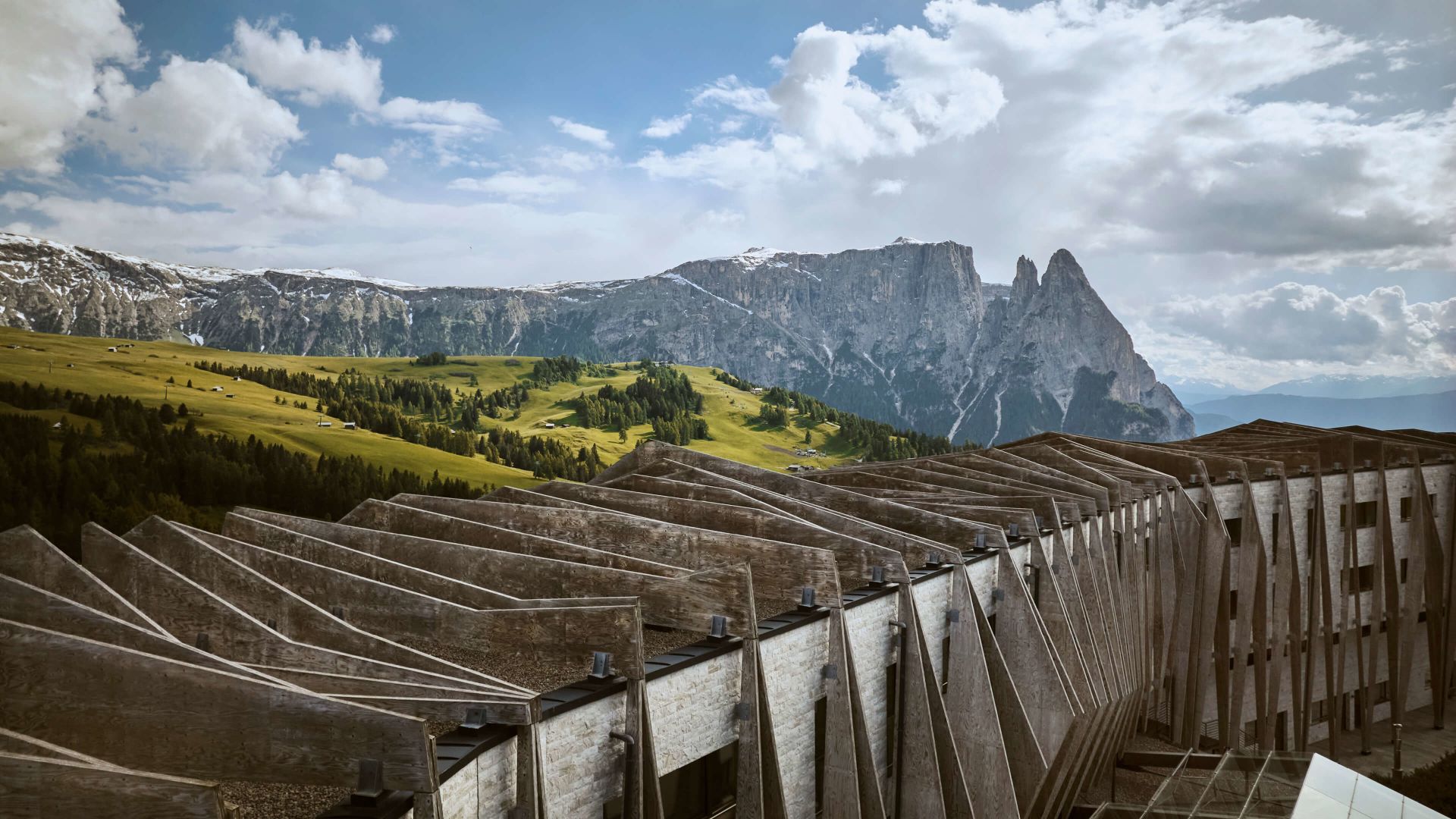
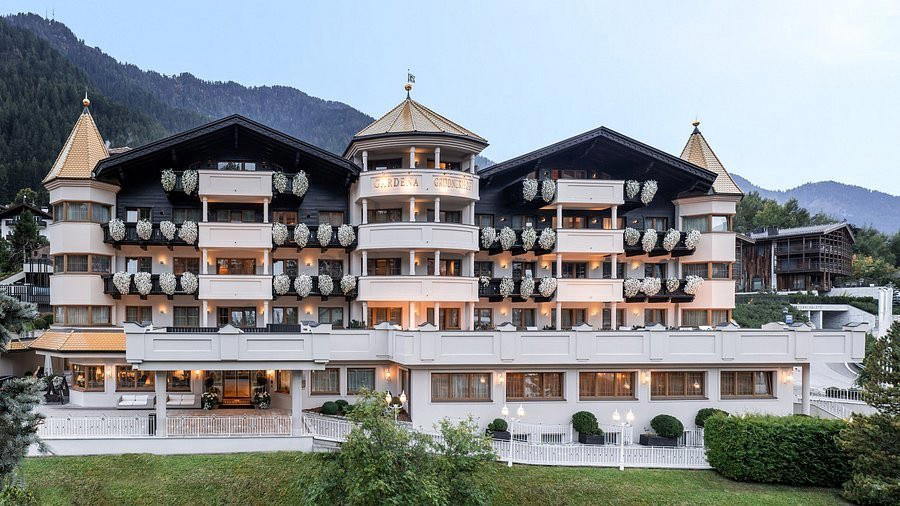
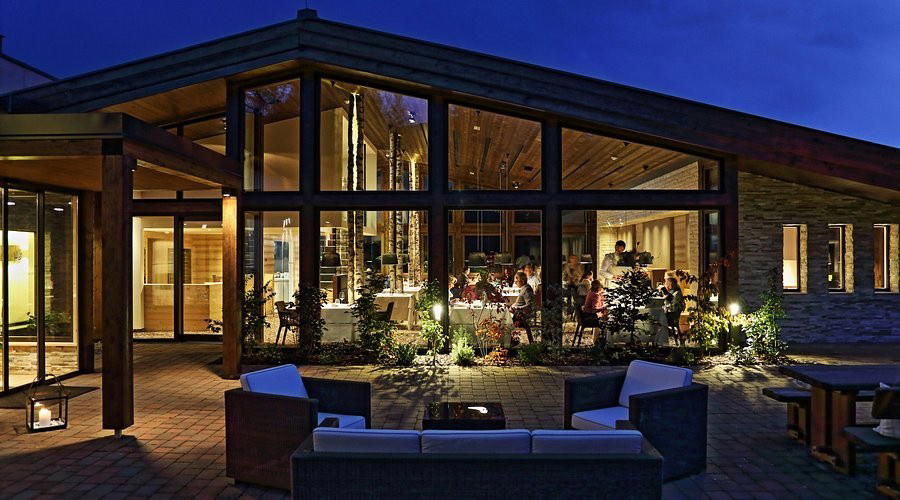
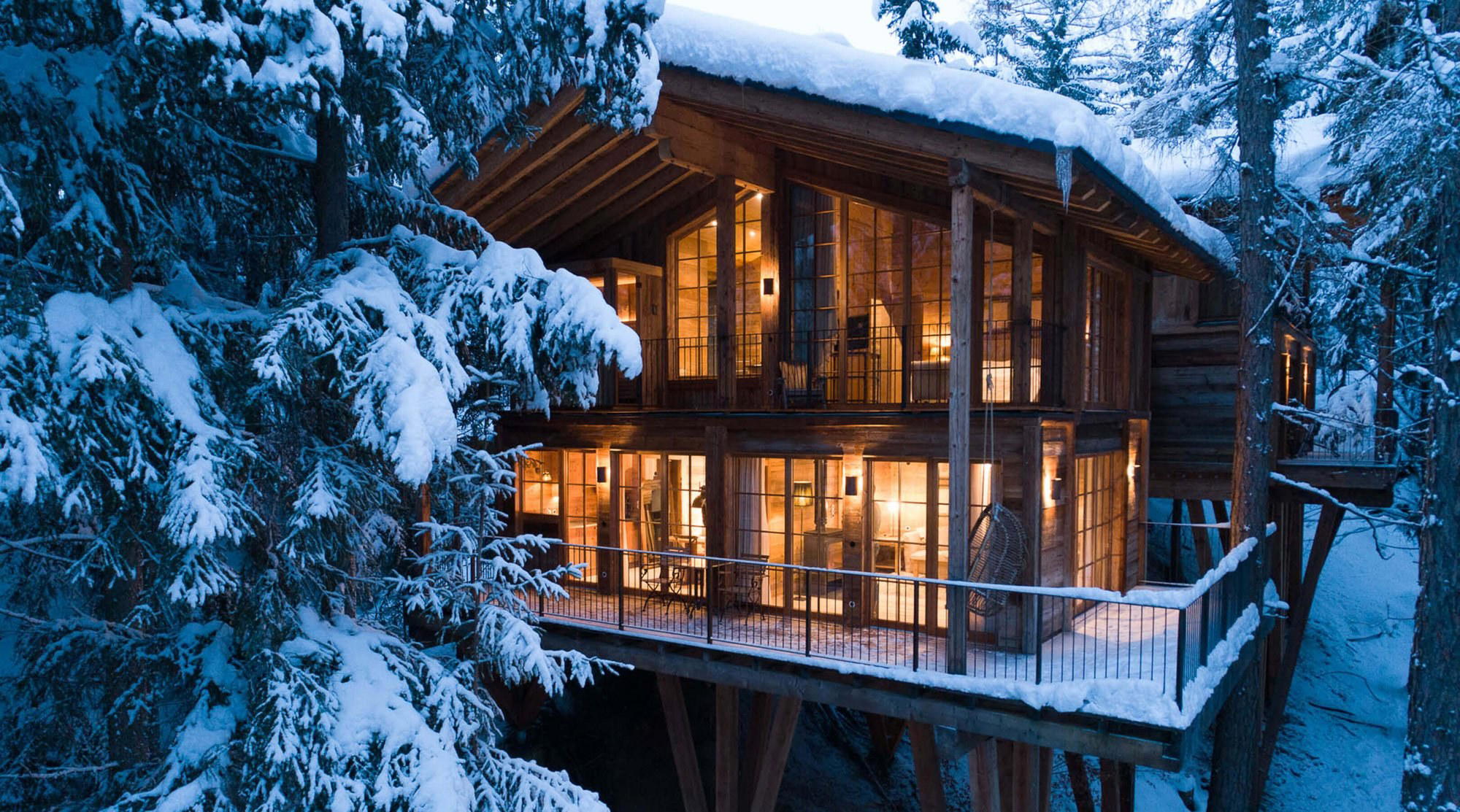
rustic and cozy with homemade food atmosphere