A farmstead address on the Ritten plateau above Bolzano, Feichtnerhof sits within a South Tyrolean agricultural tradition where hospitality and land are treated as inseparable. The surrounding Dolomite landscape shapes what arrives at the table, and the property draws visitors who want altitude, quiet, and a direct encounter with the region's pastoral character.
Pearl is the En Primeur Club membership app — saves, bookings, and concierge access live there. Same editors, same standards.
- Address
- Dolomitenweg - Via Dolomiti, 10, 39054 Renon BZ, Italy
- Phone
- +39471352852
- Website
- feichtnerhof-ritten.it
- Directions
- Get directions
 Saves & bookings on Pearl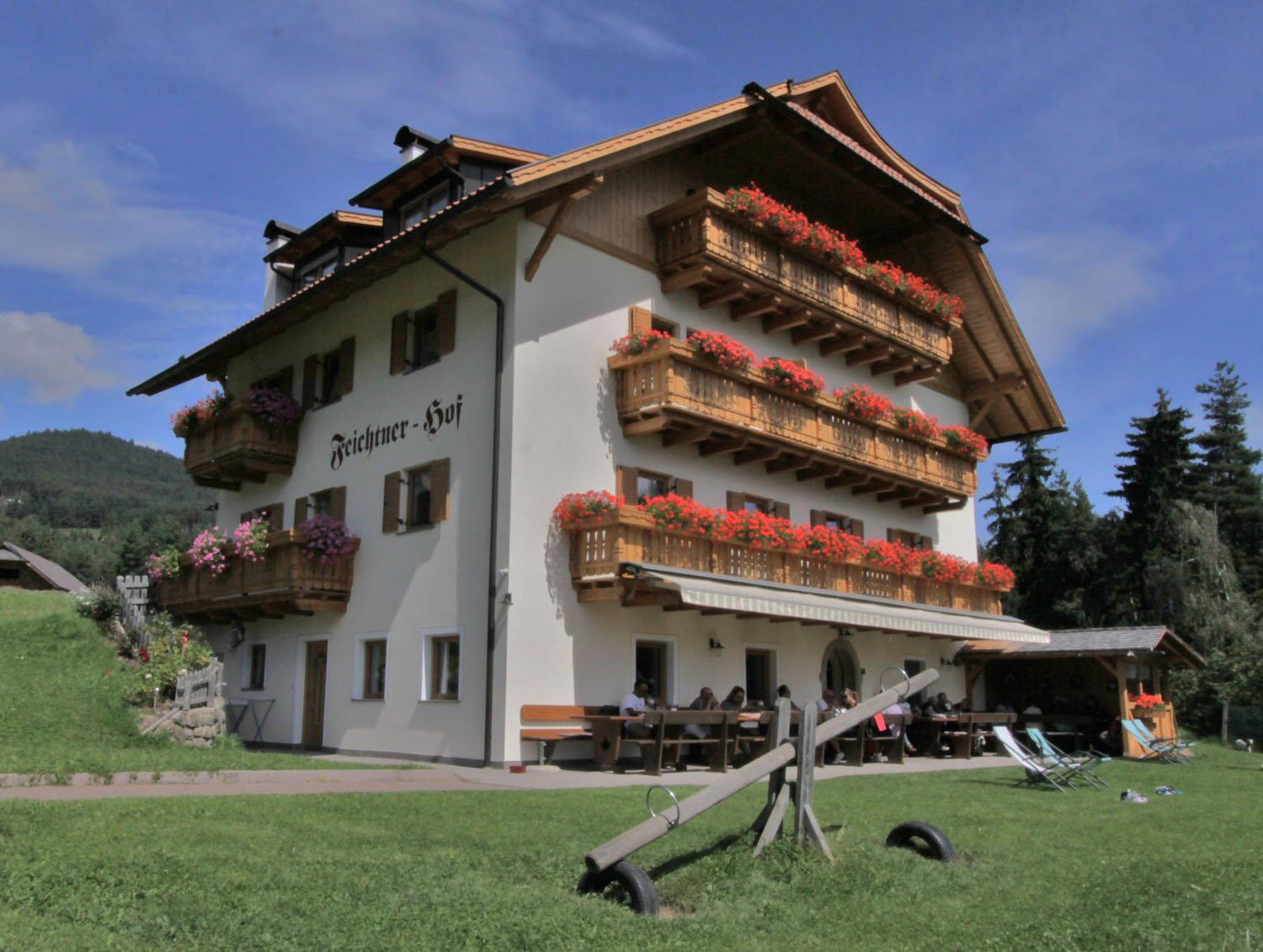
The Ritten Plateau and Its Farmstead Tradition
Above Bolzano, the Ritten plateau occupies a particular altitude band where the Dolomites feel closer than the valley below and the pace of life is governed by seasons rather than schedules. The plateau has long sustained a tradition of working farmsteads that also host guests, a format rooted in South Tyrolean agricultural custom and reinforced by the region's broader identity as a place where food, land, and hospitality are not separate industries but expressions of the same livelihood. Feichtnerhof, addressed along the Dolomitenweg at the edge of Renon, sits within that tradition.
South Tyrol's farm-stay and farmhouse dining culture is among the more coherent in the Alpine arc. Unlike agriturismo properties in flatter parts of Italy, which often operate as secondary ventures attached to wine estates, the Ritten farmsteads occupy terrain that demands a self-sufficient approach. Hay meadows, orchards, and livestock pastures share space with guest accommodation and dining rooms, and the food that reaches the table reflects what the surrounding land produces rather than what a supply chain can deliver. This is a meaningful distinction in a region where altitude, soil, and microclimate produce ingredients with pronounced local character.
Feichtnerhof on the Dolomitenweg
The address on Via Dolomiti places Feichtnerhof along one of the Ritten's more storied walking routes, a path that connects farmsteads and viewpoints across the plateau and draws both serious hikers and casual walkers from the resort villages of Collalbo and Soprabolzano. Properties along this corridor benefit from foot traffic that is already primed for an encounter with the landscape, and a farmstead that offers food and lodging here is embedded in an itinerary rather than positioned as a destination requiring separate motivation.
That positioning matters for understanding what Feichtnerhof represents in the local hospitality picture. The Ritten is not a town with a restaurant row. It is an upland plateau where individual properties, spread across meadows and forest edges, function as the primary nodes of hospitality. Visitors who stay or eat here are not comparing it against a dense comparable set of urban alternatives; they are choosing between a small number of farmsteads, each with its own character, each shaped by the particular patch of land it occupies. Nearby, Ebnicherhof, Loosmannhof, Pirbamer, Rielingerhof, and Signaterhof represent the same dispersed model, and the full picture of what the plateau offers is covered in our full Ritten restaurants guide.
South Tyrolean Cuisine: What the Altitude Produces
The culinary tradition that farmsteads like Feichtnerhof draw from is specific to this corner of northern Italy, shaped by centuries of interaction between Germanic Alpine culture and northern Italian technique. Speck, the cold-smoked, air-cured ham produced under a protected designation at altitude, appears on virtually every farmstead table in the region, served in thin slices with dark rye bread and sometimes alongside horseradish or pickled vegetables. Canederli, large bread dumplings typically enriched with speck or cheese and served in broth or with butter and herbs, are one recognizable expression of the region's peasant kitchen. Käsespätzle, soft egg noodles baked with melted cheese and topped with fried onions, represents the same Germanic-Alpine thread.
What makes this tradition compelling rather than merely rustic is the quality of the underlying ingredients. South Tyrolean dairy cattle graze at elevations above 1,000 metres, and the resulting milk and cheese carry a character distinct from lowland equivalents. Apples grown on the plateau's terraced orchards carry Igp status, and the region's fruit distillation tradition produces schnapps and grappa of serious agricultural provenance. In a broader Italian context, this places the Ritten farmstead kitchen closer to the producer-led ethos of restaurants like Piazza Duomo in Alba or Reale in Castel di Sangro than to the technique-driven formality of, say, Le Calandre in Rubano or Enoteca Pinchiorri in Florence. The comparison is not about prestige but about emphasis: here, the ingredient and its provenance carry more weight than the transformation applied to it.
That producer-led emphasis connects Feichtnerhof to a broader movement visible in Italian fine dining, from Uliassi in Senigallia on the Adriatic coast to Osteria Francescana in Modena in Emilia-Romagna, where the relationship between kitchen and specific territory is the animating principle. At the farmstead level, that principle operates without intermediary: the land is visible from the dining room, and the production chain is often measured in metres rather than kilometres.
The Broader South Tyrolean Dining Picture
South Tyrol has developed one of Italy's densest concentrations of Michelin-recognised restaurants relative to its population, a fact that reflects both the quality of local ingredients and the region's tourism infrastructure, which supports a dining culture that would be economically difficult to sustain in less visited upland areas. The region's formal end is represented by addresses like Atelier Moessmer Norbert Niederkofler in Brunico, where the Alpine ingredient philosophy is applied at the highest technical level. The farmstead tier, which Feichtnerhof occupies, sits at the other end of the same spectrum: less elaborate in execution but equally serious about provenance, and often more direct in its relationship to the land.
Internationally, the farmstead dining format finds its closest analogues not in Italian fine dining but in the kind of place-rooted hospitality visible at Dal Pescatore in Runate or in the community-anchored format of Lazy Bear in San Francisco, where the social and spatial context of eating matters as much as what is on the plate. At Feichtnerhof, the context is the plateau itself: the meadows, the walking routes, the altitude light, and the farmstead calendar.
Planning Your Visit
A Pricing-First Comparison
Comparable venues nearby, for context on price, style, and recognition.
| Venue | Cuisine | Price |
|---|---|---|
| FeichtnerhofThis venue — the venue you are viewing | Not listed | $$$ |
| Weingut Ebner | Ritten, Tyrolean Buschenschank | $$ |
| Ebnicherhof | Oberbozen, Traditional Tyrolean | $$ |
| Signaterhof | Renon, Traditional South Tyrolean | $$$ |
| Loosmannhof | Renon, South Tyrolean Farmhouse Tavern | $$ |
| Pirbamer | Auna di Sotto, Modern Northern Italian | $$$ |
Continue exploring
More in Ritten
Restaurants in Ritten
Browse all →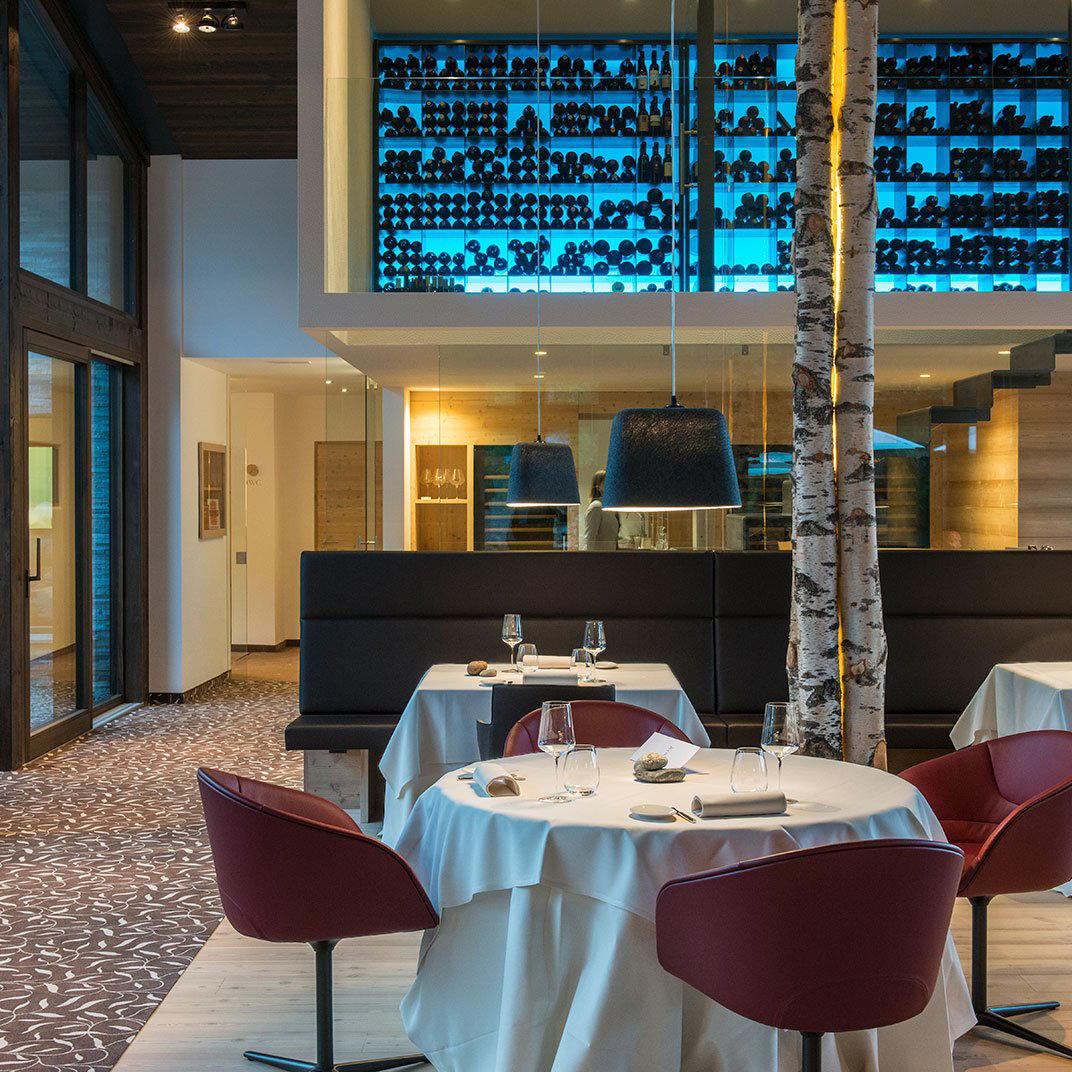
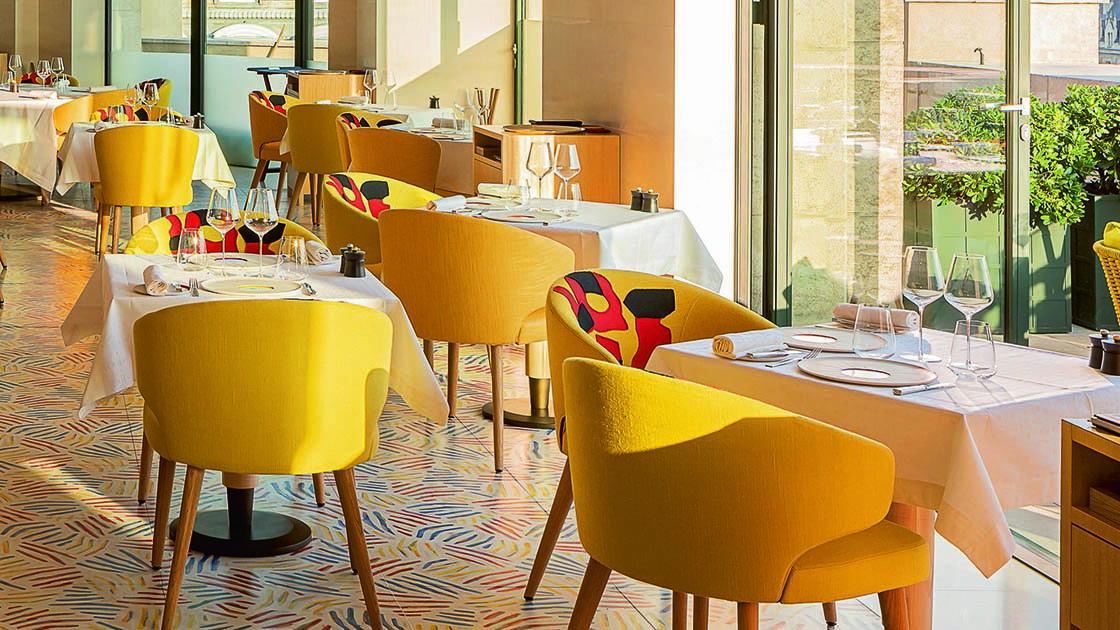
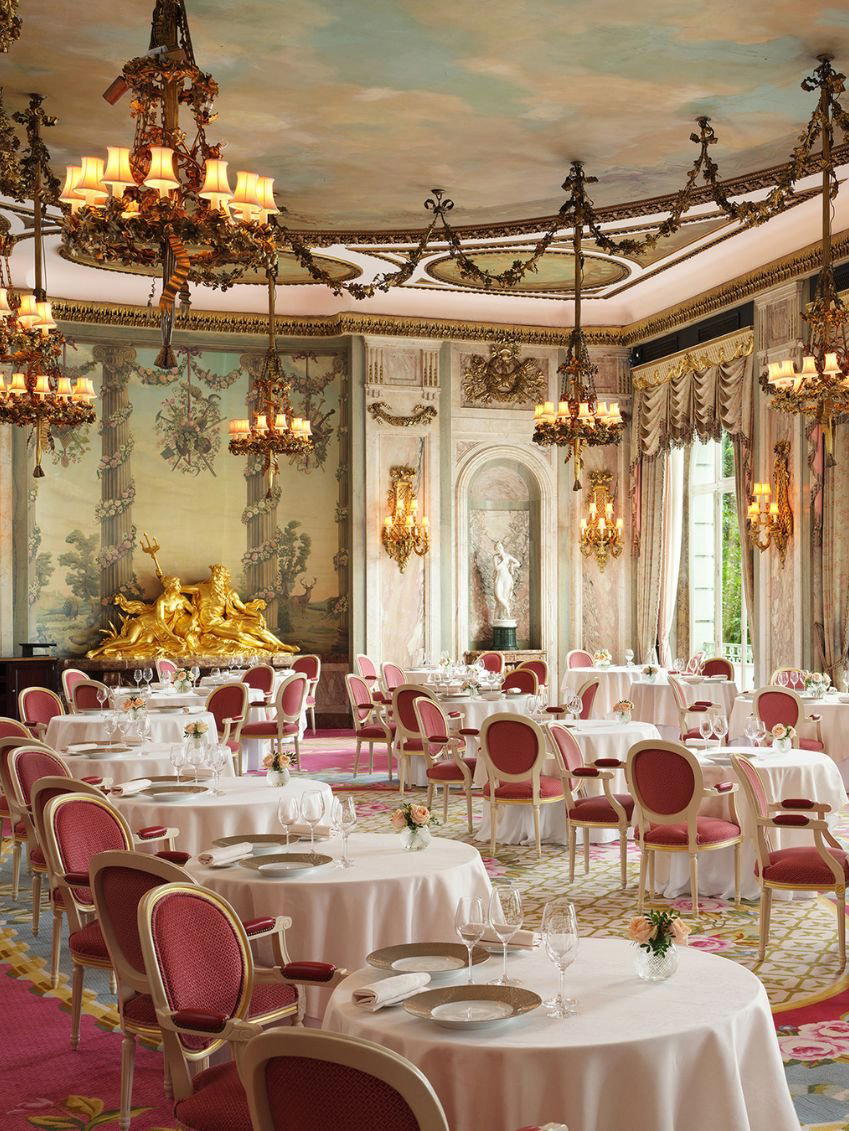
Bars in Ritten
Browse all →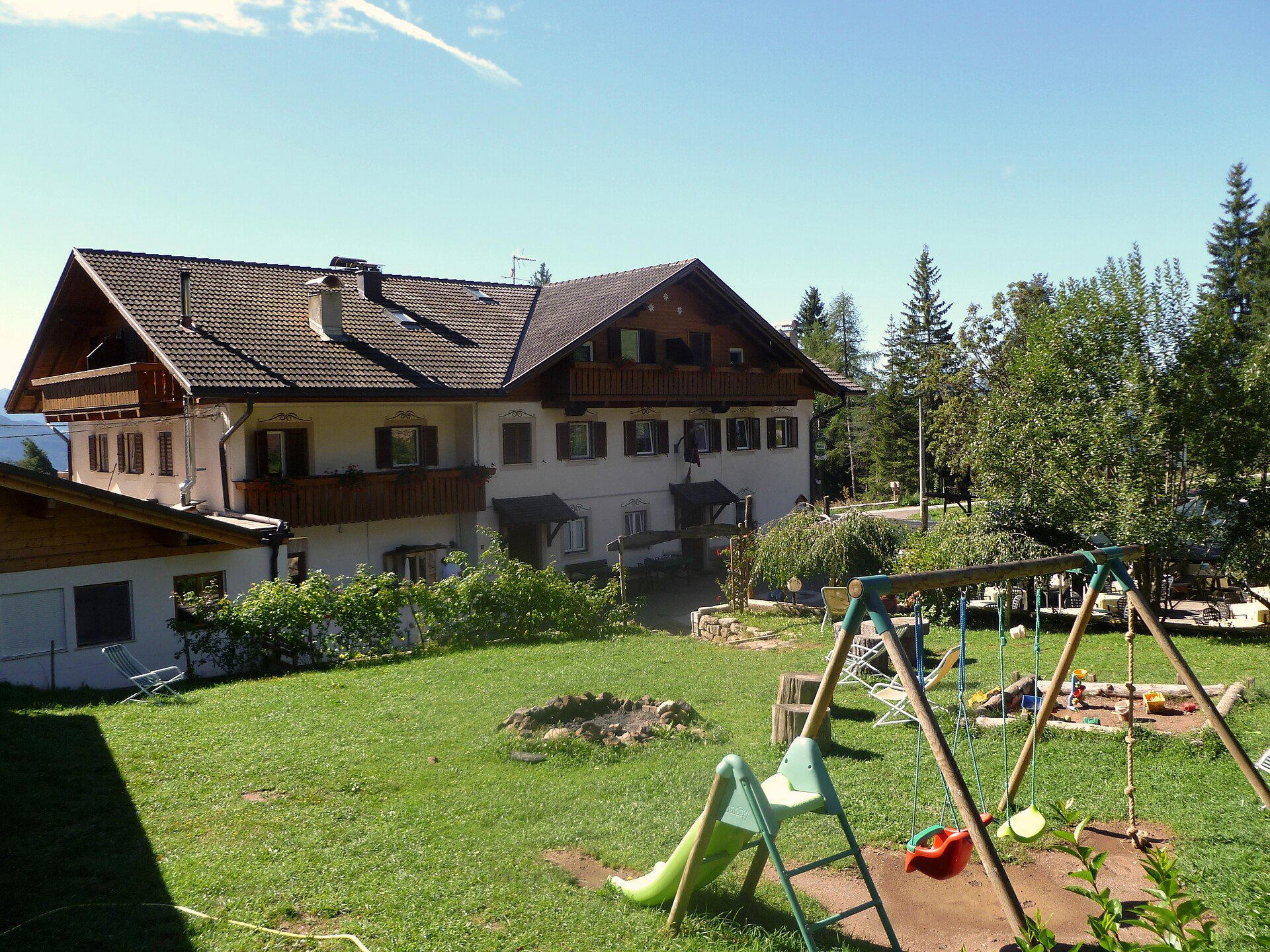
Hotels in Ritten
Browse all →
At a Glance
- Scenic
- Rustic
- Classic
- Cozy
- Group Dining
- Casual Hangout
- Terrace
- Panoramic View
- Historic Building
- Local Sourcing
- Mountain
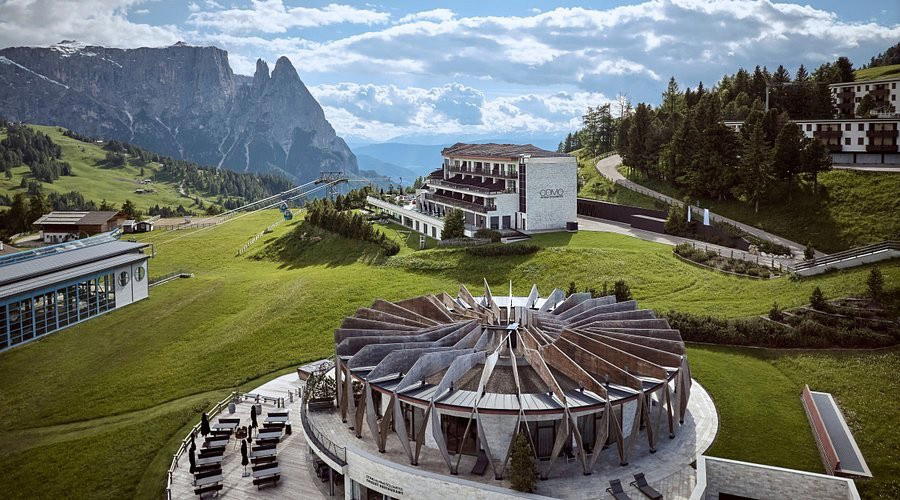
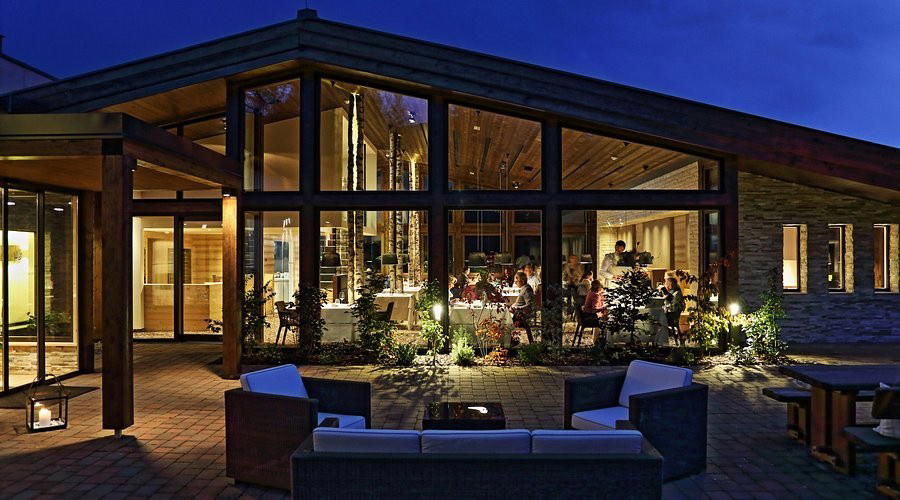
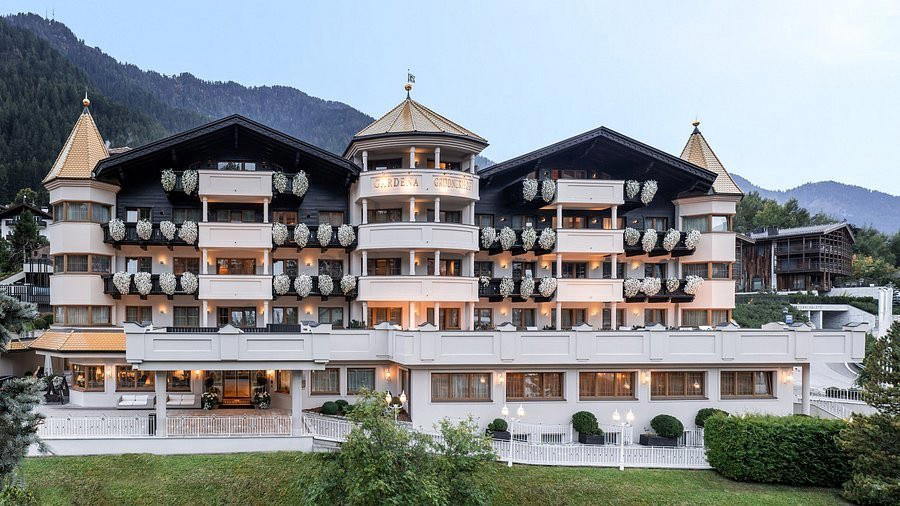
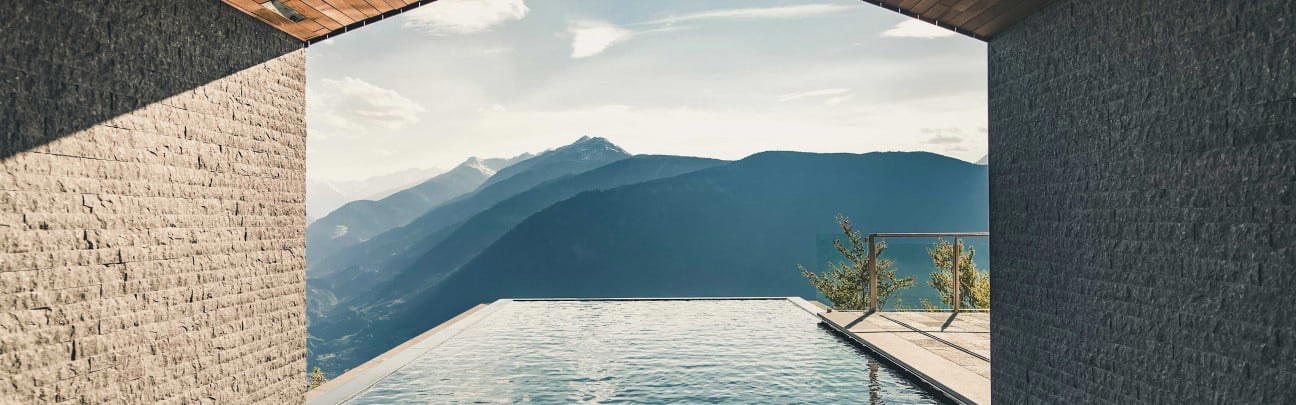
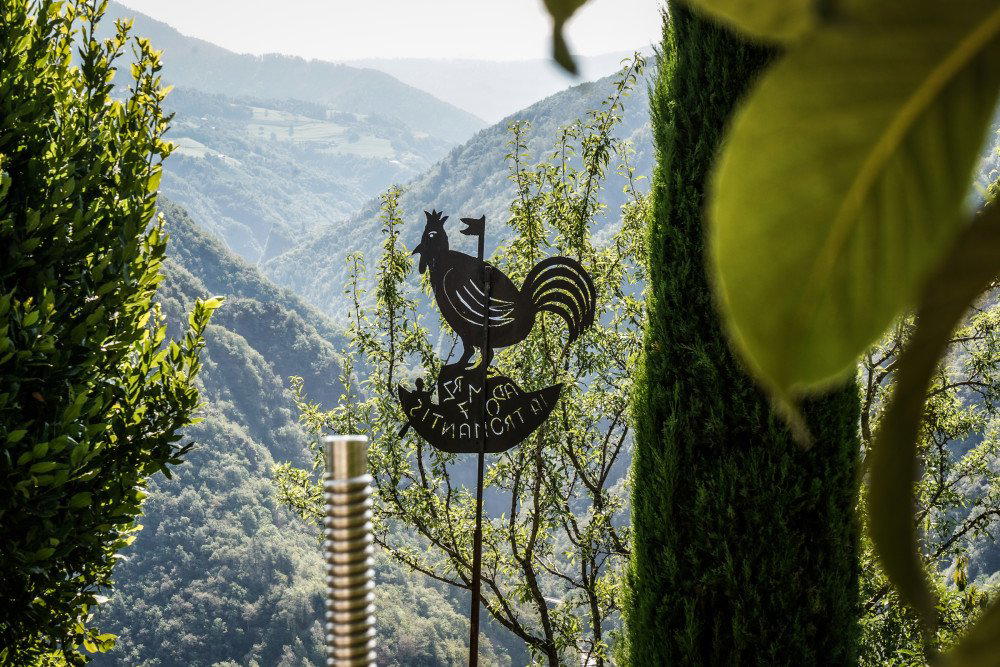
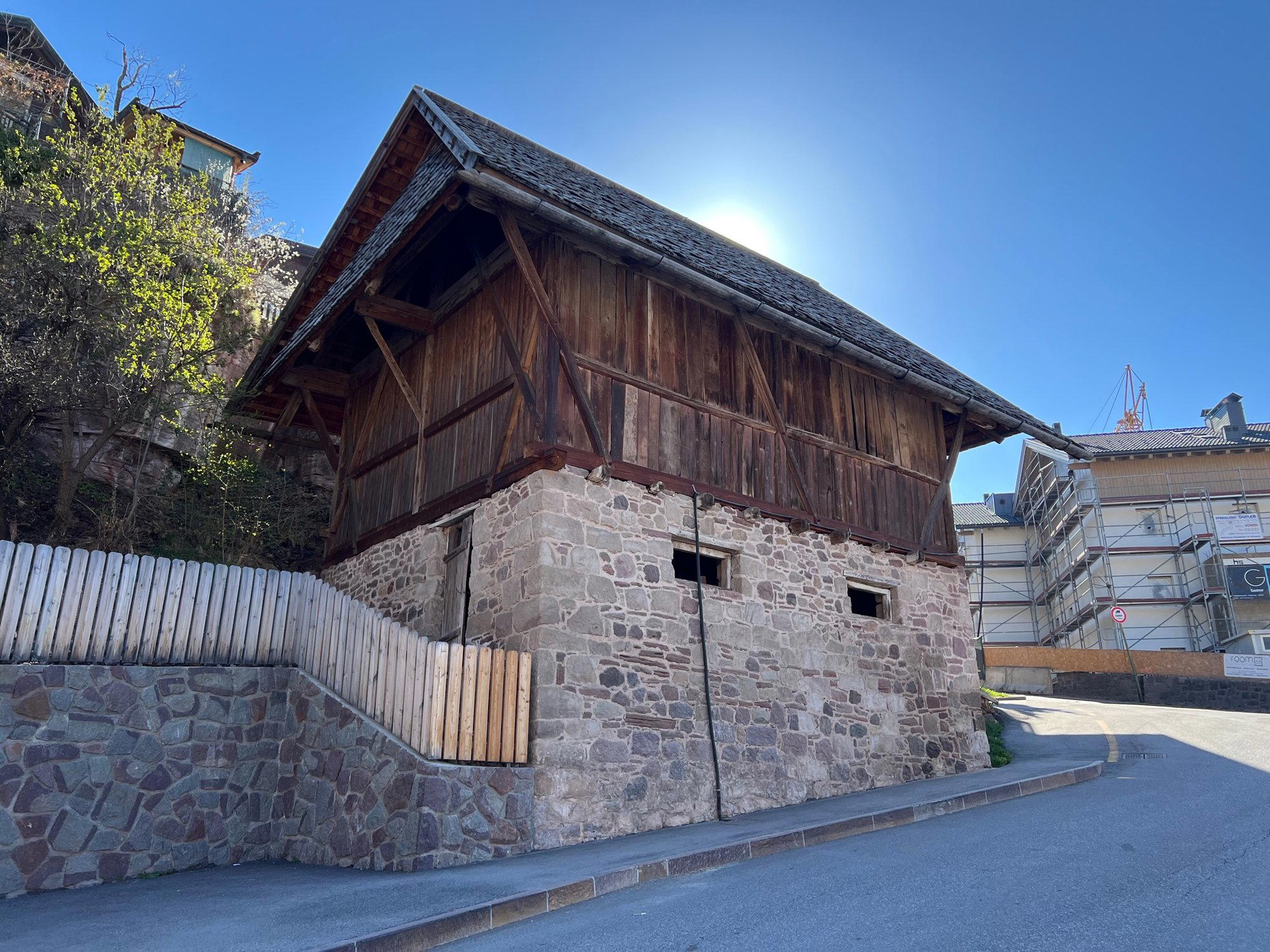
Bright and welcoming with natural sunlight from the terrace; traditional Alpine setting with historic charm.