Johannesstube


1 Michelin Star · La Liste Top Restaurants
Our verdict
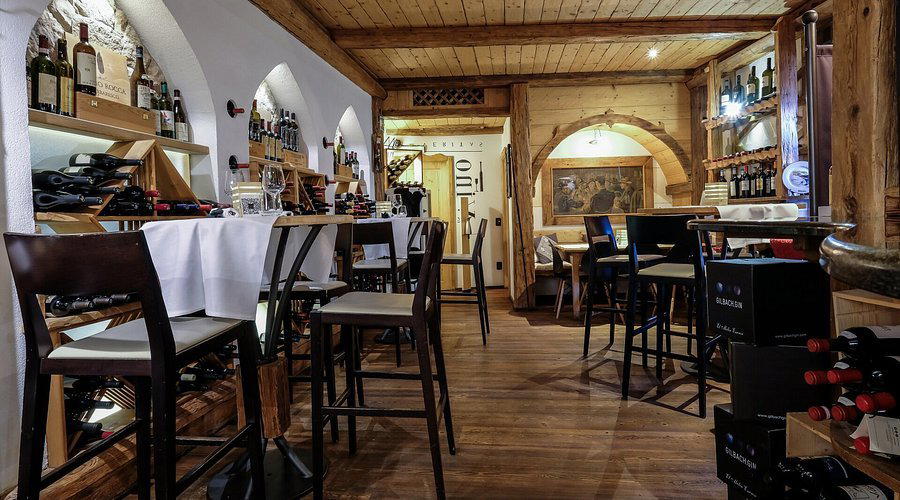
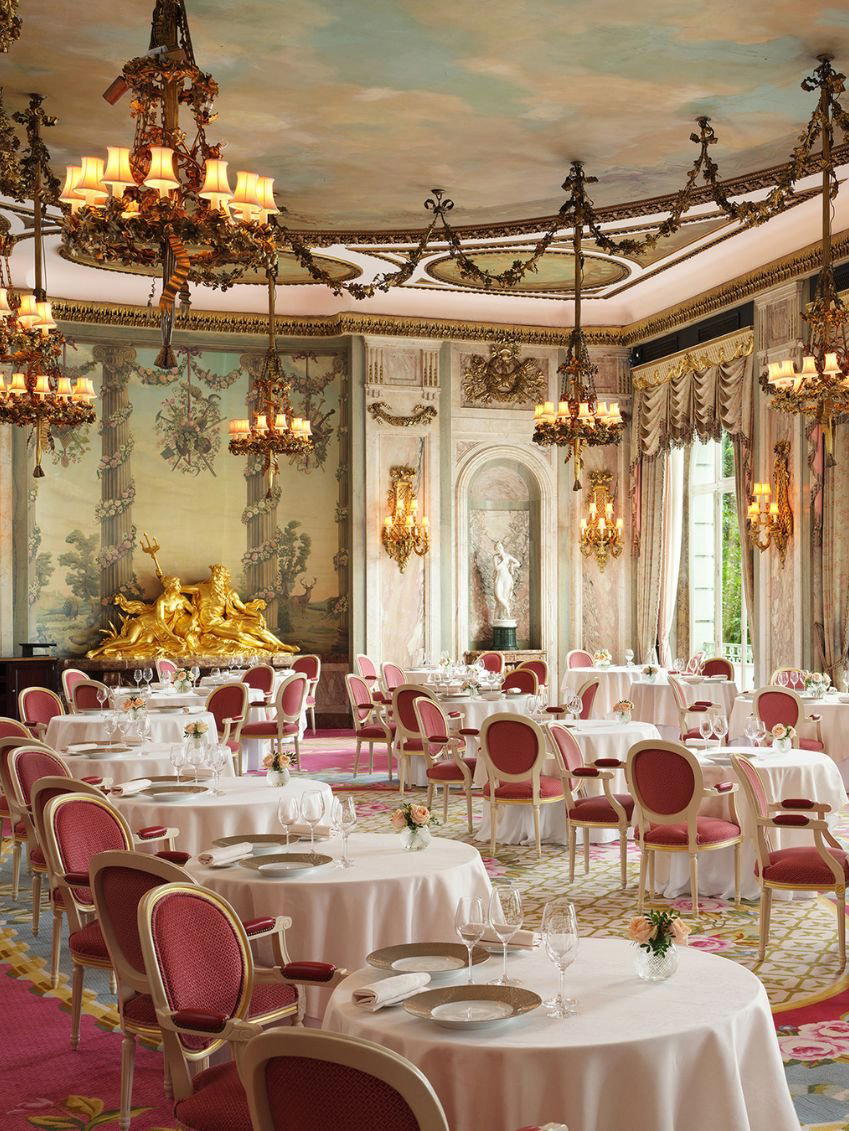
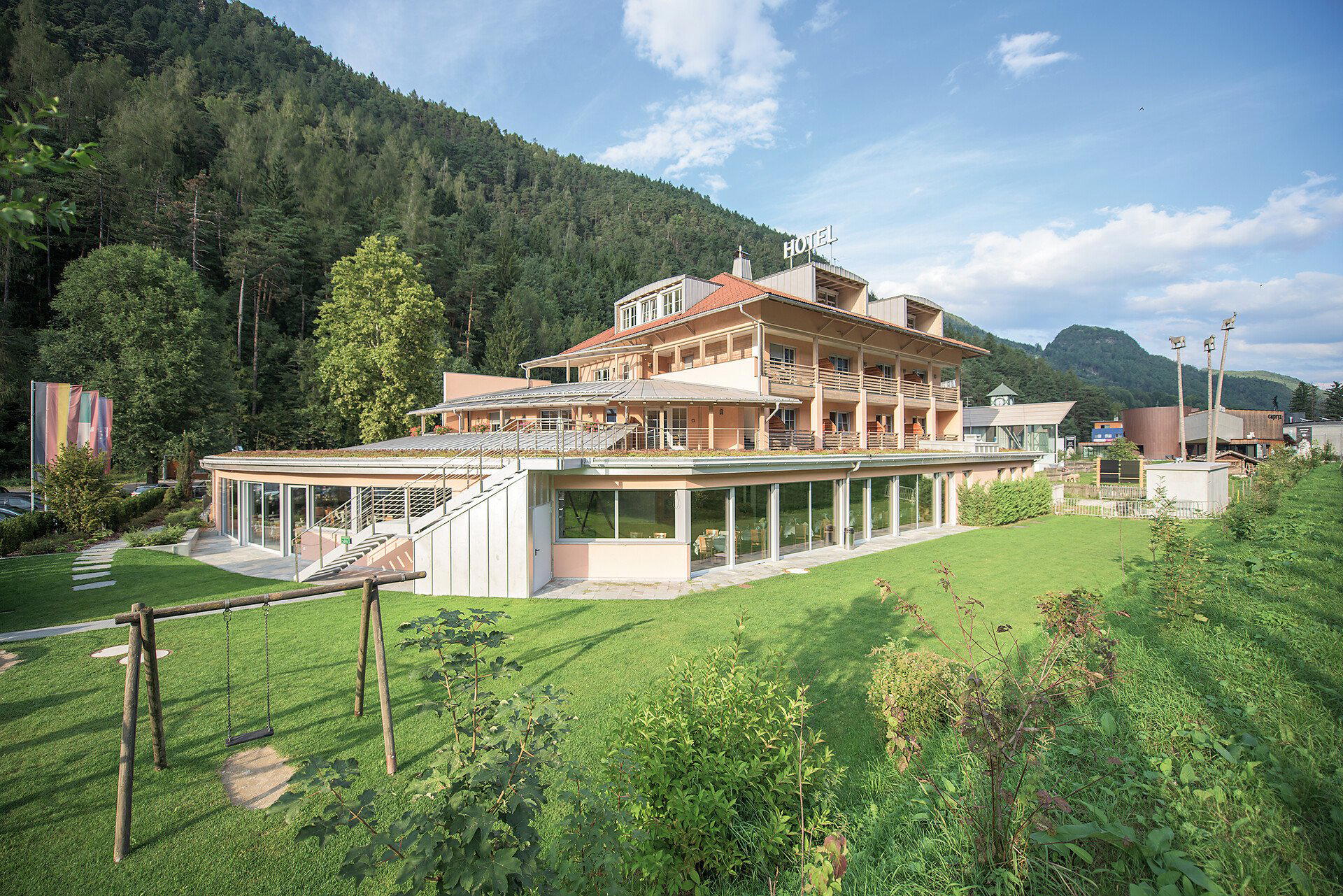
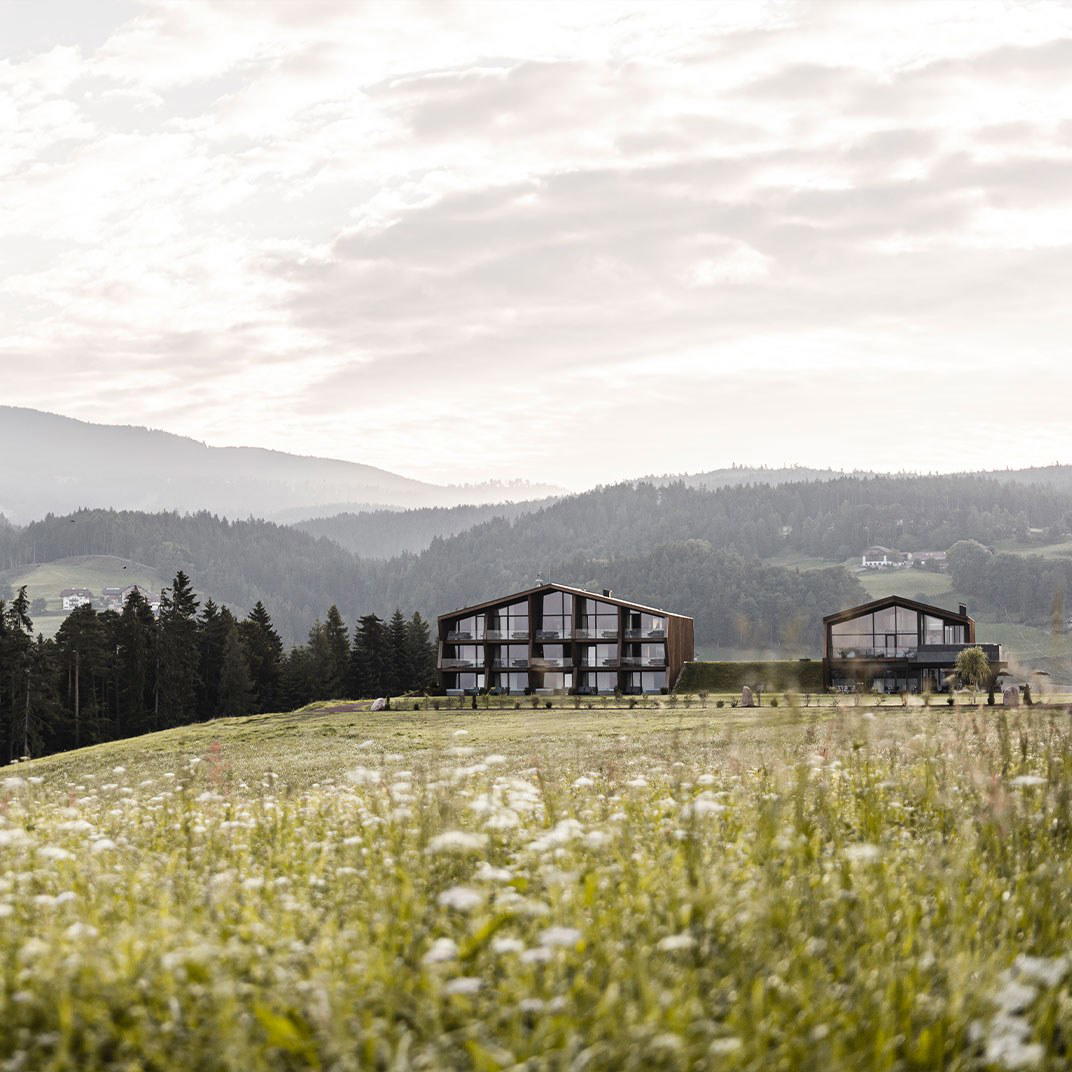
Set within the Engel resort in Nova Levante, Johannesstube holds a Michelin star and a 79.5-point La Liste ranking for 2025. Chef Philip Lochmann builds his menus around seasonal Dolomite ingredients, with an emphasis on local vegetables and sustainability. The dining room combines wood, stone, and regional materials, and service runs Thursday through Monday, evenings only.

Pearl is the En Primeur Club membership app, where members save venues, book tables and use the concierge.
The menu
What to order
- 6-course tasting menu
- 4-course meal
- Herb specialities
Where the Dolomites Come to the Table
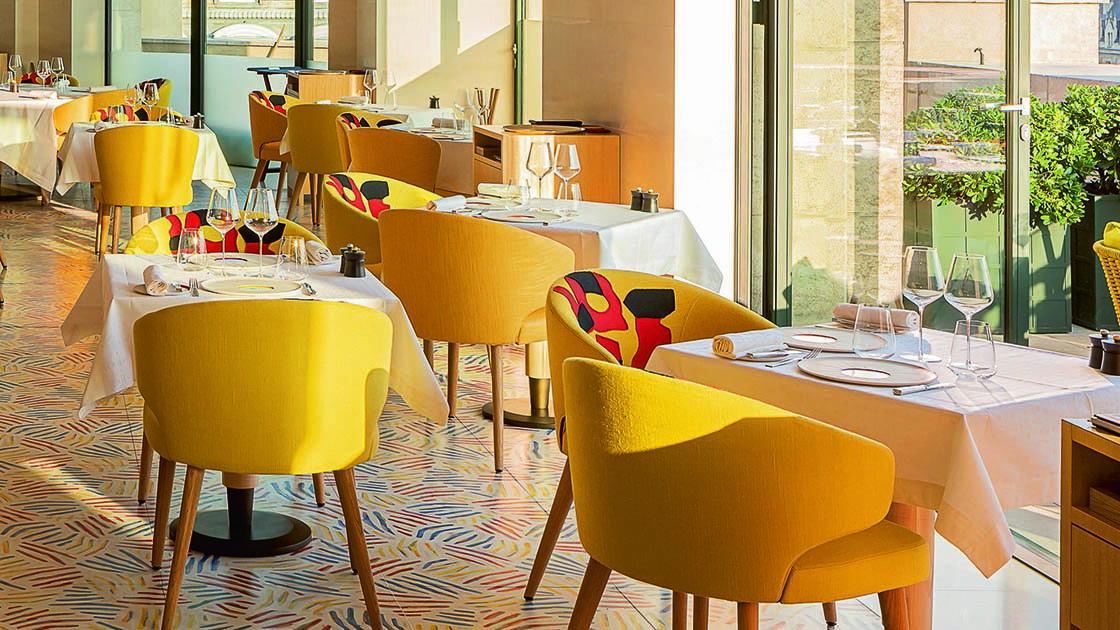
The Südtirol dining scene has spent the last decade pulling in two directions at once: toward the international fine-dining grammar of tasting menus and modernist technique, and toward something more rooted, more particular to the high valleys and short growing seasons of the Alto Adige. The most interesting kitchens in the region are the ones working both registers simultaneously. Johannesstube, the restaurant within the Engel resort in Nova Levante, sits firmly in that second category. The dining room is built from wood, stone, and other materials that arrive looking as though they belong to the mountain rather than having been shipped in from elsewhere. What you register on entering is a kind of material coherence: nothing about the space contradicts the landscape immediately outside it. That physical grounding is not decorative. It sets the terms for what happens at the table.
Ingredient Logic: Why Provenance Shapes the Menu
The defining commitment at Johannesstube is to the sourcing of ingredients, and specifically to the compressed, altitude-shaped agricultural world of the South Tyrol. At this elevation, the growing season is short and the variety of produce is specific rather than broad. Kitchens that take that constraint seriously end up with menus that look nothing like their counterparts in Milan or Florence. Seasonal vegetables take a prominent role here, not as garnish or supporting structure but as the primary material the kitchen is working with. That emphasis places Johannesstube in a distinct tradition within Italian fine dining, one less interested in the protein-centred architecture that defines much of the peninsula's high-end cooking and more focused on what the surrounding terrain actually produces with consistency and quality.
Logic of local sourcing runs through alpine cooking across the Arc from Vorarlberg to the Dolomites. Restaurants like Gourmetrestaurant Tannenhof in Sankt Anton am Arlberg and Die Geniesserstube im Alpenhof in Tux work within similar constraints and have reached comparable conclusions: that regional identity in alpine cooking is inseparable from the discipline of using what grows nearby. What distinguishes the better kitchens in this tradition is the degree to which technique amplifies rather than overrides the ingredient. At Johannesstube, the kitchen's approach leans toward precision and restraint, using creativity to clarify what the produce already is rather than to transform it into something else entirely.
This stands in instructive contrast to Italy's broader fine-dining tier. The three-Michelin-star cohort, from Osteria Francescana in Modena to Le Calandre in Rubano and Enrico Bartolini in Milan, tends to operate with a much wider ingredient palette and a more assertive technical vocabulary. Johannesstube earns its single Michelin star within a different framework, one where the narrowness of the palette is the point, not a limitation to work around. Closer in spirit is the approach at Atelier Moessmer Norbert Niederkofler in Brunico, which has built a three-star reputation on an even more rigorous commitment to alpine terroir. Johannesstube occupies a position one rung below that in formal recognition but operates within the same philosophical register.
The Dolomia Chef's Table and the Structure of Service
Inside the Engel resort, the restaurant has undergone a significant renovation that has brought the decor and the cooking into closer alignment. The Dolomia chef's table functions as the opening act: an intimate setting where aperitifs and early courses arrive directly from the chef, collapsing the distance between kitchen and dining room that characterises most formal restaurant formats. This kind of structured beginning does real work. It sets the temperature of the evening, gives the kitchen a chance to communicate something about the menu's logic before the full sequence begins, and allows the guest to orient to the pace and register of what follows.
The sommelier, Daniela, manages a wine list that includes regional labels from the South Tyrol alongside selections from further afield. South Tyrolean wine has earned serious attention over the past two decades, particularly for white varieties: Alto Adige Pinot Bianco, Gewürztraminer, and Pinot Grigio from producers in the Überetsch and Valle Isarco carry consistent critical recognition. A wine program anchored in regional output matches the sourcing philosophy of the kitchen and gives the sommelier a natural throughline for the evening's recommendations. That integration between what is in the glass and what is on the plate is part of what coherent alpine dining looks like when it is working well.
Recognition and Where It Places the Restaurant
Johannesstube holds a Michelin star as of 2024 and a score of 79.5 points in the La Liste Leading Restaurants ranking for 2025. La Liste aggregates critical assessments from across multiple international review sources, and a score in the upper seventies places the restaurant within a competitive global tier, well above the bulk of starred restaurants and in range of some of the most recognised tables in Italy. That pairing of recognitions, Michelin and La Liste, signals a kitchen that is performing consistently at a level that multiple independent evaluation frameworks are confirming.
Within Italy's broader fine-dining geography, the Südtirol region has produced a disproportionate share of Michelin-recognised restaurants relative to its size and population. The combination of a prosperous regional economy, a strong hospitality culture rooted in the resort tradition, and a distinctive agricultural identity has created conditions where high-end kitchens can sustain themselves. Johannesstube is one expression of that pattern. For readers already familiar with the region's dining scene, it sits below the Niederkofler level in formal star count but above the broad middle tier of competent alpine hotel restaurants. For those approaching South Tyrolean fine dining for the first time, it is a useful entry point to the region's ingredient-first cooking tradition, one that does not require the planning lead time or the commitment of the area's most formally demanding tables. Other restaurants worth knowing across the broader Italian circuit include Piazza Duomo in Alba, Reale in Castel di Sangro, Uliassi in Senigallia, Quattro Passi in Marina del Cantone, Dal Pescatore in Runate, Casa Perbellini 12 Apostoli in Verona, and Enoteca Pinchiorri in Florence.
Planning Your Visit
Johannesstube operates on a tight schedule: evenings only, from 7 PM to 9 PM, Thursday through Monday. Tuesday and Wednesday are closed. The address is Via S. Valentino, 3, in Nova Levante, within the Engel resort. The price tier is €€€€, consistent with a Michelin-starred tasting menu format in an alpine resort context. Given the limited evening windows and the small-scale setup implied by a chef's table format and resort setting, advance reservations are advisable, particularly on weekends during the winter ski season and the summer hiking season, when Nova Levante draws the most visitors. The Engel resort also provides an accommodation option for those who want to treat the dinner as part of a broader stay; consulting our full Nova Levante hotels guide will give context on what the local accommodation market looks like at various price points.
For those building a wider itinerary around the visit, Nova Levante has a modest but considered dining and hospitality scene. Our full Nova Levante restaurants guide, our Nova Levante bars guide, our wineries guide, and our experiences guide cover the broader picture for the town and its surroundings.
Frequently asked questions
What do people recommend at Johannesstube?
The kitchen's reputation is built on its treatment of local, seasonal produce, with vegetables occupying the lead role in many courses. Michelin inspectors specifically noted the creativity and technical precision applied to ingredients sourced from the surrounding region. The wine program, guided by sommelier Daniela, draws on South Tyrolean producers as its core reference, so pairing the food menu with regional wines is the approach most aligned with the kitchen's sourcing philosophy. Beyond those structural recommendations, specific dishes change with the season, which is the point of a menu built around what the local terrain is producing at any given time.
Is Johannesstube formal or casual?
The setting, within a resort hotel, with a chef's table format and a dedicated sommelier, places it firmly in the formal dining category. The price tier (€€€€) and the Michelin star confirm that positioning. South Tyrolean fine dining tends to carry a slightly warmer register than equivalent tables in Milan or Rome, reflecting the hospitality culture of the alpine resort tradition rather than the more rigidly protocol-driven rooms of major city fine dining. That said, the structure of the evening, from chef's table aperitifs through a full tasting sequence with wine pairings, is not casual by any meaningful definition. Guests should dress accordingly, and the pace of the evening will be measured and deliberate.
Would Johannesstube be comfortable with kids?
At €€€€ pricing, with a tasting menu format that runs at an unhurried pace and a small, materials-led dining room designed around a quiet, focused experience, this is not a setting configured for younger children. The chef's table element and the sommelier-led wine service reinforce that orientation toward adult guests engaging fully with a multi-course meal. Families visiting Nova Levante with children will find the broader town and resort context more accommodating for daytime and casual dining; the restaurants in our Nova Levante guide include options at a wider range of formats and price points.
Quick Comparison
| Venue | Cuisine | Price | Awards | Notes |
|---|---|---|---|---|
| JohannesstubeThis venue (the venue you are viewing) | Contemporary Alpine Fine Dining | $150–200 | 1 Michelin Star · La Liste Top Restaurants | Not listed |
| Atelier Moessmer Norbert Niederkofler | Modern Alpine Fine Dining | $300–500 | 3 Michelin Stars · World's 50 Best #20 | Italian, Creative |
| Dal Pescatore | Classic Italian Fine Dining | $200–300 | 3 Michelin Stars · World's 50 Best #38 | Italian, Italian Contemporary |
| Enoteca Pinchiorri | Contemporary Italian Fine Dining | $200–300 | 3 Michelin Stars · World's 50 Best #32 | Italian - French, Italian Contemporary |
| Enrico Bartolini | Modern Italian Fine Dining | $300–500 | 3 Michelin Stars · World's 50 Best #85 | Creative |
| Osteria Francescana | Avant-Garde Italian Contemporary | $300–500 | 3 Michelin Stars · World's 50 Best #1 | Progressive Italian, Creative |
Recognition history
Dated appearances from independent guides and award organizations, with the underlying list record or original source where available.
Michelin 1 Star
Michelin
La Liste Top Restaurants
La Liste
Full recognition history (4 entries)
Michelin 1 Star
Michelin
Michelin 1 Star
Michelin
Continue exploring
More in Nova Levante
Restaurants in Nova Levante
All restaurants in Nova Levante →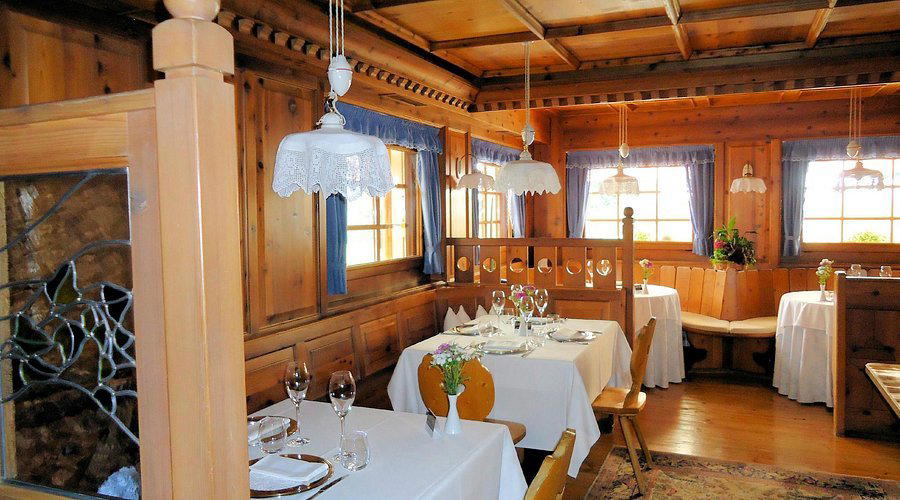
Bars in Nova Levante
Browse all →
Details
- Elegant
- Intimate
- Sophisticated
- Quiet
- Special Occasion
- Date Night
- Celebration
- Chefs Counter
- Hotel Restaurant
- Open Kitchen
- Private Dining
- Extensive Wine List
- Sommelier Led
- Farm To Table
- Local Sourcing
- Organic
- Tasting Menu
- Prix Fixe
- Regional Wines
- Wine Pairings
- Vegetarian Friendly
- Gluten Free Options
- Allergy Accommodating
Current opening hours
- Monday
- 7–9 PM
- Tuesday
- Closed
- Wednesday
- Closed
- Thursday
- 7–9 PM
- Friday
- 7–9 PM
- Saturday
- 7–9 PM
- Sunday
- 7–9 PM
Hours can change for holidays and private events. Hours as of .
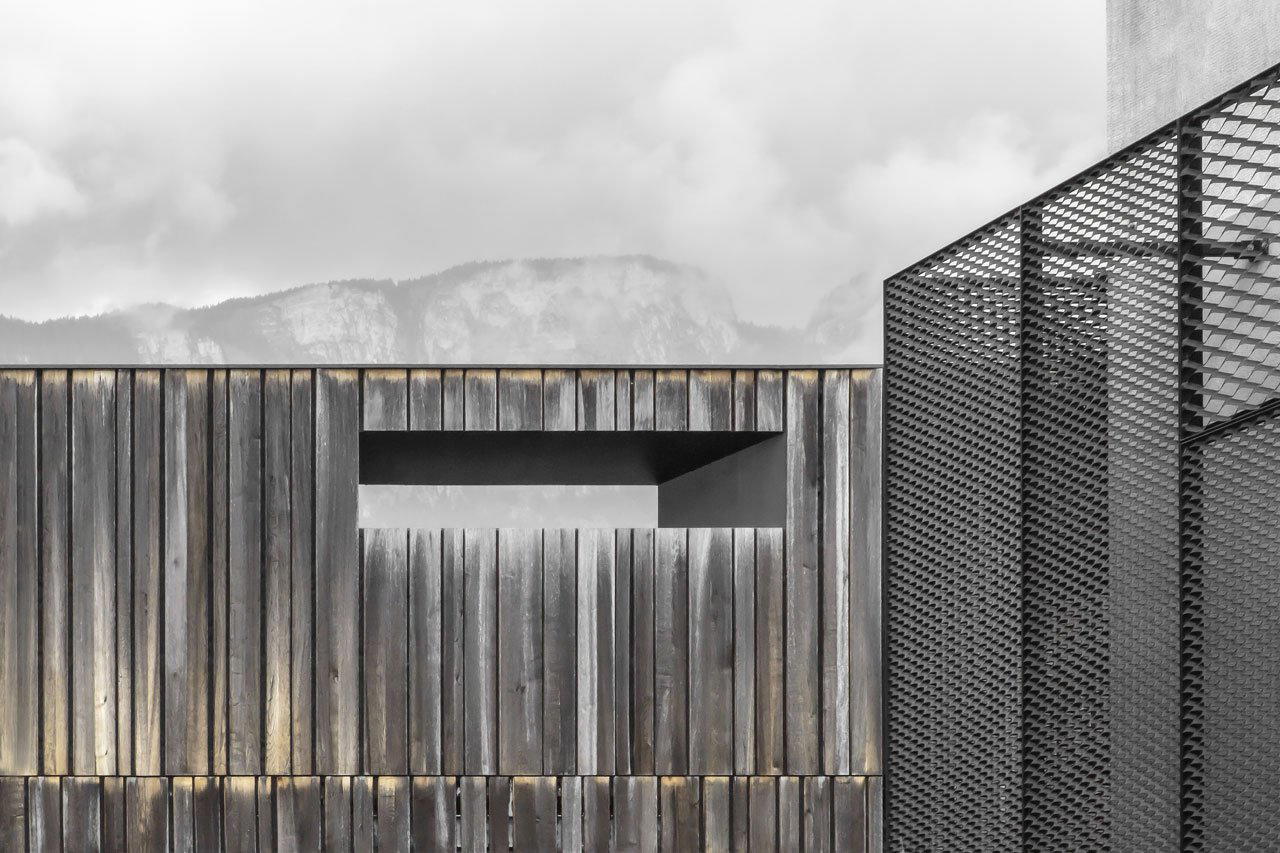
Natural elegance with wood, stone, and local materials creating a refined, understated atmosphere; intimate dining room with soft lighting and meticulous attention to presentation.