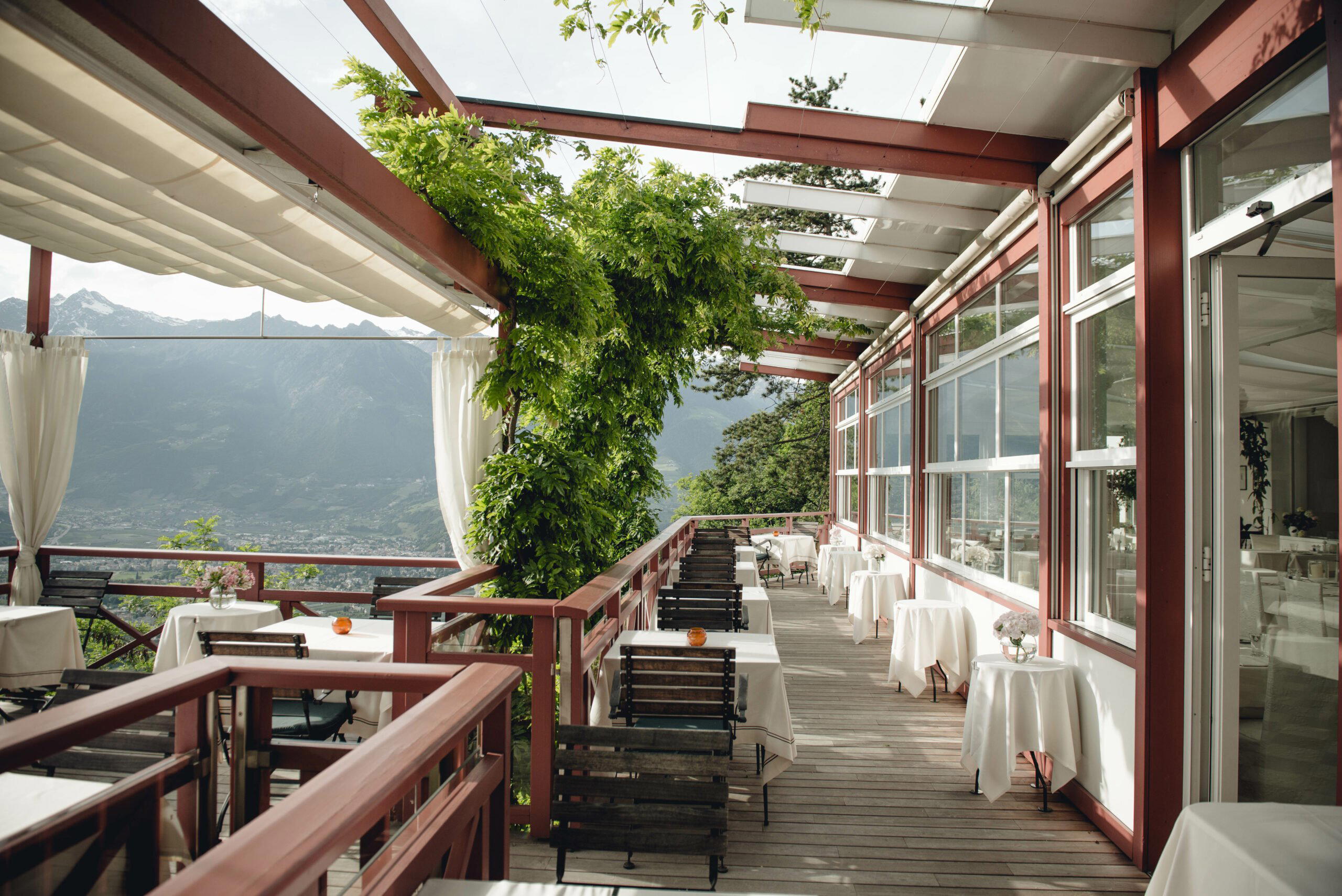
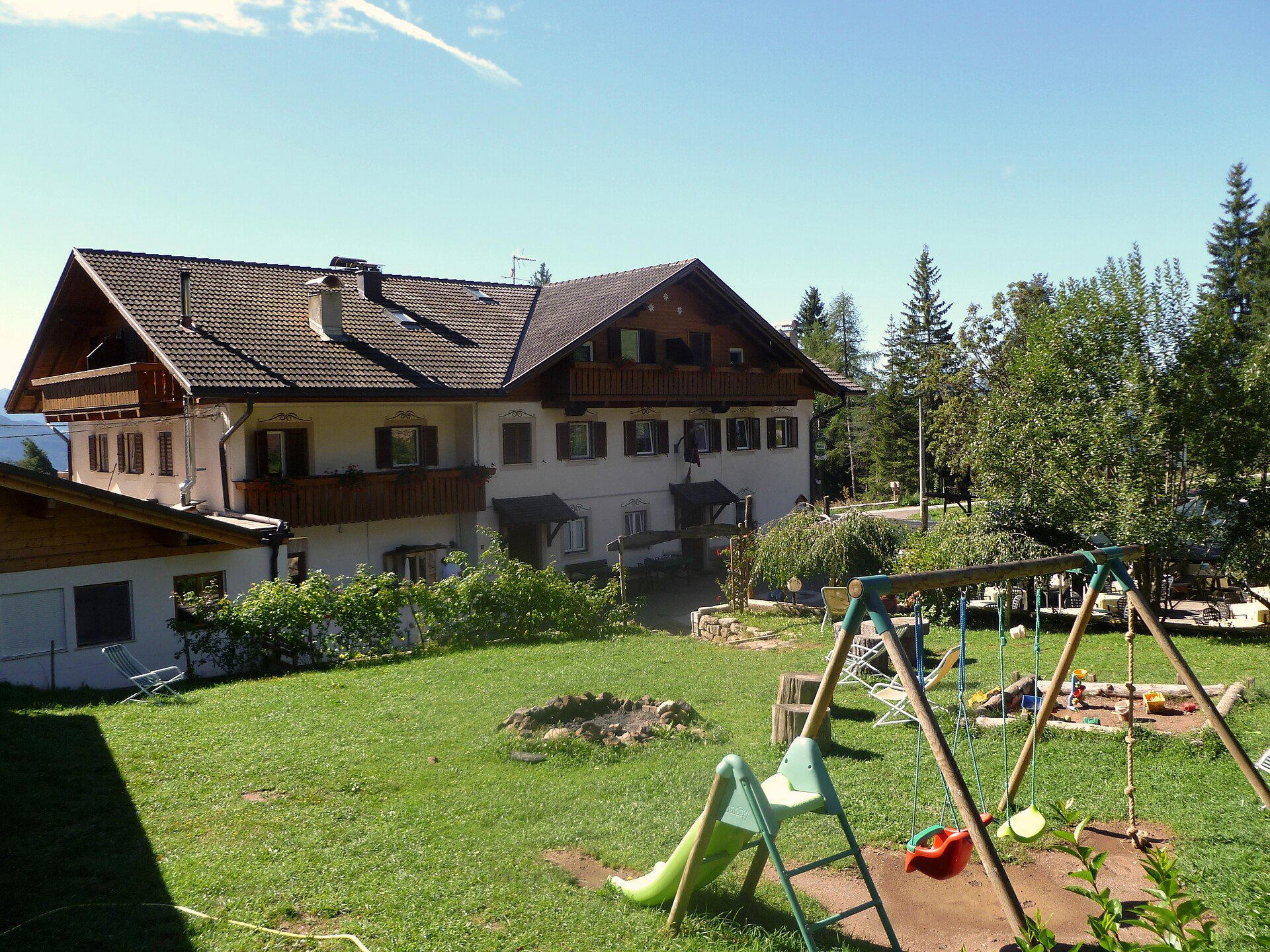
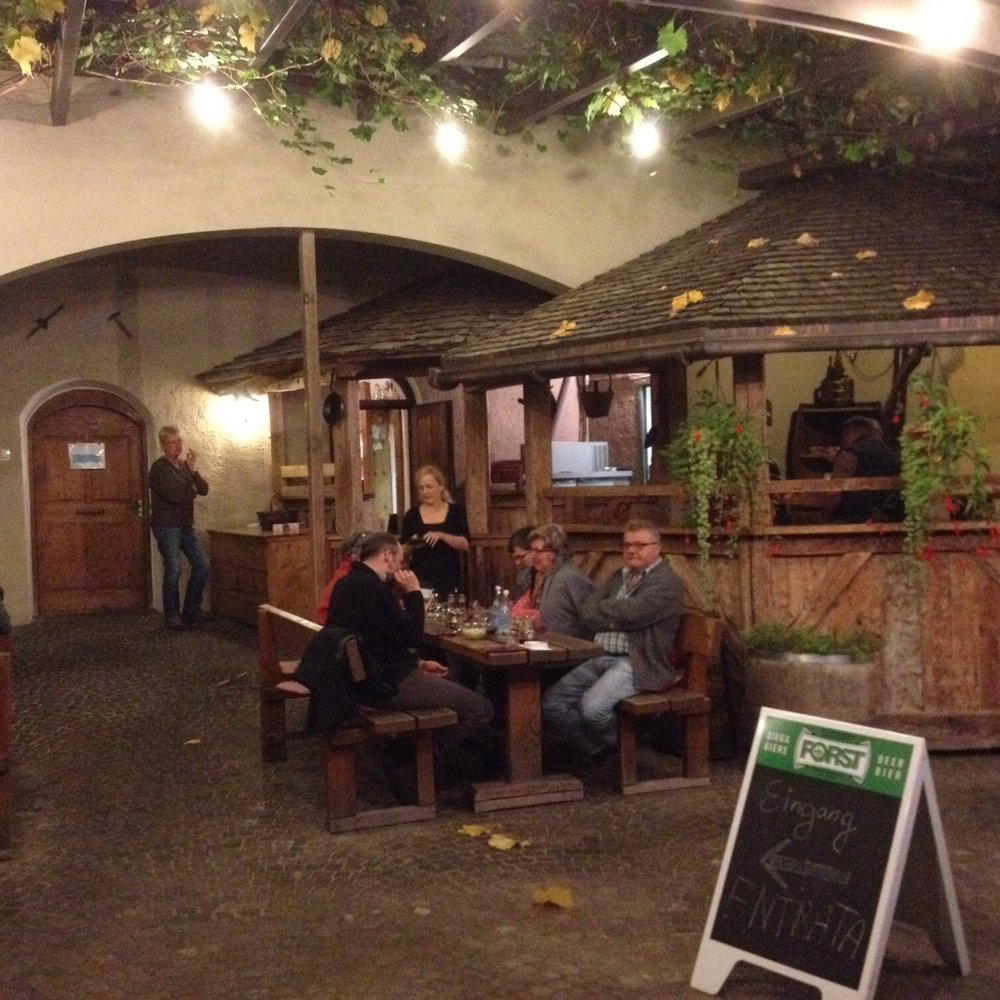
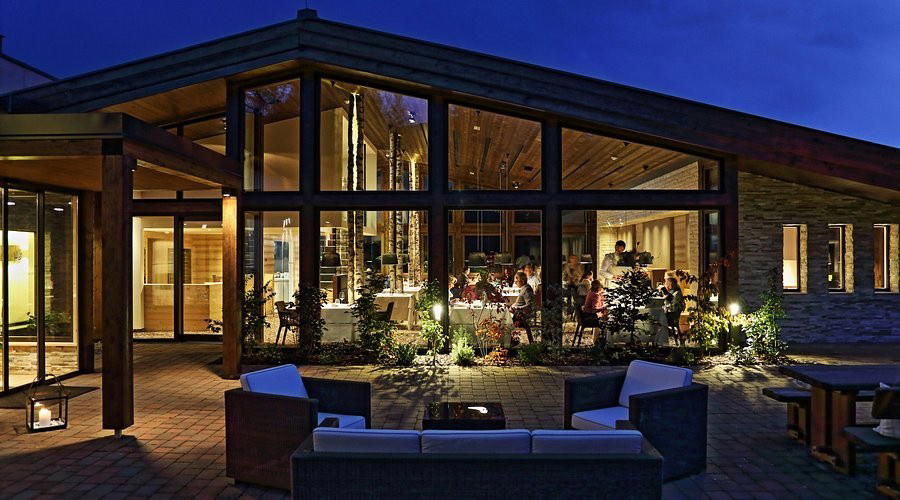
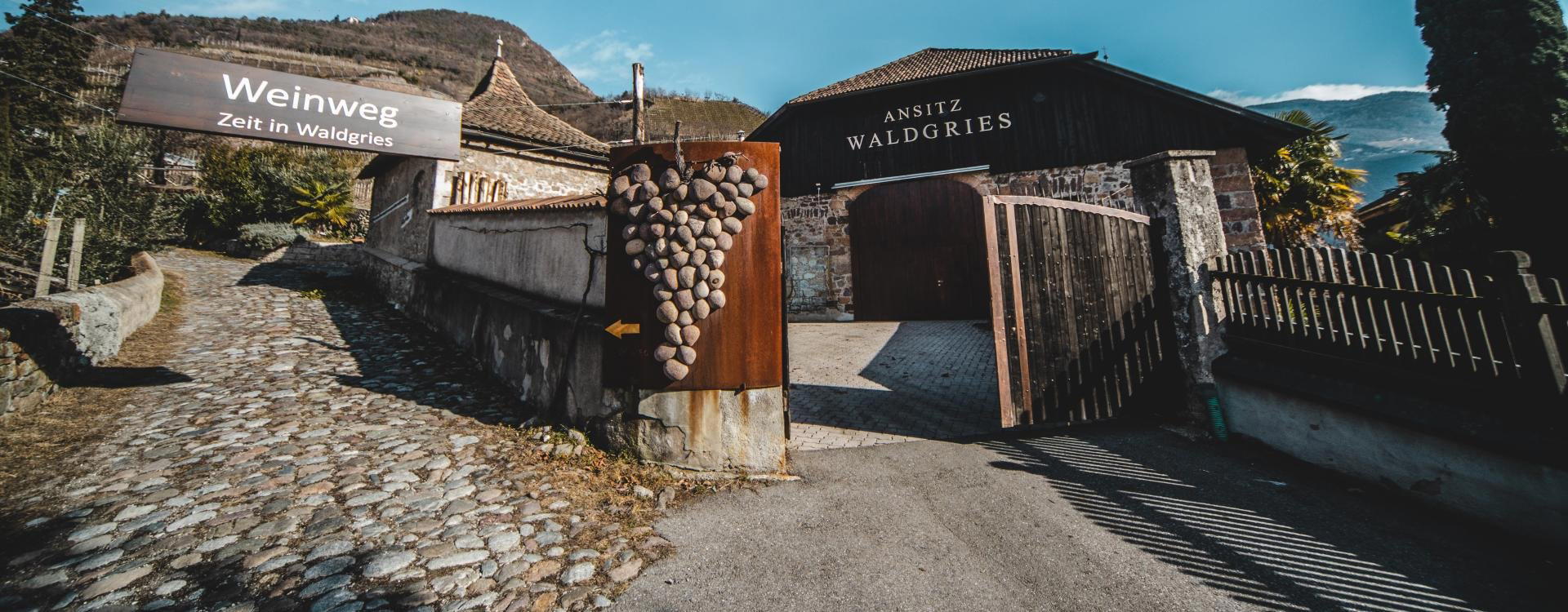
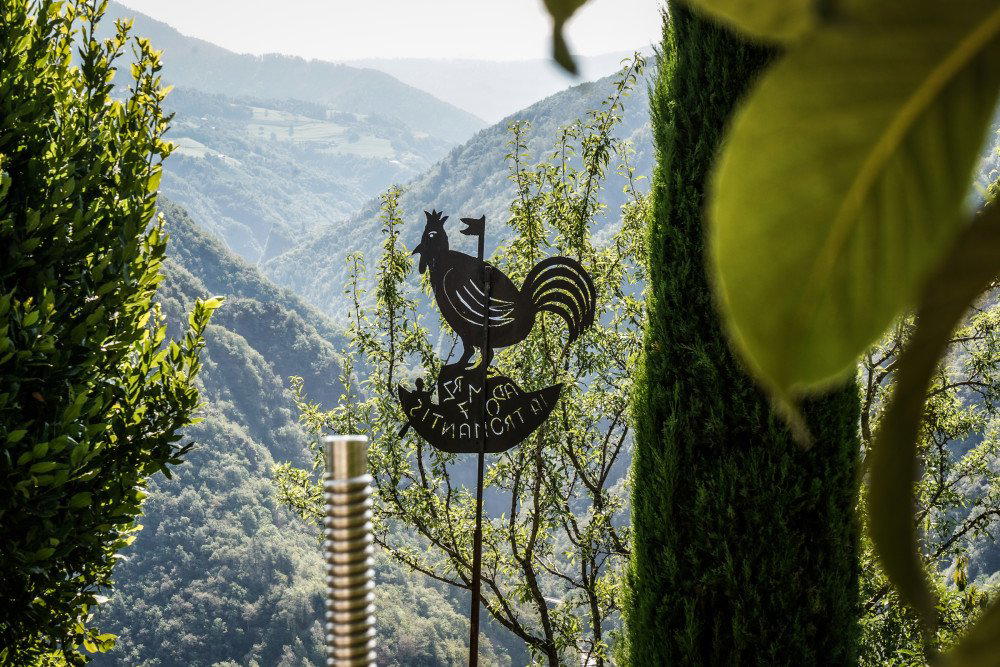
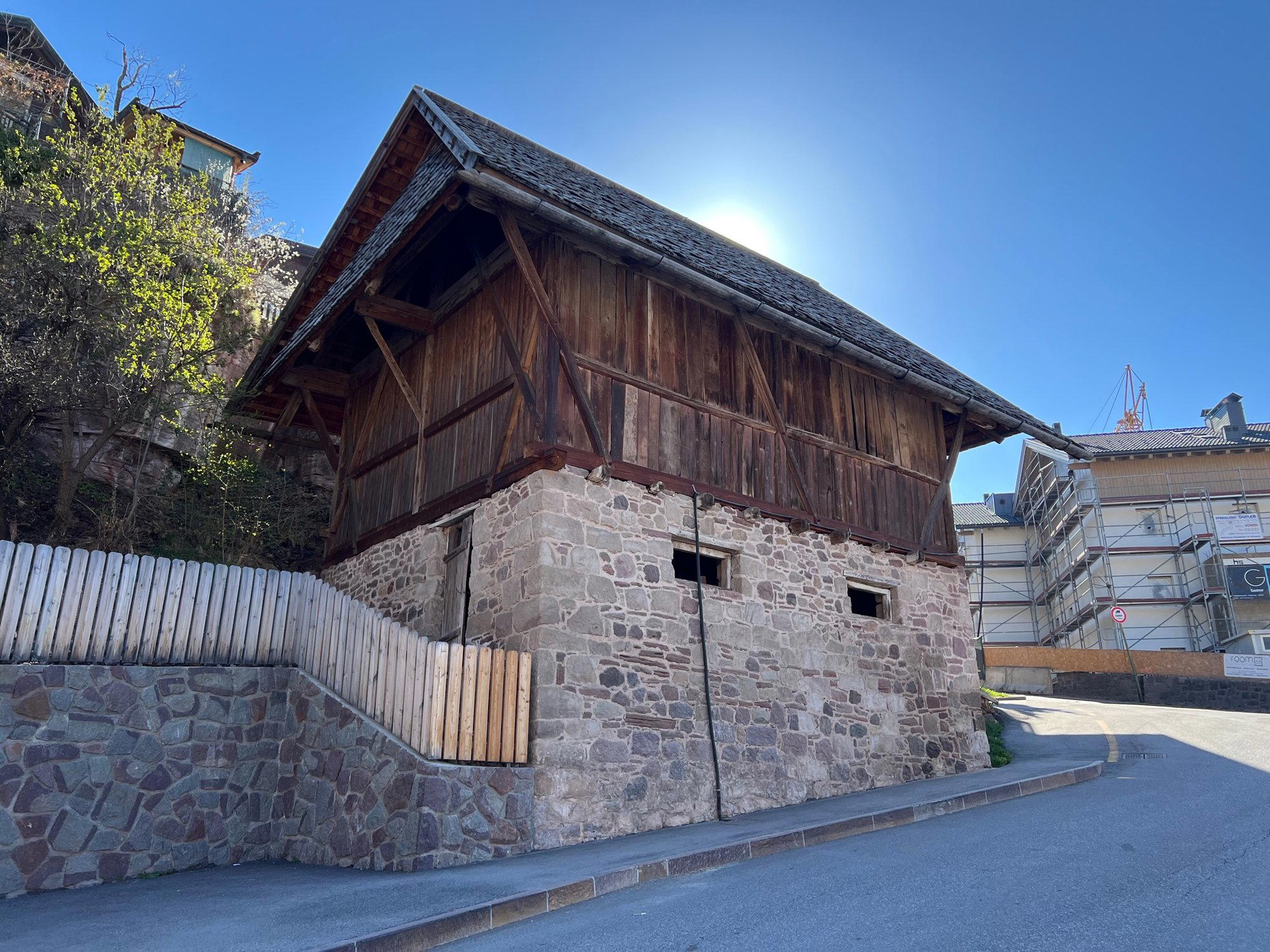
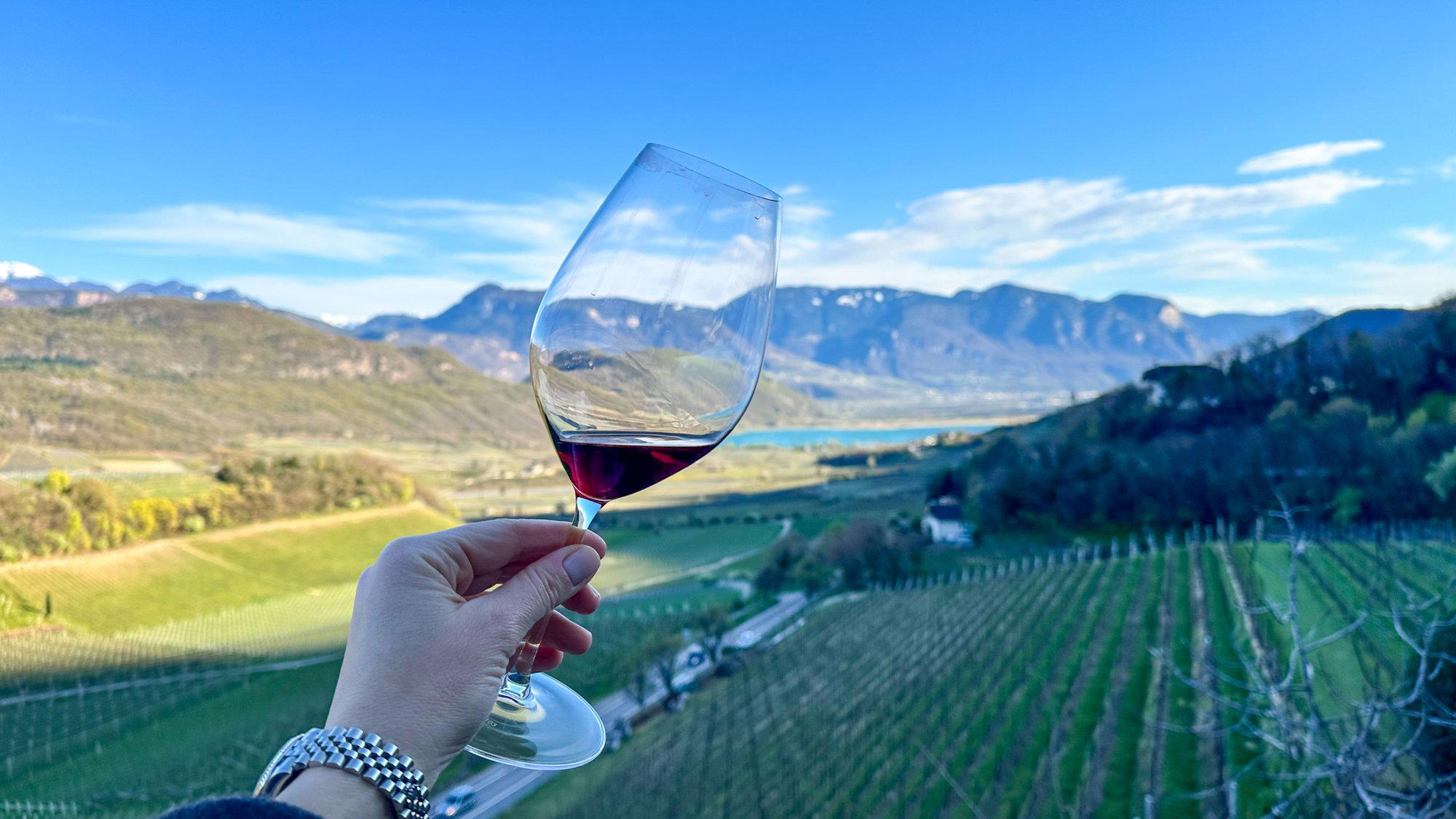
Ebnicherhof serves Traditional Tyrolean dishes in a historic building with a terrace and mountain views, alongside natural wine and leisurely lunch or dinner pacing.
Pearl is the En Primeur Club membership app — saves, bookings, and concierge access live there. Same editors, same standards.
- Address
- Via Santa Maddalena di Sopra, 39054 Soprabolzano BZ, Italy
- Phone
- +393332305850
- Website
- ebnicherhof.com
- Directions
- Get directions
 Saves & bookings on Pearl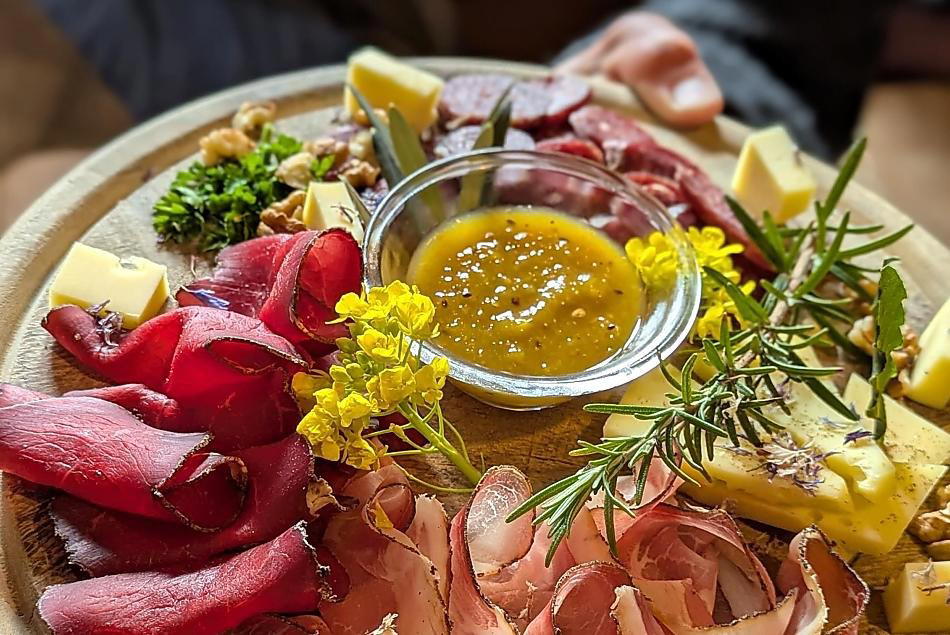
Above Bolzano, Where the Plateau Sets the Table
The Ritten plateau sits roughly 1,200 metres above the city of Bolzano, reached by a narrow-gauge cog railway that has been climbing the escarpment since 1907. Up here, the air shifts, the pace drops, and the agricultural logic that once fed South Tyrol's mountain communities is still visible in the farmsteads scattered across the plateau. Ebnicherhof, addressed on Via Santa Maddalena di Sopra in Soprabolzano, belongs to that working landscape. The building reads as a traditional Tyrolean Hof rather than a designed dining destination, which is precisely the point. Properties like this one sit within a constellation of farm-rooted addresses on the Ritten that includes Feichtnerhof, Loosmannhof, Pirbamer, Rielingerhof, and Signaterhof, each operating from the premise that proximity to the source is the starting condition for everything that follows.
The Ingredient Logic of a Mountain Farm
South Tyrolean farm dining occupies a specific position in Italian cuisine at large. It is not the modernist laboratory work of Osteria Francescana in Modena or the coastal precision of Uliassi in Senigallia. It does not share the archival depth of Dal Pescatore in Runate or the grand-scale tasting format of Piazza Duomo in Alba. What it shares with those tables, at its most considered, is seriousness about the raw material. On the Ritten, that means beef and pork from animals that graze or root in altitude pastures, dairy from cows whose diet varies with the season, and garden produce shaped by a growing window compressed by elevation and north-facing exposure.
The ingredients that define a table like Ebnicherhof are not imported luxuries. They are the outputs of a specific micro-environment. Speck, the cold-smoked cured ham that is South Tyrol's most exported product, is cured here with a method that blends Alpine smoking traditions with a longer air-drying logic borrowed from the Mediterranean side of the Alps. Canederli, the bread-dumpling preparations that appear across the region, are built from dried bread that would otherwise go to waste, bound with egg and dairy and extended with whatever is available locally, whether speck scraps, spinach, or aged cheese. These are not dishes assembled for effect. They are compression algorithms for a larder shaped by altitude and season.
The broader South Tyrolean farm-table tradition, which this address represents, has attracted attention in regional food culture precisely because it offers the opposite of the curated scarcity found at allocation-model restaurants. There is, typically, abundance here. Portions reflect the working-farm logic of feeding people who have done physical labour, and the sequence of dishes follows practical Tyrolean convention rather than a tasting-menu architecture. For readers who have traced Italy's more formally recognised dining tier, from Le Calandre in Rubano to Reale in Castel di Sangro to Enoteca Pinchiorri in Florence, the register here is a deliberate counterpoint.
Ritten as a Dining Region
Plateau's identity as a place to eat seriously is not accidental. The Ritten is one of the more densely farmed high-altitude zones in the eastern Alps, with a tradition of agritourism that predates the marketing term by decades. Farms here have been serving guests informally since at least the postwar period, when walkers and summer visitors from Bolzano began using the cog railway as an escape from valley heat. The formalization of that hospitality into structured dining, with set menus and defined opening periods, happened gradually and unevenly across the plateau's various properties.
What distinguishes the Ritten cluster from, say, the more celebrated mountain dining of Atelier Moessmer Norbert Niederkofler in Brunico is the absence of a dominant individual signature. Niederkofler's operation is chef-centred in a way that the Ritten farmhouses generally are not. Here, the logic runs through the land and the household rather than through a named kitchen personality. That is a structural difference, not a quality judgment. It means the reader's experience is calibrated less by who cooked and more by what the farm produced in a given season. For a full account of how the plateau's dining addresses relate to one another, the full Ritten restaurants guide maps the territory.
Reaching Soprabolzano
Soprabolzano is the plateau village directly above Bolzano, and the departure point for the Rittner Bahn, which connects to the city's Oberbozen terminus. Driving is possible via a road that switchbacks up the escarpment from the valley, but the railway provides the more practical approach for visitors arriving without a car. The address on Via Santa Maddalena di Sopra places Ebnicherhof in the upper reaches of the village, where the farmland opens and views across to the Dolomite profile to the east become available. Travel timing matters, and the restaurant is open Friday through Sunday from 11 AM to 5 PM, with reservations recommended.
The dining tier Ebnicherhof represents is, by the standards of Italian fine dining as practised at addresses like Enrico Bartolini in Milan or Quattro Passi in Marina del Cantone, low-key. That is the correct framing. It operates within a tradition where the sourcing is the achievement, and the cooking exists to make that sourcing legible rather than to impose a culinary argument on top of it. For readers who have spent time at the table-as-performance end of the spectrum, from Lazy Bear in San Francisco to Le Bernardin in New York City, that recalibration is part of what the Ritten offers.
Planning Your Visit
Farm tables on the Ritten, as a category, require more logistical attention than city restaurants. Opening periods are typically seasonal, service may be structured around fixed lunch sittings tied to the agricultural rhythm of the day, and the degree of advance booking required can shift depending on the time of year. Visitors arriving in July and August, when the plateau is at its busiest with walkers and families from Bolzano, will find competition for tables across all the farmhouse addresses. Reservations are recommended.
Comparison Snapshot
Comparable venues nearby, for context on price, style, and recognition.
| Venue | Cuisine | Price | Notes |
|---|---|---|---|
| EbnicherhofThis venue — the venue you are viewing | Traditional Tyrolean | $$ | Not listed |
| Weingut Ebner | Tyrolean Buschenschank | $$ | Ritten |
| Feichtnerhof | Traditional Italian / Tyrolean | $$$ | Mittelberg, Ritten |
| Loosmannhof | South Tyrolean Farmhouse Tavern | $$ | Renon |
| Pirbamer | Modern Northern Italian | $$$ | Auna di Sotto |
| Signaterhof | Traditional South Tyrolean | $$$ | Renon |
Continue exploring
More in Ritten
Restaurants in Ritten
Browse all →
Bars in Ritten
Browse all →
Hotels in Ritten
Browse all →
At a Glance
- Rustic
- Cozy
- Scenic
- Family
- Casual Hangout
- Terrace
- Historic Building
- Natural Wine
- Local Sourcing
- Mountain
Current opening hours
- Monday
- Closed
- Tuesday
- Closed
- Wednesday
- Closed
- Thursday
- Closed
- Friday
- 11 AM–5 PM
- Saturday
- 11 AM–5 PM
- Sunday
- 11 AM–5 PM
Hours can change for holidays and private events. Last verified .
Warm farmhouse parlour and sun terrace offering a rustic, welcoming atmosphere amid chestnut groves.