
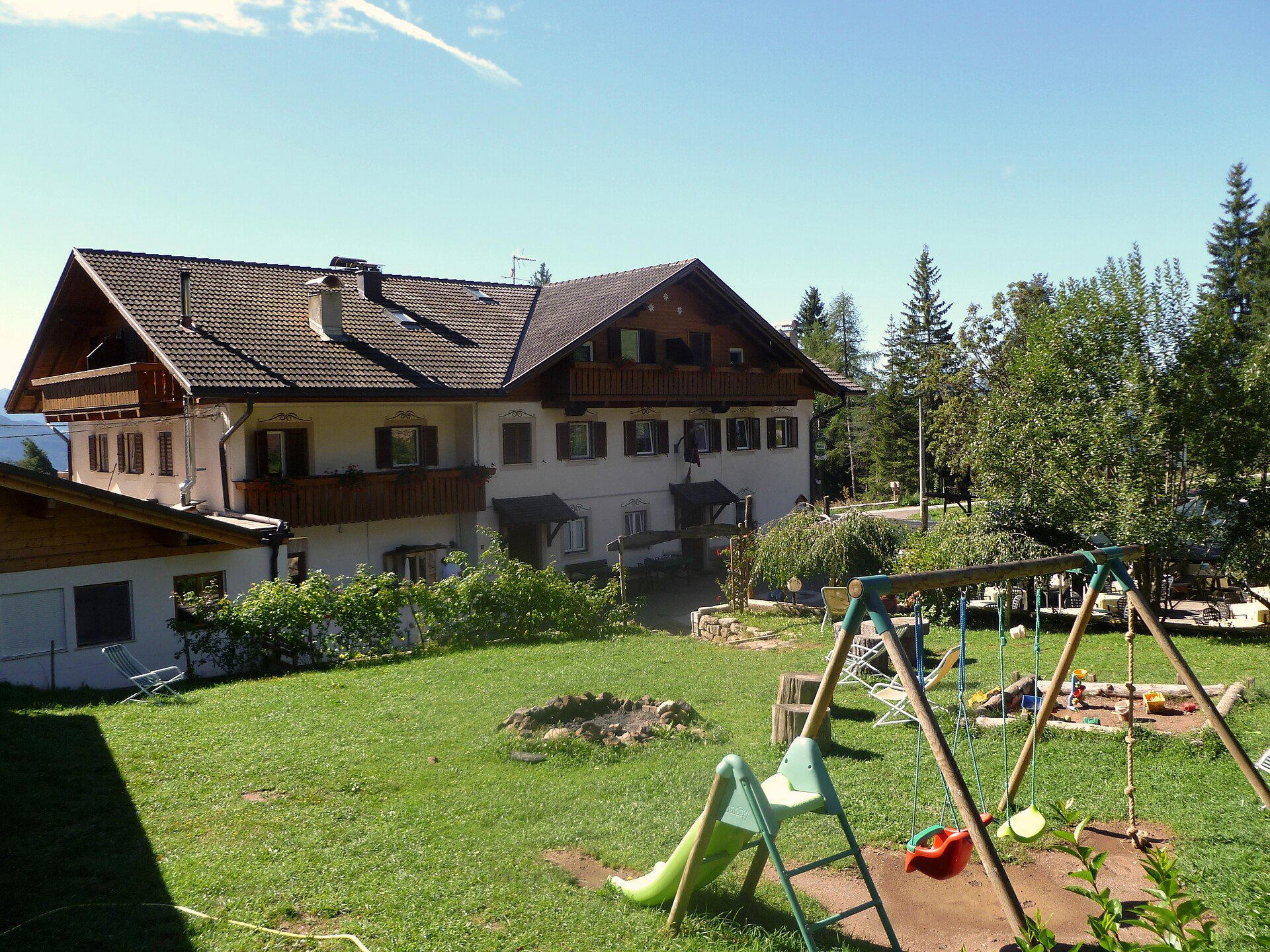
Rielingerhof sits on the Ritten plateau above Bolzano, a region where South Tyrolean farm hospitality and Alpine culinary tradition converge at altitude. Alongside neighbours such as Ebnicherhof and Feichtnerhof, it represents a category of place shaped more by landscape and seasonal produce than by urban dining trends. Visitors arriving from Bolzano via the historic Rittnerbahn cog railway find a dining culture defined by local provenance and a pace that the valley below has largely lost.
Pearl is the En Primeur Club membership app — saves, bookings, and concierge access live there. Same editors, same standards.
- Address
- Siffianer Leitach, 7, 39054 Ritten, Autonome Provinz Bozen - Südtirol, Italy
- Phone
- +39471356274
- Website
- rielinger.it
- Directions
- Get directions
 Saves & bookings on Pearl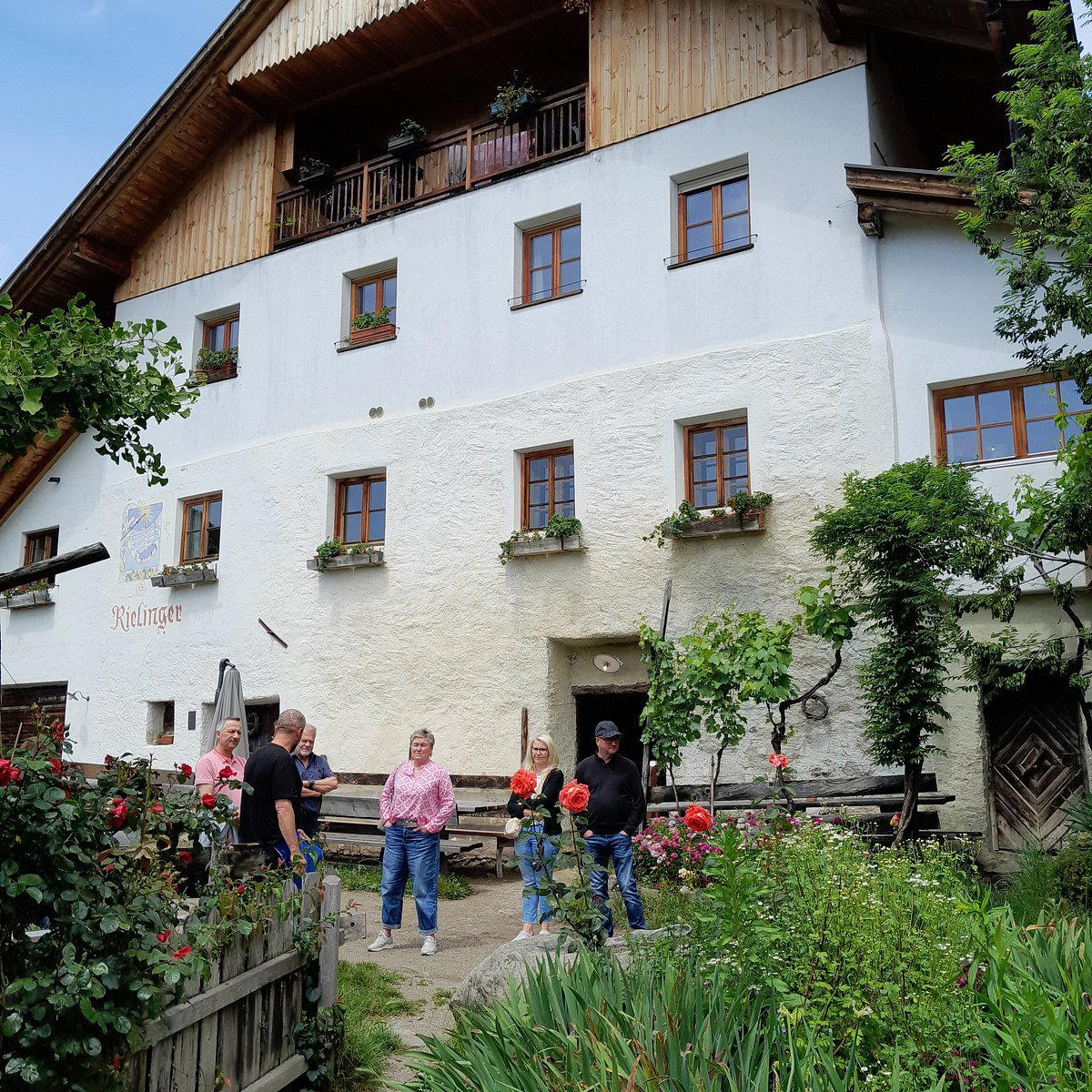
The Ritten Plateau and What It Does to a Meal
There is a particular quality of light on the Ritten plateau in the late afternoon that changes the way you think about where you are eating. The tableland sits above Bolzano at roughly 1,200 metres, close enough to the city that you can see its cathedral tower on a clear day, yet remote enough that the restaurant culture up here operates on entirely different terms. The Bozen basin below is a wine-growing city with a cosmopolitan dining scene that includes proximity to serious destination restaurants across northern Italy. The Ritten, by contrast, has developed a hospitality character rooted in the Tyrolean Hofschank tradition: farmstead properties that offer food and wine tied directly to the land they occupy, where the setting is not incidental but constitutive of what ends up on the table.
Rielingerhof, a South Tyrolean Farmhouse restaurant in Ritten at Siffianer Leitach 7, belongs to this tradition. Understanding what a visit here means requires understanding the plateau first, because the category shapes the experience more reliably than any single detail about the property itself.
A Plateau With Its Own Dining Logic
The Ritten plateau is not a destination that rewards the same planning habits as urban fine dining. Properties here, including Loosmannhof, Ebnicherhof, Feichtnerhof, Pirbamer, and Signaterhof, operate within a format where seasonal availability, farm schedules, and local harvest rhythms govern what is offered and when. The plateau's altitude means shorter growing seasons, stronger diurnal temperature swings, and produce that carries those conditions into its flavour. Speck, aged cheeses, rye bread, and game from the surrounding forests appear regularly across these properties, not because they are on trend but because they have always been here.
The broader South Tyrolean dining scene offers a useful frame for placing the Ritten within the wider Italian north. Norbert Niederkofler's work at Atelier Moessmer in Brunico brought international attention to the idea that Alpine mountain produce could anchor Michelin-level cooking rather than merely supplement it. That recognition has reinforced the cultural legitimacy of farm-led, altitude-aware dining across the entire region. The Ritten plateau sits below that Michelin tier but operates on a cognate logic: provenance, elevation, and season as the primary kitchen variables.
Arriving at Rielingerhof
Access to the Ritten is part of the experience in a way that access to most restaurants is not. One atmospheric approach from Bolzano uses the Rittnerbahn, a narrow-gauge cog railway that has connected the city to the plateau since 1907 and still runs through forests and meadows to the tablelands above. The railway is not a tourist contrivance; it is functional transport used by plateau residents, and arriving by it rather than by road changes how a visitor reads the place they are entering. The address at Siffianer Leitach positions Rielingerhof within the quieter agricultural sections of the plateau rather than in the more trafficked village centres of Klobenstein or Soprabolzano.
Properties such as Osteria Francescana in Modena, Le Calandre in Rubano, or Dal Pescatore in Runate represent Italy's highest-tier destination dining, where the journey is justified by a kitchen operating at the outer edge of technical ambition. Piazza Duomo in Alba, Uliassi in Senigallia, and Reale in Castel di Sangro anchor other regional dining scenes with award-validated culinary programs. The Ritten plateau sits apart from those kitchens. Its claim on a visitor's time rests on a different set of values: directness, agricultural rootedness, and a food culture that is at its most legible when you are standing in the terrain that produced it.
South Tyrolean Farm Hospitality in Context
The Hofschank model, under which farmstead properties in South Tyrol are licensed to sell their own agricultural products directly to guests, creates a category of eating experience that has no precise equivalent elsewhere in Italy. The licence framework is historically protective: it ensures that what is served has a documentable connection to the farm itself, rather than being sourced from a wholesale market and merely associated with a rural setting. That structural fact has a culinary consequence. Across Ritten properties, what appears on the table is bounded by what the land and the season make available, which imposes a discipline on the offering that no amount of chef ambition can substitute for.
Internationally, the instinct that drives visitors to farmstead dining in South Tyrol is the same one that draws them to places like Quattro Passi in Marina del Cantone or to urban precision kitchens like Enrico Bartolini in Milan or Enoteca Pinchiorri in Florence: a desire for food that is legibly connected to a place. The difference is that on the Ritten, the connection is literal rather than expressed through a kitchen's interpretive choices. The plateau and its agricultural character are the authors of the meal; the property is the medium.
For visitors approaching from further afield, including those who treat northern Italy as a circuit that might also include a stop at Le Bernardin in New York City or Atomix in New York City when planning longer international food itineraries, the Ritten represents a register change rather than a step up or down the quality ladder. The metrics are simply different.
Planning a Visit
Check current opening status before travelling, as farm properties on the Ritten plateau may adjust hours around harvest periods and seasonal demand. The Ritten plateau is accessible year-round, but the experience shifts considerably between summer, when the meadows are in use and produce is at its most abundant, and winter, when the plateau quiets and the menu contracts accordingly. Either season offers a coherent visit, but they are different in character. Visitors staying overnight in Bolzano will find the plateau an easy day trip; those arriving from further away may find it worth combining with a broader South Tyrolean itinerary that takes in the Eisacktal or the wine road south of the city.
A Tight Comparison
Comparable venues nearby, for context on price, style, and recognition.
| Venue | Cuisine | Price | Notes |
|---|---|---|---|
| RielingerhofThis venue — the venue you are viewing | Siffian, South Tyrolean Farmhouse | $$ | Not listed |
| Weingut Ebner | Ritten, Tyrolean Buschenschank | $$ | Not listed |
| Signaterhof | Renon, Traditional South Tyrolean | $$$ | Not listed |
| Loosmannhof | Renon, South Tyrolean Farmhouse Tavern | $$ | Not listed |
| Pirbamer | Auna di Sotto, Modern Northern Italian | $$$ | Not listed |
| Feichtnerhof | Not listed | $$$ | Mittelberg, Ritten, Traditional Italian / Tyrolean |
Recognition history
Dated appearances from independent guides and award organizations, with the underlying list record or original source where available.
Falstaff Winery - 3 Stars
Falstaff
Continue exploring
More in Ritten
Restaurants in Ritten
Browse all →
Bars in Ritten
Browse all →
Hotels in Ritten
Browse all →
At a Glance
- Rustic
- Cozy
- Scenic
- Family
- Casual Hangout
- Wine Cellar
- Garden
- Extensive Wine List
- Organic
- Local Sourcing
- Biodynamic
- Mountain
- Vineyard
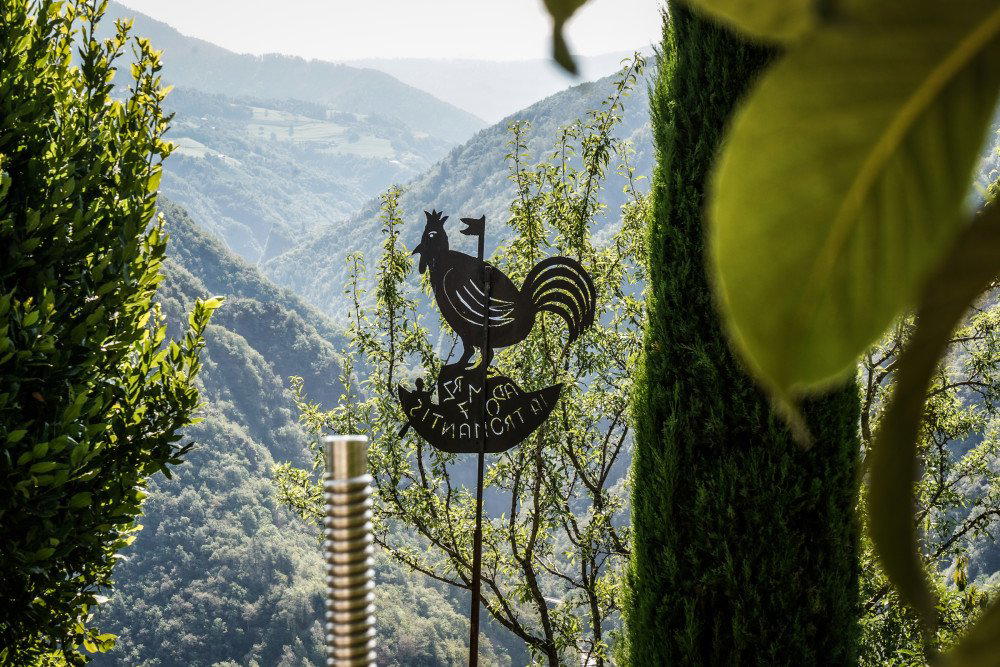
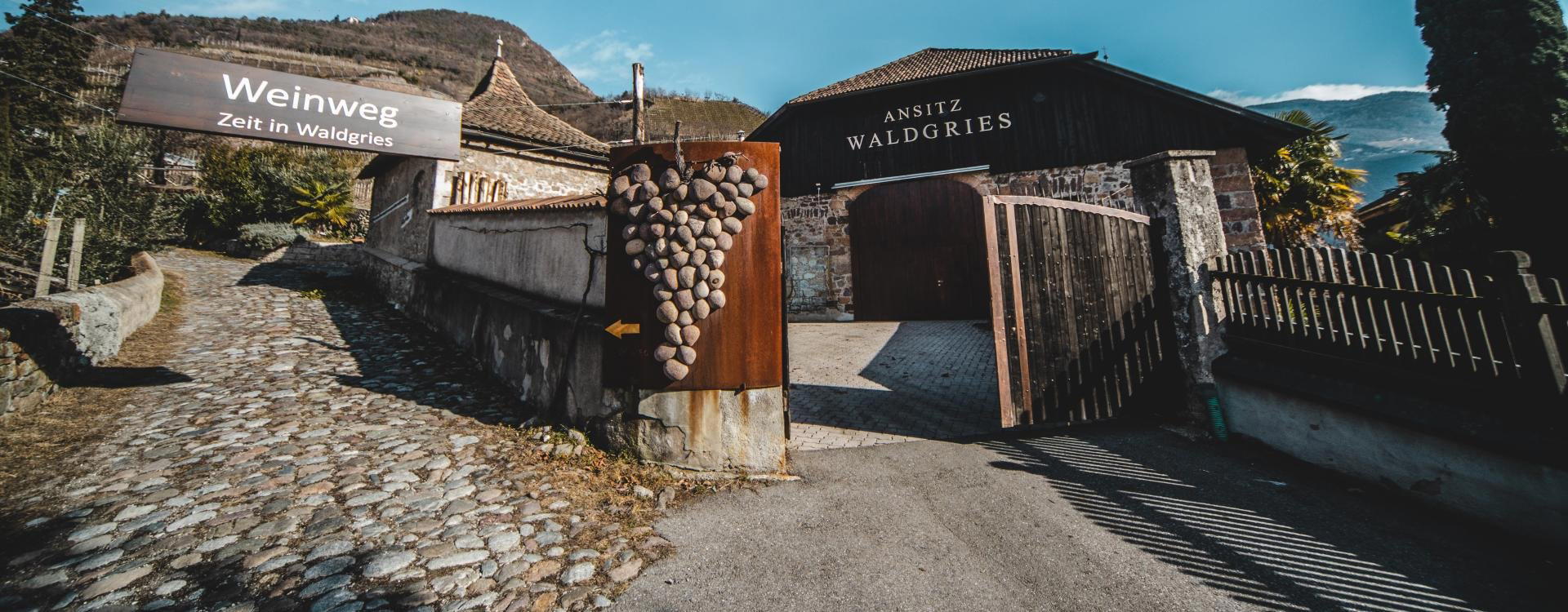
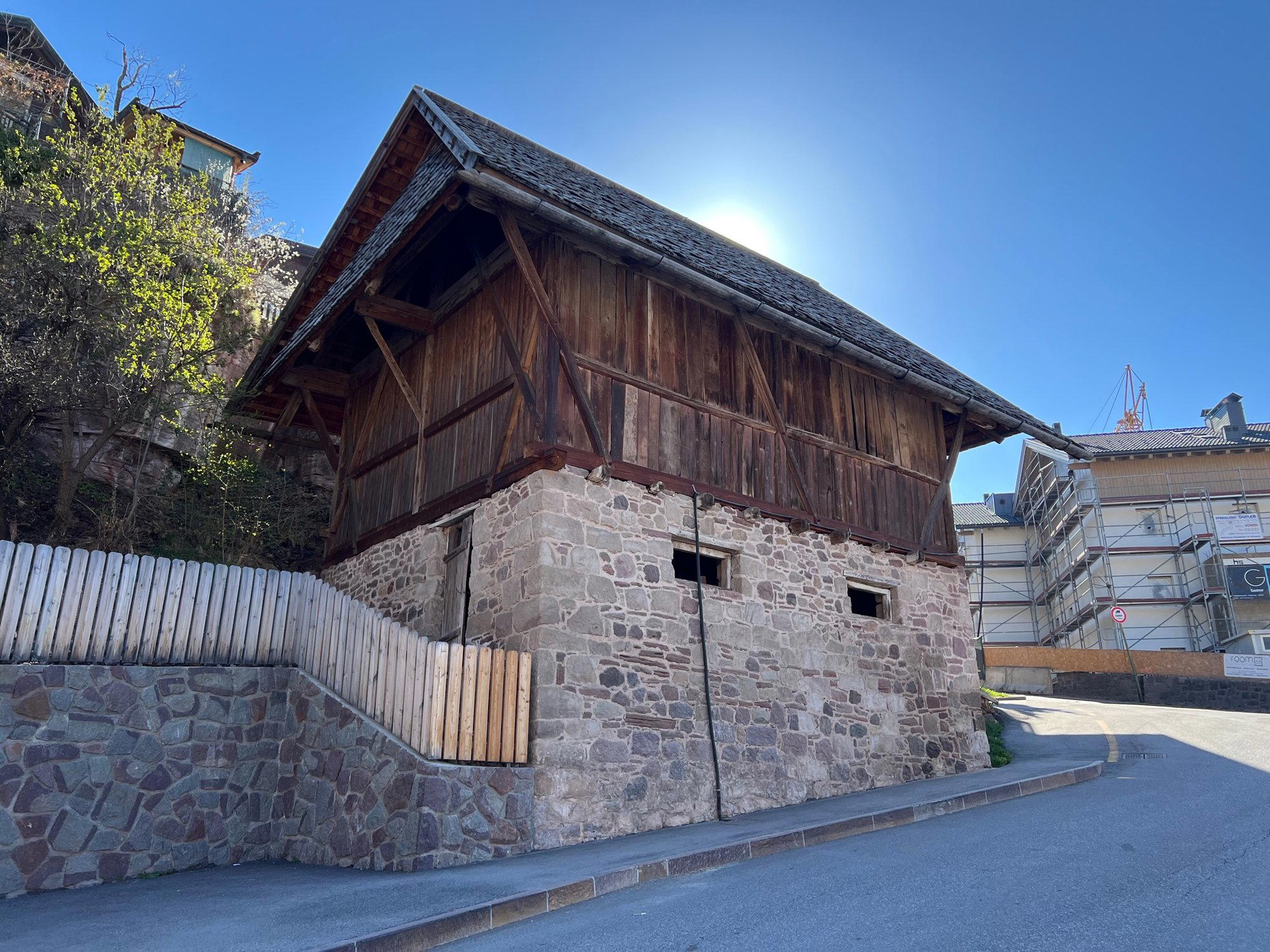
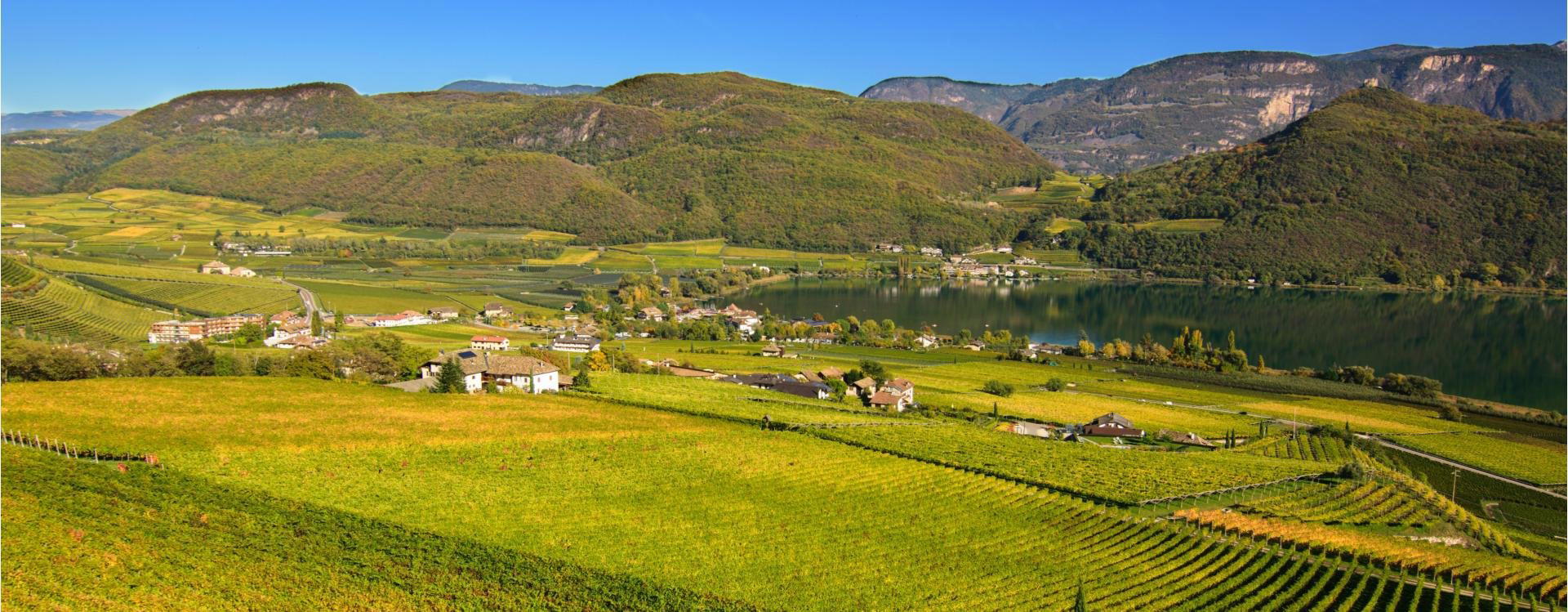
Peaceful and rustic atmosphere surrounded by vineyards and fruit trees on the Ritten plateau, offering quiet farmstead charm.