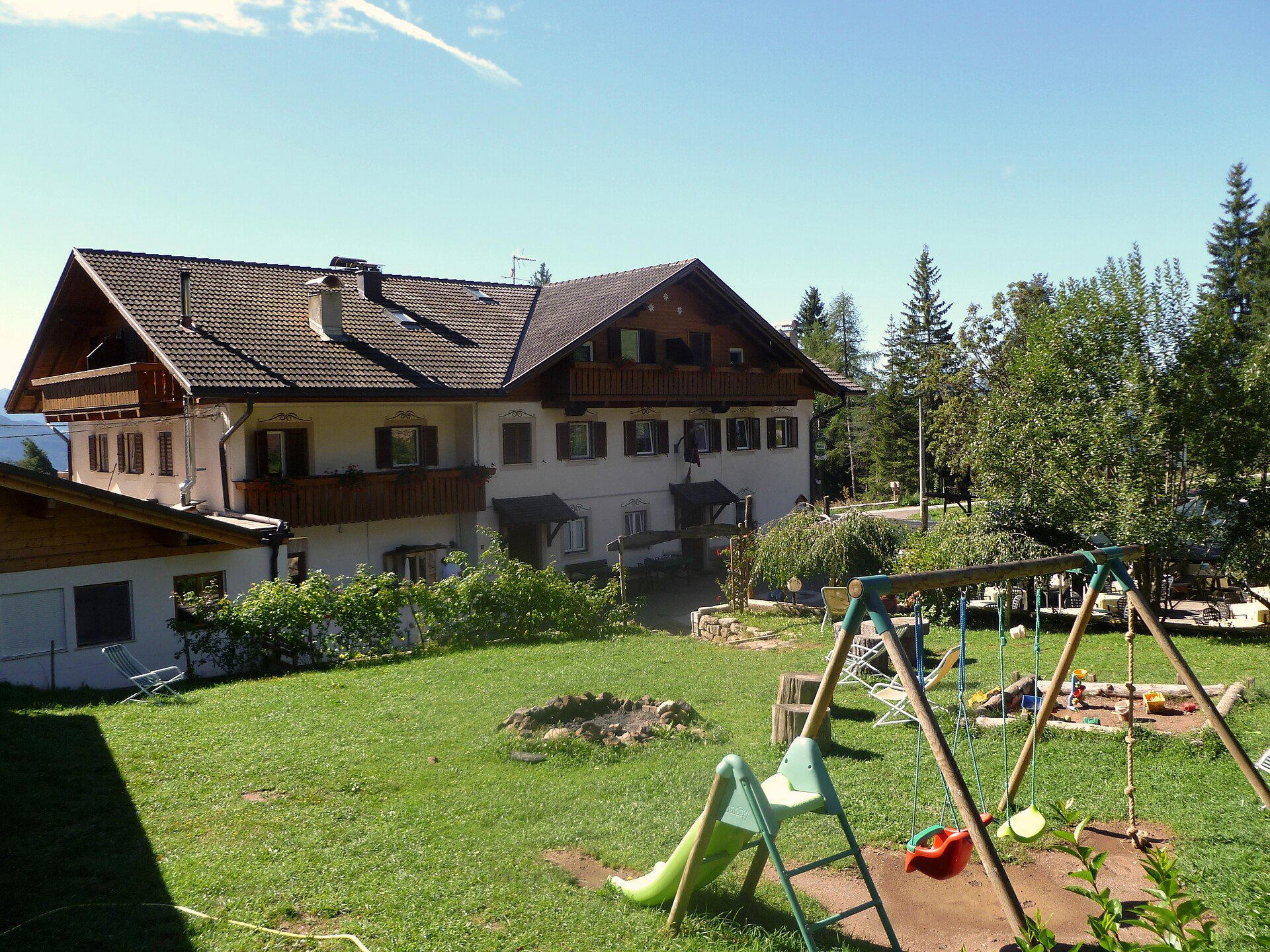
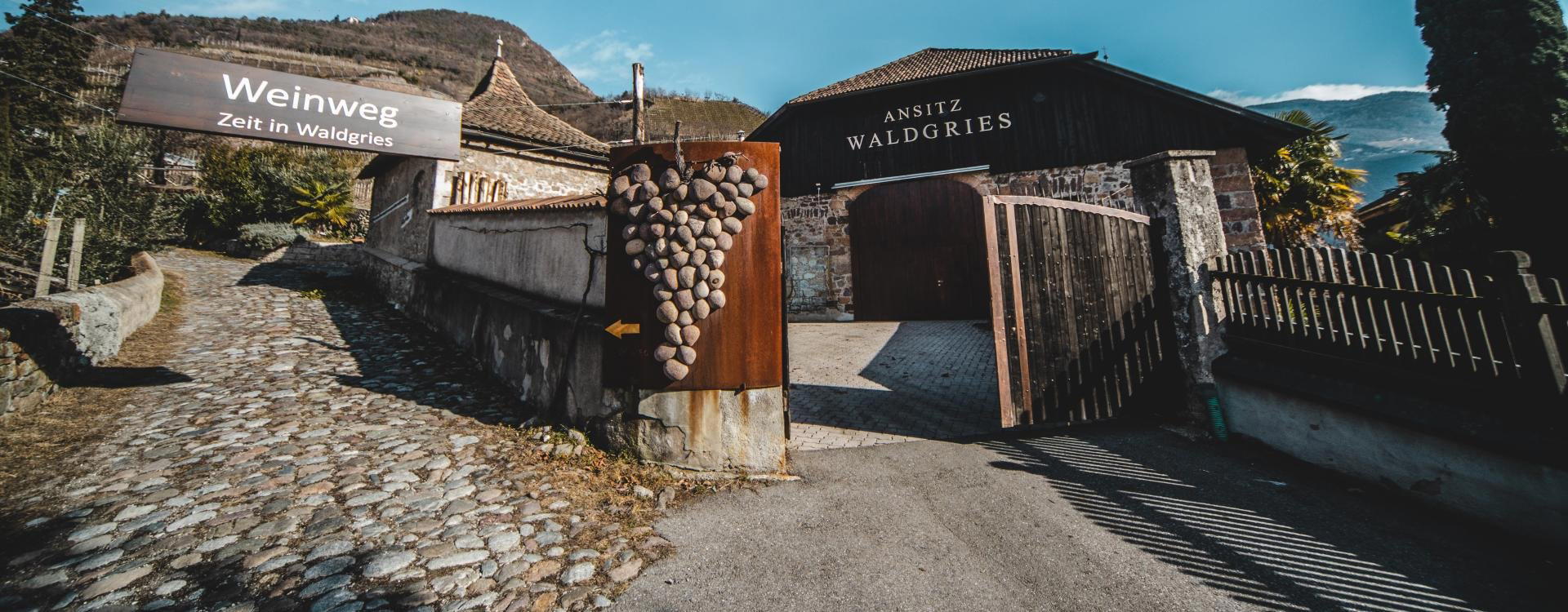
A farmhouse address on the Renon plateau above Bolzano, Loosmannhof sits within one of South Tyrol's most agriculturally rooted dining traditions, where the distinction between kitchen and farm has always been thin. The setting at Signato places it among a cluster of working properties that treat locality not as a selling point but as an operating principle. Visitors looking for the Ritten version of farm-to-table will find the concept predates the phrase here.
Pearl is the En Primeur Club membership app — saves, bookings, and concierge access live there. Same editors, same standards.
- Address
- Signato, 177, 39054 Renon BZ, Italy
- Phone
- +39471365551
- Directions
- Get directions
 Saves & bookings on Pearl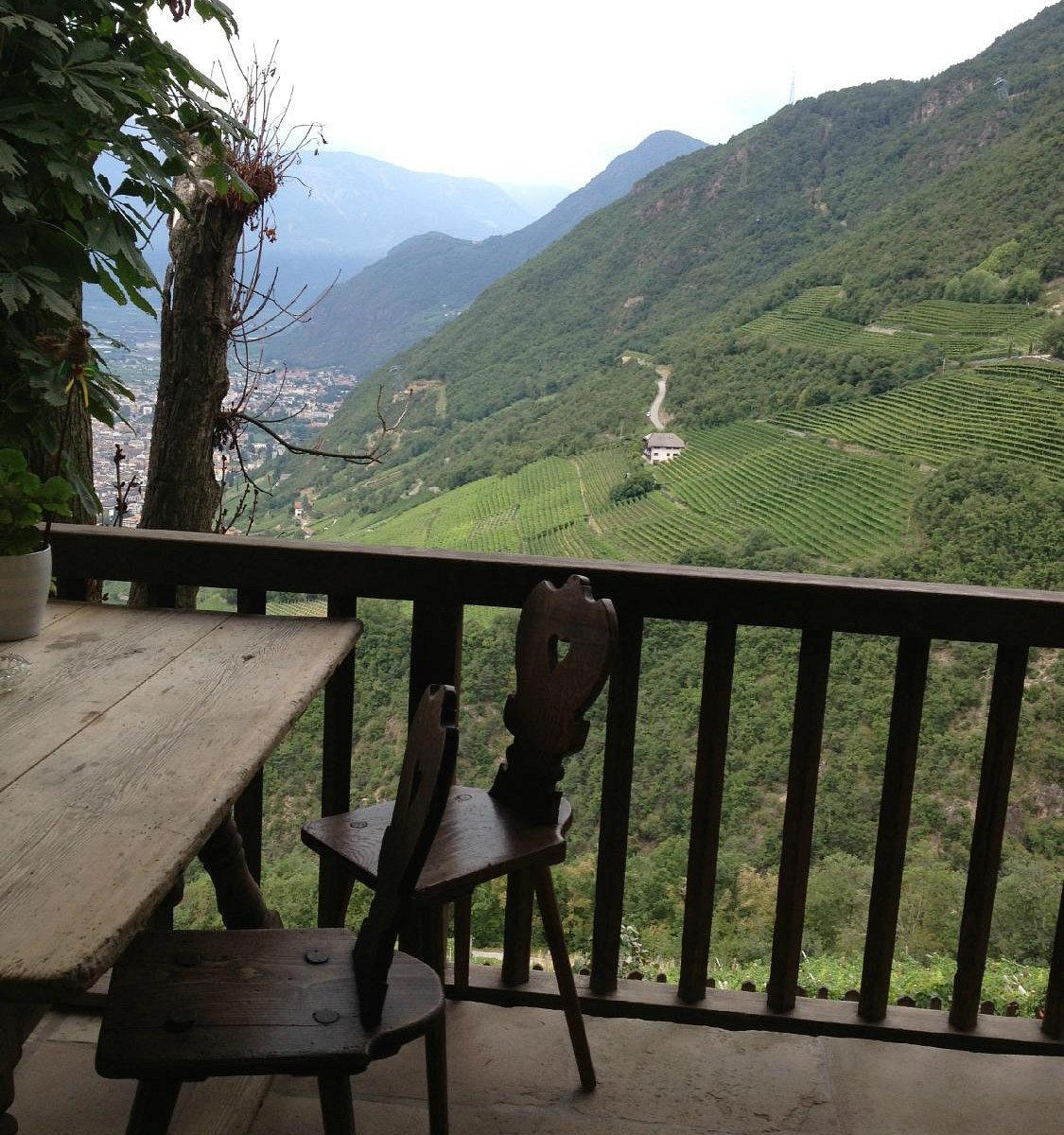
The Plateau That Feeds Itself
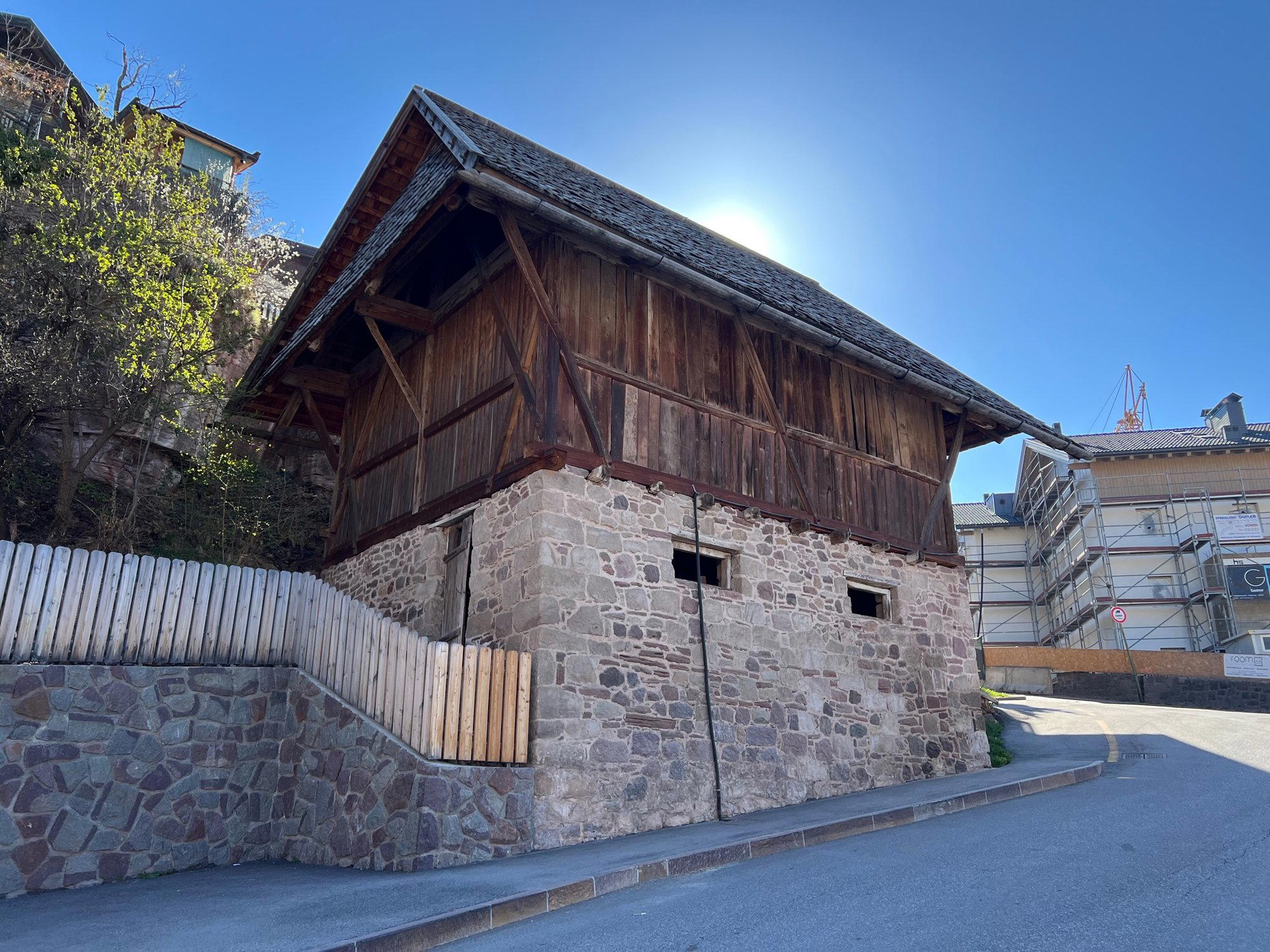
South Tyrol's Renon plateau, known in German as Ritten, sits at elevations ranging from roughly 900 to over 2,000 metres above the valley floor that holds Bolzano. At that altitude, the growing season is short, the air is dry, and the farms that have persisted here have done so by necessity rather than lifestyle choice. The agricultural character of the plateau is not a contemporary trend grafted onto an older landscape; it is the reason settlements exist here at all. Loosmannhof is a South Tyrolean Farmhouse Tavern in Signato, Renon, at Signato 177. The address places it in Signato, one of the small hamlets that dot the plateau's southern flank, at a remove from the tourist infrastructure concentrated around Collalbo and the narrow-gauge Rittner Bahn that connects the plateau to Bolzano below.
Approaching a property like this on the Ritten means passing through terrain that still reads as working countryside: apple orchards in the valley-facing slopes, hay meadows at higher elevations, and the occasional cluster of buildings that functions simultaneously as residence, agricultural operation, and, in many cases, eating establishment.
Where Sourcing and Setting Are the Same Thing
Provenance shapes the dining conversation here, but it looks different depending on where you stand. At Osteria Francescana in Modena or Piazza Duomo in Alba, sourcing is a deliberate programme, assembled through chef relationships with specific producers across a region or beyond. At Atelier Moessmer Norbert Niederkofler in Brunico, it has become a codified philosophy with documented Alpine scope. On the Ritten plateau, the sourcing question often resolves differently: the land around the building is frequently the source. That compression of supply chain, from soil to table measured in metres rather than kilometres, is what distinguishes plateau farmhouse dining from even particularly rigorously local urban restaurant programs at places like Uliassi in Senigallia or Reale in Castel di Sangro.
In this context, Loosmannhof operates within a cluster of comparable properties on the Renon. Nearby addresses including Ebnicherhof, Feichtnerhof, Signaterhof, Pirbamer, and Rielingerhof share the same basic operating model: farm properties that extend hospitality in a form shaped by what the land and the season produce. What differentiates individual properties within this peer group tends to be the specific agricultural focus of the holding, the format of the dining offer, and the degree to which outside visitors are accommodated alongside a local clientele. Those distinctions are worth investigating before you travel; the properties are near one another but not interchangeable.
The South Tyrolean Kitchen in Its Agricultural Register
South Tyrolean cooking at this register draws from a repertoire shaped by the Germanic and Ladin cultural layers of the region as much as by any Italian culinary mainstream. Canederli, the bread dumplings that absorb whatever the larder offers, speck aged in mountain air, dairy from animals that graze at altitude, and rye breads with a density that earns their place on the table rather than decorating it: these are the staples that recur across plateau farmhouse kitchens. They are not rustic in the condescending sense the word sometimes carries in food writing. They are precise responses to a specific climate, a specific agricultural output, and a specific cultural inheritance. The same discipline that drives the tasting menus at Le Calandre in Rubano or the seafood rigour at Quattro Passi in Marina del Cantone operates here through entirely different aesthetic means, grounded in altitude and preservation rather than technique and transformation.
The seasonal rhythm on the Ritten is pronounced. Summer brings the plateau into full agricultural production and draws visitors up from the Bolzano valley, where temperatures in July and August push well above 30°C. Autumn shifts the kitchen toward preservation, game, and the apple harvest that the lower plateau slopes support. Winter quiets the area significantly; many farmhouse operations reduce capacity or close entirely during the coldest months. Timing a visit to align with the productive season, roughly May through October, gives access to the widest range of what the land around these properties can offer.
Planning a Visit to the Renon
Reaching Signato requires either a car or comfort with rural connections. The Rittner Bahn funicular from Bolzano's Via Renon terminus reaches Soprabolzano, and a narrow-gauge railway continues across the plateau toward Collalbo, but Signato sits off the rail line's main corridor and the final approach to the hamlet involves road travel. Visitors arriving by rail should plan for a taxi or car hire from one of the plateau's larger villages. The address, Signato 177, is specific enough to locate reliably by GPS, which is the practical instrument of choice on a plateau where signage reflects local rather than tourist priorities.
Reservations are recommended, and planning ahead is wise, especially for first visits or off-season timing. This applies across the Ritten farmhouse category: these are not restaurants with OpenTable listings and standardised reservation flows. Confirming availability in advance is not optional; it is how the format works. Visitors who have used the same approach at Dal Pescatore in Runate or similarly traditional Italian addresses will recognise the dynamic.
Loosmannhof sits within the wider Renon dining offer and the broader South Tyrolean dining scene. The Ritten farmhouse tier occupies a different position in that hierarchy than, say, the precision cooking at Enrico Bartolini in Milan or the technical ambition of Atomix in New York City or Le Bernardin in New York City, but the comparison is worth making because it clarifies what plateau farmhouse dining is actually trying to do, and what it is not trying to do. It is not a simplified version of fine dining. It is a different project entirely, one whose coherence depends on the ground beneath the building rather than on the ambitions of a named chef.
Visitors who approach the Renon with that frame intact tend to leave with a sharper understanding of why ingredient sourcing matters here: the question was never abstract to begin with. Loosmannhof sits within that tradition. The address alone places it there.
A Quick Peer Check
Comparable venues nearby, for context on price, style, and recognition.
| Venue | Cuisine | Price | Notes |
|---|---|---|---|
| LoosmannhofThis venue — the venue you are viewing | South Tyrolean Farmhouse Tavern | $$ | Not listed |
| Feichtnerhof | Traditional Italian / Tyrolean | $$$ | Mittelberg, Ritten |
| Ebnicherhof | Traditional Tyrolean | $$ | Oberbozen |
| Weingut Ebner | Tyrolean Buschenschank | $$ | Ritten |
| Pirbamer | Modern Northern Italian | $$$ | Auna di Sotto |
| Rielingerhof | South Tyrolean Farmhouse | $$ | Siffian |
Continue exploring
More in Ritten
Restaurants in Ritten
Browse all →
Bars in Ritten
Browse all →
Hotels in Ritten
Browse all →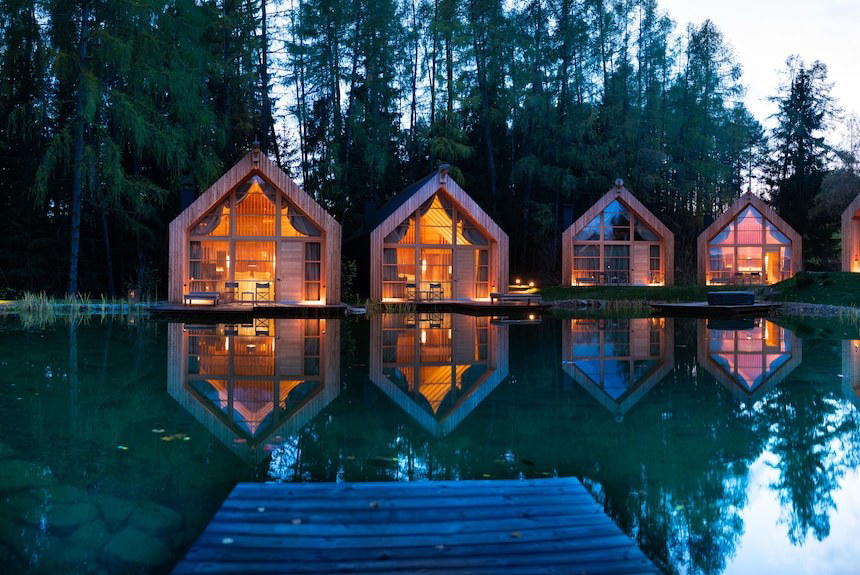
At a Glance
- Rustic
- Cozy
- Scenic
- Casual Hangout
- Family
- Terrace
- Natural Wine
- Local Sourcing
- Farm To Table
- Mountain
- Vineyard
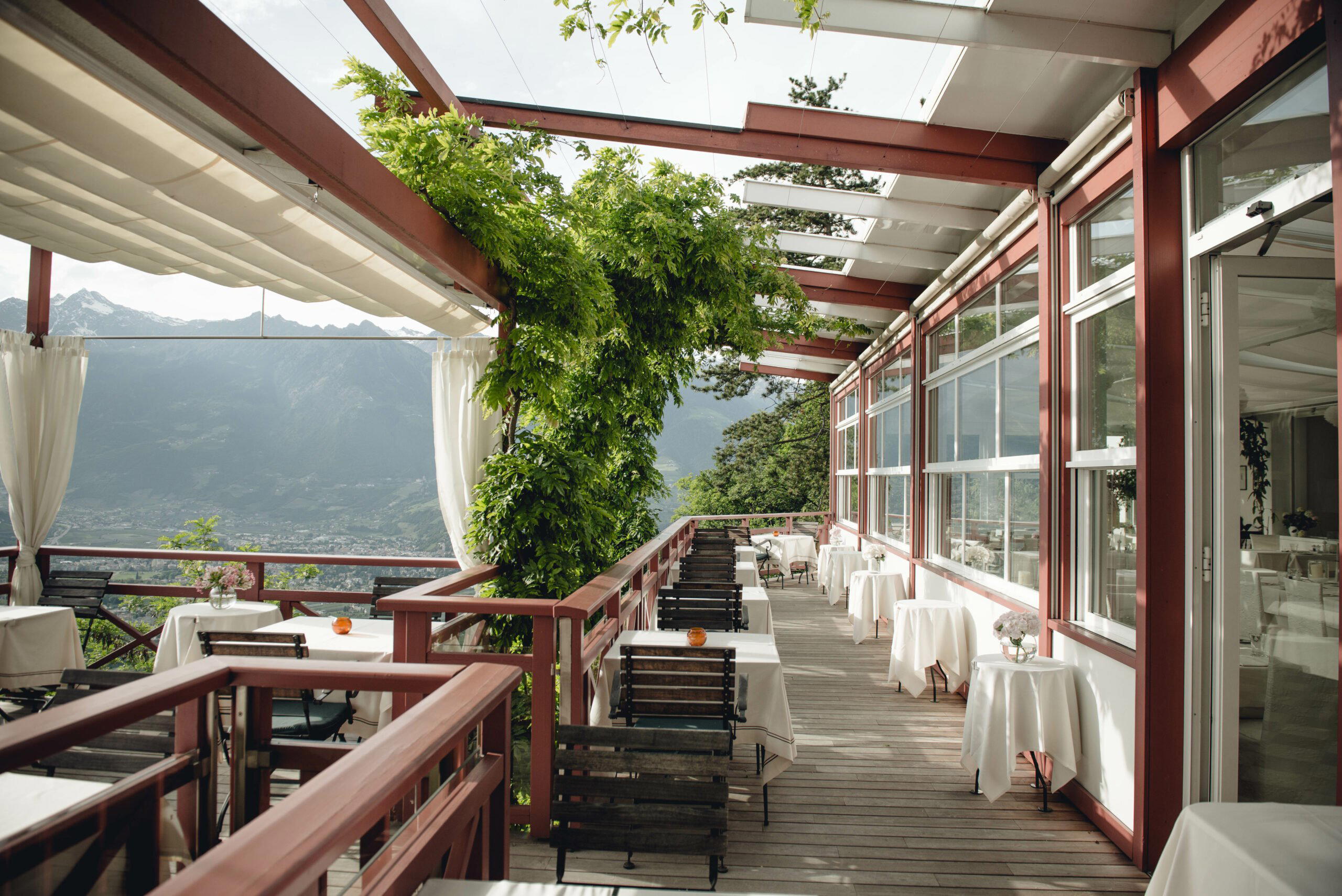
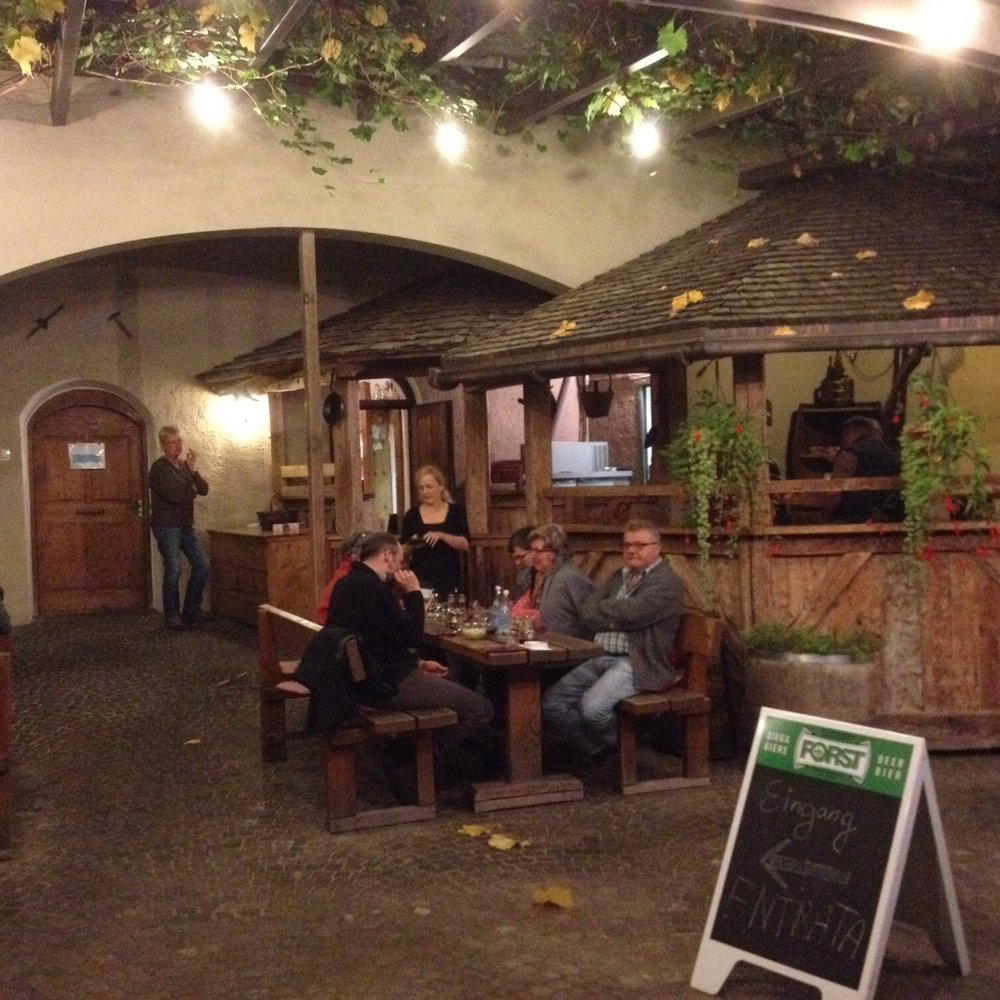
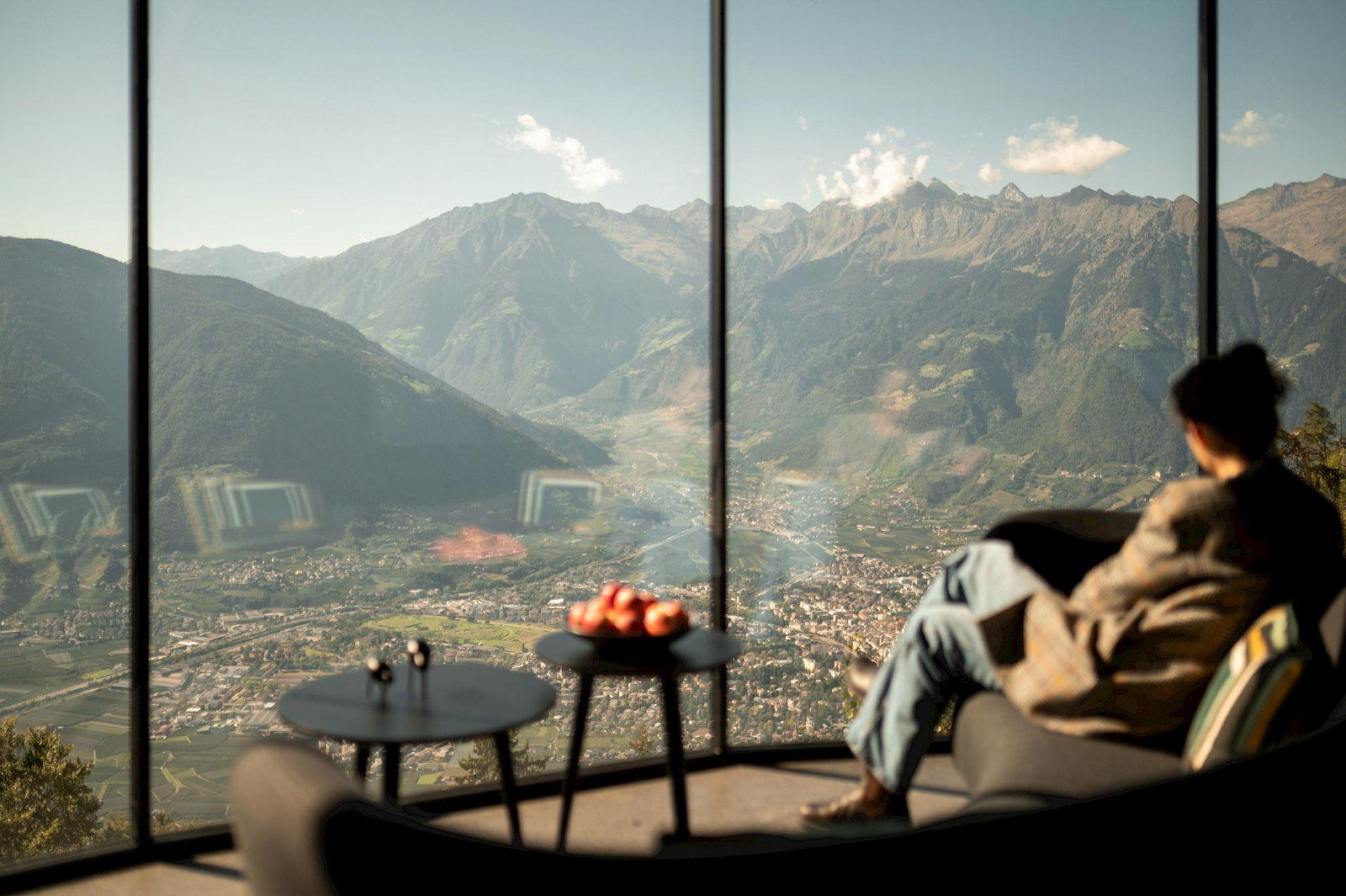
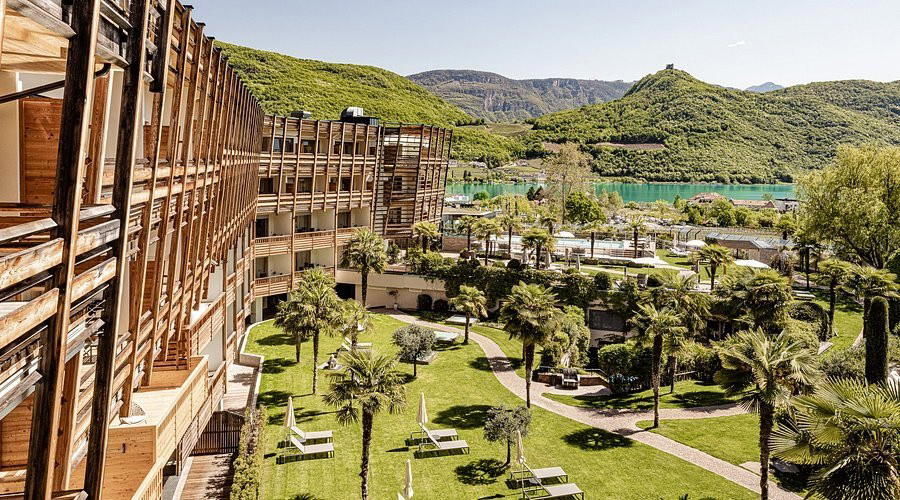
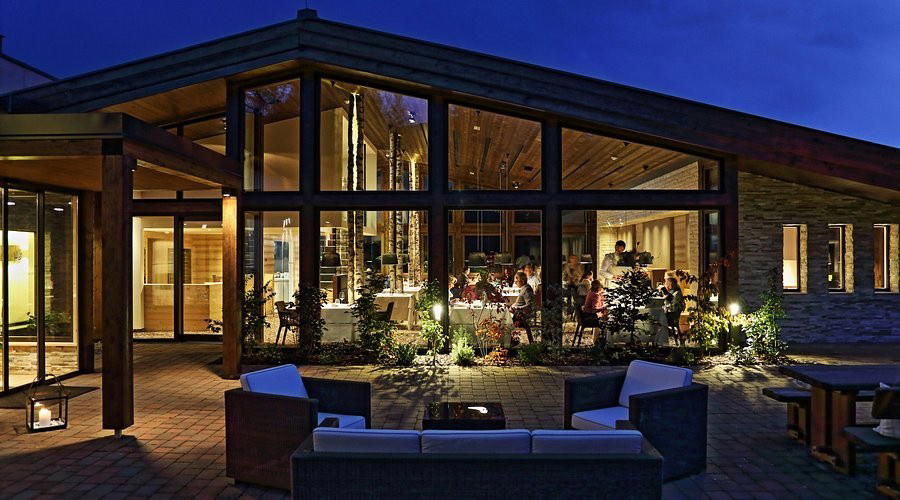
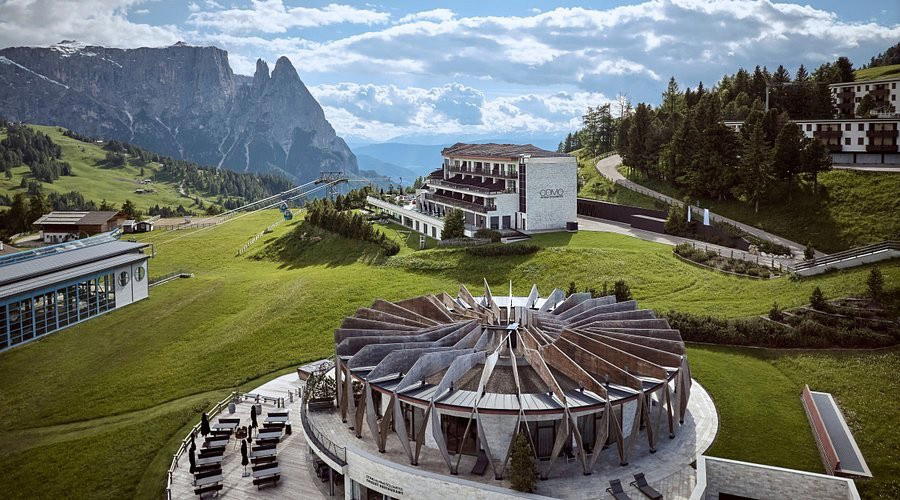
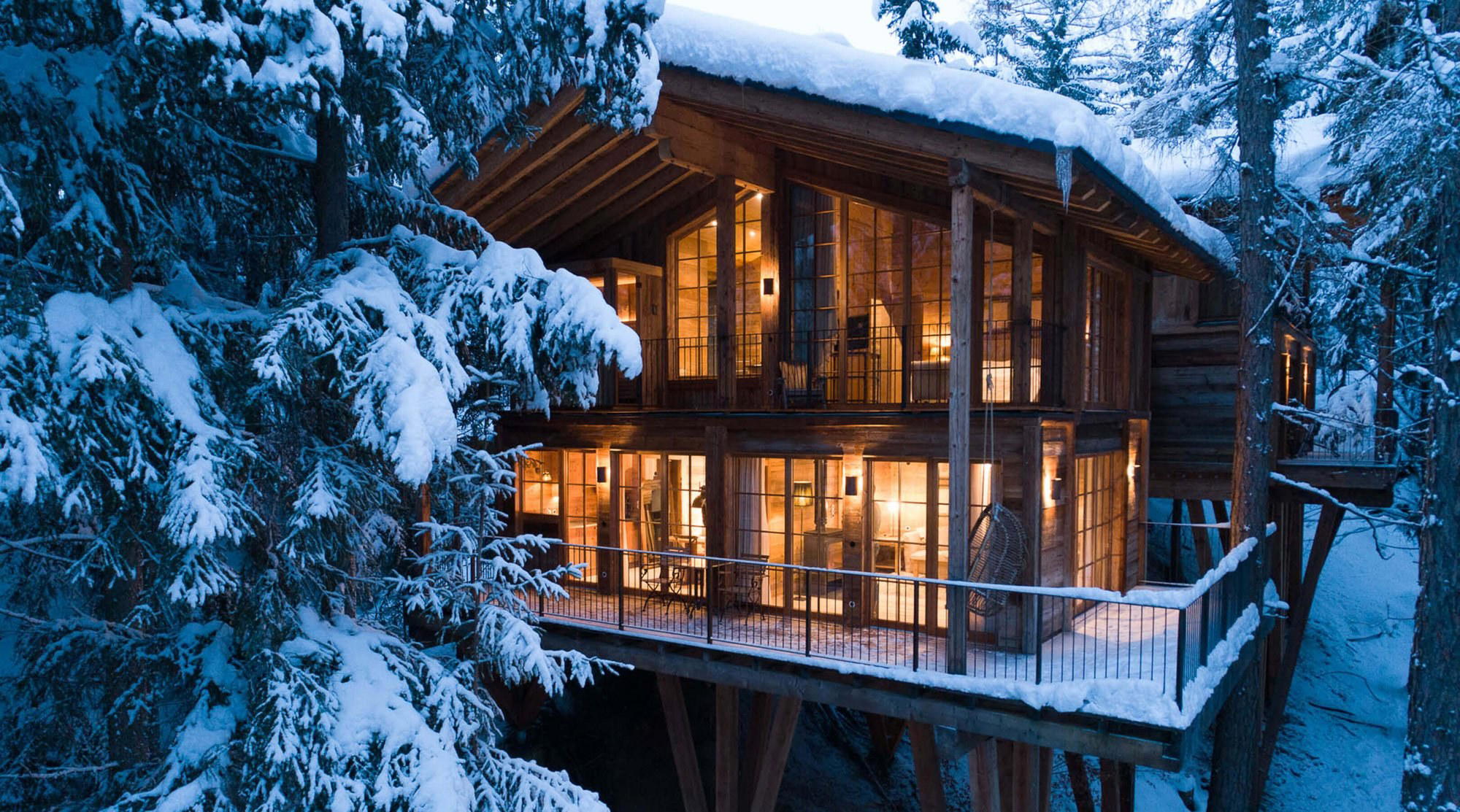
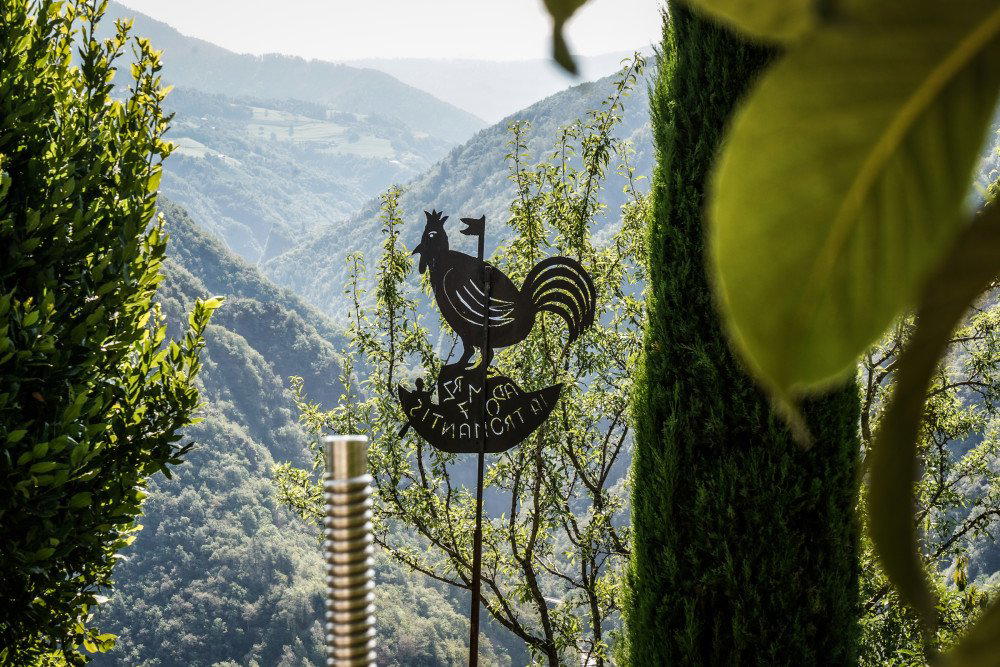
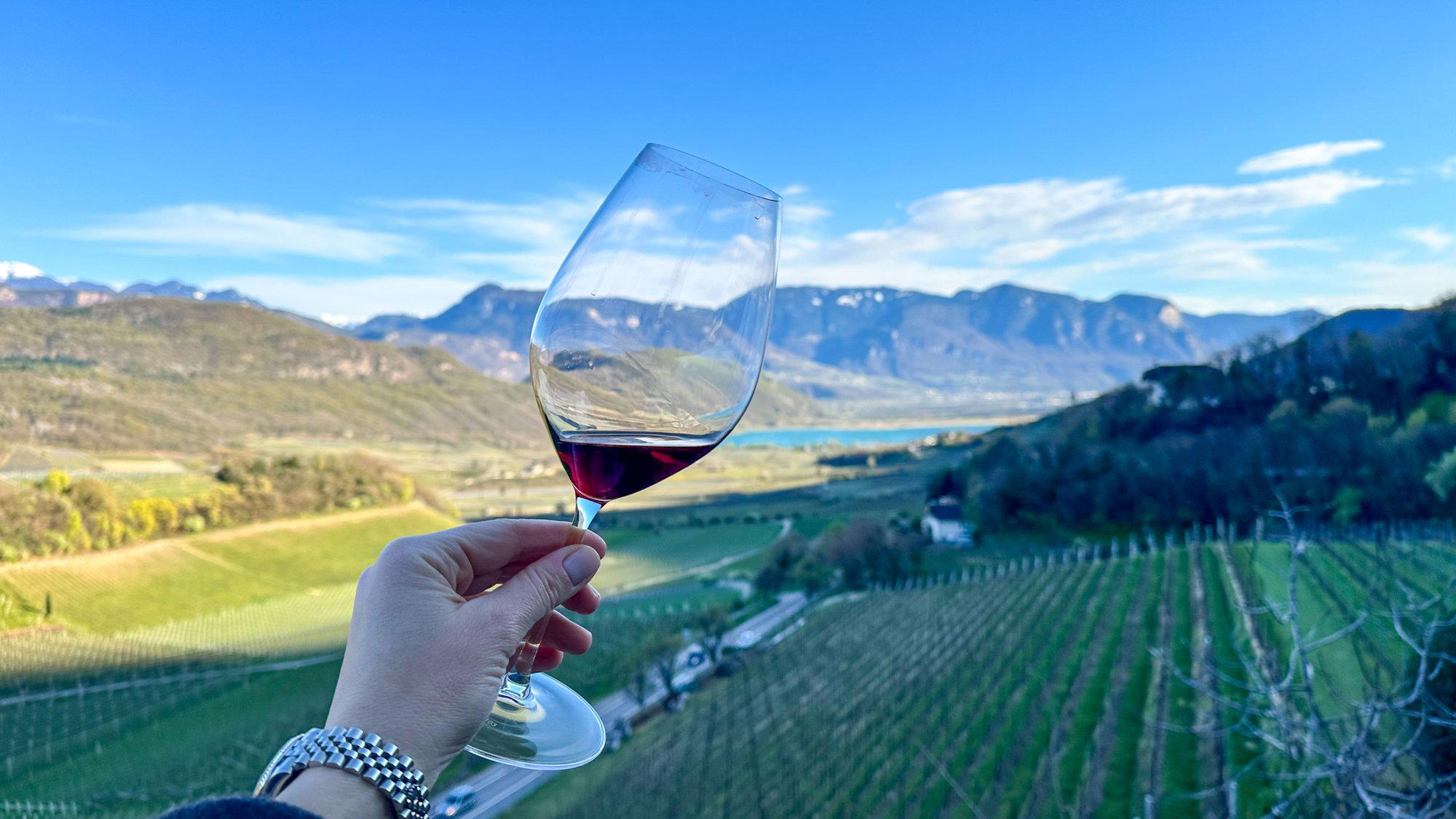
Warm and inviting atmosphere in a traditional old farmhouse setting with vineyard and mountain views.