Warung Babi Guling Ibu Oka 1 sits at the northern edge of Ubud's royal palace district, drawing queues of locals and travellers for one of Bali's most culturally embedded dishes: babi guling, the spit-roasted suckling pig that has anchored Balinese ceremonial cooking for centuries. Portions move fast, seating is casual, and arrival before midday is the standard approach.
Pearl is the En Primeur Club membership app — saves, bookings, and concierge access live there. Same editors, same standards.
- Address
- Jl. Suweta No.1, Ubud, Kecamatan Ubud, Kabupaten Gianyar, Bali 80571, Indonesia
- Phone
- +62 851 0007 7490
- Directions
- Get directions
 Saves & bookings on Pearl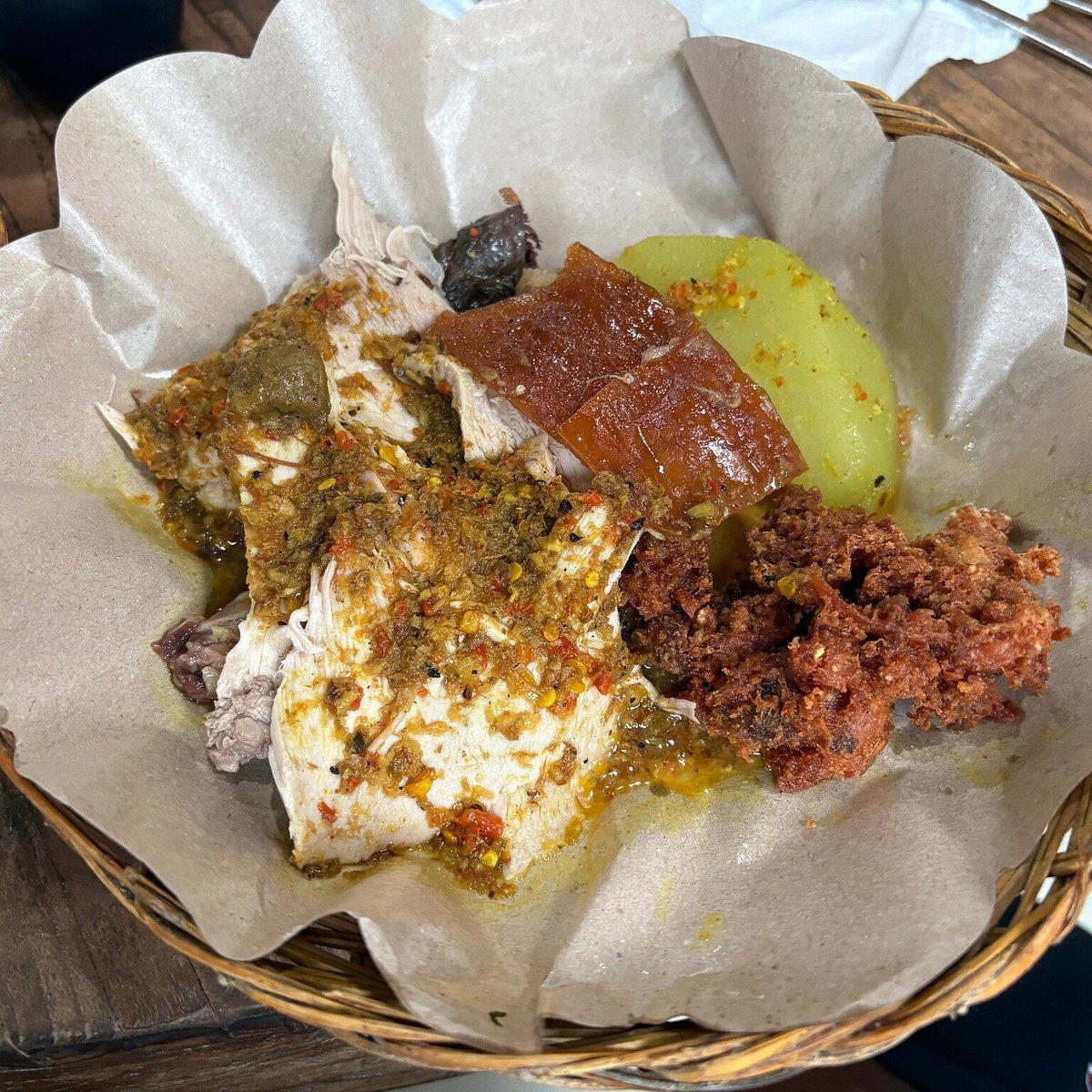
Babi Guling and the Ceremonial Plate That Became Ubud's Reference Point
Few dishes in the Indonesian archipelago carry as much ritual weight as babi guling. Originally prepared for temple ceremonies and royal feasts in Bali, the spit-roasted suckling pig, rubbed with a paste of turmeric, galangal, lemongrass, shrimp paste, and a rotating cast of spices, has moved from sacred occasion into daily life without shedding its cultural freight. The warung format in which it is most commonly served is itself a statement: low tables, communal seating, no ceremony around the ordering, just the food arriving fast and hot. Warung Babi Guling Ibu Oka 1, positioned along Jalan Suweta a short walk from Ubud's royal palace, sits at the intersection of that everyday warung culture and the broader international attention Ubud has drawn over the past two decades.
This is not a restaurant that positions itself against the fine-dining tier that has grown up around it. Places like Mozaic and Apéritif Restaurant & Bar represent a different conversation entirely, tasting menus, wine programs, temperature-controlled cellars. The babi guling warung operates on different logic: a single hero dish, cooked in limited quantity each morning, served until it runs out. That scarcity is structural, not manufactured.
The Dish in Its Cultural Context
Balinese babi guling is one of the more technically demanding preparations in the regional canon. The pig is stuffed and coated with a spice paste whose composition varies by cook and by family tradition, then rotated over coconut husk and wood fire for several hours. The result, when properly executed, delivers crackled skin with a texture closer to lacquered shell than conventional pork crackling, alongside meat that carries the aromatics of the spice rub through to the bone. It is served in combination: rice, lawar (a minced vegetable and meat mixture bound with fresh coconut), urutan (Balinese sausage), and broth on the side.
The dish's presence on tourist itineraries accelerated significantly after international food media spotlighted this part of Ubud. That exposure created a secondary effect: the Ibu Oka name became a reference point, and the address on Jalan Suweta became a destination in its own right.
The Scene at Jalan Suweta
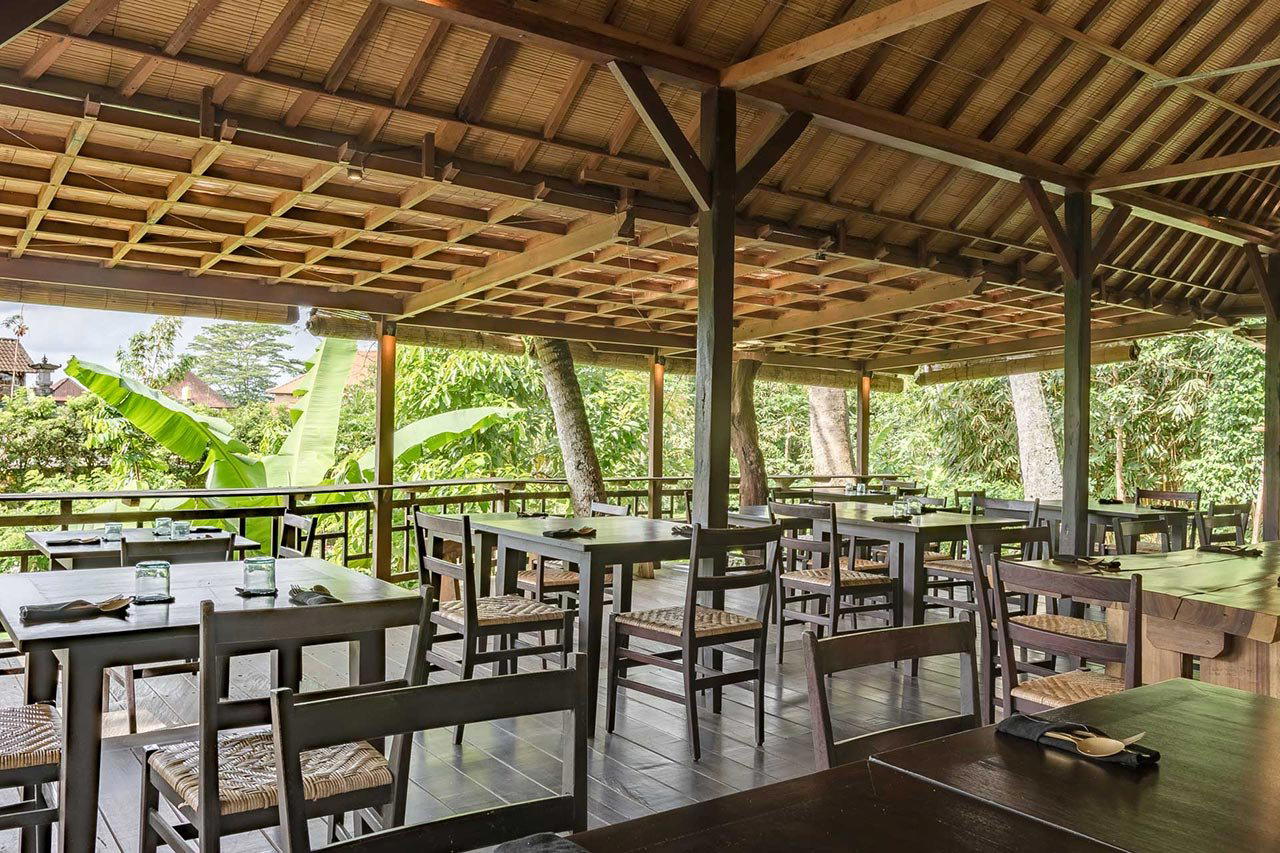
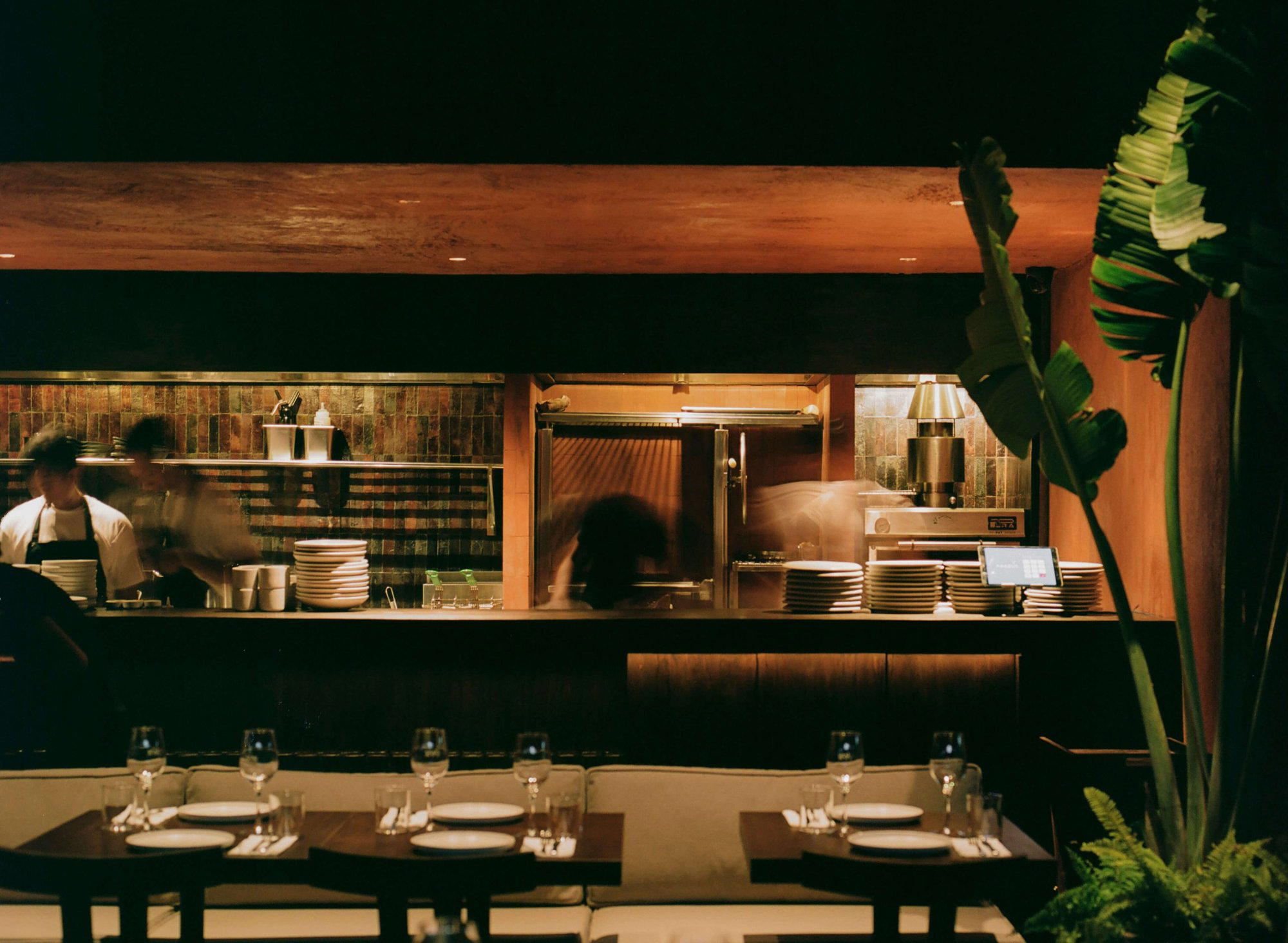
The physical setup at Warung Babi Guling Ibu Oka 1 reflects the warung model without modification: open-air or semi-covered seating, plastic chairs and simple tables, a counter where the babi guling is portioned to order, and staff who move with the efficiency that comes from handling high volume on a narrow menu. The address places it close enough to the palace grounds that the surrounding architecture provides a kind of ambient context, carved stone, banyan shade, the sounds of central Ubud filtering in.
By mid-morning, queues are a reliable feature. By early afternoon, the pig is gone. This pattern repeats daily and should be treated as a fixed logistical variable rather than an anomaly. Arriving before noon significantly improves the odds of securing a full plate with all components present. The experience is brief by design, this is a stop, not a sit-down, and most visitors are through within thirty minutes.
Where Ibu Oka 1 Sits in Ubud's Eating Culture
Ubud's dining scene has split in a way that mirrors broader trends across Southeast Asian food cities: a tier of internationally oriented, chef-driven restaurants has grown up alongside a deeply rooted local eating culture that predates the tourism wave entirely. The two rarely compete directly. Venues like Locavore NXT and Herbivore by Locavore reference Indonesian ingredients and culinary logic but operate at a different register, reservation-led, plated, considered. The babi guling warung exists in a parallel register where the credentials are different: longevity, consistency, community trust, and the kind of informal recognition that doesn't come from awards bodies.
Within the specific sub-category of babi guling in Ubud, the Ibu Oka name has multiple nodes. The related Ibu Oka on Jalan Tegal Sari is another address that operates under the same lineage. Understanding the relationship between the two requires visiting both; the quality and composition can differ in ways that regulars discuss with genuine investment. For those building a longer itinerary across the island, the contrast with spots like Sarong Bali in Canggu, Rumari in Jimbaran, or Cuca Restaurant in Badung illustrates just how wide Bali's eating range has become. Further afield, Moksa in Bali and Jungle Fish Bali in Gianyar extend the picture into plant-forward and setting-led dining. Indonesian food culture across the archipelago also has its own reference points worth knowing, August in Jakarta, Kahyangan in Gondangdia, and CARANO Masakan Padang in Bekasi each represent distinct regional traditions. For contrast at a global scale, the discipline of a focused, ingredient-led menu is something shared, in different contexts, by places like Le Bernardin in New York City and Lazy Bear in San Francisco.
The warung is not the place to linger, it is the place to eat one of Bali's most historically grounded dishes in a setting that has changed little in character despite everything that has changed around it.
A Pricing-First Comparison
Comparable venues nearby, for context on price, style, and recognition.
| Venue | Cuisine | Price | Notes |
|---|---|---|---|
| Warung Babi Guling Ibu Oka 1This venue — the venue you are viewing | Ubud, Balinese Babi Guling | $ | Not listed |
| Ibu Oka | Ubud, Balinese Babi Guling | $$ | Not listed |
| Sayuri Healing Food | Not listed | $$ | Peliatan, Raw Vegan & Plant-Based Living Food |
| Apéritif Restaurant & Bar | Ubud, Modern Fusion Fine Dining | $$$$ | Not listed |
| Raya | Not listed | $$ | Ubud, Asian Fusion with Local Balinese Dishes |
| Nusantara By Locavore | Ubud, Modern Indonesian Regional | $$$ | Not listed |







At a Glance
- Rustic
- Cozy
- Well Known
- Casual Hangout
- Standalone
Current opening hours
- Monday
- 11 AM–7 PM
- Tuesday
- 11 AM–7 PM
- Wednesday
- 11 AM–7 PM
- Thursday
- 11 AM–7 PM
- Friday
- 11 AM–7 PM
- Saturday
- 11 AM–7 PM
- Sunday
- 11 AM–7 PM
Hours can change for holidays and private events. Last verified .
Casual open-space dining with large communal tables and no-frills Balinese hospitality.