
Forbes Recommended
Our verdict
Raya is an Indonesian restaurant in Ubud led by Chef Marissa Gerlach, drawing on the archipelago's deep pantry of regional traditions. It holds a credible position in Ubud's increasingly competitive dining scene, sitting alongside long-established destinations for considered Indonesian cooking in Bali's cultural heartland.

Pearl is the En Primeur Club membership app, where members save venues, book tables and use the concierge.
Where Ubud's Dining Scene Places Indonesian Cuisine
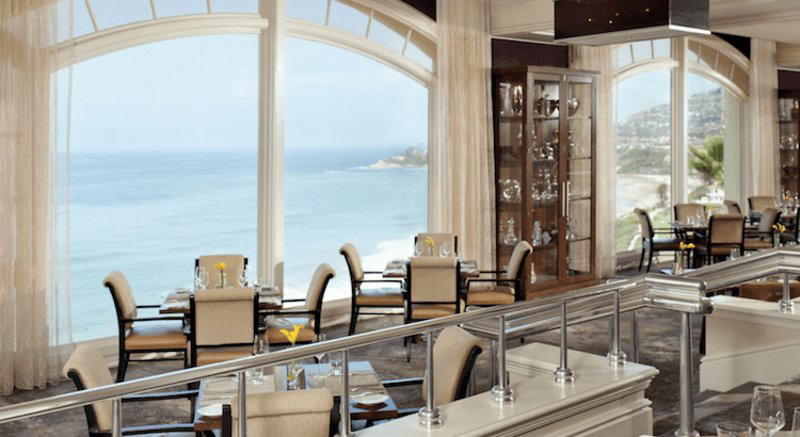
Ubud has spent the better part of two decades building a reputation as the island's most considered dining address. Where Seminyak leaned toward international resort fare and Canggu absorbed the surf-café aesthetic, Ubud attracted a slower, more ingredient-focused approach to the table. That orientation created space for Indonesian cuisine to be taken seriously on its own terms, not simply as a backdrop to a sunset or a footnote on a menu heavy with European technique. Raya sits inside that tradition, operating at the intersection of Indonesian culinary identity and the kind of polished hospitality that draws both local visitors and those making a dedicated trip from elsewhere on the island.
The competitive set in Ubud is worth understanding before you arrive. Locavore NXT and Mozaic occupy the upper-bracket tasting-menu tier, where reservation windows stretch months out and menus change with seasonal availability. Herbivore by Locavore addresses a plant-forward diner. At the other end, Ibu Oka remains the reference point for Balinese suckling pig done without artifice. Raya occupies different ground: Indonesian cuisine in a setting that prioritises atmosphere and a full-service dining experience over the hyper-focused omakase format or the canteen directness of the warung tradition.
The Physical Environment
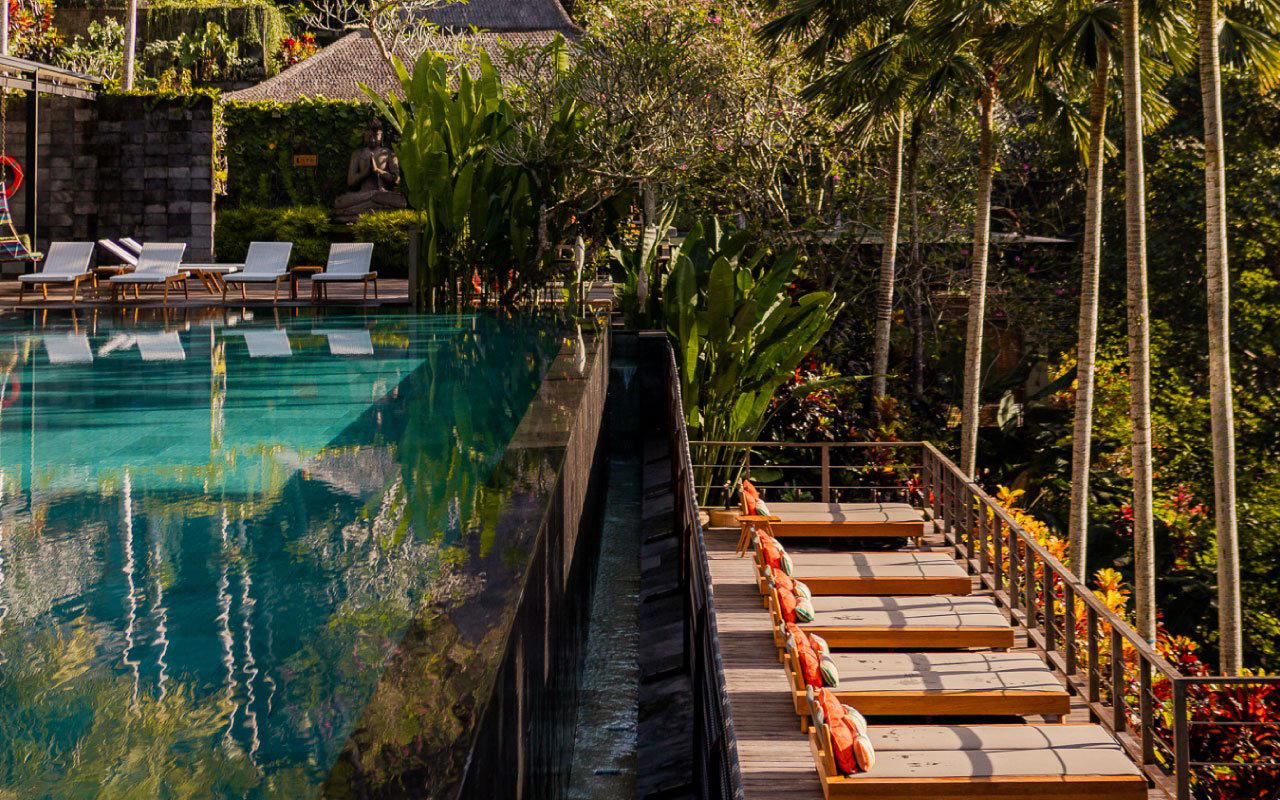
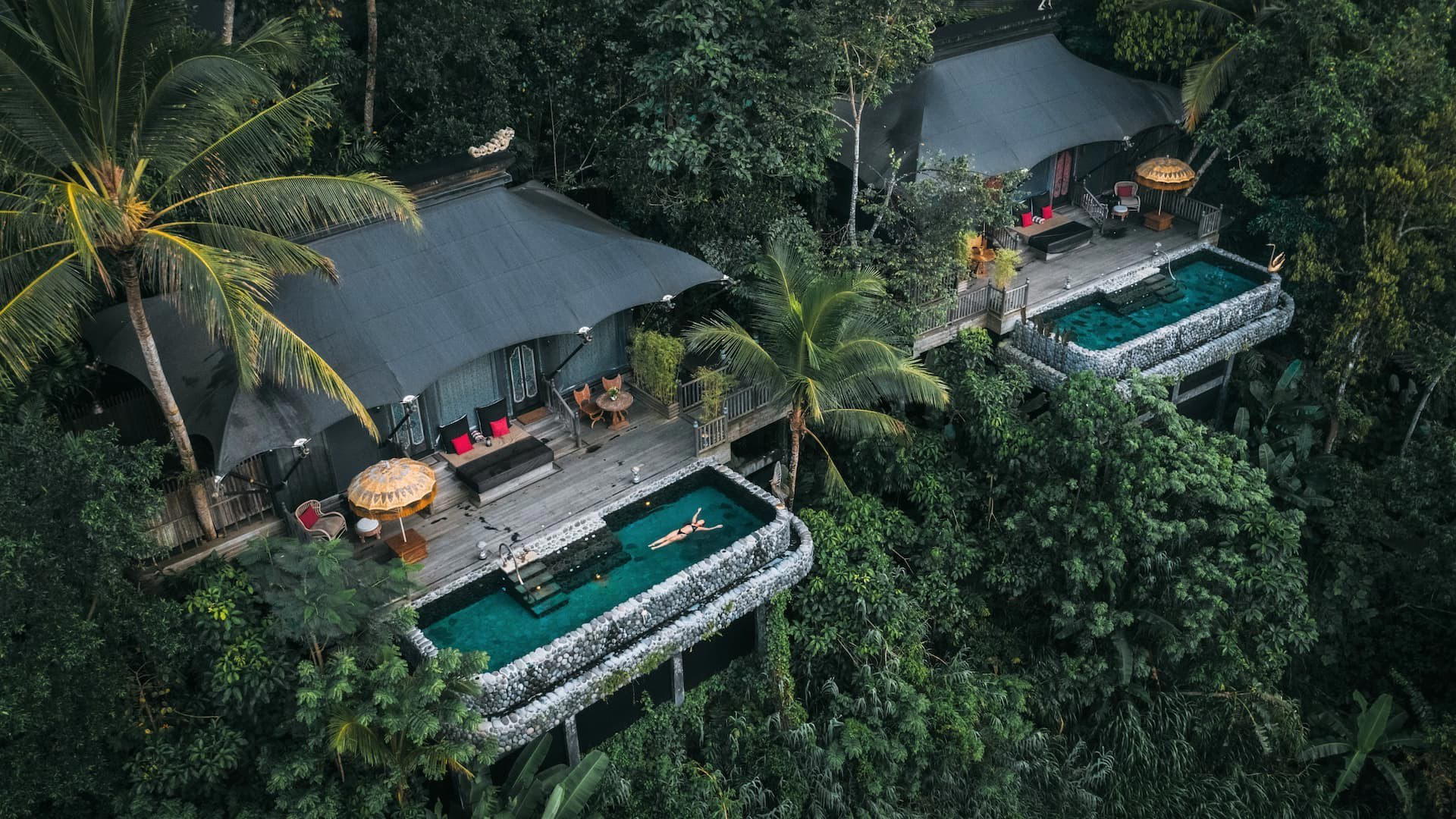
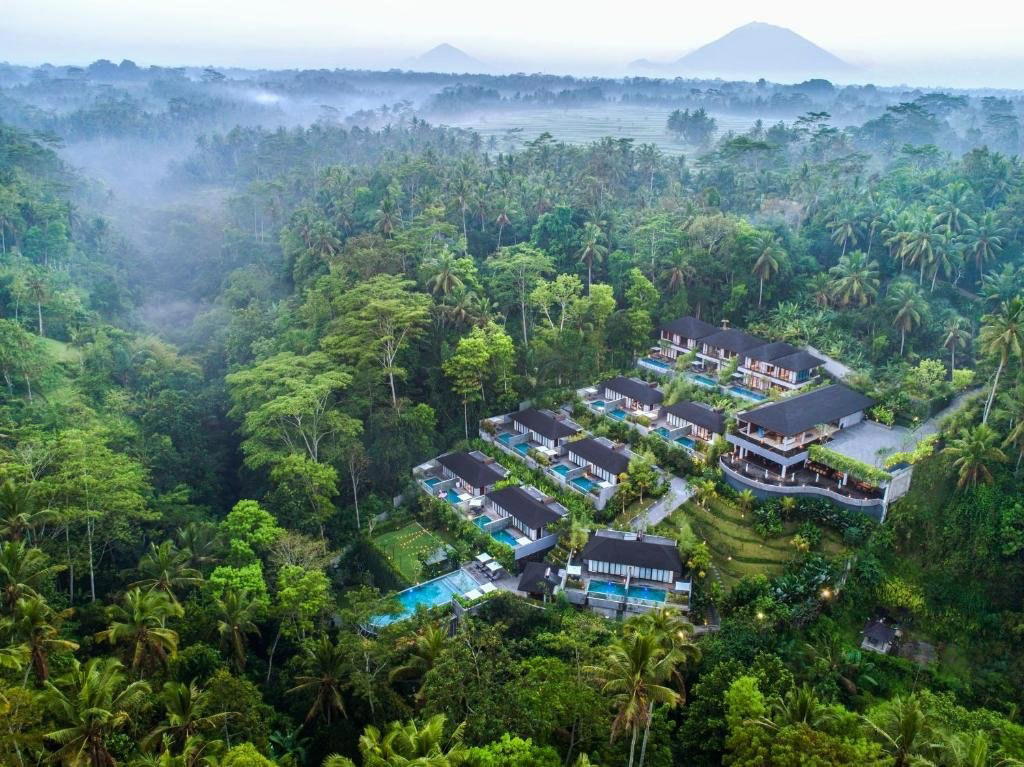
Approaching Raya from Jalan RY Dalem in Keliki, you move through the Tegallalang subdistrict's layered green, where terraced rice paddies descend toward the Petanu river valley. The setting establishes an expectation before you reach the door: this is Ubud at its most composed, removed from the craft-coffee density of central Jalan Dewisita and positioned closer to the village rhythm of the surrounding banjar. The address in Banjar Triwangsa places it within a local administrative unit, lending the physical surroundings a texture that larger resort corridors in south Bali cannot replicate.
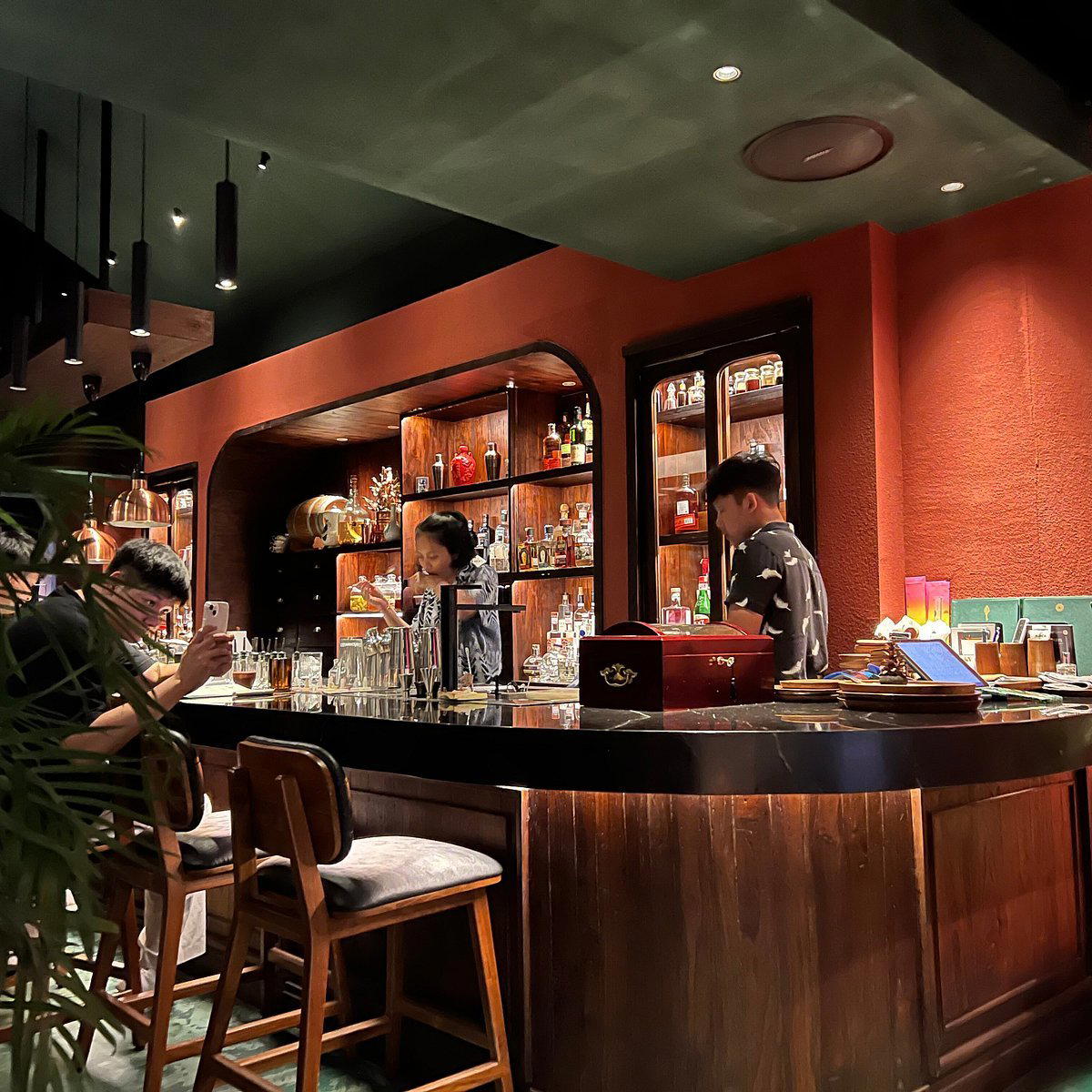
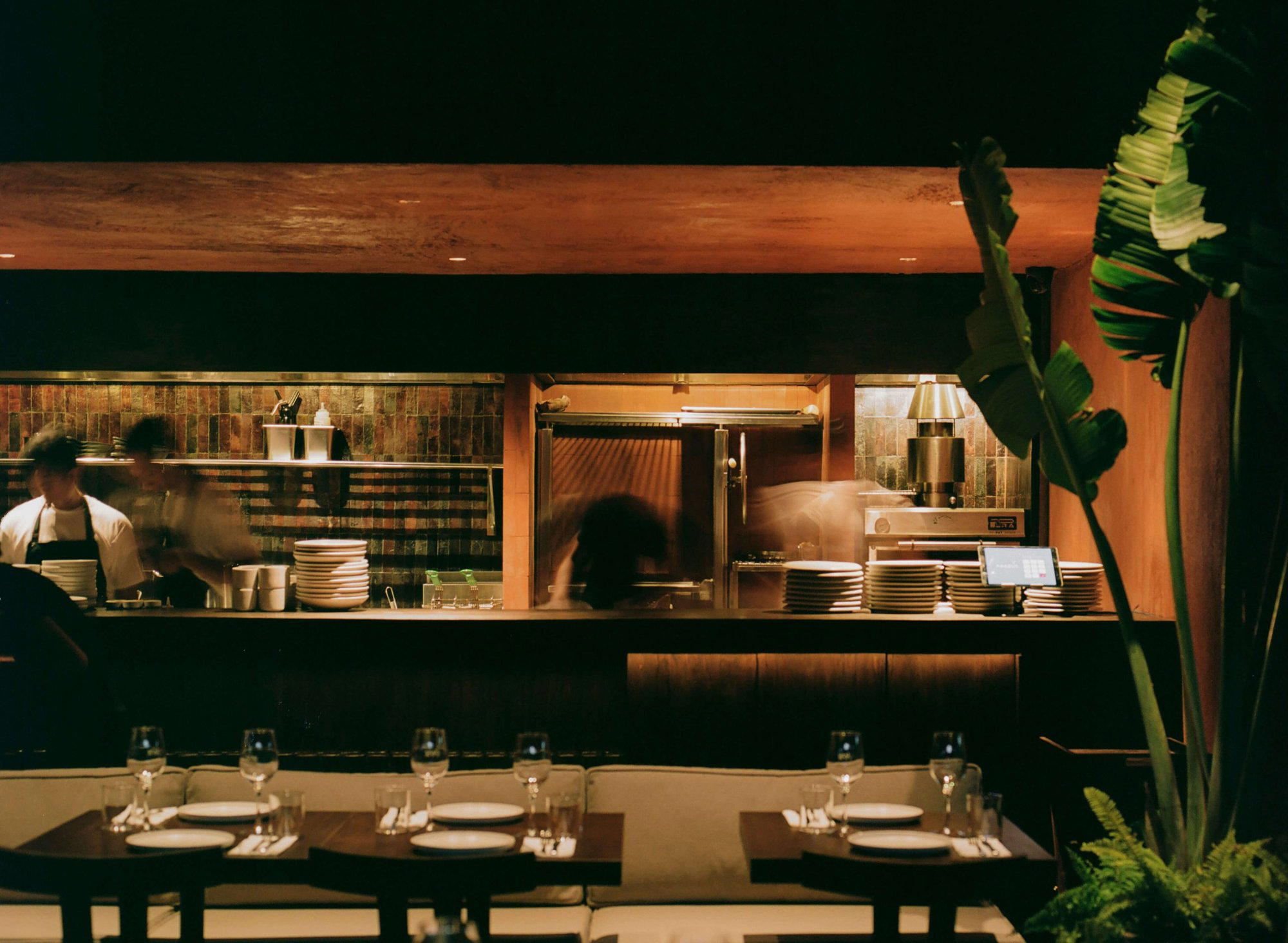
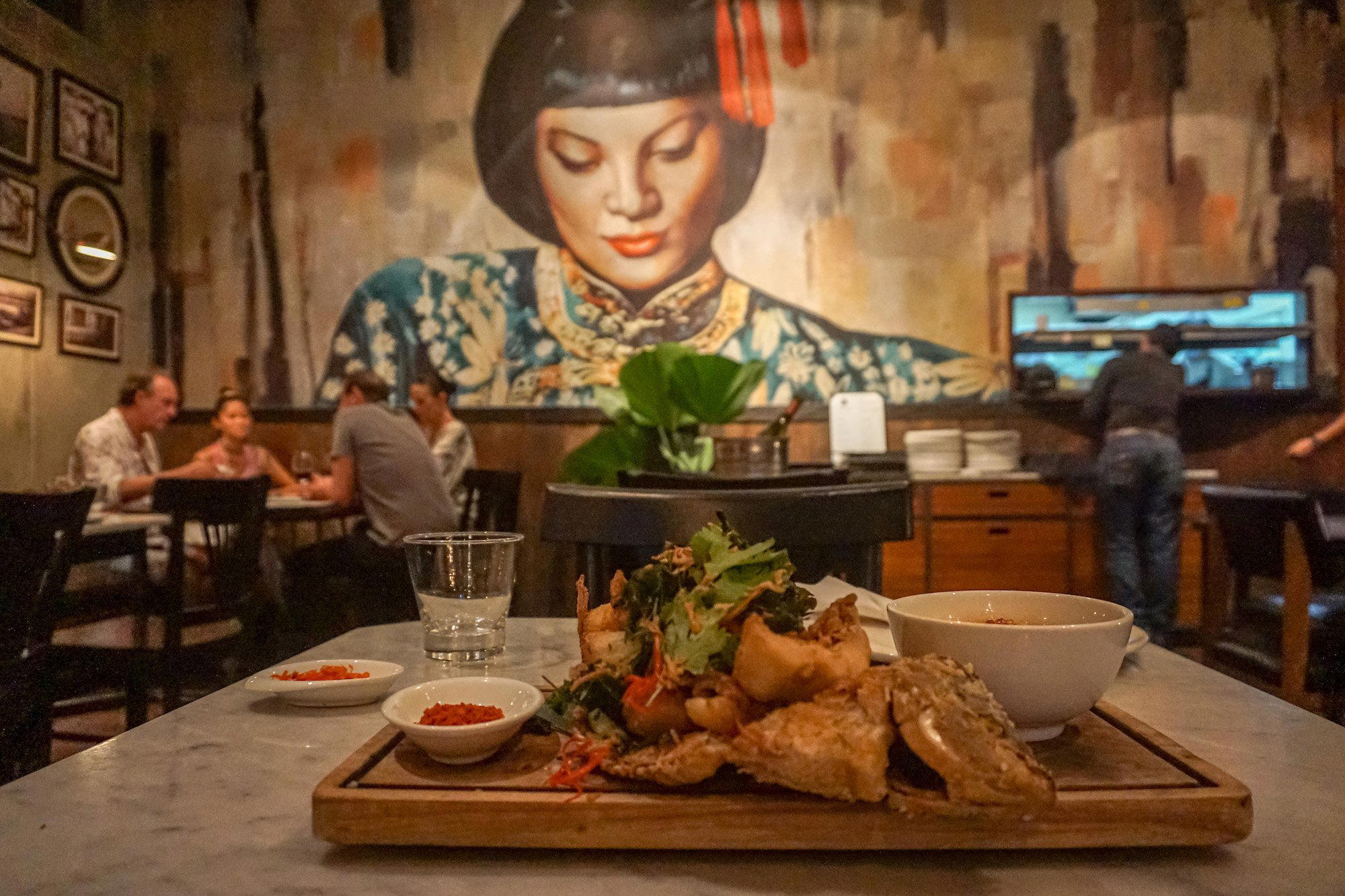
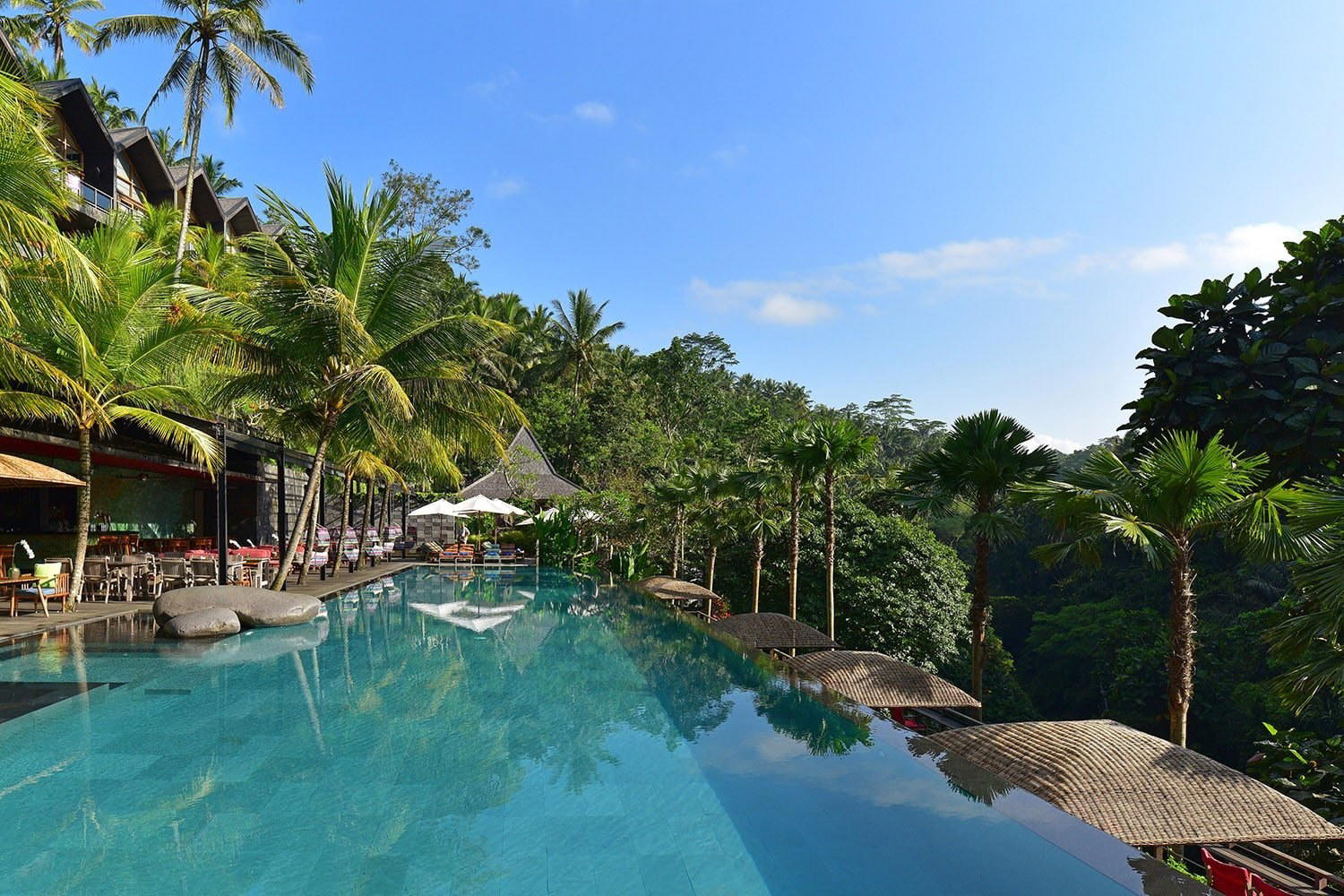
Inside, the sensory experience shifts from the verdant exterior to something more interior and deliberate. Indonesian restaurant design in this tier tends to work with natural materials, open-sided structures that allow equatorial air to move through the space, and lighting that softens after dark without retreating into the dimness that passes for atmosphere in less considered rooms. The result is an environment where the surrounding landscape remains present as a frame rather than a distraction, and where the noise level holds at a register that allows conversation rather than competing with it.
Indonesian Cuisine at This Scale
Indonesian cooking at the regional level is among the most varied in Southeast Asia. The archipelago runs across more than 17,000 islands and encompasses Balinese, Javanese, Sundanese, Minangkabau, and dozens of other culinary traditions, each with distinct spice use, cooking technique, and ingredient logic. A restaurant that identifies as Indonesian in Ubud is making a curatorial choice: which of these traditions to draw from, at what depth, and how to frame them for a room that will likely include international visitors unfamiliar with the distinctions.
Chef Marissa Gerlach leads the kitchen at Raya. The significant question for any kitchen working within Indonesian cuisine at this level is the degree to which it engages with the ingredient complexity the tradition demands, particularly the layered spice pastes (bumbu) that underpin Balinese cooking, the slow-cooked preparations from Padang, and the fermented elements that give many regional dishes their character. That engagement, or its absence, is what separates a restaurant speaking the culinary language from one translating it into something more navigable but less interesting.
Comparable Indonesian-focused restaurants elsewhere in the country offer a useful reference. Kaum in Jakarta built its identity around deep archival research into regional Indonesian food. Kahyangan in Gondangdia works within the Javanese register. In Bali specifically, the direction of travel across the better Indonesian-focused rooms has been toward specificity: naming the region, the village, or the preparation style rather than offering a pan-archipelago summary.
Ubud's Position in the Broader Bali Dining Argument
Bali's dining conversation still tends to start in the south. Sarong Bali in Canggu, The Legian in Seminyak, and Rumari in Jimbaran anchor their respective neighbourhoods and draw visitors who structure their time around a Badung-centric itinerary. Ubud requires a different commitment, an hour or more from the airport under good traffic conditions, and a deliberate decision to spend time in the interior rather than rotating between beach clubs and coastline restaurants. The restaurants that draw that commitment tend to be ones where the setting, the cooking, or the combination of both justifies the journey. Raya's location in the Keliki-Tegallalang corridor puts it within reach of one of Bali's most reproduced landscapes, the tiered paddies that have become the island's visual shorthand globally, while keeping it at a remove from the selfie infrastructure that has accumulated around the most photographed viewpoints.
For diners building a broader Indonesian dining context, the conversation extends well beyond Bali. At the global reference level, restaurants like Le Bernardin in New York City or Atomix in New York City demonstrate what happens when a cuisine is pushed to its technical outer edge. Emeril's in New Orleans offers a parallel example of how regional American identity can be held with rigour at the restaurant level. Indonesian cuisine, with its structural complexity and regional depth, has the raw material for that kind of treatment, and the restaurants in Ubud most worth attention are the ones operating with that ambition in mind.
Planning Your Visit to Raya
Raya is located at Banjar Triwangsa, Jl. RY Dalem, Keliki, Kec. Tegallalang, Kabupaten Gianyar, a drive from central Ubud that takes you through the terraced rice country north of town. The route is direct by private car or ride-hail from the main Ubud corridor, and the surrounding area warrants time before or after a meal given the agricultural landscape. Given Ubud's tendency toward early-evening dining peaks, particularly among visitors working around sunset light at the paddies, arriving outside the 6:00 to 7:30 p.m. window typically means a more settled room.
For broader planning across the area, our full Ubud restaurants guide covers the range of the scene, from the tasting-menu tier down to the market-adjacent warungs that supply the most direct read on local cooking. Our Ubud hotels guide addresses where to stay given Ubud's spread across multiple sub-districts, and our bars guide, wineries guide, and experiences guide fill out the surrounding programme for visitors spending more than a single night in the interior.
Frequently asked questions
Would Raya be comfortable with kids?
Raya sits in the Keliki-Tegallalang corridor north of central Ubud, a quieter stretch that suits a relaxed pace rather than a high-energy dining room. Indonesian cuisine at the restaurant level is built around sharing formats, which translates well for family groups. Chef Marissa Gerlach's kitchen draws on a cuisine tradition that spans hundreds of regional styles, so the menu is unlikely to be a single-register, adult-only affair.
What should I expect atmosphere-wise at Raya?
The address on Jalan RY Dalem in Keliki places Raya within Tegallalang subdistrict, where terraced rice paddies define the visual context outside urban Ubud. That physical setting shapes the tone: this is not a buzzy south Bali hotel dining room but a more considered environment north of the main Ubud strip. Chef Marissa Gerlach leads an Indonesian cuisine programme that fits the area's slower, more deliberate approach to a meal.
Is Raya award-winning?
Raya has received recognition including:
What's the signature dish at Raya?
Specific menu items have not been confirmed through verifiable sources, and naming dishes without that grounding would be inaccurate. For current menu details, contacting the restaurant directly via its Jalan RY Dalem, Keliki address is the most reliable route.
A Quick Peer Check
Comparable venues nearby, for context on price, style, and recognition.
| Venue | Cuisine | Price | Awards | Notes |
|---|---|---|---|---|
| RayaThis venue (the venue you are viewing) | Asian Fusion with Local Balinese Dishes | $10–20 | Forbes Recommended | Not listed |
| Syrco BASÈ | Modern Indonesian Fine Dining | $100–150 | We're Smart World 4 Radishes · The Best Chef Two Knives | Ubud |
| Herbivore by Locavore | Vegan Indonesian Fusion Fine Dining | $50–100 | Not listed | central Ubud |
| Ibu Oka | Balinese Babi Guling | $1–10 | Not listed | Ubud |
| Apéritif Restaurant & Bar | Modern Fusion Fine Dining | $150–200 | Star Wine List | Ubud |
| Sayuri Healing Food | Raw Vegan & Plant-Based Living Food | $10–20 | Not listed | Peliatan |
Recognition history
Dated appearances from independent guides and award organizations, with the underlying list record or original source where available.
Forbes Recommended
Forbes


Continue exploring
More in Ubud
Restaurants in Ubud
All restaurants in Ubud →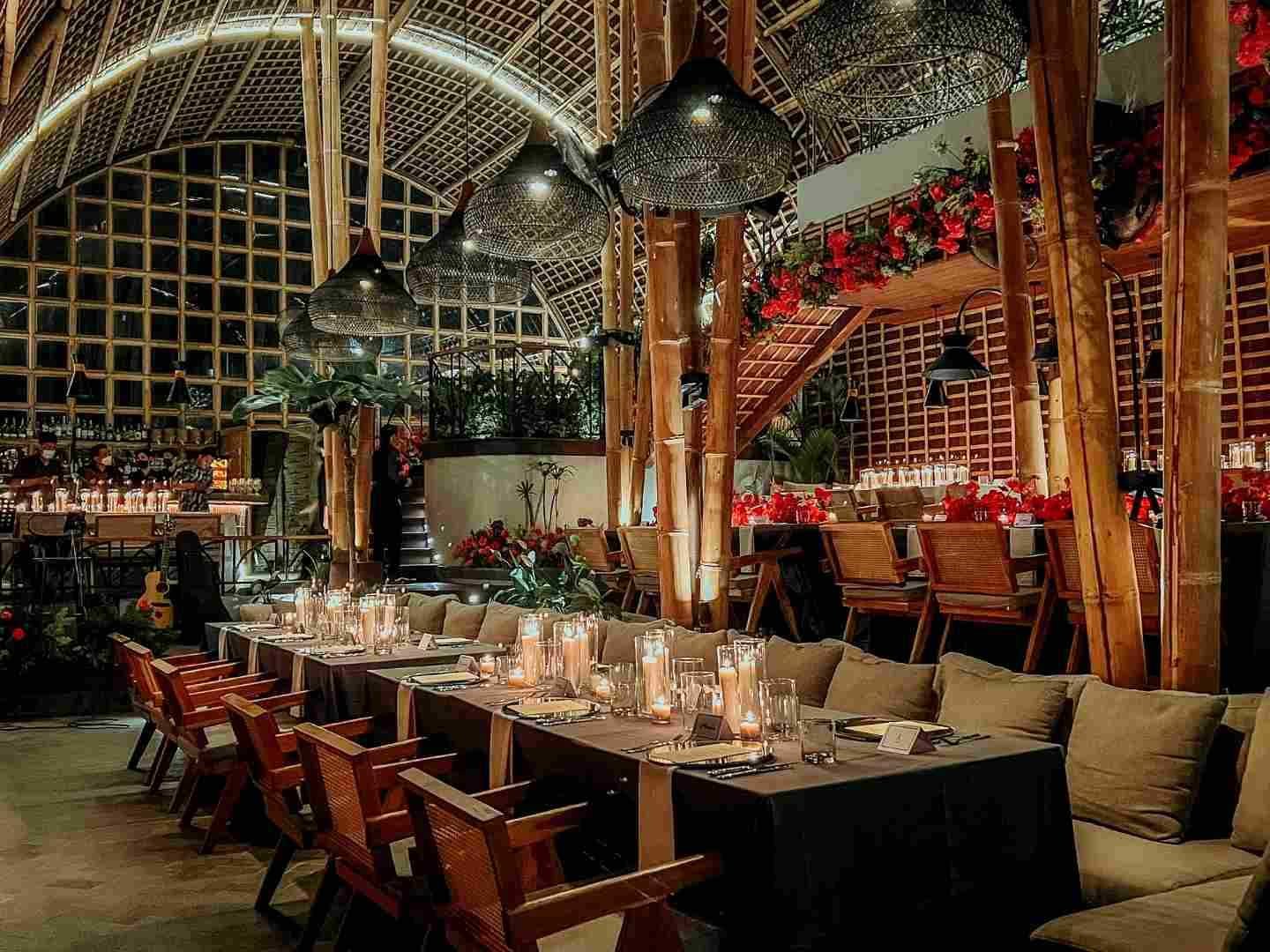
Bars in Ubud
All bars in Ubud →


Details
- Rustic
- Cozy
- Scenic
- Family
- Casual Hangout
- Group Dining
- Garden
- Terrace
- Hotel Restaurant
- Craft Cocktails
- Garden
- A La Carte
- Family Style
- Cocktails
- Vegetarian Friendly
- Vegan Options
- Allergy Accommodating
Current opening hours
- Monday
- 6:30–10 PM
- Tuesday
- 6:30–10 PM
- Wednesday
- 6:30–10 PM
- Thursday
- 6:30–10 PM
- Friday
- 6:30–10 PM
- Saturday
- 6:30–10 PM
- Sunday
- 6:30–10 PM
Hours can change for holidays and private events. Hours as of .
Peaceful, rustic charm with outdoor dining areas overlooking rice paddies and garden views; tranquil setting with natural lighting from ceiling fans and cross breezes.