Sayuri Healing Food occupies a quiet corner of Peliatan, just south of central Ubud, where the plant-based dining movement in Bali has found one of its most committed expressions. The kitchen works from an ingredient-first logic, drawing on the organic farming traditions that have shaped this part of Gianyar regency for generations. For travelers already oriented toward conscious eating, it sits in a distinct tier of Ubud's food scene.
Pearl is the En Primeur Club membership app — saves, bookings, and concierge access live there. Same editors, same standards.
- Address
- Jl. Sukma Kesuma No.2, Peliatan, Kecamatan Ubud, Kabupaten Gianyar, Bali 80571, Indonesia
- Phone
- +62 822 4048 5154
- Website
- sayurihealingfood.com
- Directions
- Get directions
 Saves & bookings on Pearl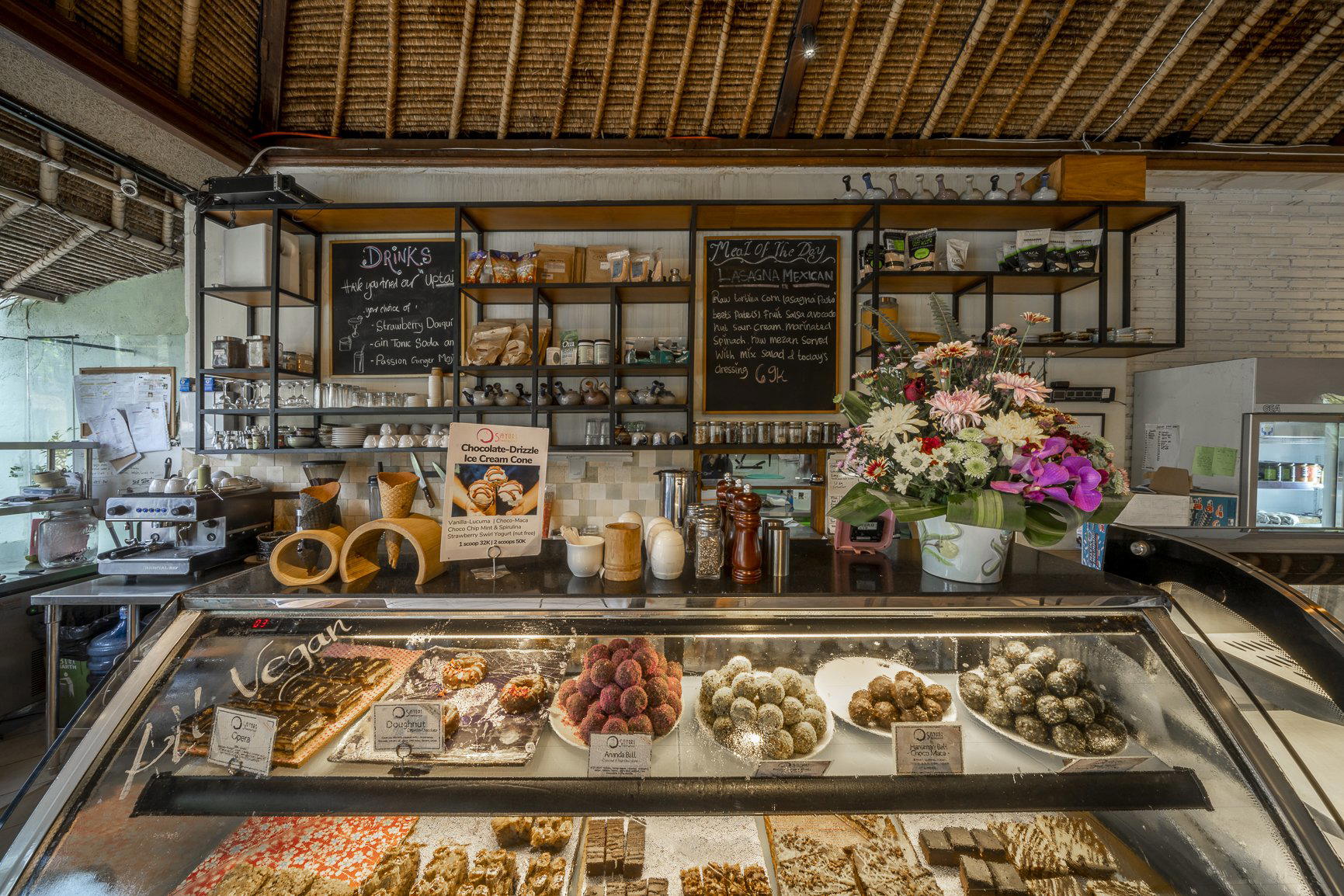
Plant-Based Eating in Ubud's Agricultural Heartland
Ubud's reputation as a center for conscious travel is not incidental. The town sits in Gianyar regency, surrounded by the subak irrigation systems that UNESCO recognized in 2012 as part of Bali's Cultural Landscape. Those rice terraces and the smallholder farms woven between them have sustained an agrarian culture for centuries, and the food served in Ubud's more thoughtful kitchens reflects that proximity. Sayuri Healing Food is a restaurant in Ubud, Bali, serving Raw Vegan & Plant-Based Living Food at an approximate price of $15 per person. Located on Jl. Sukma Kesuma in the Peliatan neighborhood just southeast of the central market, it belongs to a specific tier of this scene: restaurants that treat ingredient sourcing as both an ethical position and a culinary framework, not just a marketing category.
The plant-based movement in Bali has fragmented over the past decade into at least three identifiable tiers. There are the tourist-facing smoothie bowl operations along Jl. Dewi Sita and Monkey Forest Road, which serve photogenic food calibrated to social media audiences. There is a middle register of casual warung-style spots that offer vegetarian Indonesian classics without any particular sourcing philosophy. And then there is a smaller cohort of kitchens that operate with genuine commitment to local, organic, and often raw or minimally processed ingredients. Sayuri sits in that third group, alongside Moksa in Bali, which runs its own permaculture garden on the northern edge of Ubud. The two restaurants share a comparable set defined less by price or format and more by the question of where the food actually comes from.
The Ingredient Logic Behind the Menu
In Bali's organic dining circuit, sourcing claims range from loosely substantiated to genuinely traceable. The farms in the Gianyar highlands, particularly around Kintamani and the slopes of Batur, have supplied chemical-free produce to Ubud restaurants for years. What separates kitchens that take this seriously from those that use it as window dressing is whether the sourcing logic shapes the menu or merely annotates it. At Sayuri, the menu structure reflects an ingredient-first approach: the category of food, plant-based and largely organic, determines the cooking methods and the dish architecture rather than the reverse.
This approach has parallels elsewhere in Indonesia's more forward-thinking restaurant scene. Locavore NXT in Ubud has spent years building direct relationships with Balinese farmers and foragers, making provenance a structural part of its tasting menu format. Herbivore by Locavore takes that same farm-network logic and applies it to an entirely plant-based format. Sayuri operates on a smaller, less formalized scale than the Locavore group, but the underlying philosophy, that the ingredients themselves should set the terms, is shared across all three kitchens.
The healing food framing, referenced in the restaurant's name, connects to a longer tradition in Balinese and broader Indonesian culinary culture. Jamu, the herbal medicine tradition practiced across Java and Bali for centuries, operates on the premise that food and medicine are not separate categories. Turmeric, ginger, galangal, and moringa, all grown in Gianyar regency, appear in Balinese cooking both for flavor and for their documented functional properties. A kitchen that positions itself around healing food is aligning with that indigenous knowledge system rather than importing a wellness trend from elsewhere.
Where Sayuri Sits in Ubud's Wider Food Map
Peliatan, where Sayuri is located, sits slightly removed from particularly congested parts of Ubud's restaurant corridor. The neighborhood has a quieter residential character than the central market area or the strips along Monkey Forest Road, which means the approach to the restaurant involves less of the motor scooter density and street vendor pressure that defines the tourist center. This physical separation matters for a restaurant whose proposition depends on a sense of calm.
The broader Ubud dining scene spans a considerable range. At the formal end, Mozaic has held its position as Ubud's most technically rigorous fine dining address for years, operating a French-inflected tasting menu in a garden setting on Jl. Raya Sanggingan. Apéritif Restaurant and Bar occupies a similar tier of ambition and price. At the opposite end, Ibu Oka on Jl. Suweta remains the reference point for Balinese babi guling, a dish that has nothing to do with plant-based eating but represents the island's cooking traditions with unambiguous authority. Sayuri operates in a middle register defined not by price bracket but by commitment: kitchens serious about what they source and how they prepare it, without the formality or cost structure of Ubud's tasting menu circuit.
August in Jakarta and Kahyangan in Gondangdia represent Jakarta's more ingredient-conscious end of the spectrum, though neither operates in the plant-based register. In Bali's coastal areas, Cafe Organic Canggu covers similar territory to Sayuri but in a beach town context that attracts a different traveler profile. Cuca Restaurant in Badung and Sarong Bali in Canggu both show how the island's ingredient quality can be channeled through more elaborate formats.
Planning a Visit
Sayuri Healing Food is located at Jl. Sukma Kesuma No.2 in Peliatan, Ubud, within Kabupaten Gianyar. The restaurant draws a mix of long-stay visitors engaged with Ubud's yoga and wellness circuit and travelers specifically seeking plant-based options in a region where meat-heavy Balinese cooking otherwise dominates the local warung culture. Given the concentration of wellness retreats and yoga schools in Ubud, demand for this category of restaurant can be consistent; visiting during quieter morning or early afternoon service windows is generally more reliable than arriving at peak lunch hour during high season, which runs from July through August and again over the December holiday period.
Side-by-Side Snapshot
Comparable venues nearby, for context on price, style, and recognition.
| Venue | Cuisine | Price | Notes |
|---|---|---|---|
| Sayuri Healing FoodThis venue — the venue you are viewing | Raw Vegan & Plant-Based Living Food | $$ | Not listed |
| Raya | Asian Fusion with Local Balinese Dishes | $$ | Ubud |
| Apéritif Restaurant & Bar | Modern Fusion Fine Dining | $$$$ | Ubud |
| Ibu Oka | Balinese Babi Guling | $$ | Ubud |
| Warung Babi Guling Ibu Oka 1 | Balinese Babi Guling | $ | Ubud |
| Nusantara By Locavore | Modern Indonesian Regional | $$$ | Ubud |






At a Glance
- Bohemian
- Cozy
- Casual Hangout
- Solo
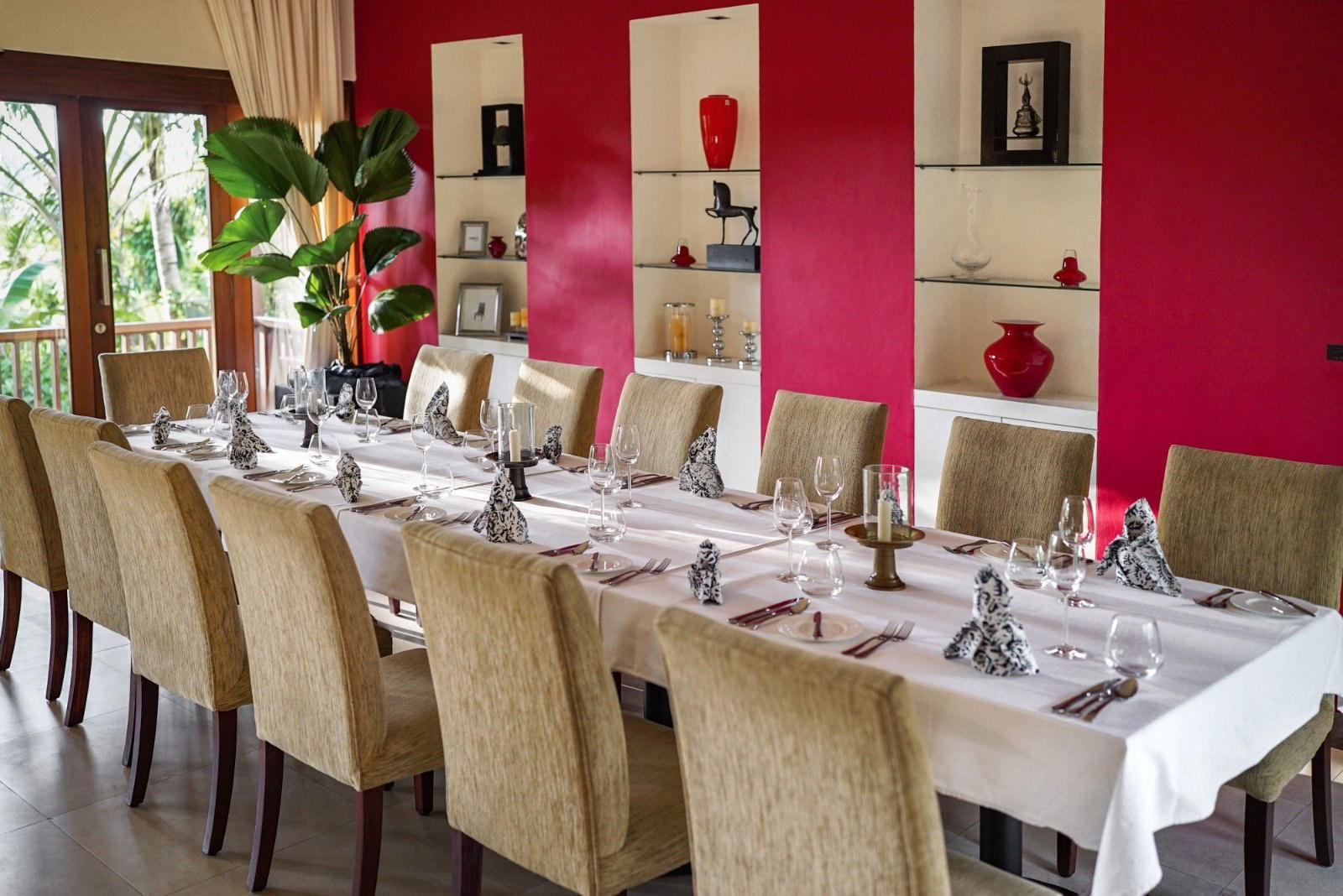
- Group Dining
- Brunch
- Live Music
- Garden
- Open Kitchen
- Zero Proof
- Organic
- Local Sourcing
- Farm To Table
Current opening hours
- Monday
- 8 AM–11 PM
- Tuesday
- 10 AM–11 PM
- Wednesday
- 8 AM–11 PM
- Thursday
- 8 AM–11 PM
- Friday
- 8 AM–11 PM
- Saturday
- 8 AM–11 PM
- Sunday
- 8 AM–11 PM
Hours can change for holidays and private events. Last verified .
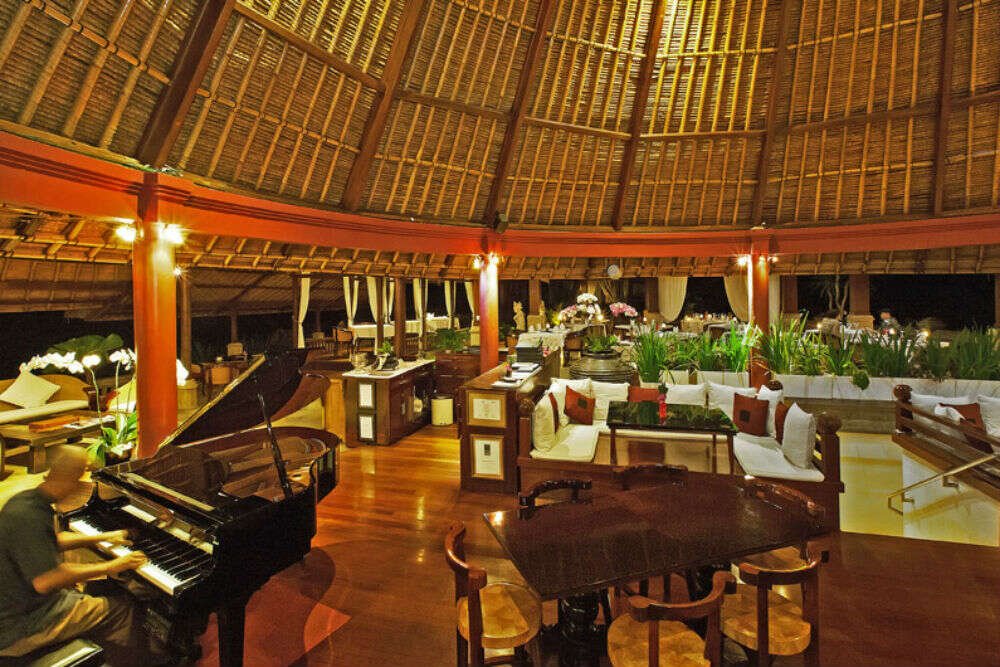
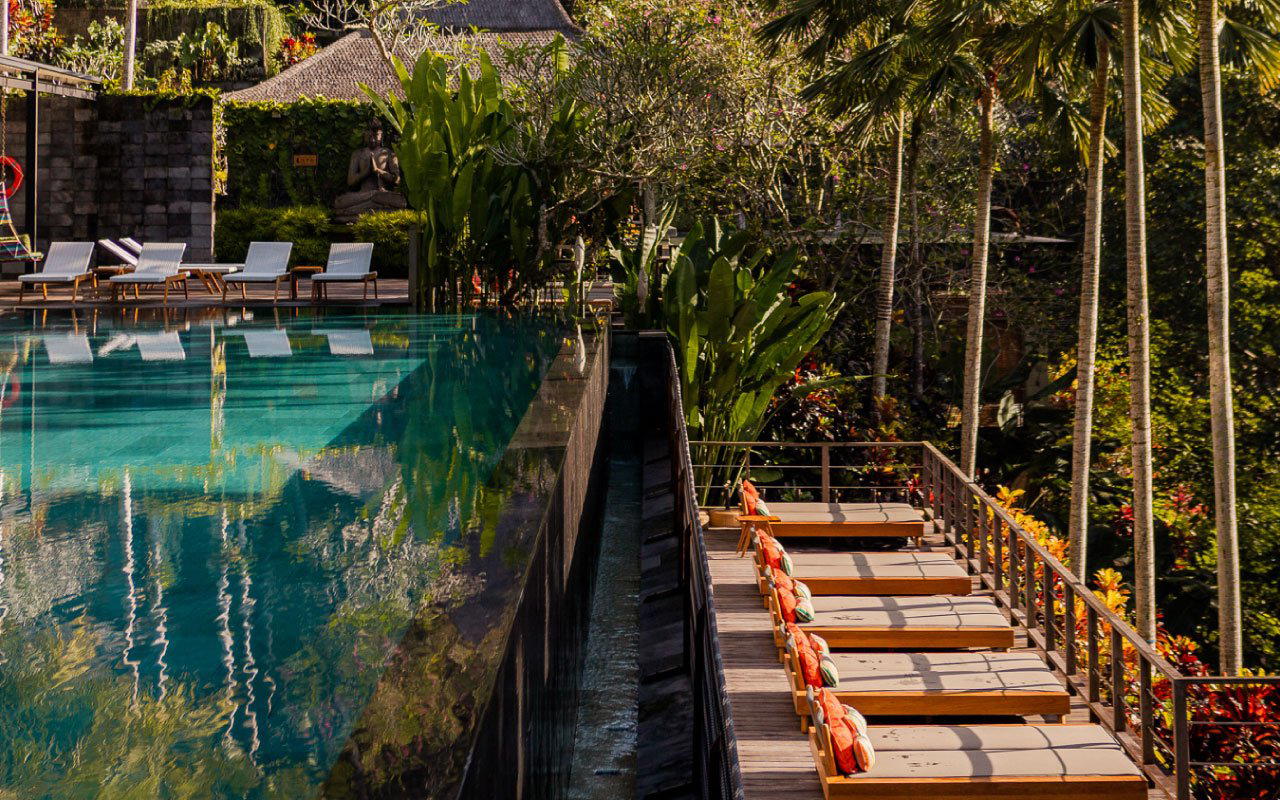
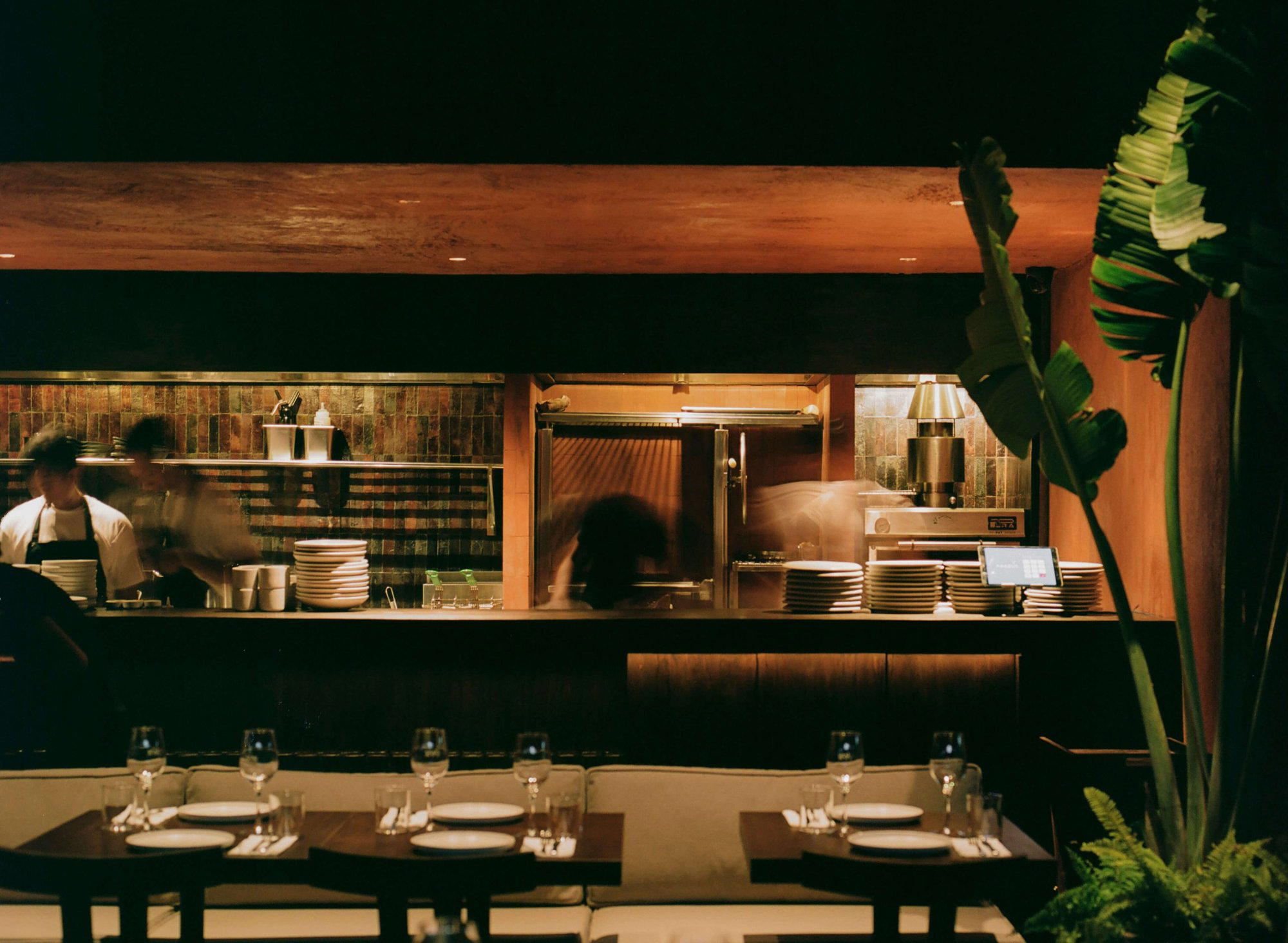
Warm, peaceful, and spiritually-oriented with soft live music, candlelit low lighting, beautiful thatched roof architecture, and thoughtful décor creating a serene community atmosphere.