
Tabelog 100 #25
Our verdict
Warajiya places Kyoto’s eel tradition inside a room built for lingering rather than counter-service speed. The draw is unagi, nabe, and bento in a house-style setting with tatami rooms, private rooms, 80 seats, and Tabelog 100 Unagi recognition in 2024, 2019, and 2018.

Pearl is the En Primeur Club membership app, where members save venues, book tables and use the concierge.
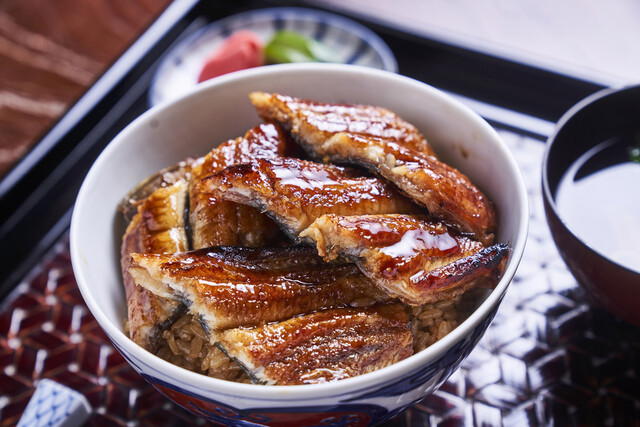
The menu
What to order
- Unabe eel hotpot
- Uzosui eel rice porridge
- Mamushi gozen grilled eel rice set
- Mamushi bento
- Shirayaki grilled eel
Approaching eel in Kyoto is rarely spectacle. The stronger signal is rhythm: a meal that slows the table, a format that understands comfort, and a style that lets broth, rice, and conversation carry the occasion. Warajiya belongs to that older Kyoto grammar. Its appeal lies less in novelty than in the way unagi can feel closer to seasonal custom than quick lunch.
Kyoto dining often splits between compact, chef-facing rooms where technique is watched closely and broader restaurant formats that suit a less hurried meal. Eel benefits from that second kind of thinking. Rich and ceremonial in Japan, it is often tied to stamina, summer heat, and rice carrying fat and sauce. A meal built around eel changes how that tradition lands.
A Kyoto eel room shaped for comfort and slower meals
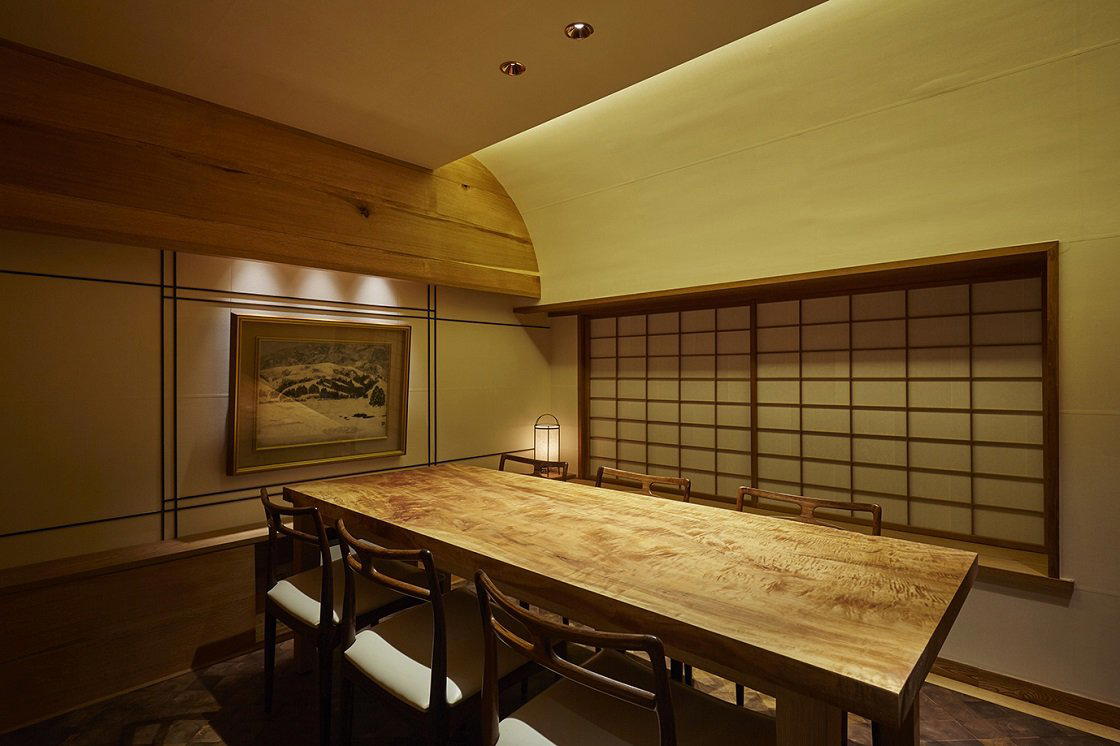
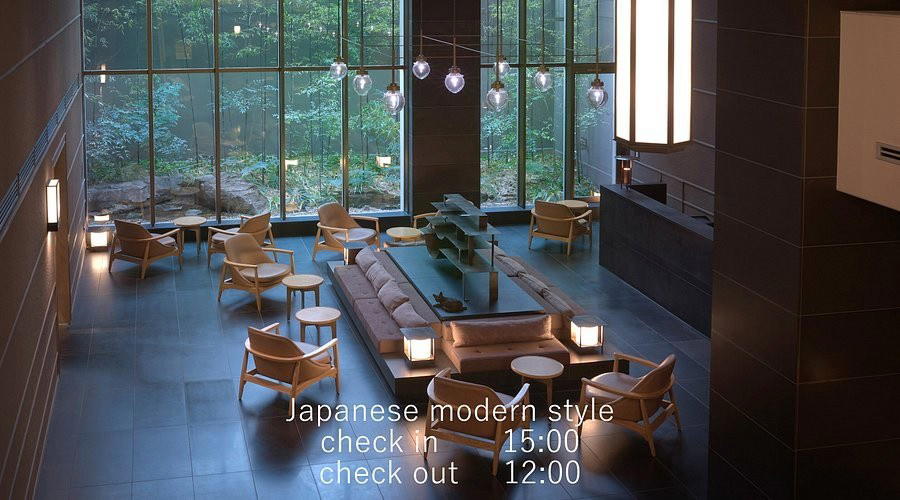
The spatial feeling is the useful lens. In a city where many serious restaurants have narrow footprints, Warajiya’s appeal is easier to read through pace and comfort than spectacle. Eel restaurants often serve occasions between everyday comfort and formal dining. A room-led meal puts it in a different planning category from a chef-counter evening.
The design cue is function, not luxury coding. Traditional Japanese dining can make a meal feel settled: the pacing moves diners along, while the food asks for a slower rhythm. For visitors building a Kyoto itinerary around daytime sightseeing and transfers, that is practical as well as atmospheric. Warajiya is best understood as a Kyoto restaurant suited to cuisine built around repetition, heat, and rice.
That character separates it from Kyoto’s casual price-and-format spectrum. Shaoxiao and Okonomiyaki Yoshino sit in lower-budget lanes, while Sushi Oga Higashiyama belongs to a tighter, high-precision mode. Warajiya occupies the middle: more structured and occasion-ready than a casual stop, less performance-driven than a sushi counter. The useful comparison is what kind of evening each format supports.
Unagi as a tradition, not a tasting-menu performance
Kyoto’s eel culture carries a different weight from kaiseki. Kaiseki is seasonal choreography; unagi is repetition honed into confidence. Warajiya’s listed categories, unagi, nabe, and bento, point to that older comfort structure. The official category set places the restaurant inside eel-specialist territory while also leaving room for hot pot and lunch-box formats.
The recognition matters because the category is narrow. Selection for Tabelog Hyakumeiten in 2024 places Warajiya among noted eel specialists rather than Kyoto restaurants generally. Tabelog’s 3.53 should not be read like a Western star rating; in Japan, category lists can say more about specialist credibility than a single score. For travelers choosing between general Japanese cuisine and focused eel, that unagi recognition is the relevant trust signal.
The format resists the tasting-menu arms race reshaping premium dining. Eel does not need a parade of courses to feel serious. The point is concentration: rice, broth, sauce, and fat balanced within familiar forms. That is why the setting matters. A Kyoto eel meal can feel civic and familial rather than precious.
For readers mapping Kyoto by genre, Warajiya pairs naturally with tradition-led stops rather than maximalist destination dining. Other Kyoto dining rooms, casual counters, and contemporary small-format restaurants each show a different local register. For a broader read, use Our full Kyoto restaurants guide, then widen trip planning through Our full Kyoto hotels guide, Our full Kyoto bars guide, Our full Kyoto wineries guide, and Our full Kyoto experiences guide.
How to place it within a Kyoto itinerary
The sharper use case is not a spontaneous snack. Warajiya works for travelers wanting a Kyoto meal with structure, comfort, and cultural specificity, especially when the plan calls for a slower rhythm than a counter typically offers. That combination gives it a different role from specialist restaurants built around direct chef interaction.
Price frames the decision. Lunch is listed around JPY 4,000 to JPY 4,999, and dinner around JPY 6,000 to JPY 7,999. That places it above casual Kyoto staples but below many high-end tasting menus. It fits a planned lunch or dinner better than a late, improvised night out, especially for diners who want eel as the anchor of the meal.
Kyoto’s dining map rewards specificity. A traveler could build one day around traditional sweets, eel, and Kyoto walking, then shift the next toward other contemporary restaurants in the city. The contrast is useful: one meal shows inherited dining forms; another shows Kyoto absorbing outside technique and contemporary pacing.
Readers comparing Japanese dining across cities can use Warajiya as a reference for how space changes cuisine. Other meals in Kyoto, Tokyo, Osaka, and beyond rely on different room logic: counters compress attention, cafés loosen the schedule, and specialist restaurants make a single genre feel ceremonial. Warajiya’s value is in showing how a focused eel restaurant can carry both everyday comfort and occasion.
The editorial case is clear: choose Warajiya when the room is part of the reason. Kyoto has many meals built around rarity; this one is better understood through continuity, comfort, and the structure of an eel restaurant that handles the specialist diner as well as a slower table.
Frequently asked questions
Where exactly is Warajiya?
Kyoto.
What does dinner at Warajiya typically cost?
Dinner at Warajiya is listed as JPY 6,000 - JPY 7,999; lunch is listed as JPY 4,000 - JPY 4,999.
Should I book Warajiya in advance?
For a planned Kyoto eel meal, booking ahead is sensible where available. Confirm current reservation details directly with the restaurant before visiting.
What is Warajiya known for?
Warajiya is known for unagi, and it was recognized in Tabelog Hyakumeiten in 2024. The listed categories also include nabe and bento, giving it a broader, practical range than a single-dish eel shop.
Is Warajiya allergy-friendly?
For diners with allergies, direct confirmation with Warajiya would be needed before ordering.
Would Warajiya be comfortable with kids?
The provided data does not specify a children policy. Families should check the venue's official channels for the latest details before visiting Kyoto.
Local
Comparable venues at similar price and category levels.
| Venue | Cuisine | Price | Awards | Notes |
|---|---|---|---|---|
| WarajiyaThis venue (the venue you are viewing) | Traditional Kyoto eel hotpot & porridge (unagi kaiseki-style) | $50–100 | Tabelog 100 #25 | Not listed |
| Shaoxiao | Hong Kong-style Cantonese Roast & Congee | $30–50 | Tabelog 100 #54 | JPY 4,000 - JPY 4,999 JPY 1,000 - JPY 1,999 |
| Okonomiyaki Yoshino | Traditional Okonomiyaki & Teppanyaki | $10–20 | Tabelog 100 #52 | JPY 1,000 - JPY 1,999 |
| Café Sekki | Seasonal Modern Japanese | Not listed | Not listed | Not listed |
| Sekki | Japanese Fusion | Not listed | Not listed | Not listed |
| Sushi Oga Higashiyama | Traditional Sushi Omakase | Not listed | Not listed | Not listed |
Recognition history
Dated appearances from independent guides and award organizations, with the underlying list record or original source where available.
Tabelog 100 #25 · No. 25
Tabelog · Tabelog 100 - Unagi - 2024
Continue exploring
More in Kyoto
Restaurants in Kyoto
All restaurants in Kyoto →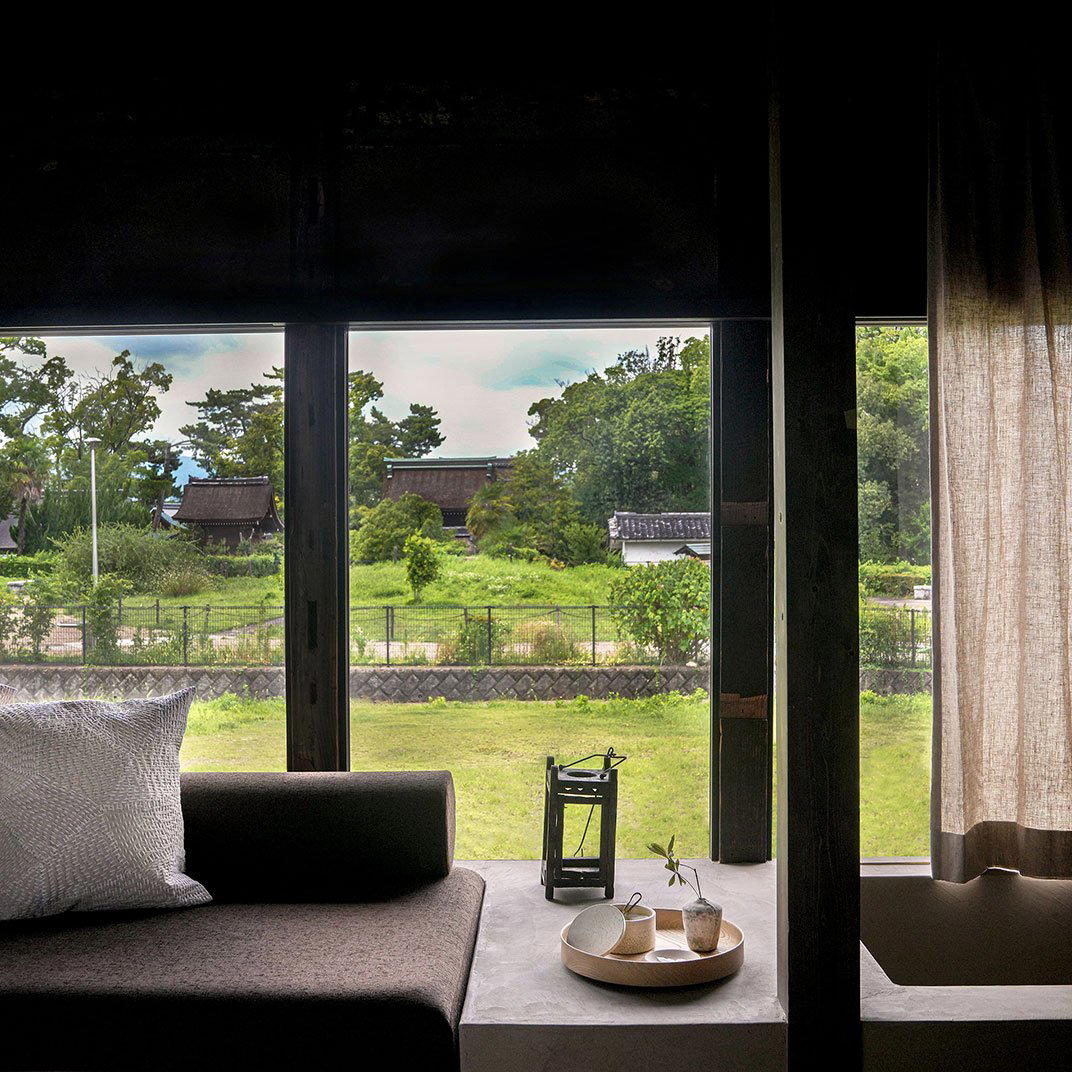

Bars in Kyoto
All bars in Kyoto →

Hotels in Kyoto
All hotels in Kyoto →

Wineries in Kyoto
Browse all →
Details
- Classic
- Cozy
- Romantic
- Well Known
- Intimate
- Elegant
- Special Occasion
- Date Night
- Group Dining
- Business Dinner
- Family
- Historic Building
- Private Dining
- Standalone
- Design Destination
- Sake Program
- Beer Program
- Local Sourcing
- Set Menu
- Tasting Menu
- Sake
- Beer
- Shochu
- Pescatarian Friendly
Traditional machiya-style interiors with tatami private rooms, low warm lighting, and a quietly formal yet welcoming atmosphere that evokes old Kyoto; some rooms, including the tea room mentioned in Tanizaki’s “In Praise of Shadows,” are lit softly like by andon lanterns for an intimate, contemplative feel.