Our verdict
Café Sekki belongs to Kyoto’s quieter hotel-café register: a place where the appeal is less spectacle than calibration, with Higashiyama’s temple-side rhythm shaping the meal. The stronger way to read it is through Kyoto’s sourcing culture, where vegetables, tea, rice, and seasonal sweets carry as much meaning as chef-led theatre.

Pearl is the En Primeur Club membership app — saves, bookings, and concierge access live there. Same editors, same standards.
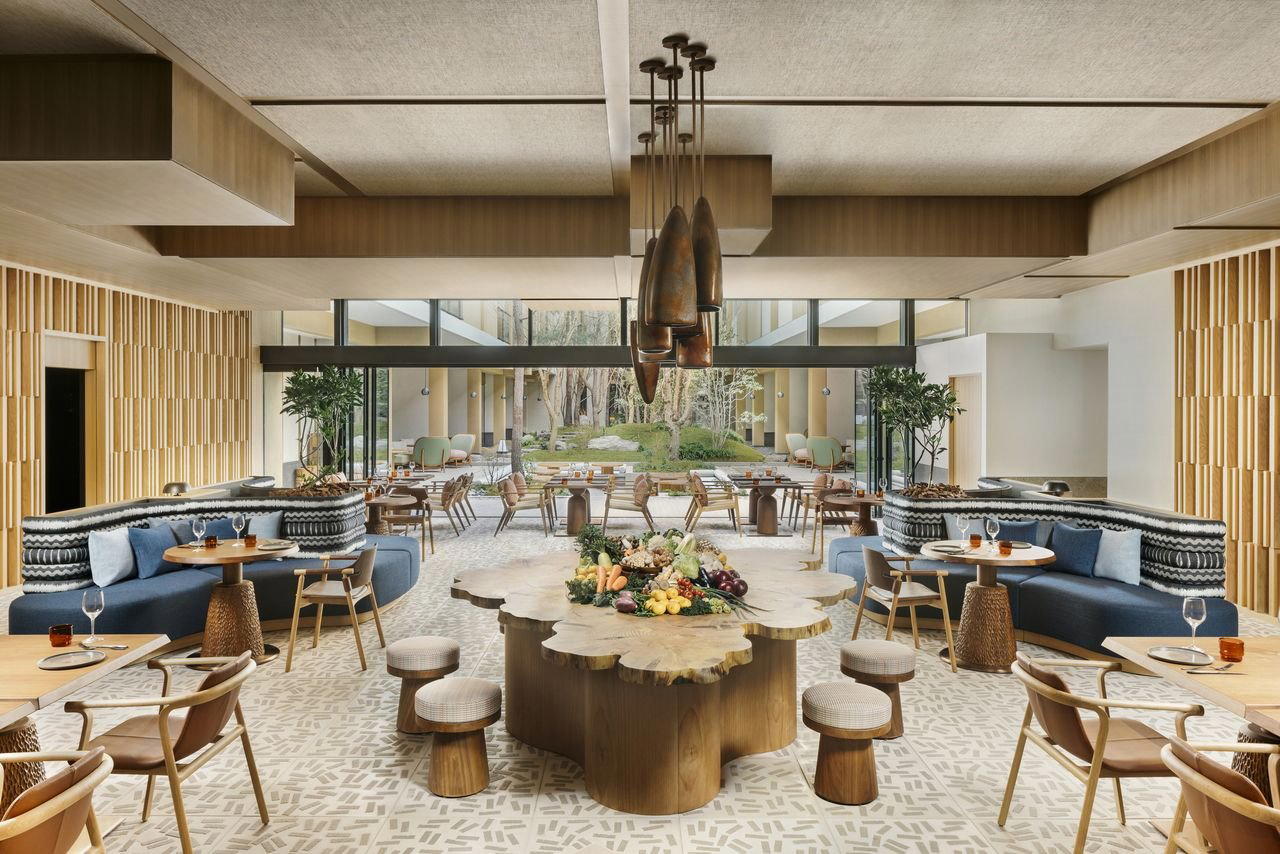
Approaching a café in Kyoto changes the expectation before the menu appears. The city can move at a slower pace: quiet streets, restrained interiors, visitors thinning into side routes, and a habit of measured service that can make even a larger dining room feel less public than its scale suggests. Café Sekki sits inside that Kyoto grammar. The useful question is not whether it performs as a destination restaurant, but whether it understands the city’s preference for restraint, season, and ingredient origin over theatrical plating.
Kyoto's café culture is built on season, not spectacle
Kyoto café dining has a different center of gravity from the more technical or appetite-led rooms found elsewhere in Japan. Here, the category often borrows from local dining logic without adopting the full ceremony: seasonality matters, tableware matters, and ingredients are expected to signal place. Regional produce, tea-drinking habits, and sweets shaped by long local traditions all sit behind the city’s café language, even when a room presents itself in contemporary hospitality style.
That sourcing lens is the right way to assess Café Sekki. The name may read as café, but in Kyoto that does not automatically mean casual in the international sense. The stronger café rooms in the city tend to work as translation spaces, taking local produce and tea-drinking habits into formats that travellers can read without a long explanation. This is where the venue’s setting matters: Kyoto brings a visitor audience, yet the surrounding dining culture rewards softness rather than volume. Nearby comparison points pull in different directions: Sushi Oga Higashiyama and Sushi Ginza Onodera represent a more counter-led end of the city’s premium dining spectrum, while Higashiyama Yoshihisa sits closer to a more formal lane. Café Sekki belongs to a lower-theatre, ingredient-facing lane rather than that reservation-driven bracket.
The ingredient argument is stronger than the luxury argument
Kyoto’s dining scene has become more crowded, but the better rooms avoid treating local produce as decoration. The city’s culinary tradition gives season serious status, not as a token gesture but as a core measure of place. That distinction matters at a café because the format can collapse into coffee, sweets, and generic comfort if it is not anchored in its surroundings. At Café Sekki, the editorial interest is the promise of a Kyoto café within a polished hospitality ecosystem: a room that should be judged by how clearly it reads the region’s produce calendar, not by how loudly it announces refinement.
For travellers building a Kyoto dining itinerary, that makes it a useful counterweight rather than a substitute for the city’s more formal meals. A day that includes a counter booking, a city walk, and a quieter café stop shows the city’s range better than stacking only elaborate reservations. Kyoto’s appeal lies in that compression: older streets, high-spec hospitality, private kitchens, and daytime sweets stops can share the same walking rhythm. PRIVATE KITCHEN SUMIYOSHI points to the city’s spread between accessible daytime eating and more deliberate evening formats. EMBA KYOTO GRILL adds the international-hotel grill lane. Café Sekki is better understood between those poles: less formal than a counter meal, more context-sensitive than a generic lobby stop.
The broader city map helps frame that choice. For compact Kyoto restaurant planning, EP Club’s Kyoto archive connects different registers, from casual city dining rooms, contemporary restaurant projects, and polished hospitality venues to the older pull of Kyoto sweets shops. The wider planning rails sit in Our full Kyoto restaurants guide, Our full Kyoto hotels guide, Our full Kyoto bars guide, Our full Kyoto wineries guide, and Our full Kyoto experiences guide.
How to place it in a Kyoto itinerary
Café Sekki makes the cleanest sense as a pause in Kyoto rather than the anchor meal of a trip. That is not a criticism. Kyoto rewards pacing, and the city’s daytime eating can be as revealing as its formal dinners when the room pays attention to season and setting. Use it around sightseeing, check-in time, or a lighter interval between heavier meals. The decision point is simple: choose it when the itinerary needs quiet, local context, and a softer format; choose a counter or full-course meal when the night needs ceremony.
Travellers comparing Japan more broadly can use the same logic elsewhere: category matters as much as city. A highly focused regional meal, a seafood-led address, or a coffee-led stop in another Japanese city answers a different need from a Kyoto café. For wider reference points, other dining rooms across Japan and abroad show how dining formats travel, narrow, and adapt. In Kyoto, the better read is narrower: season first, setting second, spectacle last.
Frequently asked questions
Is Café Sekki good for families?
Yes, the Kyoto setting makes it a practical stop for families moving between sightseeing and downtime. The location also helps if the day is built around Kyoto visits rather than a long sit-down meal.
What is the atmosphere like at Café Sekki?
Expect a quieter café setting rather than a high-energy dining room. Its Kyoto setting suits a slower pause within the city’s broader dining rhythm.
Where exactly is Café Sekki?
Kyoto.
Do I need a reservation for Café Sekki?
A reservation is sensible if the visit lines up with peak hours. For a more flexible plan, treat it as a scheduled pause in a Kyoto day rather than a spontaneous dinner booking.
How It Stacks Up
Comparable venues by cuisine and price in the same metro.
| Venue | Cuisine | Price | Awards |
|---|---|---|---|
| Café SekkiThis venue — the venue you are viewing | Seasonal Modern Japanese | Not listed | Not listed |
| Sushi Oga Higashiyama | Traditional Sushi Omakase | Not listed | Not listed |
| Higashiyama Yoshihisa | Innovative Seasonal Kaiseki | $300–500 | 2 Michelin Stars · Tabelog Bronze #527 |
| Sushi Ginza Onodera | Luxury Edomae Sushi Omakase | Not listed | Not listed |
| PRIVATE KITCHEN SUMIYOSHI | Seasonal Chinese by ex-hotel chef | $30–50 | Tabelog 100 #93 |
| EMBA KYOTO GRILL | Modern Kyoto Steakhouse | Not listed | Not listed |
Continue exploring
More in Kyoto
Restaurants in Kyoto
All restaurants in Kyoto →

Bars in Kyoto
All bars in Kyoto →
Hotels in Kyoto
All hotels in Kyoto →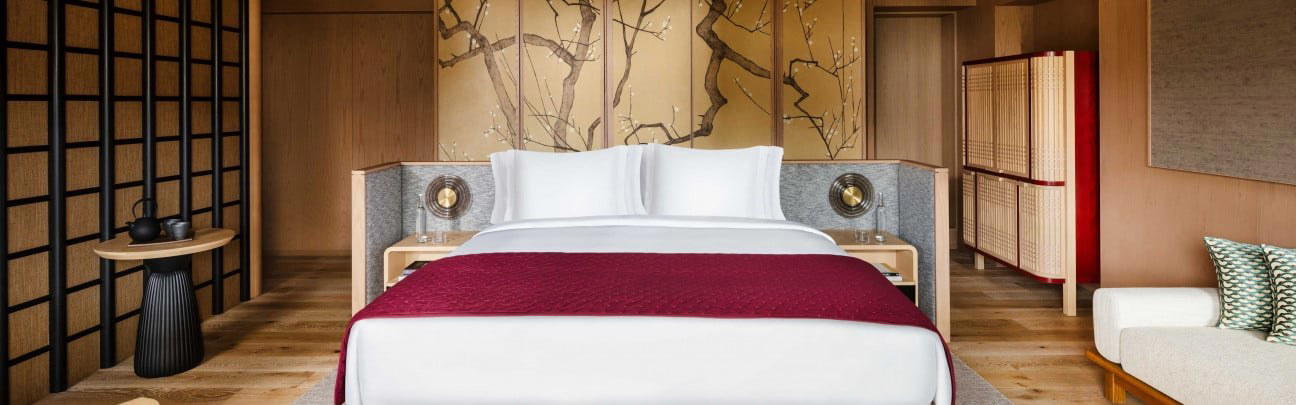
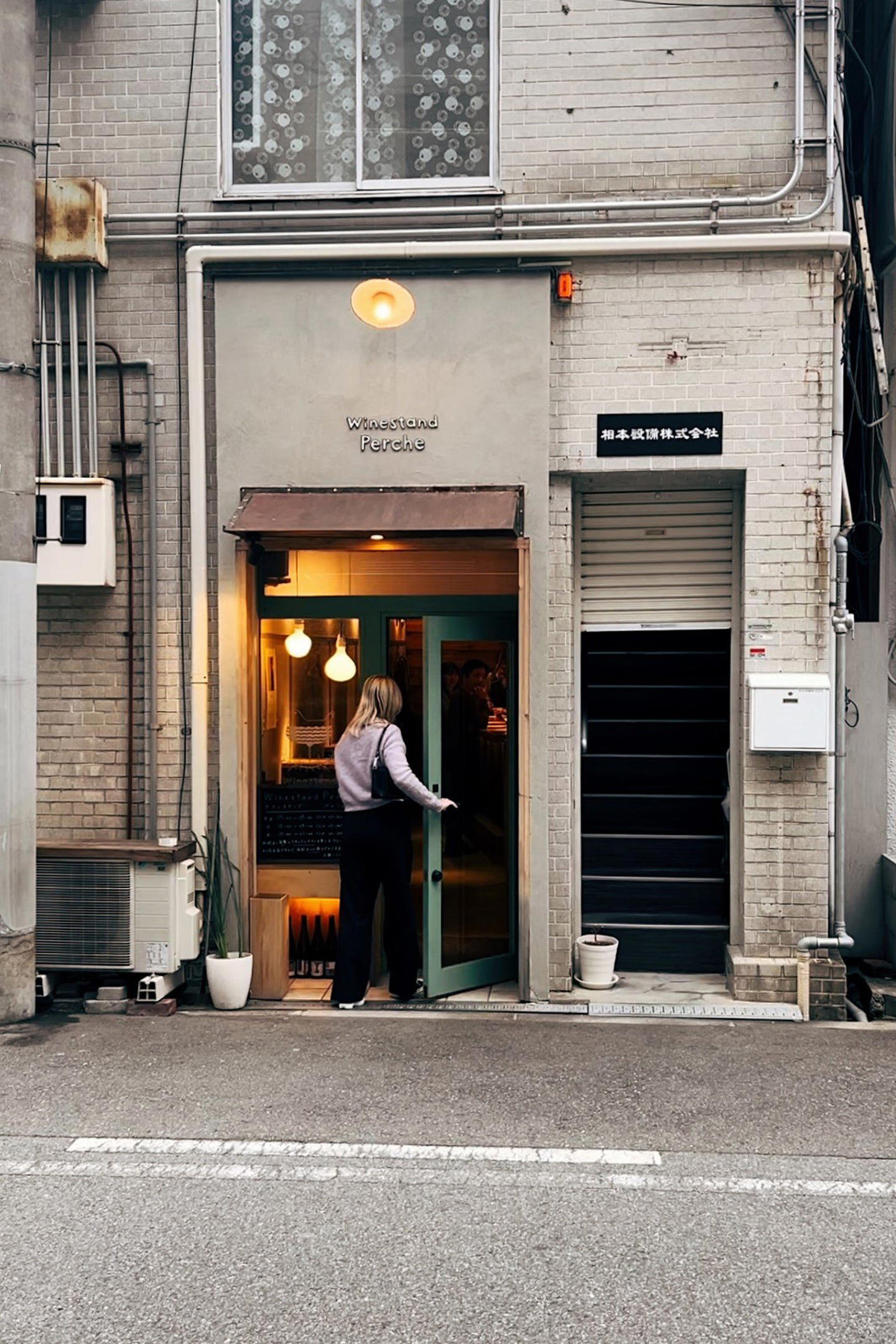
Wineries in Kyoto
Browse all →
Café Sekki
The wine
- Wine program
- Curated wine list
- Sake program
- Zero-proof drinks
Details
- Sophisticated
- Modern
- Elegant
- Quiet
- Cozy
- Date Night
- Special Occasion
- Business Dinner
- Solo
- Hotel Restaurant
- Open Kitchen
- Garden
- Sake Program
- Zero Proof
- Farm To Table
- Local Sourcing
- Organic
- Garden
- A La Carte
- Set Menu
- Omakase
- Craft Teas
- House Made Fermented Drinks
- Regenerative Organic Coffee
- Vegetarian Friendly
- Vegan Options
- Gluten Free Options
Current opening hours
- Monday
- 7–10:30 am, 12–2:30 pm, 3–5:30 pm, 6–9:30 pm
- Tuesday
- 7–10:30 am, 12–2:30 pm, 3–5:30 pm, 6–9:30 pm
- Wednesday
- 7–10:30 am, 12–2:30 pm, 3–5:30 pm, 6–9:30 pm
- Thursday
- 7–10:30 am, 12–2:30 pm, 3–5:30 pm, 6–9:30 pm
- Friday
- 7–10:30 am, 12–2:30 pm, 3–5:30 pm, 6–9:30 pm
- Saturday
- 7–10:30 am, 12–2:30 pm, 3–5:30 pm, 6–9:30 pm
- Sunday
- 7–10:30 am, 12–2:30 pm, 3–5:30 pm, 6–9:30 pm
Hours can change for holidays and private events. Last verified .
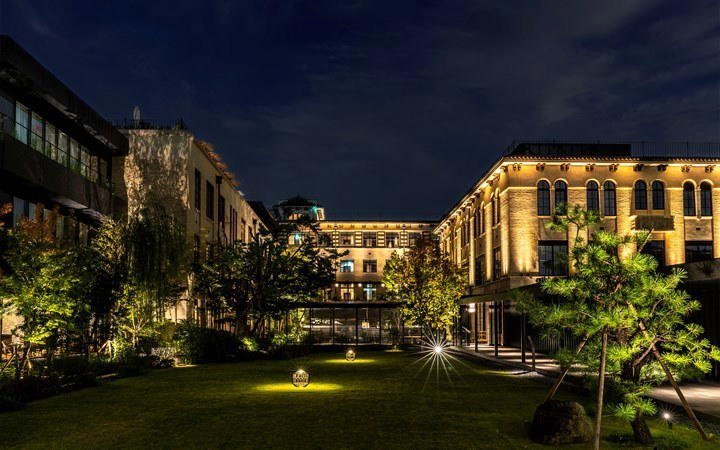
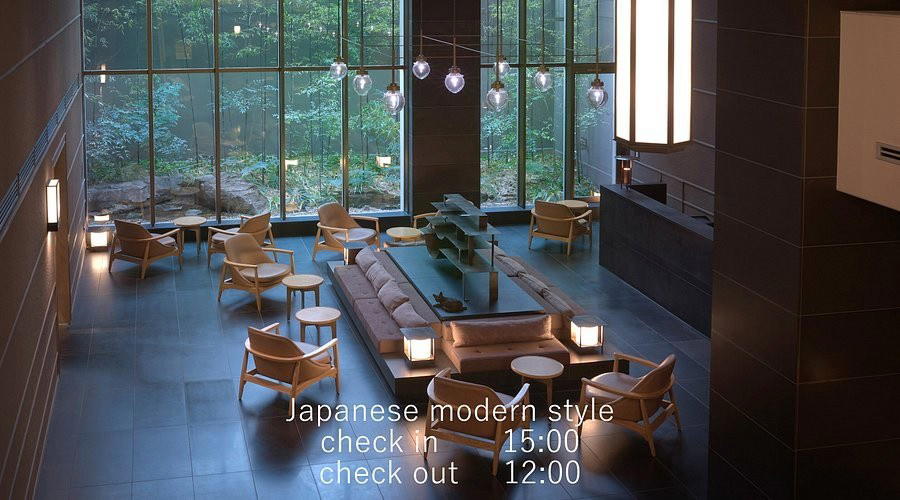
A welcoming, communal, indoor-outdoor restaurant atmosphere that feels refined, restorative, and design-conscious.