Wang Mester Mozium sits on Pasaréti út in Budapest's 2nd district, a quieter residential stretch that sits apart from the city's better-mapped dining corridors. The venue occupies a position in a neighbourhood where context matters as much as the plate, and where the surrounding Buda hills shape the register of what a meal here feels like. Travellers planning ahead will find this a rewarding detour from the Inner City circuit.
Pearl is the En Primeur Club membership app — saves, bookings, and concierge access live there. Same editors, same standards.
- Address
- Budapest, Pasaréti út 122-124, 1026 Hungary
- Phone
- +36709070654
- Website
- bit.ly
- Directions
- Get directions
 Saves & bookings on Pearl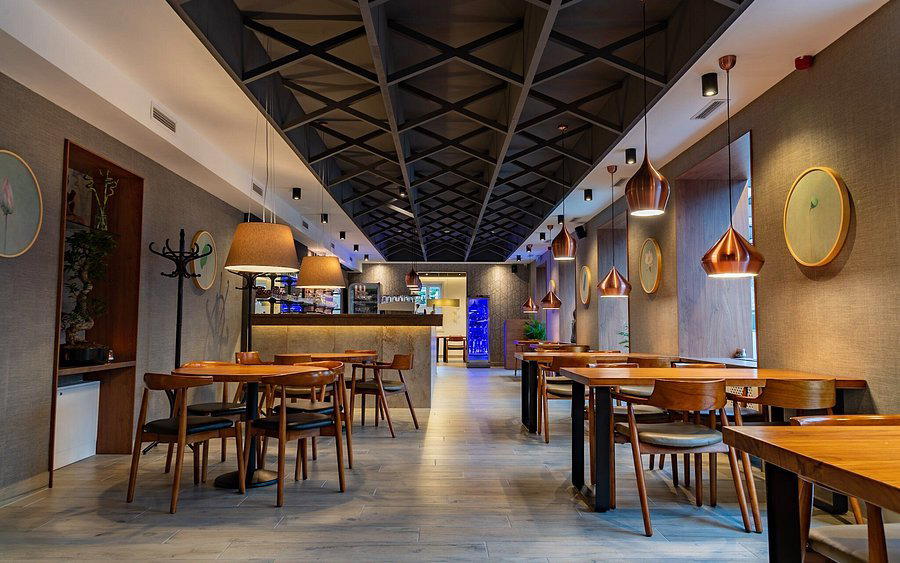
Pasaréti út and the Question of Where Budapest Eats
Budapest's dining conversation tends to collapse toward a few coordinates: the Inner City restaurants clustered around Erzsébet tér, the wine-kitchen format that Borkonyha Winekitchen (€€€ · Modern Cuisine) helped define, and the multi-course ambition of Costes (€€€€ · Modern Cuisine) or Stand (€€€€ · Modern Cuisine). But Budapest's 2nd district tells a different story. Pasaréti út runs through a leafy, residential part of Buda, where the housing stock turns to mid-century villas and the pace slows considerably from the Pest side's energy. Wang Mester Mozium sits at number 122-124, a stretch of road that most visitors to the capital never reach, and that locals treat as their own.
This geographic remove is not incidental. Across Central European cities with maturing food cultures, a pattern has emerged where neighbourhood-level restaurants in outer districts begin to carry a different kind of authority than their Inner City counterparts. They answer to a regular clientele that returns because the food is consistent, the room is familiar, and the experience is embedded in a community rather than performed for it. The address alone tells you something about the register it occupies.
The Cultural Weight of Hungarian Hospitality in a Residential Setting
Hungarian dining tradition carries a set of expectations that even particularly ambitious contemporary restaurants in Budapest cannot entirely shed. The culture of vendéglő, the neighbourhood restaurant, runs deep. It is a format built around abundance rather than minimalism, around meat and fat and bread, around wine poured generously and conversation that extends well past the last plate. The vendéglő did not try to become the Michelin table. It had its own logic, its own loyalty structure, and its own definition of a good evening.
What has changed in the past decade is that this format has started to attract serious culinary attention, not to modernise it into abstraction, as Babel (€€€€ · Modern Cuisine) and essência (€€€€ · Modern Cuisine) do in their respective ways, but to refine it without erasing it. The question any serious restaurant in a residential Budapest neighbourhood must answer is where it sits on that spectrum. A venue at Pasaréti út 122-124 is, by geography alone, closer to the vendéglő tradition than to the tasting-menu circuit. That framing matters when you consider what to order, how to dress, and how much time to set aside.
Where Buda's Residential Dining Fits in the Hungarian Picture
Hungary's more interesting food story in recent years has not always been told from Budapest. Venues like Platán Gourmet in Tata and Pajta in Őriszentpéter have demonstrated that the country's provincial addresses can carry serious culinary ambition. Wine towns like Villány, represented by Halasi Pince Panzió, and historic market towns like Eger, where Forst-Ház Étterem és Kávézó operates, have developed their own dining identities tied to regional produce and wine culture.
Within Budapest itself, the Buda side has historically deferred to Pest for fine dining. The hills, the residential density, and the quieter street life have tended to produce a different category of restaurant, one oriented toward the neighbourhood rather than the reservation-booking visitor. Wang Mester Mozium's position in the 2nd district places it within that Buda tradition, where the dining experience is shaped as much by the surrounding residential calm as by what arrives on the table.
Visitors who have already worked through the Inner City addresses, Borkonyha Winekitchen, the tasting counters, the wine bars of the Jewish Quarter, and who want to understand how ordinary Budapest eats rather than how it performs for critics, will find Pasaréti út a more instructive stop than another contemporary European format.
What the Address Tells You About Planning a Visit
Pasaréti út 122-124 is in the upper reaches of the 2nd district, toward the edge of the Buda Hills. Getting there from central Pest involves crossing the Danube and heading west, whether by taxi, the 5 tram, or the 56 bus from Moszkva tér (Széll Kálmán tér). The journey takes roughly 20 to 30 minutes from the Inner City depending on traffic and connection. This is not a venue you pass on the way to something else. You go deliberately, which means the visit tends to be more relaxed and less subject to the time pressure that shapes Inner City dining. Plan a full evening rather than slotting it between other stops.
For visitors building a wider Hungarian itinerary, the country rewards exploration beyond Budapest. Aranysárkány Vendéglő in Szentendre is reachable in under an hour by HÉV suburban rail from Batthyány tér. BoriMami in Gyöngyös and Classic Grill Serbian Restaurant Underground in Szeged represent the range of Hungary's regional dining beyond the capital. For a different kind of afternoon, Astro Tea and Kávéház in Győr sits on the western rail corridor between Budapest and Vienna.
For travellers accustomed to the booking depth required at upper-tier addresses globally, a Buda neighbourhood restaurant operates on an entirely different timeline. The venue recommends reservations. Given the residential setting and likely local clientele, weekday visits may carry less competition for tables than weekends.
For those building a day around the 2nd district, La Pizza Del Lupo in Onga and Almalomb in Hosszúhetény offer points of comparison for how Hungarian and regional European cooking is being handled outside the capital's main circuits.
Side-by-Side Snapshot
Comparable venues nearby, for context on price, style, and recognition.
| Venue | Cuisine | Price | Notes |
|---|---|---|---|
| Wang Mester MoziumThis venue — the venue you are viewing | Authentic Chinese | $$$ | Not listed |
| Araz Restaurant | Contemporary Hungarian Bistro | $$$ | Pest |
| Pavillon de Paris | Classic French Bistro | $$$ | Varhegy |
| Spicy Fish Budapest | Authentic Sichuan Chinese | $$ | Ferencvaros |
| Búsuló Juhász | Hungarian Bourgeois Cuisine | $$$ | Gellerthegy |
| Carmel Étterem | Kosher Hungarian-Jewish | $$$ | Belvaros |
Continue exploring
More in Budapest
Restaurants in Budapest
Browse all →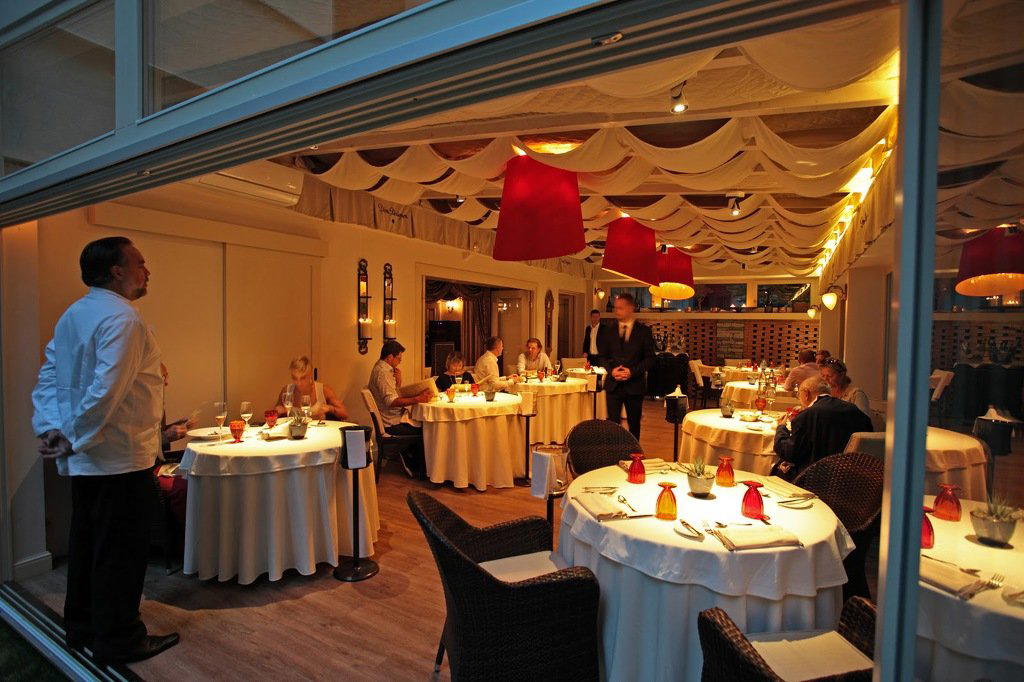
Bars in Budapest
Browse all →
Hotels in Budapest
Browse all →

At a Glance
- Modern
- Elegant
- Date Night
- Family
- Group Dining
Current opening hours
- Monday
- 11:30 AM–10 PM
- Tuesday
- 11:30 AM–10 PM
- Wednesday
- 11:30 AM–10 PM
- Thursday
- 11:30 AM–10 PM
- Friday
- 11:30 AM–10 PM
- Saturday
- 11:30 AM–10 PM
- Sunday
- 11:30 AM–10 PM
Hours can change for holidays and private events. Last verified .
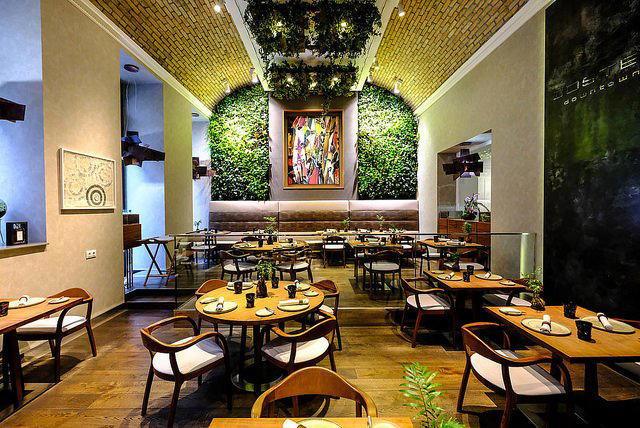
Modern and tasteful decoration with a beautiful environment, spacious seating, and pleasant terrace.