A Bavarian Wirtschaft in the Isar Valley south of Munich, Waldwirtschaft occupies the kind of forested riverside setting that defines the region's beer-garden tradition. The kitchen leans on locally sourced produce from the surrounding countryside, placing it squarely in the current movement toward provenance-led cooking at the community end of the market. For Munich day-trippers and Pullach locals alike, it represents a grounded alternative to the city's more formal dining scene.
Pearl is the En Primeur Club membership app — saves, bookings, and concierge access live there. Same editors, same standards.
- Address
- Georg-Kalb-Straße 3, 82049 Pullach im Isartal, Germany
- Phone
- +49 89 74994030
- Website
- waldwirtschaft.de
- Directions
- Get directions
 Saves & bookings on Pearl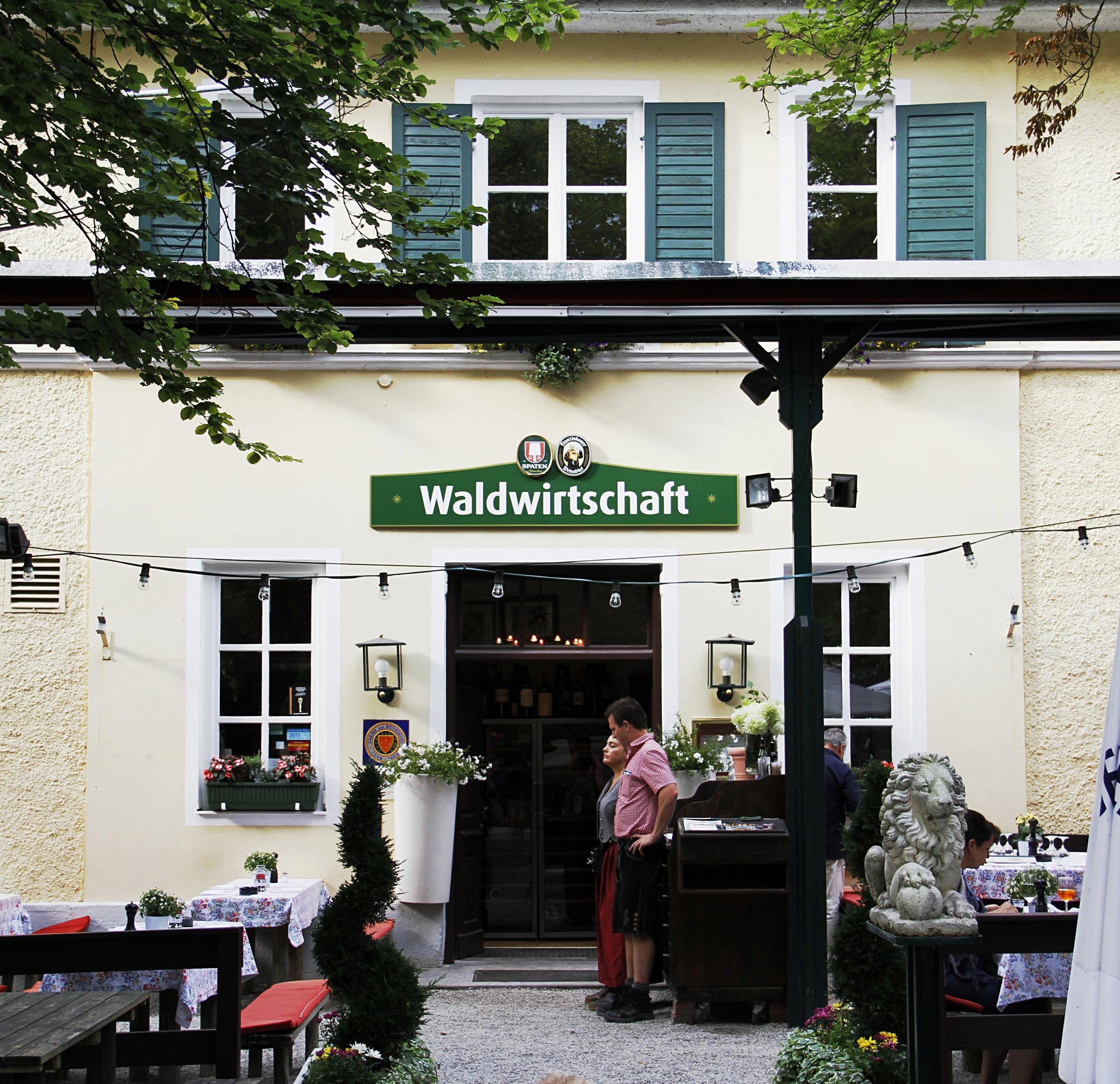
Forest, River, and the Bavarian Wirtschaft Tradition
The approach to Waldwirtschaft along Georg-Kalb-Straße already signals what kind of place this is. The Isar Valley south of Munich is defined by beech and pine forest pressing close to the river, and the Wirtschaft format — a hybrid of beer garden, community inn, and seasonal kitchen — evolved precisely in settings like this one. The tradition is older than fine dining in Germany, and in the villages strung along the Isar between Munich and the Alps, it remains a more reliable marker of local food culture than any restaurant guide entry. Pullach, a small municipality roughly ten kilometres south of Munich's city limits, sits at the geographic centre of that tradition.
The Wirtschaft model matters here because it shapes everything about the sourcing logic. Unlike the destination restaurants of the German fine-dining circuit, places like Schwarzwaldstube in Baiersbronn or Aqua in Wolfsburg, which operate within a European luxury supply chain, a functioning Wirtschaft draws its identity from proximity. The food on the table is supposed to reflect the land visible from the table. That is the unwritten contract of the format, and it is one that the leading Bavarian operators still honour.
Provenance as the Point
Bavaria's agricultural hinterland is one of the more varied in Central Europe: dairy farms on the Alpine foothills, market gardens along the Isar and Inn valleys, freshwater fish from the Ammersee and Starnberger See, and game from the forests that cover the region's higher ground. The ingredient sourcing logic of a place like Waldwirtschaft is rooted in that geography. Radishes, white asparagus in late spring, Obatzda made with Camembert from local dairies, freshwater Renke (coregonid) from the nearby lakes, and slow-roasted pork from regional farms form the spine of the Bavarian Wirtschaft repertoire.
This stands in useful contrast to the more internationally oriented sourcing at Munich's formal end of the market. JAN in Munich operates with a different supply logic, as does the creative tier represented by venues like CODA Dessert Dining in Berlin or Vendôme in Bergisch Gladbach. At that level, sourcing becomes a curatorial exercise across regions and borders. At the Wirtschaft level, it is more constrained and, in its own way, more demanding: you cook what the season and the surrounding countryside actually produce, not what a specialty importer can deliver on 48 hours' notice.
That constraint has forced the leading Bavarian kitchens into a kind of disciplined seasonality that northern European fine dining now actively pursues as an aesthetic. The difference is that in places like Pullach, it was never a choice.
Where Waldwirtschaft Sits in the Pullach Scene
Pullach's dining options are compact by design. The village has no particular tourist economy and no need to perform for visitors in the way that Alpine resort towns do. That makes its restaurants more legible as documents of local taste. Alte Brennerei and Rabenwirt form the other anchors of the local scene, and taken together these venues cover the range from traditional Bavarian to more contemporary regional cooking. For a fuller picture of how Pullach's dining works across price points and formats, the full Pullach restaurants guide maps the scene in detail.
Waldwirtschaft occupies the community end of that range. The beer-garden format means that seating, atmosphere, and the pace of service follow rules set by the setting rather than by a kitchen's ambitions. Tables are shared in high season. Orders are often placed at a counter. The food arrives without ceremony, which is itself a form of ceremony in this context.
The Broader German Provenance Conversation
The sourcing values implicit in a Bavarian Wirtschaft connect, at different register, to what Germany's more decorated kitchens are doing with regional ingredients. ES:SENZ in Grassau, also in Bavaria's Alpine foothills, brings a fine-dining framework to the same local ingredient base. Schanz in Piesport and Waldhotel Sonnora in Dreis operate within the German tradition of pairing regional produce with classical technique. Further afield, Restaurant Haerlin in Hamburg, Bagatelle in Trier, L.A. Jordan in Deidesheim, GästeHaus Klaus Erfort in Saarbrücken, and Victor's Fine Dining by christian bau in Perl each demonstrate how German regional identity can be expressed at the highest technical level. At the other end of the formality spectrum, the Wirtschaft format is doing something structurally similar, asserting regional identity through what is on the plate, but without the tasting-menu architecture. For comparative reference outside Germany, the community-table model has its own articulate practitioners: Lazy Bear in San Francisco and the produce-driven precision of Le Bernardin in New York City show how sourcing logic plays out across entirely different formats and price registers.
Planning a Visit
Waldwirtschaft is located at Georg-Kalb-Straße 3, 82049 Pullach im Isartal, in the Isar Valley south of Munich. The S3 S-Bahn line connects Munich's central stations to Pullach in under 20 minutes, making this a practical half-day trip from the city without a car. Beer gardens of this type in Bavaria typically operate from late spring through early autumn, with hours tied to daylight and weather rather than a fixed schedule, arriving in the early-to-mid afternoon on a clear day in May through September positions you well. Walk-in access is standard for the beer-garden section; indoor seating, where available, may have different arrangements. Current hours, seasonal opening dates, and any reservation options are best confirmed directly before visiting.
Comparable Spots, Quickly
| Venue | Cuisine | Price | Awards |
|---|---|---|---|
| WaldwirtschaftThis venue — the venue you are viewing | This venue | Not listed | Not listed |
| Schwarzwaldstube | French, Classic French | €€€€ | Michelin 3 Star |
| Aqua | Contemporary German, Italian/Japanese, Creative | €€€€ | Michelin 3 Star |
| Vendôme | Modern European, Creative | €€€€ | Michelin 2 Star |
| CODA Dessert Dining | Creative | €€€€ | Michelin 2 Star |
| Tantris | Modern French, French Contemporary | €€€€ | Michelin 2 Star |
At a Glance
- Rustic
- Lively
- Cozy
- Scenic
- Family
- Group Dining
- Casual Hangout
- Celebration
- Live Music
- Garden
- Terrace
- Historic Building
- Beer Program
- Garden
Current opening hours
- Monday
- Closed
- Tuesday
- Closed
- Wednesday
- 11 AM–11 PM
- Thursday
- 11 AM–11 PM
- Friday
- 11 AM–11 PM
- Saturday
- 11 AM–11 PM
- Sunday
- 11 AM–11 PM
Hours can change for holidays and private events. Last verified .
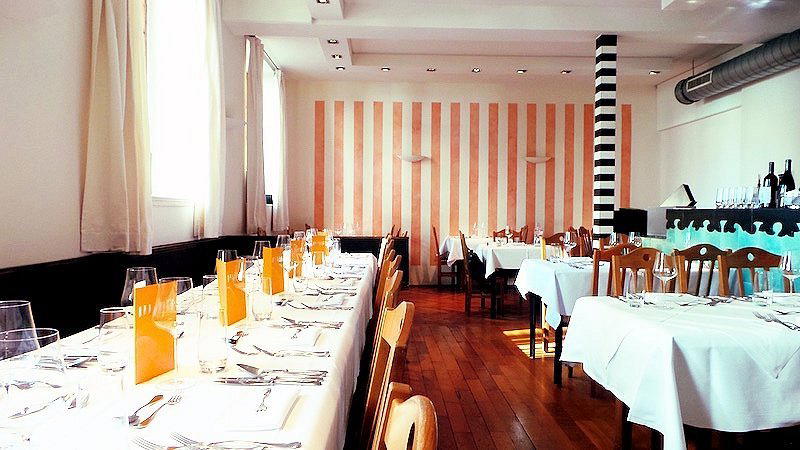
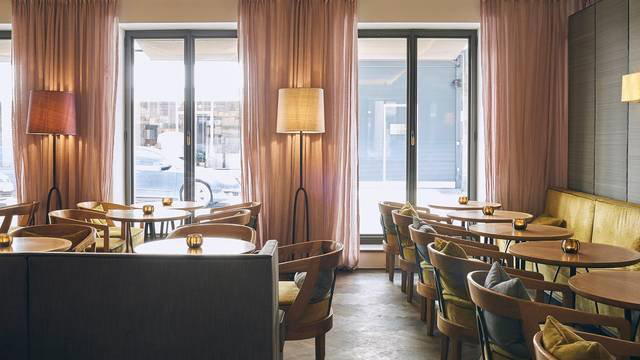
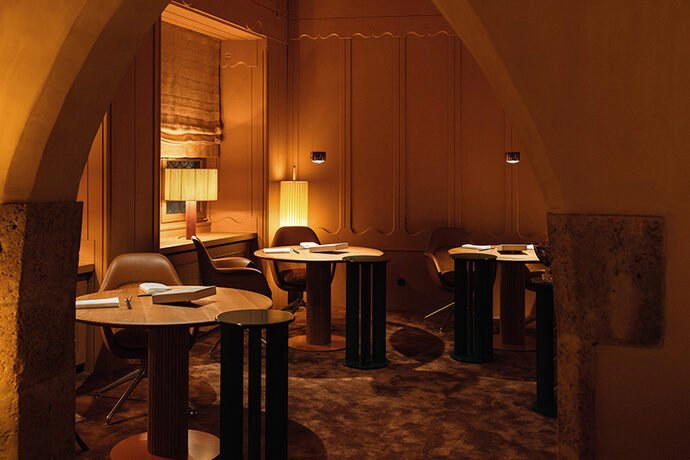
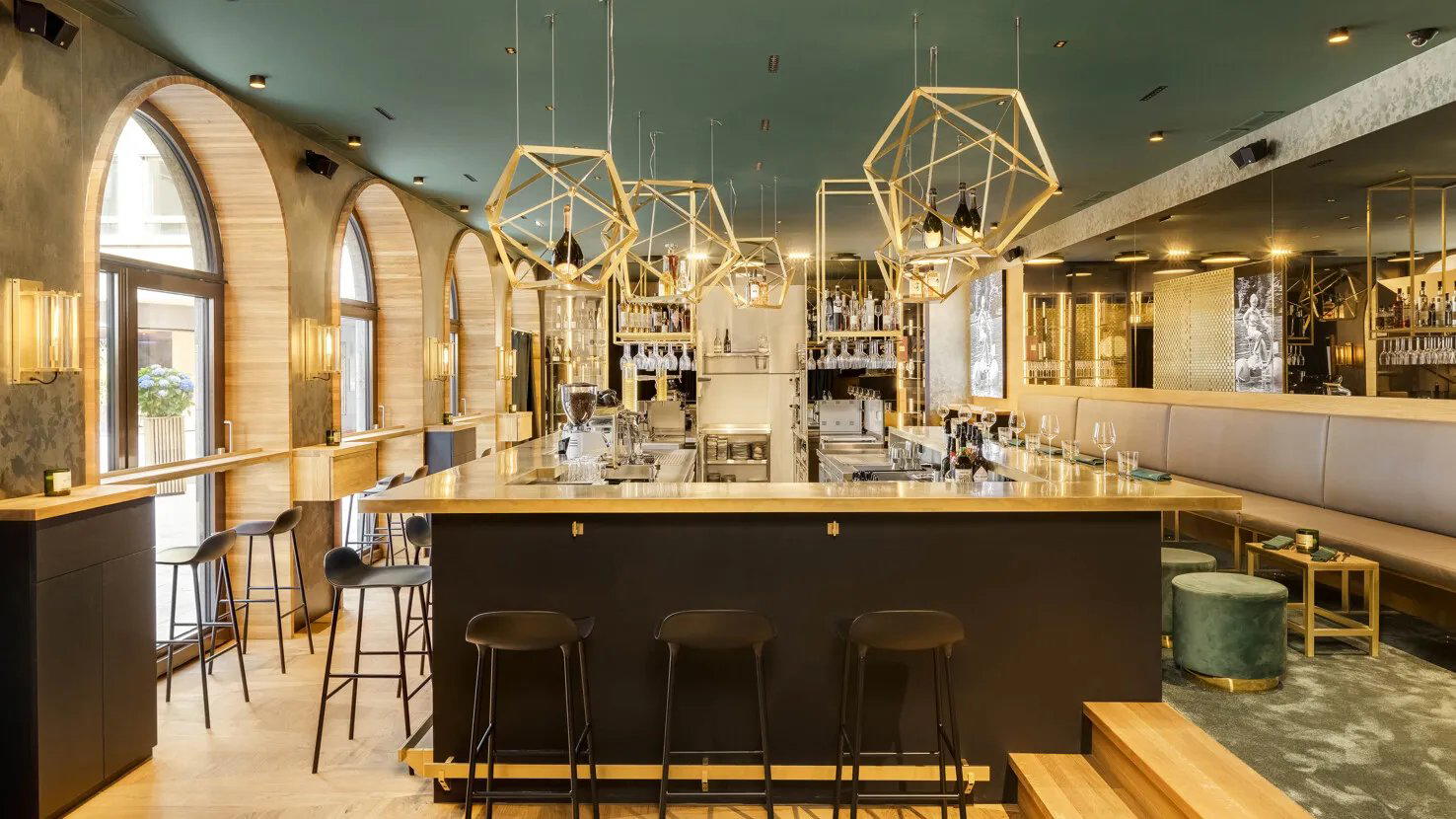
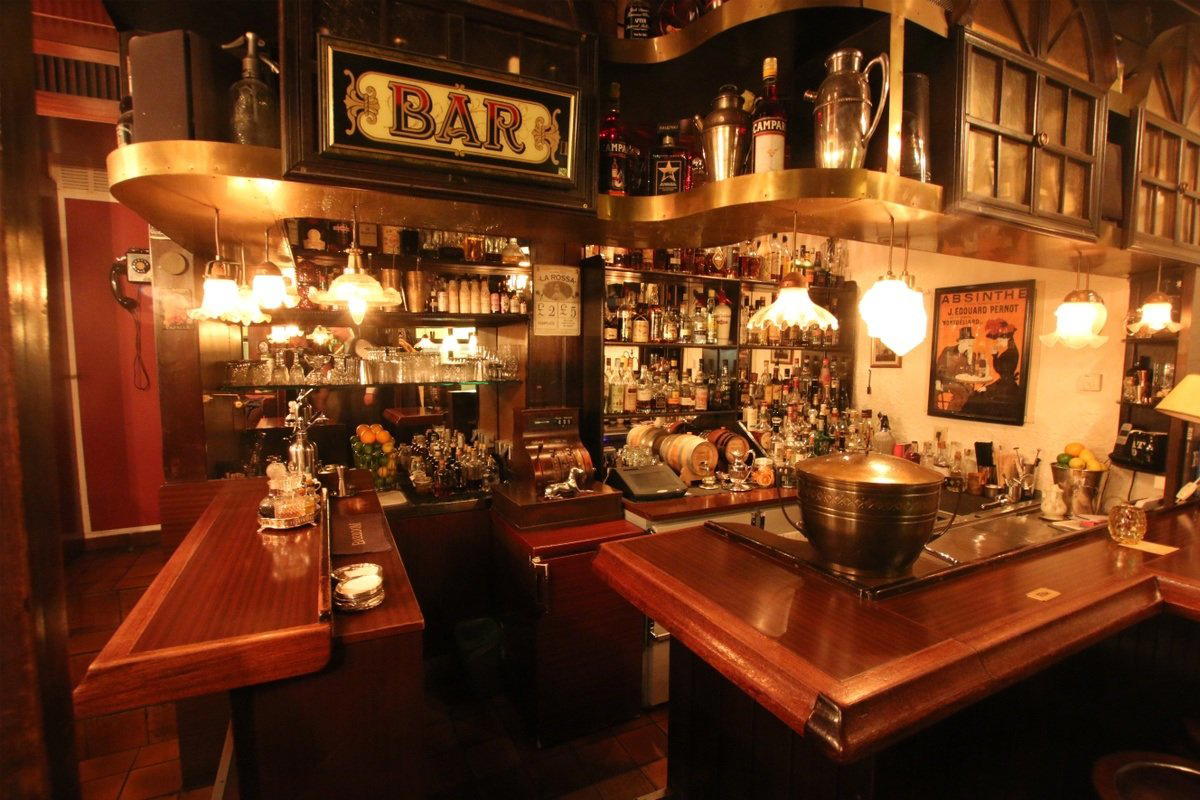
Casual rustic beer garden atmosphere with live jazz on Sundays, surrounded by greenery, transitioning to a cozy formal dining room indoors.