Rabenwirt occupies a church-square address in Pullach im Isartal, putting it at the quieter, village-rooted end of Munich's southern dining corridor. The format reads as a traditional Bavarian Wirtschaft, where the provenance of ingredients and the rhythms of the local agricultural calendar tend to shape what lands on the table. For those tracing the region's food culture beyond the city's fine-dining circuit, it represents a grounded alternative to the metropolitan polish of venues like JAN in Munich.
Pearl is the En Primeur Club membership app — saves, bookings, and concierge access live there. Same editors, same standards.
- Address
- Kirchpl. 1, 82049 Pullach im Isartal, Germany
- Phone
- +4949897930185
- Website
- rabenwirt.de
- Directions
- Get directions
 Saves & bookings on Pearl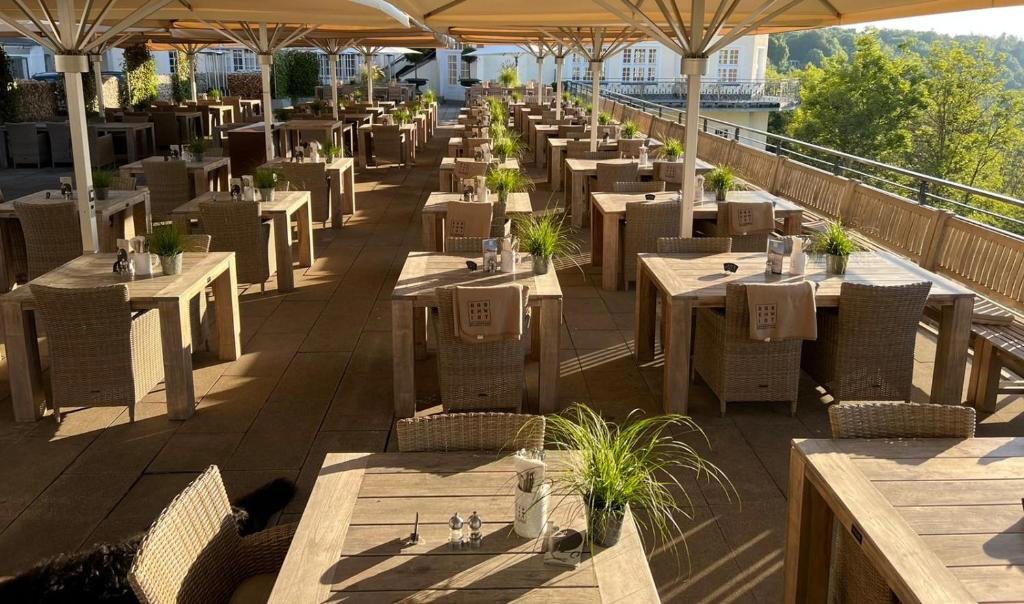
Church Square, Village Logic
Arrive at Kirchplatz 1 in Pullach im Isartal and the setting communicates something before you step through the door. The address — a church square in a small Isar Valley community roughly fifteen kilometres south of Munich's city centre — places Rabenwirt squarely within a tradition of Bavarian inn culture that developed not around urban foot traffic but around the rhythms of a working parish and its surrounding farms. That kind of address still carries meaning in Bavaria, where the Dorfwirtschaft (village inn) historically functioned as a combined meeting hall, seasonal larder, and social anchor. The physical approach, across a square framed by modest civic architecture, calibrates expectations in a specific direction: away from metropolitan finish, toward something more rooted.
Pullach itself sits at the edge of the Isartal, a stretch of river valley that has remained relatively low-density despite its proximity to one of Germany's wealthiest cities. The village attracts a mixture of Munich commuters and day-trippers following the Isar south on weekends, but it has not been substantially reworked by the kind of boutique hospitality investment that has reshaped comparable commuter zones in other European capitals. That relative quiet is part of what defines the local dining character. For the broader context of eating and drinking in the area, see our full Pullach restaurants guide.
The Ingredient Logic of Bavarian Inn Cooking
Across southern Bavaria, the most coherent village inns tend to organise their kitchens around a short, seasonally adjusted supply chain rather than a fixed menu identity. This is the opposite approach to the fine-dining model, where a tasting menu is composed months in advance and ingredients are sourced nationally or internationally to serve a predetermined creative vision. The Wirtschaft tradition asks the kitchen to respond to what is available locally, game from surrounding forests, freshwater fish from Alpine tributaries, dairy from valley farms, root vegetables from kitchen gardens, and to serve it within formats that locals recognise as their own. That responsiveness to source and season is itself a form of discipline, different from but not lesser than the technical rigour on display at places like Aqua in Wolfsburg or Schwarzwaldstube in Baiersbronn.
Rabenwirt sits within that Wirtschaft model. Church-square inns of this type in the Isar Valley have historically served as distribution points for whatever the immediate agricultural territory produced at a given moment in the year, roast meats in autumn, lighter preparations in summer, game as hunting seasons opened. The sourcing radius is small by design. That compression of distance between field and plate is increasingly positioned as a premium virtue at restaurants several price tiers higher, from ES:SENZ in Grassau to Vendôme in Bergisch Gladbach. In a traditional Wirtschaft, it simply reflects how the kitchen has always worked.
Where Rabenwirt Sits in the Local Tier
Pullach's dining offer is narrow enough that each venue occupies a fairly distinct position. Alte Brennerei and Waldwirtschaft represent the other significant options in the immediate area, with Waldwirtschaft in particular functioning as a destination beer garden that draws heavily from Munich on warmer weekends. Rabenwirt's church-square location sets it apart from both: more architecturally integrated into the village centre, more associated with the everyday rhythms of a local clientele than with recreational tourism.
That positioning matters for how you should think about using it. Visitors to southern Bavaria who have already engaged with the fine-dining tier, Restaurant Haerlin in Hamburg and Schanz in Piesport represent the level of technical ambition at the upper end of the German restaurant spectrum, often find genuine value in a meal that sits entirely outside that register. A well-executed Schnitzel or slow-braised pork knuckle in a room that has not been redesigned for Instagram is not a compromise. It is a different kind of eating, and in many respects a more honest representation of Bavarian food culture than the tasting-menu format that has migrated into Munich's higher-end restaurants.
The Regional Context Worth Understanding
Bavaria's food identity has always been more varied than its exported image suggests. The Weißwurst and pretzel shorthand obscures a serious tradition of freshwater fish cookery along the Isar and Inn rivers, a strong Alpine cheese culture, and a game-cooking practice that tracks closely with the forested terrain between Munich and the Austrian border. The leading traditional inns in this corridor have functioned as repositories of that knowledge, passing techniques and sourcing relationships through successive generations of kitchen staff. This is a fundamentally different model from the chef-driven creativity that defines places like CODA Dessert Dining in Berlin or ATAMA by Martin Stopp in Sankt Ingbert, but it is not without its own form of expertise.
For diners familiar with the kind of regional specificity that distinguishes, say, Le Bernardin in New York City within French seafood tradition, or Atomix in New York City within contemporary Korean cooking, there is an equivalent pleasure in tracing Bavarian inn food back to its agricultural sources. The difference is that in a village Wirtschaft, that tracing is implicit rather than narrated. No one explains where the pork came from. The assumption is that it came from somewhere close, because it always has.
Planning a Visit
Pullach im Isartal is accessible from Munich by S-Bahn on the S3 line, with the journey from the city centre taking around twenty minutes to Pullach station. From there, the church square is a short walk. The village is most comfortably visited outside peak summer weekends, when Waldwirtschaft draws large crowds and parking becomes difficult throughout the area. Midweek visits and autumn weekends, when the Isar Valley is at its most atmospheric and game cookery is in season, tend to offer the most representative experience of what the area's traditional dining is actually like.
As with most traditional Bavarian inns, booking ahead, particularly for dinner or weekend lunch, is advisable rather than optional. Venues at this level of local embeddedness often have a regular clientele that fills tables before visiting trade has a chance to claim them. Confirmed hours and reservation contact are leading verified directly with the venue, as this type of establishment does not always maintain a current online presence. Those comparing options across southern Bavaria at the fine-dining end of the spectrum will find a different but complementary reference point in venues such as Victor's Fine Dining by christian bau in Perl, Waldhotel Sonnora in Dreis, or Bagatelle in Trier.
How Rabenwirt Pullach compares with similar nearby venues.
| Venue | Cuisine | Price |
|---|---|---|
| Chang Bistro | Asian | €€ |
| Alter Wirt | Country cooking | €€ |
At a Glance
- Cozy
- Rustic
- Classic
- Casual Hangout
- Group Dining
- Terrace
- Local Sourcing
- Street Scene
Current opening hours
- Monday
- 11 AM–12 AM
- Tuesday
- 11 AM–12 AM
- Wednesday
- 11 AM–12 AM
- Thursday
- 11 AM–12 AM
- Friday
- 11 AM–12 AM
- Saturday
- 11 AM–12 AM
- Sunday
- 11 AM–12 AM
Hours can change for holidays and private events. Last verified .
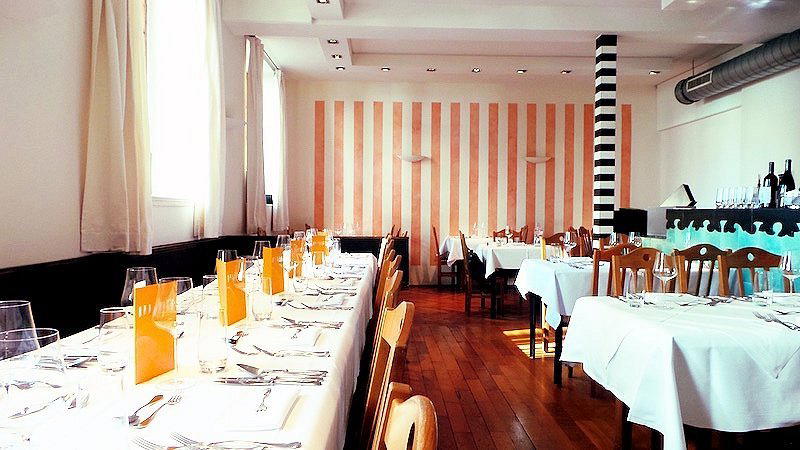
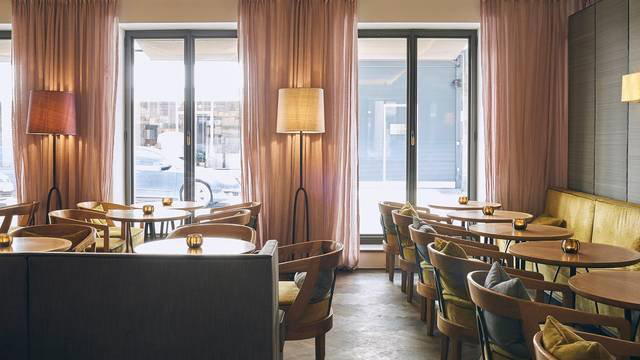
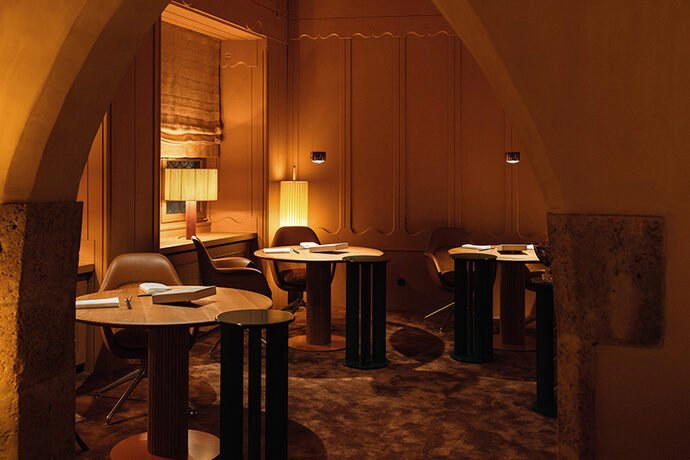
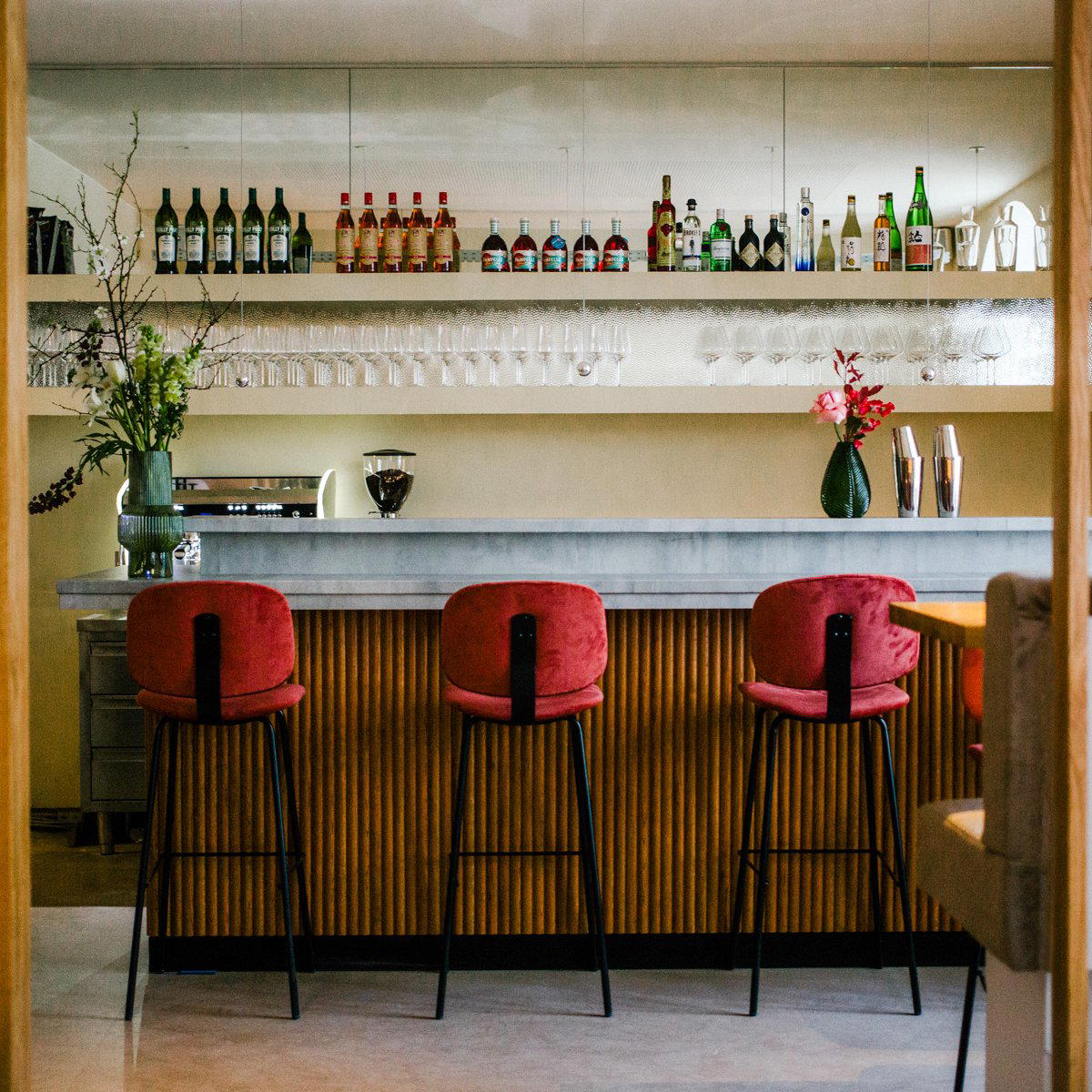
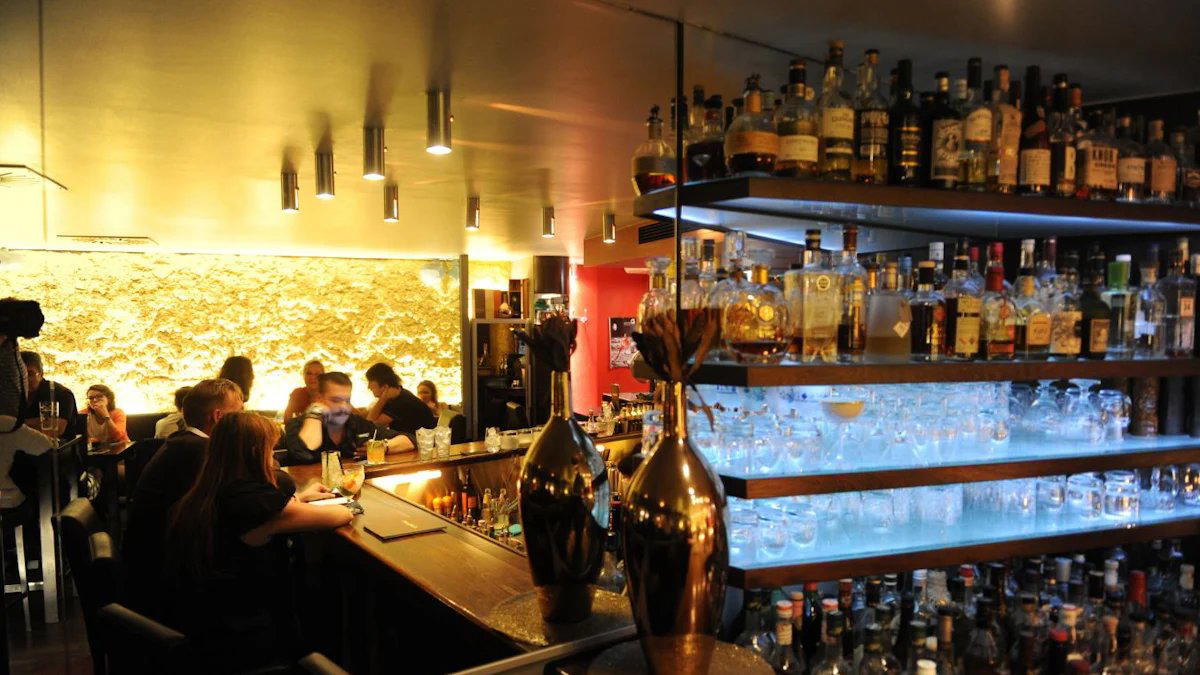
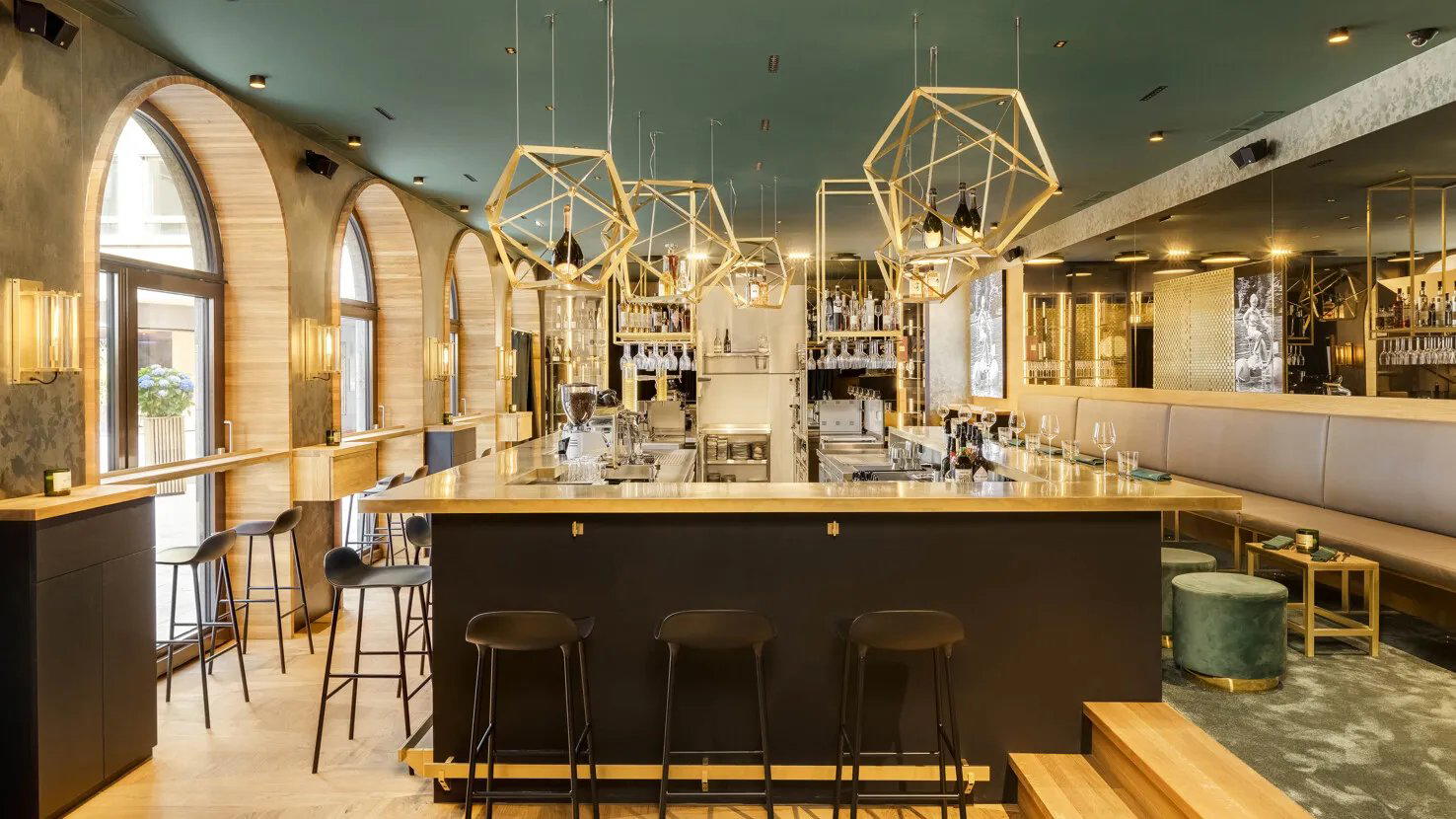
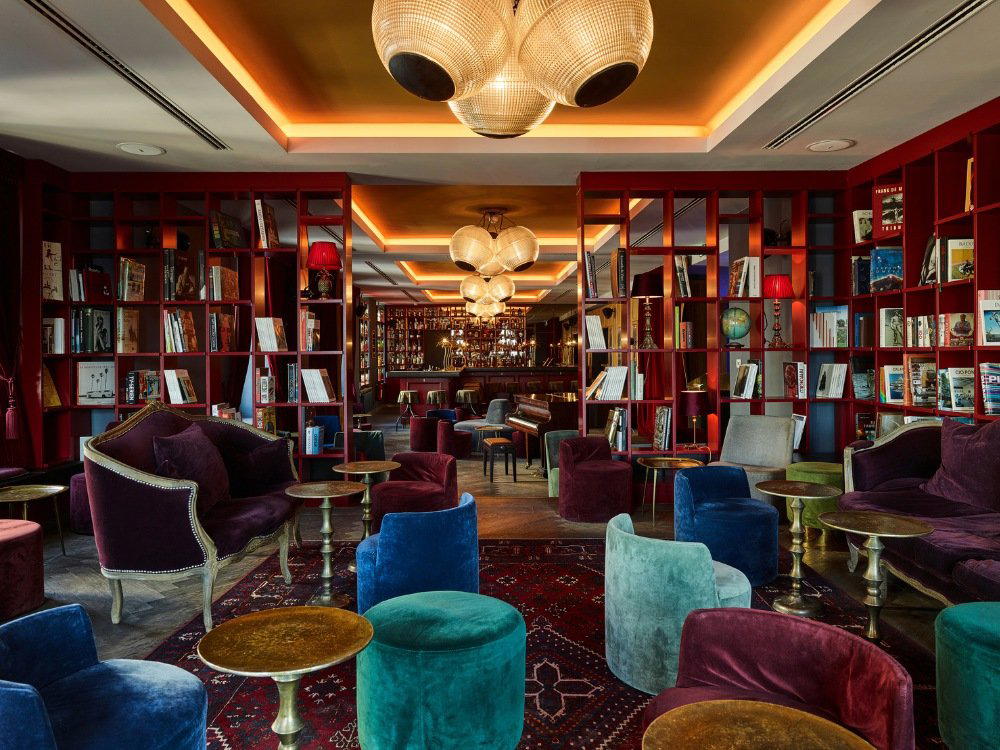
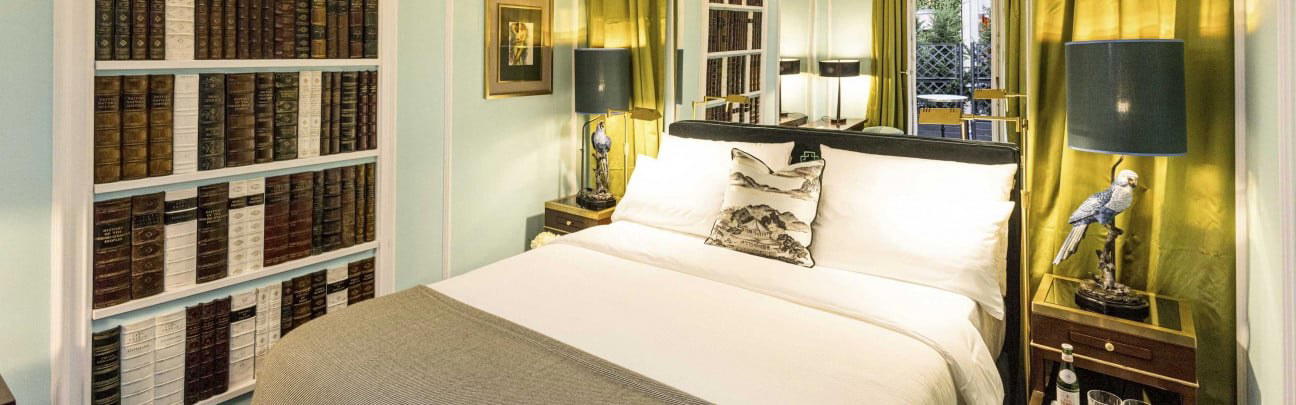
Cozy Bavarian style interior with modern touches and a stylish, relaxed terrace atmosphere.