ZAR Gaststätten GmbH serves Bavarian & International Gastropub fare with a beer program, local sourcing, and beer garden seating in Munich.
Pearl is the En Primeur Club membership app — saves, bookings, and concierge access live there. Same editors, same standards.
- Address
- Rosenheimer Str. 240, 81669 München, Germany
- Phone
- +498968096036
- Website
- zar-bar.de
- Directions
- Get directions
 Saves & bookings on Pearl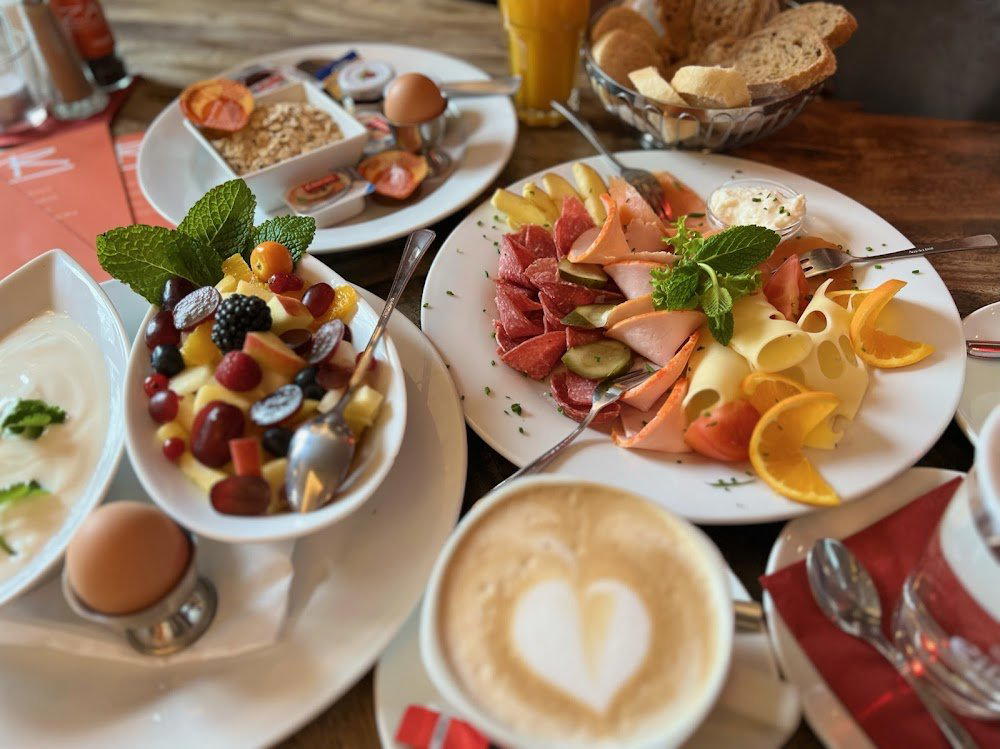
Where Haidhausen Meets the Table
Rosenheimer Strasse cuts through the eastern edge of Munich's Au-Haidhausen district with the confidence of a neighbourhood that has long been part of the city’s everyday dining life. This is working Munich, historically a brewers' and artisans' quarter, now a patchwork of Altbau apartments, independent traders, and local dining rooms. ZAR Gaststätten GmbH sits along this corridor at number 240, occupying an address that suits a direct neighbourhood meal.
The sourcing question remains a meaningful divide in Munich dining. On one end of the spectrum, the city's Michelin-decorated rooms, Tantris, Atelier, Alois - Dallmayr Fine Dining, and Tohru in der Schreiberei, operate with documented supply chains, kitchen gardening programmes, and seasonal menus calibrated to the Bavarian growing calendar. On the other, neighbourhood Gaststätten operate on proximity, repetition, and long-standing supplier relationships. ZAR Gaststätten GmbH belongs to that tradition, where sourcing is practical and consistent.
The Bavarian Gaststätte as Sourcing Format
The Gaststätte as a category deserves some unpacking, particularly for visitors whose frame of reference is Munich's fine dining tier. Germany's neighbourhood tavern tradition assumes proximity to production. In Bavaria, meat, dairy, and grain often travel shorter distances than in many European cities, giving local restaurants easy access to regional raw materials. A Gaststätte in this part of Munich treats sourcing as operational baseline. That context is worth keeping in mind before comparing Rosenheimer Strasse kitchens to the city's tasting-menu rooms.
This regional dynamic places Munich's traditional dining sector in an interesting position relative to Germany's broader restaurant geography. The fine dining tier is well documented: Aqua in Wolfsburg, Schwarzwaldstube in Baiersbronn, Vendôme in Bergisch Gladbach, and Victor's Fine Dining by Christian Bau in Perl carry the kind of award architecture that makes their sourcing philosophies legible and verifiable. For venues operating beneath that tier in a region as agriculturally connected as Bavaria, the sourcing logic is real but quieter, embedded in the operational fabric of the kitchen rather than communicated through tasting notes and menu headers.
Au-Haidhausen and the Eastern Dining Corridor
The neighbourhood context shapes what any restaurant at this address does and does not need to be. Au-Haidhausen has been a mixed-use residential and commercial district for long enough that it has its own internal food culture, distinct from the tourist-facing Innenstadt or the gallery-and-restaurant density of Maxvorstadt. The eastern corridor of Munich, running along the Isar river and connecting through to the Gärtnerplatzviertel, has seen gradual gentrification without wholesale character change. Restaurants here serve a customer base that includes long-term residents alongside newer arrivals, which creates demand for consistency and value over spectacle.
That dynamic separates the eastern neighbourhoods from the pressure zones of the city centre, where visitors from outside Munich constitute a significant fraction of any restaurant's clientele. A Gaststätte at this address answers to a different room. The seasonal produce of the Bavarian calendar, the pork and veal cuts from regional suppliers, the bread traditions specific to this part of southern Germany: these form the foundation of kitchens in this corridor whether or not any particular restaurant chooses to foreground them on the menu.
For visitors building a Munich dining itinerary, the full Munich restaurants guide covers the city's range from neighbourhood to destination tier. The creative tasting-menu end of the spectrum includes JAN, which operates in the creative format with the kind of sourcing rigour that generates documented press attention. The neighbourhood end operates differently, with less documentation but no less commitment to the regional supply lines that Bavaria makes available.
Placing ZAR in the Broader German Scene
Munich's dining scene is occasionally under-read by international visitors who arrive with expectations calibrated to Paris or Tokyo. The German capital of eating, by many measures, is not Munich but a distributed system: Restaurant Haerlin in Hamburg, CODA Dessert Dining in Berlin, Schanz in Piesport, and ES:SENZ in Grassau, the last of which sits close enough to the Bavarian foothills to share some of Munich's regional supply advantages. Bagatelle in Trier and Waldhotel Sonnora in Dreis represent the more rural German fine dining model, where sourcing from the surrounding countryside is both operational necessity and culinary identity.
ZAR Gaststätten GmbH does not compete with any of those addresses. It operates in a different register entirely, one that international comparisons such as Le Bernardin in New York City or Atomix in New York City help to define by contrast. The point is not ambition or award count; the point is that Munich's neighbourhood dining tradition sits in a European context where Bavarian proximity to quality agricultural production gives local Gaststätten a structural baseline that their equivalents in other major cities cannot replicate without deliberate sourcing effort.
Planning Your Visit
Rosenheimer Strasse 240 is accessible from central Munich via the S-Bahn eastern corridor, with several stops within walking distance of the address. Au-Haidhausen restaurants at this price and format level tend to be walk-in or short-notice in booking terms, though specific booking policies for the restaurant were not available at time of writing. Visiting during weekday lunch hours or early weekday evenings typically gives the clearest read of what a neighbourhood Gaststätte in this district is doing at its most consistent. Weekend service in this part of Munich runs busier, with a more mixed clientele of locals and visitors moving east from the city centre.
The restaurant is open Monday to Thursday from 11 AM to 12 AM, Friday from 11 AM to 1 AM, Saturday from 10 AM to 1 AM, and Sunday from 10 AM to 12 AM. Reservations are recommended, and the price tier is moderate.
Quick reference: the restaurant, Rosenheimer Str. 240, 81669 München. Neighbourhood Gaststätte in Au-Haidhausen; reservations recommended.
Quick Comparison
Comparable venues nearby, for context on price, style, and recognition.
| Venue | Cuisine | Price | Notes |
|---|---|---|---|
| ZAR Gaststätten GmbHThis venue — the venue you are viewing | Bavarian & International Gastropub | $$ | Not listed |
| Wirtshaus in der Au | Traditional Bavarian with Innovative Dumplings | $$ | Au |
| HOCHREITER'S Steirer am Markt | Traditional Bavarian & Alpine Cuisine | $$ | Altstadt |
| Löwenbräukeller | Traditional Bavarian Beer Hall | $$ | Neuhausen |
| Das Neuhausen | German & European All-Day Dining | $$ | Neuhausen |
| Klinglwirt | Organic Bavarian Tavern | $$ | Haidhausen |
At a Glance
- Lively
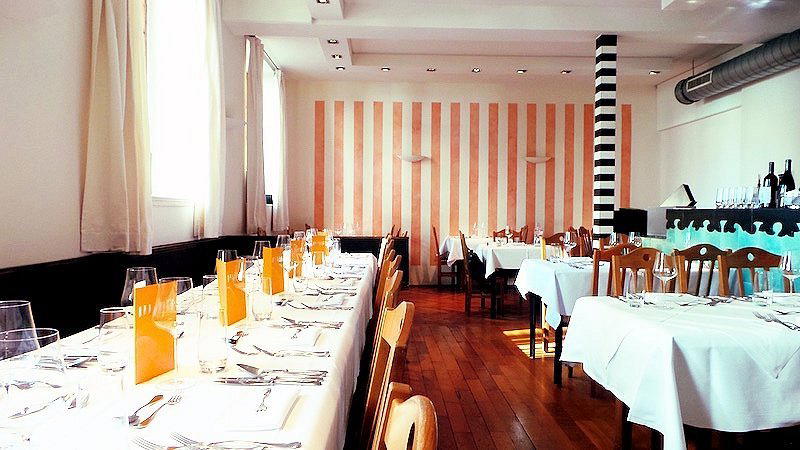
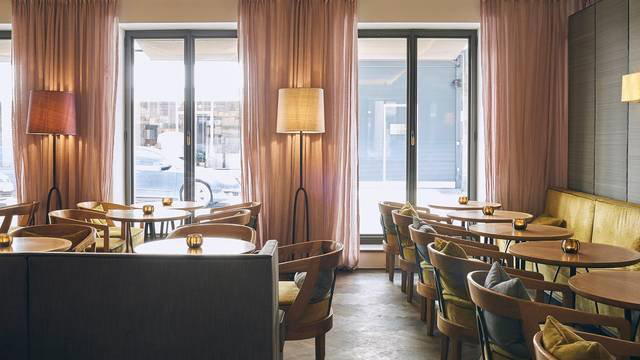
- Cozy
- Casual Hangout
- Brunch
- Beer Garden
- Beer Program
- Local Sourcing
Current opening hours
- Monday
- 11 AM–12 AM
- Tuesday
- 11 AM–12 AM
- Wednesday
- 11 AM–12 AM
- Thursday
- 11 AM–12 AM
- Friday
- 11 AM–1 AM
- Saturday
- 10 AM–1 AM
- Sunday
- 10 AM–12 AM
Hours can change for holidays and private events. Last verified .
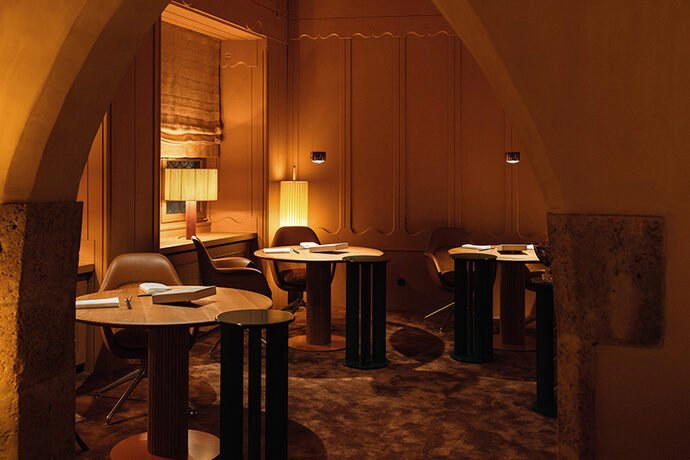
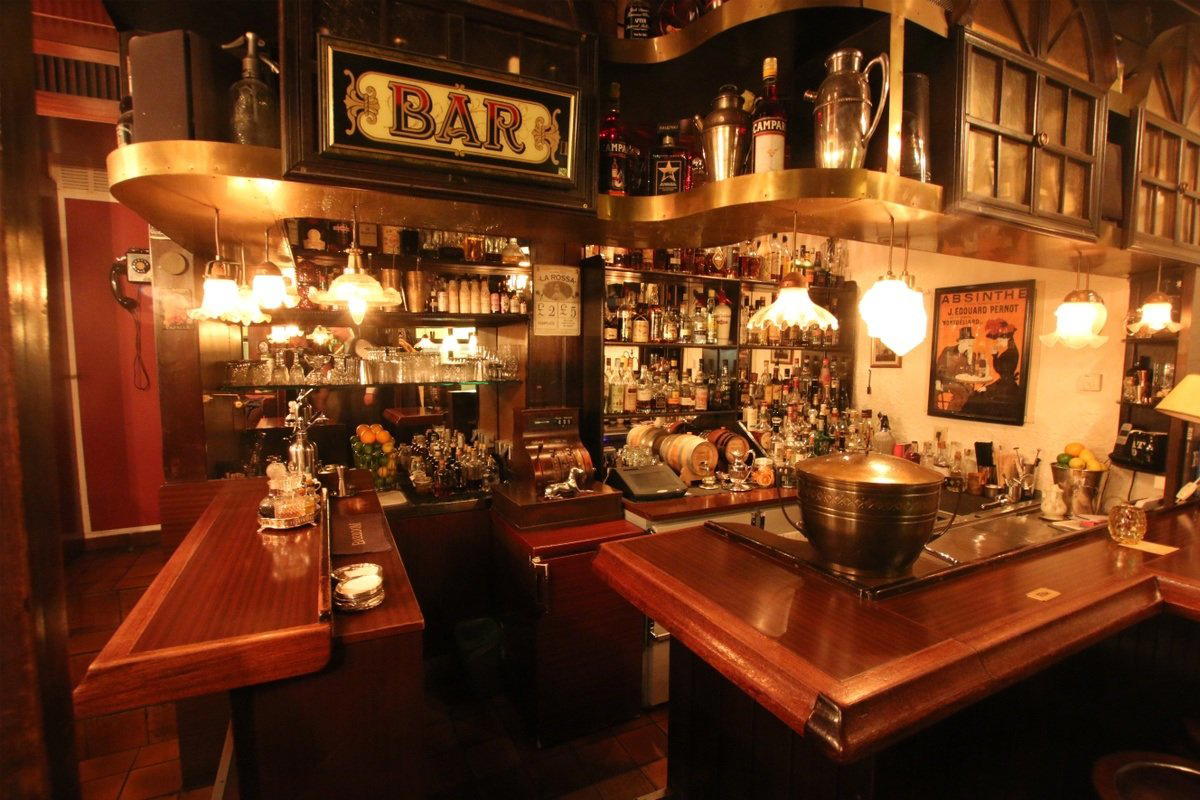
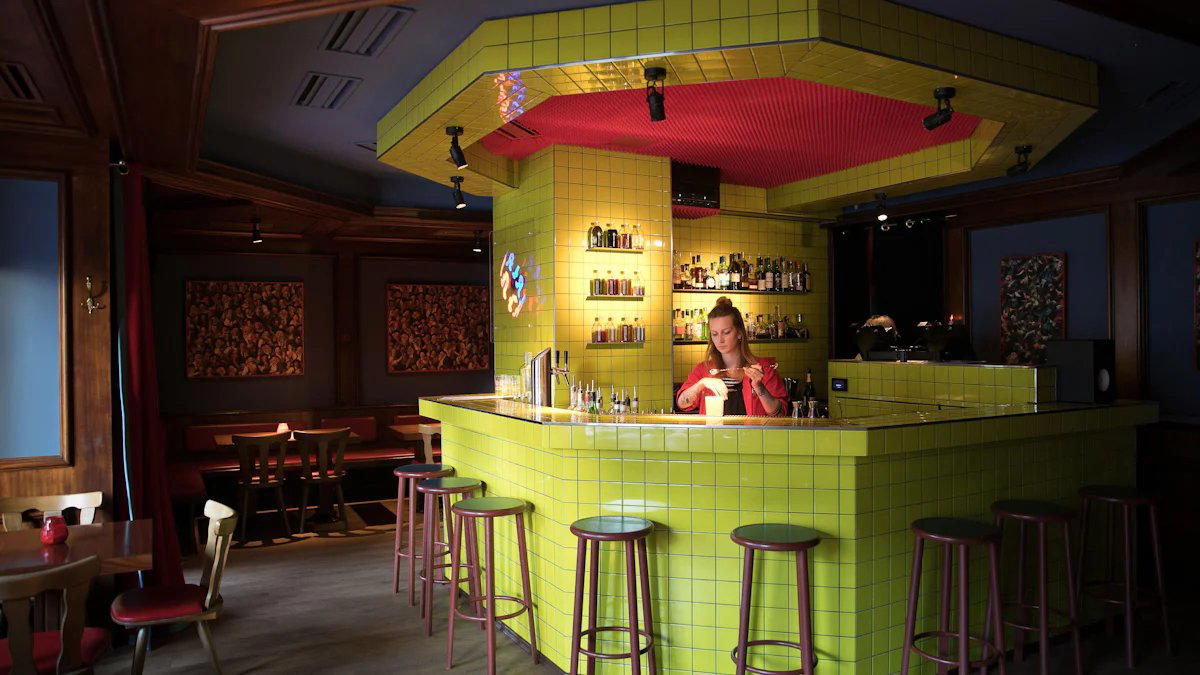
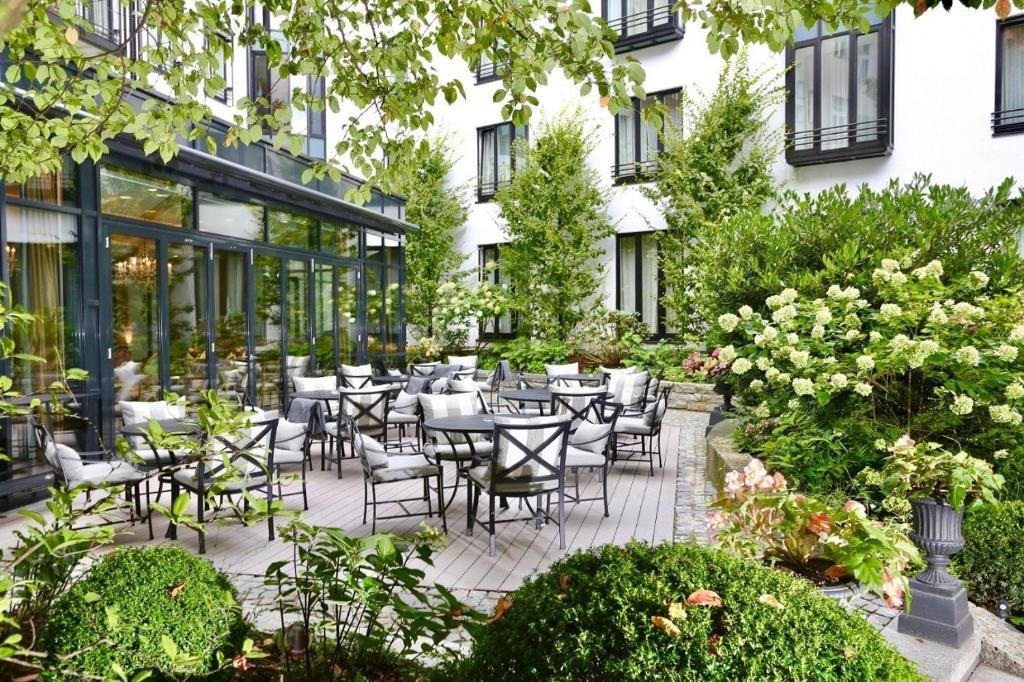
Friendly and welcoming with a shaded beer garden and covered terrace, though occasionally noisy due to street location.