Alte Brennerei occupies a converted distillery building in Pullach im Isartal, a quiet Isar valley town south of Munich with a strong tradition of neighbourhood dining. The address places it within a small cluster of local restaurants that draw both village regulars and visitors from the city. Specific menu details, pricing, and current hours are best confirmed directly with the venue before visiting.
Pearl is the En Primeur Club membership app — saves, bookings, and concierge access live there. Same editors, same standards.
- Address
- Habenschadenstraße 4a, 82049 Pullach im Isartal, Germany
- Phone
- +498954549674
- Website
- altebrennereipullach.de
- Directions
- Get directions
 Saves & bookings on Pearl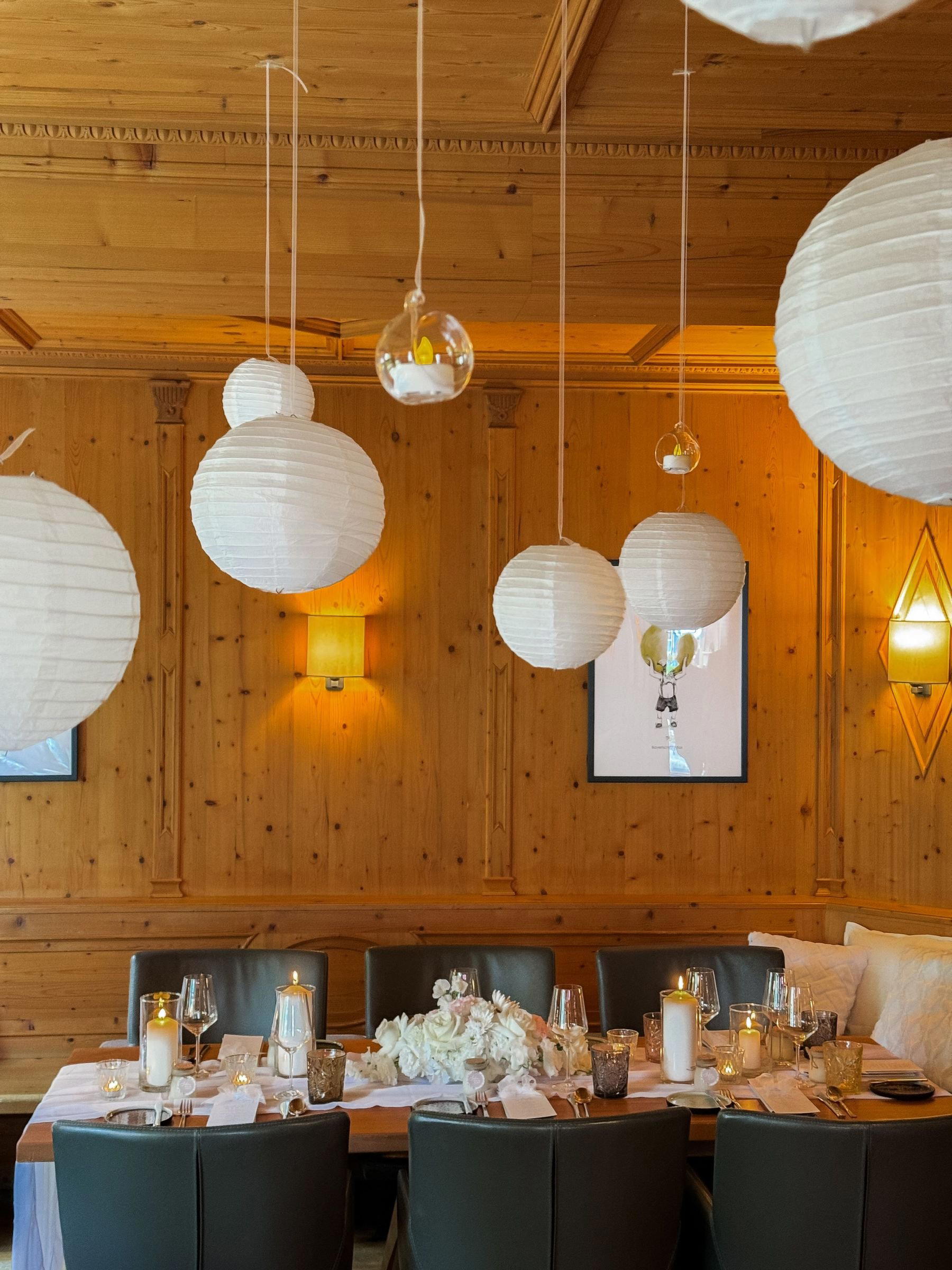
A Distillery Address in the Isar Valley
South of Munich, the Isar river cuts through a stretch of wooded valley where the towns are compact and the restaurant scene is shaped less by culinary trend cycles than by deep-rooted Bavarian hospitality traditions. Pullach im Isartal sits in that corridor, roughly a S-Bahn ride from the city centre, and its dining options reflect the particular character of a prosperous commuter village that takes food seriously without performing that seriousness. Alte Brennerei — the name translates literally as Old Distillery — is housed in a building that carries industrial history in its bones: thick walls, repurposed agricultural architecture, the kind of physical envelope that in Germany has become a reliable marker for venues that want atmosphere without theatrical design gestures.
The converted distillery format is not incidental. Across Bavaria and the wider German-speaking world, former agricultural and production buildings have become preferred sites for restaurants that position themselves as rooted in place. The structure does the cultural work that a purpose-built dining room cannot: it implies continuity, craft, and a relationship with the land that predates the current kitchen. Whether Alte Brennerei leans into that heritage through its food and drink programme or treats the building as backdrop is something visitors should assess directly, because the available record does not yet document the specific menu direction, price tier, or culinary style.
The Pullach Dining Context
Understanding Alte Brennerei requires understanding where Pullach sits in the broader Munich dining orbit. The city itself contains some of Germany's most referenced fine-dining addresses: JAN in Munich operates at a level of creative precision that draws comparison with the country's three-star tier. But Munich's gravitational pull does not flatten the surrounding towns into identical satellites. Communities along the Isar valley have maintained their own hospitality traditions, and Pullach is no exception. Rabenwirt and Waldwirtschaft represent different registers of that local tradition, the former a classic Bavarian Gasthof format, the latter a beer garden institution with a following that extends well into the city. Alte Brennerei occupies the same postcode but, based on its building typology, likely targets a slightly different occasion: something more enclosed and deliberate than an open-air Biergarten sitting.
For a broader picture of what the area offers, our full Pullach restaurants guide maps the options across format and occasion type.
Bavaria's Culinary Roots and What They Mean for a Place Like This
Bavarian food culture is one of the most regionally coherent in Germany, built around a grammar of roasted meats, river fish, fermented dairy, root vegetables, and bread traditions that predate the French influence that reshaped most of northern European fine dining in the nineteenth century. That grammar does not mean conservatism, it means a set of reference points that skilled kitchens can work with or against, and that diners arrive already knowing. A restaurant in a converted distillery in the Isar valley is operating within that cultural frame whether it chooses to or not.
The wider German fine-dining circuit has demonstrated how productively regional identity can be reinterpreted. Schwarzwaldstube in Baiersbronn built its three-star reputation on a classical French foundation anchored in Black Forest specificity. ES:SENZ in Grassau, also in Bavaria, draws on alpine produce within a contemporary tasting menu format. Aqua in Wolfsburg and Vendôme in Bergisch Gladbach show how German kitchens at the highest level tend to blend regional rootedness with international technical training. Further afield, Victor's Fine Dining by christian bau in Perl, Schanz in Piesport, Waldhotel Sonnora in Dreis, and GästeHaus Klaus Erfort in Saarbrücken each represent how Germany's serious restaurant tier tends to be distributed across smaller towns rather than concentrated in major cities, a structural feature of the German dining market that rewards knowing where to look. Restaurant Haerlin in Hamburg, Bagatelle in Trier, and L.A. Jordan in Deidesheim extend that picture across different regions and styles.
Alte Brennerei, based on current data, does not yet sit in that documented fine-dining tier. Its significance for the visitor is more likely neighbourhood-scale: a venue where the building itself signals intent, the location rewards the short journey from Munich, and the Bavarian cultural context does the heavy lifting in terms of atmosphere and expectation-setting.
Creative Formats and What Pullach Is Not
It is worth being clear about what Alte Brennerei is not, based on available information. It does not appear in any awards documentation comparable to CODA Dessert Dining in Berlin, which occupies a rare niche in Germany's creative fine-dining conversation, or the internationally referenced tier represented by Le Bernardin in New York City or Lazy Bear in San Francisco. Those venues operate within highly specific, intensively documented culinary frameworks. Alte Brennerei's interest lies elsewhere: in the physical character of a converted production building, in its Isar valley setting, and in whatever kitchen programme it runs within that context, details that, at this stage, require direct verification.
Planning a Visit
Pullach im Isartal is accessible by Munich's S-Bahn network, making the village a practical half-day or evening excursion from the city without requiring a car. The address, Habenschadenstraße 4a, places Alte Brennerei within the residential fabric of the town rather than on a main commercial strip, which is consistent with the converted-building typology. The absence of a listed phone number or website in current directories suggests that word-of-mouth and local knowledge remain the primary discovery channels, a pattern common among neighbourhood restaurants in smaller Bavarian towns that have not prioritised digital presence.
What to Check Before You Go
- Confirm current opening days and hours directly with the venue, as these are not yet verified in available records.
- Ask about reservation requirements, converted-building venues in this format often have limited capacity and prefer bookings over walk-ins.
- If travelling from Munich, the S-Bahn connection to Pullach is the most practical route and avoids parking constraints in the village.
- Check whether the kitchen programme leans into regional Bavarian produce or takes a broader European approach, the building suggests the former, but the menu direction should be confirmed on arrival or in advance.
How Alte Brennerei Pullach compares with similar nearby venues.
| Venue | Cuisine | Price |
|---|---|---|
| Chang Bistro | Asian | €€ |
| Alter Wirt | Country cooking | €€ |
At a Glance
- Elegant
- Romantic
- Cozy
- Sophisticated
- Date Night
- Special Occasion
- Business Dinner
- Historic Building
- Hotel Restaurant
- Garden
- Extensive Wine List
- Local Sourcing
- Garden
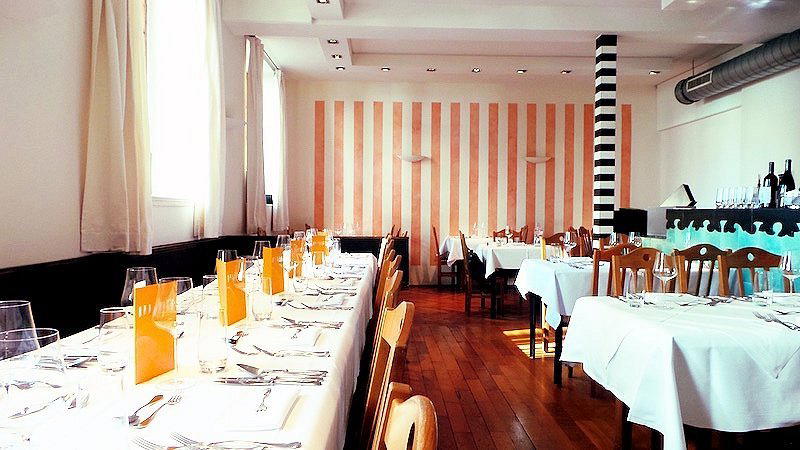
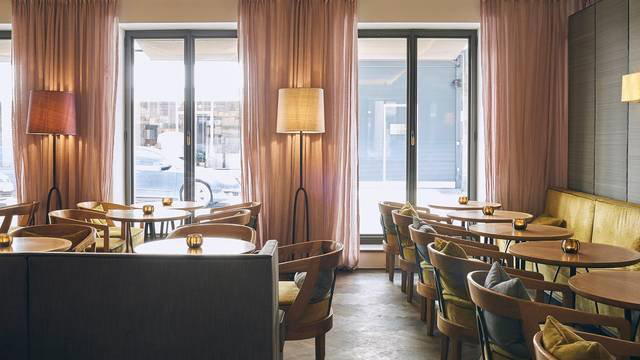
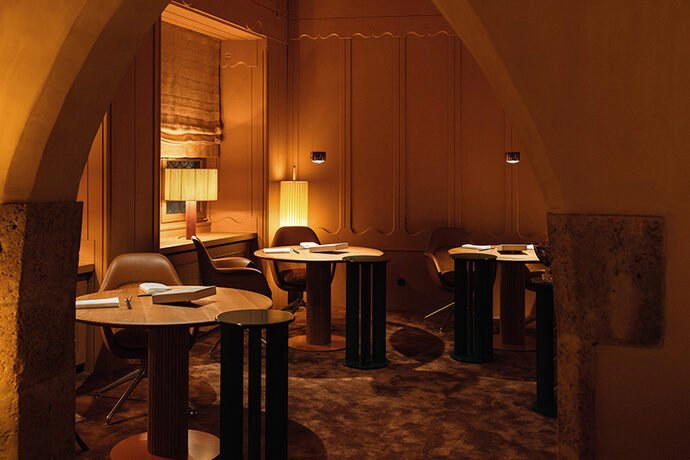
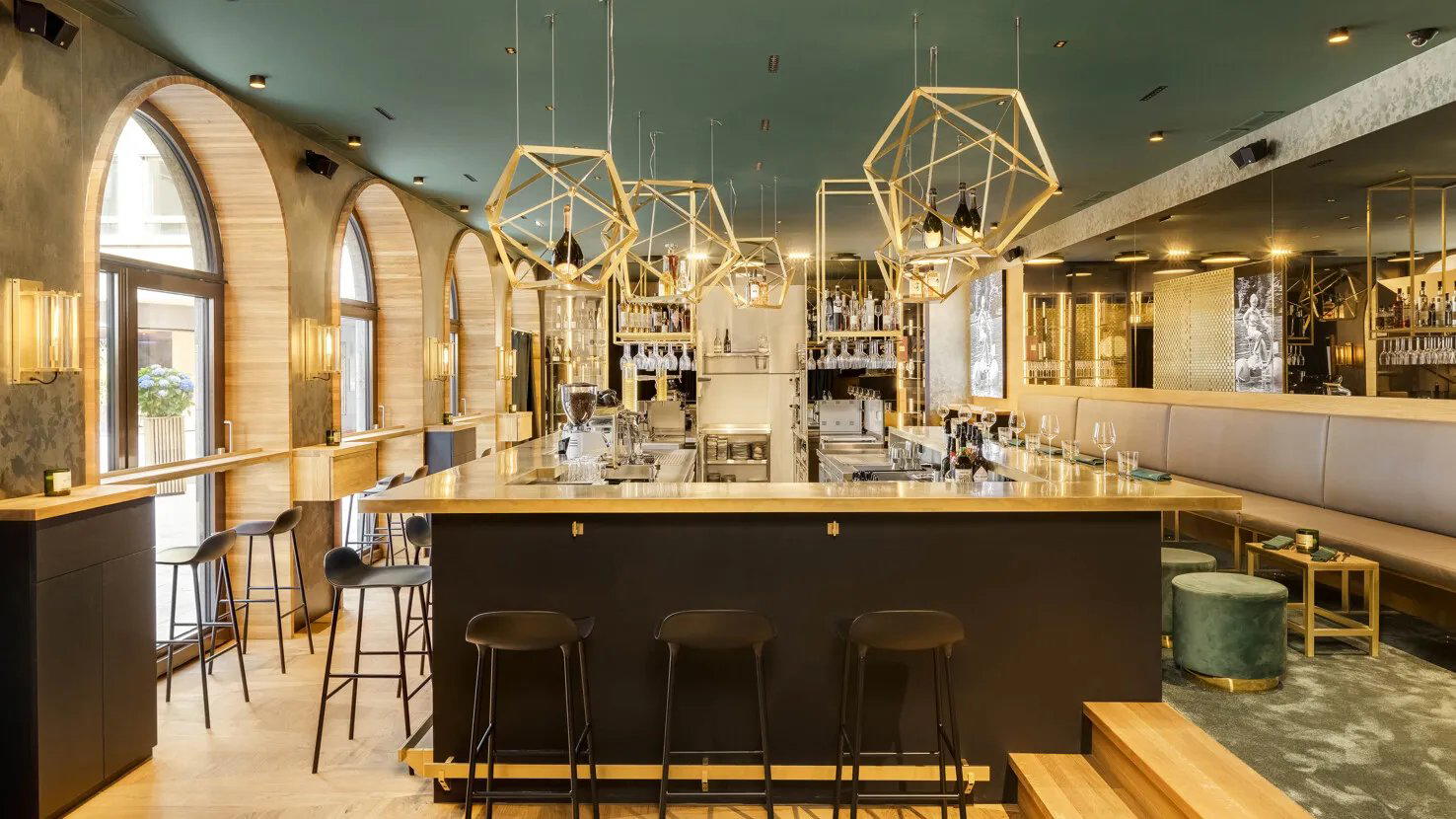
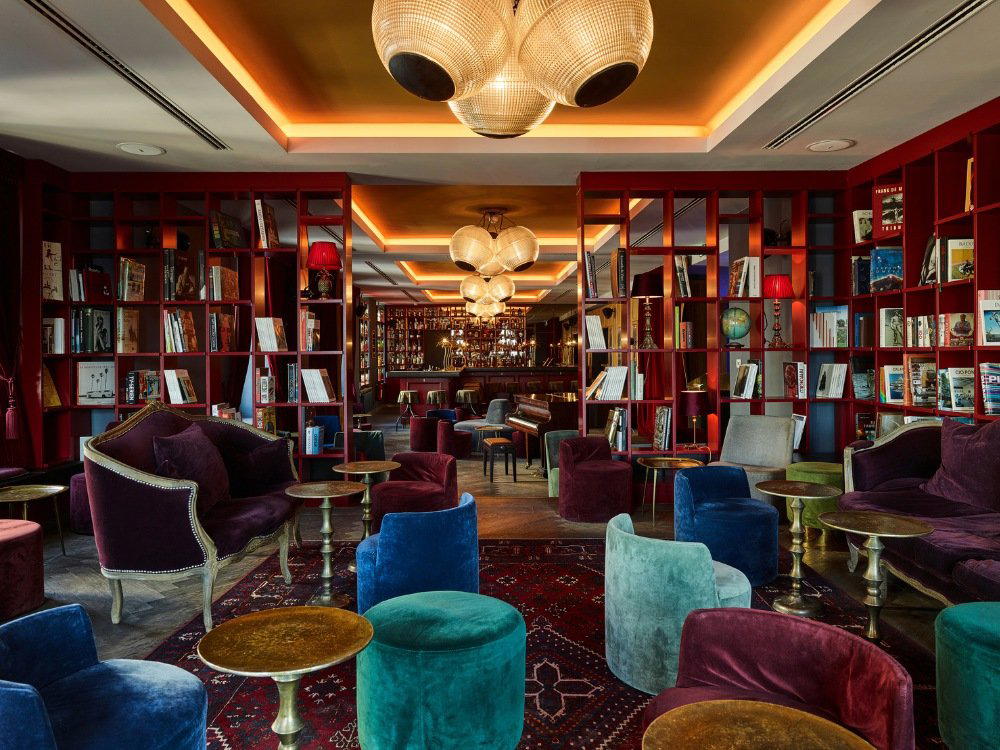
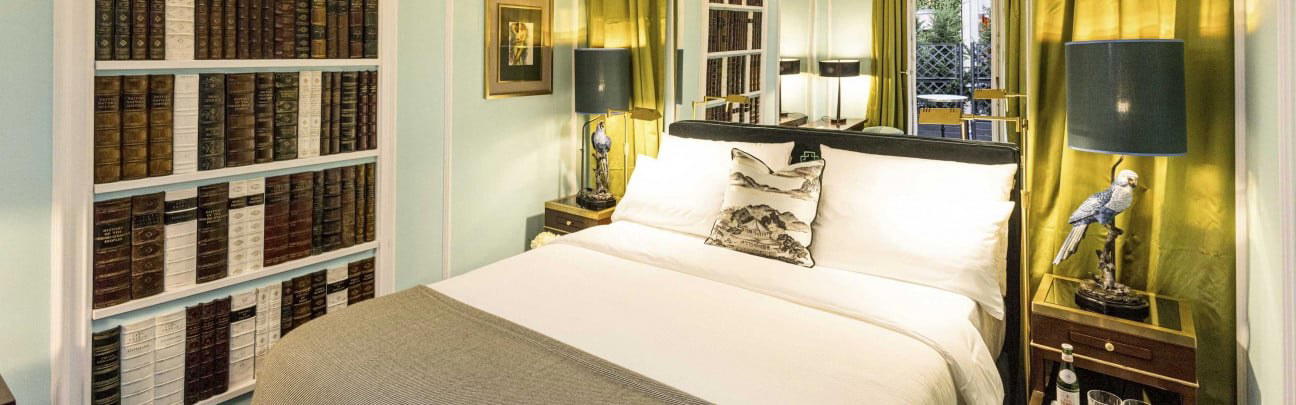
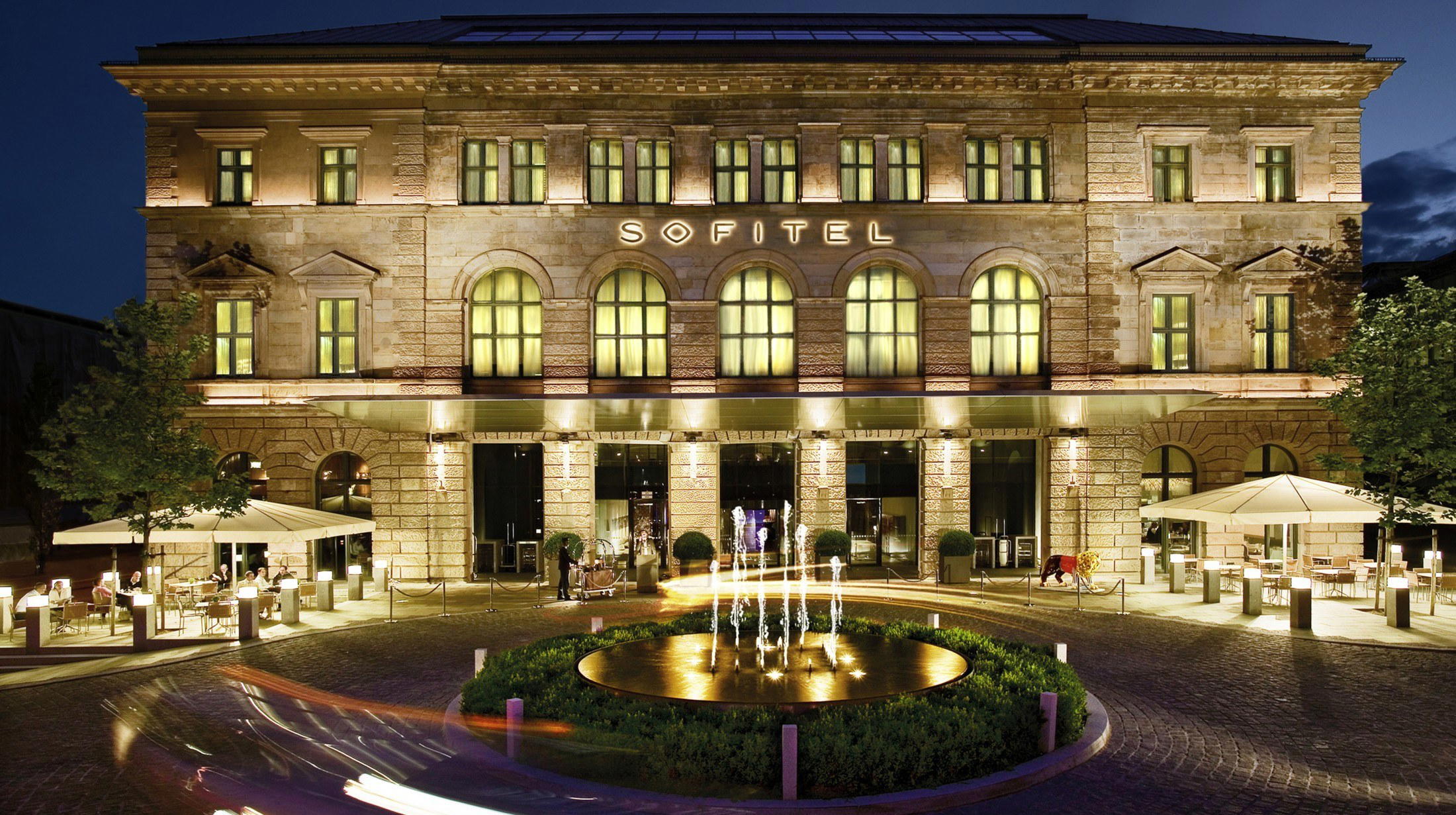
Intimate and elegant atmosphere in a charming garden building with sophisticated, cozy lighting ideal for romantic dining.