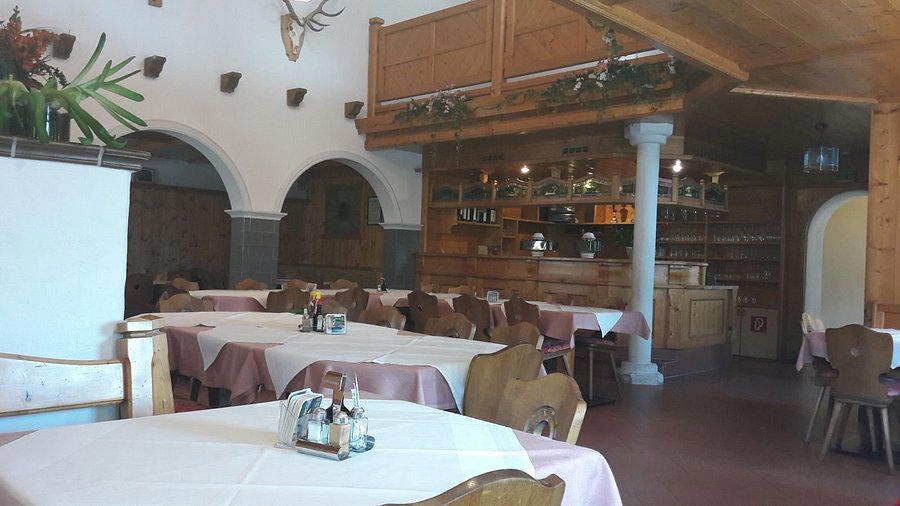
Walderalm pairs Tyrolean Almhut cooking with mountain views and local sourcing in Telfes, for leisurely lunch or dinner.
Pearl is the En Primeur Club membership app — saves, bookings, and concierge access live there. Same editors, same standards.
- Address
- Plöven 60, 6165 Ploéven, Austria
- Phone
- +43522378359
- Website
- walderalm.at
- Directions
- Get directions
 Saves & bookings on Pearl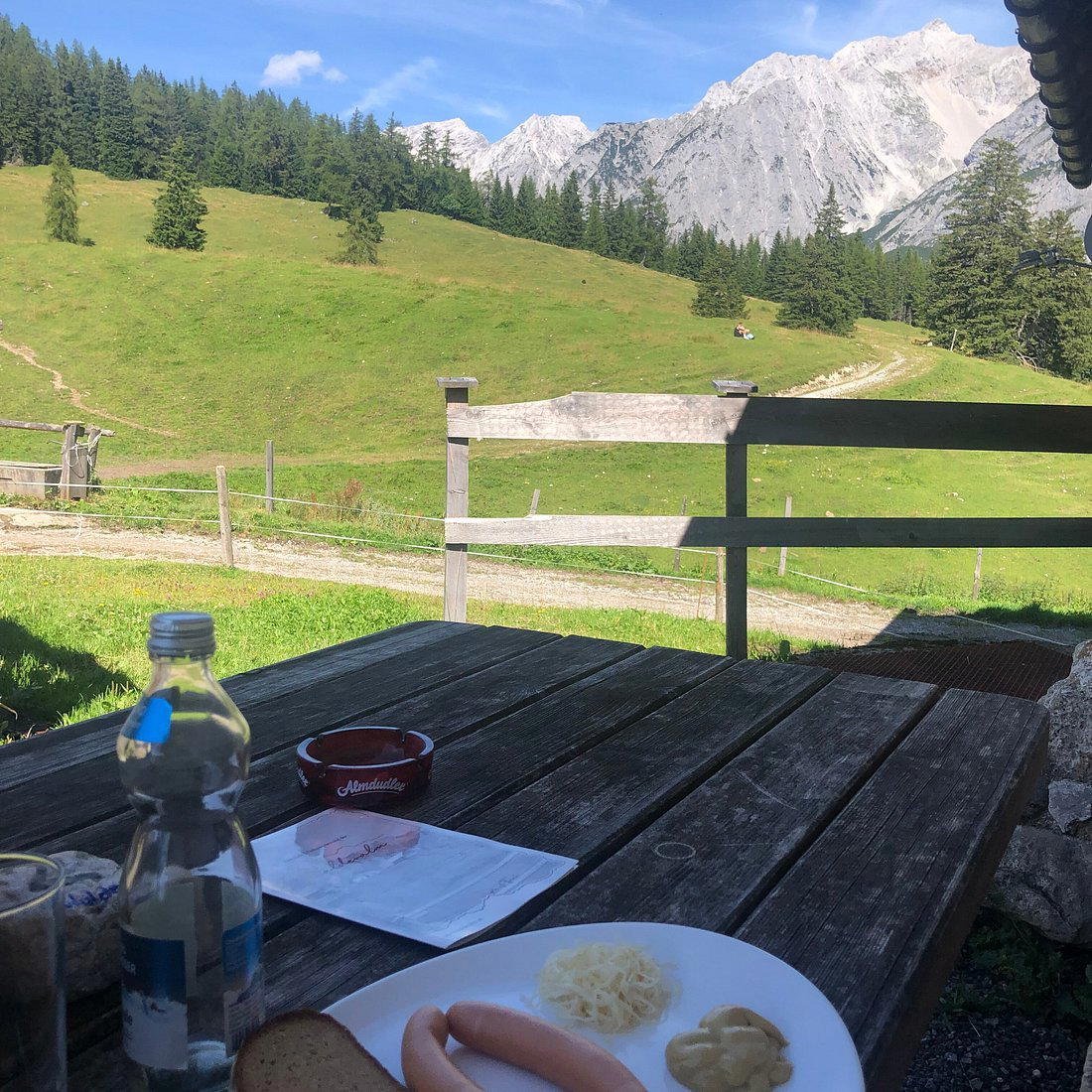
Alpine Sourcing and the Tyrolean Table
The Stubai Valley runs south from Innsbruck through a corridor of increasingly dramatic terrain, and the villages along it, including Telfes, have long maintained a relationship with food defined by altitude and season rather than by trend. Restaurants in this part of Tirol tend to draw their identity from what the surrounding farms, forests, and pastures produce at any given moment in the year. Walderalm, a restaurant at Plöven 60 in Ploéven, Austria, operates within that tradition. The name itself signals the context: an Alm is a high-alpine pasture, a working landscape that Austrian mountain culture has relied on for centuries as a source of dairy, meat, and herbs. Whether a restaurant carries that word in its name or not, the reference shapes what a diner should expect at the table.
What the Setting Tells You Before You Sit Down
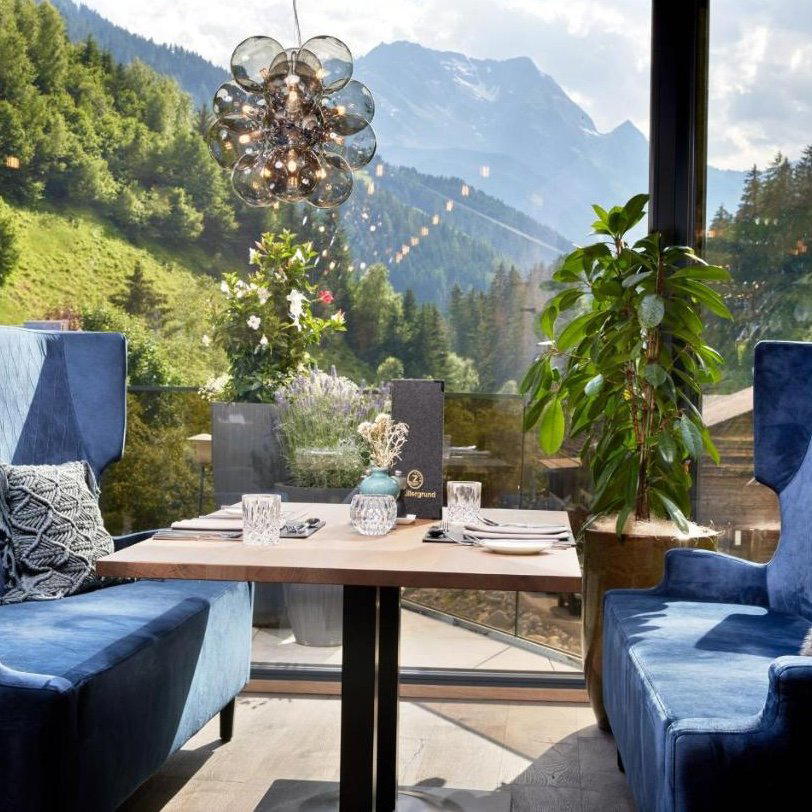
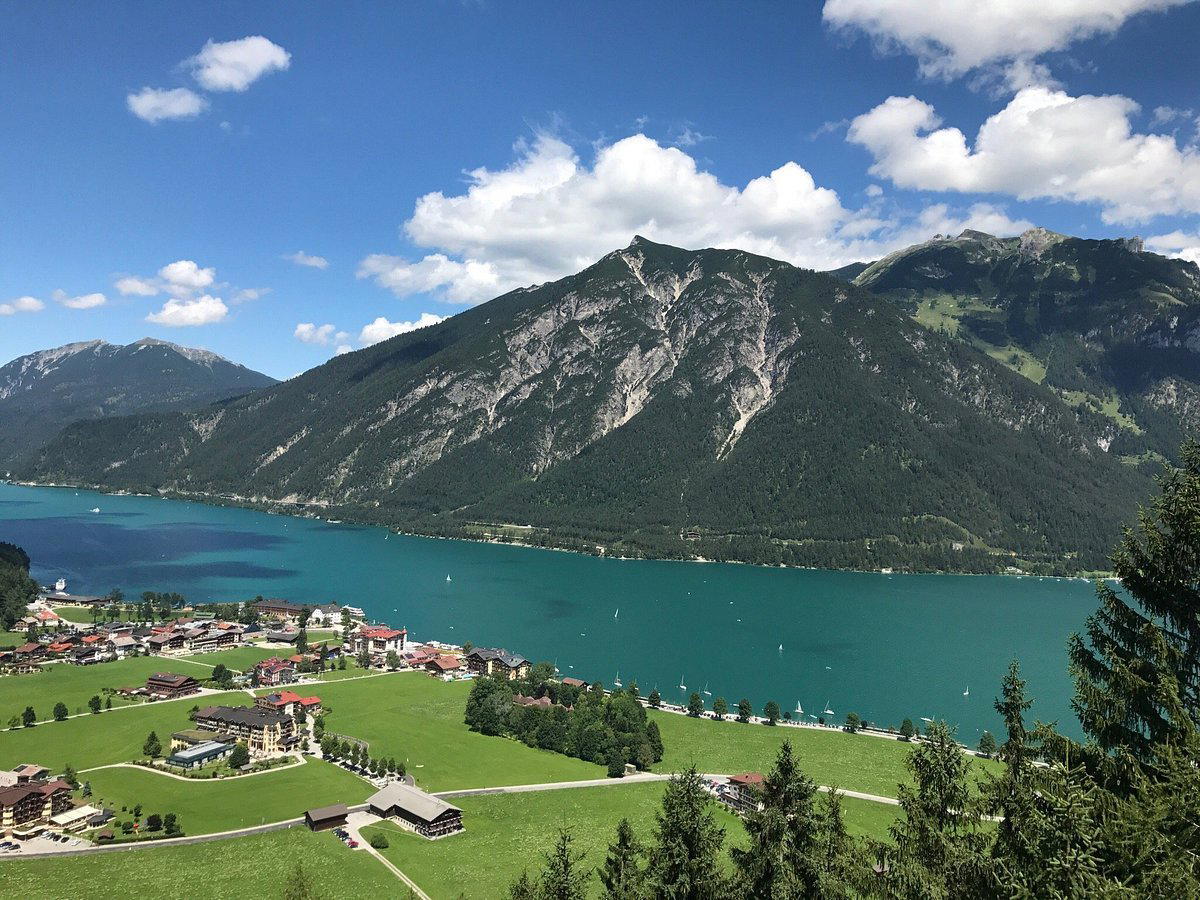
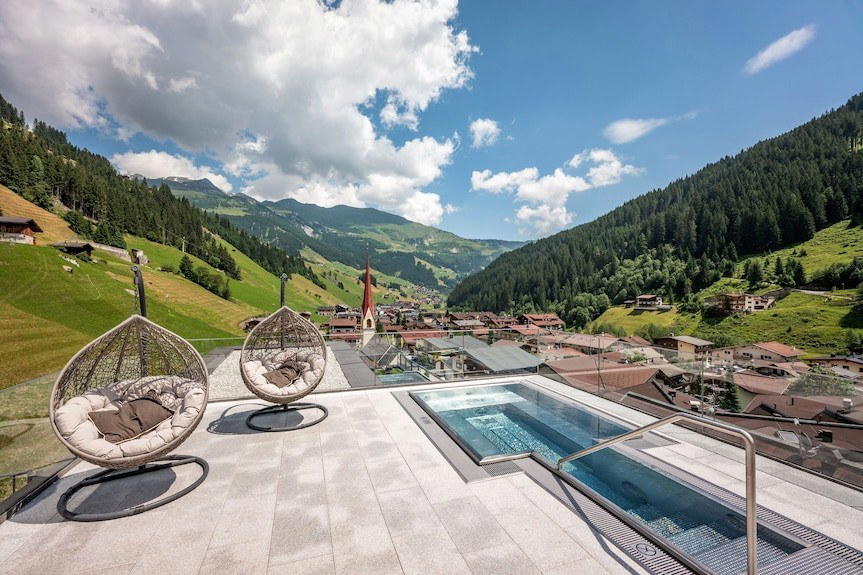
Approaching a restaurant in a valley village like Telfes, the physical environment does much of the editorial work. The Stubai Alps frame the view in every direction, and at this elevation, the light shifts quickly between seasons. In summer, the alpine meadows above the valley floor are productive and green; in winter, the same terrain compresses into a range of snow and dark forest. Restaurants that read their location honestly tend to reflect those shifts in what they serve. The ingredient sourcing traditions of this part of Austria are not incidental to the dining experience; they are the structural logic underneath it.
This model of alpine sourcing places Walderalm in a broader category of Austrian mountain restaurants that treat proximity to producers as a first principle. Compare this to how Döllerer in Golling an der Salzach frames its contemporary Austrian cooking around regional larder access, or how Kräuterreich by Vitus Winkler in Sankt Veit im Pongau has built an entire identity around herb cultivation at altitude. The Tyrolean and Salzburg mountains produce a comparable set of restaurants where the supply chain is as much a point of distinction as technique or format.
Alpine Ingredients and Why They Matter Here
Austrian alpine cuisine carries a sourcing logic that differs from lowland European cooking in several important ways. At altitude, growing seasons are shorter, which concentrates flavour in whatever does reach maturity. Dairy produced from cows grazing on mountain pasture, a category that includes the famous Almmilch of the Tirol region, carries a fat profile and mineral character distinct from factory dairy. Wild herbs that grow at elevation, including many varieties rarely found in commercial supply chains, give alpine kitchens access to ingredients that simply cannot be replicated by sourcing from lower ground.
This is the culinary tradition within which a restaurant called Walderalm positions itself. The Alm as a food-producing landscape is not a romantic abstraction; it is a specific agricultural system with verifiable outputs. Restaurants in the Stubai Valley that take this system seriously are working with ingredients that have genuine provenance and seasonal specificity. For contrast, consider how Steirereck im Stadtpark in Vienna has built its reputation partly on sourcing depth in an urban setting, or how Obauer in Werfen has used Salzburg Province's larder to anchor a multi-decade fine dining program. The sourcing instinct runs across Austrian serious cooking, but its expression in mountain villages like Telfes is more immediate and less mediated.
Tirol in a Broader Austrian Dining Context
Austria's dining geography is often read through Vienna and Salzburg, which carry particularly internationally recognised restaurants. The alpine villages of Tirol and Vorarlberg represent a different tier: smaller formats, stronger local identity, and a kitchen logic driven by what is available within a short radius. Gourmetrestaurant Tannenhof in Sankt Anton am Arlberg and Griggeler Stuba in Lech represent one end of that spectrum, operating as formally recognised fine dining rooms within ski resort infrastructure. Village restaurants in the Stubai Valley occupy a quieter register, without the same resort economy but with access to the same alpine ingredient base.
For those mapping Austrian cooking more broadly, Ikarus in Salzburg offers a rotating guest chef format that brings international reference points to an Austrian context, while Landhaus Bacher in Mautern an der Donau represents the classic Austrian country house dining tradition at the Wachau end of the country. Taubenkobel in Schützen am Gebirge and Ois in Neufelden complete a picture of serious Austrian cooking distributed across geographies and formats. Walderalm belongs to the alpine village end of this spectrum, closer in spirit to Schwarzer Adler in Hall in Tirol or Restaurant 141 by Joachim Jaud in Mieming than to any urban fine dining room.
Further afield, the sourcing-first model finds international parallels: Atelier Fischer in Sankt Gilgen applies a similarly disciplined approach to Salzkammergut produce, and for readers who follow ingredient-driven cooking across formats, the contrast with tightly controlled ocean-sourced menus at places like Le Bernardin in New York City or the precision-sourcing model at Atomix in New York City is instructive. Artis in Graz and Stüva in Ischgl round out the Austrian comparable set worth tracking alongside a visit to the Stubai Valley.
Planning a Visit
Telfes sits in the Stubai Valley roughly fifteen kilometres south of Innsbruck, accessible by regional bus or car along the B183. The valley is active across both summer and winter seasons, with the Stubai Glacier drawing visitors through much of the year. Confirm directly with the restaurant before travel. Alpine village restaurants at this scale often operate on seasonal schedules that shift between the hiking and ski seasons, and table availability during peak periods, particularly winter weekends and summer festival weeks in the valley, can be tighter than the village setting might suggest.
Comparison Snapshot
Comparable venues nearby, for context on price, style, and recognition.
| Venue | Cuisine | Price | Notes |
|---|---|---|---|
| WalderalmThis venue — the venue you are viewing | Tyrolean Almhut | $$ | Not listed |
| Kemater Alm | Tyrolean Alpine | $$ | Grinzens |
| Almwirtschaft Gampe Thaya | Traditional Austrian Alpine | $$ | Gampealm |
| Ottoburg | Traditional Tyrolean & Austrian | $$ | Old Town |
| Feilalm | Traditional Tyrolean Mountain Hut | $$ | Eben am Achensee |
| Frankalm | Traditional Austrian Alpine Cuisine | $$ | Brixen im Thale |
Continue exploring
More in Telfes
Restaurants in Telfes
Browse all →
At a Glance
- Rustic
- Scenic
- Cozy
- Casual Hangout
- Panoramic View
- Local Sourcing
- Mountain