One of Innsbruck's oldest addresses on the medieval Herzog-Friedrich-Straße, Ottoburg occupies a Gothic tower building that predates the modern restaurant concept by several centuries. The kitchen works within the Austrian alpine tradition, drawing on Tyrolean ingredients and applying techniques that bridge regional convention with contemporary precision. It sits in the mid-to-upper tier of the city's dining scene, making it a reference point for visitors wanting historical setting alongside serious food.
Pearl is the En Primeur Club membership app — saves, bookings, and concierge access live there. Same editors, same standards.
- Address
- Herzog-Friedrich-Straße 1, 6020 Innsbruck, Austria
- Phone
- +43512584338
- Website
- ottoburg.at
- Directions
- Get directions
 Saves & bookings on Pearl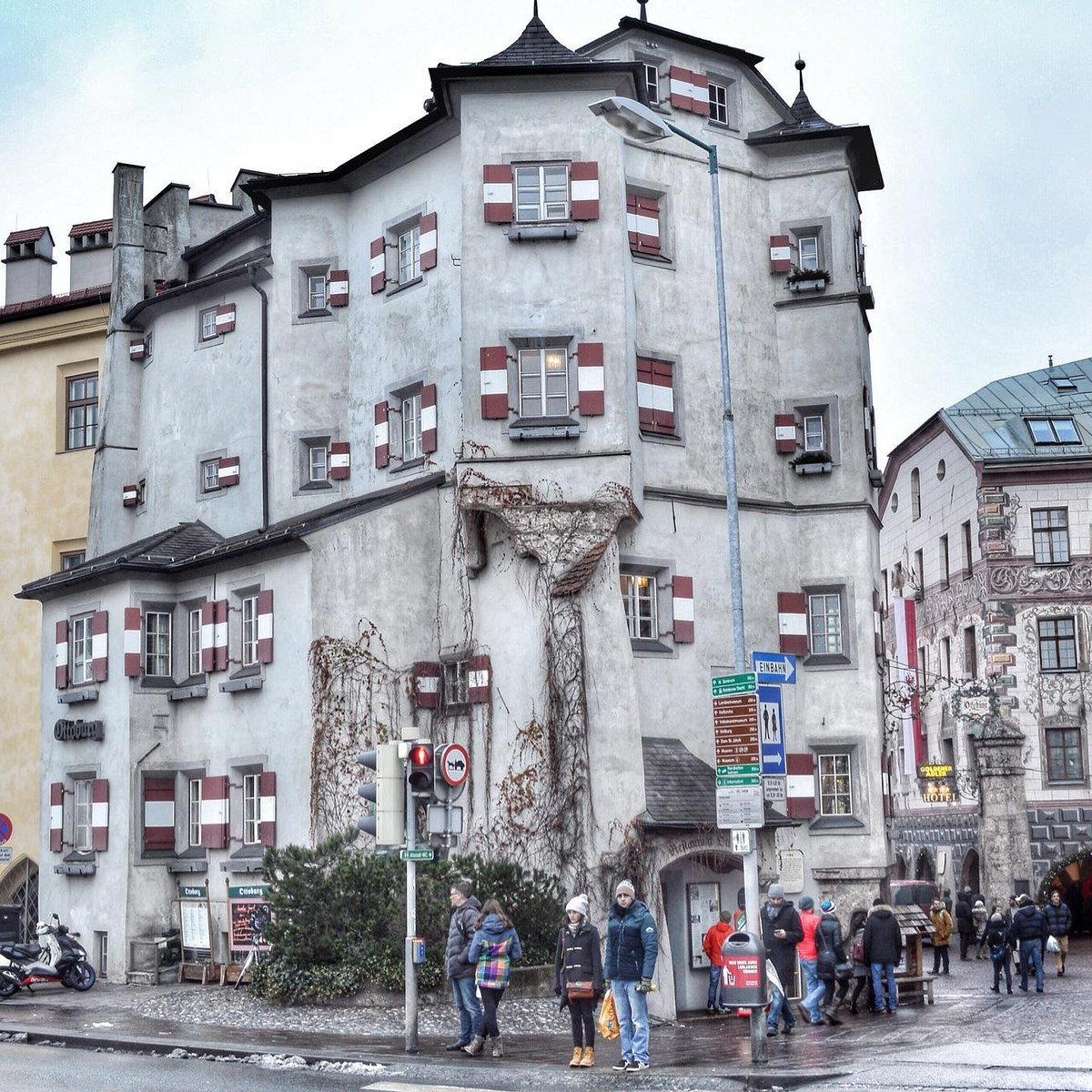
A Gothic Tower on Innsbruck's Most Photographed Street
Herzog-Friedrich-Straße runs through the heart of Innsbruck's Altstadt with the kind of architectural confidence that makes first-time visitors reach for their cameras before they've found a table. The street is anchored at one end by the Goldenes Dachl and lined with late-medieval and Renaissance facades, and it is on this stage that Ottoburg is a restaurant in Innsbruck serving Traditional Tyrolean & Austrian cuisine. Approaching the building, the tower's verticality distinguishes it from its neighbours, a narrow, multi-storey structure whose stone and timber framing places it firmly in the Tyrolean late-Gothic tradition. The ground-floor entrance draws you into a sequence of rooms that carry the weight of that age: low vaulted ceilings, thick walls, and the particular quality of light that only comes from windows set deep into old masonry.
Where Tyrolean Ingredients Meet Continental Technique
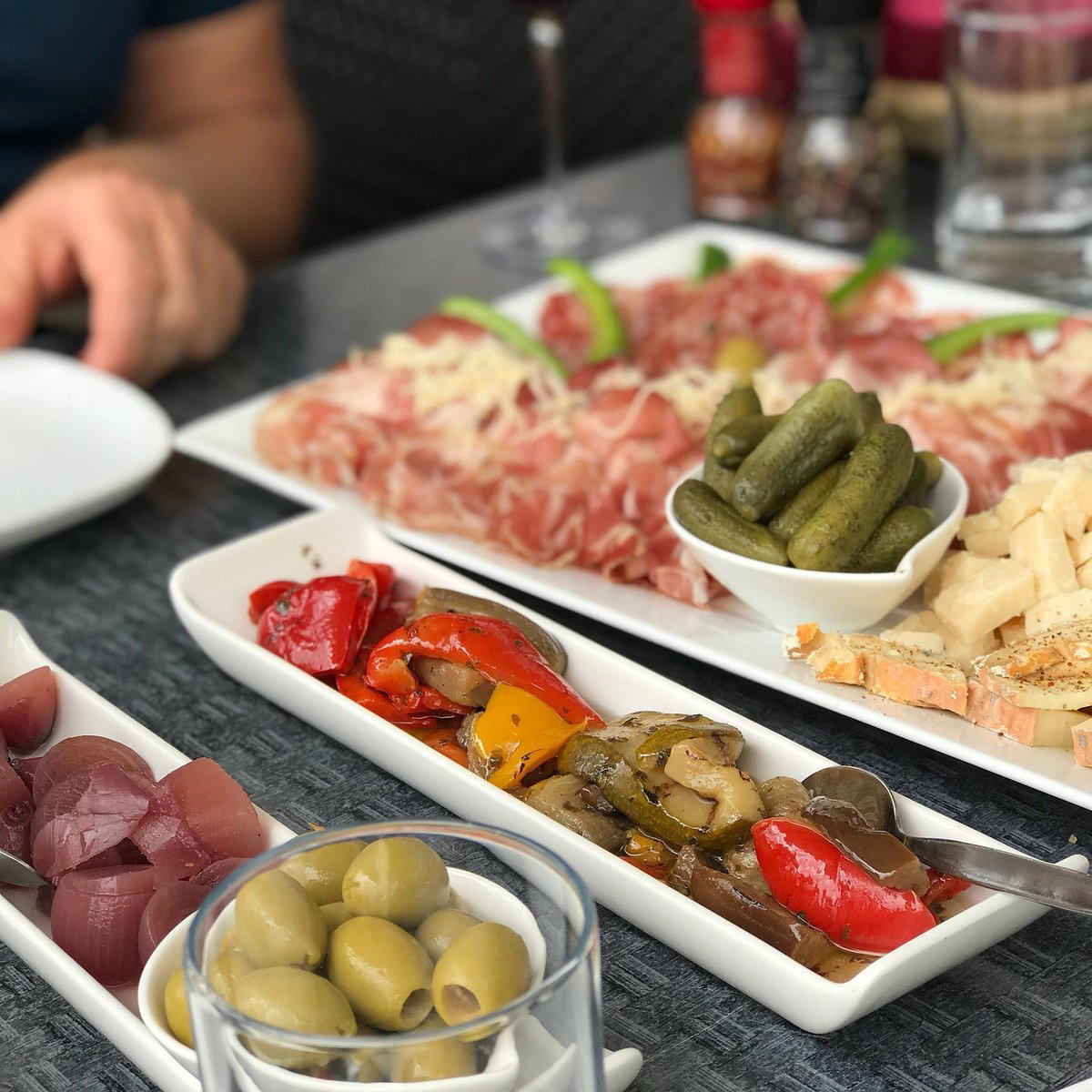
Austrian alpine cooking at its serious end occupies a specific intersection: local products with deep seasonal specificity, game from nearby forests, dairy from mountain pastures, freshwater fish from fast Tyrolean rivers, prepared through techniques that have absorbed French classical influence, Central European breadth, and, increasingly, the kind of precision sourcing that defines the contemporary European kitchen. This is the tradition within which Ottoburg operates, and it is a tradition that has genuine depth once you set it alongside the broader Austrian fine dining conversation.
Ottoburg's position within this landscape is as an Innsbruck institution: a kitchen grounded in Tyrolean product with the setting to carry a full evening's dining rather than a quick lunch. The technique applied to those local ingredients follows the continental European grammar, classical saucing, structured progression through a meal, serious attention to the meat and game courses that define Tyrolean seasonal eating. This is a different proposition from the newer creative formats at Ikarus in Salzburg, which rotates guest chefs as a format device, or the tightly focused contemporary work at Restaurant 141 by Joachim Jaud in Mieming. Ottoburg's value is consistency of tradition, not innovation for its own sake.
Innsbruck's Dining Tier, Where Ottoburg Sits
Innsbruck's restaurant scene stratifies more clearly than its size might suggest. At the summit of the creative register sits B-West, while Bistro Gourmand occupies the French-inflected mid-tier with precision and consistency. Neighbourhood dining and casual formats spread across the city: Al Fred draws a local crowd on a different frequency, and Bonsai represents the Asian-European crossover that has become a fixture in mid-sized Austrian cities. Sitzwohl holds the classic cuisine position in the mid-upper bracket. Against this comparable set, Ottoburg occupies the overlap between setting-driven dining and kitchen seriousness, the kind of restaurant where the room does genuine work alongside the food, rather than being incidental to it. Arzler Alm and Das Schindler serve the seasonal Austrian tradition from different physical contexts; Ottoburg's differentiation is architectural permanence that neither can replicate.
Visiting Ottoburg: What to Know Before You Go
The restaurant sits at Herzog-Friedrich-Straße 1, steps from the Goldenes Dachl and within easy walking distance of Innsbruck's main pedestrian zone and the Maria-Theresien-Straße. The Altstadt is compact enough that most central hotels are within ten minutes on foot, and the location puts it at the natural end-point of an afternoon walking the old city. For visitors arriving by rail, Innsbruck Hauptbahnhof is roughly fifteen minutes' walk through the city centre.
Booking is advisable for dinner, particularly through the summer hiking season (July to September) and the winter ski period (December to March), when Innsbruck draws significant visitor numbers and the Altstadt restaurants fill quickly. The Gothic tower structure means the dining rooms are distributed across floors with limited capacity on each level, the kind of layout that creates intimacy but restricts walk-in availability, especially on weekends. Arriving without a reservation for lunch on a weekday is a more realistic option than attempting the same on a Friday or Saturday evening.
Dress in Innsbruck's better restaurants skews smart-casual: the city sits between alpine informality and Austrian urban standards, and the historical setting at Ottoburg tends to encourage guests to dress with some care without requiring formality. The wine list at a kitchen of this type in Tyrol will typically lean into Austrian and Northern Italian bottles, the Alto Adige border is close, and the regional wine culture reflects that adjacency.
Comparable Spots
Comparable venues nearby, for context on price, style, and recognition.
| Venue | Cuisine | Price | Notes |
|---|---|---|---|
| OttoburgThis venue — the venue you are viewing | Traditional Tyrolean & Austrian | $$ | Not listed |
| Al Fred | Tyrolean Street Food | $ | Altstadt |
| Umbrüggler Alm | Modern Tyrolean | $$ | Hungerburg |
| Jedermann's | Austrian | $$ | Innsbruck city center |
| D-Werk | Modern Street Food Döner | $$ | Innrain |
| Bonsai | Japanese Sushi Bar | $$ | Innenstadt |
Continue exploring
More in Innsbruck
Restaurants in Innsbruck
Browse all →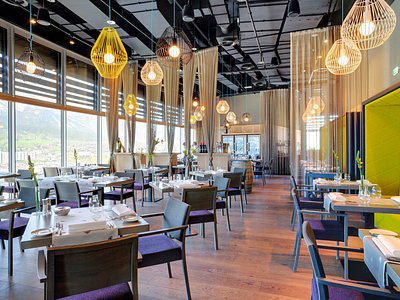
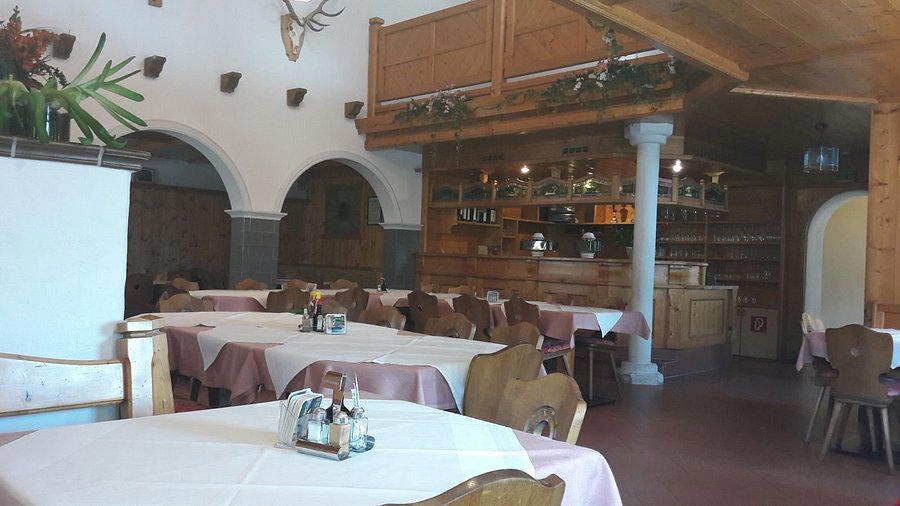
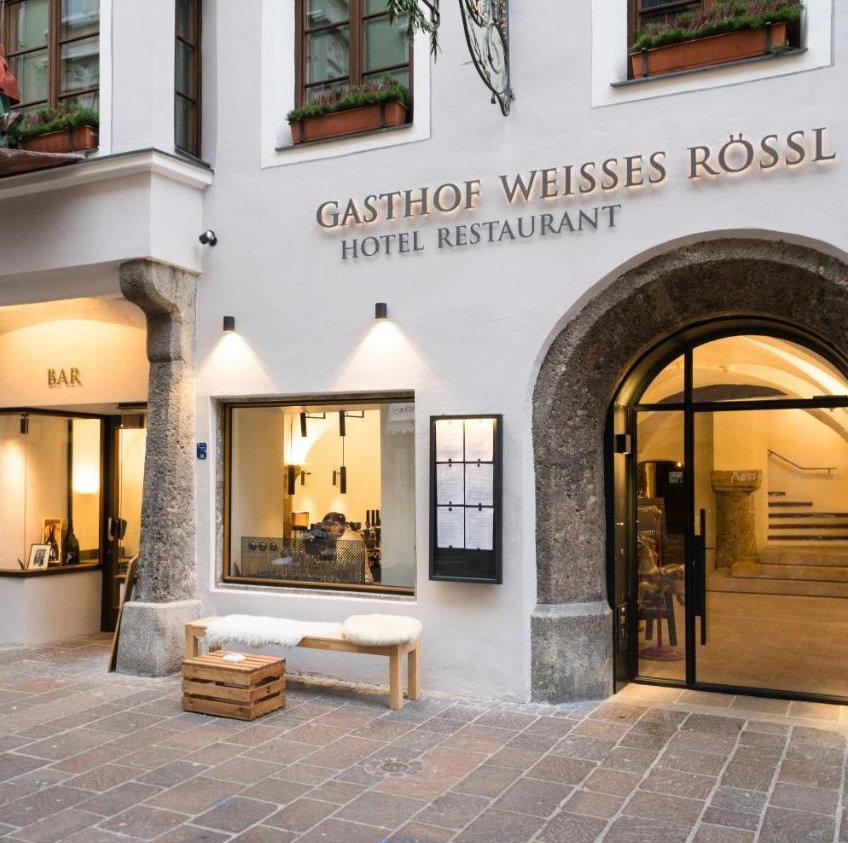
Bars in Innsbruck
Browse all →
Hotels in Innsbruck
Browse all →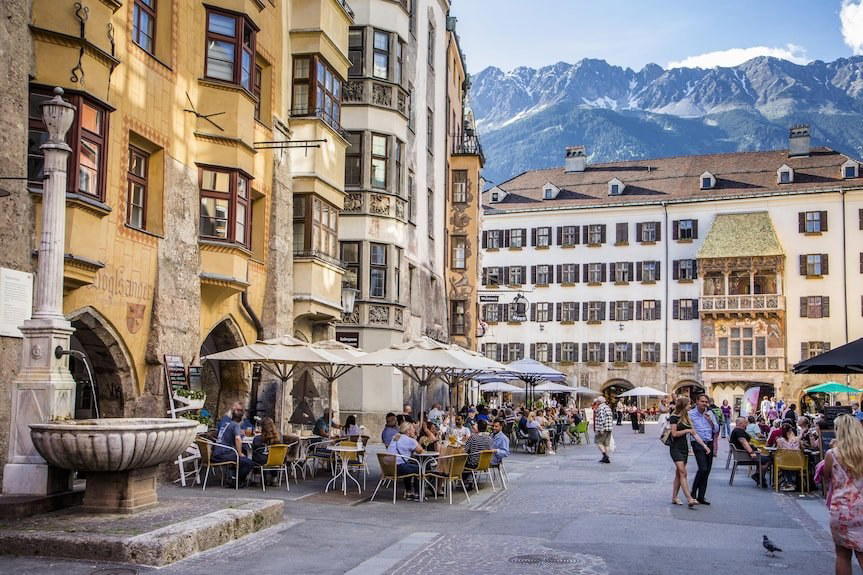

At a Glance
- Classic
- Rustic
- Elegant
- Historic
- Cozy
- Special Occasion
- Date Night
- Business Dinner
- Historic Building
- Street Scene
Current opening hours
- Monday
- 11:30 AM–3 PM, 5–11 PM
- Tuesday
- 11:30 AM–3 PM, 5–11 PM
- Wednesday
- 11:30 AM–3 PM, 5–11 PM
- Thursday
- 11:30 AM–3 PM, 5–11 PM
- Friday
- 11:30 AM–3 PM, 5–11 PM
- Saturday
- 11:30 AM–3 PM, 5–11 PM
- Sunday
- 11:30 AM–3 PM, 5–11 PM
Hours can change for holidays and private events. Last verified .
Intimate dining rooms decorated with carved wooden panels, gilded chandeliers, neo-gothic furniture, and immaculate white linens, creating a harmonious historic Tyrolean atmosphere.