A traditional Alpine hut above Grinzens in the Stubai Valley foothills, Kemater Alm sits at the point where working mountain pasture and regional hospitality overlap. The setting frames everything on the plate: produce drawn from the surrounding Alpine terrain, prepared in the direct idiom of Tyrolean hut cooking. For visitors approaching from Innsbruck, this is the closest serious alm experience to the city.
Pearl is the En Primeur Club membership app — saves, bookings, and concierge access live there. Same editors, same standards.
- Address
- î Kemater Alm 110, 6095 Grinzens, Austria î
- Phone
- +43523465679
- Website
- kemater-alm.at
- Directions
- Get directions
 Saves & bookings on Pearl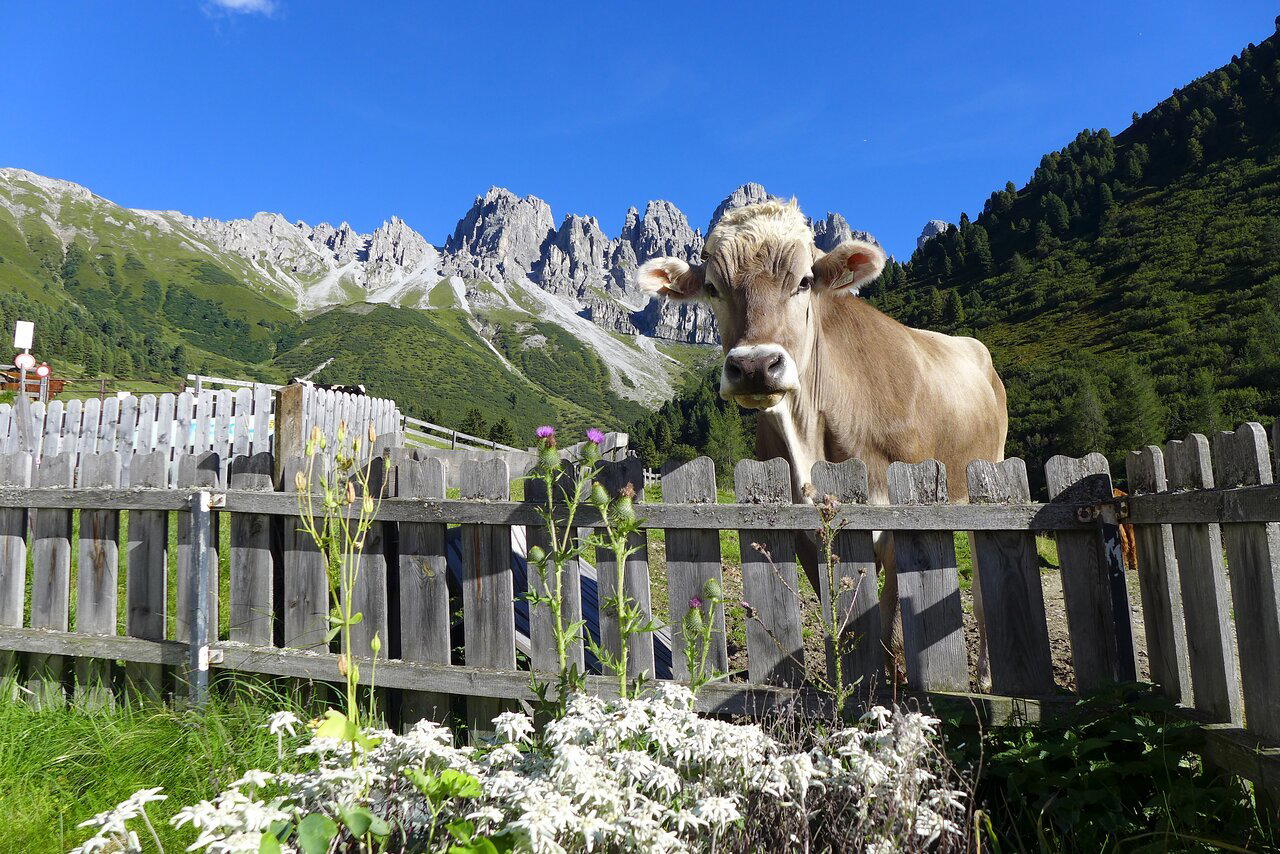
Where the Pasture Meets the Plate
Kemater Alm is a restaurant in Grinzens, Austria, serving Tyrolean Alpine food and rated 4.6 on Google. The road up to Kemater Alm from Grinzens climbs through spruce forest before opening onto high grazing ground above the Stubaital's lower reaches. By the time the hut comes into view, the altitude and the silence have already done most of the editorial work. This is the physical and culinary logic of the Austrian Alm tradition: the mountain pasture is not backdrop, it is the supply chain. What grows and grazes at this elevation shapes what appears on the table, and that relationship between terrain and plate is the defining characteristic of serious hut cooking across the Tyrolean Alps.
Austria's Alpine dining tradition separates broadly into two registers. One is the destination restaurant in a mountain village, where Michelin recognition and tasting menus convert the Alpine setting into a platform for technical ambition. Venues like Gourmetrestaurant Tannenhof in Sankt Anton am Arlberg, Griggeler Stuba in Lech, and Stüva in Ischgl sit in that category, pricing and cooking against a comparable set that runs to four figures per head. The other register is the working hut, where the ingredient sourcing story is literal rather than aspirational: the cheese is made from milk produced on the slopes below you, the meat comes from animals that summered on the same pasture. Kemater Alm belongs to that second tradition.
Sourcing at Altitude: What the Alpine Supply Chain Looks Like
The Austrian Almbewirtschaftung system, in which upland pastures are actively farmed through the summer months and the huts are provisioned from that farming activity, is one of the more coherent examples of proximity sourcing in European food culture. It is not a marketing construction. Dairy, meat, and foraged produce at a functioning alm are governed by the logistics of what can be kept, transported, and preserved at altitude. The cooking that emerges from that constraint is direct and seasonal by necessity rather than by philosophy.
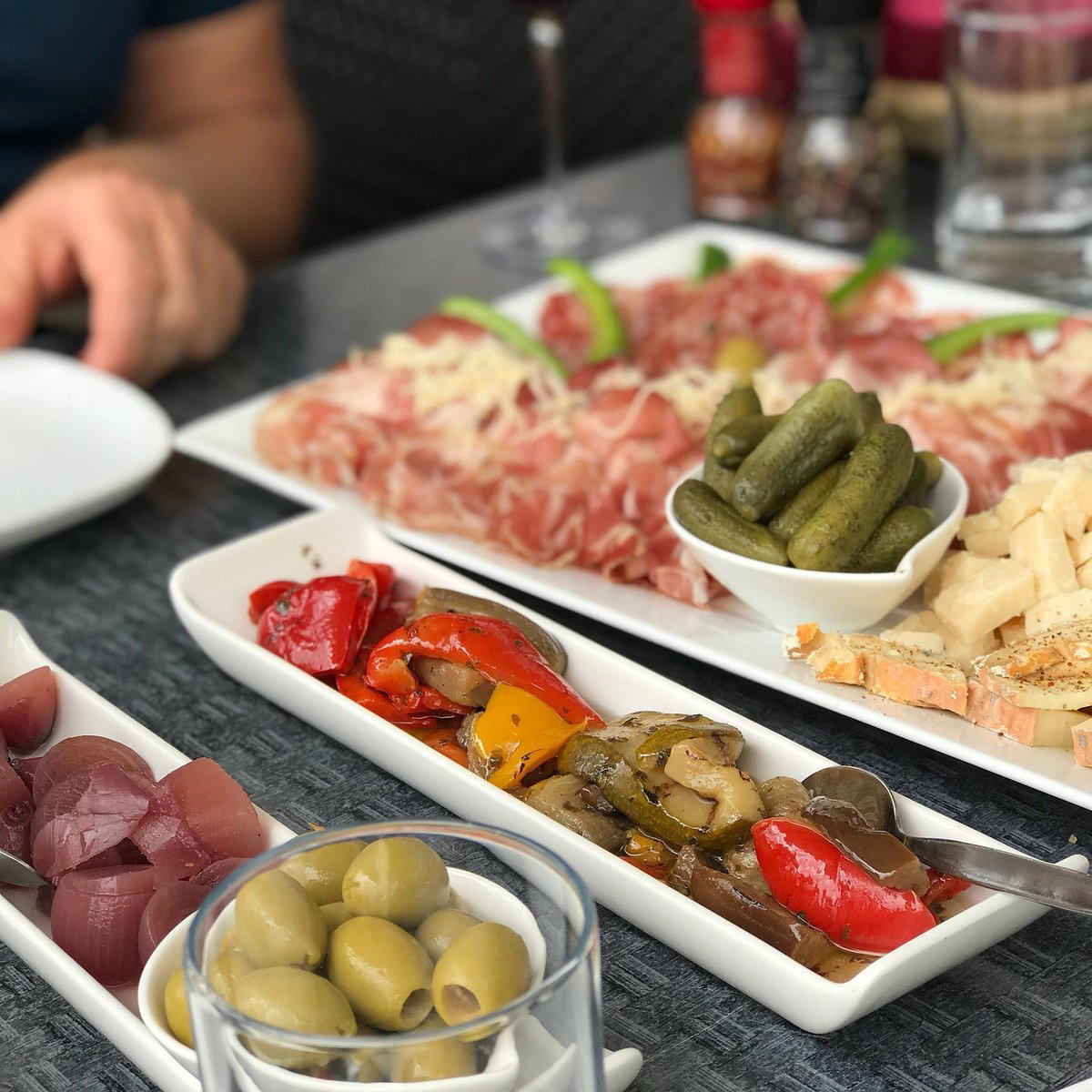
At huts along the Stubai and its connecting ridges, this typically means cured and smoked pork products, strong-flavoured Alpine cheeses with weeks or months of cave ageing, and bread baked in wood-fired ovens at the hut rather than delivered from a valley bakery. Seasonal wild herbs from the surrounding meadows, including varieties that do not survive the journey to lowland markets, appear in everything from curd preparations to meat marinades. This is not the ingredient sourcing conversation happening at Steirereck im Stadtpark in Vienna or Döllerer in Golling an der Salzach, where sourcing operates at the level of named farms and curated supplier relationships. At a working alm, the sourcing radius is often visible from the dining table.
For the visitor coming from Innsbruck, which lies roughly 15 kilometres to the north, the restaurant represents one accessible version of this experience. The approach via Grinzens puts it within reach of a half-day excursion, making it a practical point of comparison for anyone also exploring the more formally structured Austrian dining scene. Where Schwarzer Adler in Hall in Tirol or Restaurant 141 by Joachim Jaud in Mieming translate Tyrolean produce into technically considered cooking, the restaurant keeps that produce in its least-processed state.
The Hut Cooking Tradition in Austrian Context
Austrian hut cuisine is often framed as rustic, which undersells its internal logic. The preservation techniques that define it, including lard-sealing, smoking, whey fermentation, and hay-drying, are sophisticated responses to the problem of feeding people in places with no refrigeration and limited growing seasons. The flavour profiles they produce are intense, fatty, and sour in combinations that lowland Austrian cooking, let alone international visitors, does not always encounter in this concentration.
The broader Austrian fine dining conversation, played out at venues like Ikarus in Salzburg, Obauer in Werfen, Landhaus Bacher in Mautern an der Donau, and Kräuterreich by Vitus Winkler in Sankt Veit im Pongau, tends to work with these same ingredient traditions at one remove, refining and contextualising the raw material of the Alpine supply chain. What a place like Kemater Alm offers is the unmediated version: the flavour before the technique intervenes. For food-focused travellers who have been working through Austria's Michelin tier and want to triangulate what that refined cooking is actually building from, the hut experience provides the reference point.
It is worth noting that the Austrian alm experience has also developed a parallel tourism function. As hiking infrastructure across Tyrol has expanded, huts that once served local farming communities now handle significant visitor volumes from June through September, when the mountain paths are clear. This has created a spectrum: some huts have shifted toward cafeteria service for trail traffic, while others maintain working farm operations and kitchen traditions that predate the hiking economy. The distinction matters when choosing between them.
Planning the Visit
Grinzens sits at the base of the approach to the restaurant, and the route up is suited to walkers as much as drivers. The hut's operating season follows the Alpine agricultural calendar, with the summer and early autumn months representing the fullest version of the experience, when pasture farming is active and the supply chain most direct. Visitors considering a broader Tyrolean dining itinerary might pair a restaurant visit with Atelier Fischer in Sankt Gilgen or look further into Austria's regional range via Ois in Neufelden, Taubenkobel in Schützen am Gebirge, or Artis in Graz. For those building a longer European trip that extends beyond Austria, the sourcing-led approach here sits in productive contrast to the technically complex tasting formats at Le Bernardin in New York City or Atomix in New York City.
In Context: Similar Options
Comparable venues nearby, for context on price, style, and recognition.
| Venue | Cuisine | Price | Notes |
|---|---|---|---|
| Kemater AlmThis venue — the venue you are viewing | Tyrolean Alpine | $$ | Not listed |
| Umbrüggler Alm | Modern Tyrolean | $$ | Hungerburg |
| Gasthof zur Arche | Modern Tyrolean Wirtshaus | $$ | Rinn |
| Tuftl Alm | Traditional Austrian Alm | $$ | Lermoos |
| Rauthhütte | Traditional Austrian Mountain Hut | $$ | Moos |
| NESTER | Traditional Austrian | $$ | Dorf |
Continue exploring
More in Grinzens
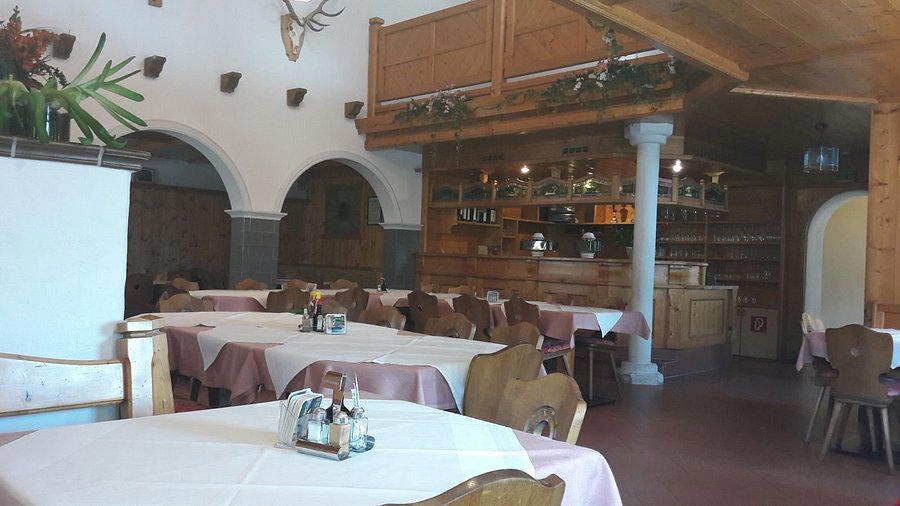
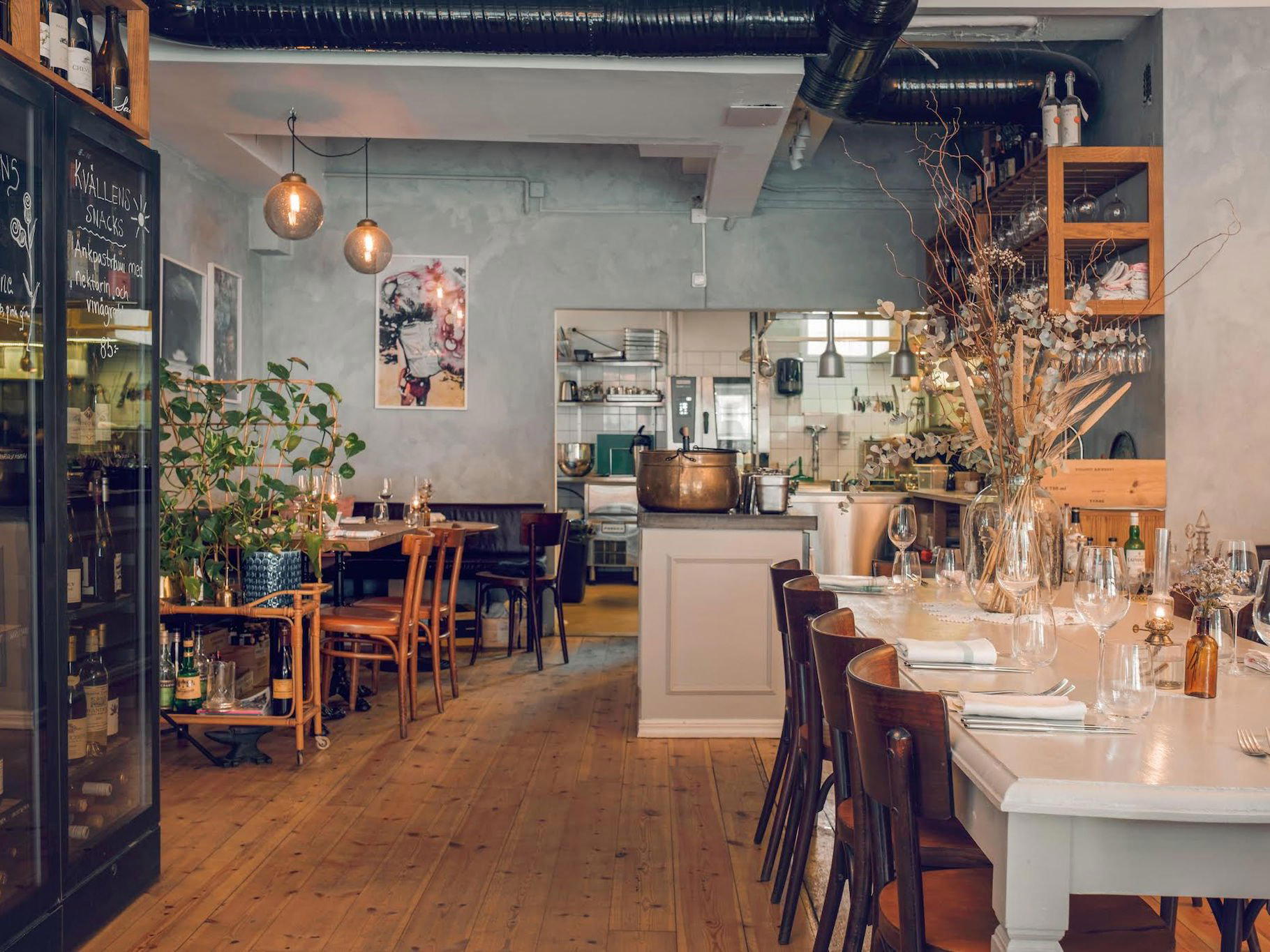
Restaurants in Grinzens
Browse all →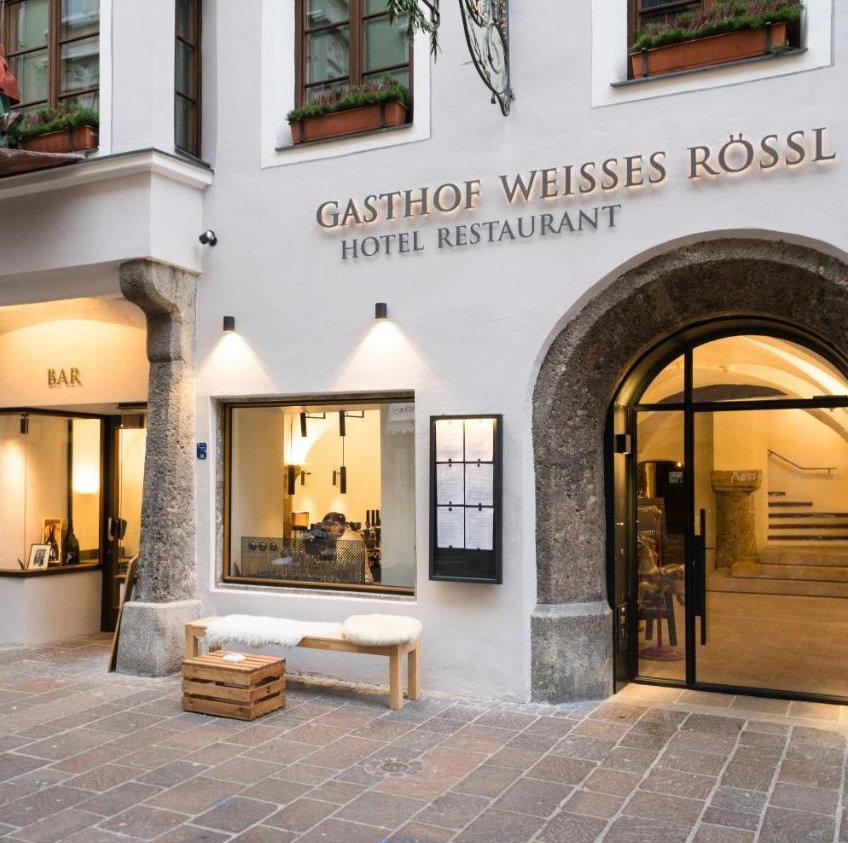
Bars in Grinzens
Browse all →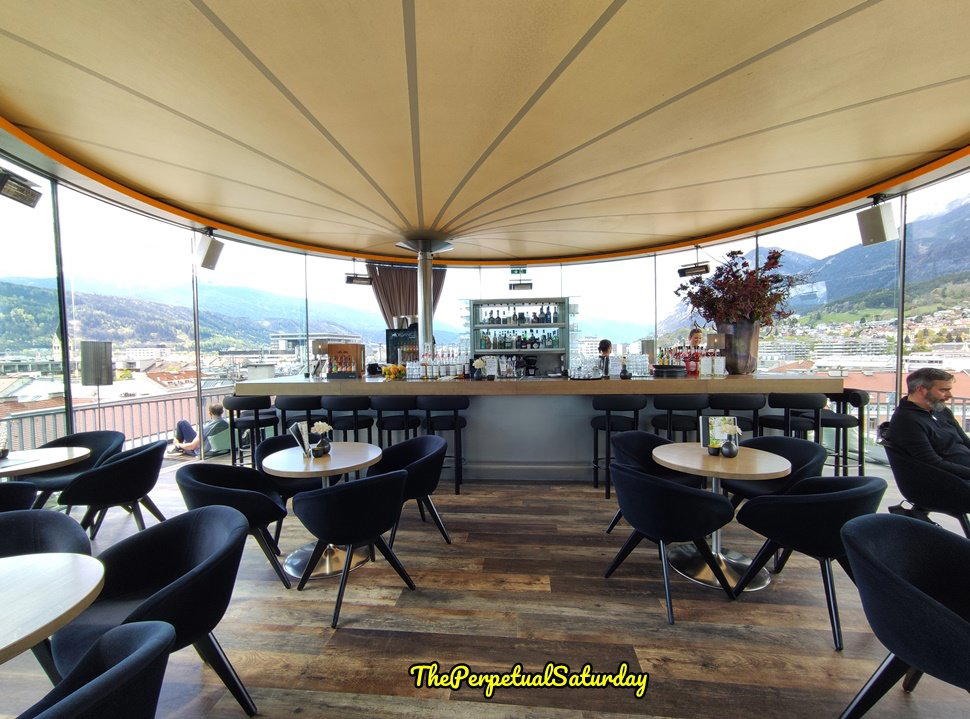
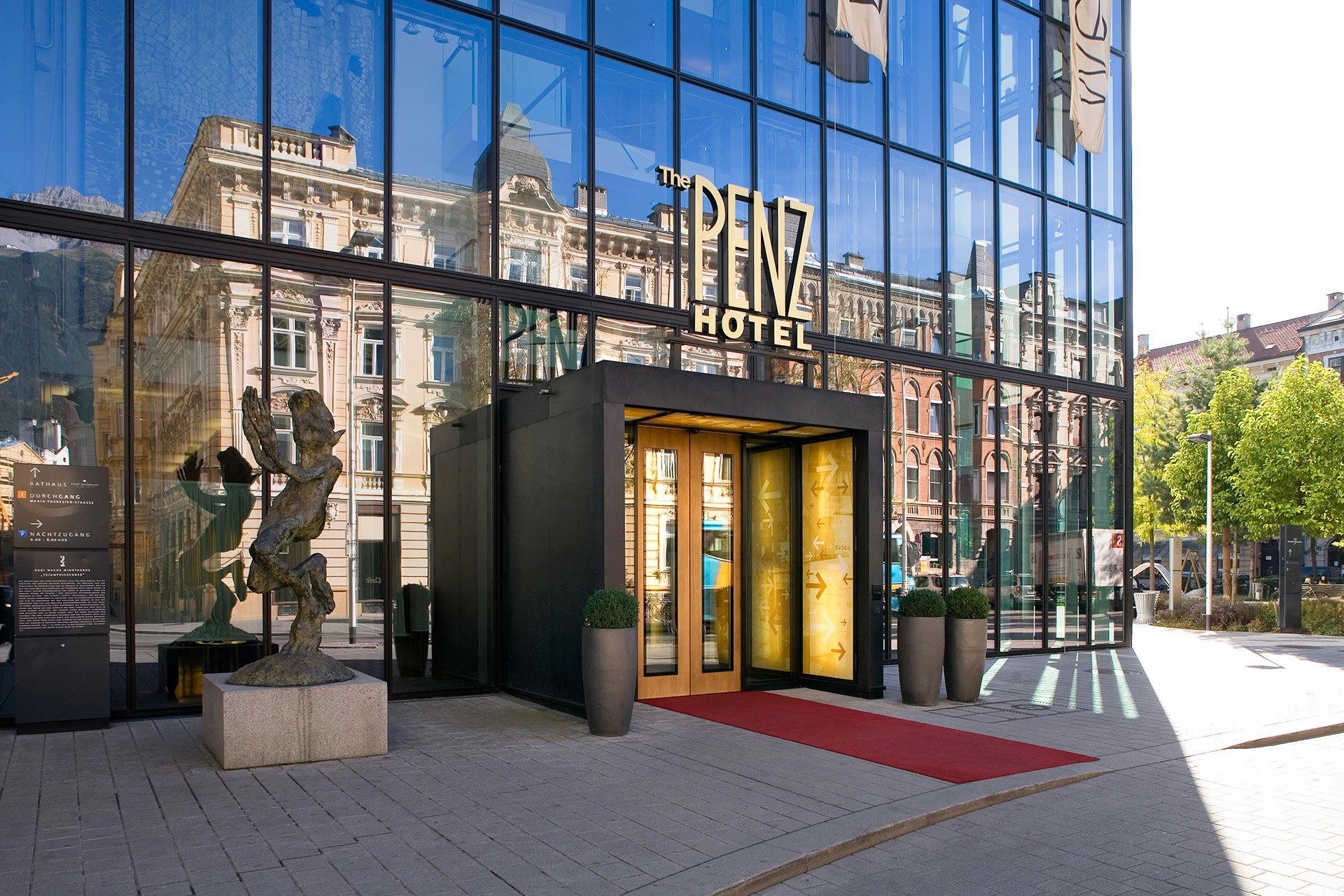
Hotels in Grinzens
Browse all →

At a Glance
- Rustic
- Cozy
- Scenic
- Family
- Casual Hangout
- Terrace
- Panoramic View
- Mountain
Current opening hours
- Monday
- Closed
- Tuesday
- Closed
- Wednesday
- Closed
- Thursday
- Closed
- Friday
- 10 AM–5 PM
- Saturday
- 10 AM–5 PM
- Sunday
- 10 AM–5 PM
Hours can change for holidays and private events. Last verified .
Cozy rustic mountain hut atmosphere with terrace seating offering panoramic mountain vistas amid dramatic alpine landscapes.