Frankalm
Alpine Eating at Altitude: The Alm Tradition in the Kitzbühel Alps The road up toward Sonnberg shifts the frame entirely. By the time Brixen im Thale's valley floor has dropped away and the pastures open out into the wider Kitzbühel Alps, the...
Pearl is the En Primeur Club membership app — saves, bookings, and concierge access live there. Same editors, same standards.
- Address
- Filz 17, 6364 Sonnberg, Austria
- Phone
- +436504505514
- Website
- null
- Directions
- Get directions
 Saves & bookings on Pearl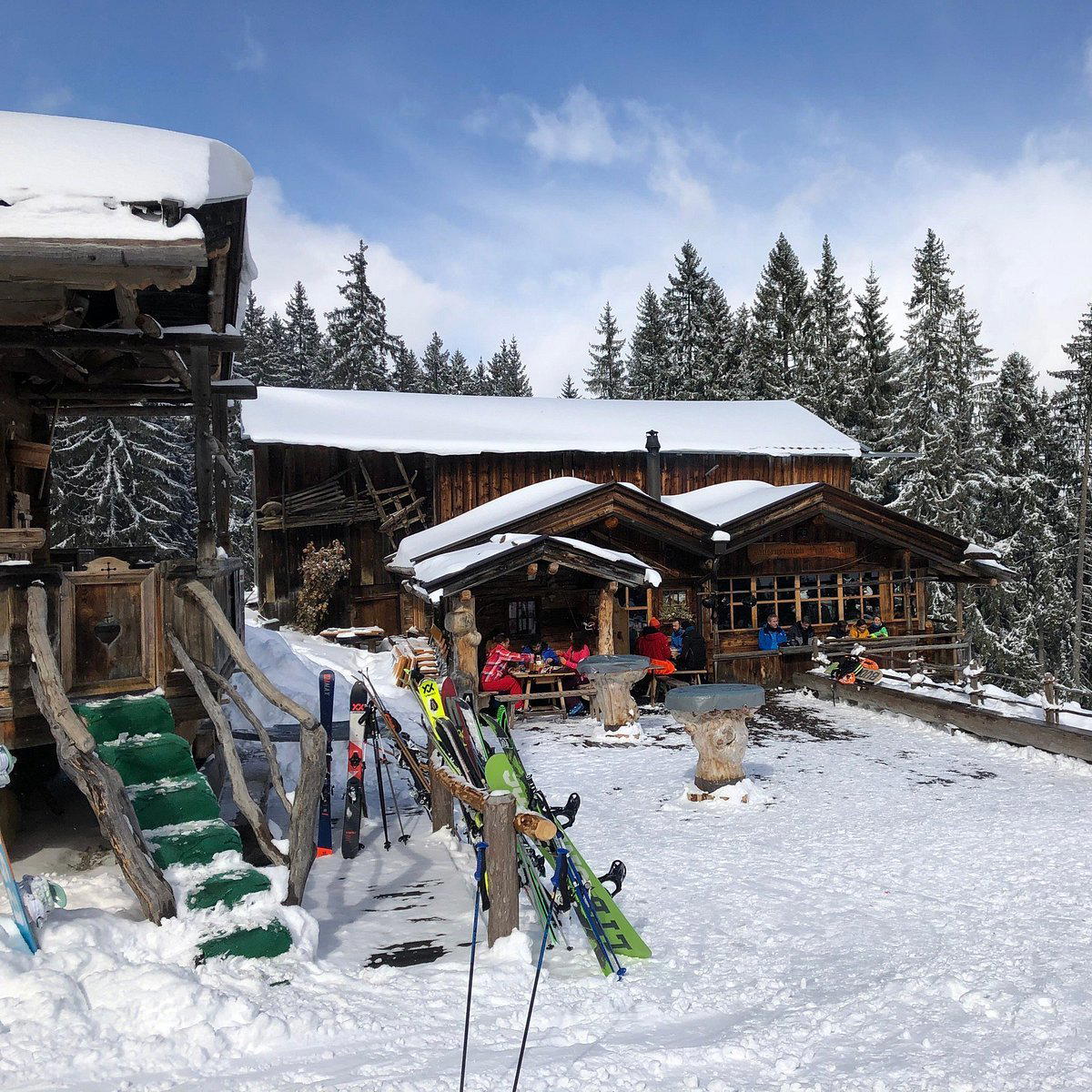
Alpine Eating at Altitude: The Alm Tradition in the Kitzbühel Alps
The road up toward Sonnberg shifts the frame entirely. By the time Brixen im Thale's valley floor has dropped away and the pastures open out into the wider Kitzbühel Alps, the logic of mountain dining becomes clear: proximity to the source is not a marketing concept here, it is the operational reality. Alpine huts across this region have fed farmers, herdsmen, and skiers for generations, drawing on whatever grew, grazed, or was cured within walking distance. Frankalm, located at Filz 17 on the Sonnberg slopes above Brixen im Thale, serves Traditional Austrian Alpine Cuisine in a casual, walk-in-friendly setting.
Where Ingredient Sourcing Is Geography, Not Positioning
Austrian alpine cooking at its most coherent is a direct expression of altitude and season. The cattle that graze the high pastures produce milk with a fat and mineral character shaped by meadow grasses that vary from valley to valley. Dairy, whether served as butter, cheese, or cream, carries that local specificity in a way that no supply chain can replicate at distance. The same logic applies to smoked meats, cured sausages, and game: in a region where traditional preservation methods developed out of necessity rather than trend, the product on the plate reflects techniques refined over centuries.
Frankalm's position on the Sonnberg side of the valley places it within the agricultural corridor that has supplied this kind of high-altitude cooking for as long as the huts have been here. In the broader Austrian context, that sourcing geography connects to a lineage that runs through some of the country's most respected kitchens. Döllerer in Golling an der Salzach has built a nationally recognized program on alpine ingredient sourcing at a fine-dining level. Kräuterreich by Vitus Winkler in Sankt Veit im Pongau takes mountain herbs as a central organizing principle. What Frankalm represents is the same underlying logic operating at a more grounded register, a hut that earns its credibility through location rather than through kitchen ambition alone.
The Sonnberg Setting: Approaching the Hut
Sonnberg above Brixen im Thale is ski terrain in winter and hiking country in summer, which means Frankalm functions as a year-round waypoint rather than a seasonal novelty. The approach by foot or ski determines the conditions under which you arrive: cold air, physical effort, and an appetite earned rather than constructed. That context shapes the eating experience in ways that a town-center restaurant cannot replicate. Dishes that read as simple on a menu, a plate of local cheese, a bowl of Gröstl, a slice of Bauernbrot with lard, land differently at altitude after movement.
In the Kitzbühel Alps, this category of alpine hut occupies a distinct tier. These are not the high-volume ski-in catering operations clustered at lift stations, where turnover takes precedence. Nor are they the fine-dining mountain restaurants, Griggeler Stuba in Lech and Stüva in Ischgl represent that refined tier, where the kitchen operates at a level that would be competitive in any European city. Frankalm belongs to the middle ground: huts where the food is honest, sourced locally, and prepared without pretense, and where the setting does a significant portion of the work.
Brixen im Thale's Dining Context
Brixen im Thale is a compact Tyrolean village with a dining scene that punches above its residential scale, largely because of the ski traffic that flows through the Brixental valley. Spitzbuam, operating at the European Contemporary level with a €€€ price point, represents the village's more polished end. Kandler Alm and Wiegalm occupy similar mountain-hut territory to Frankalm, giving visitors a cluster of altitude options across the same slopes. Taken together, these huts form a network rather than a competition, each draws a slightly different crowd depending on aspect, trail access, and time of day.
At the Austrian level, Brixen im Thale's mountain dining culture connects to a wider alpine hospitality tradition that the country has developed with particular care. Steirereck im Stadtpark in Vienna and Landhaus Bacher in Mautern an der Donau operate at the formal end of that tradition, while Obauer in Werfen and Schwarzer Adler in Hall in Tirol hold positions further along the regional spectrum. The hut culture that Frankalm represents is the foundation layer beneath all of that, the original format from which Austrian alpine cooking's credibility derives.
Planning a Visit: Practical Notes
Frankalm is located at Filz 17, 6364 Sonnberg, above Brixen im Thale in Tyrol. The address sits on the Sonnberg ski and hiking area, making it accessible by ski in winter and on foot or by mountain transport in summer. Given the hut format and alpine location, visiting on a clear day works well: weather on the Sonnberg slopes shifts quickly, and arrival conditions affect the experience considerably. Frankalm is open Wednesday through Sunday from 9 AM to 4:30 PM and is closed Monday and Tuesday. Dress casually for a mountain visit.
Quick Comparison
Comparable venues nearby, for context on price, style, and recognition.
| Venue | Cuisine | Price | Awards | Notes |
|---|---|---|---|---|
| FrankalmThis venue — the venue you are viewing | Traditional Austrian Alpine Cuisine | $$ | Not listed | Not listed |
| Kandler Alm | Traditional Austrian Alpine | $$ | Not listed | Brixen im Thale |
| Wiegalm | Austrian Mountain Hut | $$$ | Not listed | Sonnberg |
| Spitzbuam | Modern French-Asian Fusion | $$$$ | Michelin Plate | Brixen im Thale |
| Hornköpflhütte | Traditional Tyrolean Alpine Cuisine | $$ | Not listed | Kitzbüheler Horn |
| Feilalm | Traditional Tyrolean Mountain Hut | $$ | Not listed | Eben am Achensee |
Continue exploring
More in Brixen im Thale
Restaurants in Brixen im Thale
Browse all →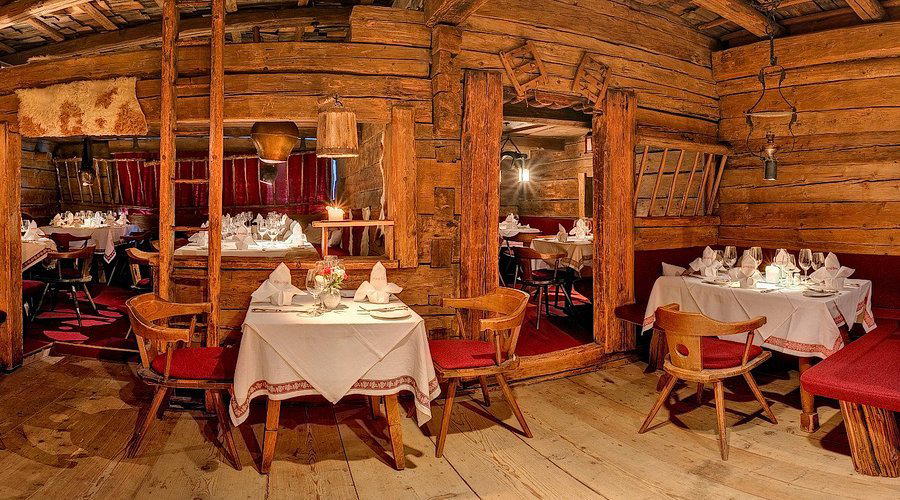
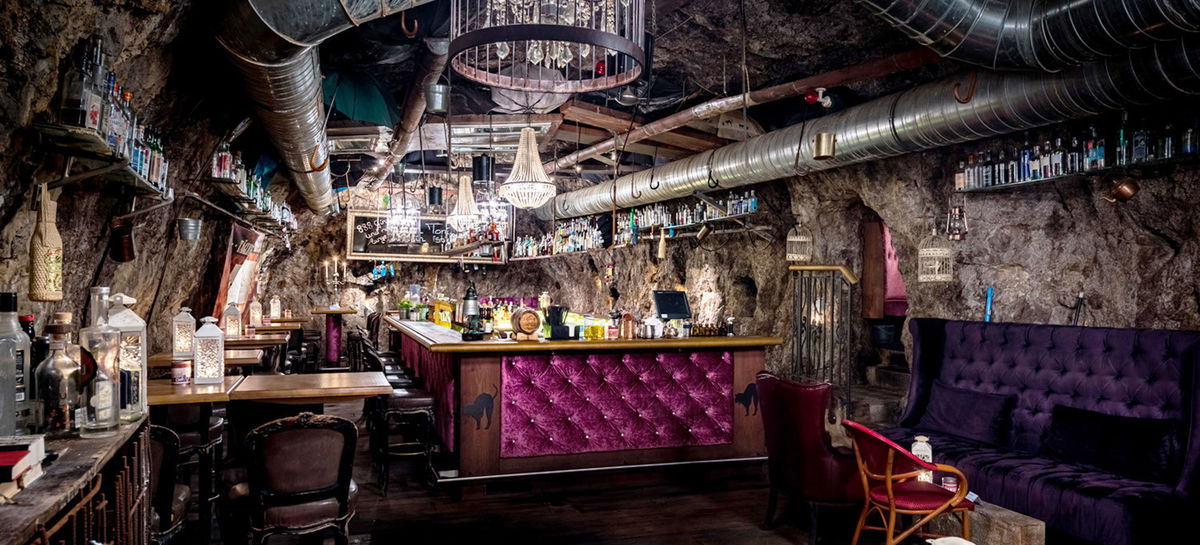
Bars in Brixen im Thale
Browse all →


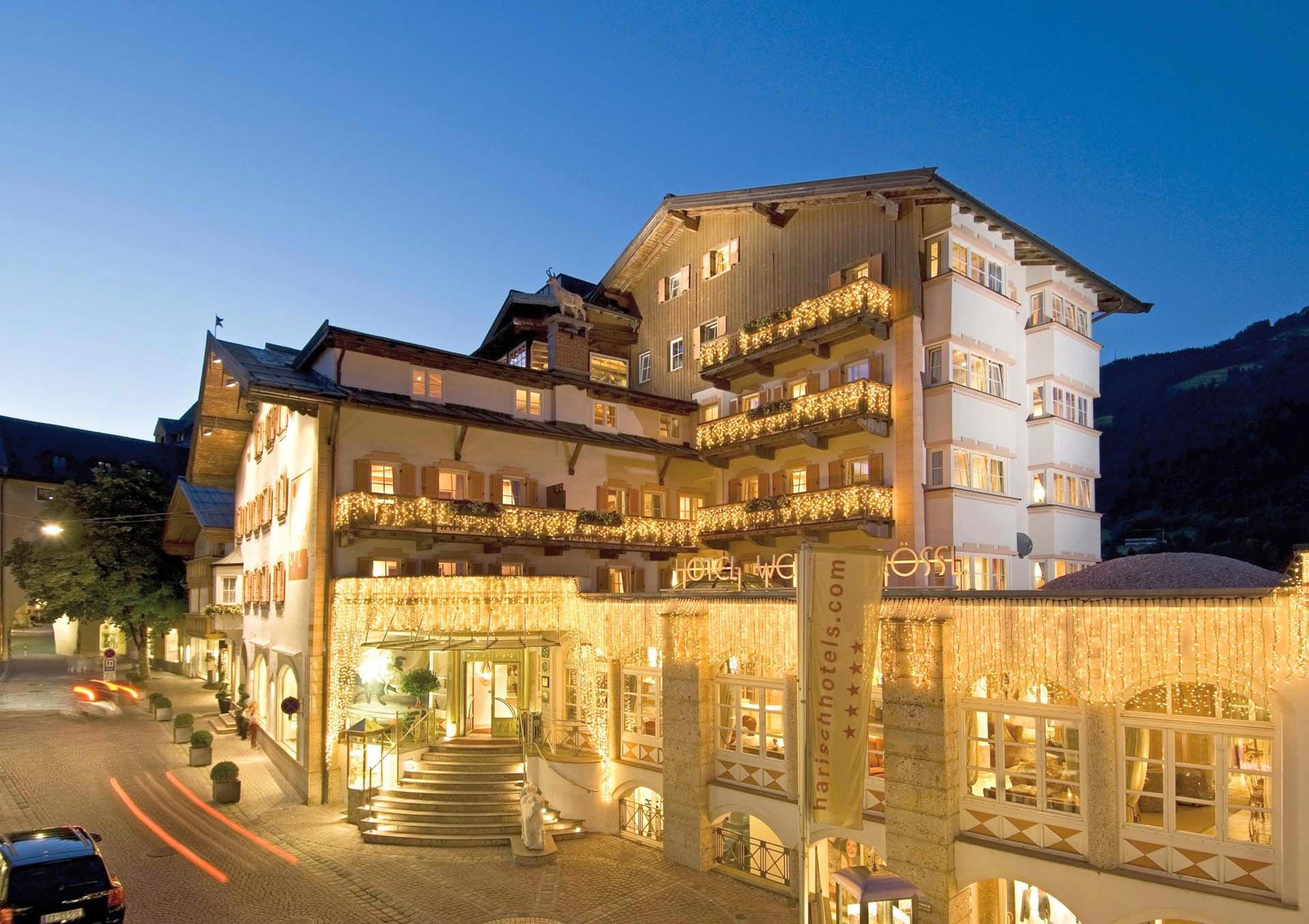
Hotels in Brixen im Thale
Browse all →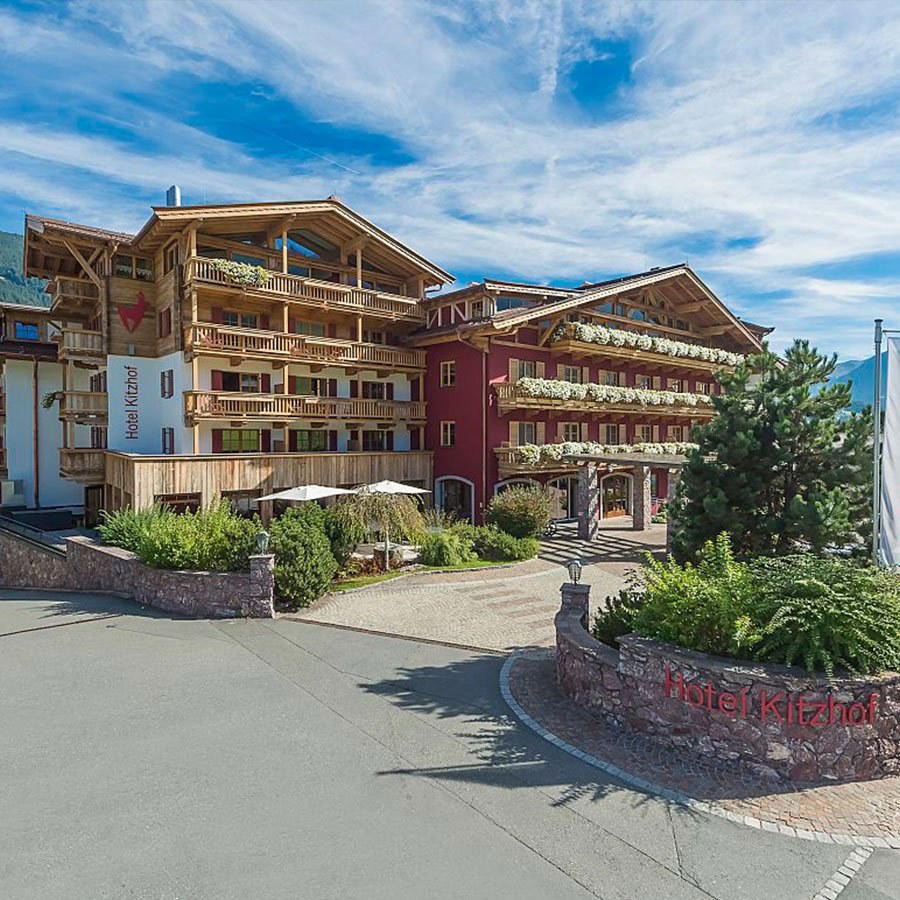
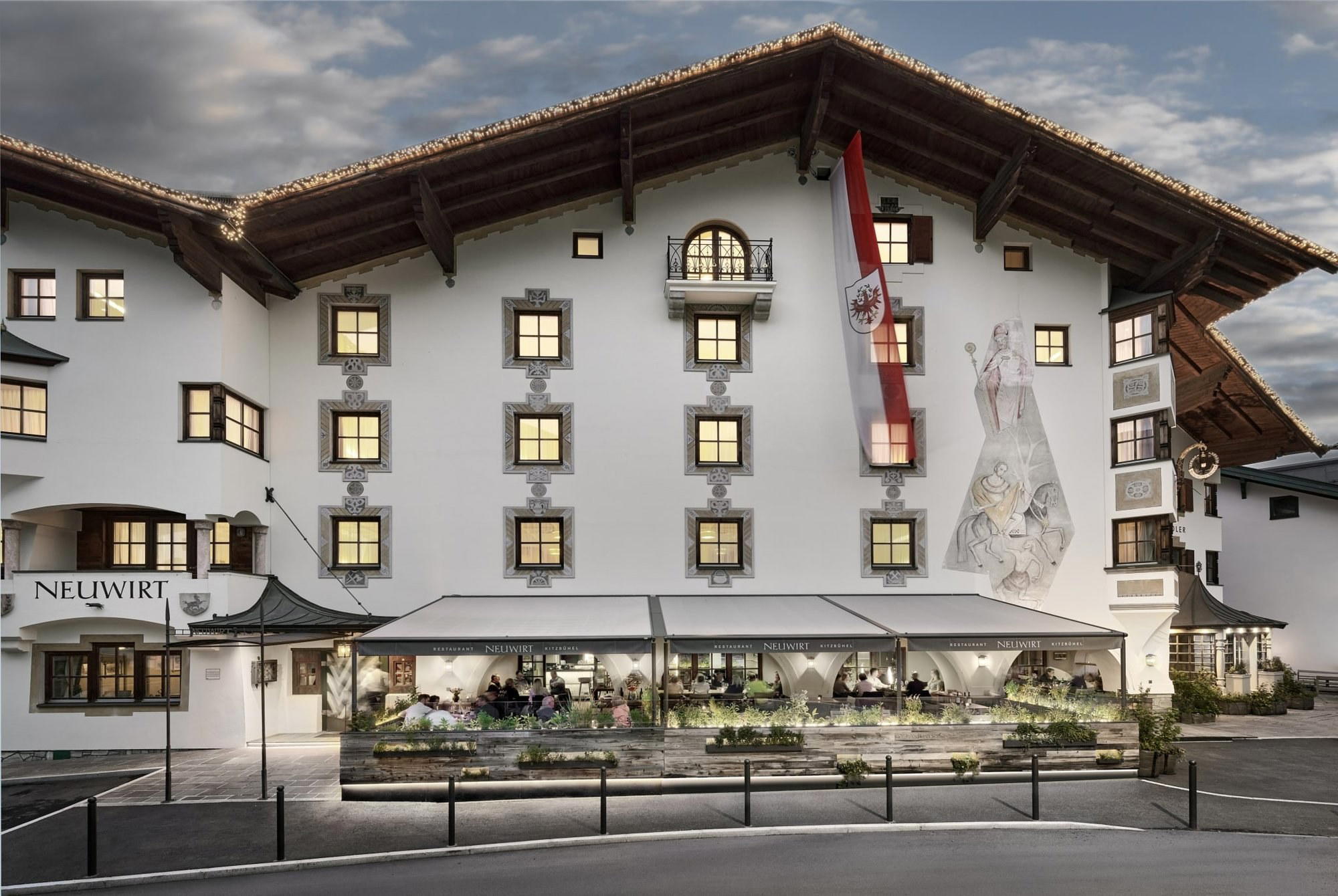
Wineries in Brixen im Thale
Browse all →
At a Glance
- Rustic
- Cozy
- Scenic
- Casual Hangout
- Group Dining
- Family
- Terrace
- Panoramic View
- Local Sourcing
- Mountain
Current opening hours
- Monday
- Closed
- Tuesday
- Closed
- Wednesday
- 9 AM–4:30 PM
- Thursday
- 9 AM–4:30 PM
- Friday
- 9 AM–4:30 PM
- Saturday
- 9 AM–4:30 PM
- Sunday
- 9 AM–4:30 PM
Hours can change for holidays and private events. Last verified .
Rustic alpine hut atmosphere with traditional furnishings and a welcoming, casual environment typical of mountain jausenstation establishments.