
Tokyo’s steak and teppanyaki scene has widened beyond wagyu orthodoxy, and Wakanui Grill Dining Bar Tokyo sits in the international-grill lane: New Zealand beef and spring lamb, wine-led service, and a Shibakoen room facing the Tokyo Tower district. Its Tabelog 100 Steak / Teppanyaki EAST 2025 selection places it in a competitive bracket where provenance, grill technique, and occasion value matter more than spectacle.
Pearl is the En Primeur Club membership app — saves, bookings, and concierge access live there. Same editors, same standards.
- Address
- 東京都港区芝公園3-4-30 32芝公園ビル 10F
- Phone
- +81354015677
- Website
- wakanui.jp
 Saves & bookings on Pearl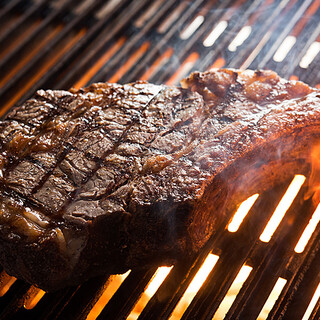
Shibakoen changes tone after dark. Office towers thin toward the Tokyo Tower side of Minato, and dining rooms here run differently from Ginza counters or Roppongi hotel restaurants: less ceremony, more skyline, more business-dinner pragmatism. Wakanui Grill Dining Bar Tokyo fits that lane, a high-floor grill room where the view and meat program carry equal weight.
Tokyo’s premium beef culture is often read through wagyu, teppan counters, and omakase-style control. The sharper counter-current is the international steakhouse adapted to Japanese expectations: cleaner pacing, sharper wine service, private-room utility, and little patience for oversized theatrics. New Zealand beef and spring lamb make sense here. The aim is not to out-wagyu Tokyo, but to offer another grilling grammar: leaner structure, lamb as a serious order, and a Western grill room with Japanese precision.
New Zealand meat in a city trained on wagyu
Tokyo has deep steak subcultures, from teppanyaki performance rooms to compact beef specialists. A restaurant selected for Tabelog 100 Steak / Teppanyaki EAST 2025 enters a crowded field where diners compare sourcing, cooking discipline, wine depth, and room comfort with little patience for vague luxury. Wakanui Grill Dining Bar Tokyo also appeared in Tabelog’s Steak / Teppanyaki EAST 2024 selection and Steak 2021 selection, giving its current position more weight than a single-year mention.
The distinction is category. This is not a kappo counter posing as steak, nor a wagyu shrine built around marbling alone. The kitchen’s identity is tied to New Zealand beef and spring lamb, unusual in a city where imported beef often sits below domestic labels in the prestige hierarchy. That matters for diners who want steak with more chew, lamb in a central role, and wine pairings beyond high-fat wagyu logic.
The hamburger listing is not incidental. In Tokyo, premium steak restaurants often make lunch a lower-stakes access point while dinner carries the business and celebration load. Here, a lunch budget in the JPY 3,000 range and dinner in the JPY 15,000 range signal two uses of one room: daytime practicality and evening occasion dining. That contrast is part of the venue’s evolution since its 2011 opening, from a brand-forward New Zealand grill into a steadier Minato address recognized within the city’s steak category.
The Shibakoen room suits business dinners better than theatre
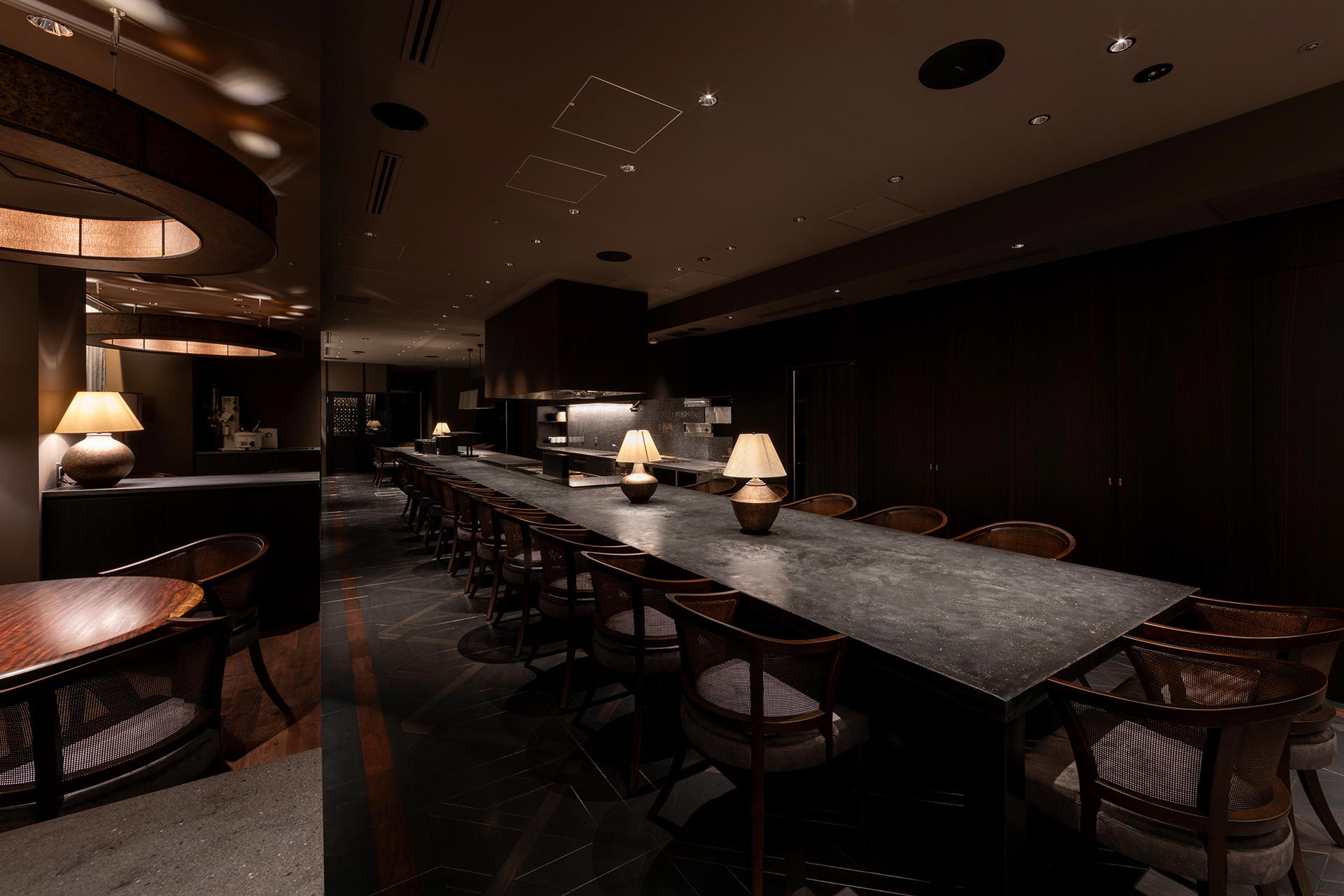
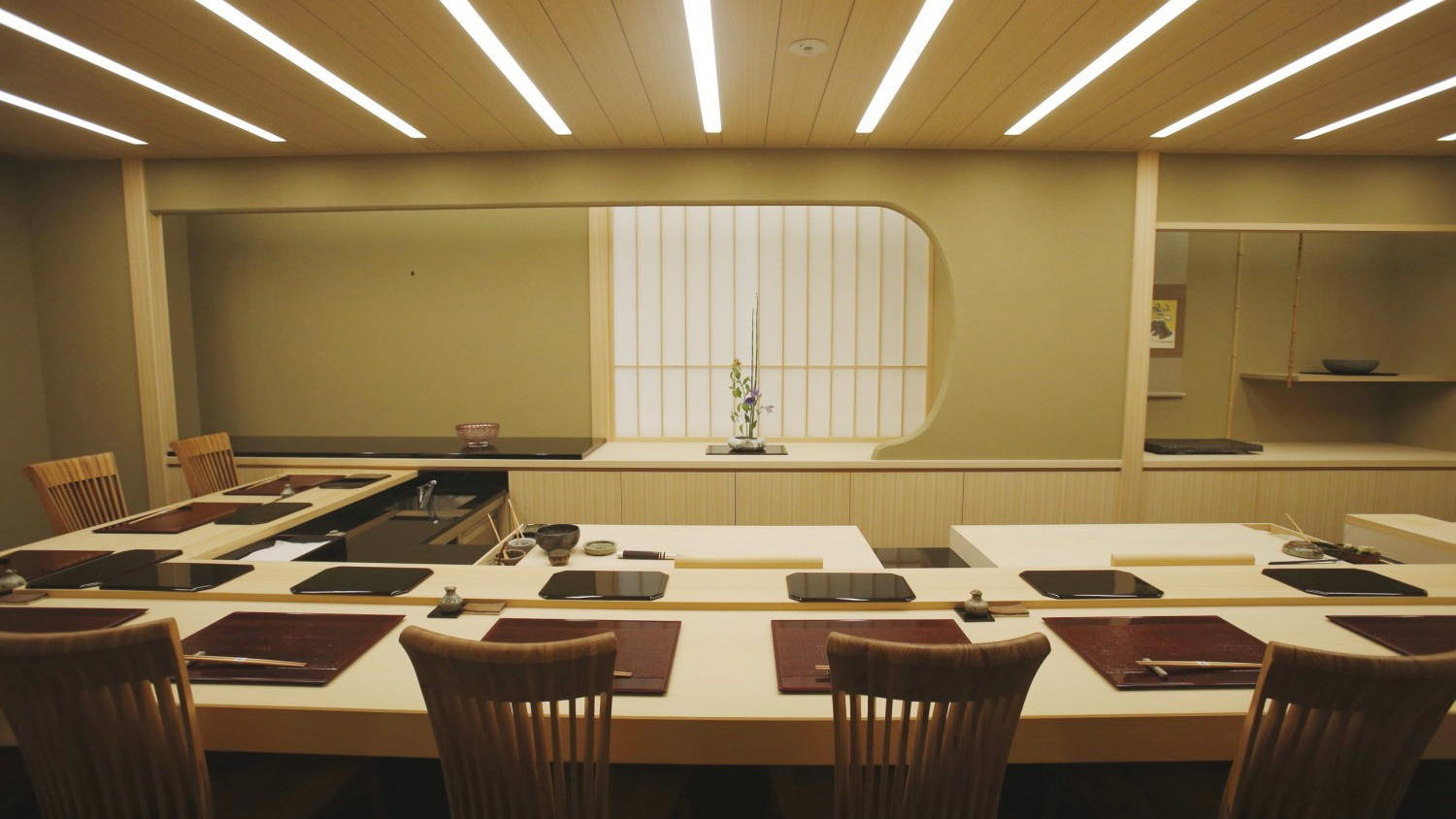
Minato dining rewards function. Around Kamiyacho, Onarimon, Akabanebashi, and Shibakoen, restaurants must serve clients, regulars, hotel guests, and locals who know the difference between a view and a room that works. Counter seating, private rooms for 8 people, and private use for more than 50 people place this restaurant closer to the polished corporate-dinner model than the intimate destination counter.
That does not make it anonymous. Tokyo Tower proximity gives the room a visual identity many steak restaurants would have to manufacture. Still, the editorial case rests on format rather than scenery. Eighty-two seats put it far from the tiny counters that dominate much of Tokyo’s prestige dining conversation. Scale changes the experience: pacing is broader, groups fit naturally, and the wine program must support mixed tables rather than one fixed menu.
Neighborhood comparisons underline the point. Tokyo Shiba Toufuya Ukai works from a Japanese hospitality tradition near the same landmark, while Nodaiwa Azabu Iikura Honten represents a narrower unagi lineage. Brise Verte and joujouka point toward hotel-influenced or French-leaning occasion dining, and PST Higashi Azabu sits in a more casual, sharply focused category. Wakanui Grill Dining Bar Tokyo reads as the international grill option: less tradition-bound than tofu or unagi, less tasting-menu coded than French, more formal than a neighborhood pizza stop.
For context, compare it with other Tokyo listings such as . 鮪と炭火焼き うお炭 秋葉原店, 12/10 Shinjuku ten, 124. KAGURAZAKA (Yakitori), 2D Cafe, and 3 Chome no Curry Ya San. They show how fragmented Tokyo dining is by neighborhood, format, and price ceiling.
How to read the current value
Dinner pricing sits below the city’s most rarefied steak counters but above casual grill rooms, exactly where the decision gets interesting. Diners pay for sourcing clarity, recognized steak-category placement, wine support, and a Minato setting that handles work dinners without feeling like a hotel lobby. A sommelier and BYO availability point to a wine-aware clientele, though the smarter read is to treat wine as part of the format, not an accessory.
Reservations matter because this is not a bar-with-food stop. Seats-only use carries cancellation fees, and reservations are accepted for dining rather than light bar use. That separates it from flexible drinking rooms and reinforces the meal-first identity. Dress expectations follow: lunch is looser, dinner moves into smart casual territory.
Families should read the timing carefully. Lunch has no age restriction, while dinner welcomes children only from elementary school age. Lunch is therefore more flexible for mixed-age groups; dinner is aimed at adults, client tables, and celebrations. Sunday closure also shapes weekend planning in a city where premium dining itineraries often rely on Saturday or Sunday evenings.
The restaurant is strongest for diners who want a Tokyo steak dinner with international sourcing, a serious lamb signal, and a room that manages both view and volume. It is less compelling for travelers chasing a tiny counter, chef-led tasting sequence, or wagyu maximalism. The better comparison is not sushi or kaiseki prestige, but the city’s mature category restaurants that keep regulars by being useful, consistent, and specific.
For wider trip planning, use Our full Tokyo restaurants guide alongside Our full Tokyo hotels guide, Our full Tokyo bars guide, Our full Tokyo wineries guide, and Our full Tokyo experiences guide. For a Japan and overseas contrast, see -Grilled beef Sukiyaki- KAMAKURA TANUKIAN 鎌倉 たぬき庵 in Kamakura.cafe in Osaka.know in Kumamoto, (Shoku) Vietnam in Kawasaki, [Curry Senmon Ten] Maruyama Kyoju. in Sapporo, [ki:] in Kyoto, Jōdo Saké Bar in Los Angeles, and Onigiri Time in Pasadena.
Compact Comparison
Nearby venues at a similar price tier for orientation.
| Venue | Cuisine | Price | Notes |
|---|---|---|---|
| Wakanui Grill Dining Bar TokyoThis venue — the venue you are viewing | Minato, New Zealand Steakhouse | $$$ | Not listed |
| CHACO Amemiya | Not listed | $$$ | Shibuya, Charcoal‑grilled Steakhouse |
| PENTHOUSE GINZA hanare: | Not listed | $$$ | Chūō, Steakhouse / Teppanyaki |
| Koishikawa Nakasei | Bunkyō, Aged Wagyu Steakhouse | $$$$ | Not listed |
| Steak & Wine Jinbo | Not listed | $$ | Chiyoda, Steak & European-style curry with wine |
| Empire Steak House | Minato, New York-Style Steakhouse | $$$$ | Not listed |
Recognition history
Dated appearances from independent guides and award organizations, with the underlying list record or original source where available.
Tabelog 100 #68 · No. 68
Tabelog · Tabelog 100 - Steak / Teppanyaki - EAST - 2025










At a Glance
- Scenic
- Elegant
- Sophisticated
- Romantic
- Classic
- Date Night
- Business Dinner
- Group Dining
- Special Occasion
- Casual Hangout
- Terrace
- Open Kitchen
- Design Destination
- Standalone
- Craft Cocktails
- Beer Program
- Local Sourcing
- Skyline
Chic and date-friendly with a tower-view setting, terrace seating, and a polished steakhouse feel.