
Ginza’s steak and teppanyaki tier rewards planning, not improvisation. PENTHOUSE GINZA hanare: sits in that tighter dinner bracket, with Tabelog 100 Steak / Teppanyaki EAST recognition in 2025, a 23-seat format, counter seating, wine focus, and a price band that places it above casual beef rooms and below Tokyo’s trophy splurge counters.
Pearl is the En Primeur Club membership app — saves, bookings, and concierge access live there. Same editors, same standards.
- Address
- Japan, 〒104-0061 Tokyo, Chuo City, Ginza, 8 Chome−5−9 民友ビル 3F
- Phone
- +81 3-3573-5540
- Website
- tabelog.com
 Saves & bookings on Pearl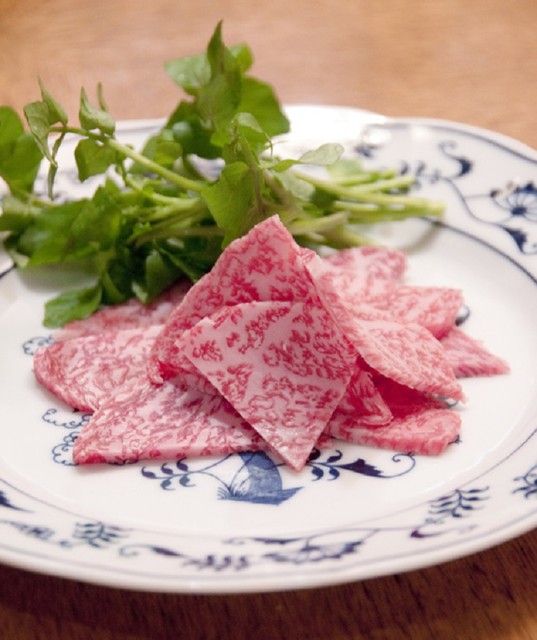
Ginza after office hours has its own rhythm: elevator lobbies, narrow upper-floor addresses, and dining rooms separated from the street by only a few floors but a full change of tempo. Here, steak and teppanyaki are not just about beef; they are about control: heat, pacing, portion, seating, and the discipline of a room small enough for every turn of the grill to matter.
Tokyo’s premium beef scene splits into clear lanes: sukiyaki rooms built around sweetness and ceremony, yakiniku restaurants around self-directed grilling, counter teppanyaki around performance and timing, and steak houses where sourcing carries the argument. PENTHOUSE GINZA hanare: belongs to the Ginza-Shimbashi strain of compact, dinner-led beef dining, where room size and booking pattern are part of the experience, not background.
Ginza beef dining, edited down to a small-room format
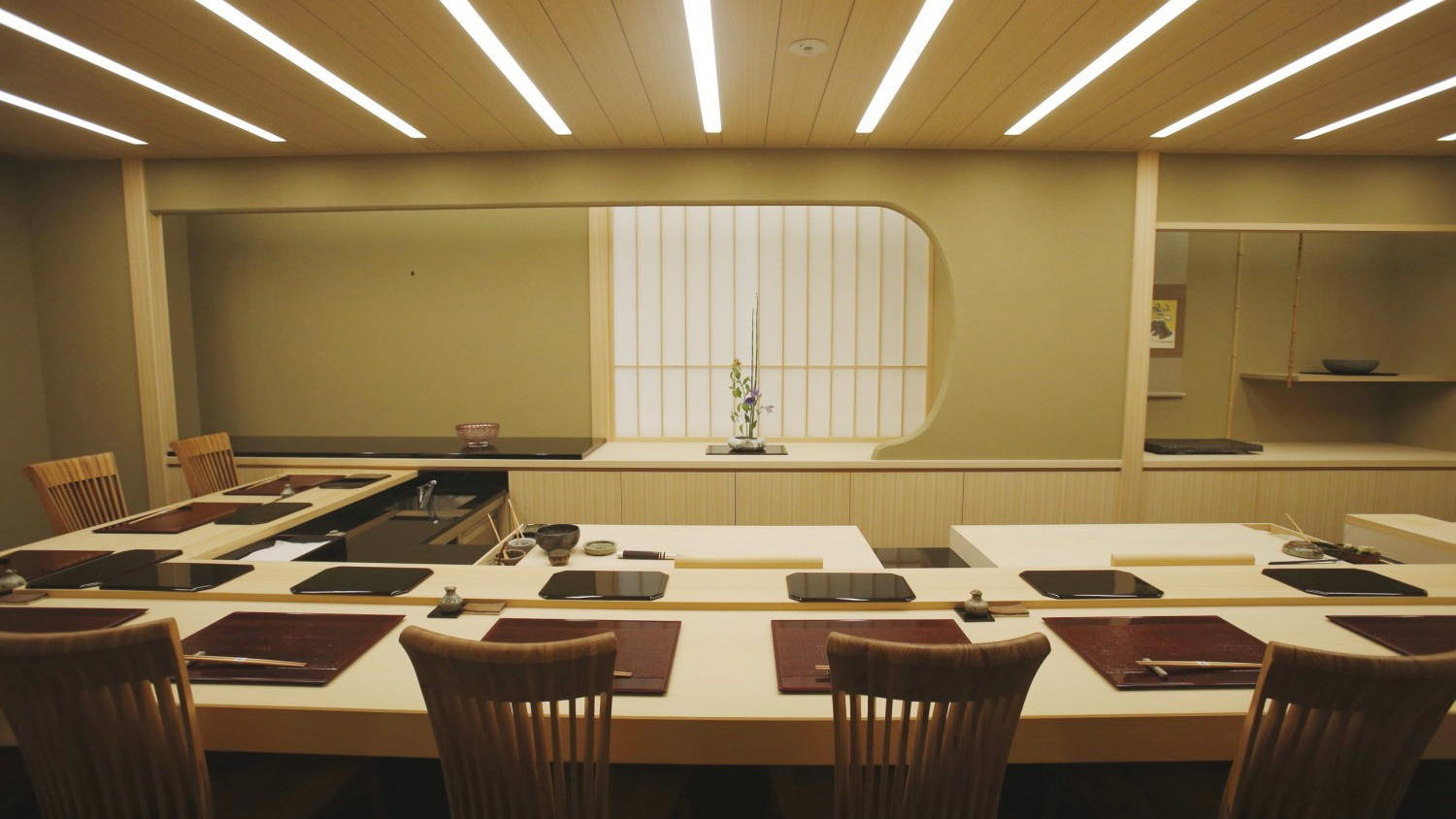
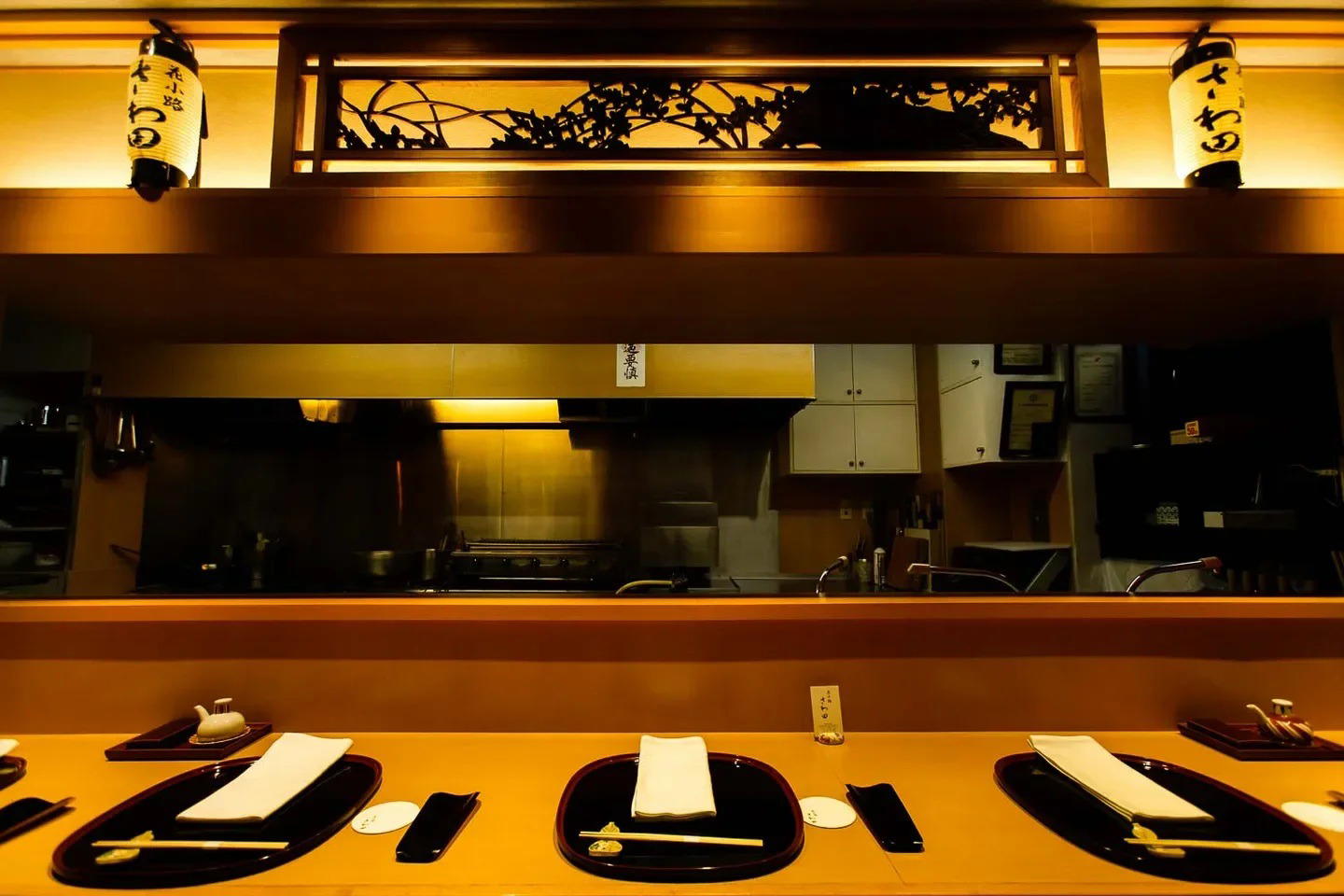
The useful way to read this address is through scale. A 23-seat restaurant in Ginza behaves differently from a large hotel steakhouse or casual grilled-meat shop: service has less margin for error, seating turns matter, and the guest buys a narrower cut of the city’s beef culture. Counter seating adds another layer. In Tokyo, a counter is not automatically theatrical; in serious beef and teppanyaki rooms, it often tightens the distance between cooking, serving, and timing.
Public recognition gives the category context. Selection for Tabelog 100 Steak / Teppanyaki EAST 2025 places the restaurant inside a competitive eastern-Japan field, not the broader mass of Ginza dining. That matters because Tokyo’s specialisms, sushi, tempura, yakitori, tonkatsu, curry, French, and beef, run on separate ladders of reputation. A steak or teppanyaki selection signals performance within a craft category more than general luxury.
The JPY 20,000 to JPY 29,999 price band clarifies the decision. This is not Tokyo’s casual beef lane, nor a quick Shimbashi dinner before the last train. It is planned-evening dining, compared with other counter-led formats and specialist beef rooms rather than neighbourhood izakaya cooking. For a wider read on the city, Our full Tokyo restaurants guide is the broader map; nearby categories range from seafood-led casual dining such as . 鮪と炭火焼き うお炭 秋葉原店 to yakitori at 124. KAGURAZAKA (Yakitori) and curry at 3 Chome no Curry Ya San.
Why the booking matters as much as the grill
In Tokyo, small restaurants turn logistics into editorial meaning. Fewer than two dozen seats need no dramatic scarcity language; the arithmetic is enough. Dinner-only hours concentrate demand, and Sunday closure removes an obvious weekend option. Place it into an itinerary deliberately, especially if balancing Ginza dining with late bars, hotel transfers, or an early departure.
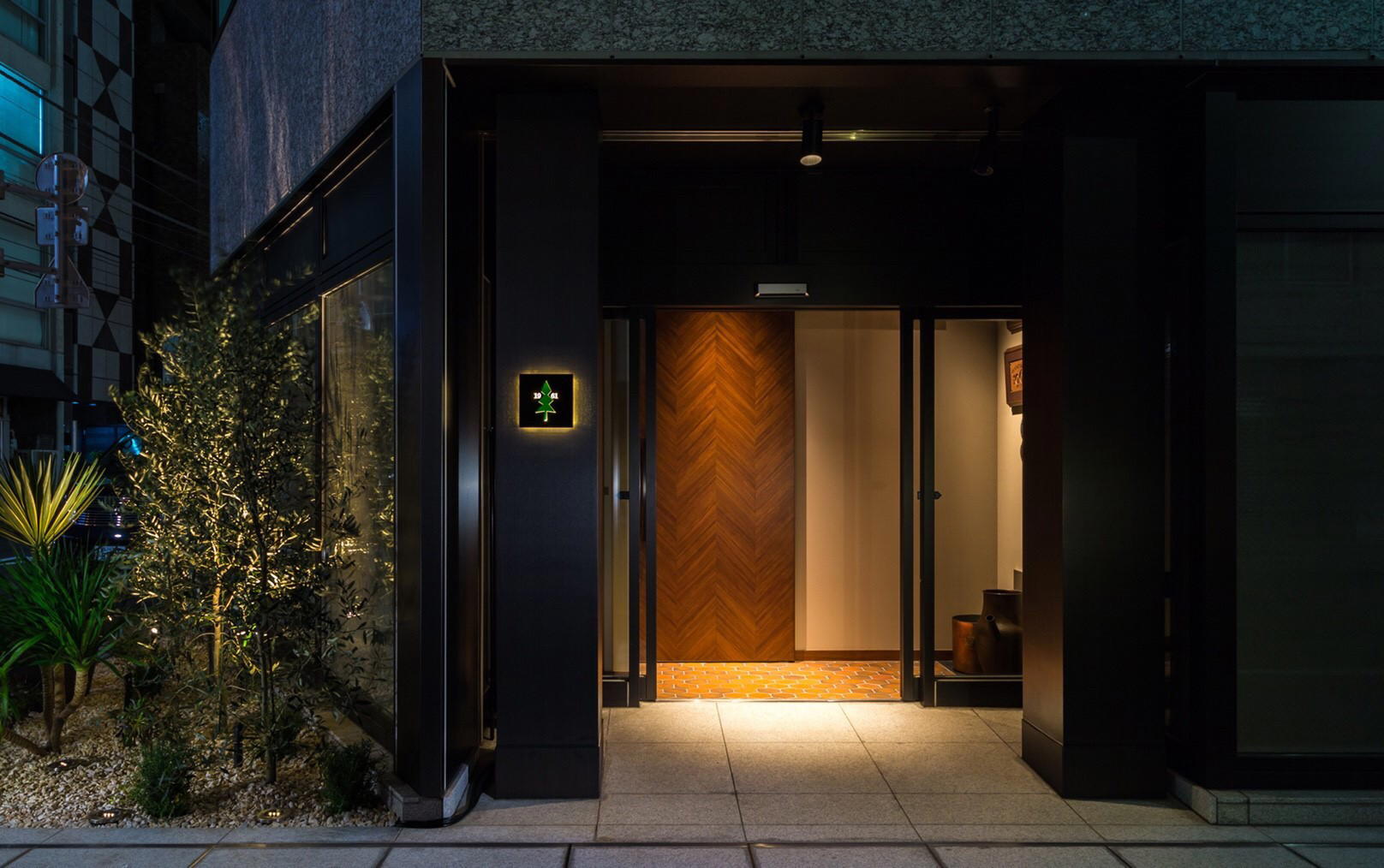
The Shimbashi side of Ginza explains part of the appeal. This edge is less ceremonial than the avenue-facing luxury blocks, with office traffic, after-work dining, and upper-floor addresses that reward exact navigation. For visitors staying elsewhere, it pairs naturally with a Ginza evening rather than a cross-town sprint. Tokyo rewards clustering: a beef dinner here can sit alongside a bar plan from Our full Tokyo bars guide, while hotel choice is better handled separately through Our full Tokyo hotels guide.
The family-dining signal is practical: the restaurant is children-welcoming, with a kids menu and stroller access, while preschool children are limited to Saturdays. That is rare in upper Tokyo beef dining, where compact counters often read as adult spaces even when unstated. For families, Saturday becomes the relevant window, and the meal reads less like a hushed special-occasion counter than a controlled small-room beef format with defined conditions.
Payment and room structure reinforce the planned nature of the evening. Credit cards are accepted; electronic money and QR payments are not. Private rooms are unavailable, and private use is listed for groups of up to 20. The combination points to a shared-room restaurant rather than compartmentalized entertaining. For business dinners, family meals, or small-group celebrations, that matters more than decorative language.
How it compares inside Tokyo's wider dining map
Tokyo comparisons work only when categories stay separate. Sushi Tokami belongs to sushi, Meimon to French, and lower-priced casual addresses such as Miyazawa or Tachibana answer different questions. PENTHOUSE GINZA hanare: is better read within the city’s beef-specific economy: Wagyu-led steak and teppanyaki in a small Ginza room, with wine as part of the format and Tabelog category recognition as the external signal.
That makes it sharper for travellers who know they want beef, not simply “a nice dinner in Ginza.” Tokyo has too many serious restaurants for vague planning. If the evening calls for sushi, the calculus changes. If it calls for yakitori, French, or something more casual, other tracks exist, from 12/10 Shinjuku ten to 2D Cafe. If the point is a beef-centered dinner in a compact room with category recognition, this address fits cleanly.
Tokyo’s broader appeal is movement between tightly specialized food formats and other cultural registers. Restaurants sit beside hotel, bar, winery, and experience planning rather than replacing it; Our full Tokyo wineries guide and Our full Tokyo experiences guide cover those adjacent lanes. Across Japan, beef and casual formats shift again, from -Grilled beef Sukiyaki- KAMAKURA TANUKIAN 鎌倉 たぬき庵 in Kamakura to [ki:] in Kyoto.cafe in Osaka.know in Kumamoto, (Shoku) Vietnam in Kawasaki, and [Curry Senmon Ten] Maruyama Kyoju. in Sapporo. Outside Japan, the comparison still helps: Jōdo Saké Bar in Los Angeles and Onigiri Time in Pasadena show how Japanese formats change away from Tokyo’s density.
The editorial verdict is simple: choose this for a beef-focused Ginza dinner where scale, recognition, and planning discipline matter. Do not treat it as a spontaneous all-purpose restaurant. Decide that steak and teppanyaki are the evening’s center, then arrange the rest of the night around that choice.
Accolades, Compared
Comparable venues side-by-side for orientation.
| Venue | Cuisine | Price | Notes |
|---|---|---|---|
| PENTHOUSE GINZA hanare:This venue — the venue you are viewing | Steakhouse / Teppanyaki | $$$ | Not listed |
| Wakanui Grill Dining Bar Tokyo | New Zealand Steakhouse | $$$ | Minato |
| BENJAMIN STEAK HOUSE Roppongi | New York-style Prime Steakhouse & Seafood | $$$$ | Minato |
| CHACO Amemiya | Charcoal‑grilled Steakhouse | $$$ | Shibuya |
| Kobe Gyuu Rogama Sumiyaki Steak Ginza Ichimiya | Kobe beef rogama charcoal-grilled steak | $$$$ | Chūō |
| BLT STEAK ROPPONGI | Modern American Steakhouse | $$$$ | Minato |
Recognition history
Dated appearances from independent guides and award organizations, with the underlying list record or original source where available.
Tabelog 100 #52 · No. 52
Tabelog · Tabelog 100 - Steak / Teppanyaki - EAST - 2025




At a Glance
- Classic
- Elegant
- Sophisticated
- Intimate
- Business Dinner
- Date Night
- Celebration
- Group Dining
- Special Occasion
- Standalone
- Open Kitchen
- Design Destination
- Extensive Wine List
- Sommelier Led
- Local Sourcing
Current opening hours
- Monday
- 5–8 PM
- Tuesday
- 5–8 PM
- Wednesday
- 5–8 PM
- Thursday
- 5–8 PM
- Friday
- 5–8 PM
- Saturday
- 5–10 PM
- Sunday
- Closed
Hours can change for holidays and private events. Last verified .
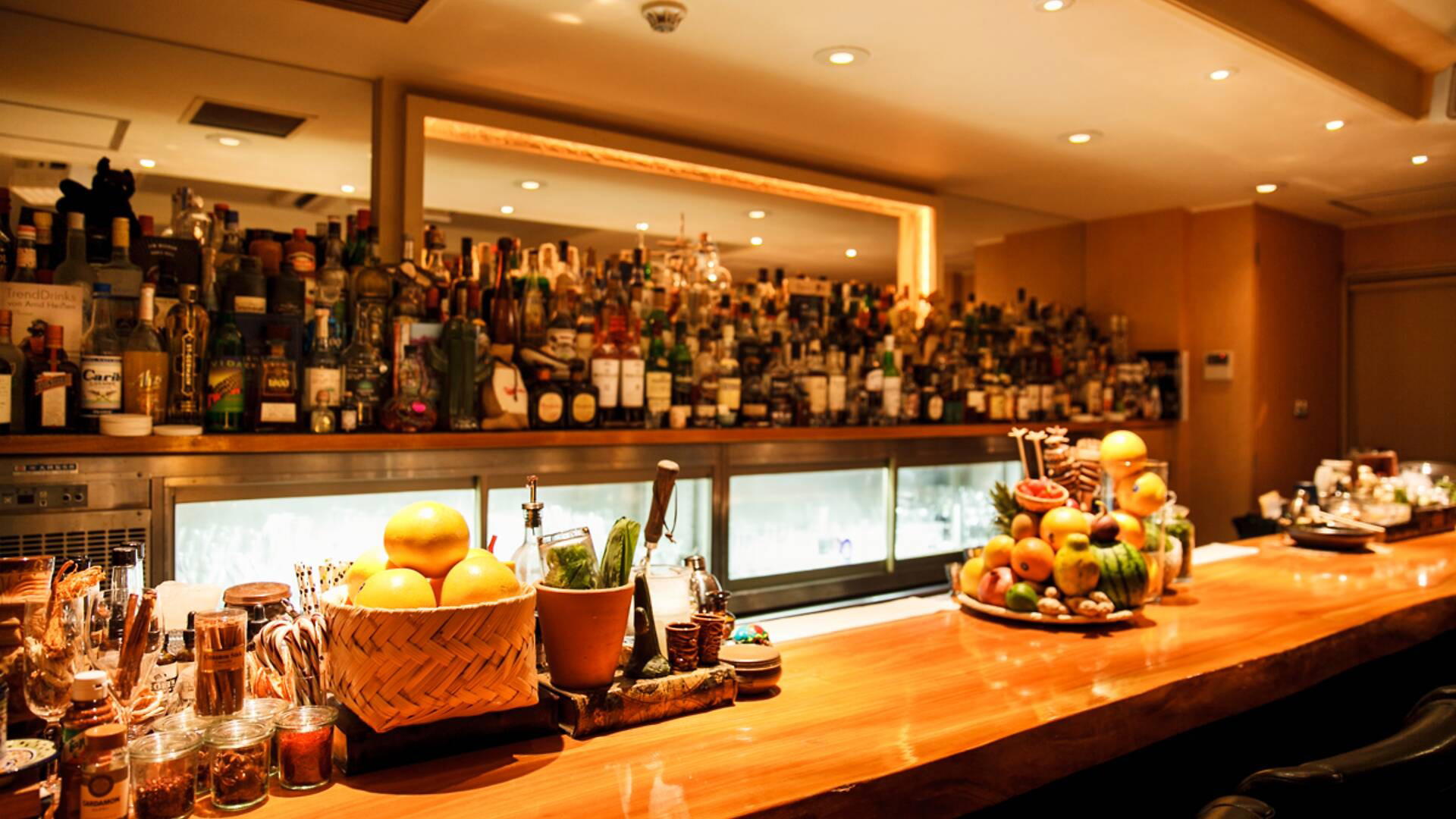
Traditional and refined but not formal, with a relaxed hidden-steakhouse feel, counter seating, and a calm dinner-focused atmosphere.