VIVO
North Austin's I-35 Corridor and What It Signals for the Scene The stretch of North Interstate 35 that runs through Austin's 78752 zip code is not the address that appears in magazine round-ups or on curated tasting-menu shortlists. It is...
Pearl is the En Primeur Club membership app — saves, bookings, and concierge access live there. Same editors, same standards.
- Address
- 6406 N Interstate Hwy 35 Ste 2343, Austin, TX 78752
- Phone
- +15124078302
- Website
- vivoaustin.com
- Directions
- Get directions
 Saves & bookings on Pearl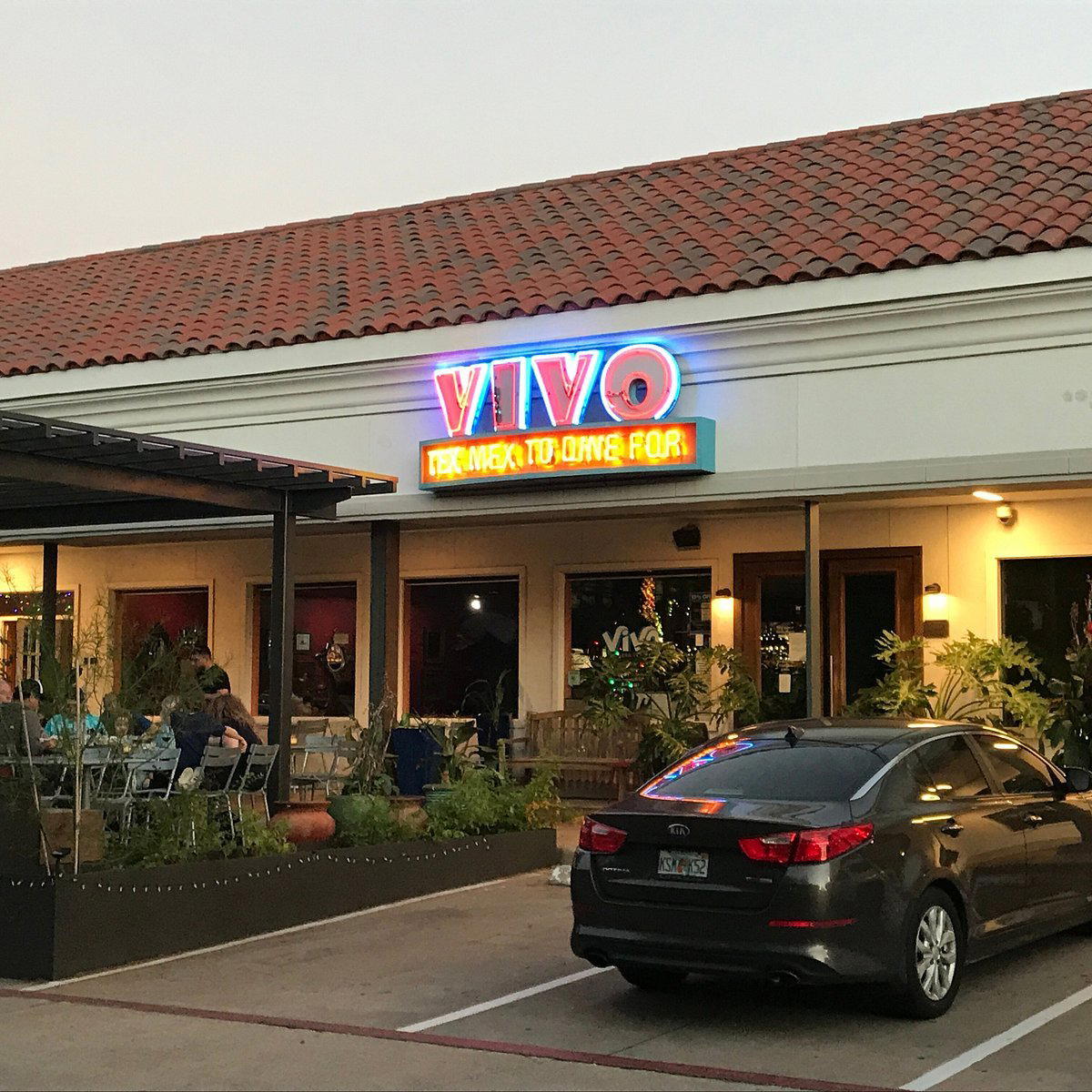
North Austin's I-35 Corridor and What It Signals for the Scene
The stretch of North Interstate 35 that runs through Austin's 78752 zip code is not the address that appears in magazine round-ups or on curated tasting-menu shortlists. It is commercial, arterial, and largely defined by the logistics of a city that has expanded faster than its culinary geography has been mapped by outside media. That gap between where food culture actually develops and where it is presumed to exist is one of the more useful fault lines in any rapidly growing American food city. VIVO sits inside that gap, at 6406 N IH-35, in a stretch of the corridor where dining options answer to a neighbourhood rather than to a visiting press corps.
Austin's dining conversation has, for years, been anchored to a handful of zip codes: East Sixth, South Congress, the Domain. The north corridor has moved more quietly, serving residents rather than destination seekers, which has implications for how a venue there builds its identity and its audience. Venues in this position tend to develop through sustained local repetition rather than through opening-night coverage. That is a different kind of durability, and for a reader deciding how to spend a meal in Austin, it changes the calculus considerably. For context on how Austin's broader restaurant scene organises itself across neighbourhoods and price tiers, see our full Austin restaurants guide.
How Austin Divides Along Price and Format Lines
Austin's restaurant market has stratified in ways that mirror other fast-growing Sun Belt cities. At the upper end, a cohort of destination-format venues attracts national attention: Hestia, with its live-fire New American program, and Barley Swine, which operates in the contemporary New American tier at the top of Austin's price range. Below that sits a mid-market where cuisine type and neighbourhood context do most of the positioning work. Austin's barbecue corridor, represented by venues like la Barbecue and InterStellar BBQ, operates on its own logic entirely, drawing both residents and pilgrims under a different set of expectations about format, timing, and value.
The north IH-35 corridor does not map cleanly onto any of those tiers, which is part of what defines it. Dining there answers to foot traffic, residential density, and the pragmatics of a strip-centre format rather than to the curated neighbourhood character of South Congress or the post-industrial chic of East Austin. That is not a diminishment. It is a different mode of relevance, one that often produces venues with more consistent repeat business and less pressure to perform for an audience that only visits once.
The Strip-Centre Dining Format and Its Own Logic
Strip-centre dining in American cities carries a particular set of assumptions, most of them reductive. The format is associated with chain units and category convenience rather than with considered independent restaurants. But in cities with high residential density along commercial corridors, the strip-centre independent has historically been where a great deal of the actual neighbourhood cooking happens. Think of the Vietnamese strip-mall restaurants that define portions of Houston's food identity, or the Korean barbecue and Japanese ramen counters that occupy unremarkable storefronts across Los Angeles. The address is incidental; the question is whether the kitchen operates with genuine focus.
VIVO's address, Suite 2343 within the 6406 N IH-35 building, places it squarely in that format. The venue data available to EP Club at time of publication does not include cuisine type, price range, chef credentials, or awards. What the location itself communicates is a positioning outside Austin's mainstream dining circuits, which carries both constraint and a certain freedom from the performance pressure that accompanies high-visibility addresses.
Contextualising the Absence of Awards Data
The restaurants that attract Michelin or James Beard attention in American cities, venues like Lazy Bear in San Francisco, Alinea in Chicago, or The French Laundry in Napa, share certain structural characteristics: a defined tasting format or conceptual clarity, a location that signals intent, and a publicist or press strategy that keeps them in circulation. The absence of awards documentation for a venue like VIVO says more about its relationship to that circuit than it does about the quality of what comes out of the kitchen. American food media has historically concentrated attention on a small number of formats and neighbourhoods, and the strip-centre north-corridor position is not one of them.
That context matters when a reader is deciding whether to make a specific effort. EP Club's position is that the absence of awards data is a data point, not a verdict. Venues without Michelin recognition can, and often do, deliver cooking that is more relevant to how a city actually eats than the starred tier. For reference on what the awarded end of the American dining spectrum looks like across different cities, see venues like Providence in Los Angeles, Addison in San Diego, Blue Hill at Stone Barns in Tarrytown, or Atomix in New York City. VIVO occupies a different register, and the register itself is worth understanding.
What North Austin Eating Looks Like in Practice
The 78752 zip code covers a part of Austin that predates the city's current identity as a tech-boom destination. It is older, more mixed in character, and less subject to the gentrification pressures that have reshaped eating in East Austin over the past decade. Restaurants in this zone tend to serve a consistent local population rather than cycling through visitors, which shapes everything from portion logic to pricing to the degree of formality in service. For a reader whose Austin itinerary is already weighted toward the destination-format end, adding a north-corridor stop offers a different register of the city's food life. For a reader staying or working in north Austin, VIVO's address makes it locally proximate in a way that East Side venues are not.
Austin's position in the broader American dining conversation has grown considerably, moving from a city known primarily for its barbecue and late-night food culture toward one with a more layered restaurant scene. That expansion has happened unevenly across the city's geography, and the north corridor remains one of the less-documented parts of that story. Internationally minded readers familiar with venues like Le Bernardin in New York City, Emeril's in New Orleans, or 8 1/2 Otto e Mezzo Bombana in Hong Kong will find Austin's north corridor operating at a fundamentally different scale, but the principle of neighbourhood-anchored restaurants serving a consistent local audience is one that travels across food cultures. Closer to home, Craft Omakase and The Inn at Little Washington illustrate how destination-format thinking can anchor itself to very specific community contexts, even when the product is internationally calibrated. Single Thread Farm in Healdsburg does something similar at the farm-integration end of the American fine dining spectrum.
Know Before You Go
- Address: 6406 N Interstate Hwy 35, Suite 2343, Austin, TX 78752
- Phone: Not publicly listed at time of publication
- Website: Not available at time of publication
- Price range: Not confirmed; verify locally before visiting
- Booking: Walk-in or reservation status not confirmed; recommended to call ahead
- Getting there: Located directly on North IH-35; accessible by car with parking typical of strip-centre format; check CapMetro route coverage for bus access from central Austin
How VIVO Austin compares with similar nearby venues.
| Venue | Cuisine |
|---|---|
| Foreign & Domestic | New American |
Continue exploring
More in Austin
Restaurants in Austin
Browse all →
Bars in Austin
Browse all →
Hotels in Austin
Browse all →
At a Glance
- Cozy
- Lively
- Trendy
- Casual Hangout
- Date Night
- Group Dining
- Open Kitchen
Current opening hours
- Monday
- Closed
- Tuesday
- 11 AM–9 PM
- Wednesday
- 11 AM–9 PM
- Thursday
- 11 AM–9 PM
- Friday
- 11 AM–10 PM
- Saturday
- 11 AM–10 PM
- Sunday
- 11 AM–9 PM
Hours can change for holidays and private events. Last verified .
Dark dining room with red walls, dozens of framed mirrors and paintings creating an inviting, funhouse-like atmosphere reminiscent of a cozy 1980s living room.
Know Before You Go
- Getting there
- 6406 N Interstate Hwy 35 Ste 2343, Austin, TX 78752