Craft Omakase

1 Michelin Star
Our verdict
Craft Omakase holds two consecutive Michelin stars (2024, 2025) and operates from a North Lamar strip in Austin, a city that built its fine dining reputation on barbecue smoke, not sushi rice. Wednesday through Sunday sittings run from late afternoon into the night, with the $$$$ price point placing it at the apex of Austin's Japanese counter dining options. Reservations are essential.

Pearl is the En Primeur Club membership app, where members save venues, book tables and use the concierge.
The menu
What to order
- Bluefin Chu Toro with truffle
- Aguachile with Gulf shrimp
- Bluefin Otoro with caviar
A Michelin Counter on North Lamar
Austin's fine dining geography has always been slightly counterintuitive. The city's most serious food credentials were built not in a traditional downtown restaurant district but across a dispersed map of neighbourhood anchors: barbecue pits on East Cesar Chavez, wood-fired kitchens on West Sixth, and increasingly, Japanese counters in ordinary strip centres along North Lamar. Craft Omakase sits at 4400 N Lamar Blvd, Suite 102, the kind of address that a visitor arriving from a Michelin-starred restaurant city like Tokyo might dismiss at first glance. That would be an error.
The strip-centre format is not incidental to the experience; it is part of what makes Austin's approach to high-end Japanese dining different from its coastal peers. In New York or San Francisco, the theatre begins on the street: a discreet awning, a doorman, a staircase. Here the approach is quieter, the neighbourhood less curated, and the deliberate contrast between exterior and interior becomes its own editorial statement about what Austin's dining scene has become. The room itself does the persuading.
The Omakase Format in a Texas Context
Omakase counter dining arrived in American cities at different speeds. In Los Angeles and New York, the format established itself over decades, building a codified culture around booking windows, sushi rice temperatures, and the grammar of chef-led progression. In Austin, the format is newer and the competitive set is smaller, which means that early entries into the genre carry more weight than they might in a saturated market.
Craft Omakase was awarded a Michelin star in both 2024 and 2025, consecutive recognition that matters for two reasons. First, it confirms the quality is repeatable rather than circumstantial. Second, it places the restaurant inside a small Austin cohort of starred addresses that includes Barley Swine (New American, Contemporary) and la Barbecue (Barbecue), a range that illustrates how the Michelin Guide has chosen to read Austin's dining identity: not as a single cuisine story, but as a city capable of sustained excellence across formats. Craft Omakase is the Japanese representative in that cohort.
For comparison, the Tokyo omakase tier from which this format draws its lineage includes counters like Myojaku and Azabu Kadowaki, where decades of craft tradition and ingredient sourcing infrastructure operate at a density Austin cannot replicate. What Austin-based omakase counters offer instead is a different kind of access: smaller peer sets, shorter booking windows than their Tokyo or New York equivalents, and a dining culture that is still in the process of establishing its own conventions.
Where North Lamar Places the Experience
The North Lamar corridor runs from downtown Austin northward through Hyde Park and into the Rosedale neighbourhood, passing a mix of independent retailers, mid-century bungalows, and the kind of casual dining that defines Austin's default register. Suite 102 at 4400 N Lamar sits in a low-rise commercial block that shares nothing architecturally with the precision being executed inside. This matters because the neighbourhood context sets visitor expectations in ways that work in the restaurant's favour: there is no neighbourhood prestige to lean on, no surrounding luxury retail to frame the arrival. The quality has to speak entirely from within the room.
That separation from Austin's more conspicuously upscale dining corridors also reflects a broader pattern in the city's serious restaurant geography. Hestia, the live-fire kitchen that became one of Austin's most discussed fine dining addresses, occupies a similar position: technically ambitious, geographically unpretentious. Tare, another Japanese-focused counter in Austin, reinforces the pattern. The city's most considered cooking tends not to cluster in a single prestige district the way it does in Chicago near Alinea or in Napa around The French Laundry. Austin scatters its serious kitchens across neighbourhoods, and Craft Omakase's North Lamar address is consistent with that dispersal.
Cuisine, Format, and What the Stars Confirm
Japanese omakase in the United States operates across a wide quality range. At the lower end, the format is borrowed rather than practised: a fixed-course structure with limited technical depth. At the upper end, the format requires sourcing discipline, knife work, rice calibration, and a progression logic that builds across the meal. Two consecutive Michelin stars indicate Craft Omakase is operating at the upper register of that range.
The $$$$ price tier places it at the apex of Austin's Japanese dining options and in direct comparison with the city's other top-price counters rather than its broader Japanese restaurant offering. For context, the same price bracket in other American fine dining cities covers formats ranging from the French tasting menus of Le Bernardin in New York City to the progressive New American of Lazy Bear in San Francisco and the technically elaborate compositions of Alinea in Chicago. Craft Omakase is the sole Japanese counter in that tier with Michelin confirmation.
Rating distributions at omakase counters tend to be bimodal: guests who understand the format give high scores, guests who arrive with different expectations give low ones.
Planning Your Visit
Craft Omakase operates Wednesday through Sunday, with Friday and Saturday service beginning earlier at 4:30 PM and running to 11:30 PM; Wednesday, Thursday, and Sunday sittings begin at 5:30 PM, also closing at 11 PM. Monday and Tuesday are closed. The extended evening service windows suggest multiple sittings per night, which is consistent with omakase counter formats where the progression is timed rather than open-ended.
The restaurant is at 4400 N Lamar Blvd, Suite 102, reachable by car with street-level parking typical of the North Lamar corridor, and accessible by ride-share from central Austin without navigating downtown traffic pressure.
For visitors building a broader Austin itinerary around serious food, the city's starred addresses span formats: InterStellar BBQ represents the barbecue credential, while the New American tradition runs through Hestia and Barley Swine (New American, Contemporary). Craft Omakase occupies a distinct lane within that city-wide picture. For a broader survey of where Austin's dining, drinking, and hospitality scene sits in 2025, see our full Austin restaurants guide, our full Austin bars guide, our full Austin hotels guide, our full Austin wineries guide, and our full Austin experiences guide.
Craft Omakase's position in Austin's dining map is straightforwardly earned: two Michelin stars in a city that the Guide only began covering recently, a price point that signals confidence in the format, and a neighbourhood address that has no borrowed prestige to rely on. That combination is, in Austin terms, the correct kind of statement.
Frequently asked questions
Is Craft Omakase more mid-range or high-end?
Pricing at Craft Omakase is listed as $$$$.
Price and Recognition
| Venue | Cuisine | Price | Awards | Notes |
|---|---|---|---|---|
| Craft OmakaseThis venue (the venue you are viewing) | Modern Japanese Omakase | $150–200 | 1 Michelin Star | Not listed |
| Barley Swine | Modern American Fine Dining | $100–150 | 1 Michelin Star · James Beard Award Semi Finalist | New American, Contemporary |
| la Barbecue | Texas Barbecue | $50–100 | 1 Michelin Star · James Beard Award Semi Finalist | Barbecue |
| Olamaie | Modern Southern | $100–150 | 1 Michelin Star | Southern |
| Jeffrey's | Modern American Steakhouse | $150–200 | Michelin Plate · Wine Spectator Best of Award of Excellence | French - Steakhouuse, Contemporary |
| Kemuri Tatsu-ya | Japanese-Texas BBQ Izakaya | $50–100 | Michelin Bib Gourmand | Izakaya |
Recognition history
Dated appearances from independent guides and award organizations, with the underlying list record or original source where available.
Michelin 1 Star
Michelin
Full recognition history (2 entries)
Michelin 1 Star
Michelin
Continue exploring
More in Austin
Restaurants in Austin
All restaurants in Austin →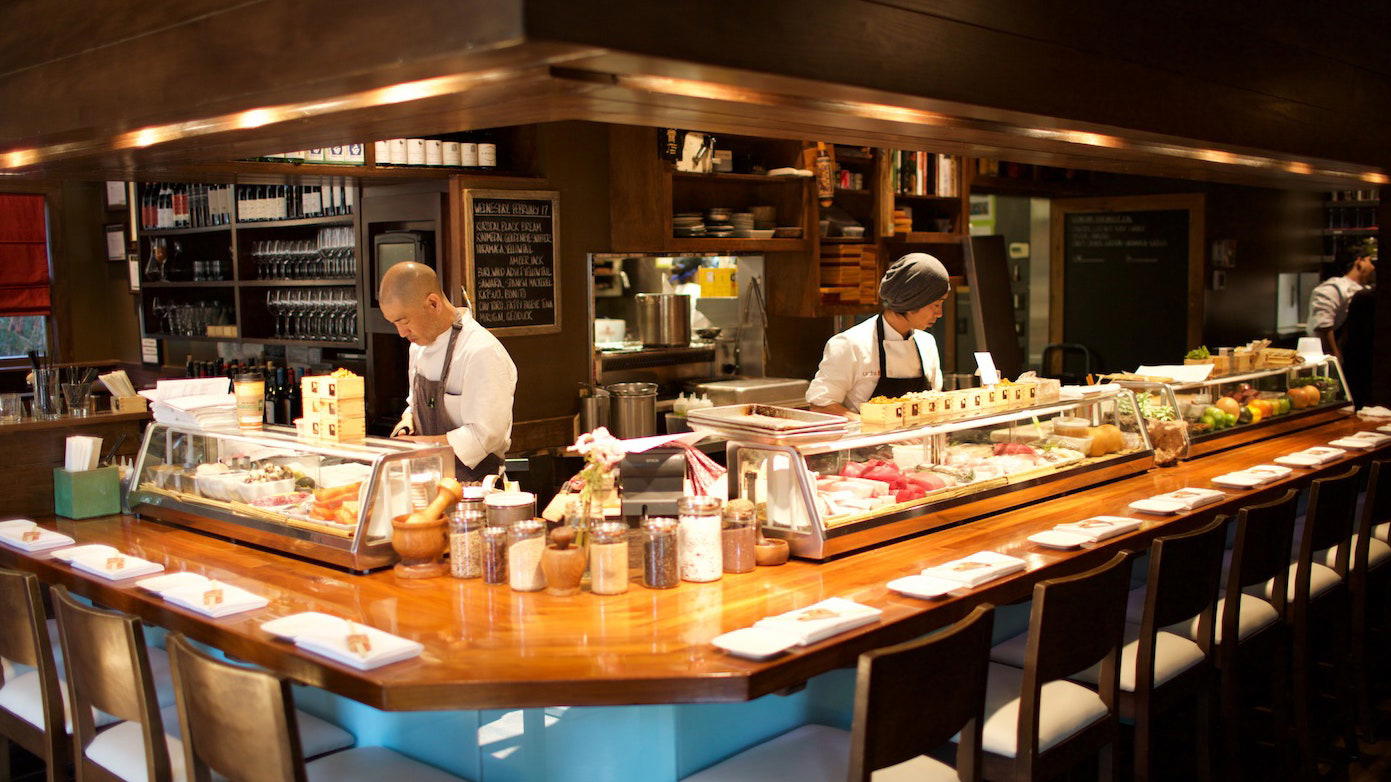
Bars in Austin
All bars in Austin →

Details
- Intimate
- Elegant
- Modern
- Lively
- Special Occasion
- Celebration
- Date Night
- Chefs Counter
- Open Kitchen
- Sake Program
- Craft Cocktails
- Zero Proof
- Sustainable Seafood
- Omakase
- Tasting Menu
- Counter Dining
- Sake Pairings
- Wine Pairings
- Craft Cocktails
- Allergy Accommodating
Current opening hours
- Monday
- 5:30–11 p.m.
- Tuesday
- 5:30–11 p.m.
- Wednesday
- 5:30–11 p.m.
- Thursday
- 4:30–11:30 p.m.
- Friday
- 4:30–11:30 p.m.
- Saturday
- 4:30–11:30 p.m.
- Sunday
- 3:30–11 p.m.
Hours can change for holidays and private events. Hours as of .
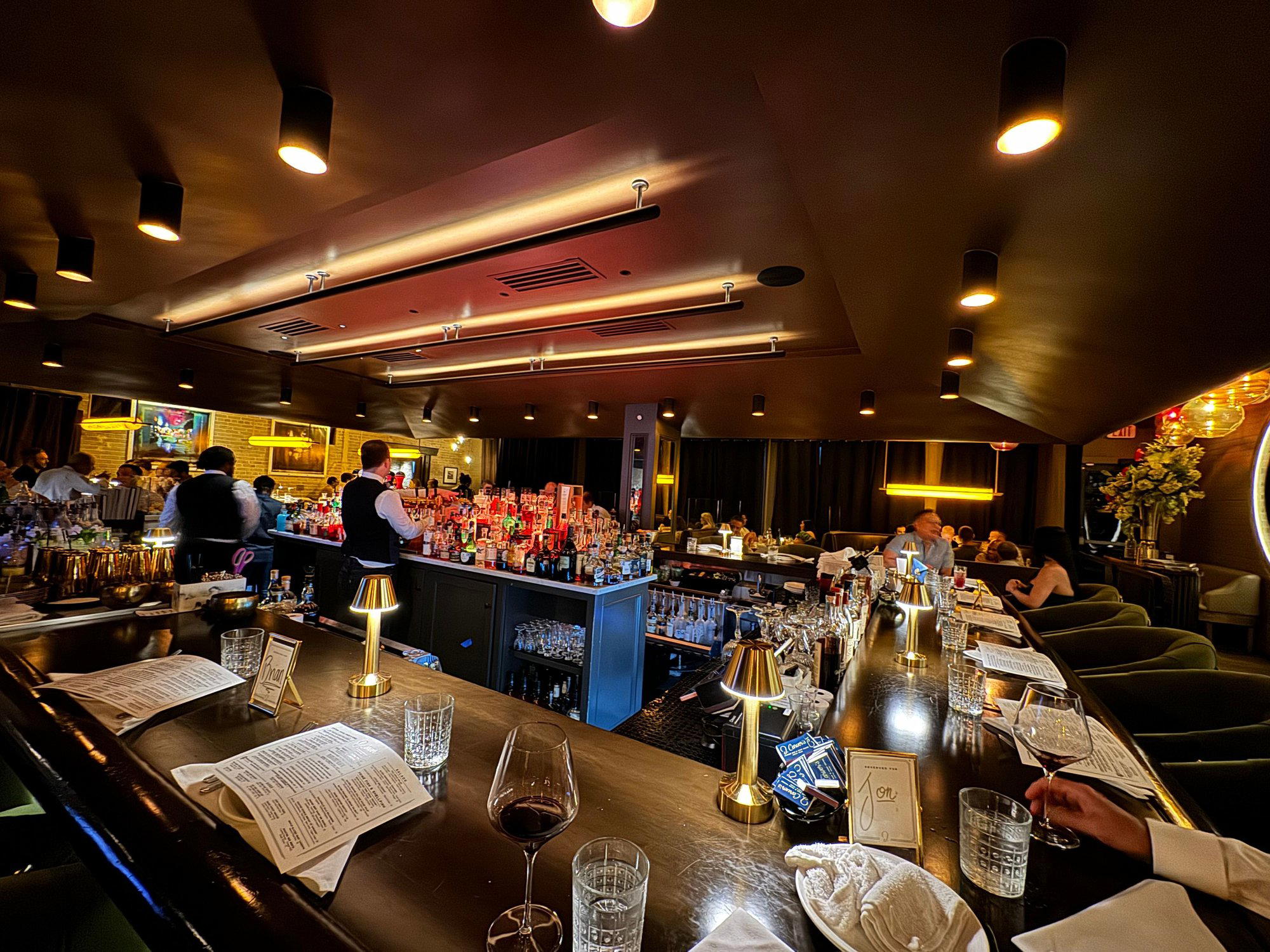
Warm-toned, fairly bright lighting creates a welcoming house-party energy; intimate yet lively long table seating on three sides encourages guest interaction while maintaining an upscale, refined atmosphere.