Commodore Perry Estate, Auberge Collection

A Two MICHELIN Keys estate hotel on Austin's Red River corridor, Commodore Perry Estate sits within the Auberge Resorts Collection and operates on a different register from the city's newer boutique openings. The 1928 property trades on heritage grounds, considered architecture, and a hospitality program calibrated for extended stays rather than passing nights.
Pearl is the En Primeur Club membership app — saves, bookings, and concierge access live there. Same editors, same standards.
- Address
- 4100 Red River St, Austin, TX 78751
- Phone
- (866) 976-4312
- Website
- auberge.com
 Saves & bookings on Pearl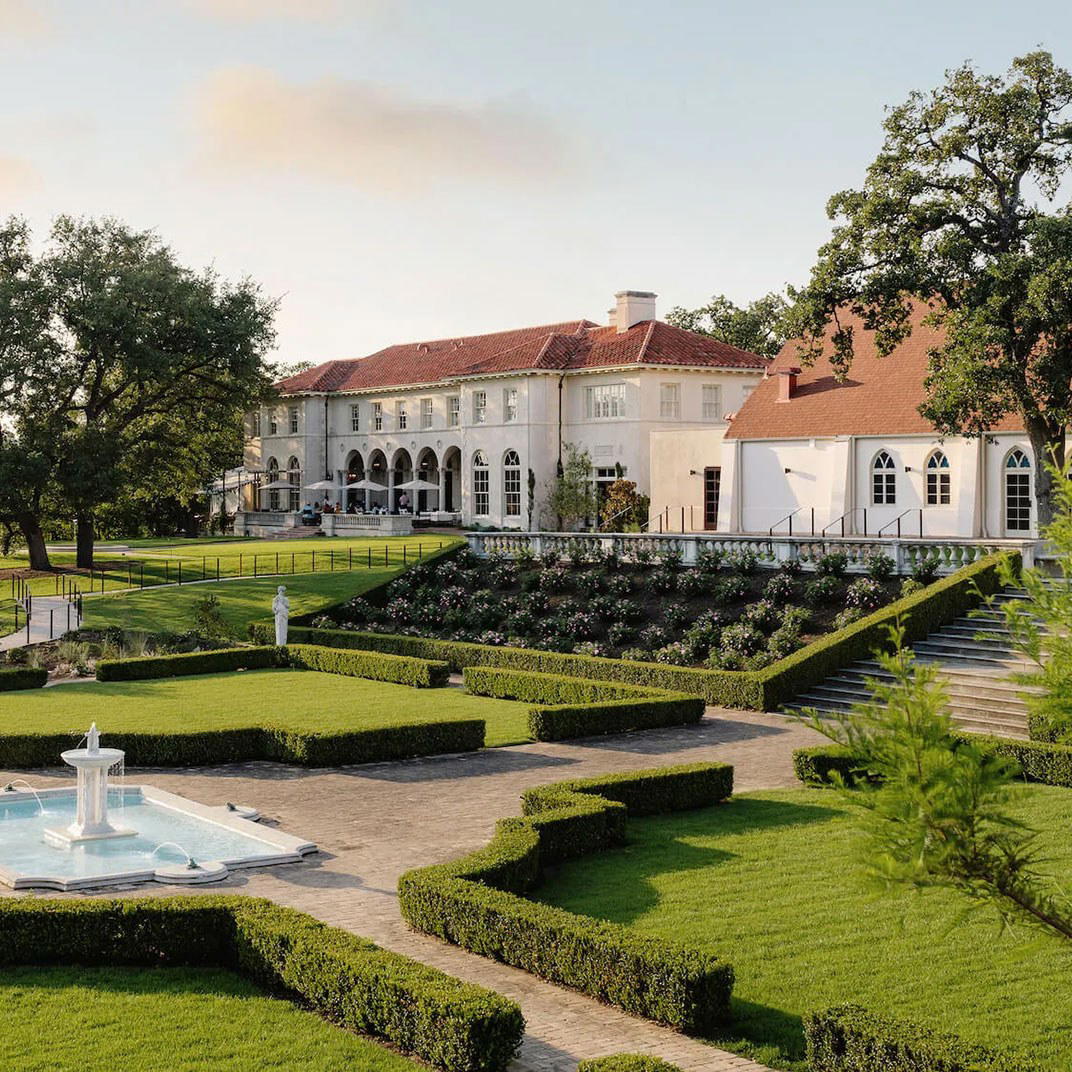
Where Austin's Estate Tradition Meets Contemporary Hospitality Standards
Approaching 4100 Red River Street, the shift in register is immediate. Where much of Austin's hotel stock occupies purpose-built towers or converted industrial shells, Commodore Perry Estate, Auberge Resorts Collection occupies a 1928 Italian Renaissance Revival mansion set within mature grounds that predate the city's modern hospitality boom by several decades. The canopy of live oaks, the Villa-style architecture, and the sense of spatial generosity produce an arrival sequence that no amount of contemporary interior design can replicate. You are entering a place that has accumulated time, not one that has been styled to suggest it.
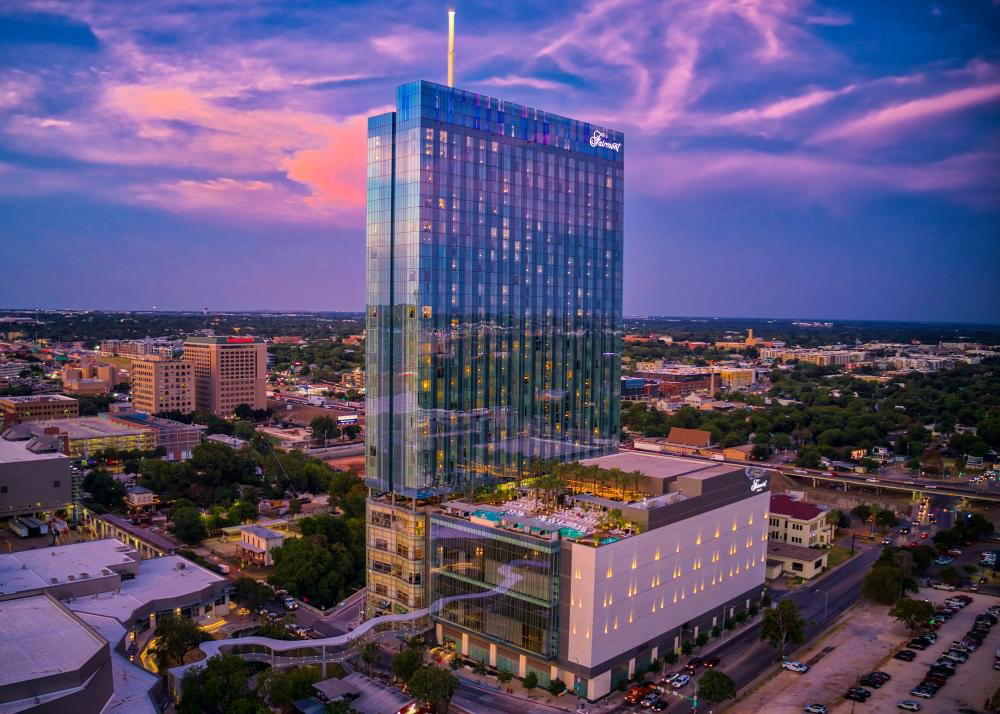
That distinction matters more in Austin than it might elsewhere. The city's premium hotel tier has expanded rapidly, with properties ranging from the Austin Proper Hotel and Soho House Austin at the design-forward end to the Fairmont Austin Gold Experience at the large-footprint convention-adjacent end. Commodore Perry Estate sits outside both categories. The Auberge Resorts Collection, which also operates properties like Meadowood Napa Valley and SingleThread Farm Inn in Healdsburg, consistently positions its hotels around place-specific assets rather than scalable brand templates, and that approach is visible here in the decision to preserve rather than reinvent the estate's bones.
The MICHELIN Keys Signal and What It Places the Estate Against
In 2025, Commodore Perry Estate received Two MICHELIN Keys, the hotel distinction introduced by the MICHELIN Guide to recognise accommodation that meets a specific threshold of quality, comfort, and experiential coherence. Two Keys sits in the upper tier of that framework, placing the property in a comparable set that includes estates and resort hotels rather than urban boutiques. Nationally, comparable Two-Keys holders within the MICHELIN framework include properties like Amangiri in Canyon Point, Post Ranch Inn in Big Sur, and Four Seasons at The Surf Club in Surfside. That comparable set is instructive: these are hotels where the physical setting carries substantial weight in the overall assessment, not just the service infrastructure or the F&B; programming.
Within Austin specifically, the Two MICHELIN Keys distinction separates Commodore Perry Estate from properties that compete primarily on neighbourhood energy or room design. The Hotel Saint Cecilia operates in a similar grounds-forward register in South Congress, and the The Heywood Hotel represents the considered boutique tier in the east, but neither holds the same MICHELIN recognition at time of writing. For the reader making a peer comparison, the Keys award is the clearest available signal of where the estate sits on the city's accommodation spectrum.
Sourcing and Setting: The Kitchen's Relationship with the Grounds
Austin's broader restaurant culture has moved steadily toward Texas-sourced ingredients over the past decade, with chefs drawing on Hill Country ranches, Gulf Coast fisheries, and the state's expanding network of small-scale producers. For an estate hotel with meaningful outdoor space, that regional sourcing conversation takes on a spatial dimension. Properties operating on historic grounds in Texas have increasingly used kitchen gardens and on-site herb and produce cultivation as a way of tightening the line between what guests see growing and what arrives at the table. This is a format more common at properties like Troutbeck in Amenia or Sage Lodge in Pray, where landscape and cuisine are deliberately connected.
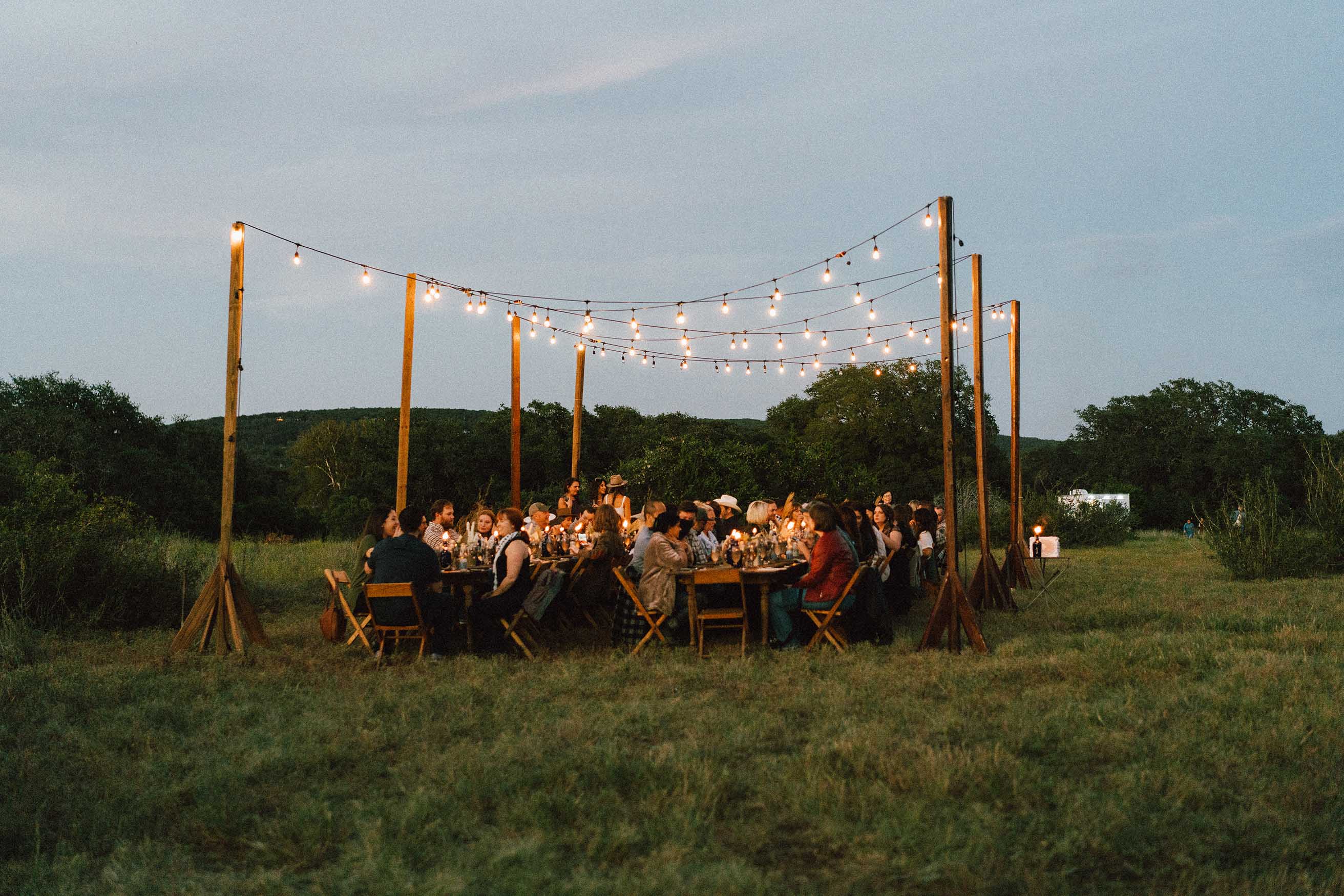
At Commodore Perry Estate, the grounds themselves are part of the editorial offer. Whether the kitchen program engages directly with on-site cultivation is best confirmed through the property directly, but the estate format creates the conditions for that kind of sourcing story in a way that a downtown high-rise simply cannot. For guests whose interest in provenance extends beyond the menu into how a hotel relates to its own land, the estate model is inherently more legible than a tower property with a contracted restaurant.
How It Sits in the Wider Auberge Portfolio and the National Conversation
The Auberge Resorts Collection operates a relatively small number of properties globally, and the brand's positioning consistently prioritises what it calls place-rooted luxury: hotels that derive their identity from a specific location rather than from transferable brand standards. That model has proven effective at properties across the United States, from wine-country estates to coastal retreats. Internationally, the logic finds parallels at properties like Aman Venice or Hôtel de Paris Monte-Carlo, where the building itself is the primary asset and the hospitality program exists to serve it.
Within the American estate-hotel category, Commodore Perry sits alongside properties that have built their reputations around architectural heritage and grounds rather than spa scale or conference infrastructure. The The Fifth Avenue Hotel in New York City and The Beverly Hills Hotel in Los Angeles represent the historic-property model in their respective cities, though each operates at a very different scale. In Austin, the estate format is genuinely rare, which gives Commodore Perry a structural position that newer openings cannot replicate regardless of budget or interior ambition.
Who Stays Here and How to Plan the Visit
The property draws a guest profile that skews toward extended stays, return visitors, and travellers for whom the quality of the physical environment carries more weight than proximity to the 6th Street entertainment corridor or the Convention Center. Red River Street places the estate within reach of the broader central Austin grid, including the East Side's restaurant concentration and the campus-adjacent neighbourhoods to the north, without situating it inside the noise of either.
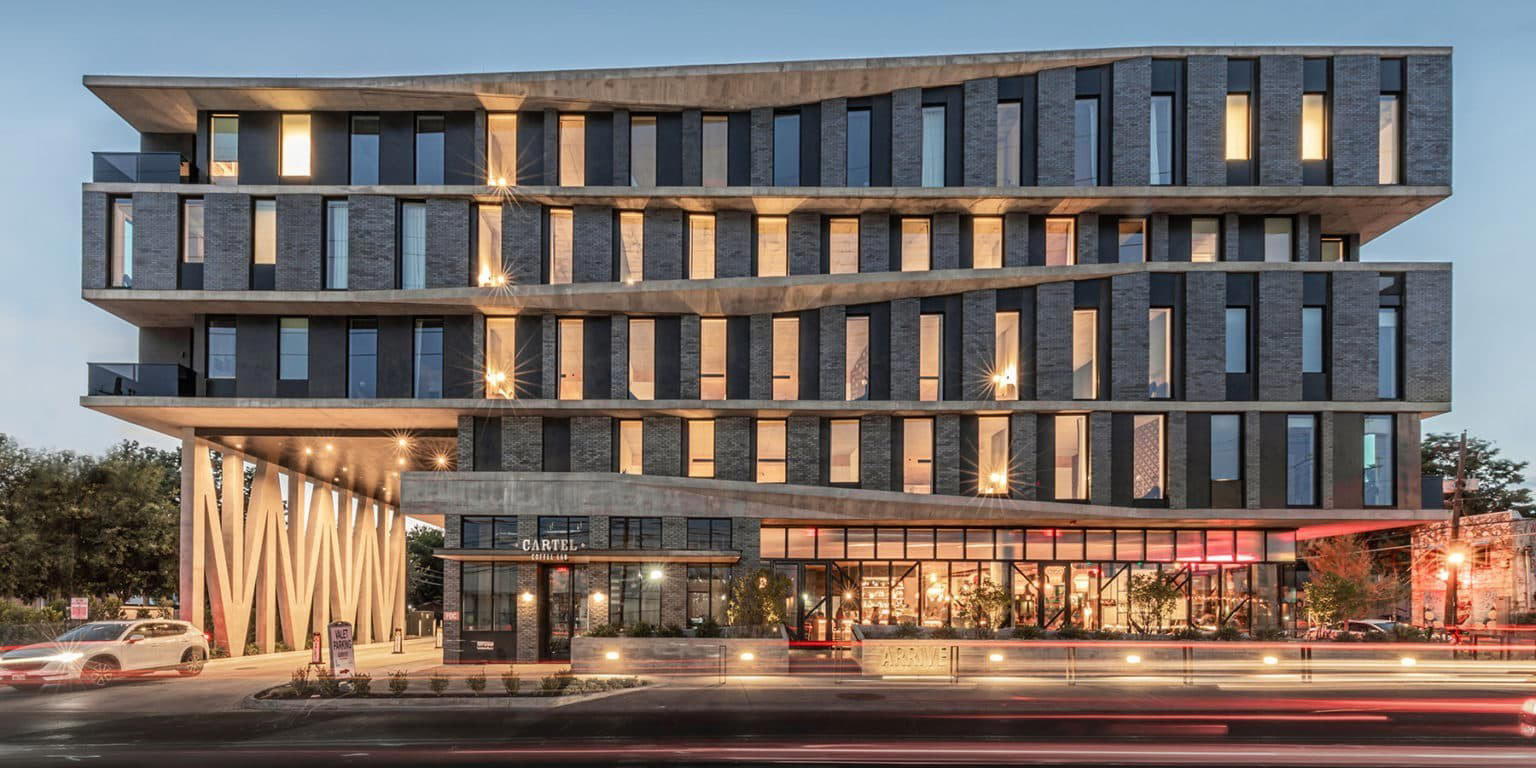
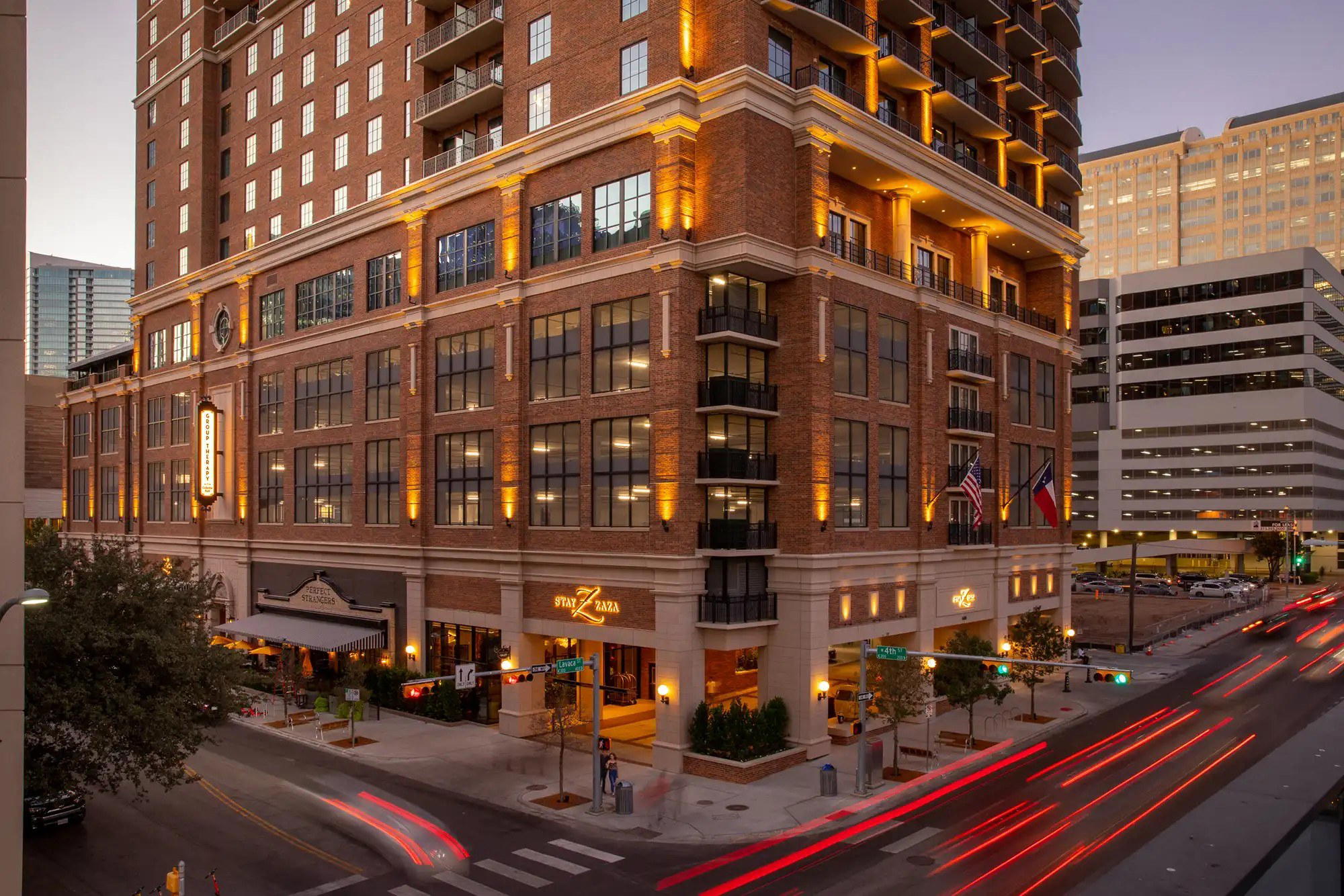
For context on what else Austin's premium hotel tier offers, the ARRIVE Austin and Hotel ZaZa Austin represent alternatives at different price points and with different neighbourhood orientations. The Little Palm Island Resort & Spa in Little Torch Key and Canyon Ranch Tucson offer a useful comparison for travellers weighing estate-format properties against resort alternatives.
Cuisine Lens
Comparable venues nearby, for context on price, style, and recognition.
| Venue | Cuisine | Price | Awards | Notes |
|---|---|---|---|---|
| Commodore Perry Estate, Auberge CollectionThis venue — the venue you are viewing | Modern interpretation of a 1920s residential estate blending European elegance with contemporary Texas hospitality | $$$$ | 5-Star | |
| The Loren Hotel Austin | Urban sanctuary blending modernist architecture, biophilic design, and historic preservation. | $$$$ | 5-Star | Bouldin |
| Fairmont Austin | Urban luxury resort | $$$$ | 4-Star | Convention Center District |
| Lake Austin Spa Resort | Charming lakeside cottages blending casual elegance with Hill Country seclusion and private amenities. | $$$$ | 5-Star | West Oak Hill |
| Frame Hotel - Treehouse | quiet luxury residential retreat | $$$$ | 4-Star | South River City |
| Frame Hotel - SoCo | quiet luxury boutique retreat | $$$$ | 4-Star | South River City |
Continue exploring
More in Austin
Hotels in Austin
Browse all →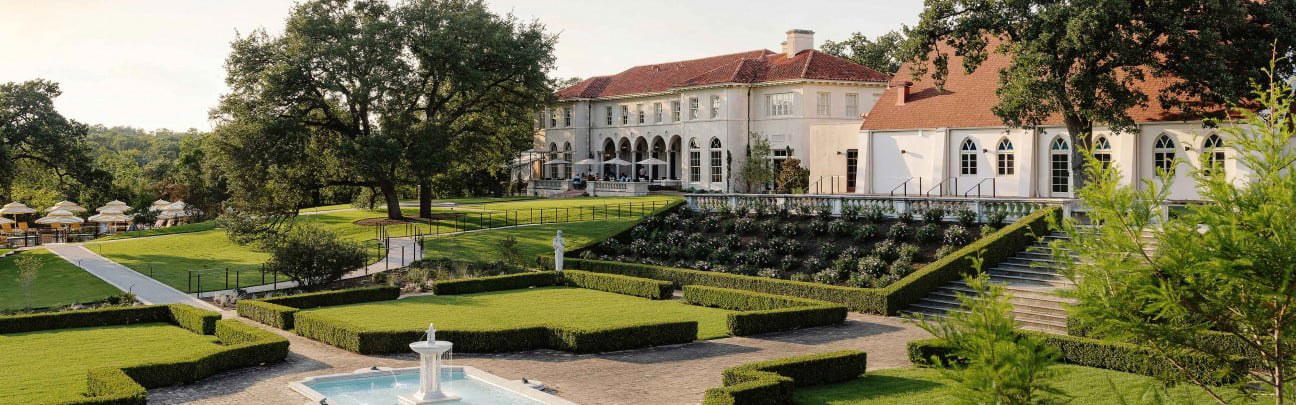
Bars in Austin
Browse all →
Restaurants in Austin
Browse all →
At a Glance
- Elegant
- Romantic
- Sophisticated
- Whimsical
- Classic
- Romantic Getaway
- Weekend Escape
- Anniversary
- Celebration
- Historic Building
- Garden
- Terrace
- Design Destination
- Private Dining
- Pool
- Wifi
- Fitness Center
- Room Service
- Concierge
- Garden
- Outdoor Terrace
- Lawn Games
- Garden
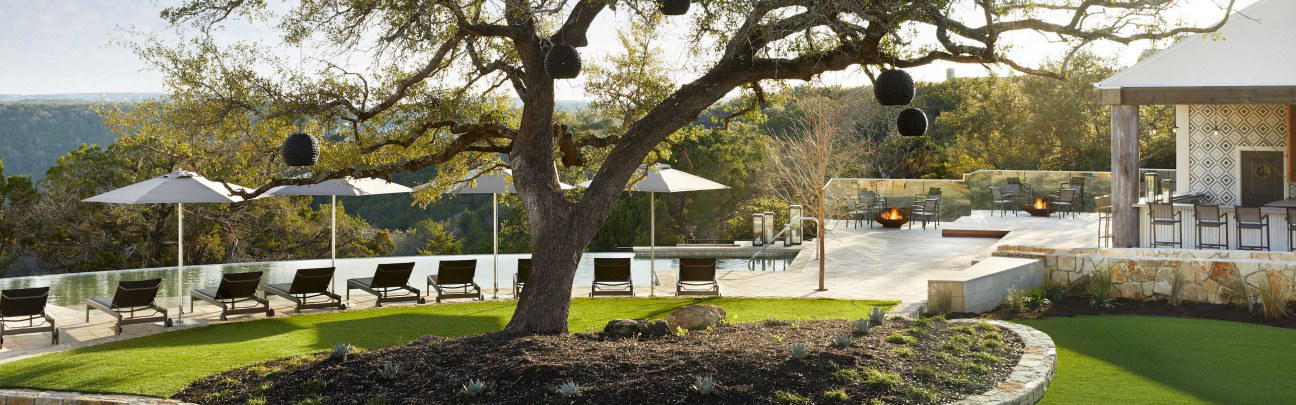
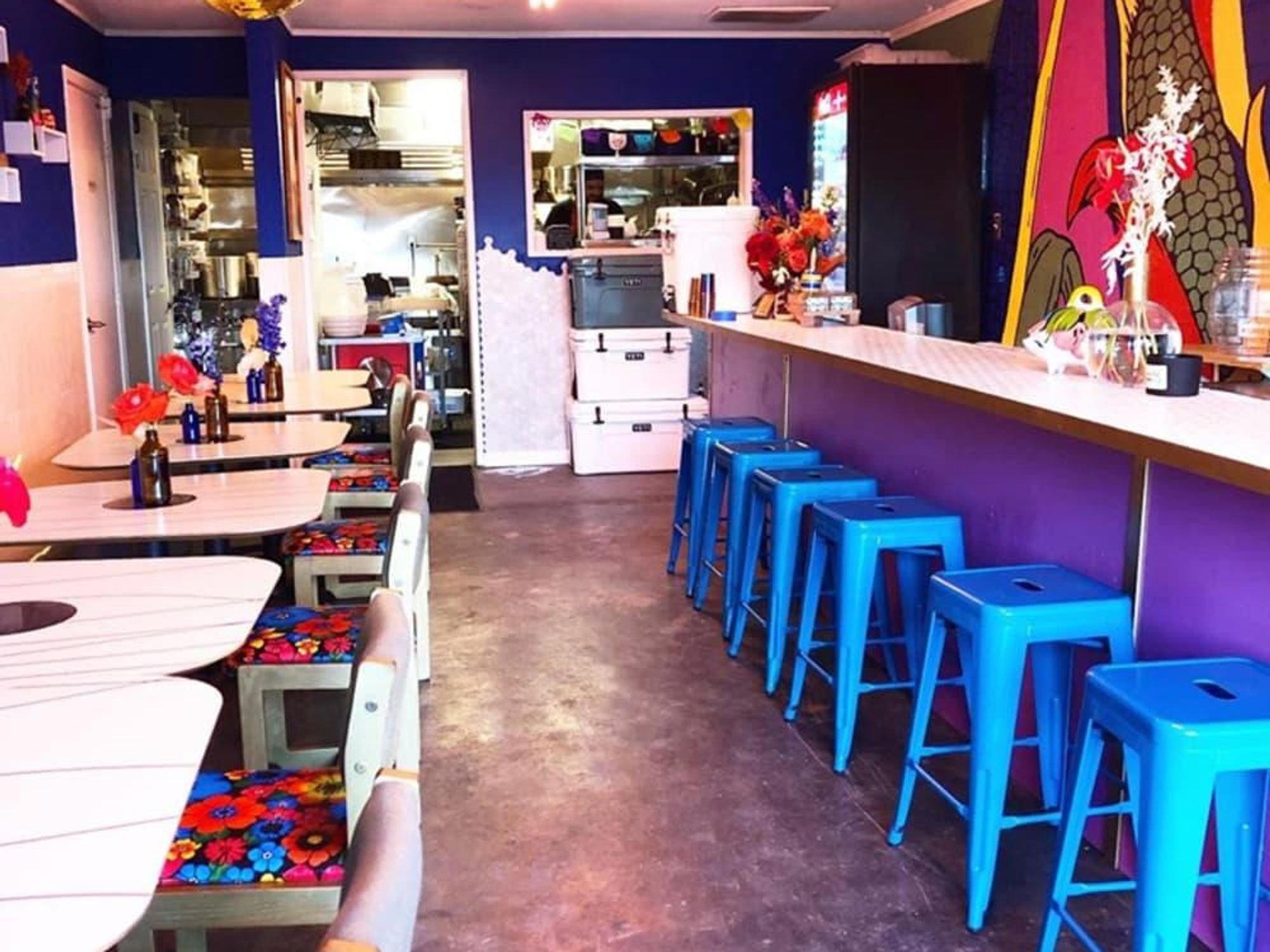
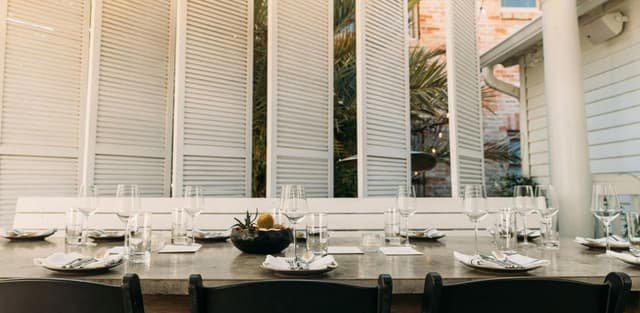
Muted, sophisticated palette of pinks, apricots, mustards and celadons with hand-painted murals; elegant yet welcoming residential atmosphere with artistic touches and natural light throughout the gardens and common spaces.