Mama Betty's Tex-Mex - Parmer ln
Mama Betty's Tex-Mex on Parmer Lane sits in Austin's northern suburban corridor, where the city's appetite for Tex-Mex runs deep and casual. The format fits the Northwest Austin pattern: accessible, neighborhood-anchored, and built for repeat visits rather than destination dining. For a broader picture of where this fits in Austin's dining scene, our full city guide covers the range from strip-mall staples to tasting-counter destinations.
Pearl is the En Primeur Club membership app — saves, bookings, and concierge access live there. Same editors, same standards.
- Address
- 9900 W Parmer Ln #220, Austin, TX 78717
- Phone
- +15125205819
- Website
- ilovemamabettys.com
- Directions
- Get directions
 Saves & bookings on Pearl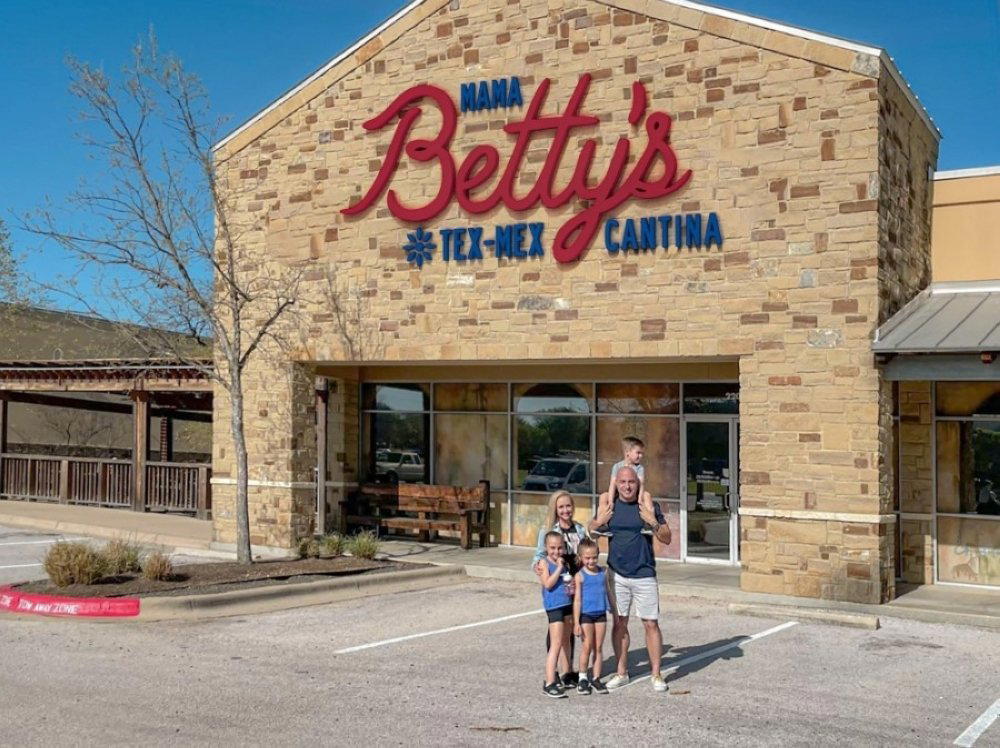
Northwest Austin and the Tex-Mex Neighborhood Circuit
In Austin, Tex-Mex is less a trend than a baseline. The city's relationship with the cuisine predates its dining-boom years and persists across every price bracket and neighborhood, from the taqueria counters of East Cesar Chavez to the sit-down Tex-Mex rooms anchoring strip centers in the northern suburbs. The Parmer Lane corridor — a long commercial stretch running through the tech-company campuses and residential grids of Northwest Austin — represents the latter end of that spectrum. This is working-neighborhood dining: accessible by car, open to families, built around familiarity rather than discovery.
Mama Betty's Tex-Mex at 9900 W Parmer Lane, Suite 220, sits inside that suburban circuit. The address places it in a multi-tenant commercial development, a format common to the Parmer-to-183 stretch where office workers, residents from the surrounding communities, and families form the recurring customer base. Understanding where this venue sits geographically and contextually matters more than any individual detail on the menu, because Northwest Austin's dining character is defined by exactly this kind of embedded, local-anchored operator.
Tex-Mex as a Culinary Category: What the Format Means
Tex-Mex occupies a particular place in American regional cuisine, one that serious food writers have spent decades defending against dismissal. It is not Mexican food as practiced in Oaxaca or Mexico City; it is a distinct hybrid tradition that developed along the Texas-Mexico border through a convergence of ranching culture, Spanish colonial ingredients, and 20th-century American diner conventions. Cumin-heavy chili gravies, combination plates, puffy tacos, and queso made from processed cheese are not compromises or corruptions, they are the cuisine's actual vocabulary, developed over generations and codified in Texas long before the national food press started cataloguing regional American cooking.
That context matters when reading any Austin Tex-Mex operator, including neighborhood-facing venues like this one on Parmer. The competitive set is not the tasting counter or the farm-to-table room. It is the community of repeat diners who eat here weekly, who benchmark the enchiladas against the last five places they've tried, and who have strong opinions about salsa heat levels and rice texture. This is where Tex-Mex gets made and refined, in the aggregate feedback loop of everyday patronage.
For contrast, Austin's more destination-oriented dining sits in a different tier entirely. Hestia works live-fire American cooking in a format that competes on national terms. Barley Swine operates in the New American, contemporary space at the top of the city's price range. Craft Omakase positions itself against the city's growing Japanese counter culture. These are different conversations from the one happening at a neighborhood Tex-Mex room on Parmer Lane, and conflating the two does a disservice to both.
The Wine Question at Tex-Mex Venues
The editorial angle of cellar depth and curation philosophy applies most naturally to tasting-menu restaurants and destination dining rooms, where wine programs are built alongside kitchen ambitions. At neighborhood Tex-Mex operators, the drink list typically runs in a different direction: Mexican lagers, margaritas, and a short wine list calibrated to the price point of the food rather than curated with sommelier depth.
That is not a criticism, it is a structural observation about the category. The venues that pair Michelin-recognized wine programs with Tex-Mex cooking are rare enough to be remarkable when they appear. Operators like Le Bernardin in New York City, The French Laundry in Napa, or Alinea in Chicago define what sommelier-led curation looks like at its most developed. Single Thread Farm in Healdsburg and Blue Hill at Stone Barns in Tarrytown demonstrate how regional sourcing philosophy can extend to the cellar. Those are reference points, not benchmarks against which a neighborhood Tex-Mex room should be measured.
For Tex-Mex specifically, the honest drink pairing question is whether the margarita program is fresh-lime or sour-mix, whether the beer list includes Mexican imports alongside domestic options, and whether the house margarita price matches the mid-range food ticket. These are practical questions, not wine-country questions, and they reflect the actual priorities of the audience this format serves.
Where Mama Betty's Fits in the Austin Picture
Austin's barbecue side of things gets more national attention than its Tex-Mex side, partly because the city's smoked-meat culture has produced operators with genuine national recognition. InterStellar BBQ and la Barbecue work in a category where Austin has measurable comparative standing relative to other American cities. Tex-Mex is different: it is so embedded in daily Texas life that it rarely travels as a national story, which means neighborhood operators like those on Parmer Lane function more as community infrastructure than as dining-press subjects.
That embeddedness is, in its own way, a form of durability. The neighborhood Tex-Mex room that has been serving the same combination plates for fifteen years to the same set of regulars is operating on a different logic from the restaurant that cycles menus seasonally and pitches to food critics. Both are legitimate. They are simply answering different questions. Our full Austin restaurants guide covers the range across both categories, from neighborhood staples to the destination dining rooms that have given the city its national profile in recent years.
For readers interested in how American fine dining has developed outside of Austin, the broader EP Club coverage spans destinations like Lazy Bear in San Francisco, Providence in Los Angeles, Addison in San Diego, Atomix in New York City, The Inn at Little Washington, Emeril's in New Orleans, and internationally, 8 1/2 Otto e Mezzo Bombana in Hong Kong. These are the poles of the dining universe; neighborhood Tex-Mex on Parmer Lane is the everyday anchor that holds the other end.
Know Before You Go
- Address: 9900 W Parmer Ln #220, Austin, TX 78717
- Cuisine: Tex-Mex
- Booking: Contact details not currently available; walk-in policy unconfirmed
- Hours: Not confirmed; verify directly before visiting
- Parking: Strip-center location on Parmer Lane; surface lot access expected
How Mama Betty's Tex-Mex - Parmer ln compares with similar nearby venues.
| Venue | Cuisine | Price |
|---|---|---|
| InterStellar BBQ | Barbecue | $$ |
Continue exploring
More in Austin
Restaurants in Austin
Browse all →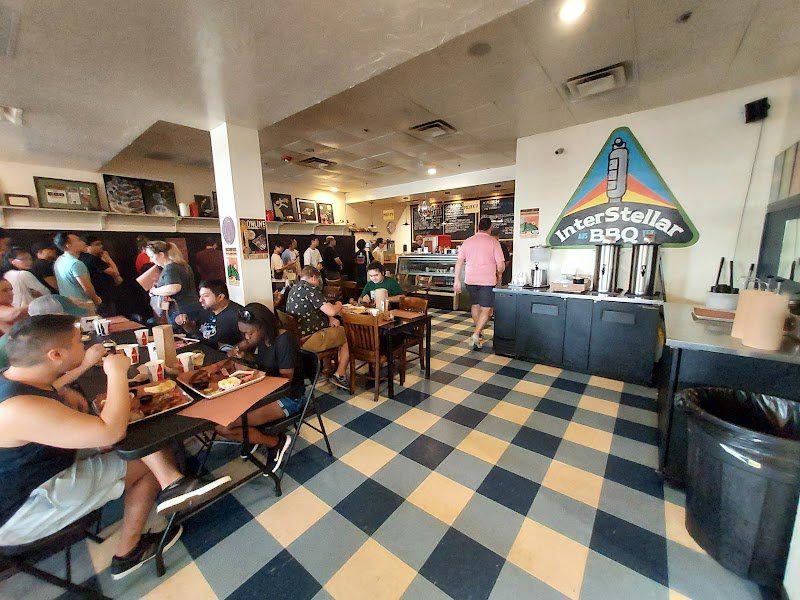
Bars in Austin
Browse all →
Hotels in Austin
Browse all →


At a Glance
- Lively
- Casual
- Rustic
- Casual Hangout
- Group Dining
- Family
- Date Night
- Standalone
- Craft Cocktails
Current opening hours
- Monday
- 11 AM–9 PM
- Tuesday
- 11 AM–9 PM
- Wednesday
- 11 AM–9 PM
- Thursday
- 11 AM–9 PM
- Friday
- 11 AM–11 PM
- Saturday
- 10 AM–11 PM
- Sunday
- 10 AM–9 PM
Hours can change for holidays and private events. Last verified .
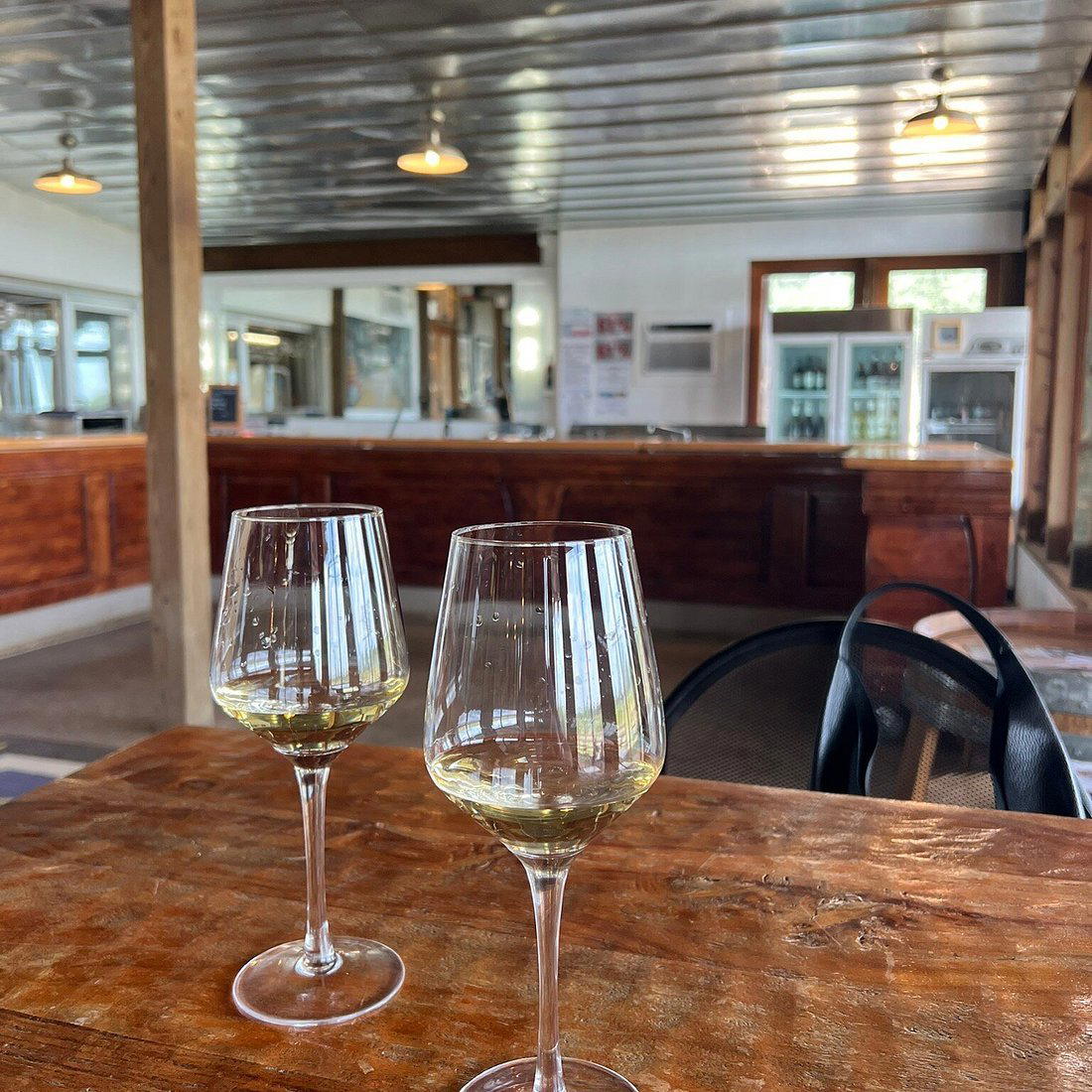
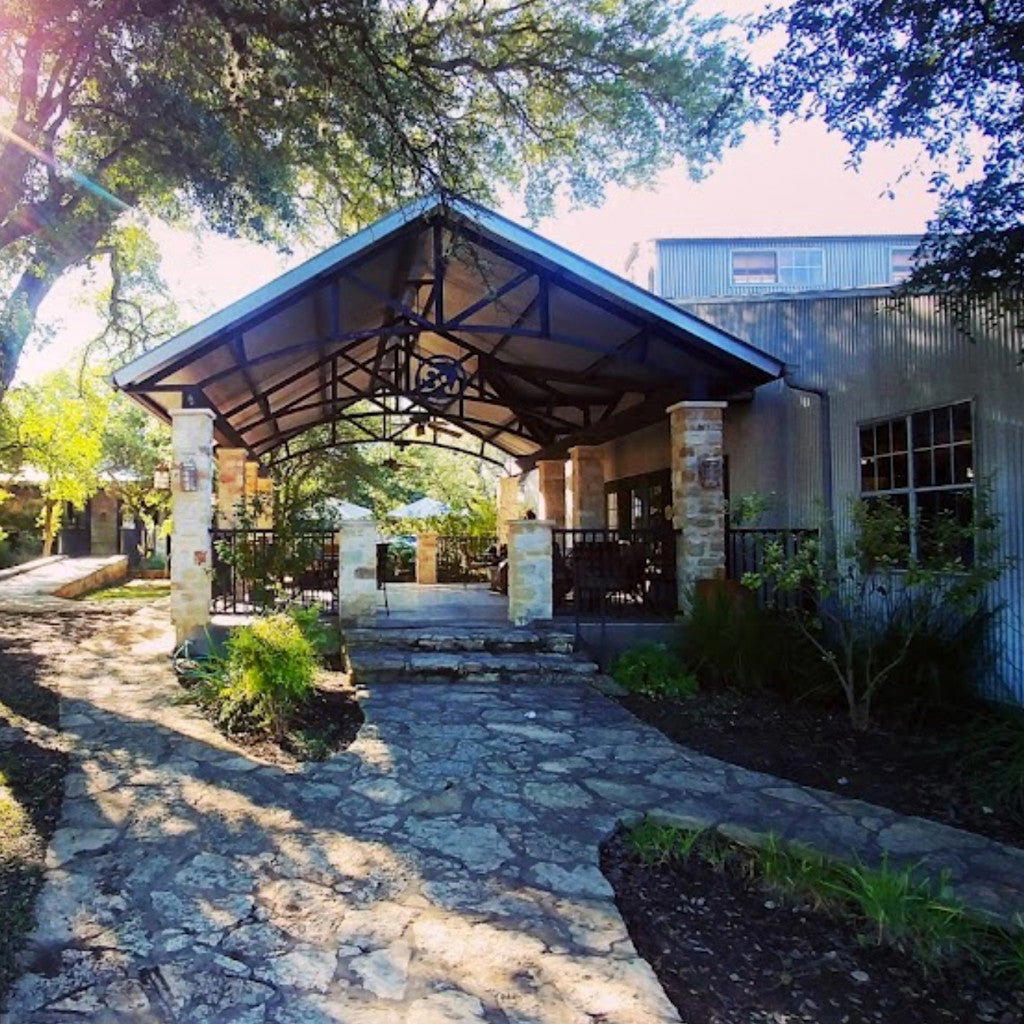
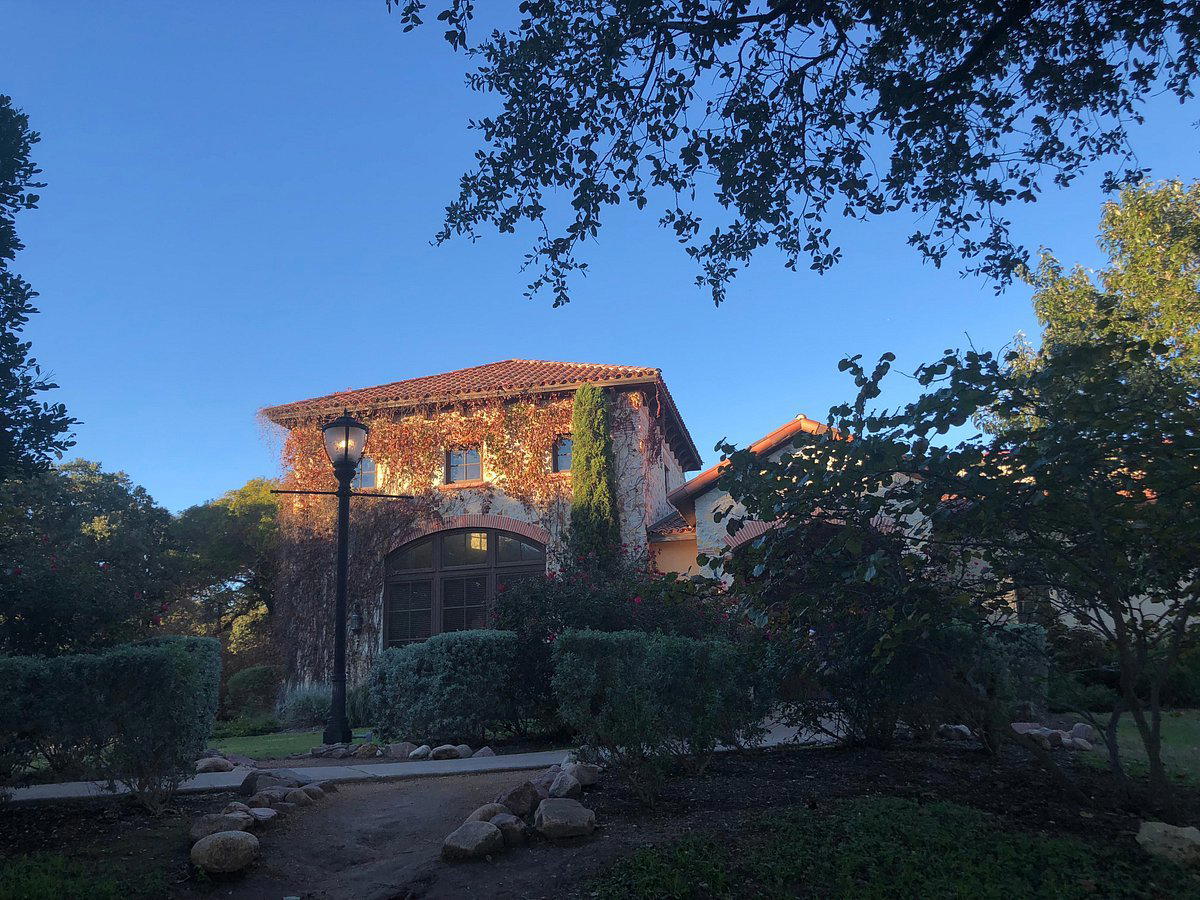
Bright, purpose-built modern space with upscale yet accessible vibes; friendly and relaxed atmosphere with bar seating, outdoor screens for sports viewing, and intimate date-centric areas.
Know Before You Go
- Getting there
- 9900 W Parmer Ln #220, Austin, TX 78717