Barley Swine



1 Michelin Star · James Beard Award Semi Finalist
Our verdict
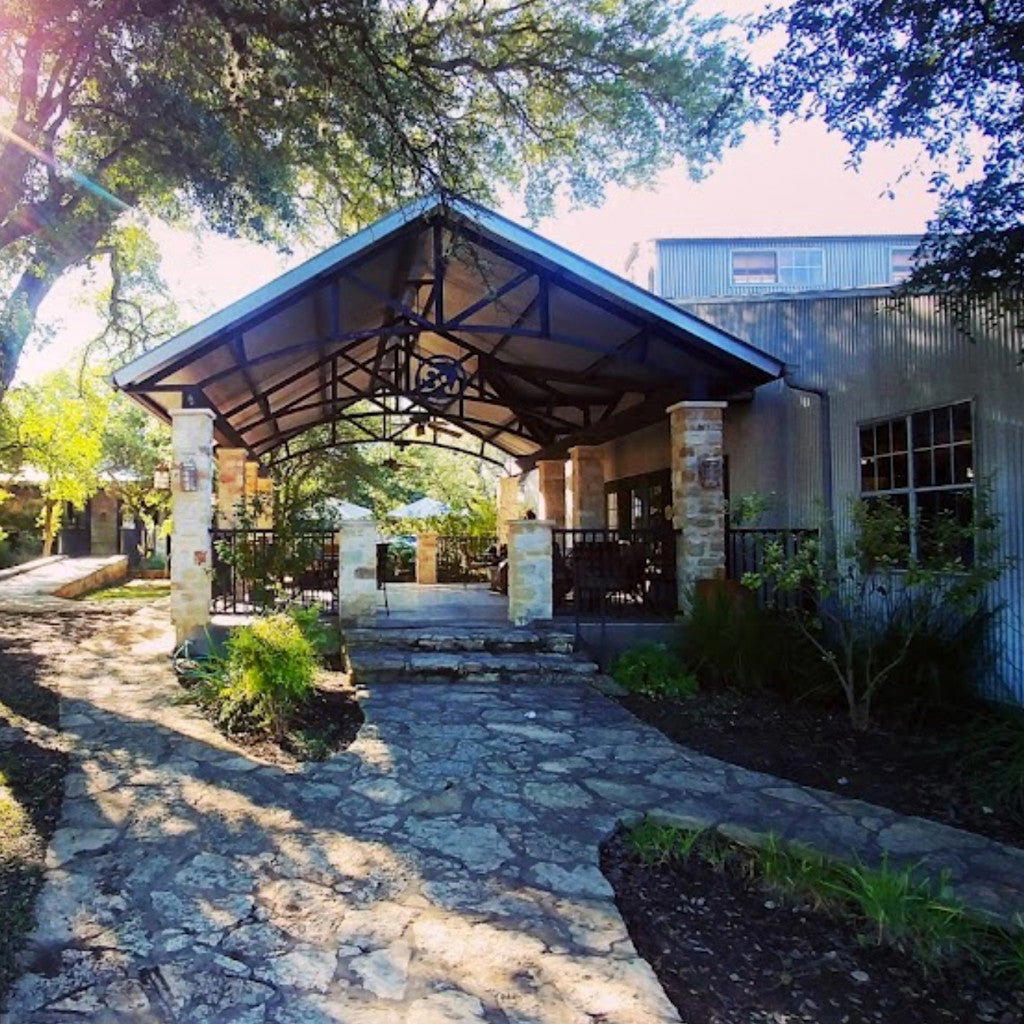
Barley Swine sits in the upper tier of Austin's tasting-menu scene, holding a Michelin star and a 2025 Opinionated About Dining ranking of #103 in North America. Chef Bryce Gilmore works a seasonal tasting format that draws from Southwestern, Mexican, and Southern traditions without anchoring to any single one. The room is casual; the kitchen is not.

Pearl is the En Primeur Club membership app, where members save venues, book tables and use the concierge.
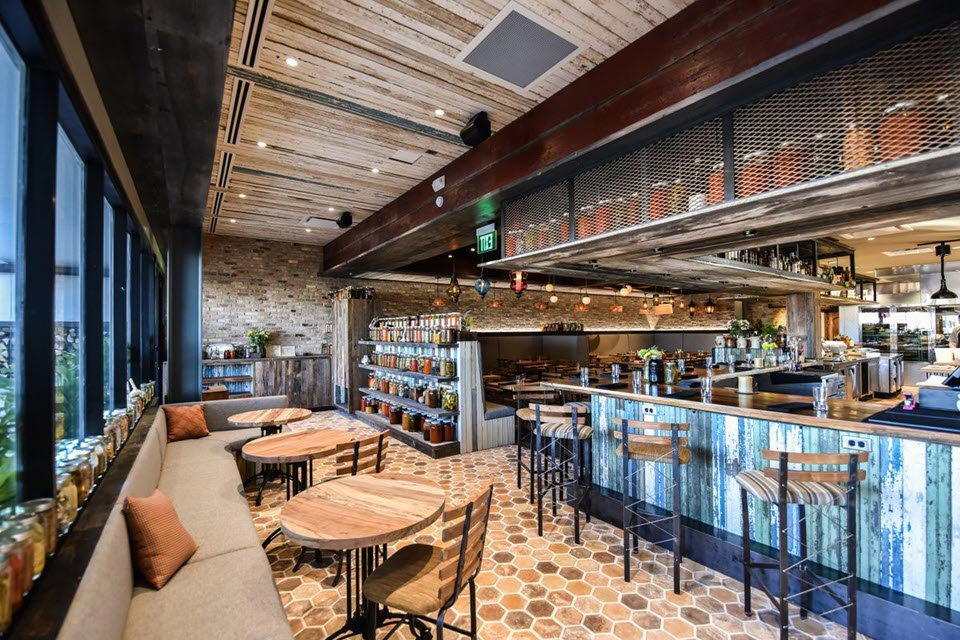
Where Austin's Tasting-Menu Scene Has Landed
The American tasting menu has spent the last two decades sorting itself into distinct tiers. At one end sit the white-tablecloth formalist institutions, the kind of rooms where jacket expectations and fourteen-course architecture signal membership in a European-descended fine-dining tradition. Think The French Laundry in Napa or Alinea in Chicago. At the other end, the tasting-menu format has been stripped of ceremony and relocated into neighbourhood rooms that feel more like the dining room of someone who happens to cook very well. Barley Swine occupies that second tier in Austin, not as a compromise, but as a deliberate position. The room on Burnet Road is casual enough that the Michelin guide description makes a point of noting diners are welcome to come as they are. The kitchen, which earned a Michelin star in 2024 and ranked #103 in Opinionated About Dining's 2025 North America list, is not casual at all.
That gap between the informality of the setting and the precision of the cooking is, in many ways, the defining tension of contemporary American tasting-menu dining. It's a format that Lazy Bear in San Francisco and The Wolf's Tailor in Denver have also worked out in their own ways, each placing technically sophisticated menus inside spaces that deliberately avoid the posture of classical fine dining. In Austin, Barley Swine has been the clearest example of this approach for longer than most, and the awards trajectory, OAD ranked it #128 in 2023, #117 in 2024, and #103 in 2025, suggests the kitchen is sharpening, not coasting.
The Menu's Coordinates: Southwestern, Southern, and Seasonal
Tasting menus anchored to a specific regional identity are a smaller cohort within American contemporary dining. Most ambitious tasting rooms either chase a pan-global modernism or lean into European classical structures. Barley Swine draws from a more specific geography: the Southwestern palette that sits at the intersection of Mexican and Southern traditions, filtered through a seasonal discipline that changes the menu as local produce shifts. This is not fusion cooking in the late-1990s sense of the word. It is cooking that takes a defined regional pantry seriously and applies contemporary technique to it.
The Michelin citation offers the clearest available description of what that looks like in practice: a tiny everything bagel with a creamy smoked radish spread and cucumber infused with dill hot sauce as a first bite; a Muscovy duck breast with a puree of popped corn and a nixtamalized peach. The bagel signals wit and accessibility. The duck signals the technical range behind it. Nixtamalization, a pre-Columbian process of alkaline-treating corn that transforms both its flavour and its nutritional profile, applied to a peach is exactly the kind of move that separates a kitchen thinking carefully about its regional references from one simply plating Texan ingredients. It is the kind of detail that earns a ranking of #103 in a continent-wide list. For context on how Austin's tasting-menu scene fits into the city's broader contemporary dining picture, the same ambition in different formats appears at Hestia (live-fire New American) and Craft Omakase.
Drinks at Barley Swine: The American Cocktail Context
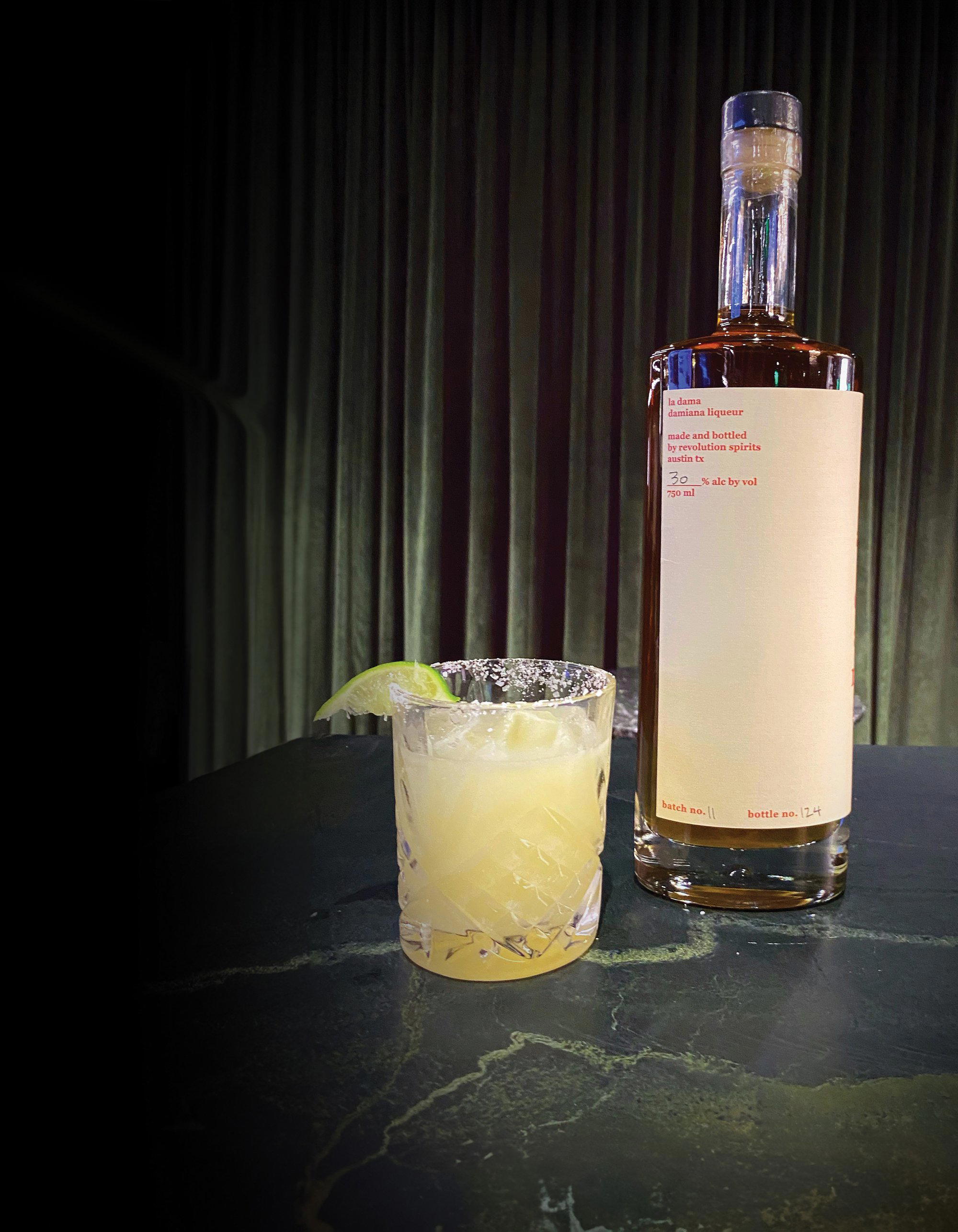
The American cocktail renaissance of the last fifteen years produced a particular kind of bar programme that now travels alongside serious tasting menus: one where the drink list mirrors the kitchen's sourcing logic, uses local producers and seasonal ingredients, and functions as a parallel editorial statement rather than an afterthought. This is the format that has become standard at the level of restaurant Barley Swine operates in, the drinks are expected to hold up to the food, not merely accompany it.
Within Austin's bar scene, the shift from generic cocktail lists toward programme-driven, ingredient-forward approaches has been real and measurable. Restaurants at the $$$ and $$$$ tier, Barley Swine sits in the latter, now typically offer drink pairings or cocktail menus that apply the same local-seasonal logic as the food. This matters practically for the diner: a tasting menu built on Southwestern and Southern references is leading navigated alongside a drink programme that knows the same territory. For a fuller picture of where Austin's bar culture is operating right now, our full Austin bars guide maps the scene across formats and neighbourhoods.
What Barley Swine's awards trajectory implies about the drinks is indirect but readable: restaurants ranked in the top 120 in North America by OAD, a guide whose methodology weights heavily toward food-focused critic assessment, tend to maintain drink programmes that don't undercut the room's overall score. The pairing option, where available, is worth taking at this price point.
Barley Swine and the Broader Austin Table
Austin's contemporary dining scene has developed enough depth over the last decade that it now supports genuine peer comparisons rather than requiring constant reference to coastal cities. Within the New American contemporary tier, Barley Swine sits alongside Launderette as one of the rooms that defined what Austin's serious dining could look like when it committed to local ingredients and seasonal menus without imitating New York or San Francisco models. The difference in format, Launderette operates as a neighbourhood restaurant with à la carte options; Barley Swine commits to the tasting format, places them in overlapping but distinct segments of the market.
Further along the Austin dining spectrum, Lenoir works similar local-seasonal territory at a lower price point, and at the other end of the register, InterStellar BBQ holds a Michelin star in the barbecue category, a reminder that Austin's Michelin-recognised dining spans formats that would be surprising in almost any other starred city. The city's dining identity is genuinely pluralist in a way that cities with longer fine-dining histories sometimes are not.
Chef Bryce Gilmore's role here is worth framing correctly: he is a credential inside a broader argument about Austin's tasting-menu tier, not the argument itself. What the kitchen's consistent OAD ranking improvement from 2023 to 2025 signals is that the cooking is evolving in real time, the kind of upward movement that reflects ongoing development rather than a single strong vintage. Sons and Daughters in San Francisco and Le Bernardin in New York City operate in the same broad tier of continued critical attention, though in very different culinary registers. Emeril's in New Orleans and Single Thread Farm in Healdsburg offer useful comparisons on how regional sourcing commitments translate into sustained recognition across different American cities and price points.
Barley Swine's sustainability commitments, growing produce on-site, collecting rainwater for the garden, sourcing dishes from secondhand stores, are worth noting not as brand positioning but as evidence of the kitchen's actual relationship with its ingredients. A restaurant that grows some of what it serves has a different relationship with seasonality than one that orders from the same distributor as its neighbours. The menu changes because the garden does.
Planning Your Visit
Barley Swine operates a four-night week: Thursday through Sunday, with service beginning at 5 PM on Thursday and Friday (kitchen closes at 9 PM and 10 PM respectively) and at 4:30 PM on Saturday and Sunday (closing at 10 PM and 9 PM). Monday, Tuesday, and Wednesday are dark. The Burnet Road address in north-central Austin is accessible by car; parking is available in the strip-mall context of the address. For the wider city picture beyond this room, our full Austin restaurants guide covers the city's dining from barbecue to tasting menus, and our Austin hotels guide, wineries guide, and experiences guide complete the picture for a longer visit.
What Dish Is Barley Swine Famous For?
Barley Swine does not anchor its identity to a single signature dish in the way that à la carte restaurants often do. The tasting menu format means the specific compositions shift with the season and with what the on-site garden and local producers are offering at any given time. That said, the Michelin guide's citation offers the clearest public record of what the kitchen looks like at its most characteristic: a nixtamalized peach alongside a seared Muscovy duck breast, and a tiny everything bagel with smoked radish and dill hot sauce as an opening bite. Both details point to the same editorial logic: technical precision applied to recognisable, regional references, with enough wit to keep the meal from feeling solemn. The live-fire format at Hestia and the kaiseki discipline at Craft Omakase offer different but comparable expressions of what Austin's serious kitchens are doing with local ingredients right now. Chef Bryce Gilmore's consistent OAD rankings (#128 in 2023, #117 in 2024, #103 in 2025) alongside the 2024 Michelin star position Barley Swine firmly in the top tier of the city's contemporary dining scene.
Frequently asked questions
What dish is Barley Swine famous for?
Barley Swine does not trade on a single signature dish. The format is a seasonally rotating tasting menu, so the kitchen's identity is built around combinations like Muscovy duck breast with nixtamalized peach or an everything bagel with smoked radish spread, rather than any one fixed item. Opinionated About Dining ranked the restaurant #103 in North America for 2025, citing the kitchen's integration of Southwestern, Mexican, and Southern flavors within a globally sophisticated framework.
What does dinner at Barley Swine typically cost?
Pricing at Barley Swine is listed as $$$$.
When can I go to Barley Swine?
Hours at Barley Swine: Monday closed Tuesday closed Wednesday closed Thursday 5 PM-9 PM Friday 5 PM-10 PM Saturday 4:30 PM-10 PM Sunday 4:30 PM-9 PM.
Where do I go for Barley Swine?
Barley Swine is located at 6555 Burnet Rd #400, Austin, TX 78757, Austin.
Recognition Snapshot
Comparable options at a glance, pulled from our tracked venues.
| Venue | Cuisine | Price | Awards | Notes |
|---|---|---|---|---|
| Barley SwineThis venue (the venue you are viewing) | Modern American Fine Dining | $100–150 | 1 Michelin Star · James Beard Award Semi Finalist | Not listed |
| la Barbecue | Texas Barbecue | $50–100 | 1 Michelin Star · James Beard Award Semi Finalist | Barbecue |
| Olamaie | Modern Southern | $100–150 | 1 Michelin Star | Southern |
| Jeffrey's | Modern American Steakhouse | $150–200 | Michelin Plate · Wine Spectator Best of Award of Excellence | French - Steakhouuse, Contemporary |
| Kemuri Tatsu-ya | Japanese-Texas BBQ Izakaya | $50–100 | Michelin Bib Gourmand | Izakaya |
| Lenoir | Modern Farm-to-Table with Goan Influences | $50–100 | Michelin Plate · Resy Top Restaurants in America #12 | New American, Contemporary |
Recognition history
Dated appearances from independent guides and award organizations, with the underlying list record or original source where available.
Michelin 1 Star
Michelin
James Beard Award Semi Finalist
James Beard Award
Opinionated About Dining Top Restaurants in North America Ranked #117
Opinionated About Dining
Full recognition history (7 entries)
Opinionated About Dining Top Restaurants in North America Ranked #103
Opinionated About Dining
Michelin 1 Star
Michelin
Opinionated About Dining Top Restaurants in North America Ranked #117
Opinionated About Dining
Opinionated About Dining Top Restaurants in North America Ranked #128
Opinionated About Dining
Continue exploring
More in Austin
More from Chef Bryce Gilmore
Browse all →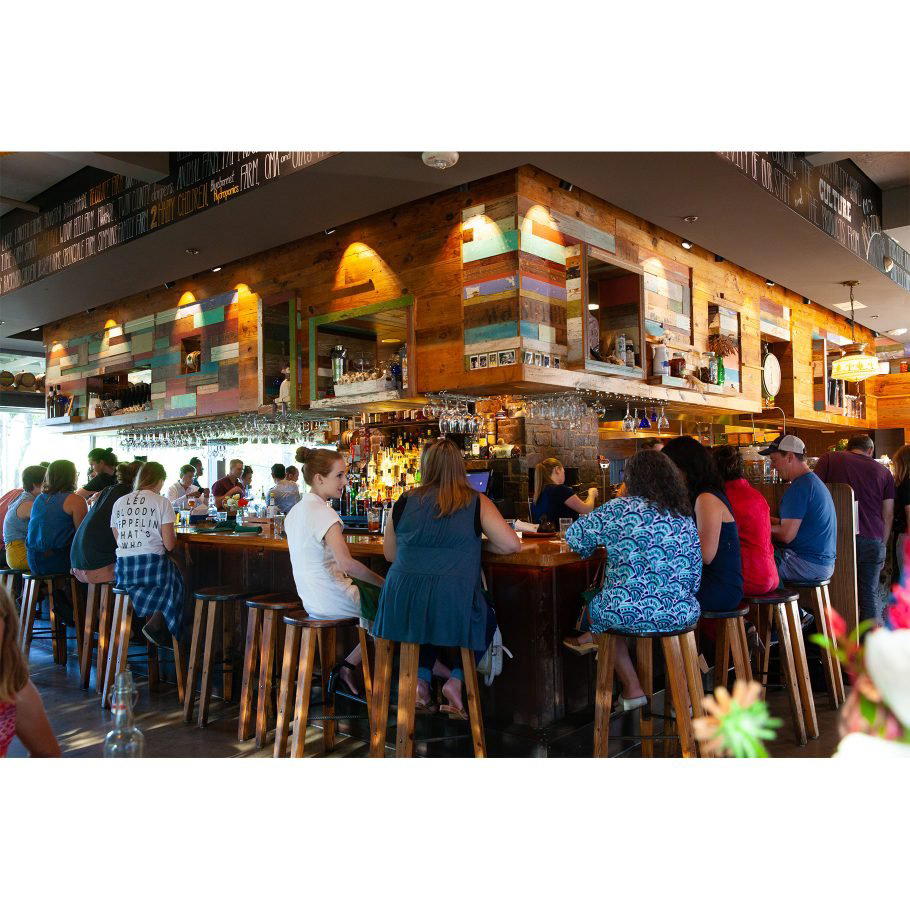
Restaurants in Austin
All restaurants in Austin →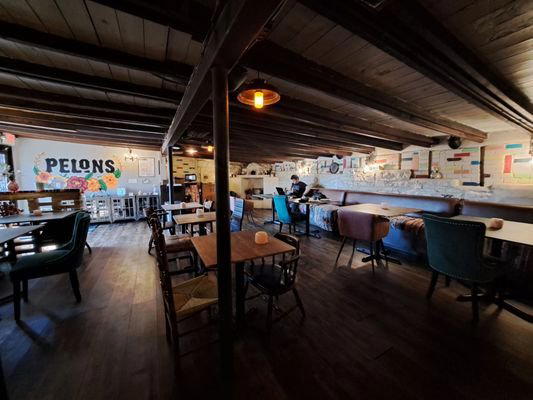
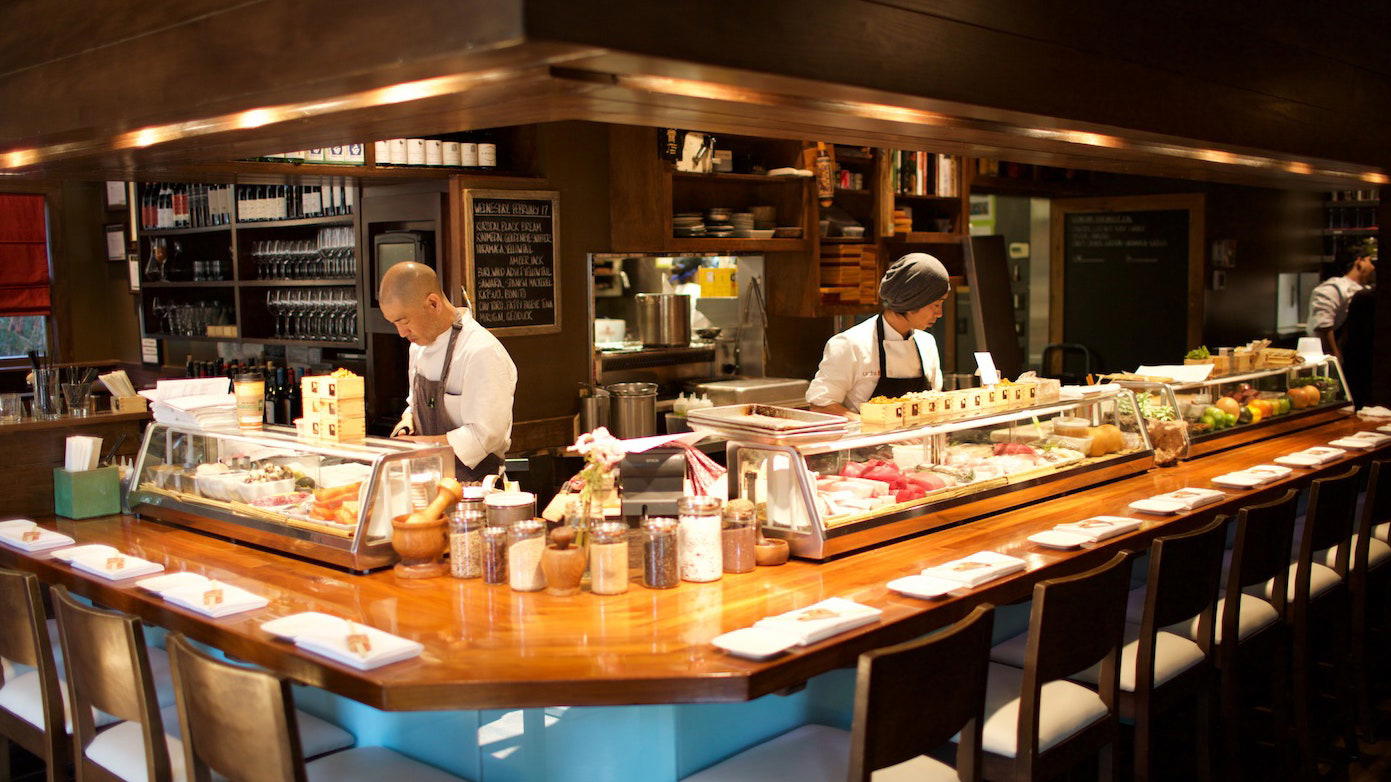
Bars in Austin
All bars in Austin →




Details
- Cozy
- Rustic
- Intimate
- Trendy
- Whimsical
- Date Night
- Special Occasion
- Open Kitchen
- Craft Cocktails
- Farm To Table
- Local Sourcing
- Tasting Menu
- Vegetarian Friendly
- Vegan Options
Current opening hours
- Monday
- Closed
- Tuesday
- Closed
- Wednesday
- Closed
- Thursday
- 5–9 PM
- Friday
- 5–10 PM
- Saturday
- 4:30–10 PM
- Sunday
- 4:30–9 PM
Hours can change for holidays and private events. Hours as of .
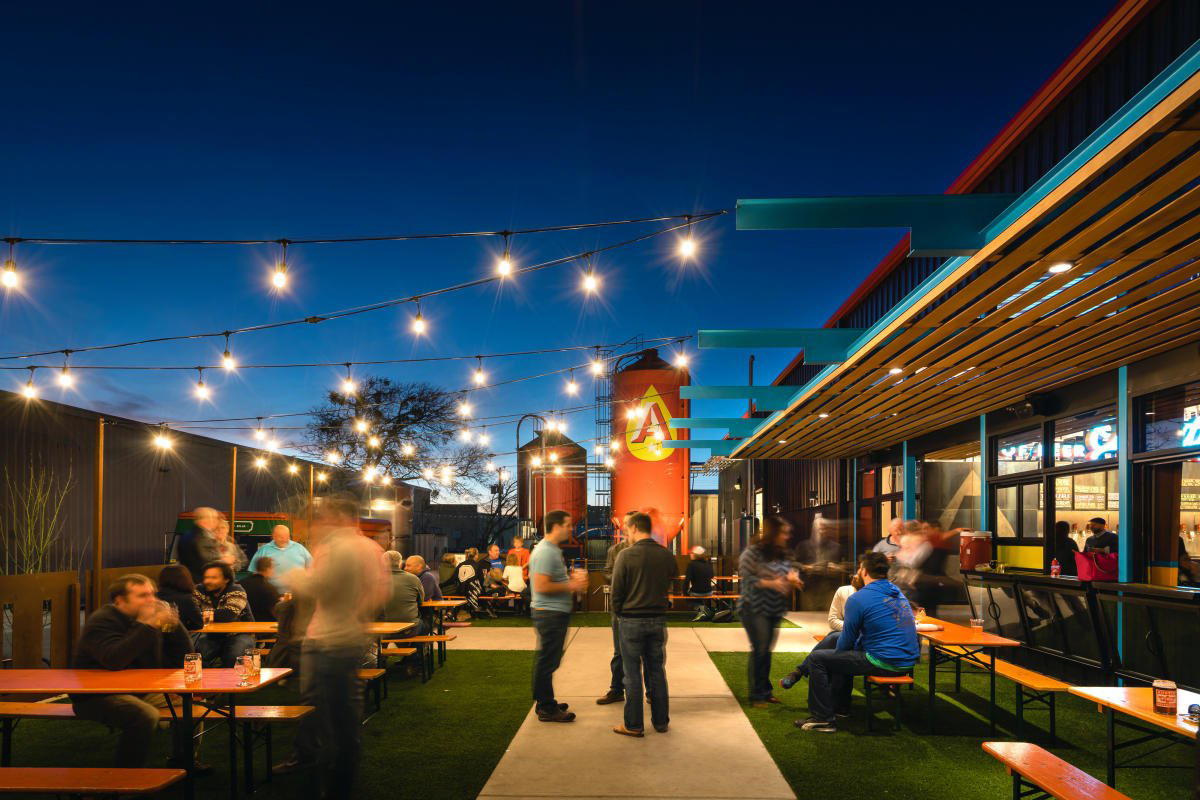
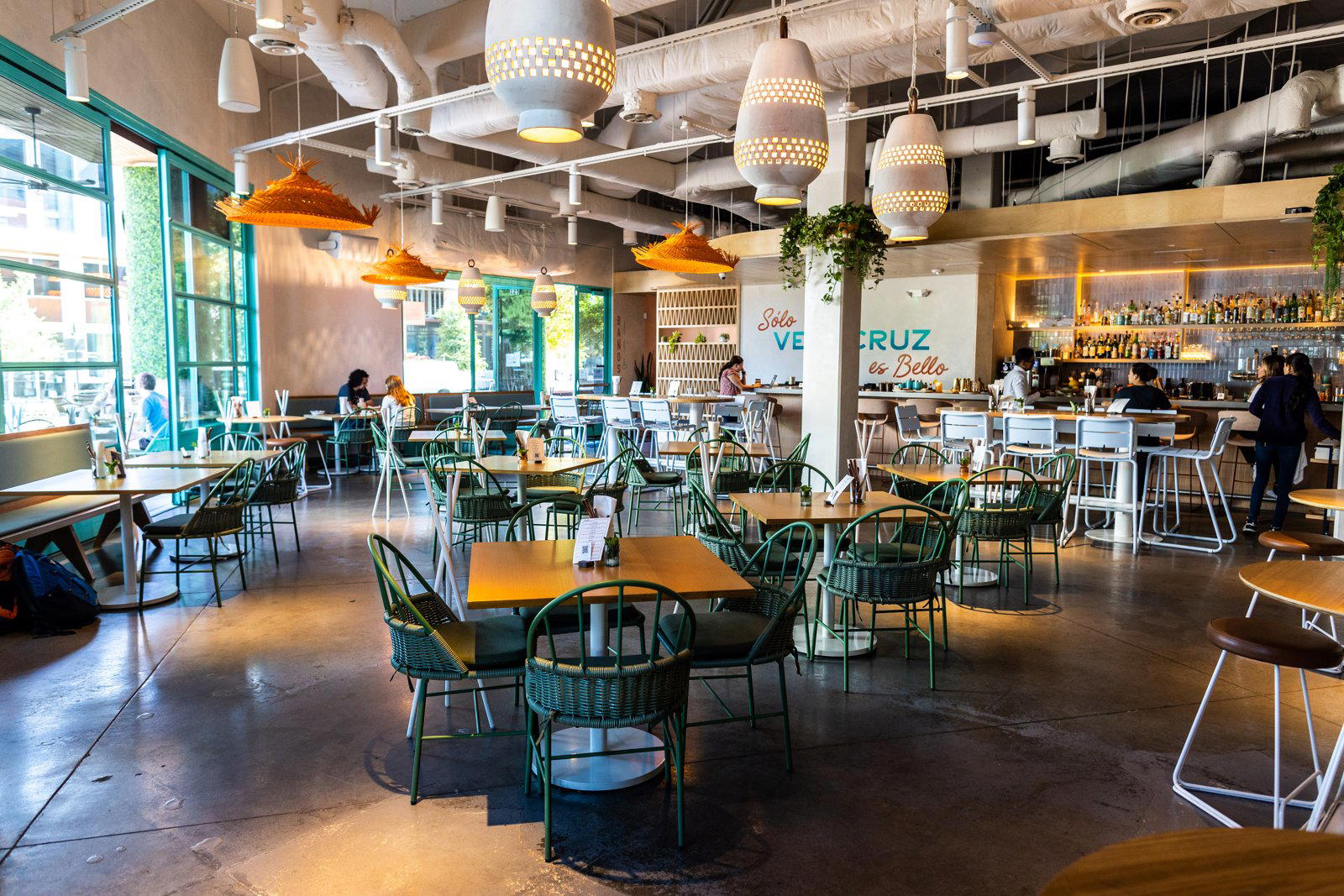
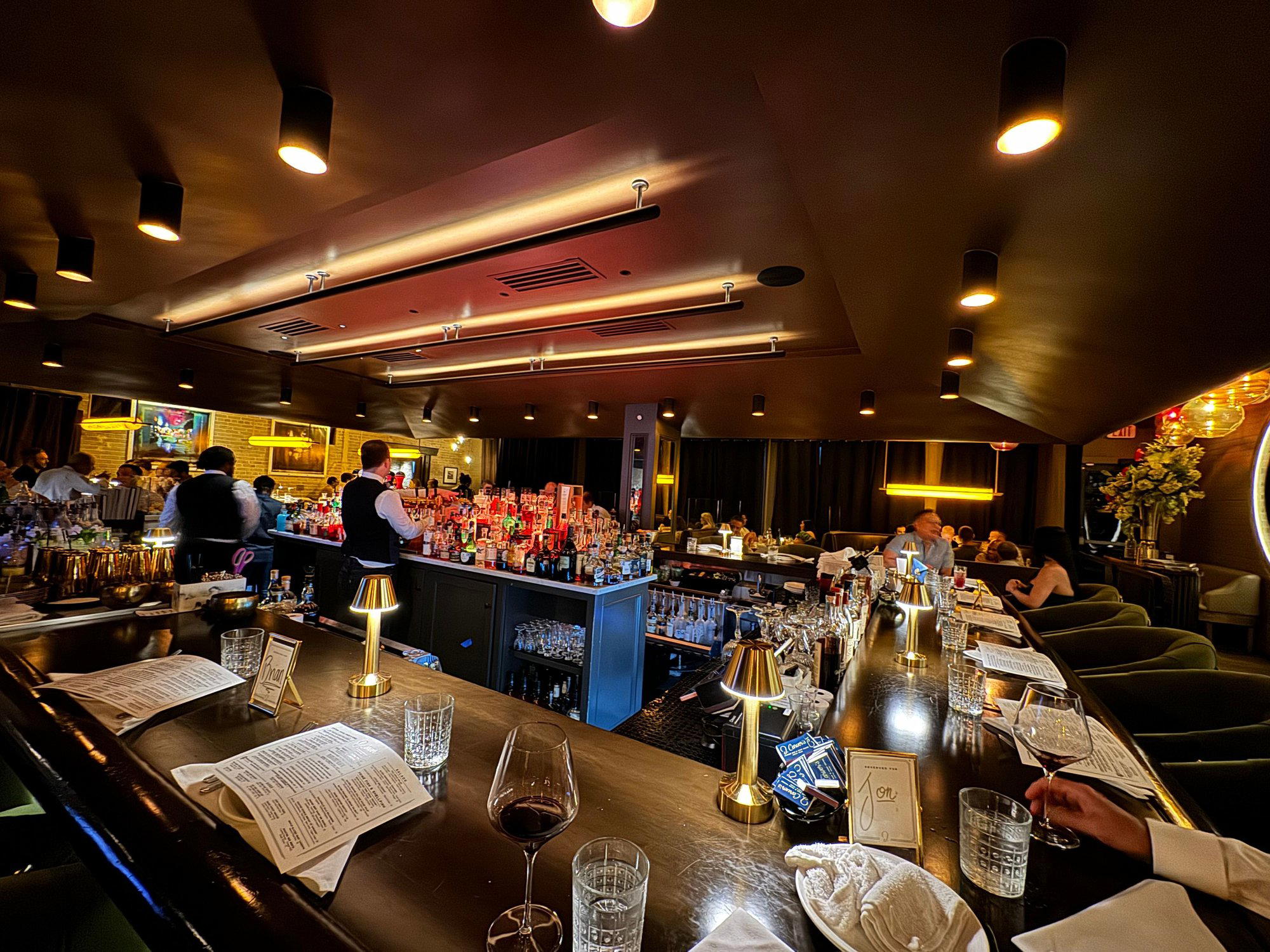
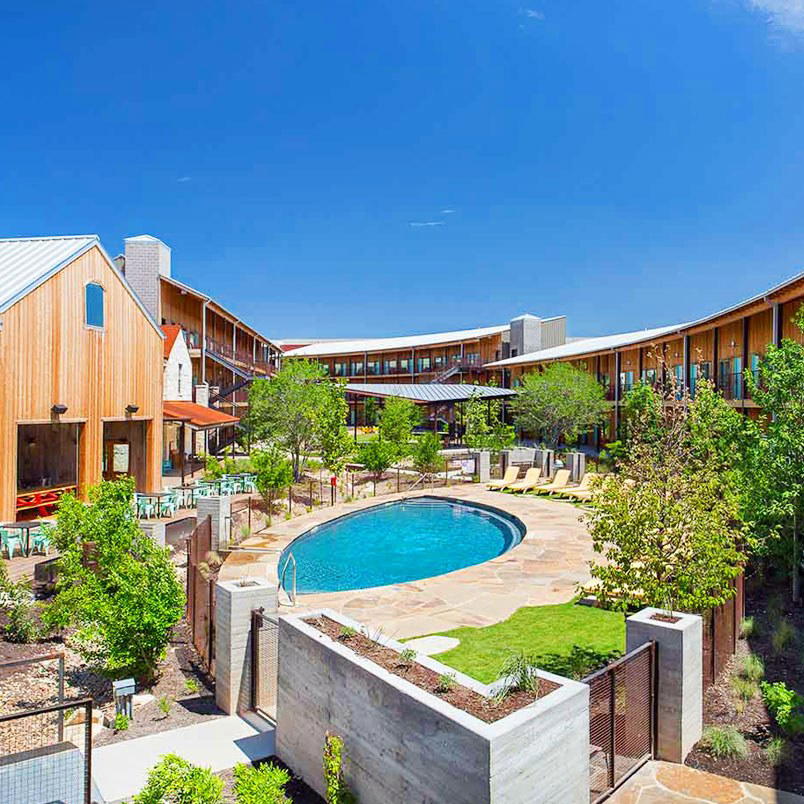
Cozy, rustic dining room with warm wood accents, open kitchen, casual yet passionate atmosphere.