Treaty Oak Distilling

Treaty Oak Distilling sits on Fitzhugh Road outside Dripping Springs, where the Texas Hill Country opens into cedar-studded ranchland that now doubles as one of the state's most recognized craft spirits addresses. A Pearl 2 Star Prestige recipient in 2025, the distillery occupies a tier above most Texas producers and draws visitors for both its spirits program and the sprawling outdoor property that surrounds it.
Pearl is the En Primeur Club membership app — saves, bookings, and concierge access live there. Same editors, same standards.
- Address
- 16604 Fitzhugh Rd, Dripping Springs, TX 78620
- Phone
- +15123875822
- Website
- treatyoakdistilling.com
 Saves & bookings on Pearl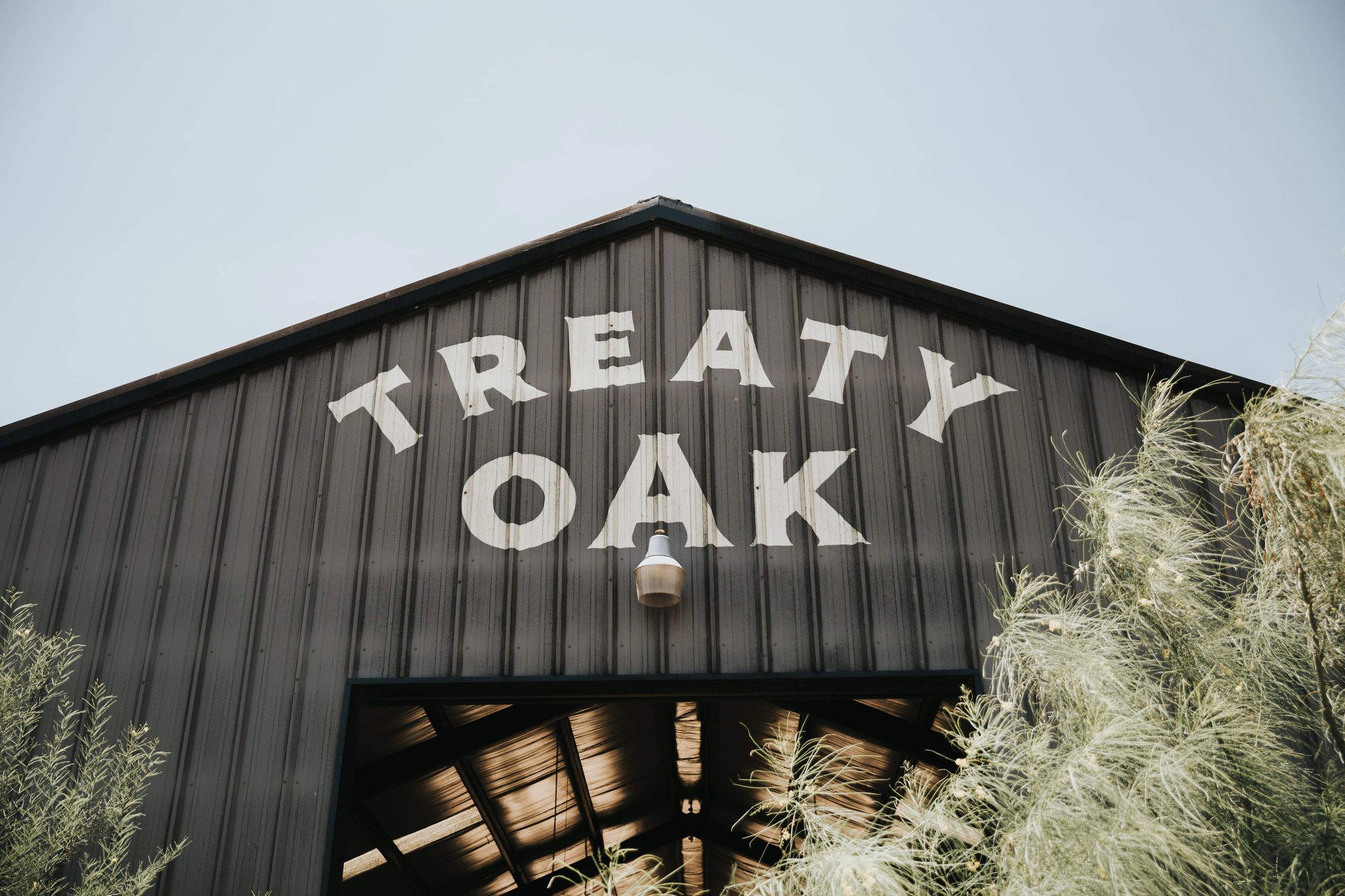
Hill Country Spirits, Serious Credentials
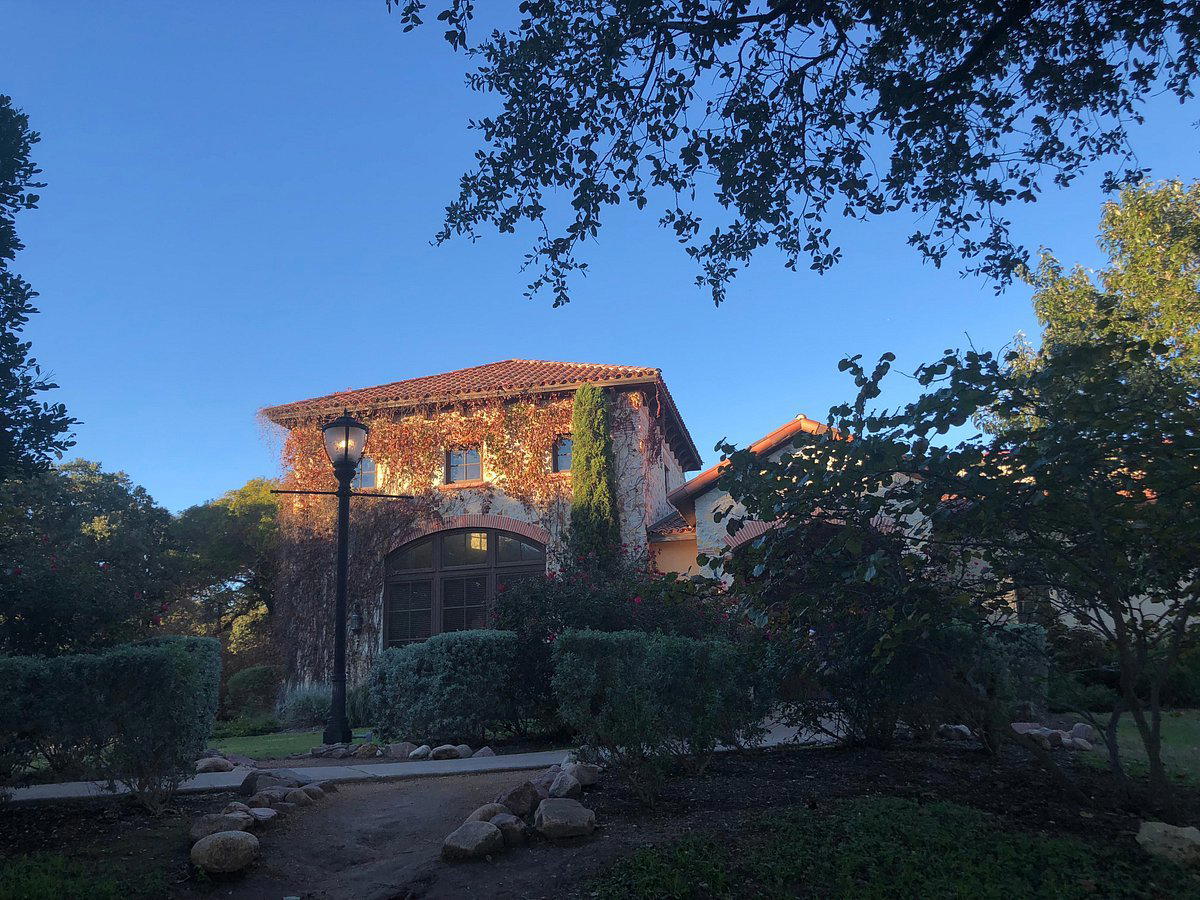
The stretch of Fitzhugh Road between Austin and Dripping Springs has become shorthand for a particular kind of Texas producer: one that chose land and space over urban proximity, and built a visitor experience around the physical environment rather than foot traffic. Treaty Oak Distilling, at 16604 Fitzhugh Rd, sits firmly in that tradition. The property spreads across open Hill Country terrain where views of cedar and limestone run long and unobstructed, and the distillery building itself reads more as working ranch infrastructure than tasting-room theatre. That restraint in design communicates something about the production philosophy before a single pour is made.
The 2025 Pearl 2 Star Prestige designation places Treaty Oak in a credentialed tier within the Texas craft spirits scene. For a region that also includes operations like Dripping Springs Distilling and Deep Eddy Vodka Distillery, the Pearl recognition matters as a differentiator rather than a decoration.
The Ground Itself as Context
Texas craft spirits have always had an unusual relationship with landscape. Unlike Scottish whisky regions, where geography is inseparable from legal appellation, or Cognac, where the terroir argument is centuries deep, Texas distilleries have had to build their sense of place from scratch. The producers that have done it most convincingly are those that let the physical environment do real narrative work. Treaty Oak's Fitzhugh Road address puts it in that company. The drive out from Austin, roughly thirty miles west through increasingly open terrain, primes the visitor before arrival. By the time the property comes into view, the city has fully receded.
The Hill Country itself shapes what happens here in ways that go beyond aesthetics. The altitude, the limestone-filtered water table, and the dramatic temperature swings between summer heat and cool nights all bear on aging and fermentation in ways that are genuine rather than promotional. Texas producers working in this geography are increasingly making the argument that those conditions create a distinct spirit character, a faster-aging barrel environment, different wood interaction, a particular intensity in younger expressions. Whether that constitutes terroir in any traditional sense is still being worked out across the industry, but the conversation is most credible when it happens on properties like this one, where the land is visibly present in every direction.
Where Treaty Oak Sits in the Texas Spirits Tier
The Texas craft spirits market split early and permanently into two tracks: high-volume, label-led producers built for retail shelf presence, and smaller, site-focused operations where the distillery visit is as central to the brand as the liquid itself. Treaty Oak belongs to the second cohort. The Pearl 2 Star Prestige recognition it received in 2025 aligns it with producers being assessed for the quality of both the spirits program and the broader experience, a dual standard that rewards investment in the physical property as much as in the stills.
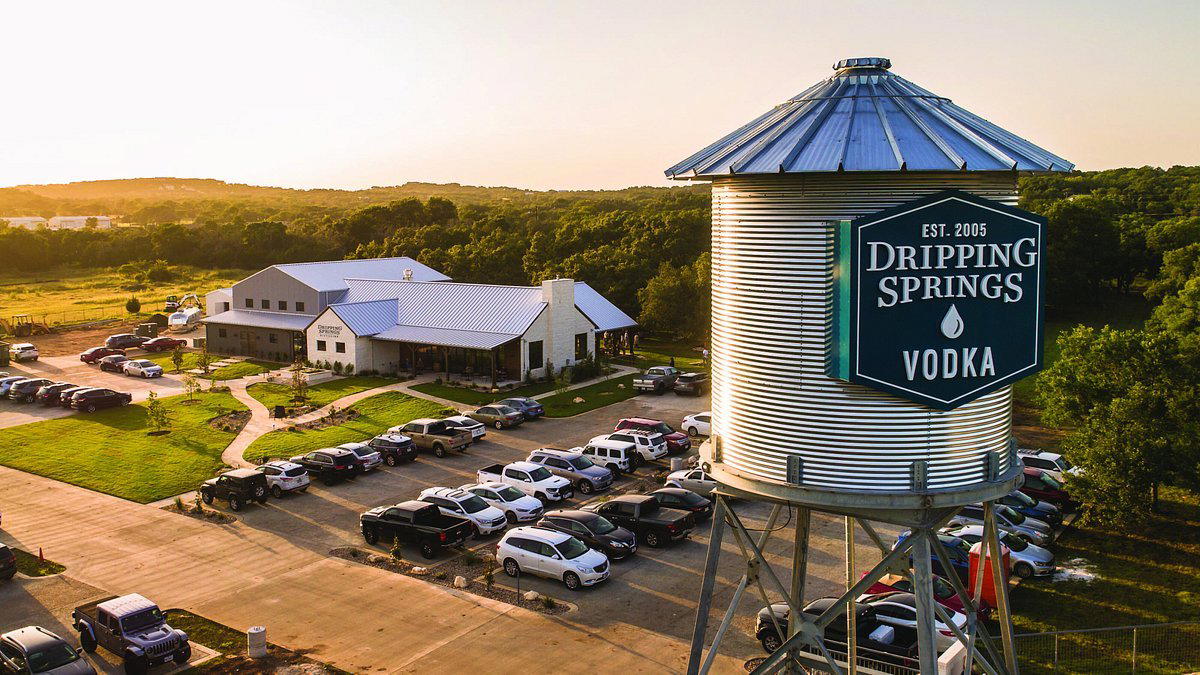
Comparing it to peers within Dripping Springs specifically, Treaty Oak occupies a different register than Deep Eddy Vodka Distillery, which operates at larger scale with a more nationally distributed brand profile, or Dripping Springs Distilling, whose positioning leans toward the boutique and the local. Treaty Oak has grown into something more ambitious: a full hospitality site with spirits production, outdoor space, and the kind of grounds that justify the drive independently of what's being poured.
For those planning a broader Hill Country day that combines spirits with wine, Solaro Estate Winery sits within the same Dripping Springs corridor. The combination maps well: the terroir-forward wine conversation at Solaro runs parallel to the landscape-rooted spirits argument at Treaty Oak. Both operations are making a version of the same regional case, just in different categories.
The Outdoor Experience as the Main Event
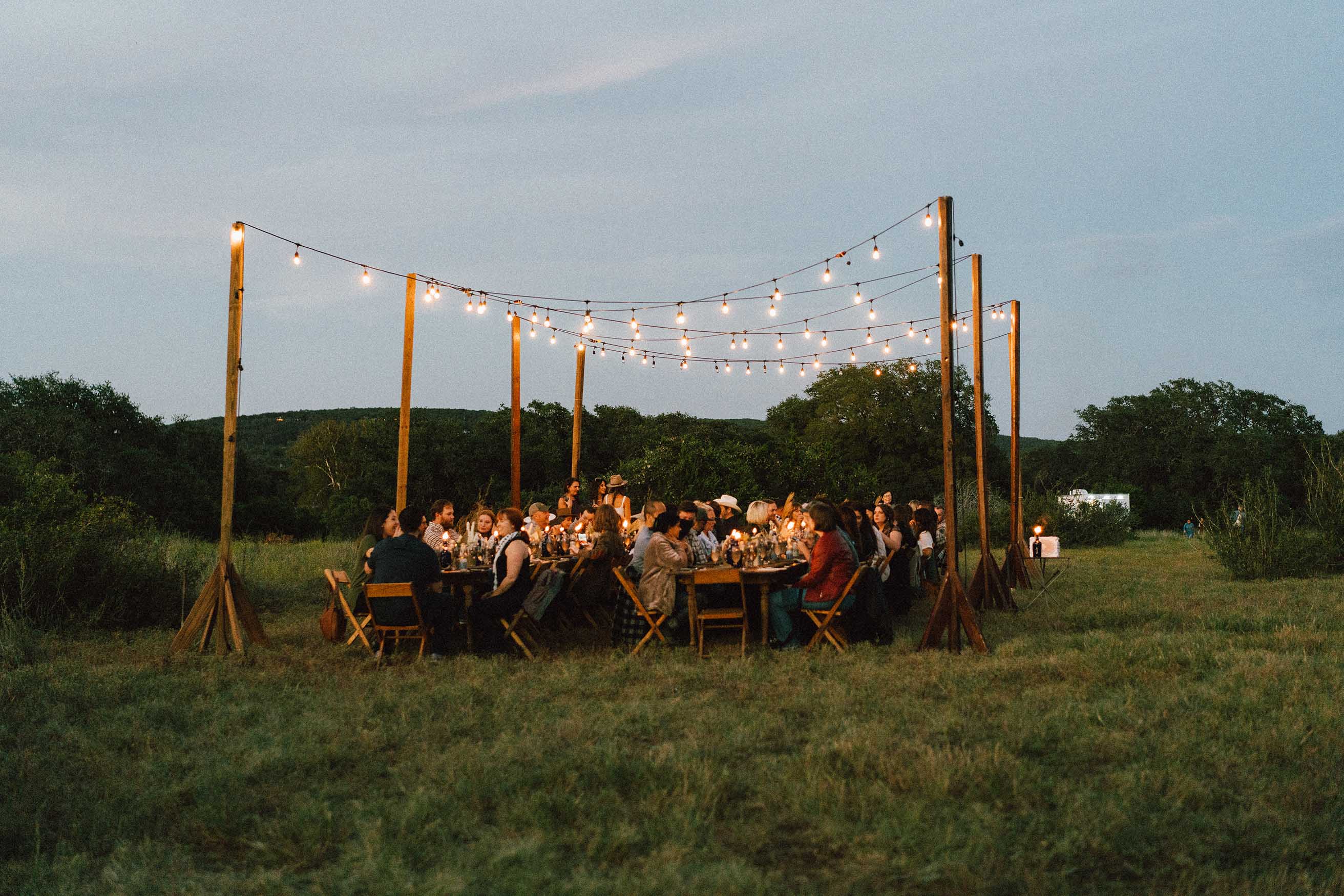
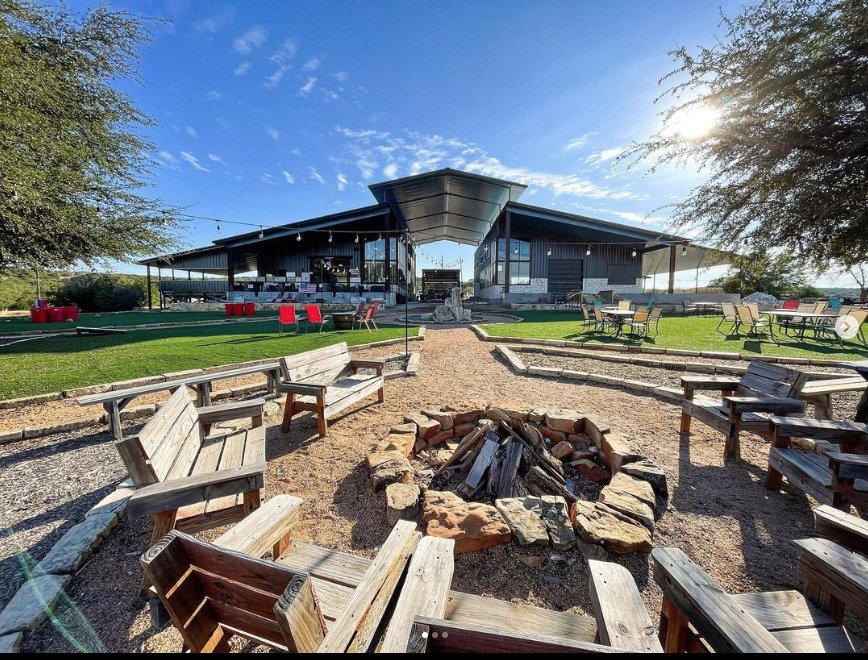
Treaty Oak's grounds are not incidental to the visit. The outdoor area functions as the primary gathering space, with the Hill Country views available from multiple vantage points across the property. This puts it in a category of Texas hospitality sites where the experience is fundamentally weather-dependent and seasonally variable, and where the visit rewards timing. Spring and fall are the clear windows: temperatures are workable, the landscape is at its most expressive, and the Hill Country light in the late afternoon turns the limestone terrain into something close to cinematic. Summer visits demand either early arrival or acceptance of the heat as part of the experience.
The outdoor format also shapes the social register of the visit. Treaty Oak draws a mix of serious spirits drinkers working through the distillery's range and groups for whom the setting is the draw. Both uses coexist on the property, which has enough scale to absorb them without friction. That range of visitor type is itself a signal about the operation's ambition: it wants to be a destination in the full sense, not merely a tasting room.
Spirits Program and What the Award Signals
A Pearl 2 Star Prestige recognition, awarded in 2025, implies a spirits program that has moved past regional novelty and into genuine quality assessment. Within the American craft spirits industry, a tiered prestige framework of this kind rewards consistency, category breadth, and production discipline. For Treaty Oak, it places the distillery's output in a conversation with credentialed producers outside Texas rather than merely within it.
For context on what serious American craft production looks like when benchmarked internationally, the range of programs covered elsewhere in the EP Club editorial scope is instructive. The approach to barrel management and site-specific production at operations like Aberlour in Speyside or the terroir-driven methodology visible at Adelaida Vineyards in Paso Robles illustrates what a production program looks like when geography and craft are genuinely integrated. Treaty Oak's award suggests it is working toward a comparable standard on its own terms, within a Texas framework rather than a European one.
The spirits category at Treaty Oak includes whiskey expressions that reflect the Texas aging environment directly, the heat accelerates extraction, and what takes a Scottish distillery twelve years can read as a different kind of maturity at four or five in central Texas. That is not a shortcut; it is a different production logic, one that the better Texas distilleries are now making as a positive argument rather than an apology.
Planning the Visit
Treaty Oak Distilling is located at 16604 Fitzhugh Rd, Dripping Springs, TX 78620, approximately thirty miles west of central Austin along a route that is direct to drive but not served by public transit. The practical reality of the visit is that a car is required, and Fitzhugh Road passes through open Hill Country terrain that makes the arrival feel earned. Given the outdoor orientation of the property, visits in spring (March through May) and fall (October through November) will consistently outperform summer in terms of comfort and overall experience quality.
Current hours, booking requirements, and tasting format details should be confirmed directly with the distillery. The Pearl 2 Star Prestige status and the outdoor scale of the property both suggest that weekend visits, particularly on high-traffic spring weekends, may benefit from planning ahead. Those assembling a fuller Hill Country day should cross-reference with the Dripping Springs destination guide for current operating information across nearby producers.
For those tracking the broader American craft spirits and wine scene across premium regions, EP Club covers producers across comparable tiers and geographies, from Accendo Cellars in St. Helena and Alpha Omega in Rutherford to Adelsheim Vineyard in Oregon, Alban Vineyards in Arroyo Grande, Alexander Valley Vineyards in Geyserville, Andrew Murray Vineyards in Los Olivos, Artesa Vineyards and Winery in Napa, and Au Bon Climat in Santa Barbara. The same premium-tier lens that applies to those operations applies here.
At a Glance
Comparable venues nearby, for context on price, style, and recognition.
| Venue | Cuisine | Price | Notes |
|---|---|---|---|
| Treaty Oak DistillingThis venue — the venue you are viewing | Dripping Springs, Texas Hill Country | $$ | |
| Dripping Springs Distilling | Dripping Springs, Texas Hill Country | $$ | |
| Deep Eddy Vodka Distillery | Dripping Springs, Texas Hill Country | $$ | |
| Solaro Estate Winery | $$$ | Dripping Springs, Sangiovese, Tempranillo | |
| Johnny Pickles Distillery | Downtown Seguin, Winery | $$ | |
| Viña Garcés Silva (Amayna) | Winery | , |
Continue exploring
More in Dripping Springs
Wineries in Dripping Springs
Browse all →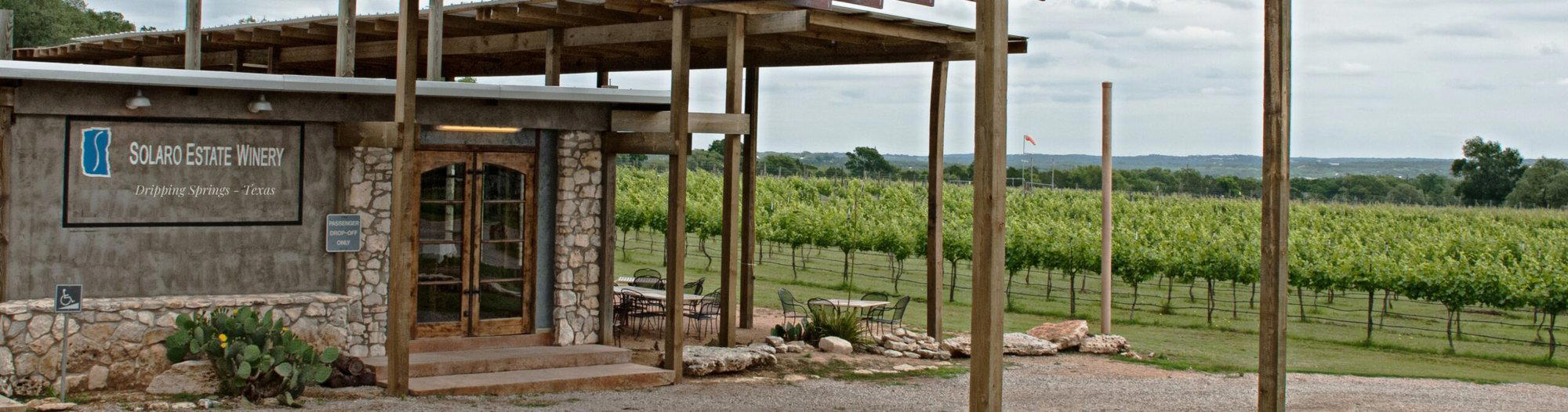
Bars in Dripping Springs
Browse all →

Restaurants in Dripping Springs
Browse all →





At a Glance
- Rustic
- Scenic
- Lively
- Group Outing
- Celebration
- Family
- Estate Grounds
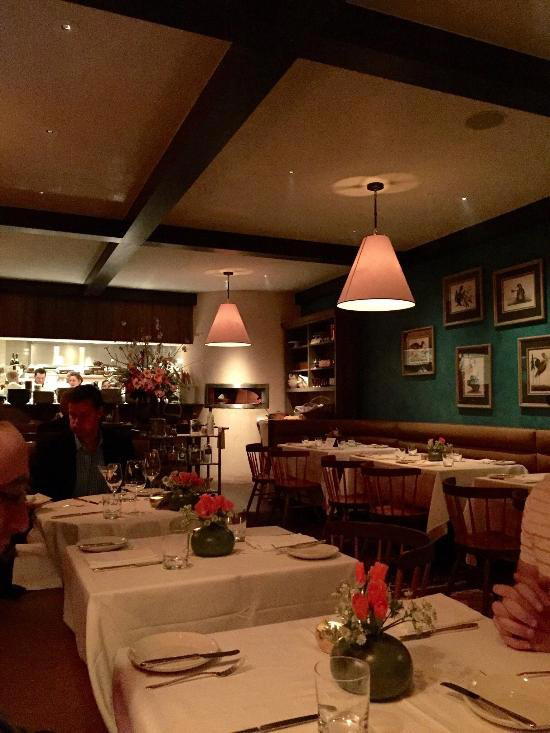
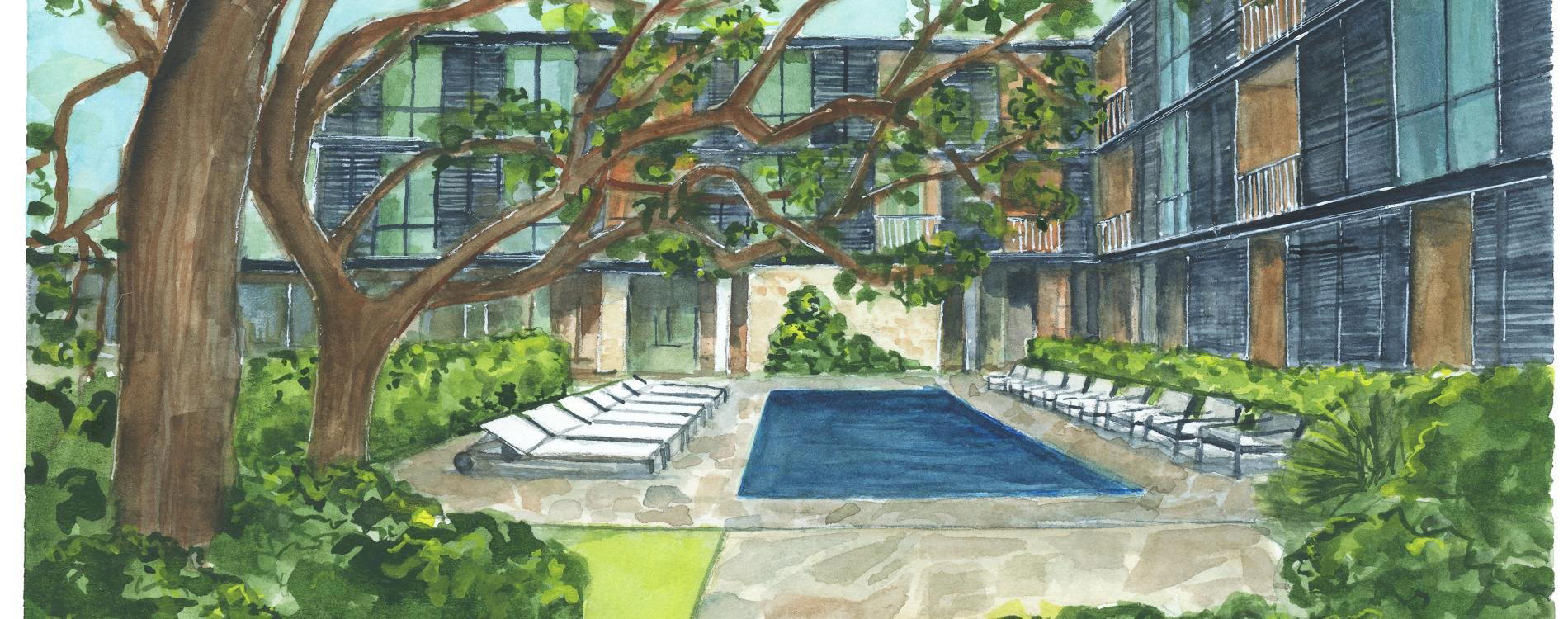
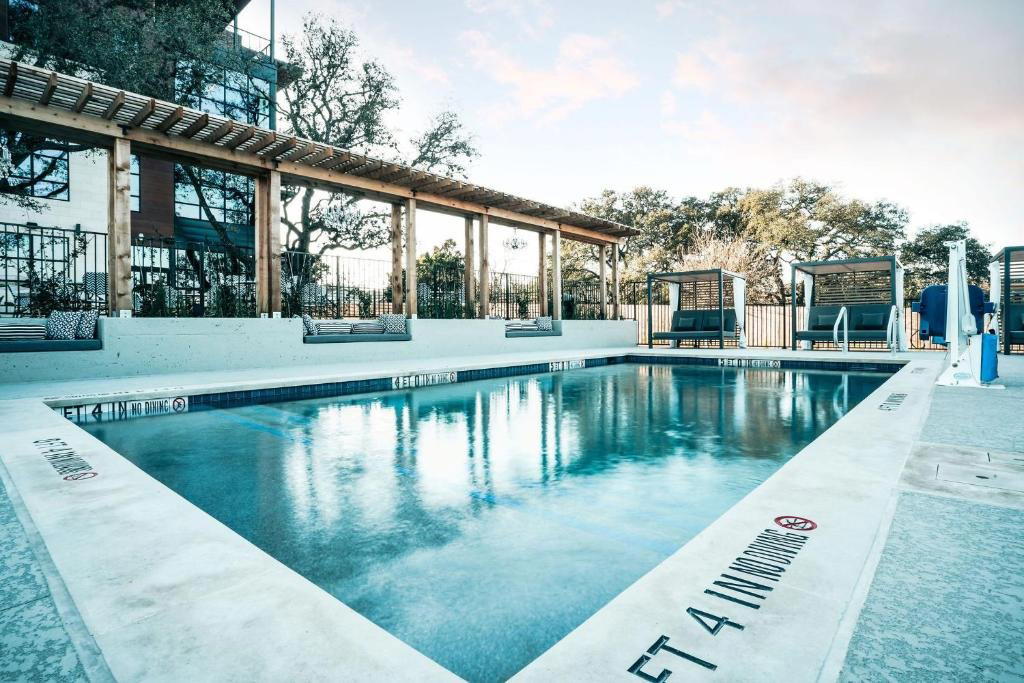
Rustic Hill Country atmosphere with simple modern spaces, shaded picnic tables under huge live oaks, and a laid-back outdoor vibe.