Austin Beerworks
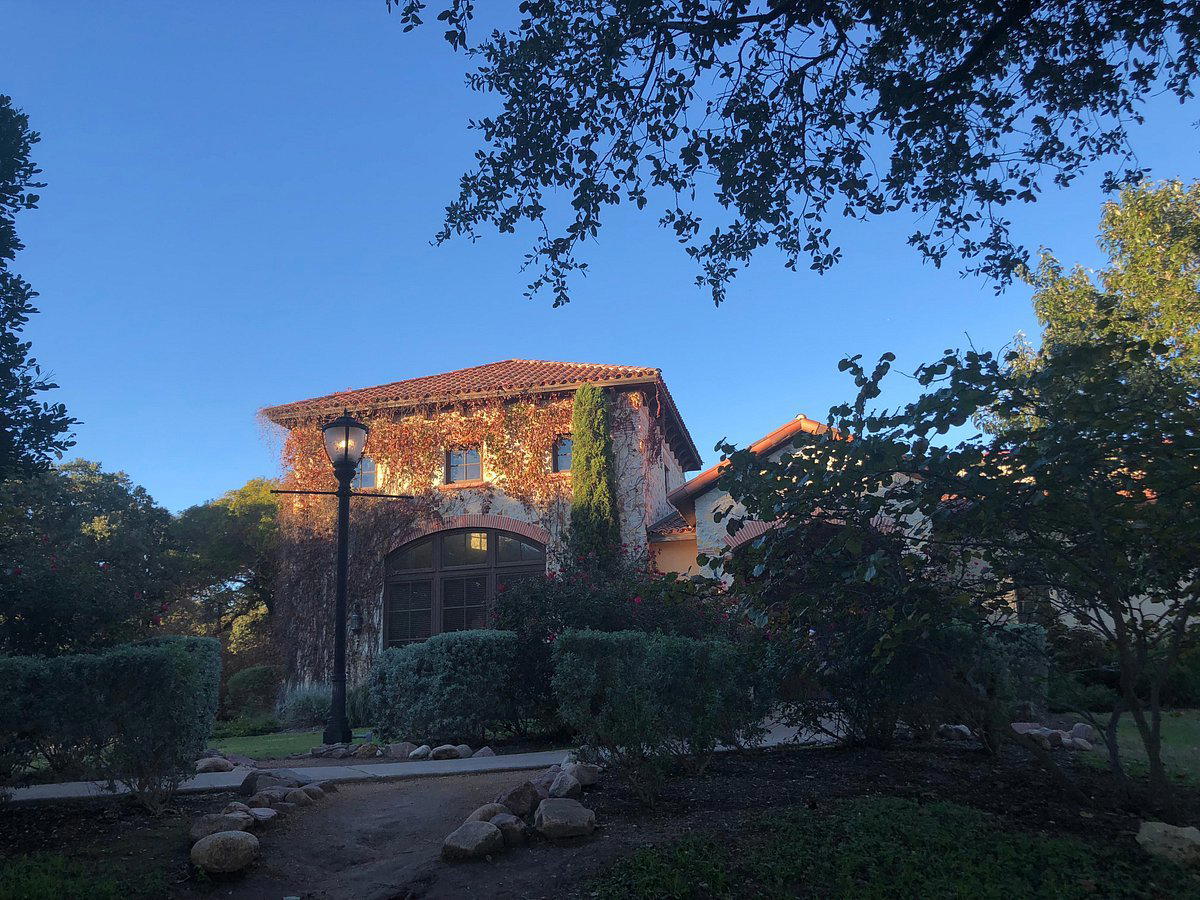
Austin Beerworks sits on Industrial Terrace in the city's north, occupying a working brewery space that doubles as one of Austin's more characterful taprooms. The physical environment — corrugated metal, open fermentation equipment, long communal tables — sets the tone before the first pint lands. It represents a strain of Austin drinking culture that favors production-first spaces over designed hospitality theater.
Pearl is the En Primeur Club membership app — saves, bookings, and concierge access live there. Same editors, same standards.
- Address
- 3001 Industrial Terrace, Austin, TX 78758
- Phone
- +1 512 821 2494
- Website
- austinbeerworks.com
- Directions
- Get directions
 Saves & bookings on Pearl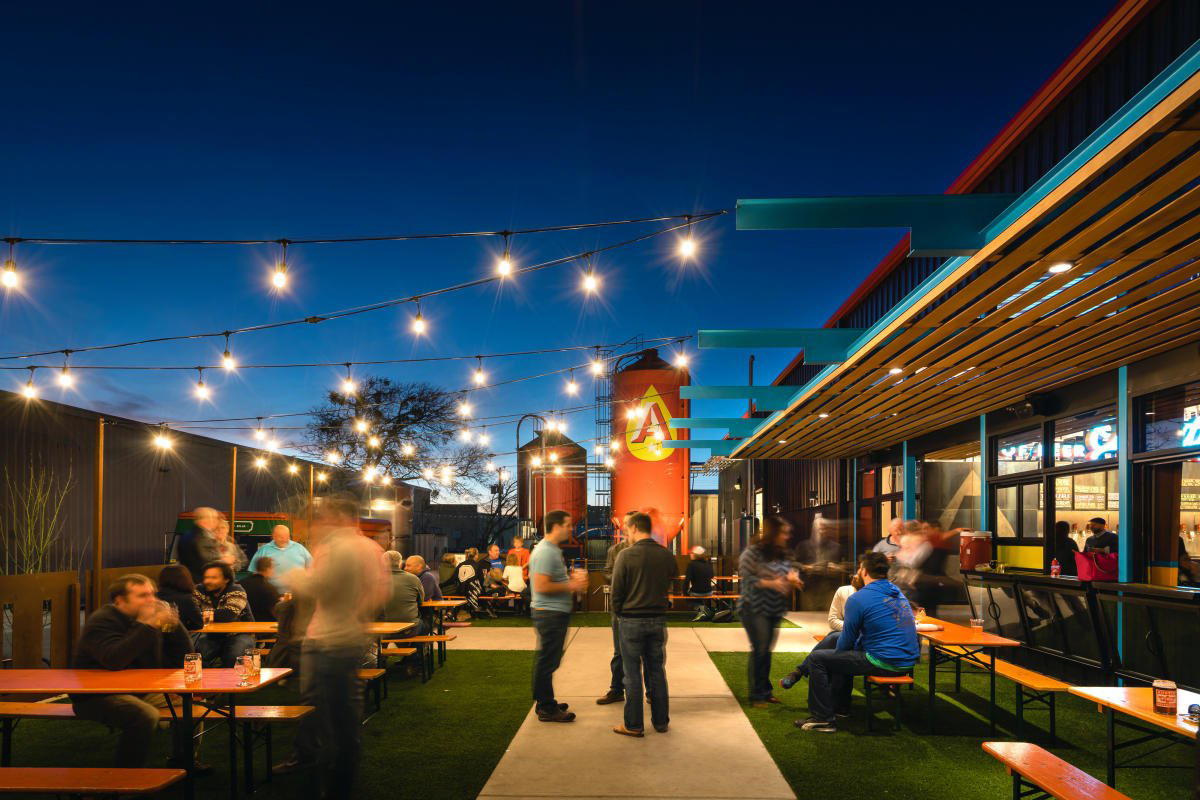
Industrial Space as Drinking Destination
Austin's craft beer scene has sorted itself into two broad camps over the past decade: the tap-room-as-lounge model, where hospitality polish does most of the work, and the brewery-forward model, where the production floor itself is the setting and the beer is expected to carry its weight without atmospheric dressing. Austin Beerworks, at 3001 Industrial Terrace in the city's north, belongs firmly to the second tradition. The address says as much before you arrive: Industrial Terrace is in Austin's north side, and that's largely the point.
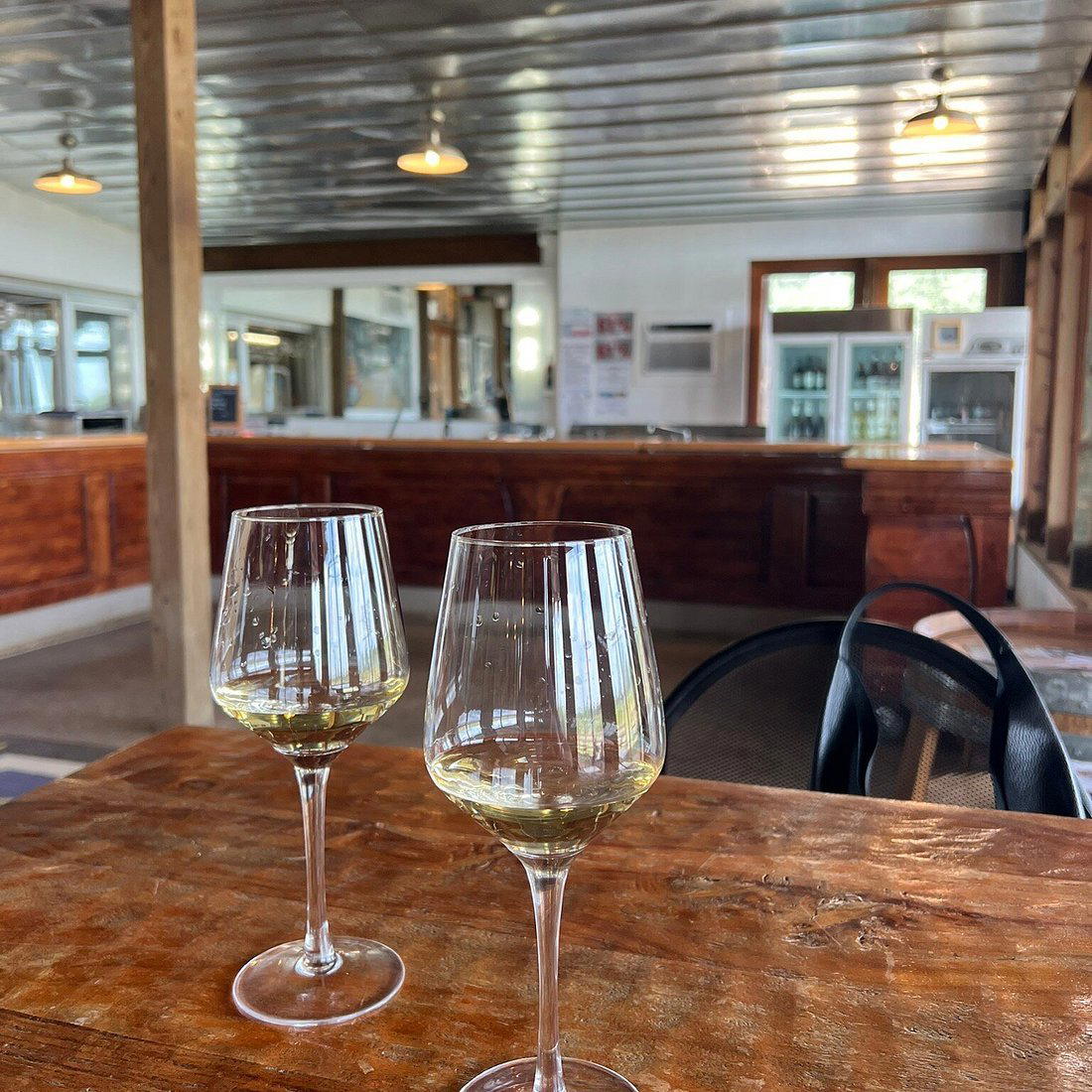
What you find inside is a space shaped by function rather than interior design briefs. Fermentation tanks, exposed ductwork, and concrete underfoot form the container for the drinking experience. Long communal tables push toward shared-table culture rather than the booth-and-reservation model that has taken hold in Austin's more polished venues. Compared to the cocktail-program focus you'd find at Nickel City or the sleek bar environments at Aba Austin, this is a different register entirely. The space reads as a working brewery that happens to welcome the public, rather than a hospitality venue that happens to produce beer.
That distinction matters because it shapes what visitors actually do here. There's no cocktail list competing for attention, and the dress code is casual. The physical environment pushes the focus toward the product and the company you arrive with. In a city that has expanded its premium drinking options considerably, that directness has its own appeal.
North Austin and the Production-District Drinking Belt
The Industrial Terrace location places Austin Beerworks in a part of the city that developed its character around warehouses and light manufacturing rather than the bar-dense corridors of East 6th or the Rainey Street strip. That geography has consequences for the experience. Getting there typically means driving or ridesharing. The tradeoff is space: production breweries in industrial zones can offer outdoor areas, scale, and a physical openness that street-level bars in denser neighborhoods cannot.
Austin's drinking culture has long supported both types of venue. The craft brewery taproom model took hold here earlier than in many comparable cities, and the north Austin industrial corridor became one of its natural homes. For visitors building an Austin itinerary around bars and drinking, Austin Beerworks represents a distinct stop in a city that also runs a strong cocktail program at venues like 2500 E 6th St and live music at Antone's Nightclub. The range across those three alone sketches out how varied Austin's after-dark options have become.
For context on where Austin Beerworks sits regionally, it's worth noting that the production-brewery taproom format has taken hold across Texas and the wider South and Southwest. Venues like Julep in Houston represent the cocktail-program end of that spectrum. Nationally, the contrast extends further: the technical clarity of Kumiko in Chicago or the spirits-forward approach at ABV in San Francisco and Bar Leather Apron in Honolulu share almost no vocabulary with the brewery taproom format. What venues like Austin Beerworks offer is categorically different, and visitors who arrive expecting craft cocktail architecture will find themselves in the wrong room.
The Architecture of a Working Taproom
The physical design of a production-first taproom communicates priorities through materiality. Steel, concrete, and timber are the dominant language, and the presence of brewing equipment is not decorative: it's operational. Visitors at Austin Beerworks drink inside what is effectively a functioning factory, which gives the environment a sensory quality that designed bars cannot replicate. The sound profile is different, the scale is different, and the relationship between the product and its production environment is visible rather than abstracted.
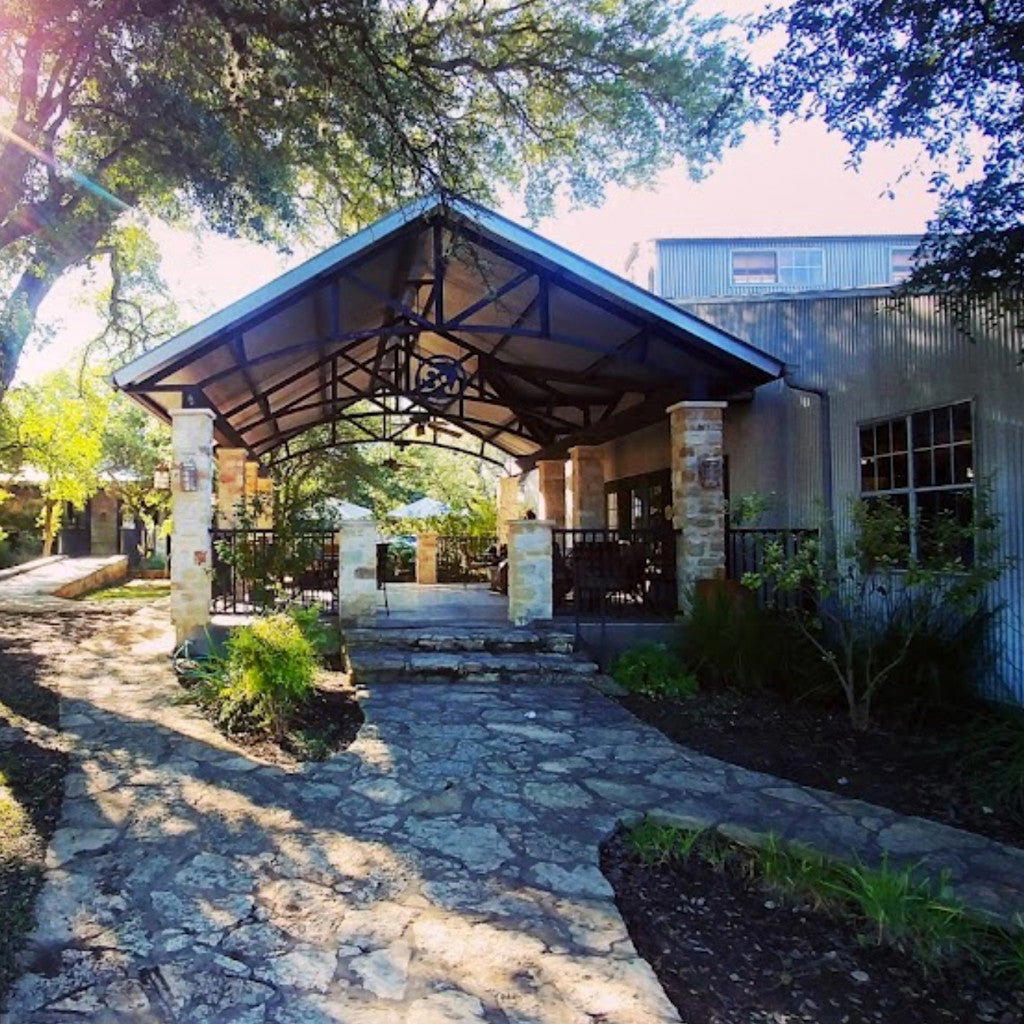
Communal seating formats, common in this model, shift social dynamics in ways that lounge-style layouts do not. Longer tables encourage strangers to share space, and the absence of formal table service typically accelerates the pace and informality of the visit. This is a standing-and-circling kind of venue on busy evenings, and the outdoor element that many production breweries in Austin maintain extends capacity in a way that matters during the city's warmer months. Texas climate being what it is, outdoor taproom space functions leading between October and April; summer visits are a different proposition, even with shade structures.
For those building a broader drinking itinerary across cities, the production-brewery experience at Austin Beerworks occupies a different tier of formality than, say, Jewel of the South in New Orleans, Superbueno in New York City, or The Parlour in Frankfurt on the Main. Those are precision-hospitality environments; Austin Beerworks operates in the opposite register. Both have their place in a well-constructed itinerary, and knowing the difference before you arrive saves the adjustment on the night.
Planning a Visit
Austin Beerworks does not require advance booking in the way that Austin's tasting-menu restaurants do. The taproom format is walk-in by nature, and the industrial-scale space absorbs groups that would struggle to land a table at a smaller venue. Weekend afternoons are the most populated windows; if you prefer a quieter visit, weekday evenings in the shoulder season tend to give you more room to move. The address at 3001 Industrial Terrace is direct to reach by rideshare from central Austin, and parking is available on-site for those arriving by car, as is typical of industrial-district venues designed with drivers in mind.
Continue exploring
More in Austin
Bars in Austin
Browse all →
Restaurants in Austin
Browse all →

Hotels in Austin
Browse all →

At a Glance
- Lively
- Energetic
- Rustic
- Group Outing
- Casual Hangout
- Beer Garden
- Outdoor Terrace
- Communal Tables
- Craft Beer
Current opening hours
- Monday
- 11 AM–10 PM
- Tuesday
- 11 AM–10 PM
- Wednesday
- 11 AM–10 PM
- Thursday
- 11 AM–10 PM
- Friday
- 11 AM–10 PM
- Saturday
- 11 AM–10 PM
- Sunday
- 11 AM–8 PM
Hours can change for holidays and private events. Last verified .
Fun, family-friendly atmosphere with plenty of tables for socializing amid a lively brewery vibe.
Know Before You Go
- Getting there
- 3001 Industrial Terrace, Austin, TX 78758