Nixta Taqueria


Michelin Bib Gourmand · James Beard Award Emerging Chef
Our verdict
Nixta Taqueria brings Austin’s modern Mexican conversation back to corn: masa, nixtamalization, and tortilla craft rather than generic taco shorthand. Chef Edgar Rico’s James Beard Emerging Chef win and Michelin Bib Gourmand recognition place it in the city’s serious casual tier, where a counter-service format can carry national weight without losing its East Austin edge.

Pearl is the En Primeur Club membership app — saves, bookings, and concierge access live there. Same editors, same standards.
- Address
- 2512 E 12th St, Austin, TX 78702
- Phone
- (737) 338-3595
- Hours
- Mon ClosedTue–Thu 5–9 PMFri–Sat 11 AM–2 PM, 5–10 PMSun 11 AM–3 PM
- Website
- nixtataqueria.com
- Directions
- Get directions
- Booking
- Book on OpenTable
The menu
What to order
- Duck carnitas
- Tuna tostada
- Carrot tostada
Austin’s taco scene is loud in the right ways: orders called, tortillas moving, tables turning, immediacy over ceremony. Nixta Taqueria is not white-tablecloth Mexican dining or late-night snack culture. Its point is masa as infrastructure: the ingredient that gives a taco depth before anything else lands on it.
Austin has long been fluent in tacos, but its current Mexican cooking works across several registers: polished dining rooms, street-format specialists such as Cuantos Tacos and Discada, and focused regional cooking such as La Santa Barbacha. Nixta sits between those poles: casual in posture, but with the ambition usually attached to more formal restaurants.
Masa is the argument, not the garnish
Nixtamalization is old technology, not a trend. Corn is cooked and steeped with an alkaline agent, then ground into masa, changing flavor, texture, aroma, and nutrition. In a city where tacos can become delivery systems for fillings, a masa-led taqueria changes the hierarchy. The tortilla becomes the editorial line. Fillings matter, but they are not asked to rescue a flat foundation.
That is why Nixta Taqueria reads differently from a standard taco stop. Its reputation rests on Mexican cooking committed to corn craft, placing it closer to a broader North American masa revival than generic Tex-Mex nostalgia. Across the United States, serious Mexican restaurants have replaced commodity tortillas with in-house or carefully sourced masa programs. Austin’s version is less formal than the tasting-menu expression of that movement, but no less pointed.
The awards clarify the category. Michelin Bib Gourmand recognition in 2024 and 2025 signals value-led cooking with enough distinction to draw guide attention, while Edgar Rico’s 2022 James Beard Award for Emerging Chef put a national frame around a restaurant operating in a casual format. Those credentials separate Nixta from the large field of casual taco counters where popularity alone can blur quality.
Where Austin's casual Mexican cooking turns serious
The useful comparison is not between “cheap” and “expensive” Mexican food. It is between formats. Cuantos Tacos and Discada work in compact, highly focused taco languages, while Suerte and Veracruz Fonda & Bar represent other sides of Austin’s masa-and-Mexican conversation across different service styles. Nixta’s position is narrower: it keeps the casual grammar of a taqueria while asking diners to notice process.
That process-first stance is an Austin story as much as a Mexican one. The city rewards food that stays informal without becoming careless. Barbecue taught Austin diners to take technique seriously in low-friction settings; the newer Mexican wave has done the same with tortillas, salsas, braises, and regional reference points. Nixta belongs to that shift. Its significance is not that it makes tacos respectable. Tacos never needed that. It makes masa visible to diners who might otherwise judge a taco only by what is piled inside.
The Austin setting also matters. The city has become a pressure point for independent restaurants, nightlife, redevelopment, and old neighborhood rhythms. A taqueria with national awards here carries a different energy from a dining room engineered for expense-account polish. The room can be busy, casual, and direct, yet the culinary conversation around it is precise.
For readers mapping Austin by category, Nixta belongs with the city’s serious casual restaurants, not as a filler meal between reservations. The broader EP Club map helps: Our full Austin restaurants guide gives citywide dining context, while Our full Austin bars guide, Our full Austin hotels guide, Our full Austin wineries guide, and Our full Austin experiences guide place it inside a larger weekend rather than a single-meal itinerary.
How to read the recognition
The James Beard Emerging Chef award is useful because it is attached to culinary authorship rather than scale. Chef Edgar Rico’s recognition did not come from a hotel dining room or luxury tasting format; it came from a taqueria pushing masa and Mexican cooking into a sharper public conversation. In the American dining economy, that matters. Casual restaurants often receive less formal language, even when their technique is more exacting than more expensive rooms.
Michelin’s Bib Gourmand designation adds another layer: value and consistency rather than luxury. For Nixta, Bib Gourmand plus James Beard recognition places it in a rare Austin band: an accessible Mexican restaurant with national culinary validation and a defined point of view. The Recommended Restaurant recognition in 2025 reinforces that reading. This is not a special-occasion tasting counter, but it is not background food.
The wider lesson is that Austin’s Mexican dining can no longer be summarized by Tex-Mex comfort, food trucks, or downtown expense. A useful Austin itinerary now needs range: masa-forward tacos, regional barbacoa, chef-led modern Mexican dining, and casual counters with serious craft. Outside Austin, parallel conversations appear at other restaurants and taquerias working with Mexican cooking in their own local contexts. The comparison is not about sameness; it shows how Mexican cooking adapts to place while keeping technique central.
For cross-category diners, Nixta also belongs to a larger group of casual restaurants where a tight format carries the point. Other dining rooms in Austin and beyond remind travelers that format and seriousness are not the same thing. A modest room can carry a strong culinary thesis if the core ingredient is treated with discipline.
Nixta Taqueria is strongest through that lens. It is a taqueria, but the more useful label is masa-driven Austin Mexican cooking with national recognition and a casual service frame. Go for the corn logic, not a generic taco checklist. The distinction is the difference between eating another good taco in Austin and understanding why this city’s Mexican conversation has become harder to reduce to clichés.
Frequently asked questions
Is Nixta Taqueria good for families?
Yes, for families looking for a casual Mexican meal in Austin. Nixta Taqueria runs in a casual format, which makes it easier to approach than a formal dining room. The Michelin Bib Gourmand recognition signals strong cooking without the fuss of a tasting-menu setting.
What should I expect atmosphere-wise at Nixta Taqueria?
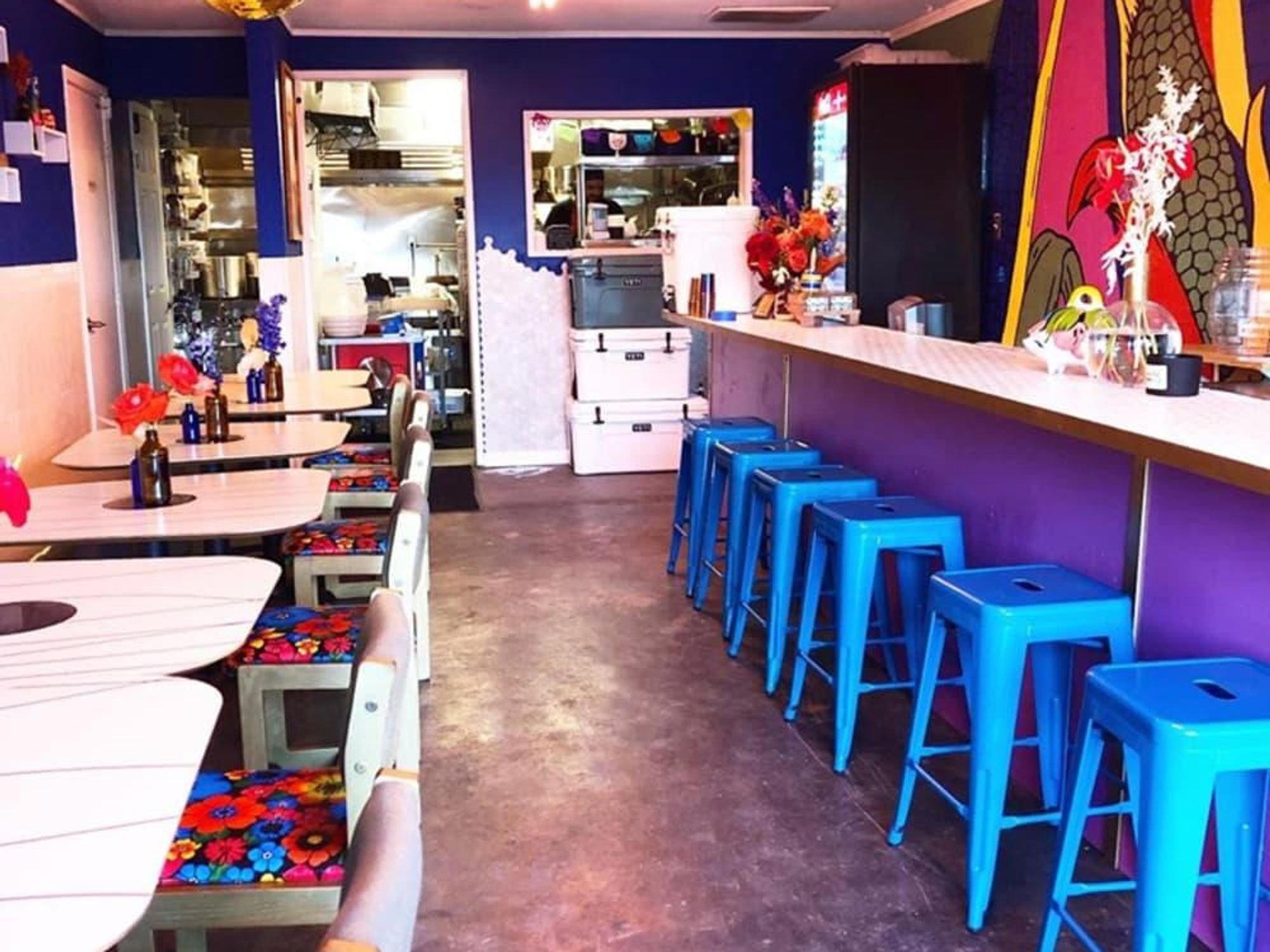
Expect a taqueria format, not a white-tablecloth room. Nixta Taqueria in Austin is led by chef Edgar Rico and has been recognized with a James Beard Award and Michelin Bib Gourmand distinction, so the room carries serious culinary intent even in a casual setting.
Is Nixta Taqueria award-winning?
Yes. Nixta Taqueria has received recognition including Michelin Bib Gourmand in 2025, Recommended Restaurant in 2025, Michelin Bib Gourmand in 2024, and the 2022 James Beard Award for Emerging Chef.
What style of cooking does Nixta Taqueria do?
Nixta Taqueria serves Mexican cuisine.
What should I budget for a meal at Nixta Taqueria?
Nixta Taqueria is best understood as a casual taqueria with nationally recognized cooking rather than a formal tasting-menu restaurant.
What time does Nixta Taqueria open and close?
Check Nixta Taqueria’s official website for current opening hours before you go.
Where is Nixta Taqueria located?
Austin.
Side-by-Side Snapshot
Comparable venues by cuisine and price in the same metro.
| Venue | Cuisine | Price | Awards |
|---|---|---|---|
| Nixta TaqueriaThis venue — the venue you are viewing | Modern Mexican Taqueria | $20–30 | Michelin Bib Gourmand · James Beard Award Emerging Chef |
| La Santa Barbacha | Authentic Mexican Barbacoa Taqueria | $10–20 | Michelin Bib Gourmand · James Beard Award Semi Finalist |
| Suerte | Modern Mexican Masa | $30–50 | Michelin Plate · OpenTable Top 100 Restaurants |
| Veracruz Fonda & Bar | Veracruz Mexican Fonda | $20–30 | Michelin Bib Gourmand |
| Cuantos Tacos | Mexico City-Style Tacos | $10–20 | Michelin Bib Gourmand |
| Discada | Northern Mexican Discada Tacos | $10–20 | Michelin Plate |
Recognition history
Dated appearances from independent guides and award organizations, with the underlying list record or original source where available.
Michelin Bib Gourmand
Michelin
James Beard Award Emerging Chef
James Beard Award
Full recognition history (3 entries)
Michelin Bib Gourmand
Michelin
Continue exploring
More in Austin
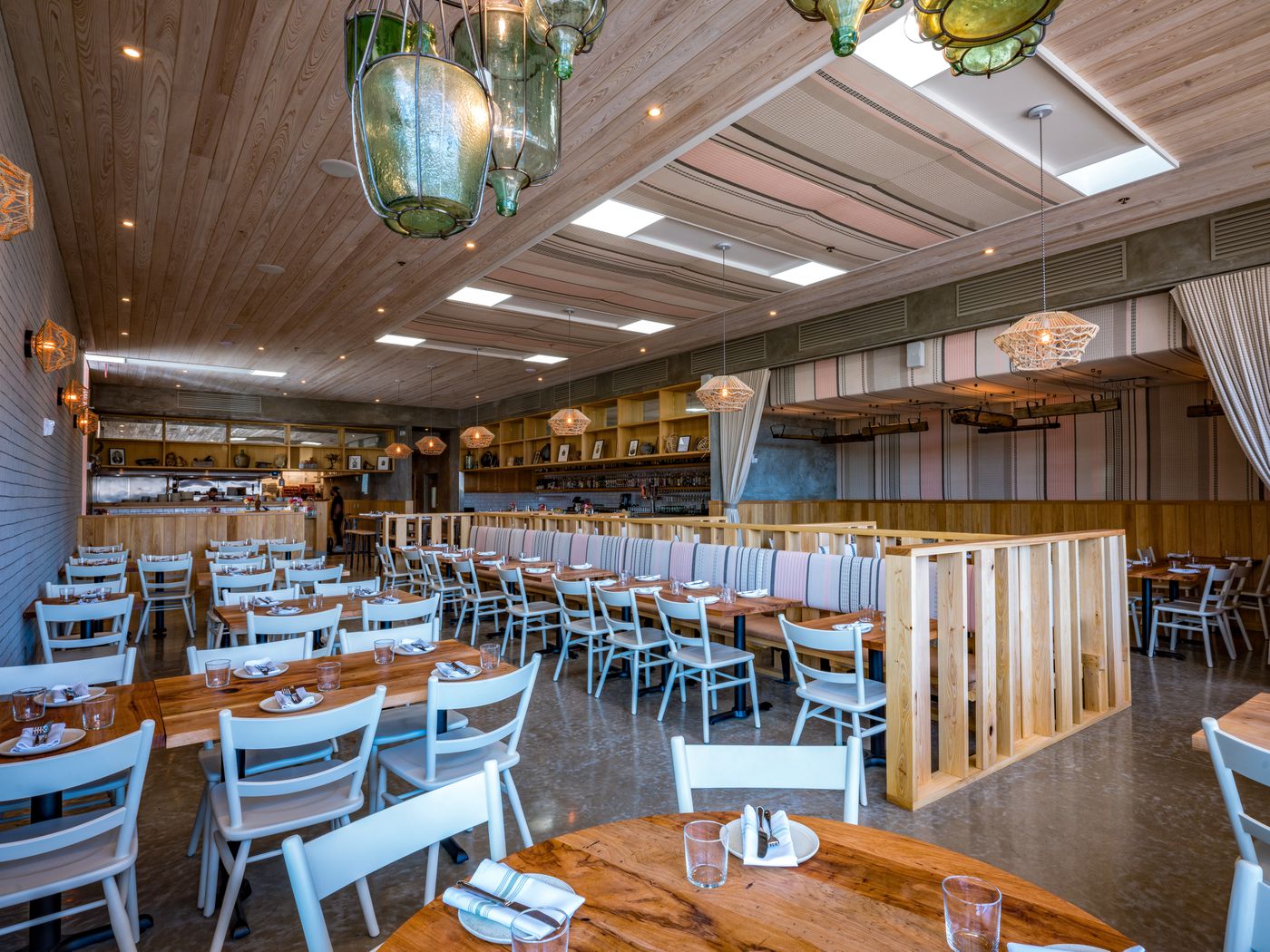
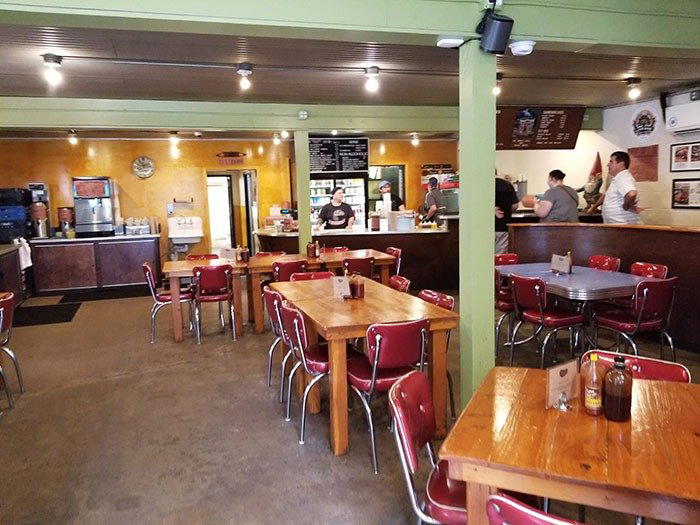
Restaurants in Austin
Browse all →
Bars in Austin
Browse all →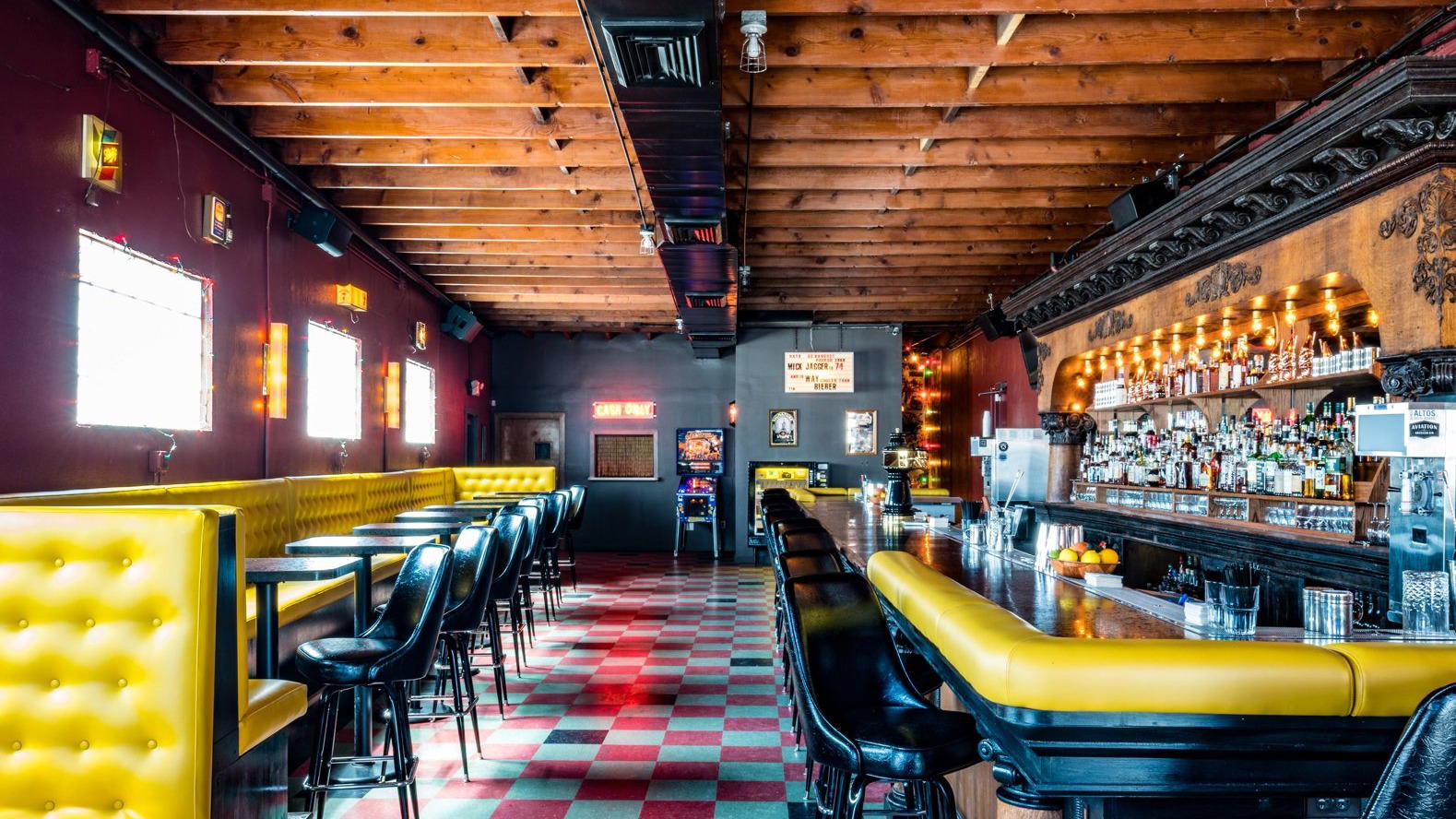
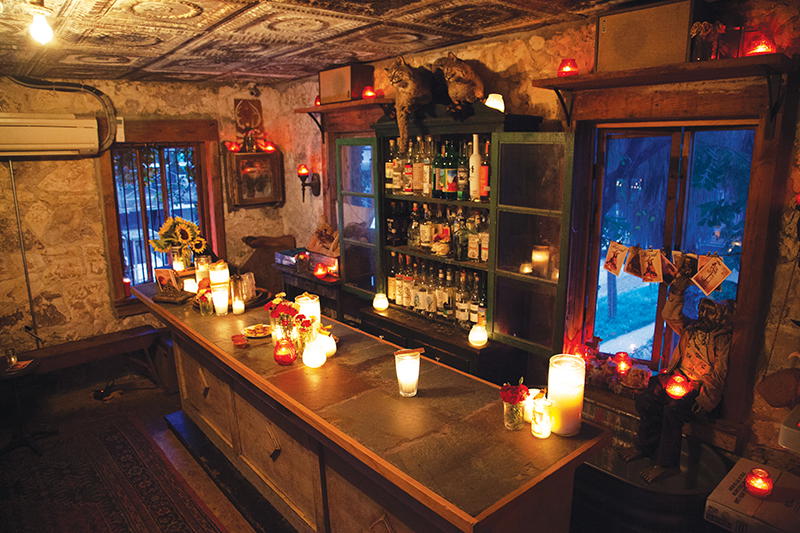
Hotels in Austin
Browse all →
Details
- Trendy
- Rustic
- Cozy
- Casual Hangout
- Date Night
- Family
- Open Kitchen
- Natural Wine
- Local Sourcing
- Farm To Table
- A La Carte
- Tasting Menu
- Small Plates
- Vegetarian Friendly
Current opening hours
- Monday
- Closed
- Tuesday
- 5–9 PM
- Wednesday
- 5–9 PM
- Thursday
- 5–9 PM
- Friday
- 11 AM–2 PM, 5–10 PM
- Saturday
- 11 AM–2 PM, 5–10 PM
- Sunday
- 11 AM–3 PM
Hours can change for holidays and private events. Last verified .
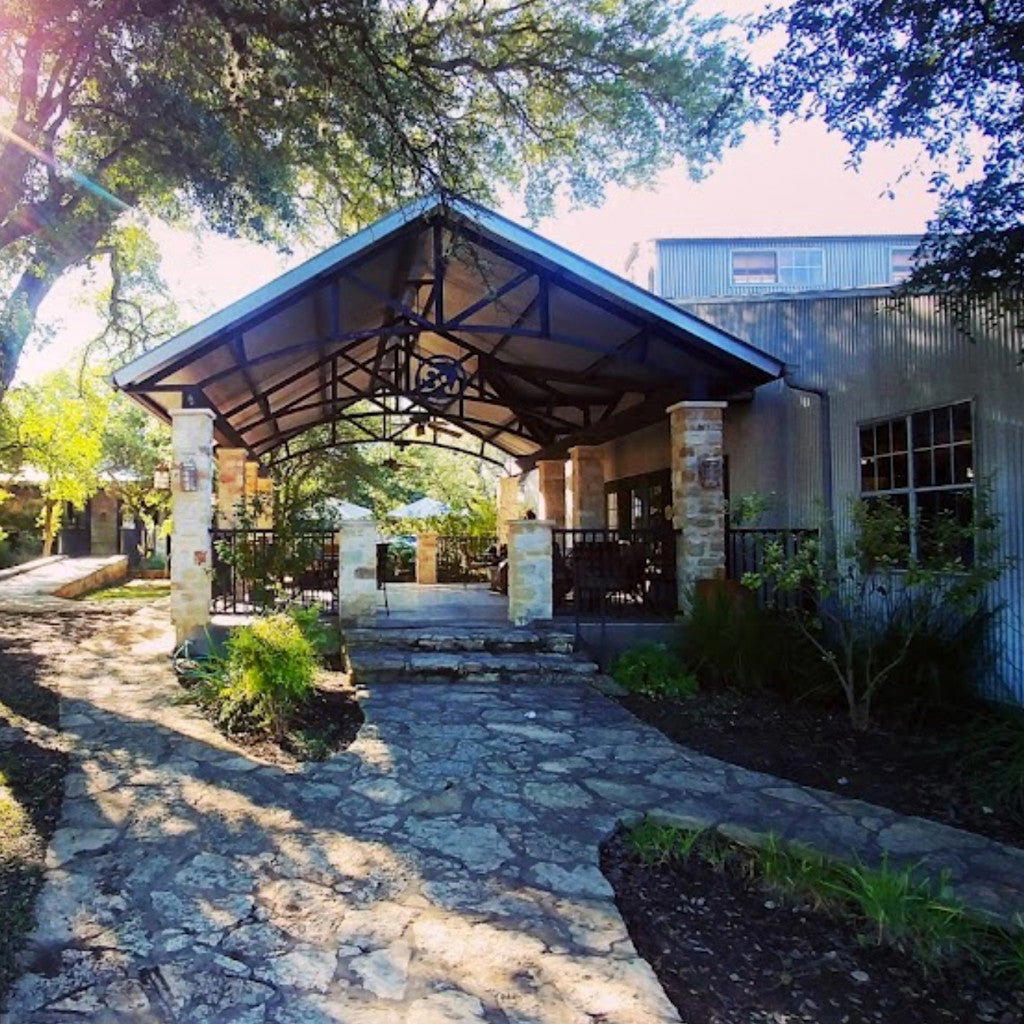
Casual and relaxed with picnic tables outside under tents, scrappy yet rewarding with focus on the food.