Miraval Austin

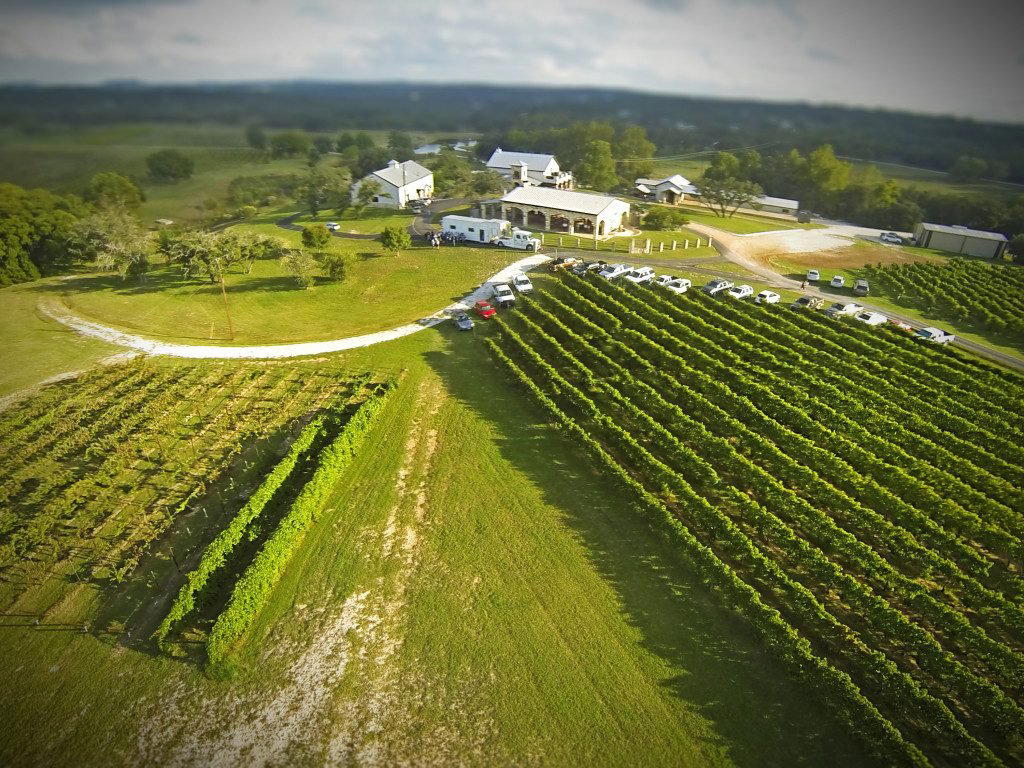
Set across 220 acres within the Balcones Canyonlands Preserve northwest of Austin, Miraval Austin is an adults-only wellness resort where the programming runs deeper than spa menus. Meditation, equine work, outdoor adventure, and farm-to-table culinary workshops operate as an integrated curriculum rather than optional add-ons, making it a destination for people arriving with specific intentions rather than a general leisure break.
Pearl is the En Primeur Club membership app — saves, bookings, and concierge access live there. Same editors, same standards.
- Address
- 13500 FM 2769
- Directions
- Get directions
 Saves & bookings on Pearl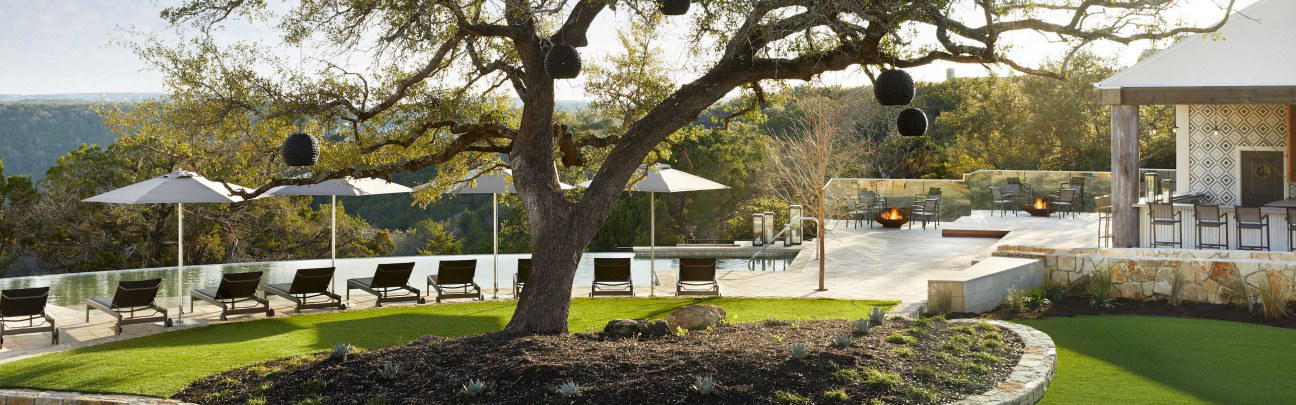
Hill Country as Context, Not Backdrop
The American wellness resort has split into two recognizable tiers: large hotel-adjacent spa properties that function as amenity upgrades on a conventional stay, and purpose-built destinations where the physical setting is inseparable from the program itself. Miraval Austin belongs firmly to the second category. Positioned at 13500 FM 2769 in the northwestern corridor outside Austin, the property sits within the Balcones Canyonlands Preserve, a protected habitat area that places 220 acres of cedar, limestone, and open sky between guests and the city’s ambient noise. That geographic remove is not incidental; the absence of urban friction is the first condition the program depends on.
Properties of comparable intent in the American Southwest, such as Canyon Ranch Tucson in Tucson, have built their reputations on similar logic: distance, scale, and a site-specific sense of arrival that begins before check-in. Miraval Austin draws on the same framework while calibrating its character to central Texas rather than the Sonoran Desert. The Hill Country light and the Canyonlands’ topography give the property a visual identity that inland desert properties cannot replicate.
The Program Architecture
Wellness destination programming has evolved considerably from its origins in passive spa treatments and structured meal plans. The more sophisticated operations now construct what might be called an intention-led menu: a range of modalities across physical challenge, contemplative practice, and sensory engagement, with the expectation that guests arrive with some sense of what they are working toward rather than simply booking whatever is available.
At Miraval Austin, the program spans meditation and yoga on the contemplative end, fitness and outdoor adventure in the physical tier, and equine and farm activities as the experiential anchors that distinguish it from properties with narrower offerings. Hiking routes through the Canyonlands Preserve extend the program into the landscape itself, and the equine work, which tends to attract the most sustained guest attention at Miraval properties, uses horse interaction as a form of behavioral and emotional feedback that is difficult to replicate through conventional workshop formats.
The culinary strand operates on a similar philosophy. Cooking demonstrations and immersive workshops are framed around what the property calls Conscious Cooking: a focus on seasonal sourcing, farm-fresh ingredients, palatability, nutritional balance, and waste reduction. These sessions function as education rather than entertainment, which positions them differently from the chef-spectacle format that luxury hotels often deploy. For comparison, SingleThread Farm Inn in Healdsburg integrates farm-to-table sourcing at the highest culinary register; Miraval Austin applies a version of that sourcing discipline to a participatory, health-oriented context rather than a fine-dining one.
The Collaboration Behind the Experience
Destination wellness properties of this complexity depend on a layered operational structure that most hotel categories do not require. The editorial angle most relevant here is the relationship between specialists: the culinary team calibrating farm produce into workshop-ready programs, the fitness and outdoor guides coordinating with the land and preserve constraints, and the spa practitioners integrating body therapy into a program that is supposed to hang together rather than function as a menu of unconnected services.
That integration is harder to achieve than it looks. Properties with a strong spa identity but weaker programming coherence tend to produce stays that feel episodic: a massage here, a yoga class there, a nice dinner. The more considered operations, including Miraval’s established Arizona property, have built reputations precisely because the transitions between program elements feel designed rather than accidental. The Austin iteration draws on that institutional knowledge while adapting to a site and a city with a distinctly different cultural register.
Austin’s wellness scene is younger and more fragmented than Tucson’s or Sedona’s, which means Miraval Austin does not slot into an established local ecosystem of comparable properties. It operates more as a standalone destination than as the premium tier of a broader market, which affects how it recruits guests: many will arrive from outside Texas rather than from within the city itself. That dynamic is consistent with how properties like Amangiri in Canyon Point or Post Ranch Inn in Big Sur function: the destination justifies the journey rather than the journey enabling a convenient local visit.
The Adults-Only Position and What It Signals
The adults-only restriction, set at 18 and above, is a structural decision that shapes the guest composition more than any amenity choice. In the wellness resort category, it is a common signal that the property is optimizing for a particular kind of quiet and a particular depth of program engagement. Properties that admit children necessarily design public spaces and scheduling around a wider range of needs; the adults-only format allows the program architecture to assume a level of intentionality that would otherwise require constant qualification.
Little Palm Island Resort and Spa in Little Torch Key operates on the same adults-only principle, using it to define a particular atmosphere rather than as a gimmick. The shared logic is that certain experiences require a controlled social environment to function as intended, and the adults-only framework is the clearest mechanism available for establishing that control.
Accommodation and Material Ethos
The rooms at Miraval Austin are described as modern spa-inspired, built on a foundation of responsibly sourced and sustainable materials. The language the property uses, elegance without excess and comfort with a conscience, points to a deliberate restraint in the accommodation design: the rooms function as recovery and reflection spaces rather than destination suites in the conventional luxury sense. That restraint is consistent with the program philosophy; rooms designed to compete on feature count would undercut the broader message.
For guests whose primary frame of reference is the Austin luxury hotel market, including options like the Commodore Perry Estate, Auberge Resorts Collection, the Hotel Saint Cecilia, or the Austin Proper Hotel, the comparison reveals a fundamental difference in orientation. Those properties are designed to deliver a premium version of urban hospitality; Miraval Austin is designed to operate outside that frame entirely. The accommodation specification follows from the program, not the reverse.
Where It Sits in the Broader Wellness Market
The American destination wellness resort market has a handful of properties with genuine institutional depth: programs built over years, specialist staff with real continuity, and a physical site that has been genuinely shaped by the operation rather than simply leased for it. Miraval’s Arizona property belongs to that group. The Austin expansion applies that heritage to a new geography, which carries both advantages and the usual risks of brand extension.
Miraval Austin sits between those poles: more programmatically structured than a pure nature retreat, more experiential and less clinical than a traditional wellness clinic.
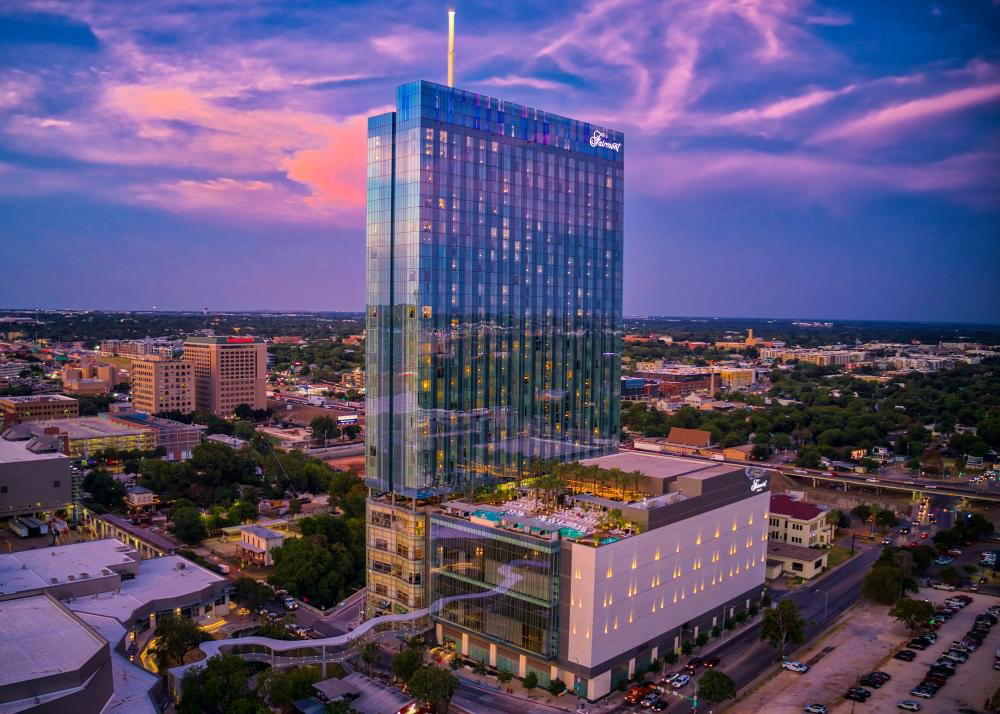
Guests considering the Austin market more broadly will find a different register entirely at properties like Soho House Austin, Hotel ZaZa Austin, ARRIVE Austin, or The Heywood Hotel, all of which orient toward the city’s cultural and social life rather than away from it. The Fairmont Austin Gold Experience offers a high-service urban anchor with its own wellness infrastructure. Miraval Austin makes a different case: that the most productive kind of stay begins by removing the city from the equation rather than engaging with it more comfortably. See our full Austin restaurants and hotels guide for the wider picture.
Practical Considerations
Miraval Austin is located at 13500 FM 2769, northwest of the city proper, which means access requires a vehicle or arranged transfer; the distance from central Austin reflects the deliberate separation from urban infrastructure that the program depends on. The property is adults-only for guests 18 and above. The 220-acre site within the Balcones Canyonlands Preserve makes the immediate surroundings part of the experience, with hiking and outdoor programming extending into the preserve itself. Given the program-based format, stays are designed to be planned in advance with specific activities scheduled rather than arrived at spontaneously; contacting the property directly to understand the current program calendar before booking is the appropriate approach.
Recognition history
Dated appearances from independent guides and award organizations, with the underlying list record or original source where available.
Mr & Mrs Smith Smith Seal of Approval
Mr & Mrs Smith
Virtuoso Luxury Hotel Partner
Virtuoso
Continue exploring
More in Austin
Hotels in Austin
Browse all →
Bars in Austin
Browse all →
Restaurants in Austin
Browse all →
At a Glance
- Quiet
- Elegant
- Scenic
- Sophisticated
- Minimalist
- Wellness Retreat
- Romantic Getaway
- Group Retreat
- Infinity Pool
- Destination Spa
- Panoramic View
- Spa
- Pool
- Fitness Center
- Wi Fi
- Concierge
- Room Service
- Waterfront
- Garden
- Spa
- Pool
- Fitness Center
- Wi Fi
- Concierge
- Room Service
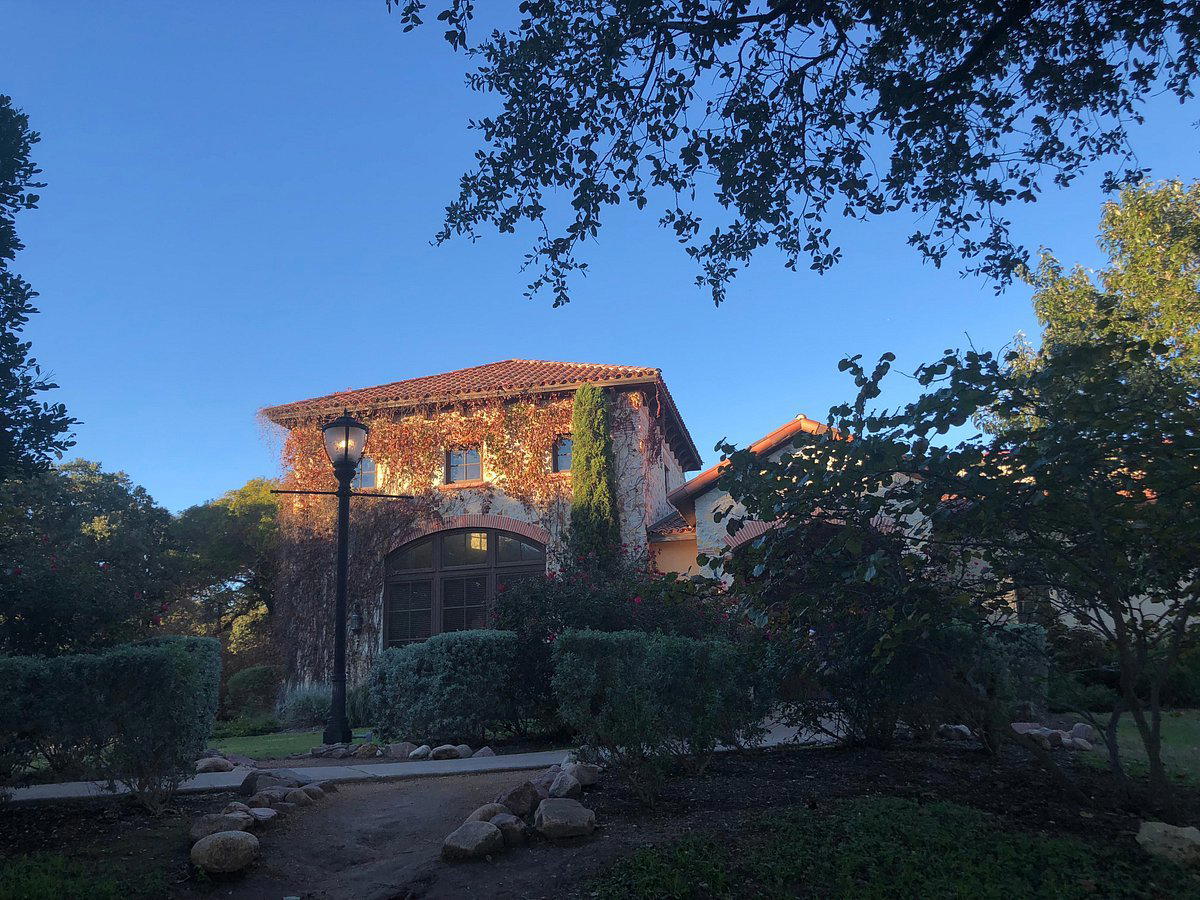
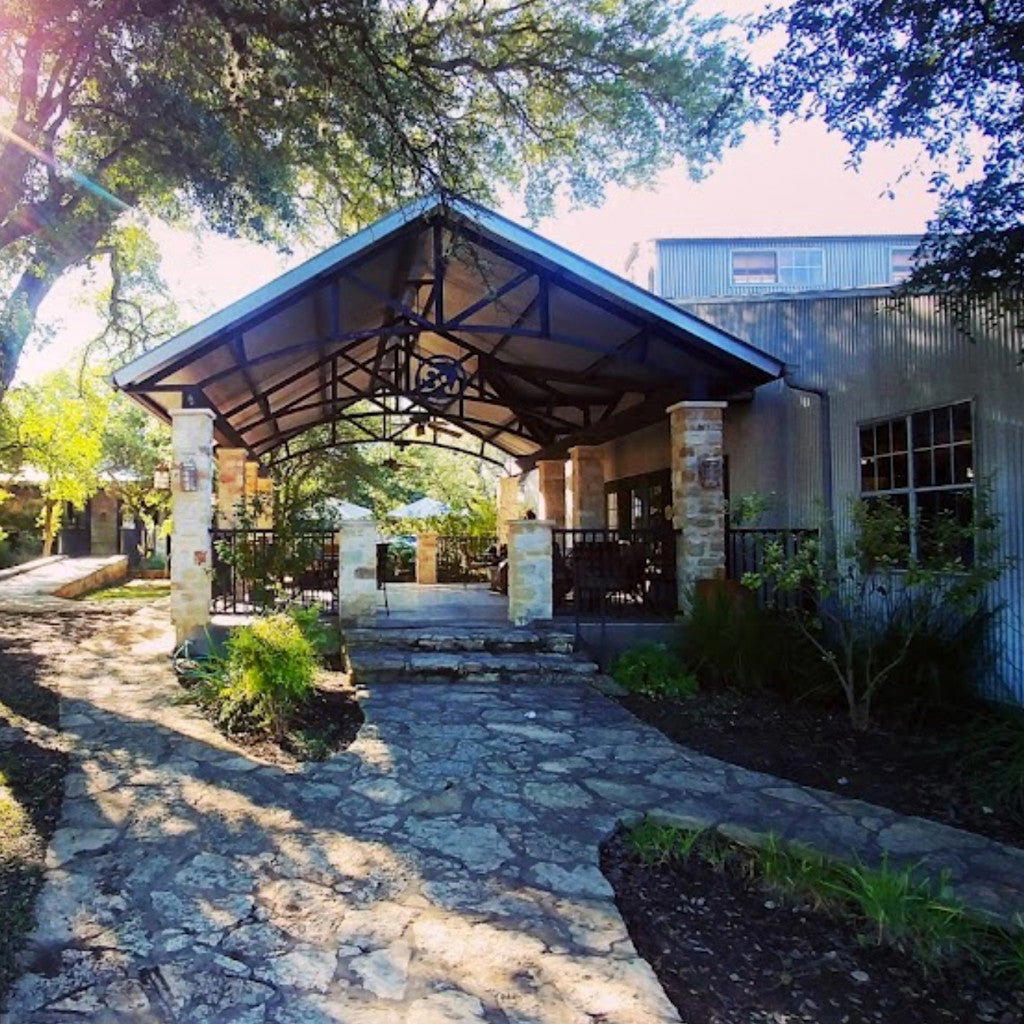
Serene and tranquil with natural light, overlooking rolling hills, Lake Travis, and lush greenery; spa quiet lounge and peaceful pool areas foster mindfulness and relaxation.
Know Before You Go
- Getting there
- 13500 FM 2769