Olamaie


1 Michelin Star
Our verdict
Olamaie holds a Michelin star and an Opinionated About Dining ranking among North America's top 400 restaurants, yet operates at a price point well below Austin's most formal dining rooms. Chef Michael Fojtasek frames Southern cuisine through a fine-dining lens without the ceremony, running a tight Wednesday-through-Sunday dinner service on San Antonio Street in the heart of the city.

Pearl is the En Primeur Club membership app — saves, bookings, and concierge access live there. Same editors, same standards.
- Address
- 1610 San Antonio St, Austin, TX 78701
- Phone
- (512) 474-2796
- Hours
- Mon–Tue ClosedWed–Sun 5–10 PM
- Website
- olamaieaustin.com
- Directions
- Get directions
- Booking
- Book on OpenTable
The menu
What to order
- Buttermilk biscuits
- Chicken pressé
- Blackened snapper
Southern Food at Fine-Dining Depth, Without the Formality
Austin's most decorated restaurants tend to fall into two camps: the high-concept live-fire rooms that have made the city a reference point in American dining, and the casual neighbourhood spots that define its everyday eating culture. Olamaie sits at an unusual intersection. It holds a Michelin star, two consecutive years on Opinionated About Dining Yet its price point sits at the $$$ tier, meaningfully below the $$$$ rooms that dominate Austin's fine-dining conversation, and its atmosphere reads more like a serious neighbourhood restaurant than a formal destination.
That positioning is not accidental. It reflects a broader shift in how fine-dining-trained chefs have chosen to operate over the past decade. Where an earlier generation opened cathedral-like rooms designed to signal prestige through tablecloths and tasting menus, the more recent cohort has moved toward accessible formats that retain culinary ambition while lowering the threshold for entry. Think Lazy Bear in San Francisco or, on a more institutional scale, the contrast between Le Bernardin in New York City and what a younger generation of seafood chefs has done with the same technical foundation in far less formal rooms. Olamaie operates from a similar logic, applying serious craft to Southern American cooking without asking diners to perform the rituals of fine dining in exchange for it.
What Southern Cuisine Looks Like Through a Fine-Dining Lens
Southern cooking is one of the most tradition-bound categories in American food. Its reference points, from low-and-slow pork to field peas, biscuits, and pot likker, are well-established, regionally specific, and resistant to the kind of decontextualised reinvention that other cuisines have absorbed more readily. The chefs who have done the most interesting work with it in a fine-dining frame have generally done so not by dismantling the tradition but by deepening it: sourcing more carefully, extending technique without obscuring flavour, and presenting the results in an environment where the food gets the attention it deserves.
Olamaie under Chef Michael Fojtasek sits in that current. The Southern fine-dining niche is small but coherent as a national category. Virtue in Chicago and Alta Adams in Los Angeles operate from overlapping territory, placing Southern food in formal or near-formal dining contexts well outside its geographic heartland. Olamaie does it in Texas, which carries its own complications: the state has a dominant barbecue tradition that tends to absorb nearly all out-of-state attention. Venues like InterStellar BBQ and la Barbecue operate at a different register entirely, rooted in smoke, queuing culture, and the craft of wood-fired meat. Olamaie is doing something categorically different, and the Michelin distinction reflects that the inspectors are evaluating it on its own terms rather than against a Texas barbecue benchmark.
Within Austin's sit-down dining scene, the comparison set is more relevant. Hestia runs a live-fire American programme at a similar price tier and carries comparable critical recognition. Barley Swine occupies the New American, contemporary space at the $$$$ level. Olamaie's $$$ price point at one-star Michelin level represents a specific value position in the city's dining hierarchy: you are getting documentation-level cooking for less than you would pay at the room next door in the competitive tier.
The Room and the Format
Olamaie operates on San Antonio Street in central Austin, running dinner service Wednesday through Sunday from 5 PM to 9 PM. The restaurant is closed Monday and Tuesday, a scheduling choice common among serious small kitchens where prep time and staff welfare shape the week. The format is a la carte rather than fixed-tasting, which matters for how the room functions: diners order around personal preference rather than surrendering to a set sequence, and the per-person spend reflects individual choices rather than a predetermined commitment.
That format distinction is worth noting in the context of the fine-dining-trained casual trend. Tasting menus are one way to express ambition; a carefully edited a la carte menu is another, and arguably harder to execute well because there is no sequenced architecture to carry the meal. The chef has to make each dish work on its own terms while ensuring coherent logic across the menu. The fact that Olamaie has maintained Michelin recognition under that format across consecutive years is evidence that the kitchen is meeting that standard consistently.
For context on what full-tasting formats look like at the top of the Austin market, Craft Omakase operates a fixed Japanese format in a different culinary register entirely, and nationally, venues like Alinea in Chicago, The French Laundry in Napa, and Single Thread Farm in Healdsburg represent the fixed-format end of the spectrum. Emeril's in New Orleans offers a useful historical reference for how Southern-influenced fine dining has operated in a more traditional format. Olamaie is making a different argument about what Southern food can look like in a contemporary dining room, on its own terms.
Awards, Recognition, and What They Signal
The combination of Michelin star and OAD placement is not redundant; the two lists assess differently. Michelin inspectors evaluate consistency, technique, and value within category. OAD rankings reflect the aggregate opinions of a network of serious diners and food professionals who eat widely and comparatively. A venue that holds both has earned recognition from inspectors paying for their meals anonymously and from a community of informed regulars voting on lived experience. Olamaie has held both across multiple years, which is a more demanding standard than a single-cycle award.
A restaurant can hold a Michelin star and frustrate general diners with format or value mismatch. Olamaie's sustained public rating alongside its critical recognition suggests that the accessible format and price point are working as intended: diners who walk in without critical context are leaving at the same satisfaction level as the ones who booked because of the star.
Planning a Visit
Olamaie is at 1610 San Antonio Street in central Austin, running Wednesday through Sunday evenings with last seating at 9 PM. At the $$$ price tier with Michelin recognition, tables book ahead; diners should plan accordingly, particularly for weekend evenings. The restaurant is a natural anchor for an Austin dining itinerary that covers multiple categories: pair it with one of the city's barbecue institutions for the full range of what Texas cooking looks like at its most serious, or use it as the sit-down counterpoint to the bar scene documented in our full Austin bars guide.
For a broader view of where Olamaie sits in the city's dining ecosystem, our full Austin restaurants guide maps the landscape across categories and price points. The Austin hotels guide, wineries guide, and experiences guide cover the wider trip context for visitors building a multi-day itinerary around the city.
What People Recommend at Olamaie
The menu at Olamaie changes with sourcing and season, so specific dish recommendations date quickly. What the record supports is that the kitchen's approach to Southern ingredients through a technically trained a la carte format has earned consistent praise from both critics and a high volume of general diners. The biscuits have become a reference point in Austin dining conversation in their own right, cited frequently enough in public reviews to represent a signature rather than a passing menu item. Beyond that, diners familiar with the venue tend to recommend ordering across the menu rather than anchoring to a single course, which aligns with the a la carte format's design logic. The wine programme and non-alcoholic options are noted in guest reviews as matching the kitchen's standard. At the $$$ price point with Michelin recognition, Olamaie represents one of the stronger value cases in Austin's serious dining tier.
Booking and Cost Snapshot
| Venue | Cuisine | Price | Awards | Notes |
|---|---|---|---|---|
| OlamaieThis venue — the venue you are viewing | Modern Southern | $100–150 | 1 Michelin Star | Not listed |
| Barley Swine | Modern American Fine Dining | $100–150 | 1 Michelin Star · James Beard Award Semi Finalist | New American, Contemporary |
| la Barbecue | Texas Barbecue | $50–100 | 1 Michelin Star · James Beard Award Semi Finalist | Barbecue |
| Jeffrey's | Modern American Steakhouse | $150–200 | Michelin Plate · Wine Spectator Best of Award of Excellence | Not listed |
| Kemuri Tatsu-ya | Japanese-Texas BBQ Izakaya | $50–100 | Michelin Bib Gourmand | Not listed |
| Lenoir | Modern Farm-to-Table with Goan Influences | $50–100 | Michelin Plate · Resy Top Restaurants in America #12 | Not listed |
Recognition history
Dated appearances from independent guides and award organizations, with the underlying list record or original source where available.
Michelin 1 Star
Michelin
Opinionated About Dining Top Restaurants in North America Recommended
Opinionated About Dining
Full recognition history (6 entries)
Opinionated About Dining Top Restaurants in North America Ranked #400
Opinionated About Dining
Michelin 1 Star
Michelin
Opinionated About Dining Top Restaurants in North America Ranked #406
Opinionated About Dining
Opinionated About Dining Top Restaurants in North America Recommended
Opinionated About Dining
Continue exploring
More in Austin
Restaurants in Austin
Browse all →
Bars in Austin
Browse all →
Hotels in Austin
Browse all →


Details
- Elegant
- Rustic
- Cozy
- Sophisticated
- Intimate
- Date Night
- Special Occasion
- Business Dinner
- Historic Building
- Craft Cocktails
- Local Sourcing
- A La Carte
- Craft Cocktails
- Vegetarian Friendly
Current opening hours
- Monday
- Closed
- Tuesday
- Closed
- Wednesday
- 5–10 PM
- Thursday
- 5–10 PM
- Friday
- 5–10 PM
- Saturday
- 5–10 PM
- Sunday
- 5–10 PM
Hours can change for holidays and private events. Last verified .
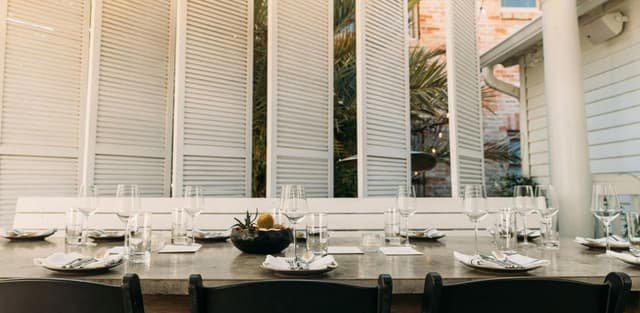
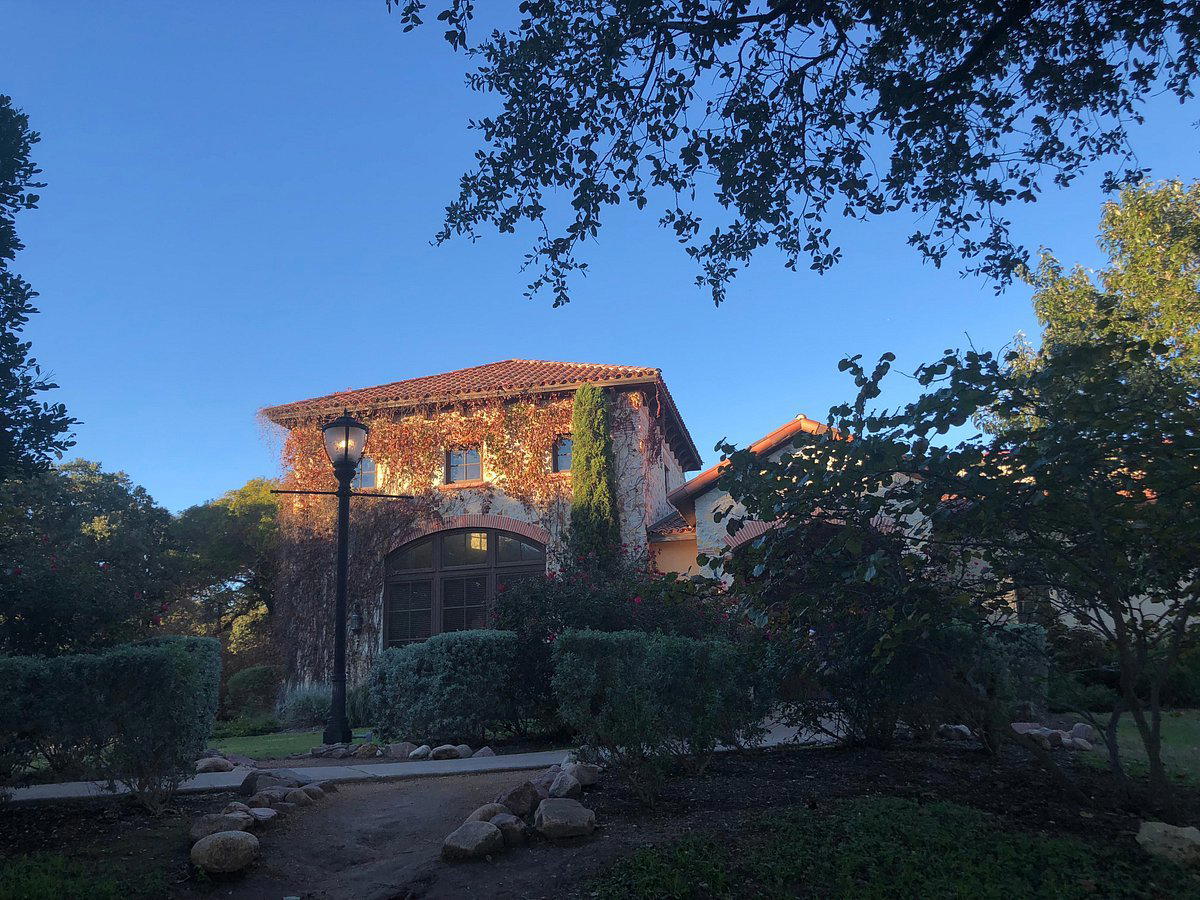
Charming old house with white clapboard exterior resembling a private residence, featuring a warm porch for cocktails and attentive service with tables cleared between courses.