El Alma
South Congress Light, Barton Springs Air The approach to 1025 Barton Springs Road already signals what kind of evening is ahead. The address sits on the south side of the Colorado River, in the corridor where Austin's outdoor culture and its...
Pearl is the En Primeur Club membership app — saves, bookings, and concierge access live there. Same editors, same standards.
- Address
- 1025 Barton Springs Rd, Austin, TX 78704
- Phone
- +15126098923
- Website
- elalmacafe.com
- Directions
- Get directions
 Saves & bookings on Pearl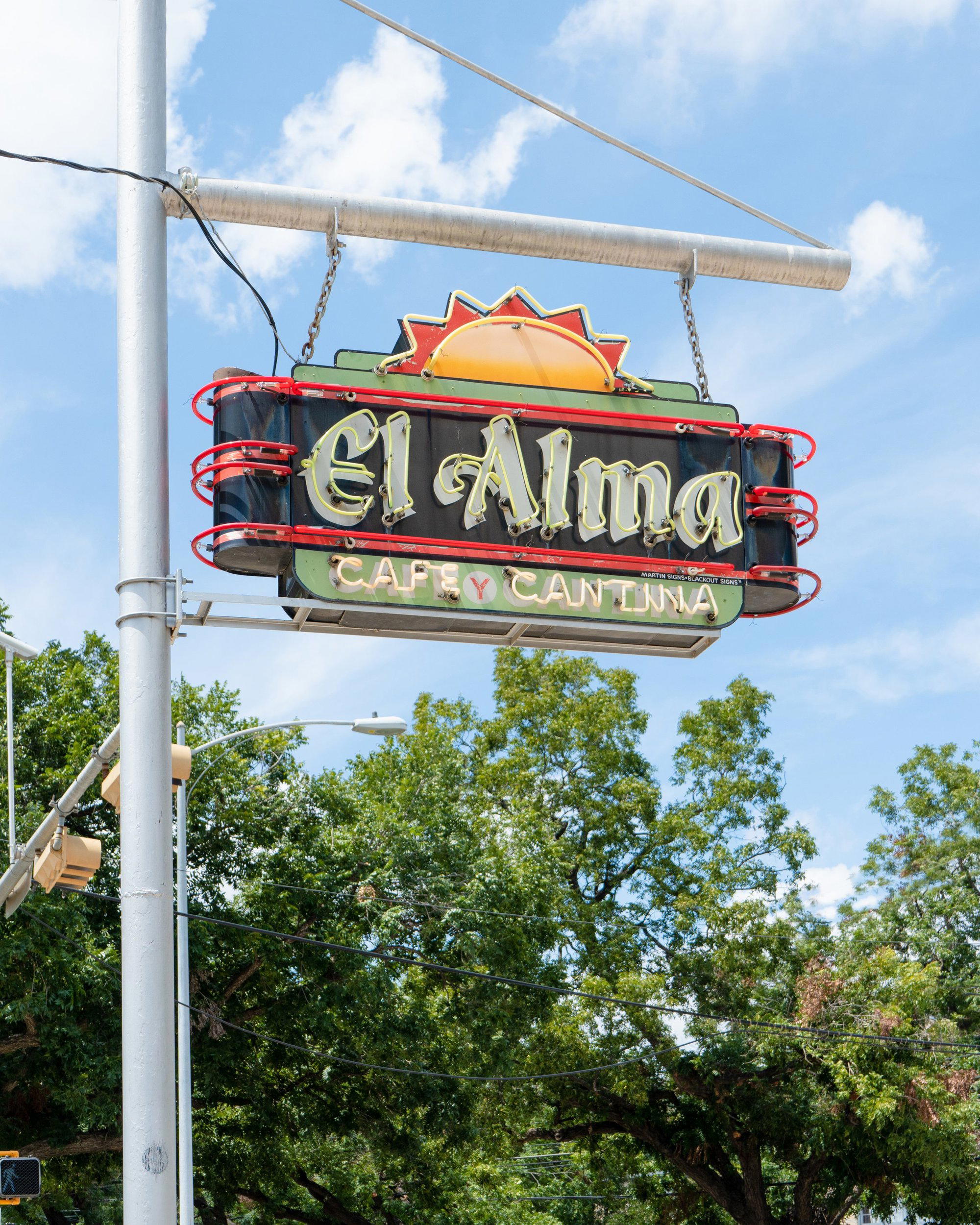
South Congress Light, Barton Springs Air
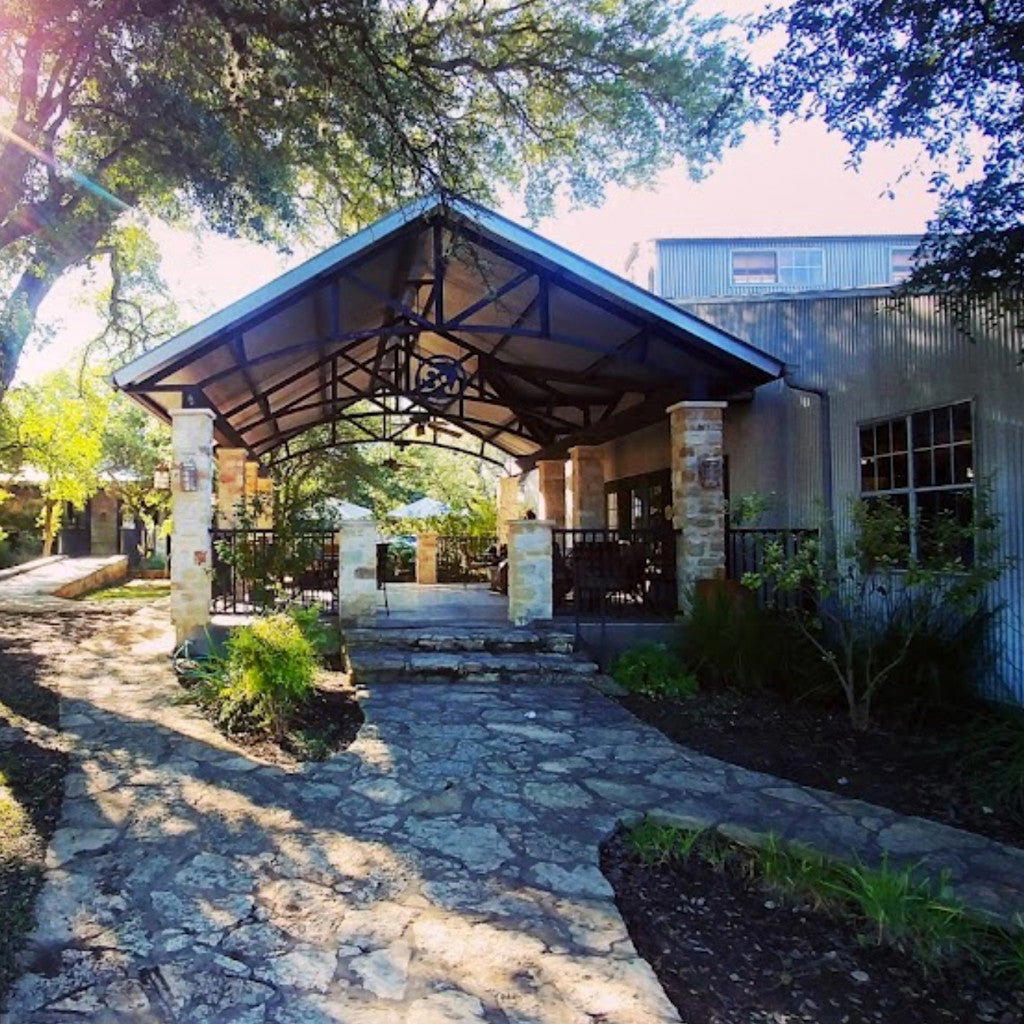
The approach to 1025 Barton Springs Road already signals what kind of evening is ahead. The address sits on the south side of the Colorado River, in the corridor where Austin's outdoor culture and its restaurant scene operate on the same axis. Patios matter here not as afterthoughts but as primary dining rooms, and the terrain around Barton Springs — the limestone-fed pool that locals treat as a civic institution — shapes what a restaurant can reasonably be. Open air, afternoon sun folding into evening warmth, the sound of the neighborhood moving at a pace the rest of the city has largely abandoned. That setting is not incidental to El Alma. It is the operating condition around which the restaurant functions.
Mexican Cooking in a City That Has Always Had Stakes in the Category
Austin's relationship with Mexican cuisine runs deeper and longer than the city's recent tech-era reinvention. The tradition predates the wave of nationally recognized restaurants that now defines the city's dining identity, from live-fire programs like Hestia to the new American counter work at Barley Swine. Within that longer continuum, upscale Mexican formats occupy a specific and contested position. They compete neither with the taqueria tier nor with the tasting-menu operators; they occupy a middle register where sourcing decisions, interior Mexican regional influence, and the willingness to move beyond Tex-Mex conventions are the real differentiators.
El Alma operates in that register. Located on Barton Springs Road in the 78704 zip code, the SoCo and Bouldin Creek corridor that houses a disproportionate share of Austin's food-forward independent restaurants, the restaurant positions itself within a neighborhood that sets high baseline expectations for ingredient sourcing and cooking coherence. Comparison venues in the same price tier, including Olamaie at the Southern end and Jeffrey's on the French-leaning steakhouse side, each carry a distinct sourcing philosophy that their regulars follow closely. That pattern of supply-chain transparency has become table stakes in this part of the city.
The Sustainability Frame in Austin Dining
Across American restaurant cities, the conversation around ethical sourcing has matured considerably. The early phase, which involved little more than naming a farm on a menu, has given way to more structural commitments: waste reduction protocols, producer relationships measured in years rather than seasons, and menu design that starts from what is available rather than what is conventionally expected. Properties like Blue Hill at Stone Barns in Tarrytown and Single Thread Farm in Healdsburg have set a high-water mark at the fine dining end of that conversation. At the accessible end, the question is whether a neighborhood restaurant can operationalize similar values without the acreage or the Michelin infrastructure.
Austin's food culture has produced several credible answers to that question. The barbecue operators, including la Barbecue and InterStellar BBQ, work with whole animals and minimize byproduct waste as a function of the craft rather than as marketing. Mexican cuisine, when executed with genuine regional intent, carries its own structural sustainability logic: traditional preparations rely heavily on vegetables, legumes, and secondary cuts; masa production uses the whole grain; and the canon of salsas, moles, and escabeches exists in part as a preservation and fermentation system. A kitchen that respects that tradition is already operating within a low-waste framework, whether or not it frames it in those terms.
El Alma's position on Barton Springs Road places it within walking distance of Barton Creek itself, an environmentally protected watershed that Austin has spent decades fighting to preserve. That proximity is not lost on a city where environmental consciousness shapes consumer choices with unusual consistency. Restaurants in this corridor tend to attract a clientele that connects what happens on the plate with what happens in the watershed, and that expectation functions as a soft accountability mechanism.
Where El Alma Sits in Austin's Restaurant Conversation
The broader Austin dining scene in 2024 is defined by a tension between national recognition, the city now draws comparison to established food capitals, with operations like Craft Omakase signaling serious technical ambition, and the neighborhood-scale independent that still defines daily dining for residents. El Alma belongs to the latter category. Its address on Barton Springs Road rather than downtown or East Sixth places it within a local dining circuit rather than a tourist itinerary, which tends to produce a more consistent, repeat-customer-oriented operation.
El Alma operates at a different scale than those properties, but the frame of reference matters: what separates neighborhood restaurants that build lasting reputations from those that plateau is usually the consistency of the sourcing story and the coherence of the menu over time, not the initial press cycle.
Globally, the ethical sourcing conversation has produced its own landmark operators. Atelier Moessmer Norbert Niederkofler in Brunico has built an internationally recognized program around alpine ingredient constraints. Closer to the American context, Le Bernardin in New York City has maintained rigorous sourcing standards across seafood categories for decades, and Emeril's in New Orleans established Gulf Coast sourcing relationships that predate the farm-to-table marketing moment. Lazy Bear in San Francisco and The French Laundry in Napa each operate kitchen gardens that inform their menus structurally. Atomix in New York City and The Inn at Little Washington round out the tier of American restaurants where sourcing documentation has become part of the dining proposition itself. El Alma does not compete at that altitude, but the values conversation those properties have normalized filters down to neighborhood operators in food-aware cities like Austin.
For a full picture of where El Alma fits within Austin's dining ecosystem, see our full Austin restaurants guide.
Know Before You Go
Neighborhood: Barton Springs / SoCo corridor, south of the Colorado River
Cuisine category: Upscale Mexican, Barton Springs Road independent
Booking: Check current availability directly with the venue; walk-in patio seating is often viable on weekday evenings
Timing: The patio setting rewards evening visits when temperatures ease in the September-to-May window; summer midday heat makes outdoor seating less comfortable
Parking: Street parking on Barton Springs Rd; the Barton Springs Pool lot is nearby and often accessible in evening hours
Nearest comparison tier: Olamaie, Jeffrey's (same city, similar price register, different cuisine focus)
| Venue | Cuisine | Price | Awards |
|---|---|---|---|
| El AlmaThis venue — the venue you are viewing | This venue | Not listed | Not listed |
| Olamaie | Southern | $$$ | Michelin 1 Star |
| la Barbecue | Barbecue | $$ | Michelin 1 Star |
| Barley Swine | New American, Contemporary | $$$$ | Michelin 1 Star |
| Terry Black’s BBQ | Texas Barbecue | $$ | Texas Barbecue, $$ |
| Jeffrey's | French - Steakhouuse, Contemporary | $$$$ | French - Steakhouuse, Contemporary, $$$$ |
Continue exploring
More in Austin
Restaurants in Austin
Browse all →

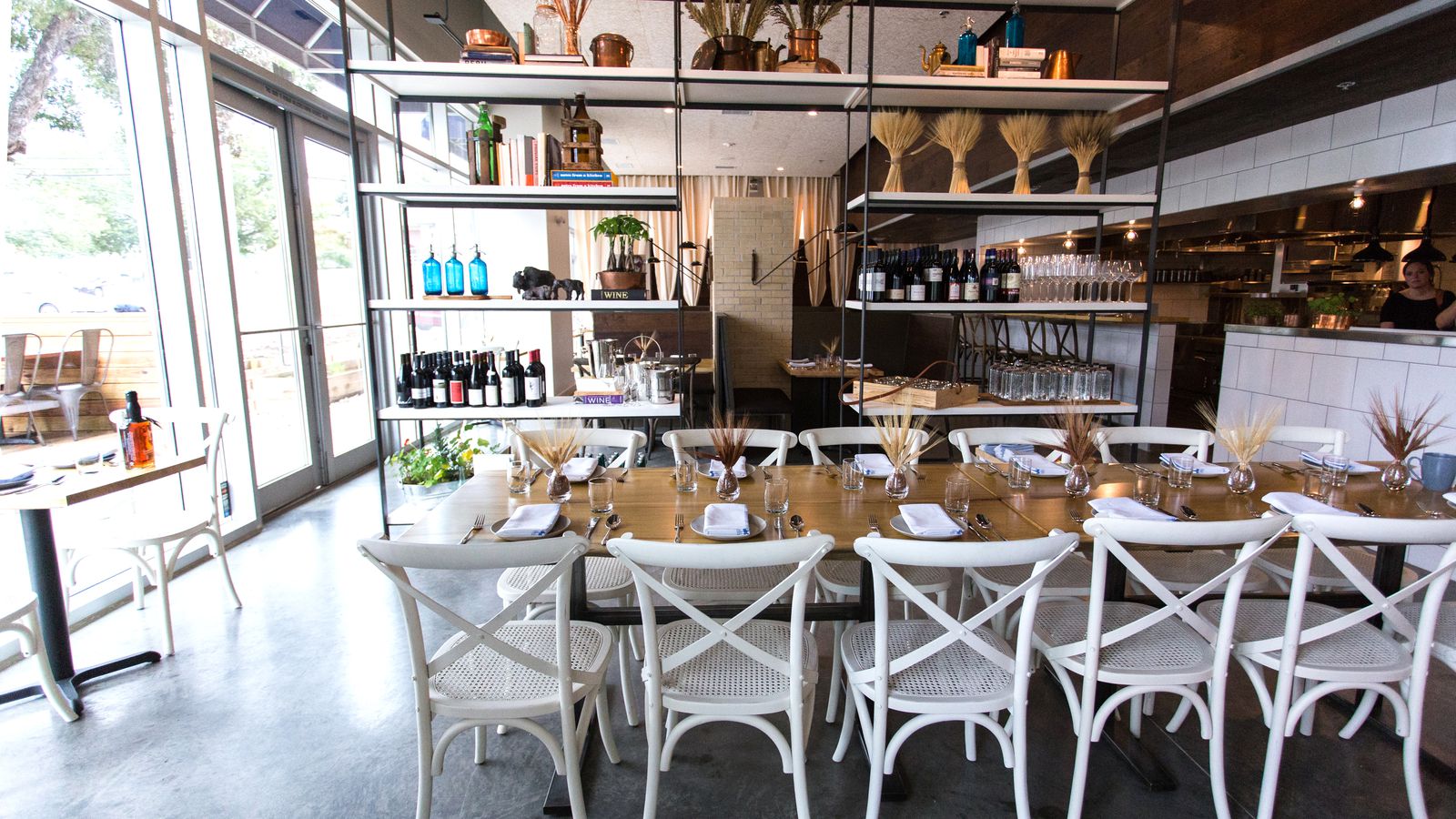
Bars in Austin
Browse all →
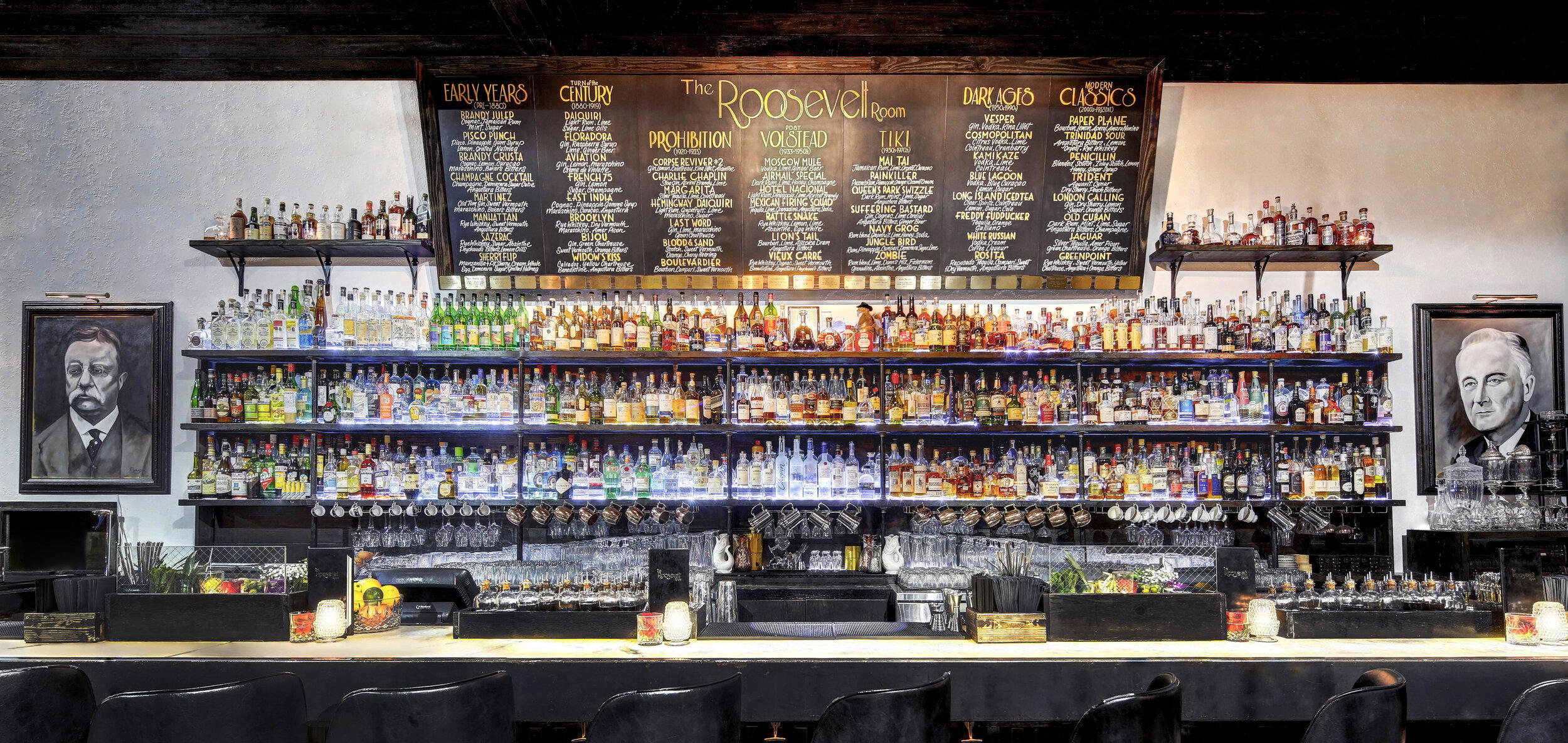
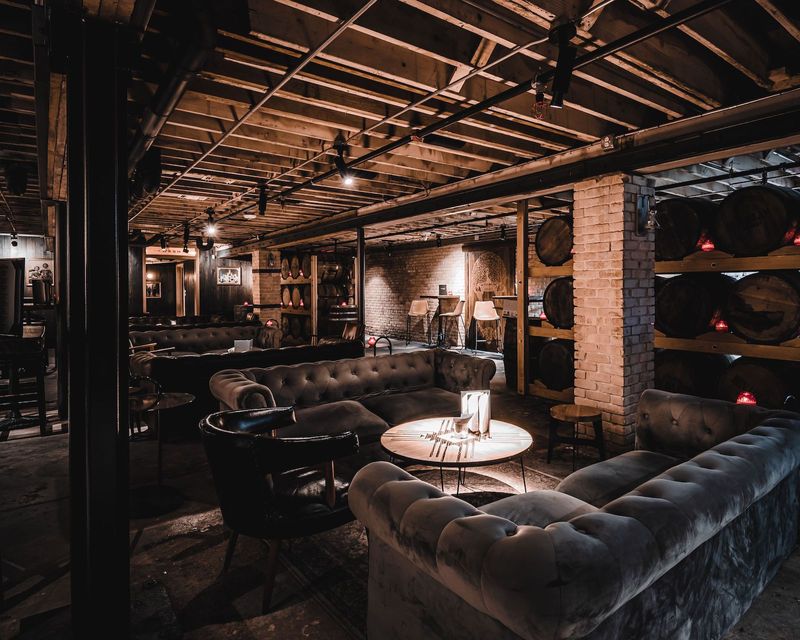
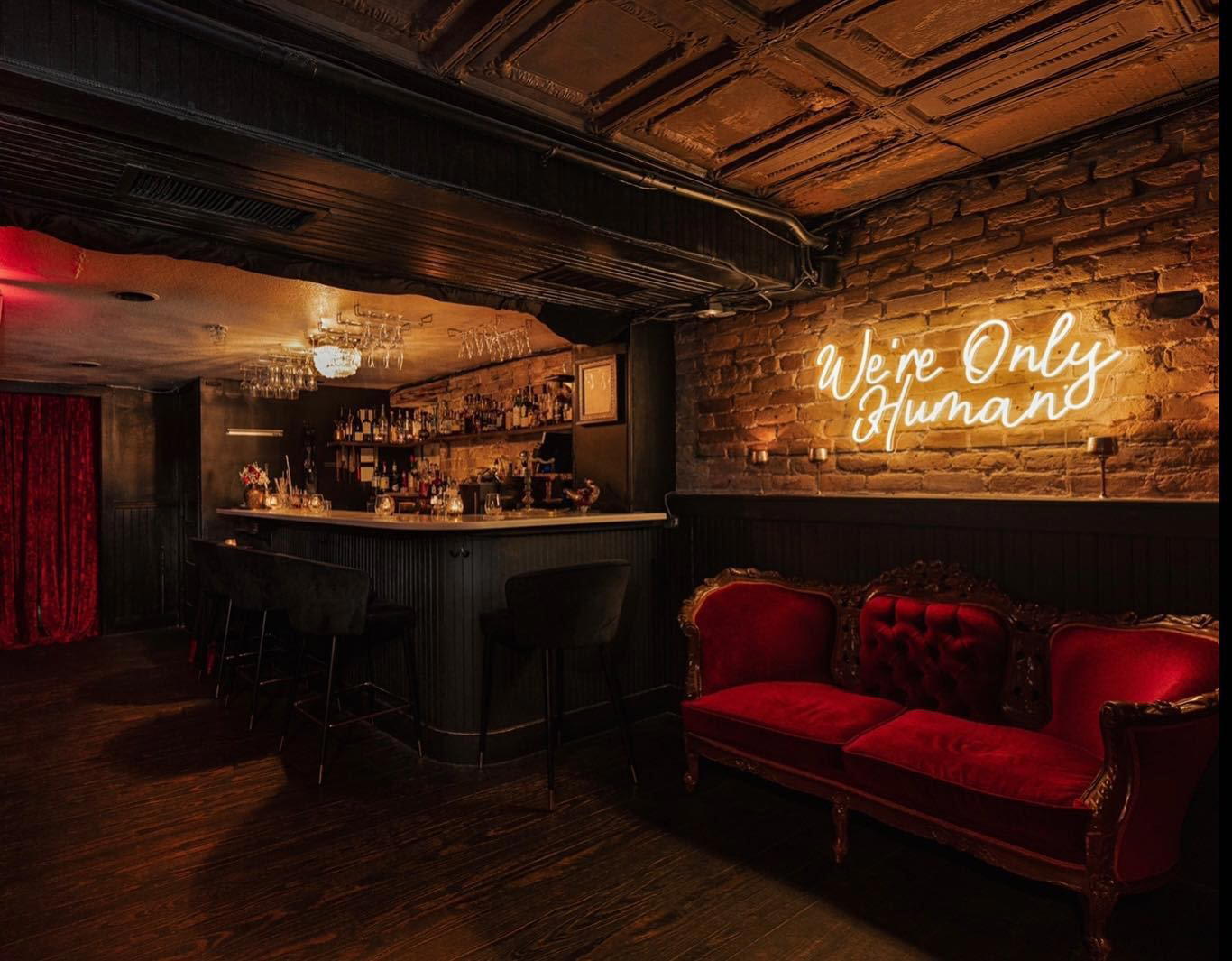
Hotels in Austin
Browse all →

At a Glance
- Lively
- Cozy
- Brunch
- Casual Hangout
- Rooftop
- Terrace
- Craft Cocktails
- Local Sourcing
Current opening hours
- Monday
- 11 AM–10 PM
- Tuesday
- 11 AM–10 PM
- Wednesday
- 11 AM–10 PM
- Thursday
- 11 AM–10 PM
- Friday
- 11 AM–10 PM
- Saturday
- 10 AM–10 PM
- Sunday
- 10 AM–10 PM
Hours can change for holidays and private events. Last verified .
Lively and welcoming with a homespun, casual atmosphere highlighted by guest reviews.
Know Before You Go
- Getting there
- 1025 Barton Springs Rd, Austin, TX 78704