On the Pelješac Peninsula, Vitaceae operates from the village of Trstenik at the address Kraj 6, where the Dalmatian tradition of treating ingredients as the story's main character runs through every plate. The surrounding peninsula supplies olive oil, wine, and seafood that define the region's table, placing this address within a well-established Croatian coastal sourcing culture. For those tracking where Dalmatia's serious dining is headed, Trstenik is a genuine outlier worth the detour.
Pearl is the En Primeur Club membership app — saves, bookings, and concierge access live there. Same editors, same standards.
- Address
- Kraj 6, 20245, Trstenik, Croatia
- Phone
- +38598428675
- Directions
- Get directions
 Saves & bookings on Pearl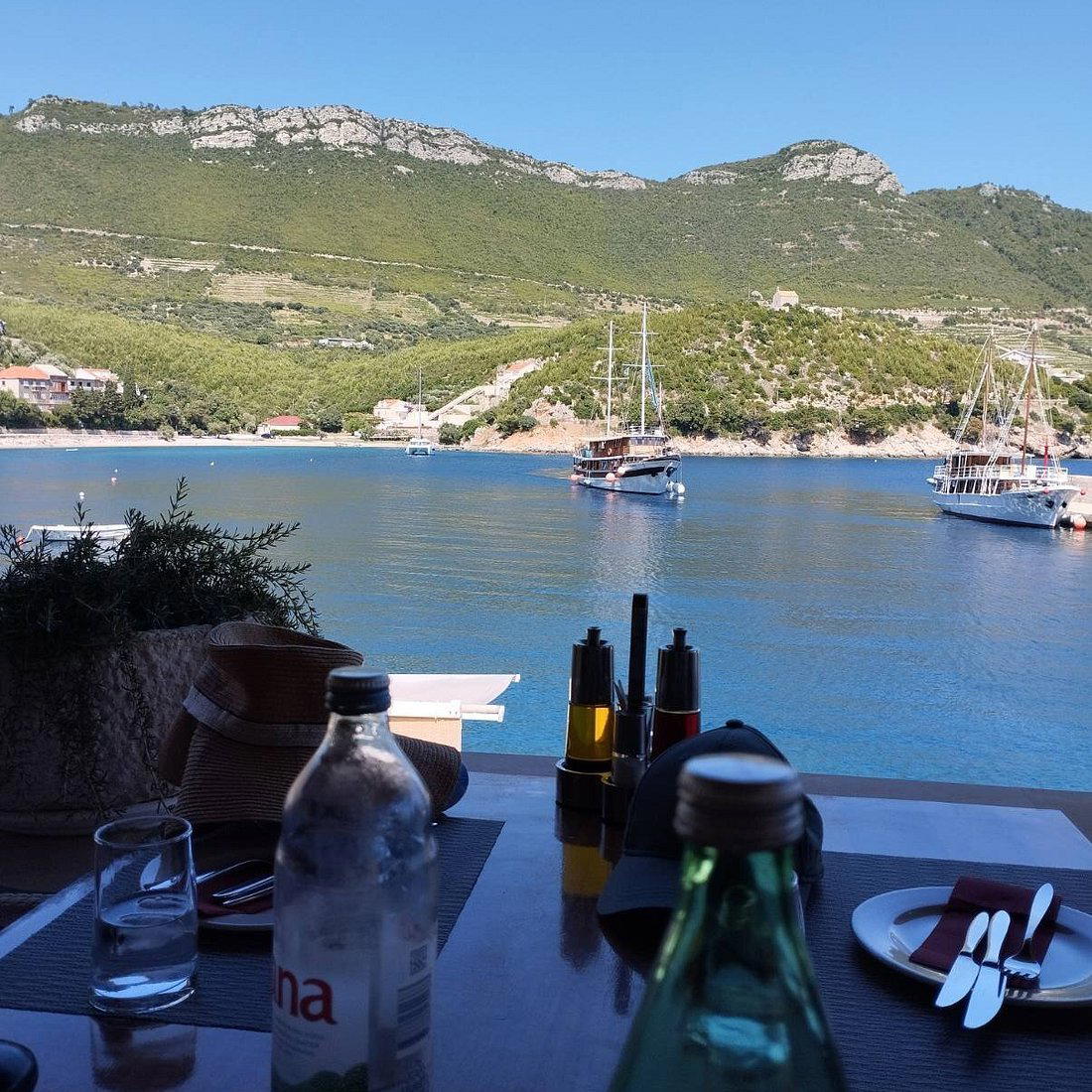
Where Pelješac Sets the Table
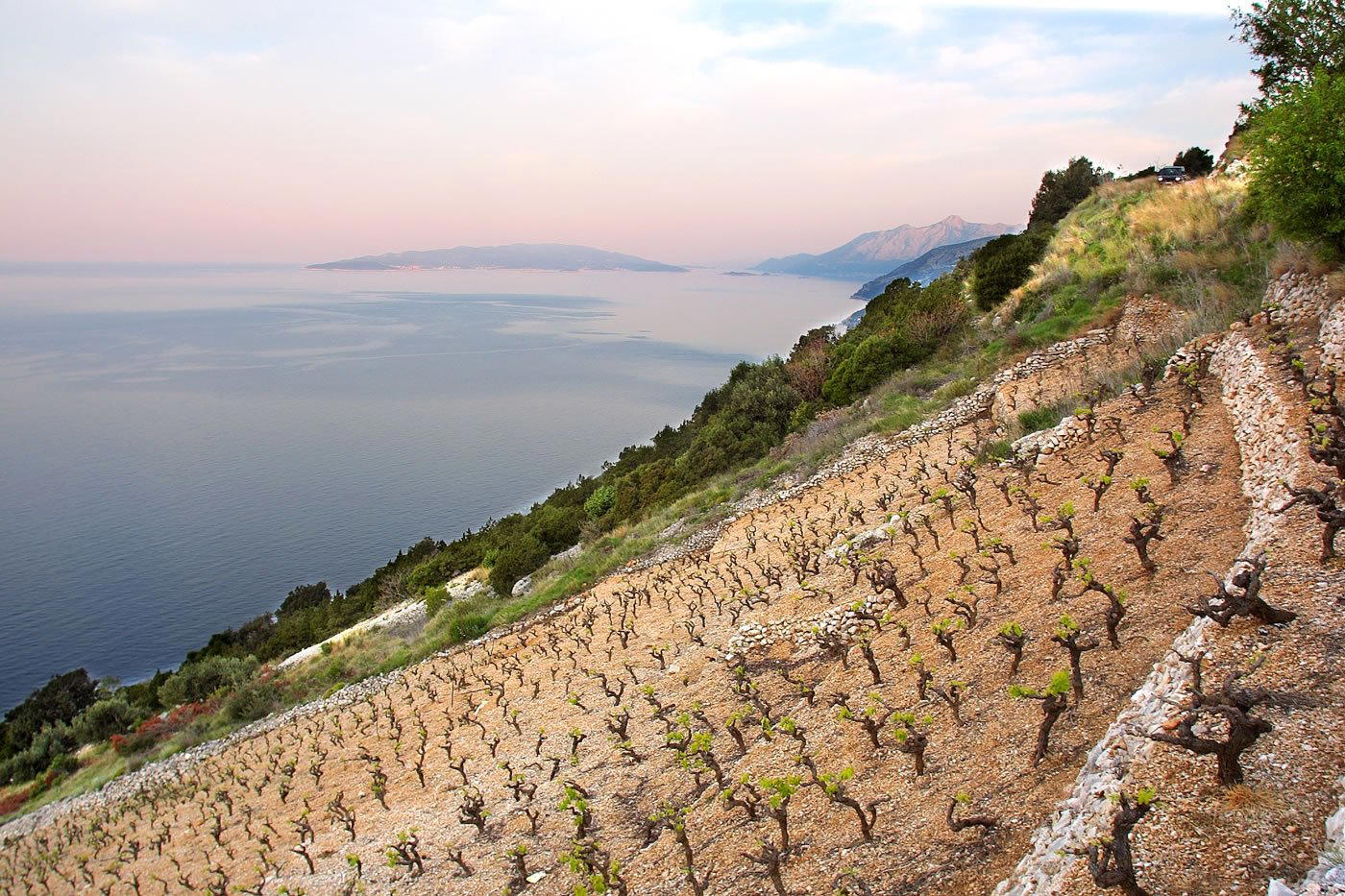
Vitaceae is a restaurant in Trstenik, Croatia, at Kraj 6, serving Fresh Seafood & Grill with an average spend of about $30 per person. The Pelješac Peninsula has a way of clarifying priorities. Driving its spine, you pass vineyards planted on steep limestone terraces, small harbours where fishing boats return before noon, and olive groves that have supplied Dalmatian kitchens for centuries. By the time you reach Trstenik, a village of modest stone buildings pressed close to the sea, the landscape has already told you what to expect at the table: ingredients pulled from a short radius, prepared without the distraction of scenery-as-spectacle. It sits inside that tradition.
Ingredient Geography on the Pelješac Peninsula
Croatia's fine dining conversation has expanded well beyond Dubrovnik and Split in recent years. Venues such as Pelegrini in Sibenik and LD Restaurant in Korčula have demonstrated that serious kitchens do not require urban density, provided the sourcing infrastructure is there. Pelješac delivers that infrastructure in concentrated form. The peninsula is one of Croatia's most significant wine-producing zones, with Dingač and Postup appellations drawing Plavac Mali from sun-baked coastal slopes. It also produces some of the Adriatic's most respected oysters, farmed in the sheltered waters of Mali Ston, barely thirty kilometres from Trstenik. Salt has been harvested at Ston since medieval times. The proximity of these ingredients is not incidental detail; it is the structural condition that makes kitchens in this area plausible at a serious level.
The sourcing logic that defines Pelješac dining resembles what has made other Croatian peninsula kitchens credible as editorial subjects. Boskinac in Novalja, on the island of Pag, built its reputation around the island's own lamb, cheese, and wine rather than imported prestige products. The same reasoning applies here: when the peninsula's own larder is this well-stocked, a kitchen that draws on it honestly makes a stronger editorial argument than one reaching past its geography for effect.
The Dalmatian Coastal Kitchen: What the Tradition Demands
Dalmatian cooking in its classical form is not a cuisine of elaboration. It is a cuisine of selection: the right fish at the right moment, olive oil pressed from fruit that has not travelled far, wine poured from producers whose vineyards are visible from the dining room. At the better end of the Croatian Adriatic, this restraint is a discipline rather than a limitation. Restaurant 360 in Dubrovnik and Agli Amici Rovinj in Rovinj both work within a coastal Mediterranean sourcing framework, though at price points and capacity levels that reflect their urban contexts. A village address like Trstenik changes the terms: lower overhead, tighter local supply chains, and a dining room that attracts guests who have specifically sought the place rather than stumbled upon it.
The comparison set that matters most for understanding Vitaceae's position is the quieter addresses working with genuine terroir specificity. Krug in Split and Nebo by Deni Srdoč in Rijeka each represent the Croatian urban fine dining mode; Vitaceae's village setting puts it in a different register, closer to the farm-to-table specificity you find at addresses such as Korak in Jastrebarsko or Dubravkin Put in Zagreb, where the sourcing story is the editorial spine.
Vitaceae in the Broader Croatian Conversation
Croatia's restaurant scene has developed unevenly, with international attention clustering around Michelin-starred addresses in larger centres and coastal resort towns. Venues with sourcing credibility in less-visited locations tend to build audiences more slowly, through word of mouth and editorial coverage, rather than through award cycles. That pattern is familiar across European coastal cuisines: the genuinely ingredient-led kitchens often precede formal recognition by several years. Among Croatian Adriatic comparisons, addresses such as BioMania Bistro Bol in Bol and Bodulo in Pag demonstrate how island and peninsula kitchens are building credibility outside the established award circuit. Burin in Crikvenica, Cantilly Garden Restaurant in Samobor, and Cubo in Opatija each represent regional Croatian dining working in its own key, shaped by geography and local supply rather than imported reference points.
At the level of sourcing discipline, the standard being applied in Croatian coastal kitchens is not dissimilar from what drives serious ingredient-led restaurants elsewhere: the same argument that underpins the reputation of Le Bernardin in New York City or Atomix in New York City is that provenance handled with rigour becomes its own form of cuisine. The geography differs, but the logic does not. On Pelješac, the proximity of the oyster beds, the limestone-grown Plavac Mali vineyards, and the Adriatic catch makes that logic easier to execute honestly. Vitaceae's address at Kraj 6 in Trstenik places it at the centre of that supply network.
Side-by-Side Snapshot
Comparable venues nearby, for context on price, style, and recognition.
| Venue | Cuisine | Price | Notes |
|---|---|---|---|
| VitaceaeThis venue — the venue you are viewing | Fresh Seafood & Grill | $$ | Not listed |
| Porat | Modern Croatian Seafood Grill | $$ | Gruž |
| Restoran Dubrovnik | Mediterranean Seafood | $$ | Lopud port |
| Konoba Barsa | Traditional Croatian Seafood Konoba | $$ | Loviste |
| Kod Marka | Traditional Dalmatian Seafood | $$$ | Sipanska Luka |
| Marijina Konoba | Croatian Mediterranean Seafood | $$ | Prozurska Luka |
Continue exploring
More in Trstenik
Restaurants in Trstenik
Browse all →
Bars in Trstenik
Browse all →
Hotels in Trstenik
Browse all →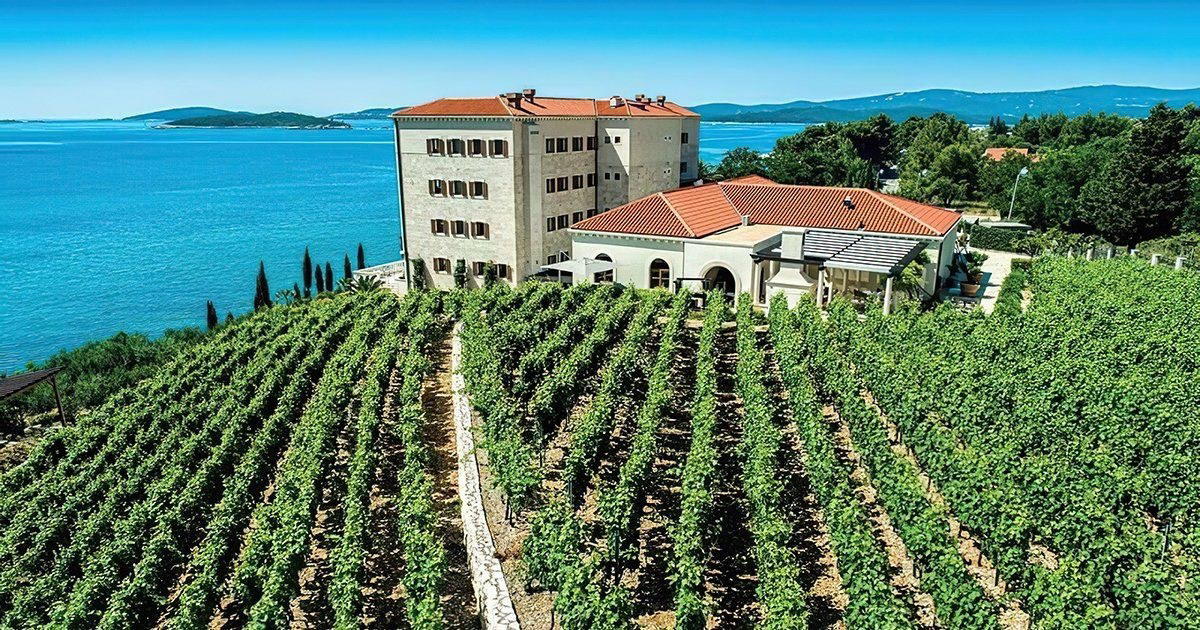

At a Glance
- Scenic
- Cozy
- Family
- Celebration
- Terrace
- Open Kitchen
- Extensive Wine List
- Local Sourcing
- Waterfront
Current opening hours
- Monday
- 12–11 PM
- Tuesday
- 12–11 PM
- Wednesday
- 12–11 PM
- Thursday
- 12–11 PM
- Friday
- 12–11 PM
- Saturday
- 12–11 PM
- Sunday
- 12–11 PM
Hours can change for holidays and private events. Last verified .
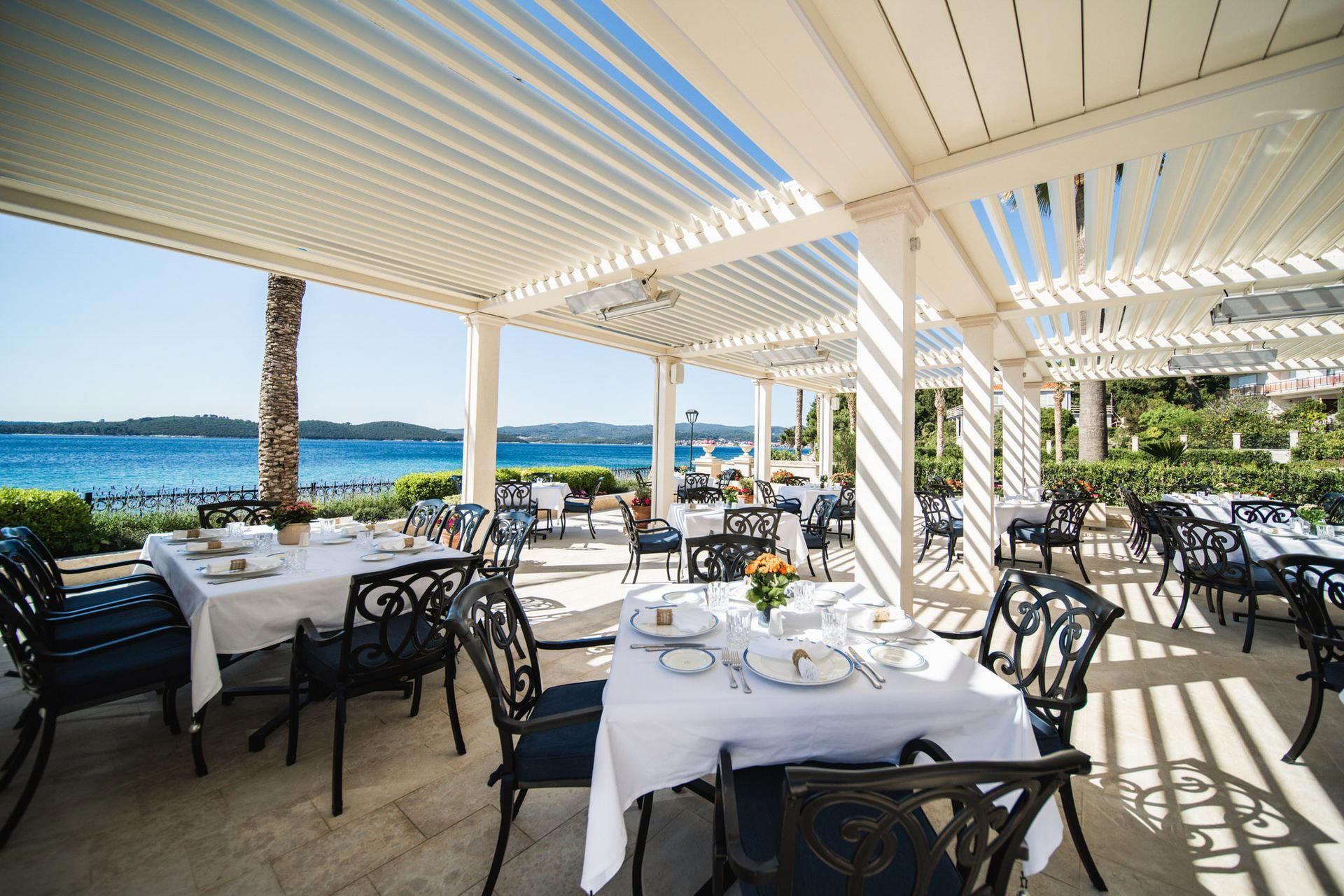
Charming seaside terrace with dramatic harbor views and welcoming, family-like atmosphere.