On the island of Šipan, the least visited of Dubrovnik's Elaphiti Islands, Kod Marka occupies a position that most Adriatic dining rooms cannot replicate: genuine remoteness. The ferry crossing alone filters the crowd. What arrives on the table reflects the kind of unhurried, ingredient-led cooking that defines the Dalmatian konoba tradition at its most uncompromised.
Pearl is the En Primeur Club membership app — saves, bookings, and concierge access live there. Same editors, same standards.
- Address
- Šipanska Luka 180, 20223, Šipanska Luka, Croatia
- Phone
- +38520758007
- Website
- konoba-kod-marka.com
- Directions
- Get directions
 Saves & bookings on Pearl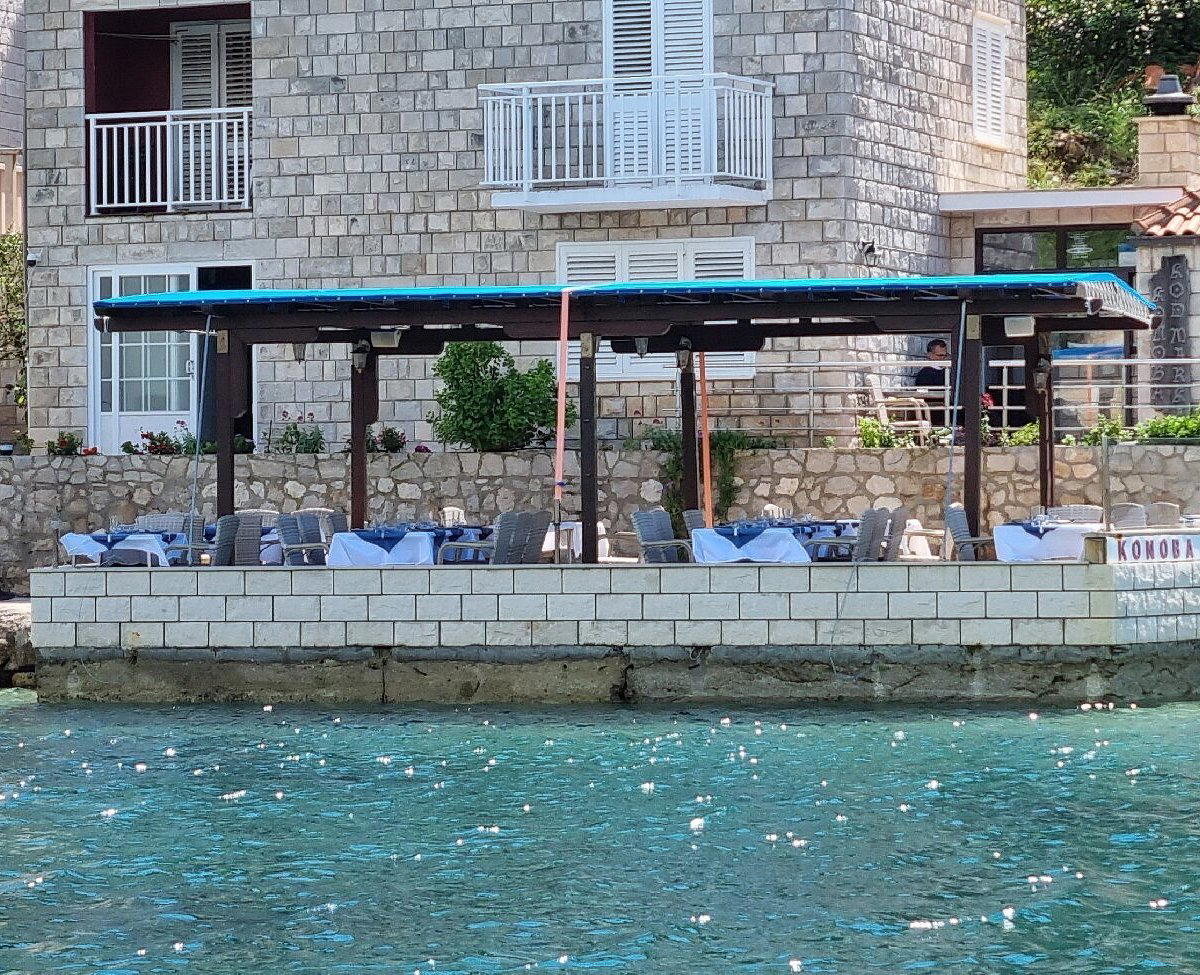
The Ferry Ride Is Part of the Meal
Getting to Šipan is not incidental to eating at Kod Marka. The Elaphiti Islands sit northwest of Dubrovnik's Old Town, reachable by regular ferry services from Dubrovnik harbor, and Šipan is the largest of the three. The crossing takes around ninety minutes depending on the route, and the island receives a fraction of the tourist traffic that descends on Dubrovnik itself. By the time you arrive at Šipanska Luka, the small port settlement where Kod Marka sits at address 180, the pace has shifted. That deceleration mirrors the rhythm of the meal that follows.
In the Adriatic dining tradition, the konoba format is built around exactly this kind of unhurried sequence. A konoba is not a restaurant trying to be casual; it is a category of its own, rooted in family cooking, seasonal availability, and the expectation that guests will stay for several hours. The format predates contemporary fine dining by centuries, and on islands like Šipan it remains an expression of Dalmatian food culture. Dishes arrive when they are ready. Wine comes from wherever the family sources it locally. The meal ends when the conversation does.
Dalmatian Cooking at Its Most Direct
The Dalmatian coast operates on a culinary logic that rewards simplicity and penalizes interference. Fresh fish, olive oil, wild herbs, and local vegetables form the structural backbone of the cuisine, and the leading practitioners in the region understand that restraint is a technique, not an absence of skill. Island kitchens, in particular, have historically worked with what the sea and the land provide that day, a discipline that produces cooking that tastes specific to a place and a moment in a way that imported menus cannot replicate.
Šipan's position means that its kitchens draw from both fishing and agriculture. The island has olive groves and vineyards alongside its fishing tradition, giving local tables access to a range of ingredients that many Croatian islands of similar size cannot match. When a kitchen is working in that kind of environment, the editorial challenge for the diner is not decoding a complex menu architecture but trusting the sequence that arrives. Ordering extensively and then waiting is the correct posture. Rushing is not punished, it is simply incompatible with the format.
For context on how Kod Marka fits within Dubrovnik's broader dining range, the city's waterfront and Old Town are home to restaurants operating at a different register entirely. Restaurant 360 (International, Modern Cuisine) and Above 5 both sit at the premium end of contemporary dining, with polished service and international wine lists. Bistro Tavulin (Traditional Cuisine) and Barba represent the more accessible end of Old Town eating, while Bistro 49 occupies a middle register. The restaurant sits outside all of these categories. Its remoteness is the point of difference, not its price tier or its service style.
The Ritual of a Konoba Lunch
The Croatian konoba lunch operates on a pace that most urban diners will find initially disorienting and eventually restorative. There is rarely a printed menu in the modern sense. Availability dictates the offer. A server, often a family member, will explain what came in that morning or what was prepared that day. The expectation is that you will order in the order things are described, not extract individual dishes and reconfigure them.
This is worth understanding before you arrive, because the ritual is not a quirk to be worked around, it is the experience. Grilled fish is typically served whole and at its natural temperature, accompanied by olive oil and fresh herbs rather than constructed sauces. Shared plates arrive without ceremony. Dessert, if it exists, is something simple and local. The wine, typically a local white such as Pošip or Grk, is chosen from a short list that reflects what the kitchen and the region actually produce, not what an international wine list has imported.
Within Croatia's broader dining scene, this format appears at its most concentrated in the island and coastal konoba tradition. Restaurants like LD Restaurant in Korčula and Pelegrini in Sibenik represent a more structured approach to Dalmatian cooking, award-recognized, reservation-driven, with tasting formats and wine programs to match. Boskinac in Novalja takes a similar approach on Pag island, anchoring its menu in local production. Agli Amici Rovinj in Rovinj and Nebo by Deni Srdoč in Rijeka sit at the more technically ambitious end of Croatian cooking. The restaurant operates at the opposite end of that spectrum, where the format is defined by the absence of structural complexity rather than its presence.
Planning the Visit
Visiting the restaurant requires more planning than a city-centre restaurant booking. Ferry schedules from Dubrovnik to Šipan vary seasonally, with more frequent services running from spring through early autumn. The village of Šipanska Luka has limited infrastructure, so the visit to the restaurant is the destination, not a stop on a longer itinerary. Allow a full afternoon. Arriving on a midday ferry, eating without rushing, and returning on a late afternoon service is the natural arc of the day.
For those building a wider Croatia itinerary, Krug in Split is worth noting for a contrast in register before or after a Šipan visit. Alfred Keller in Mali Lošinj and Korak in Jastrebarsko represent the more hinterland end of Croatian gastronomy, while Dubravkin Put in Zagreb anchors the capital's dining at a similarly considered level. BioMania Bistro Bol in Bol on Brač offers another island-format comparison. For reference on what technically precise seafood cookery can look like at international level, Le Bernardin in New York City and Atomix in New York City represent the tasting-counter end of the spectrum, a useful frame for understanding how far the Dalmatian konoba model sits from codified fine dining, and why that distance is precisely its value.
Cuisine and Recognition
Comparable venues nearby, for context on price, style, and recognition.
| Venue | Cuisine | Price | Notes |
|---|---|---|---|
| Kod MarkaThis venue — the venue you are viewing | Traditional Dalmatian Seafood | $$$ | Not listed |
| Konoba Tauris | Traditional Dalmatian Seafood Grill | $$$ | Sipanska Luka |
| Obala | Seafood Mediterranean | $$ | Lopud |
| Konoba Maestro | Authentic Croatian Mediterranean | $$$ | Ploče |
| Barba | Dalmatian Seafood Street Food | $$ | Old Town |
| Mandrac | Traditional Croatian Seafood | $$ | Lopud |
Continue exploring
More in Dubrovnik
Restaurants in Dubrovnik
Browse all →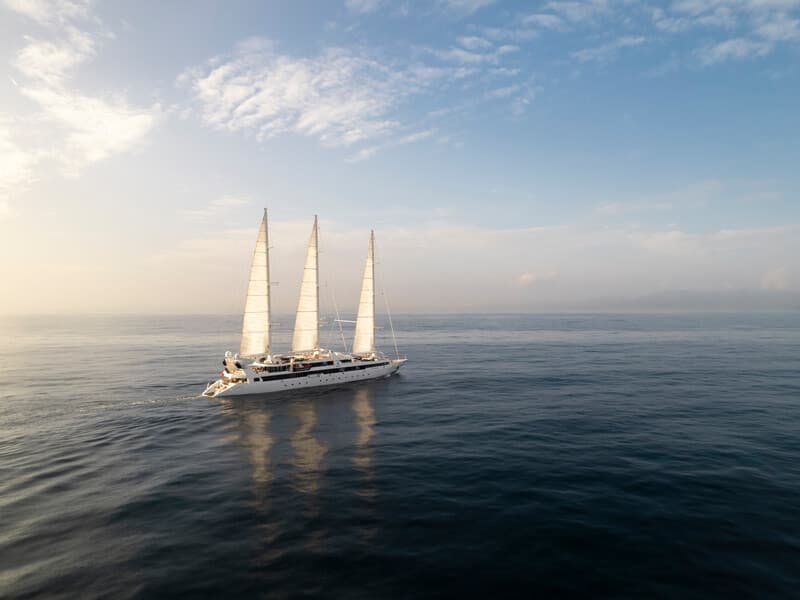
Bars in Dubrovnik
Browse all →
Hotels in Dubrovnik
Browse all →


At a Glance
- Romantic
- Cozy
- Scenic
- Intimate
- Rustic
- Date Night
- Special Occasion
- Waterfront
- Terrace
- Extensive Wine List
- Local Sourcing
- Waterfront
Relaxed romantic atmosphere with terrace overlooking the beautiful bay, offering scenic views and a cozy family welcome under the Dalmatian sun.