Vinateros 28 sits in Moratalaz, one of Madrid's quieter residential districts, at a remove from the centro's well-worn dining circuit. The address alone signals something worth investigating: a neighbourhood restaurant operating on local terms rather than tourist logic, in a city where the gap between inner-ring spectacle and outer-district substance is wider than most guides acknowledge.
 Discover on Pearl
Pearl is the En Primeur Club membership app — saves, bookings, and concierge access live there. Same editors, same standards.
- Address
- C. del Camino de los Vinateros, 28, Moratalaz, 28030 Madrid, Spain
- Phone
- +34682766118
- Website
- vinateros28.com
Madrid Beyond the Centre: What Moratalaz Tells You About the City's Dining Depth
The streets of Moratalaz on Madrid's eastern edge carry a rhythm distinct from Malasaña or the Salamanca grid. Residential, unhurried, built for people who actually live in the city rather than visit it, the district occupies a different register from the neighbourhoods that dominate most dining coverage. Vinateros 28 takes its name and address from the Camino de los Vinateros. That historical thread, wine moving through a working neighbourhood, gives the address more context than most restaurant streets in Madrid can claim.
Madrid's restaurant conversation concentrates heavily on a handful of postcodes. The three-Michelin-star tier is anchored downtown: DiverXO operates its high-wire progressive format in Las Tablas, while Coque runs its multi-room ritual in Recoletos. Deessa, DSTAgE, and Paco Roncero all operate within a compact central band. The further you move from that band, the less media oxygen a restaurant tends to receive, regardless of what it's actually doing. That dynamic is worth naming, because it shapes which places get discovered by visitors and which remain operating on purely local terms.
Local Ingredients, Global Methods: The Framework That Defines Madrid's Broader Middle Tier
Across Spain's dining scene, the most intellectually interesting tension of the past two decades has been between imported technique and indigenous product. The generation of Spanish chefs who trained in France, Japan, or Scandinavia and then returned to work with Iberian ingredients created a productive friction that produced some of the country's most discussed restaurants. El Celler de Can Roca in Girona formalised that dialogue at the highest level. Arzak in San Sebastián built a multi-generational kitchen around it. Azurmendi in Larrabetzu, Mugaritz in Errenteria, and Quique Dacosta in Dénia each developed their own position within it. The conversation is not limited to the starred tier, however. It filters down into neighbourhood restaurants across Madrid and beyond, where kitchens apply precise, often internationally influenced methods to Castilian and regional Spanish products without the ceremony or price architecture of a tasting-menu destination.
That middle register is where much of the genuinely interesting cooking in any major city actually happens. In Madrid, it means places where the produce sourcing is serious, the technique is considered, and the setting makes no concessions to performance. The Moratalaz address of Vinateros 28 positions it squarely in this category. Neighbourhood restaurants of this type tend to operate on tighter margins and smaller audiences than their centro counterparts, which often produces a more direct relationship between kitchen and table. The cooking speaks without the intermediary layer of designed atmosphere and calculated hospitality that characterises the city's top-tier experiences.
Spain's Wider Dining Context and Where Madrid Fits
To understand any Madrid restaurant that sits outside the starred circuit, it helps to map the national picture. Spain's fine dining has geographic breadth that its French counterpart lacks. The Basque Country, Catalonia, Valencia, and Extremadura all have restaurants operating at the highest level. Aponiente in El Puerto de Santa María built a three-star kitchen around marine products ignored by mainstream gastronomy. Martin Berasategui in Lasarte-Oria holds more Michelin stars than almost any other chef in the world. Cocina Hermanos Torres in Barcelona converted a former gas factory into a two-star room. Ricard Camarena in València works with near-obsessive regional specificity. Atrio in Cáceres anchors fine dining in Extremadura with a wine collection that functions as a separate attraction.
Madrid, by contrast, built its restaurant reputation on accessibility and volume rather than terroir specificity. The capital draws ingredients from across Spain, which means its kitchens can theoretically access everything, but are rooted in nothing in the way a Basque or Catalan kitchen is. This gives Madrid restaurants a certain creative latitude and a corresponding identity challenge. The most interesting neighbourhood operations in the city tend to resolve that challenge by committing to a particular regional product stream or culinary tradition, rather than attempting to be comprehensive. Internationally, a comparable dynamic plays out at places like Le Bernardin in New York City, where rigorous focus on a single category produces depth that generalist kitchens cannot match, or Atomix in New York City, where Korean technique applied to premium product creates a coherent identity within a city known for its eclecticism.
Getting There and What to Expect
Moratalaz sits on Madrid's eastern residential belt, reachable by Metro Line 9 to Vinateros station, which puts travellers within a short walk of the Camino de los Vinateros address. The neighbourhood is not a dining destination in the conventional sense; there is no cluster of restaurants to anchor an evening's itinerary around multiple stops. Vinateros 28 operates as a standalone reason to make the journey, which means the decision to go should be made with some confidence in what you're looking for. Those who approach it as a contrast to the centro's more calculated environments will find the context works in their favour. Those expecting the production values of the starred tier will be reading the room incorrectly.
Vinateros 28 is recommended for reservations and typically costs about $35 per person.
Same-City Peers
Comparable venues nearby, for context on price, style, and recognition.
| Venue | Cuisine | Price | Notes |
|---|---|---|---|
| Vinateros 28This venue — the venue you are viewing | Contemporary Mediterranean Spanish | $$ | |
| CASA NEUTRALE | Mediterranean Café | $$ | El Viso |
| Azotea Forus Barceló | Healthy Mediterranean Rooftop | $$ | Chueca |
| Casa Galleta - Castelló 12 | Mediterranean Fusion with Spanish Tapas | $$ | Recoletos |
| Desengaño13 | Mediterranean Fusion Tapas | $$ | Malasana |
| La Botillería | Modern Mediterranean Gastrobar | $$$ | Palacio |


At a Glance
- Cozy
- Elegant
- Family
- Casual Hangout
- Extensive Wine List
- Local Sourcing
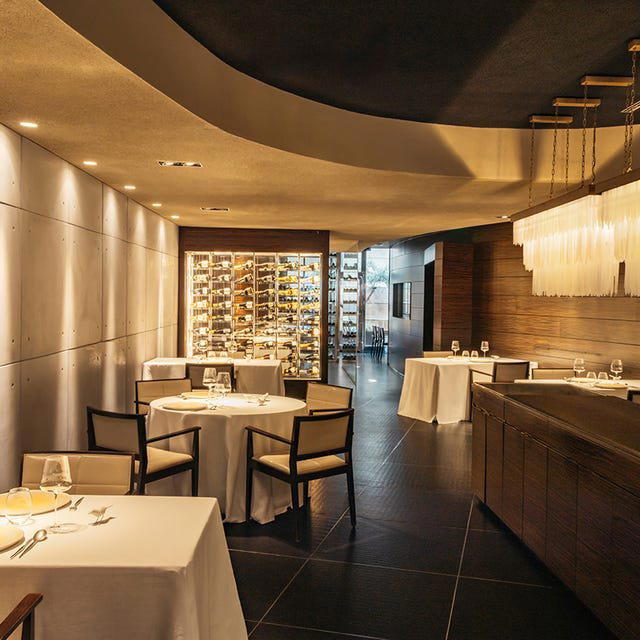
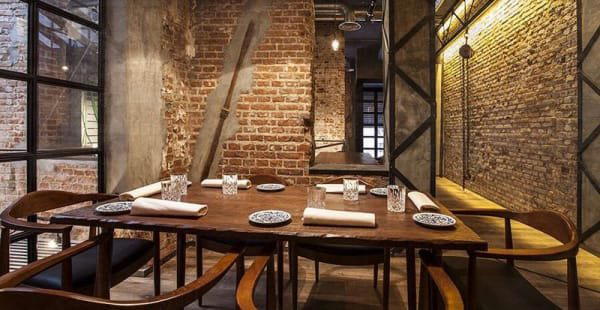
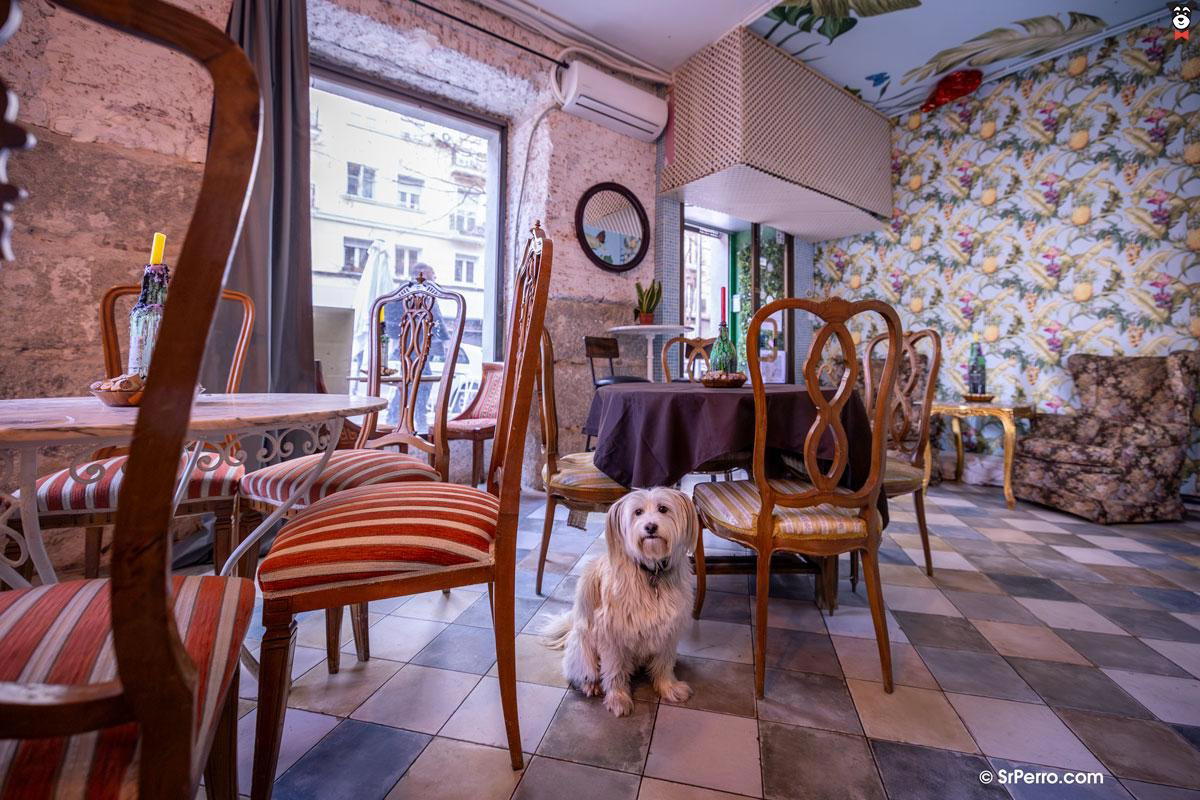
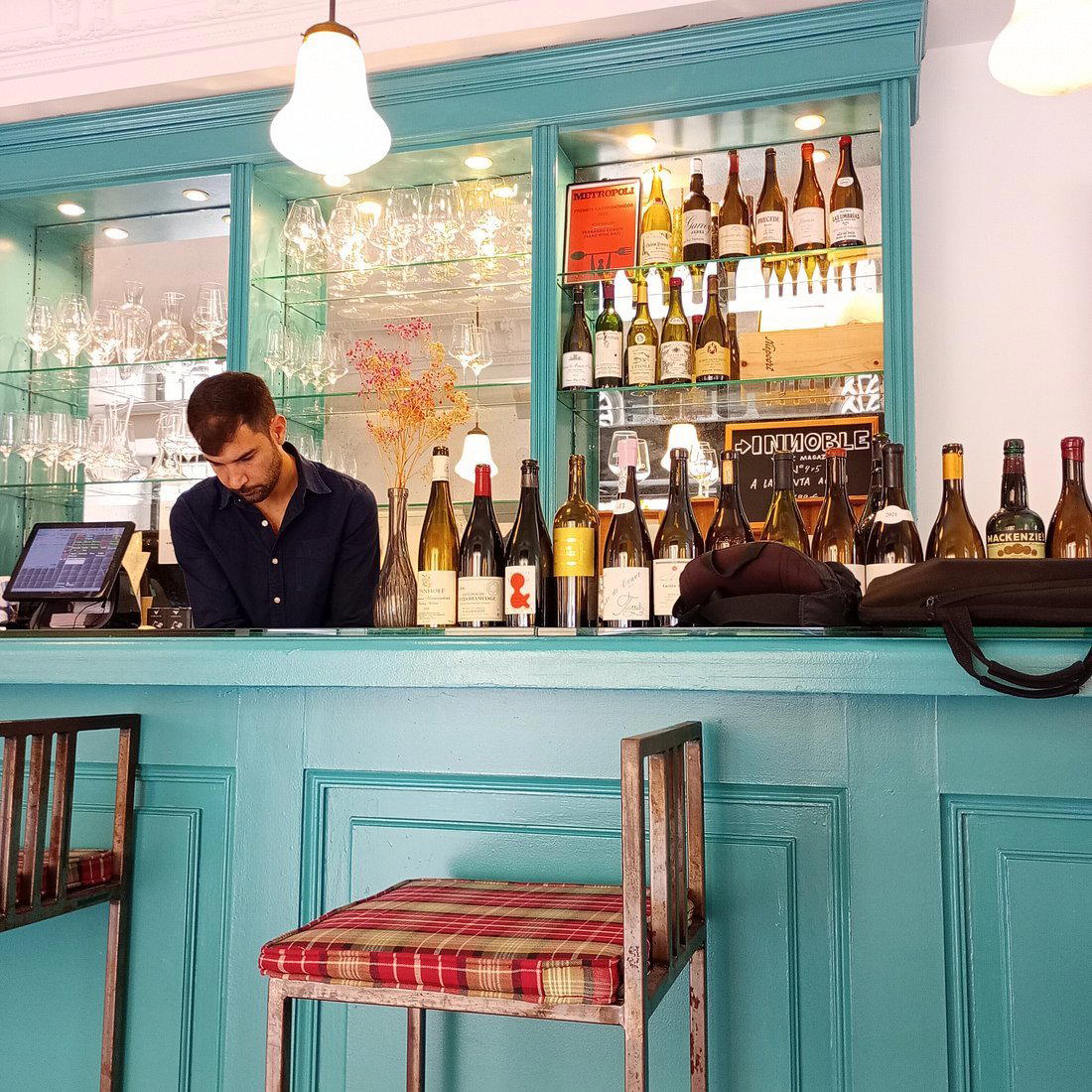
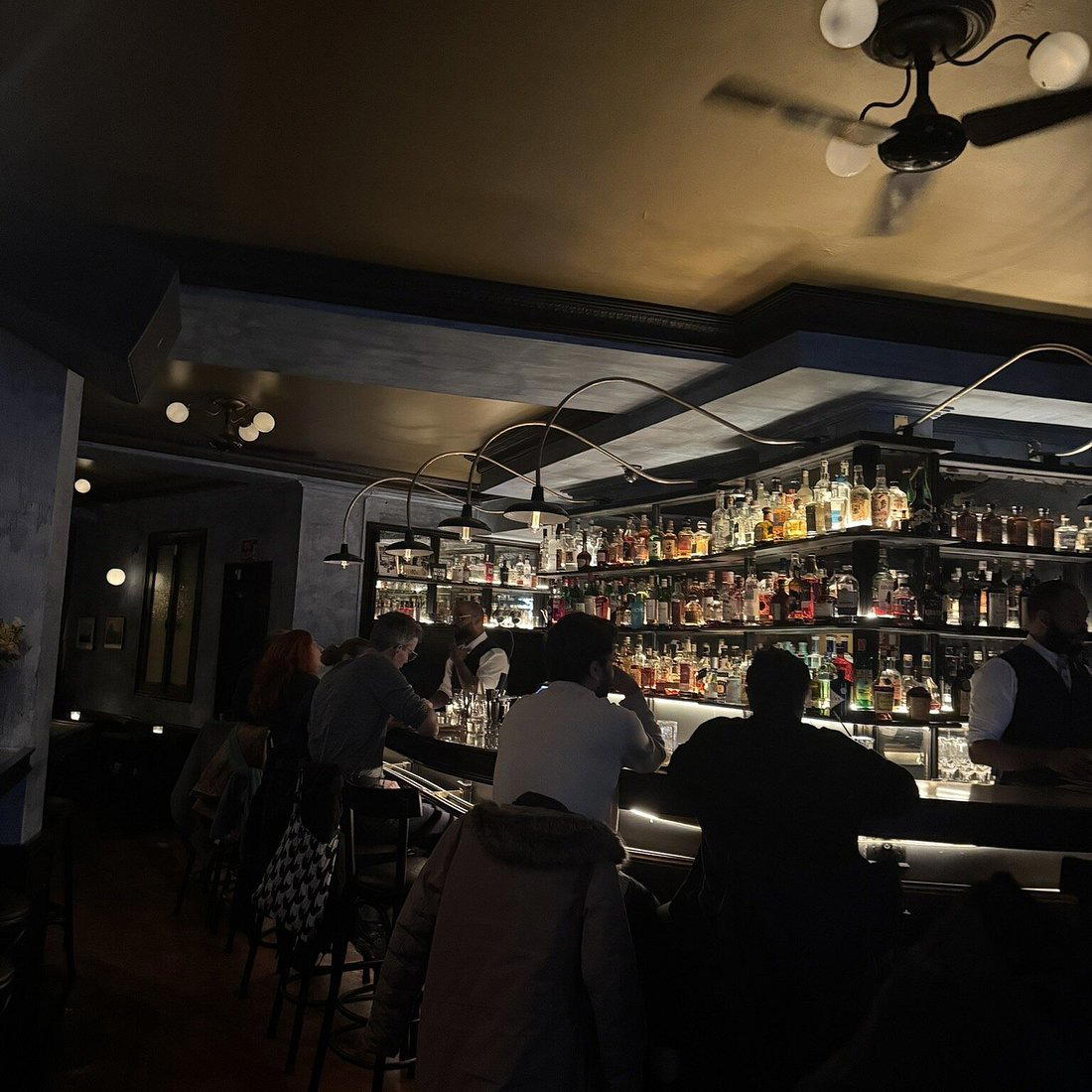
Pleasant and agreeable atmosphere with good professional service.