La Botillería sits on Plaza de Oriente in Madrid's Centro district, placing it steps from the Palacio Real in one of the city's most historically charged squares. The format leans toward the convivial end of Spanish dining, where afternoon and evening service each carry a different rhythm. For visitors mapping a serious Madrid itinerary, this is an address worth factoring into the daytime half of the equation.
Pearl is the En Primeur Club membership app — saves, bookings, and concierge access live there. Same editors, same standards.
- Address
- Pl. de Ote., 4, Centro, 28013 Madrid, Spain
- Phone
- +34915484620
- Website
- botilleria.es
- Directions
- Get directions
 Saves & bookings on Pearl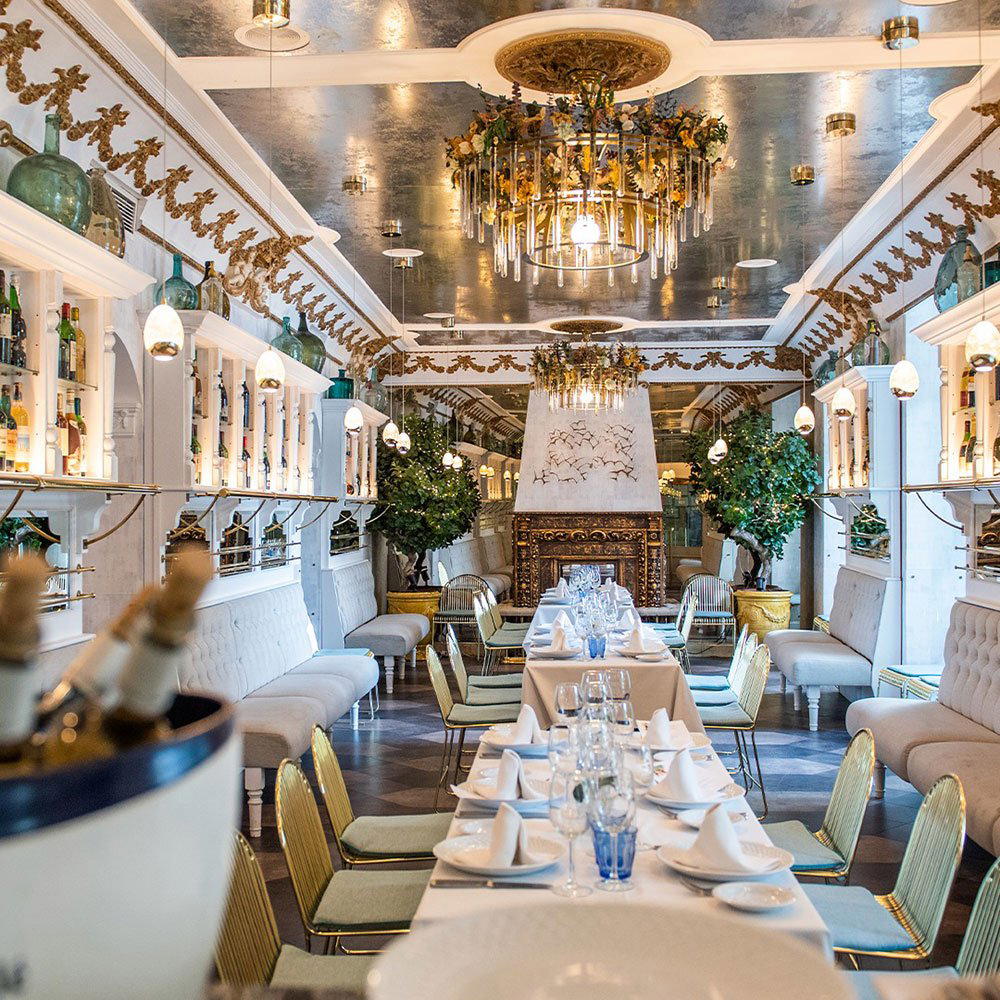
Plaza de Oriente and the Logic of Place
Madrid's Plaza de Oriente is not neutral ground. The square sits between the Palacio Real and the Teatro Real, and the restaurants and bars that line it operate inside a particular kind of pressure: a location that draws tourists by geography but retains local custom through quality. La Botillería, at number 4, occupies that position. In a city where address alone can distort expectations upward, what matters is whether a venue earns its postcode. For context on what serious Madrid dining looks like at the leading end, you can compare across the city's Michelin-starred tier, from DiverXO and Coque through to Deessa, DSTAgE, and Paco Roncero. La Botillería operates in a different register from those tasting-menu rooms, but the comparison clarifies where it sits in the broader map of Madrid eating.
The Lunch and Dinner Divide in Spanish Dining Culture
To understand La Botillería, it helps to understand how Spanish dining splits between midday and evening. In Madrid, lunch is not a lesser meal. The city's restaurant culture evolved around the two-hour, multi-course midday sitting as the primary eating event of the day, a structure that survives in neighbourhood restaurants, market-adjacent spots, and historic taverns alike. Dinner, by contrast, tends to run lighter and later, rarely beginning before nine and often stretching past eleven. These are not just scheduling differences; they produce genuinely different moods, different menus, and different value propositions.
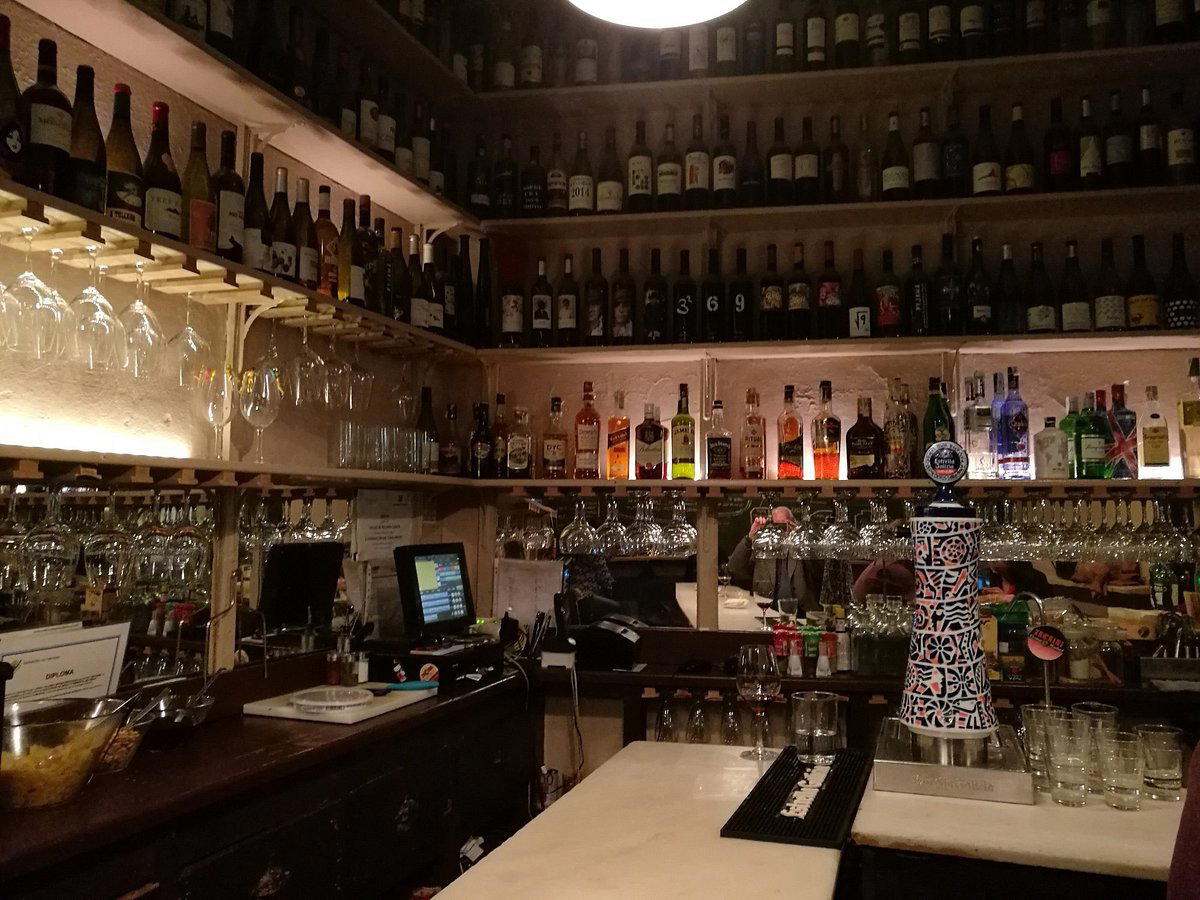
Botillería, as a format type, carries specific Spanish meaning. A botillería was historically a wine and provisions shop, later a tavern-style venue where wine and light foods were served together. The word positions a place within a particular vernacular tradition: informal, supply-led, oriented around drinking as much as eating. That framing shapes what you should expect from La Botillería and, more importantly, what you should order and when.
The lunch hour at a venue of this type tends to be the more complete expression of the kitchen. The set midday menu (menú del día), still a fixture across Madrid's non-tasting-menu restaurants, typically offers the leading ratio of output to price. Diners who arrive expecting an evening tasting-menu format and find instead a casual, wine-forward lunch room are often the ones who leave underwhelmed, not because the venue underdelivers, but because they misread the format.
The Centro District and What Surrounds It
Centro is Madrid's oldest residential and commercial core, and it encompasses a wider range of eating than its tourist-heavy sections suggest. The streets radiating from Plaza de Oriente toward La Latina and Opera contain some of the city's most established traditional restaurants alongside newer openings that use the neighbourhood's density to their advantage. La Botillería's address in the plaza itself puts it at the formal, visible end of this district, which means foot traffic is high and the clientele skews mixed: hotel guests from the nearby luxury properties, opera-goers catching something before a curtain, and locals who have maintained the habit of eating here.
For anyone building a longer Spanish itinerary, the broader national context is worth holding in mind. Spain's most decorated restaurants sit outside Madrid: El Celler de Can Roca in Girona, Arzak in San Sebastián, Azurmendi in Larrabetzu, Mugaritz in Errenteria, and Martin Berasategui in Lasarte-Oria. Further afield, Aponiente in El Puerto de Santa María, Quique Dacosta in Dénia, Ricard Camarena in València, Cocina Hermanos Torres in Barcelona, and Atrio in Cáceres each represent significant stops on any serious Spanish eating circuit. La Botillería belongs to a different tier of that circuit, one where the value is in the vernacular experience rather than in Michelin recognition.
Reading the Room: What the Format Signals
The botillería format, when it functions as intended, offers something that the high-end tasting-menu circuit does not: spontaneity. Wine-forward venues in this tradition tend to run shorter menus tied to seasonal availability, and the staff's knowledge of the cellar matters more than in larger, more systemised operations. At its finest, this format rewards guests who arrive without a fixed agenda, willing to follow the recommendation of whoever is pouring.
Evening service at venues like this tends to compress into lighter plates and more wine-led ordering, which suits the Spanish dining rhythm. Visitors who have already taken a full lunch elsewhere and want a lower-intensity evening are often better served by this format than by a second major restaurant sitting. The distinction between lunch as the meal of substance and dinner as the meal of mood is one that Madrid's dining culture has maintained more consistently than most European capitals.
For those planning a full Madrid restaurant week, our full Madrid restaurants guide maps the city's dining tiers across cuisine types, price points, and booking complexity. Internationally, for reference points on what wine-forward, format-driven dining looks like at different scales, Le Bernardin in New York City and Atomix in New York City offer contrasting models of how a room's format shapes the guest experience as much as the food itself.
Planning Your Visit
La Botillería is located at Pl. de Ote. 4, in the Centro district of Madrid, 28013. The address places it directly on Plaza de Oriente, within walking distance of the Opera metro station, making it direct to reach from most central Madrid hotels. Given the plaza's position as one of the city's most visited public spaces, tables at street-facing positions tend to fill early on weekends and during the post-Teatro Real crowd surge on performance nights. The venue's format and neighbourhood suggest that arriving for lunch, when the Spanish midday culture operates at full pace, is likely to yield a more complete experience than a late-evening drop-in.
Continue exploring
More in Madrid
Restaurants in Madrid
Browse all →
Bars in Madrid
Browse all →
Hotels in Madrid
Browse all →

At a Glance
- Classic
- Elegant
- Cozy
- Date Night
- Brunch
- Late Night
- Terrace
- Historic Building
- Extensive Wine List
- Street Scene
Current opening hours
- Monday
- 12 PM–12 AM
- Tuesday
- 12 PM–12 AM
- Wednesday
- 12 PM–12 AM
- Thursday
- 12 PM–12 AM
- Friday
- 12 PM–1 AM
- Saturday
- 12 PM–1 AM
- Sunday
- 12 PM–12 AM
Hours can change for holidays and private events. Last verified .
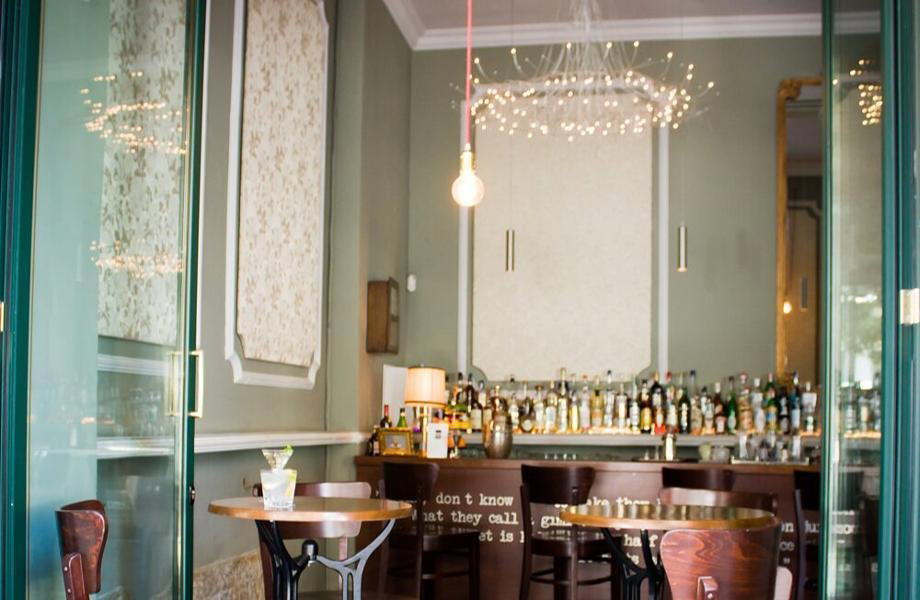
Ornate atmosphere with style of old European cafés, warm modern décor in historic setting with vaulted ceilings and exposed brickwork.
Know Before You Go
- Getting there
- Pl. de Ote., 4, Centro, 28013 Madrid, Spain