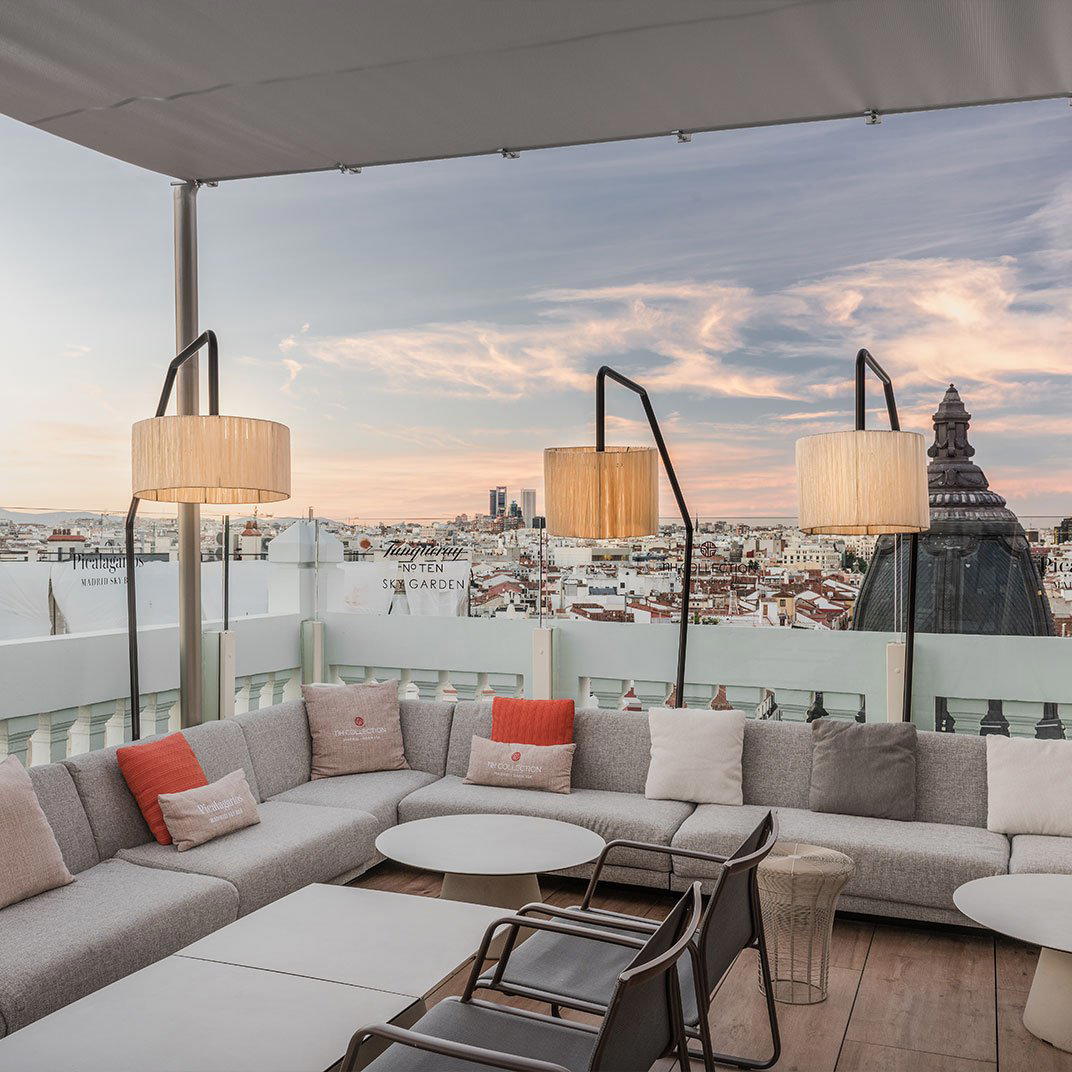
A rooftop bar and terrace on the fourth floor of Edificio Barceló in Malasaña, Azotea Forus Barceló sits at the intersection of neighbourhood character and refined city views. The space draws a local crowd seeking open-air drinks above the Calle de Barceló market. For Madrid's rooftop circuit, it represents the mid-tier social format: accessible, well-positioned, and embedded in one of the city's most architecturally interesting recent developments.
Pearl is the En Primeur Club membership app — saves, bookings, and concierge access live there. Same editors, same standards.
- Address
- C. de Barceló, 6, 4ª planta, Centro, 28004 Madrid, Spain
- Phone
- +34911170064
- Directions
- Get directions
 Saves & bookings on Pearl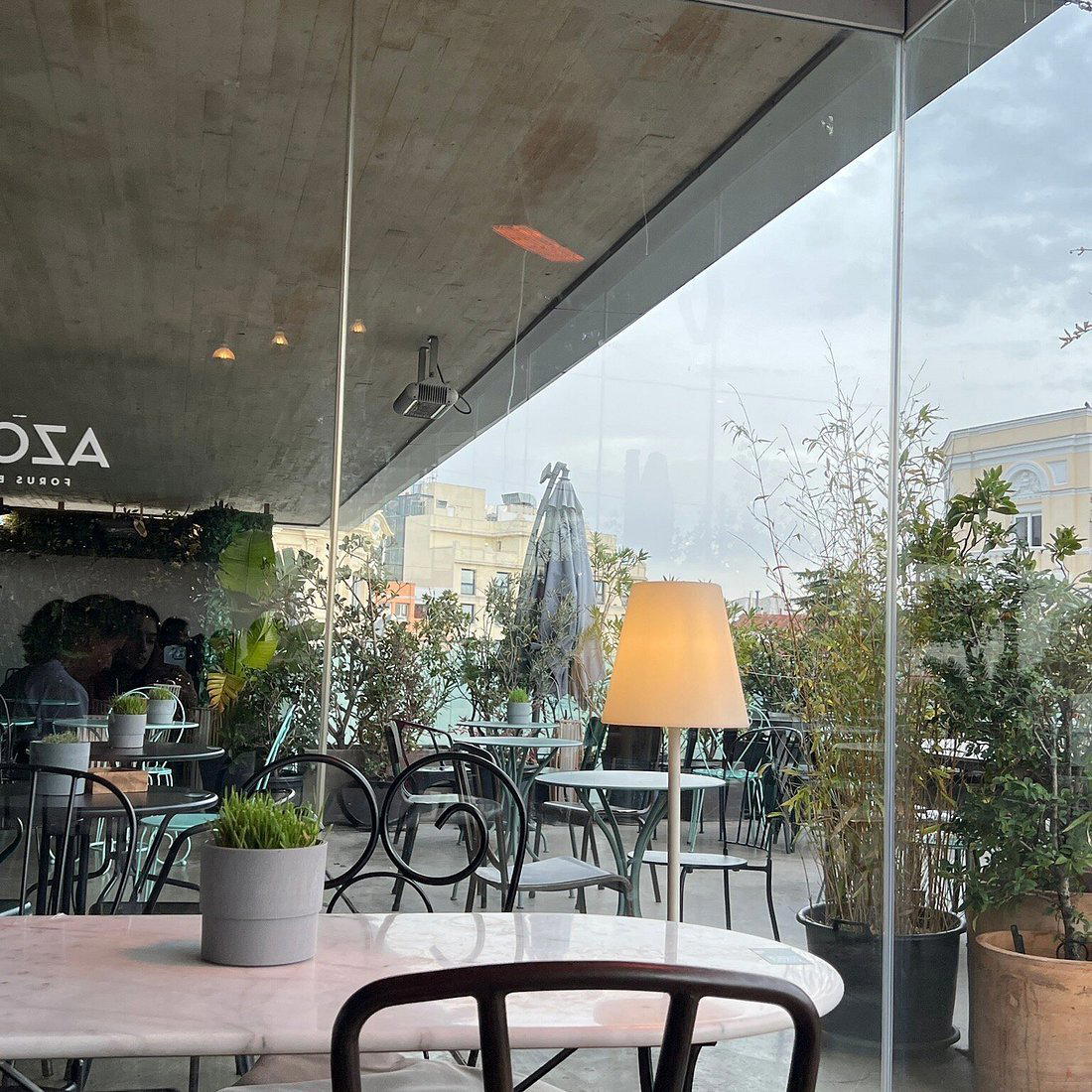
Above Malasaña: What Madrid's Rooftop Scene Has Become
Madrid's rooftop culture has matured considerably over the past decade. Where the early 2000s produced a handful of hotel terraces aimed squarely at tourists, the current generation of refined spaces tends to be embedded in mixed-use developments and oriented toward a more local clientele. Azotea Forus Barceló occupies the fourth floor of Edificio Barceló on Calle de Barceló, a building that sits directly above the Mercado de Barceló, one of the city's older covered markets. That positioning is not incidental — it places the terrace at the edge of Malasaña and Chueca, two neighbourhoods whose character has shaped what a plausible Madrid rooftop crowd looks and sounds like in 2024.
The building itself, completed in the mid-2010s to designs by Nieto Sobejano Arquitectos, won architectural recognition for its stacked, textured facade. For anyone approaching from the market level below, the structure announces itself before the terrace becomes visible. That vertical journey — from street market to open-air bar, captures something about how this part of Madrid operates: multiple registers of the city's social life layered within a single block. For broader context on how Azotea Forus Barceló fits into Madrid's dining and drinking geography, our full Madrid restaurants guide maps the city's key neighbourhoods and venue tiers.
The Rooftop Format and What It Implies About the Menu
Rooftop bars in Madrid, particularly those embedded in cultural or mixed-use developments rather than five-star hotels, tend to organise their menus around accessibility rather than ambition. The architecture of what's offered at spaces like Azotea Forus Barceló reflects that logic: drinks-forward, with food that supports extended sessions rather than demanding centrestage attention. This is a meaningful distinction from the city's high-end creative restaurant tier, where venues like DiverXO, Coque, and Deessa structure menus around tasting sequences and chef-driven narratives. At a rooftop terrace, the menu's job is to extend the stay and complement the view, not to carry the experience on its own terms.
That is not a diminishment, it is a different editorial category. Madrid's mid-tier social venues fill a gap that the city's €€€€ tasting-menu restaurants cannot. Places like DSTAgE and Paco Roncero demand full evenings and serious commitment; the rooftop format demands an hour, two drinks, and a decent view. Both have a place in the city's fabric, they just serve fundamentally different reader intentions.
Neighbourhood Context: Malasaña and the Barceló Quarter
Calle de Barceló sits in the transitional zone between Malasaña to the west and Chueca to the east. Malasaña built its reputation on the post-Franco movida cultural moment of the late 1970s and early 1980s, and while that specific energy has been absorbed and commercialised, the neighbourhood retains a density of independent bars, record shops, and small restaurants that distinguishes it from the more tourist-oriented Centro districts further south. Chueca, meanwhile, has become one of Europe's most prominent LGBTQ+ neighbourhoods, with a cafe and bar culture that runs at high volume from late afternoon through early morning.
Azotea Forus Barceló sits above this confluence. The Mercado de Barceló below is a working market with some food-hall elements added during its recent renovation, and the surrounding streets carry the daytime foot traffic of both locals and visitors navigating between the two neighbourhoods. A fourth-floor terrace in this location captures that cross-section, not a tourist destination in the conventional sense, but visible and accessible enough to draw a mixed crowd. Spain's broader rooftop and terrace culture, for comparison, reaches its most architectural expression at venues like Quique Dacosta in Dénia or the refined setting of Azurmendi in Larrabetzu, where environment and kitchen ambition operate in lockstep. At Barceló, the environment carries more of the weight.
Where This Fits in the Wider Spanish Scene
Spain's fine dining infrastructure is spread across its regions rather than concentrated in a single capital. El Celler de Can Roca in Girona, Arzak in San Sebastián, Martin Berasategui in Lasarte-Oria, Aponiente in El Puerto de Santa María, Mugaritz in Errenteria, and Cocina Hermanos Torres in Barcelona all operate at the summit of their respective regional traditions. Madrid's creative restaurant tier has strengthened significantly, but the capital's contribution to Spanish dining's global reputation is still being consolidated relative to the Basque Country and Catalonia.
What Madrid does offer is density and range. Within a few kilometres of Calle de Barceló, a visitor can move through a tasting-menu restaurant, a traditional taberna, a market-hall lunch, and a rooftop aperitivo, often within the same day, given Spanish meal timing. Ricard Camarena in València and Atrio in Cáceres demonstrate that Spain's serious dining ambition is distributed further than most international visitors realise, but Madrid's infrastructure for casual-through-serious eating within a walkable radius remains the easiest case to make for first-time visitors to the country. For international comparison, the social rooftop format has parallels at venues like Le Bernardin in New York City (in terms of the expectation gap between ambitious and accessible formats in dense urban settings) and at Lazy Bear in San Francisco, where the communal-social model reshapes how individual dining experiences are structured.
Know Before You Go
- Location: C. de Barceló, 6, 4ª planta, Centro, 28004 Madrid, fourth floor of Edificio Barceló, above Mercado de Barceló
- Neighbourhood: Border zone between Malasaña and Chueca; walkable from Gran Vía (approx. 10 minutes)
- Format: Rooftop terrace bar; social and drinks-led rather than destination dining
- Hours: Hours not confirmed, verify directly, particularly for seasonal terrace operation, as Madrid rooftop venues frequently adjust opening periods based on weather
How Azotea Forus Barceló Madrid compares with similar nearby venues.
| Venue | Cuisine | Price |
|---|---|---|
| La Manduca de Azagra | Navarrese | Not listed |
| Toki | Japanese | €€€€ |
Continue exploring
More in Madrid
Restaurants in Madrid
Browse all →
Bars in Madrid
Browse all →
Hotels in Madrid
Browse all →

At a Glance
- Cozy
- Trendy
- Bohemian
- Scenic
- Brunch
- Date Night
- Group Dining
- Casual Hangout
- Rooftop
- Terrace
- Panoramic View
- Craft Cocktails
- Skyline
Current opening hours
- Monday
- 10 AM–12 AM
- Tuesday
- 10 AM–12 AM
- Wednesday
- 10 AM–12 AM
- Thursday
- 10 AM–12 AM
- Friday
- 10 AM–12 AM
- Saturday
- 10 AM–12 AM
- Sunday
- 10 AM–10 PM
Hours can change for holidays and private events. Last verified .
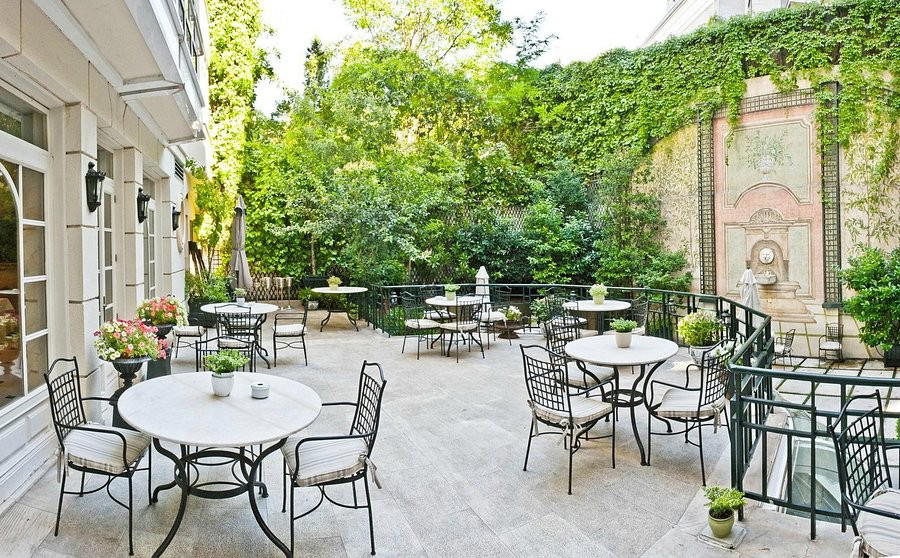
Lush green terrace with plants creating a relaxed bohemian atmosphere, heaters for year-round comfort, and eclectic furniture blending sun and shade areas.
Know Before You Go
- Getting there
- C. de Barceló, 6, 4ª planta, Centro, 28004 Madrid, Spain