Vietnámigulyás serves Vietnamese-Hungarian Fusion with Vietnamese gulyash, beef tartar, and mango salad, plus craft cocktails for lunch or dinner.
Pearl is the En Primeur Club membership app — saves, bookings, and concierge access live there. Same editors, same standards.
- Address
- Budapest, Frankel Leó út 10, 1027 Hungary
- Phone
- +36705362397
- Website
- vietnamigulyas.hu
- Directions
- Get directions
 Saves & bookings on Pearl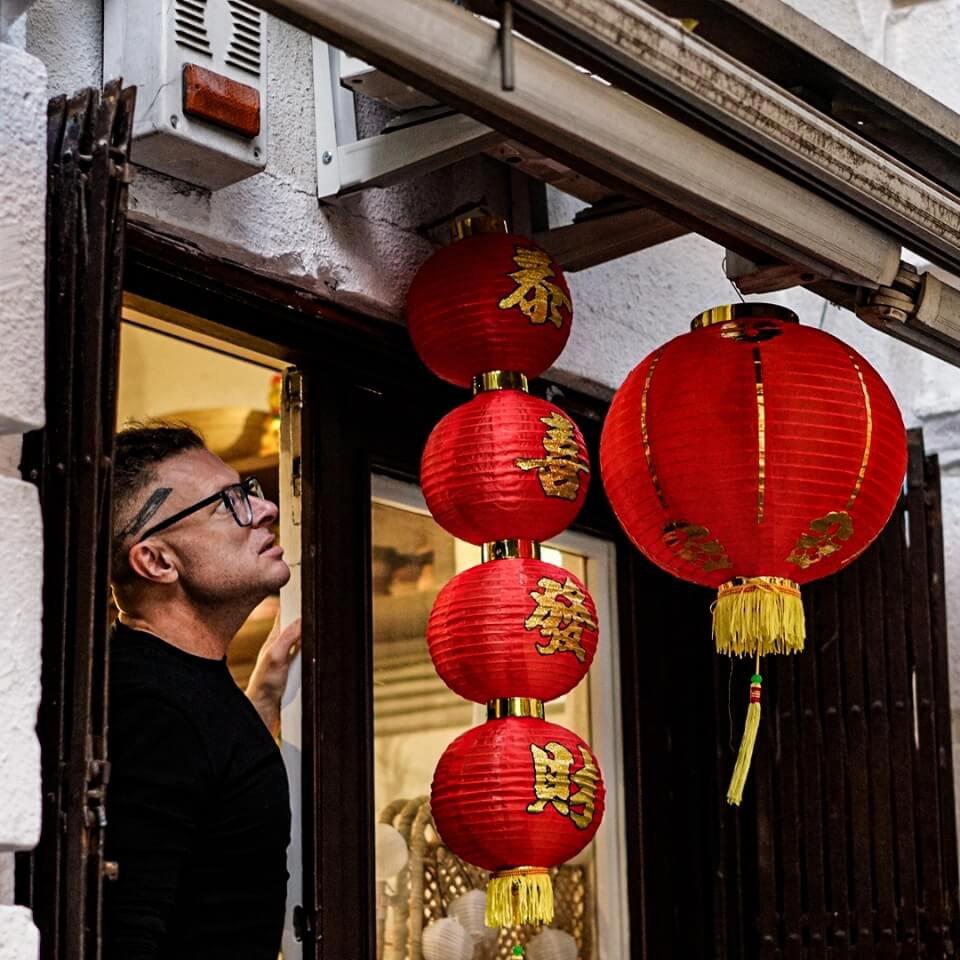
Vietnámigulyás is a Vietnamese-Hungarian Fusion restaurant in Budapest's II. district, at Frankel Leó út 10. It is priced at about $25 per person.
Frankel Leó út runs along the Buda bank of the Danube, a quieter stretch of the city where thermal bath culture, residential apartment blocks, and neighbourhood restaurants share the same unhurried rhythm. It is on this street that Vietnámigulyás operates, a name that compresses an entire cross-cultural argument into a single compound word: vietnámi (Vietnamese) plus gulyás (goulash, Hungary's defining meat stew). The collision is not arbitrary. Budapest has one of the largest Vietnamese diaspora communities in Central Europe, a legacy of labour migration programmes during the socialist era that brought thousands of Vietnamese workers to Hungary from the 1980s onward. The restaurants that grew from that community occupy a distinct tier in the city's eating culture, neither tourist-facing nor absorbed into the fine-dining conversation, but threading quietly through everyday neighbourhood life.
The Cultural Architecture Behind the Name
To understand what Vietnámigulyás signals, it helps to understand what Vietnamese food means in Budapest specifically. In cities like Paris or London, Vietnamese restaurants compete inside a dense, cosmopolitan immigrant food market. In Budapest, the Vietnamese community established itself early enough and cohesively enough that its food became genuinely local over decades. The Józsefváros district, anchored by the sprawling KGST market, has long been the visible centre of that community, but Vietnamese-run kitchens have spread well beyond that zone. The name Vietnámigulyás suggests something more pointed than simple fusion: it frames Vietnamese cooking as a legitimate participant in the Hungarian culinary conversation, not an exotic add-on to it.
That framing matters when you place this restaurant against the wider Budapest dining scene. The city's most-discussed restaurants, from Costes (€€€€ · Modern Cuisine) and Stand (€€€€ · Modern Cuisine) to Babel (€€€€ · Modern Cuisine) and Borkonyha Winekitchen (€€€ · Modern Cuisine), draw their identity from Central European tradition or its modern reinterpretation. essência (€€€€ · Modern Cuisine) works a different Portuguese-inflected angle. Vietnámigulyás sits outside all of those reference points, in a category that is less about prestige signalling and more about the way a city's food culture actually absorbs and reflects its population over time.
The Diaspora Restaurant as Cultural Record
Diaspora kitchens in Central Europe carry a particular documentary weight. They were often the first places where ingredients unavailable in the state-run food system of the 1980s appeared: fresh herbs, fermented condiments, rice-based preparations that had no local equivalent. Long after those scarcity conditions ended, the restaurants that served that food became neighbourhood anchors, places where regulars ate weekly and where the food remained honest because the clientele demanded it rather than because a publicist required it.
Vietnamese cuisine itself rewards that kind of sustained, unpretentious delivery. Its structural logic, balancing fresh aromatics against slow-cooked depth, acid against richness, herb volume against minimal fat, is one that travels well across climate and culture. Pho, for instance, depends on long bone broth and precise seasoning, not on rare local ingredients. Bún bò Huế carries a different register, spicier and more assertive, representative of central Vietnamese cooking rather than the Hanoi or Saigon poles that most Western diners know first. The question for any Vietnamese restaurant operating far from its source culture is whether it maintains that internal differentiation or collapses everything into a single generalised register for ease. The better restaurants in Budapest's Vietnamese community have consistently resisted that collapse.
Neighbourhood Placement and What It Tells You
The Frankel Leó út address places Vietnámigulyás in the II. district, on the Buda side, a location that diverges from the Pest-heavy concentration of Vietnamese-run businesses. This is a residential, bath-district neighbourhood where the dining pattern leans local. Restaurants here serve people who live nearby, not tourists working through a sightseeing checklist. That placement is an editorial signal in itself: a restaurant at this address is not optimising for foot traffic from the Chain Bridge or the Parliament. It is operating on the assumption that its food is reason enough to cross the river.
Elsewhere in Hungary, the same principle applies to other regional restaurants worth tracking. Platán Gourmet in Tata and Pajta in Őriszentpéter both operate at a remove from urban dining circuits, relying on cooking quality rather than location advantage. The same logic holds for Aranysárkány Vendéglő in Szentendre and BoriMami in Gyöngyös, each of which draws visitors from well outside their immediate area on the strength of what arrives at the table. The pattern across Hungary is consistent: serious neighbourhood cooking earns its own gravity.
Comparing Registers: What Vietnamese Cooking Does That Hungarian Tradition Doesn't
Hungarian cuisine, from goulash to halászlé to lángos, tends toward fat, paprika, and slow-cooked body. It is winter food in its structural logic, built for cold weather and physical labour. Vietnamese cooking operates on an almost opposite axis: herb-forward, broth-precise, textural rather than heavy. The gap between the two traditions is not just culinary but climatic and agricultural, reflecting entirely different relationships to heat, fermentation, and the role of fresh produce. The name Vietnámigulyás presses those two poles together, which is either a provocation or a genuine synthesis depending on what arrives at the table.
Internationally, the conversation about diaspora cuisines intersecting with local culinary tradition has produced some of the more interesting restaurants of the past decade. Atomix in New York City represents one high-end version of Korean cuisine recontextualised for a non-Korean audience, while Le Bernardin in New York City has long demonstrated how a non-American tradition (in that case, French seafood technique) can become so thoroughly embedded in a city's dining culture that it eventually defines a tier of that culture. Vietnámigulyás operates at a far more local and accessible scale, but the underlying dynamic, a cuisine finding its place inside a host city's food identity, is the same.
For visitors building a broader Hungarian itinerary, it is worth noting that cross-cultural cooking appears in regional contexts too. Classic Grill Serbian Restaurant Underground in Szeged, Forst-Ház Étterem és Kávézó in Eger, and Halasi Pince Panzió in Villány each reflect the way Hungary's regional geography and border histories have layered different culinary influences into local cooking. Astro Tea & Kávéház in Gyor, La Pizza Del Lupo in Onga, and Almalomb in Hosszúhetény round out a picture of Hungarian regional dining that is considerably more diverse than the paprika-and-pork shorthand suggests.
Credentials Lens
Comparable venues nearby, for context on price, style, and recognition.
| Venue | Cuisine | Price | Notes |
|---|---|---|---|
| VietnámigulyásThis venue — the venue you are viewing | Vietnamese-Hungarian Fusion | $$ | Not listed |
| Elysée Bistro & Café | Hungarian-French Fusion Bistro | $$ | Kossuth Square, Central Budapest |
| Elysian Budapest | Sustainable Fusion Cocktails | $$ | Terézváros |
| Cafe Vian Gozsdu Udvar | Traditional Hungarian Bistro | $$ | Belvaros |
| Dunapark | Hungarian Cafe with International Influences | $$ | Újlipótváros |
| The Gangnam | Authentic Korean BBQ | $$ | Varhegy |
Continue exploring
More in Budapest
Restaurants in Budapest
Browse all →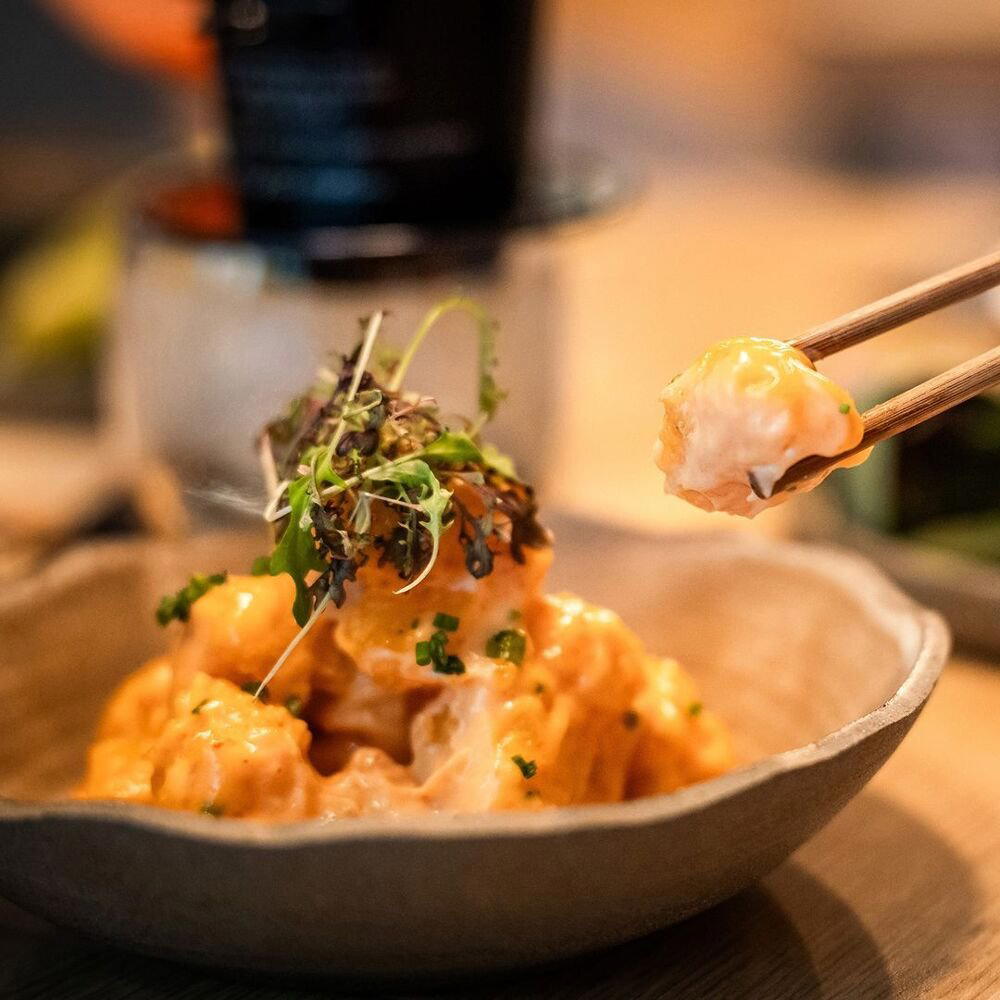
Bars in Budapest
Browse all →
Hotels in Budapest
Browse all →

At a Glance
- Cozy
- Casual Hangout
- Date Night
- Craft Cocktails
Current opening hours
- Monday
- Closed
- Tuesday
- 6–10 PM
- Wednesday
- 12–3 PM, 6–10 PM
- Thursday
- 12–3 PM, 6–10 PM
- Friday
- 12–3 PM, 6–10 PM
- Saturday
- 12–3 PM, 6–10 PM
- Sunday
- 12–4 PM
Hours can change for holidays and private events. Last verified .
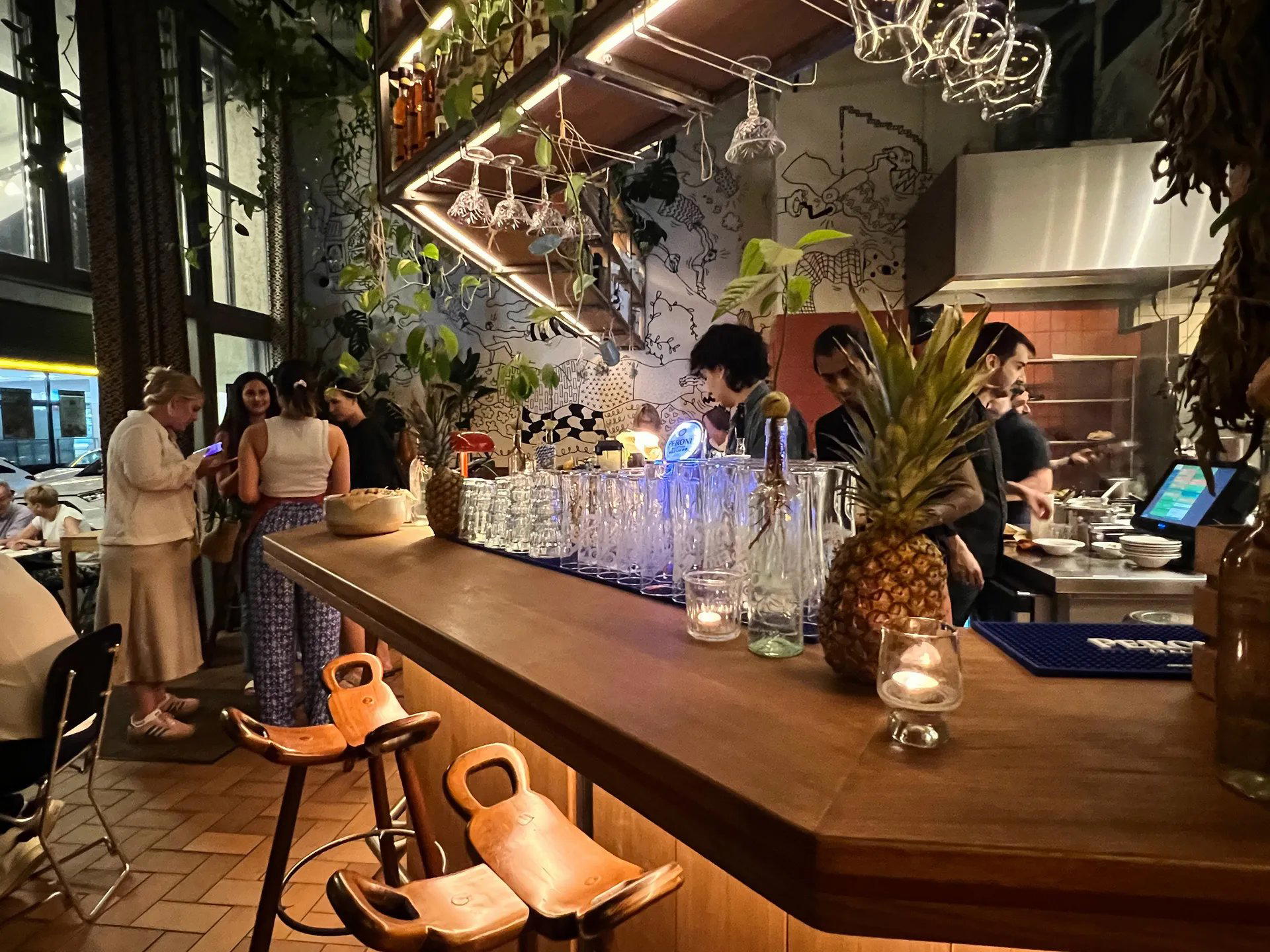
Laid-back atmosphere with a cozy, modest setup.