Our verdict
On Akácfa utca in Budapest's VII. district, Elysian Budapest occupies a stretch of the city where ruin bars and mid-century apartment blocks share the same block. The address places it inside one of the capital's most active dining corridors, where ingredient-driven cooking has moved from novelty to expectation. For visitors tracking how Budapest's modern dining scene sources and interprets Hungarian produce, Elysian is a relevant stop.

Pearl is the En Primeur Club membership app, where members save venues, book tables and use the concierge.

Where Akácfa utca Meets Serious Cooking
Budapest's VII. district has been in a state of productive tension for two decades: the same streets that gave the world the ruin bar format have quietly accumulated some of the city's more considered dining addresses. Akácfa utca 38, where Elysian Budapest sits, is part of that second wave. The neighbourhood around it is dense and unshowy, worn stucco facades, inner courtyards hidden behind heavy wooden gates, tram lines cutting through on Erzsébet körút a short walk south. What arrives at table in rooms like this tends to carry more weight than what happens in the purpose-built gloss of a hotel dining room, because the neighbourhood itself demands a kind of authenticity the address cannot fake.
Budapest's modern dining tier has expanded considerably since Costes became Hungary's first Michelin-starred restaurant in 2010, opening the question of whether serious fine dining could take root in a city still better known internationally for goulash and thermal baths. The answer, over the following fifteen years, has been an unambiguous yes, with Stand, Babel, and Borkonyha Winekitchen all holding Michelin recognition and a broader cohort of technically accomplished kitchens operating just below that line. Elysian Budapest operates in a city where the reference points for ingredient-led cooking are no longer aspirational but established.
The Sourcing Question in Hungarian Fine Dining
Across Central Europe, the most interesting cooking of the past decade has been defined less by technique and more by where kitchens look for their raw material. In Hungary specifically, the question of provenance has sharpened: a country with serious agricultural diversity, the Balaton wine region, the Tokaj highlands, the Great Plain's grassland-grazed cattle and heritage grain producers, offers a sourcing palette that the generation of chefs now running Budapest's better kitchens has learned to use with considerably more precision than their predecessors.
That shift is visible across the capital's modern cuisine tier. essência works within a Portuguese-Hungarian intersection, while Borkonyha has built its reputation explicitly around Hungarian wine pairing as the organising principle of the meal. The sourcing logic extends beyond Budapest, too: properties like Sauska 48 in Villány and Pajta in Őriszentpéter have built their entire proposition around direct access to regional produce, while Platán Gourmet in Tata and Hosszú Tányér in Hosszúhetény demonstrate that the serious cooking conversation in Hungary is not exclusively a Budapest conversation. Elysian Budapest enters this context as an address committed to what the Erzsébetváros neighbourhood expects from its better kitchens: sourcing that is legible, not decorative.
Reading the VII. District's Dining Character
The ruin bar association runs deep in how international visitors understand the VII. district, but the neighbourhood's dining character has diversified substantially. The blocks between Erzsébet körút and Király utca now hold a cross-section of formats: neighbourhood bisztró-style cooking at accessible price points, wine bars with serious cellar depth, and a smaller number of kitchens operating at the higher end of the modern cuisine register. What they share, more than any single style, is a tendency toward directness, fewer white-tablecloth formalities, more emphasis on what is actually on the plate.
That directness has parallels in how other cities have reframed their premium dining cultures. In San Francisco, Lazy Bear built its reputation around a format that stripped away conventional restaurant ceremony to focus on kitchen craft. In New York, Le Bernardin has always let the sourcing speak loudest, with protein provenance as the clearest signal of quality. Budapest's better kitchens are now operating with a similar logic, where the origin of an ingredient carries more editorial weight at the table than the technical flourish applied to it.
Beyond the Capital: Hungary's Regional Table
For visitors using Budapest as a base, the surrounding region repays attention. The Lake Balaton shore has produced a cluster of ingredient-focused addresses, including Petrányi Csopak in Csopak and Kővirág in Köveskál, where proximity to the lake's fishing grounds and the Balaton Uplands wine country gives kitchens a sourcing advantage that urban addresses have to work harder to replicate. The Danube Bend town of Szentendre, accessible by HÉV suburban rail from Budapest's Batthyány tér in under an hour, is home to Teyföl, a smaller operation with local dairy sourcing at its centre.
Further afield, Old Kőrössy Fish Restaurant in Szegedin and Botanica in Dánszentmiklós represent the outer range of what a Hungary-focused dining itinerary can cover, while Öreg Prés in Mór works within the Mór wine region's white wine tradition. For a structured overview of where Elysian Budapest sits within the capital's full dining picture, our full Budapest restaurants guide maps the relevant tiers and neighbourhoods.
Planning Your Visit
Elysian Budapest is located at Akácfa utca 38 in the VII. district, within walking distance of the Keleti pályaudvar metro interchange and the Blaha Lujza tér junction where lines M2 and multiple tram routes converge. The neighbourhood is most active from early evening onward, with the dinner window from 19:00 typically the period when the VII. district's better kitchens are operating at full capacity. Booking ahead is advisable for weekend sittings, as the addresses in this tier of the Budapest market fill quickly, particularly between May and October when the city's visitor numbers run highest. Comparable kitchens at the €€€€ tier in Budapest, such as Babel and Stand, typically recommend reservations two to four weeks in advance for prime sittings.
Frequently asked questions
at Elysian Budapest?
The kitchen at Elysian Budapest operates within Budapest's modern cuisine tier, where the strongest dishes tend to be those that make Hungarian ingredient sourcing most legible, proteins from regional producers, seasonal vegetables from the Hungarian lowlands, and preparations that frame provenance rather than obscure it. In kitchens at this level across the capital, the tasting menu format generally gives the clearest view of what the kitchen does leading, as it sequences sourcing decisions across multiple courses. Ask the service team which dishes reflect the current season's regional suppliers.
Should I book Elysian Budapest in advance?
Budapest's €€€€ modern cuisine tier fills predictably, especially during the spring-to-autumn high season when the city draws significant international visitors alongside its domestic dining audience. The VII. district location on Akácfa utca also means Elysian competes for tables in one of the capital's most active evening neighbourhoods, where walk-in availability at better kitchens is limited. Booking at least two weeks ahead for weekend sittings is a reasonable baseline, with more lead time advisable around public holidays and the peak summer months of July and August.
How does Elysian Budapest fit into the VII. district's dining scene compared to Budapest's Michelin-recognised restaurants?
The VII. district has positioned itself as one of Budapest's most active dining corridors, sitting a tier below the city's Michelin-starred addresses in terms of formality but not necessarily in terms of sourcing ambition. While the starred kitchens, including Costes and Borkonyha Winekitchen, set the benchmark for Hungarian modern cuisine in an international context, addresses like Elysian Budapest operate in a neighbourhood format that prioritises directness and ingredient transparency over ceremony. For diners building a Budapest itinerary that covers multiple price points and styles, the VII. district is a logical complement to the city's more formally recognised restaurants.
Where the Accolades Land
Comparable venues nearby, for context on price, style, and recognition.
| Venue | Cuisine | Price | Notes |
|---|---|---|---|
| Elysian BudapestThis venue (the venue you are viewing) | Sustainable Fusion Cocktails | $20–30 | Not listed |
| Vietnámigulyás | Vietnamese-Hungarian Fusion | $20–30 | Rozsadomb |
| Maia | Modern Mexican Fusion | $20–30 | Varhegy |
| Parasztkonyha Restaurant | Traditional Hungarian Peasant Cuisine | $20–30 | Varhegy |
| Mazel Tov | Modern Middle Eastern Mezze | $20–30 | Terézváros |
| Baraka Restaurant | French-Asian Fine Dining | $50–100 | Varhegy |
Continue exploring
More in Budapest
Restaurants in Budapest
All restaurants in Budapest →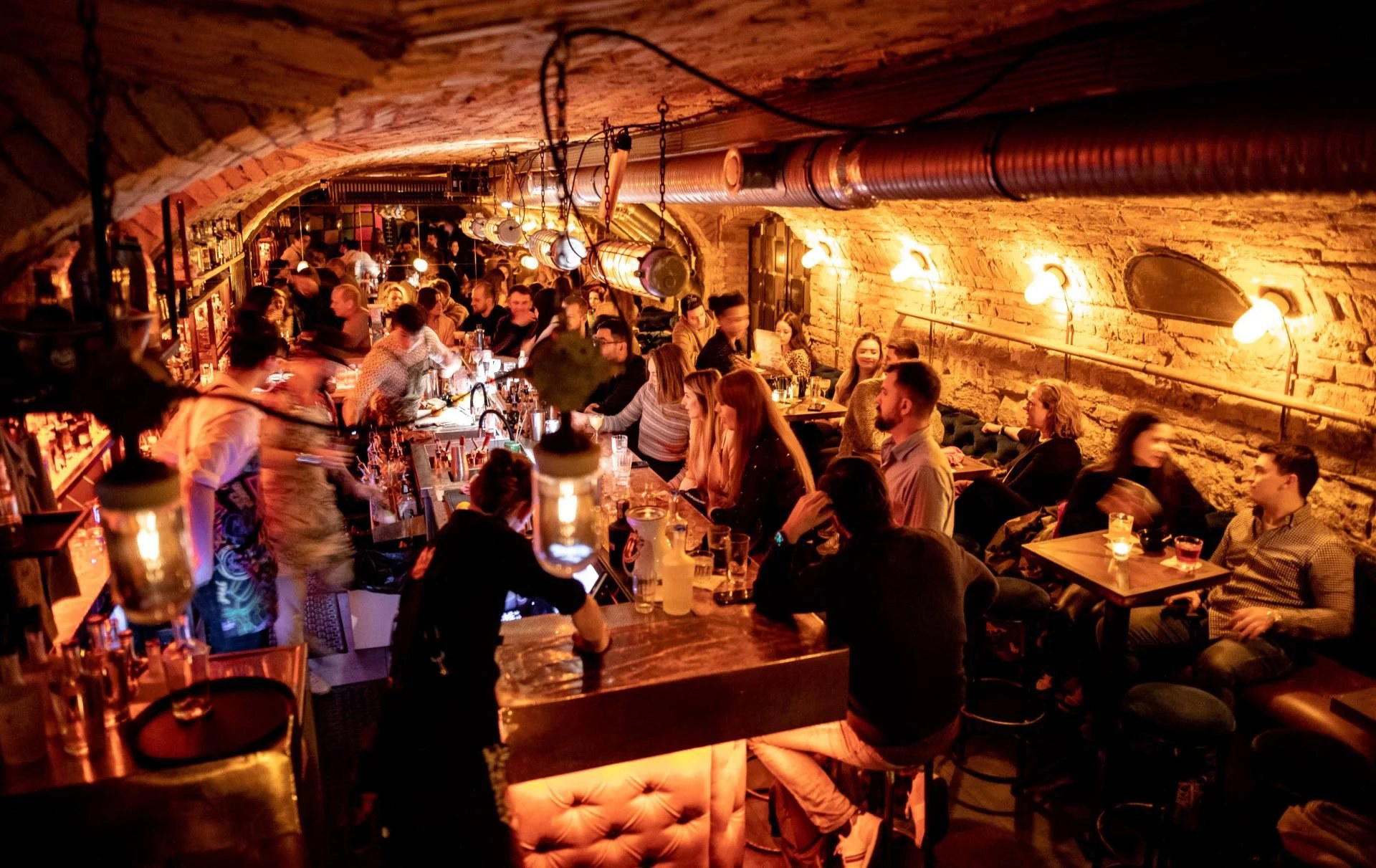
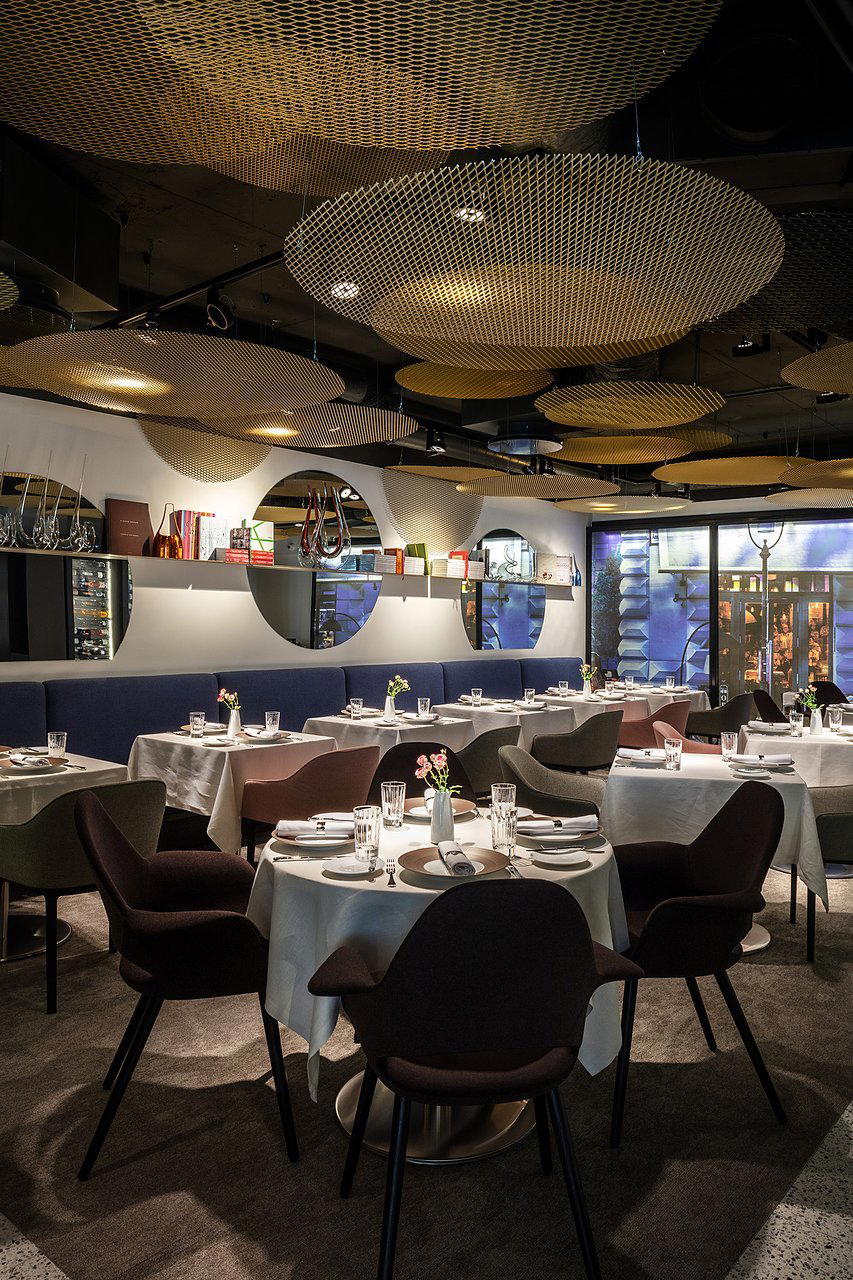
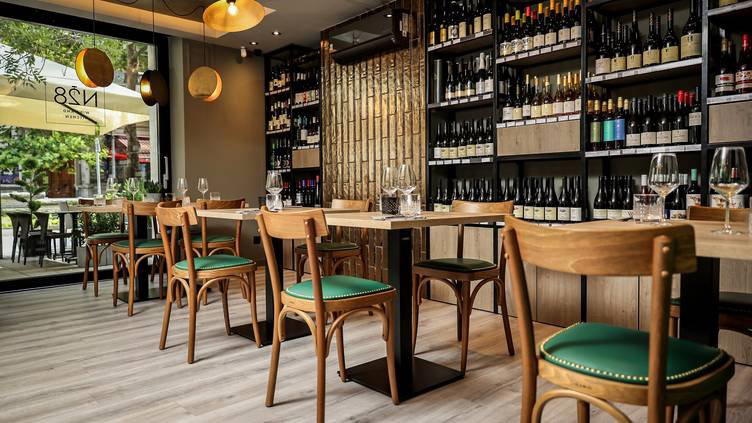
Bars in Budapest
All bars in Budapest →

Details
- Cozy
- Trendy
- Intimate
- Modern
- Date Night
- Casual Hangout
- Open Kitchen
- Craft Cocktails
- Natural Wine
- Local Sourcing
- Zero Waste
- Small Plates
- Craft Cocktails
- Vegetarian Friendly
Current opening hours
- Monday
- 6 PM–12 AM
- Tuesday
- 6 PM–12 AM
- Wednesday
- 6 PM–12 AM
- Thursday
- 6 PM–12 AM
- Friday
- 6 PM–12 AM
- Saturday
- 6 PM–12 AM
- Sunday
- 6 PM–12 AM
Hours can change for holidays and private events. Hours as of .
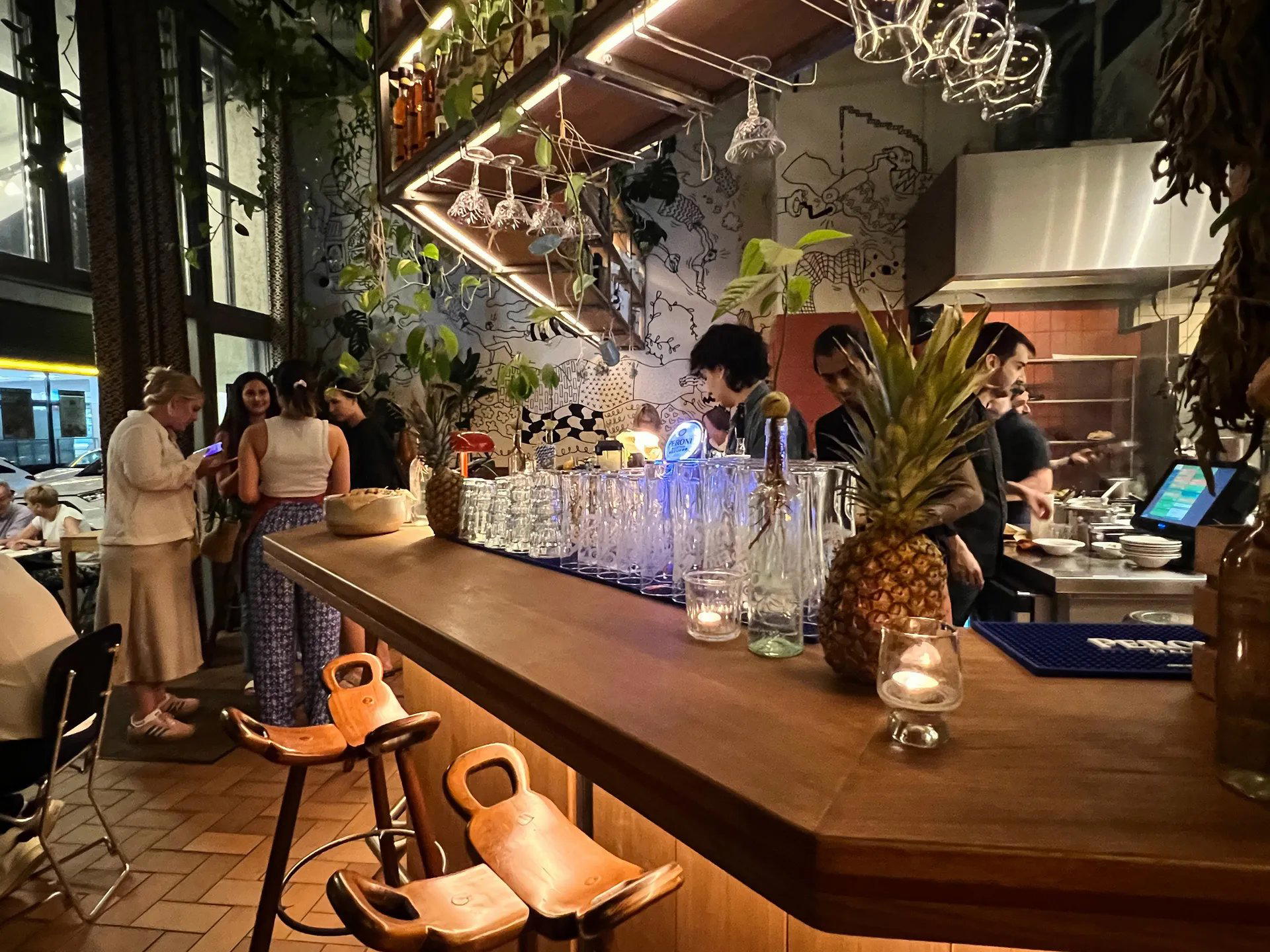
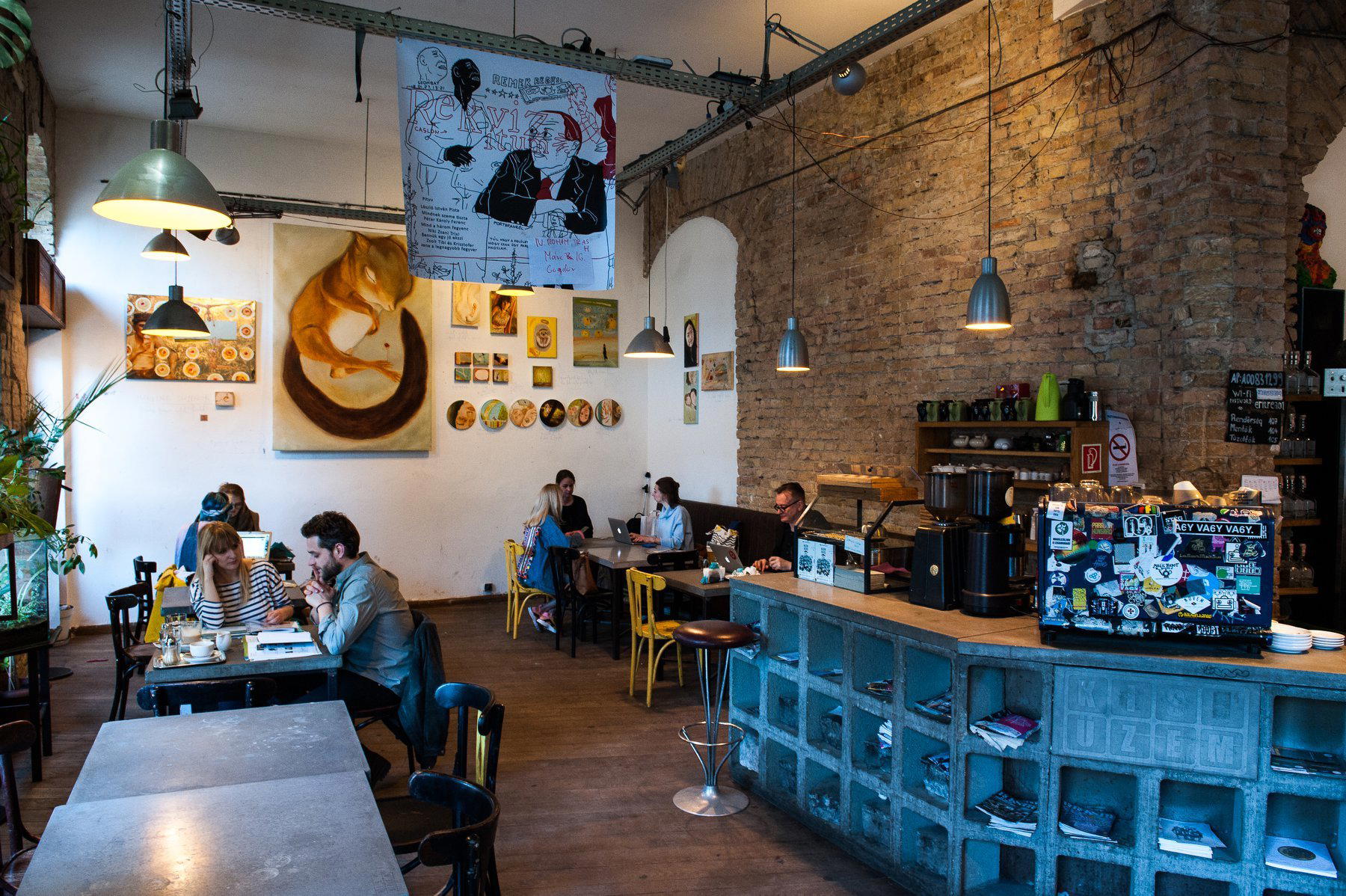
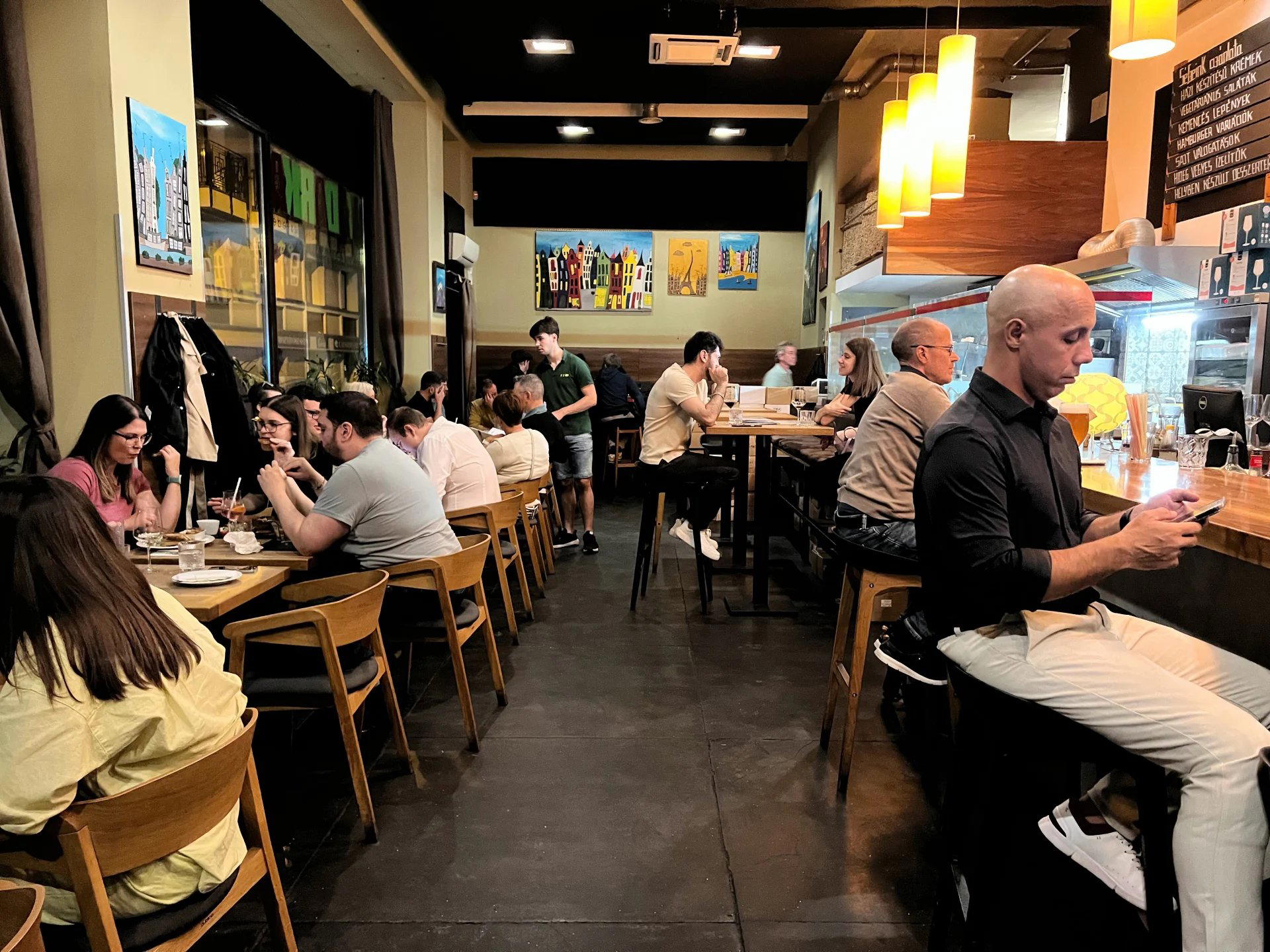
Cozy and welcoming with an open bar design, smooth music, friendly service, and an elegant yet approachable atmosphere.