On Pozsonyi út in Budapest's XIII. district, Dunapark occupies a stretch of the city where neighbourhood character still outweighs tourist polish. The address places it within walking distance of the Danube embankment, in a residential corridor that has quietly become one of the more interesting dining pockets on the Pest side. For travellers who read sustainability signals into where a restaurant chooses to root itself, the location is already a statement.
Pearl is the En Primeur Club membership app — saves, bookings, and concierge access live there. Same editors, same standards.
- Address
- Budapest, Pozsonyi út 38, 1137 Hungary
- Phone
- +3617861009
- Website
- dunaparkkavehaz.com
- Directions
- Get directions
 Saves & bookings on Pearl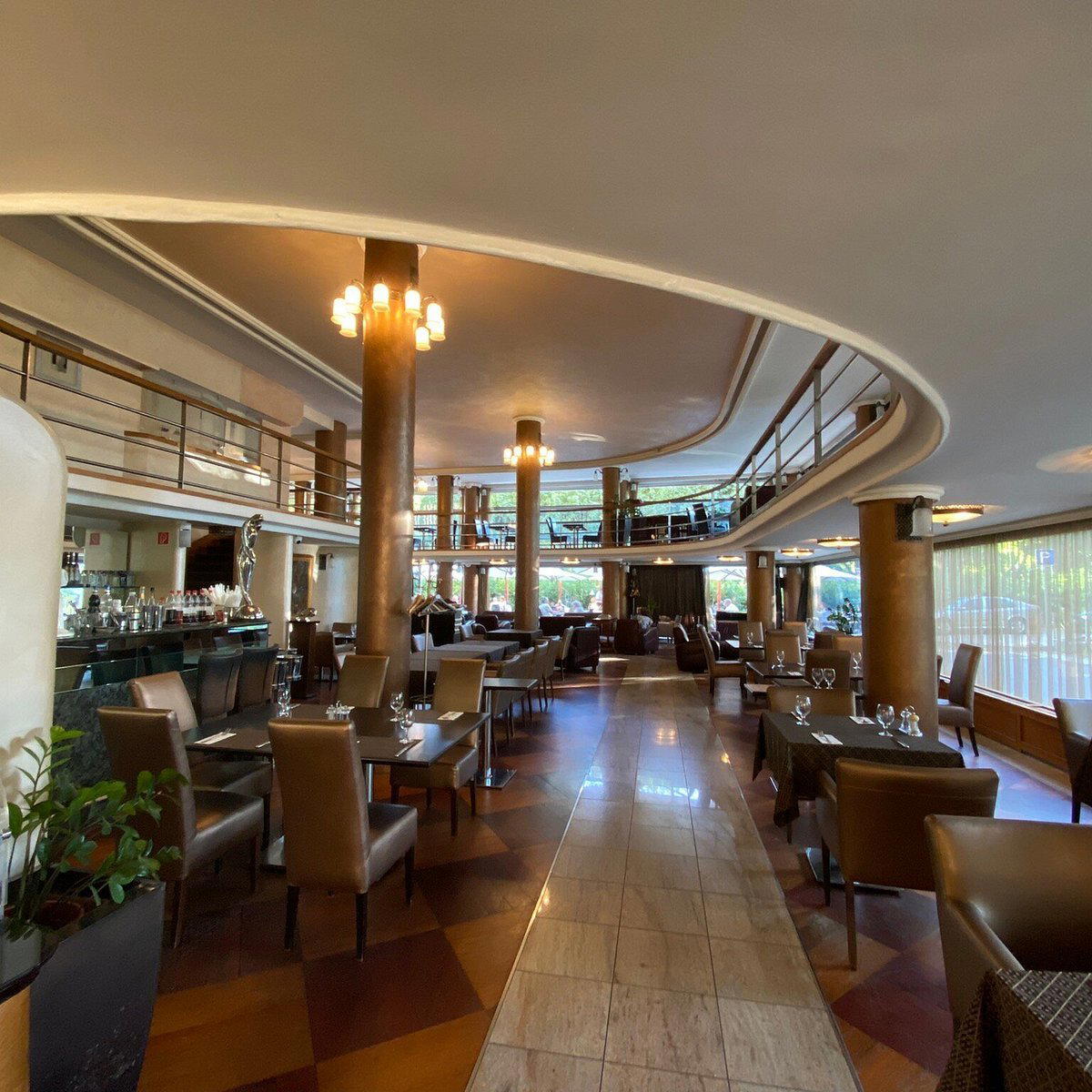
A Corner of Budapest That Still Belongs to Its Neighbourhood
Pozsonyi út runs through the XIII. district like a seam between two versions of Budapest: the grand-boulevard city of tourists and the quieter, denser residential city that locals actually inhabit. The street is lined with pre-war apartment buildings, small food shops, and the kind of café terraces that fill in spring without any particular announcement. Dunapark sits at number 38, which puts it firmly in the latter version of the city. There is no queue of tour groups outside, no signage designed to catch passing trade from across a square. Dunapark is a restaurant at Budapest, Pozsonyi út 38, 1137 Hungary, serving Hungarian cafe fare with international influences. The address communicates something before you have even opened the door.
In Budapest, the question of where a restaurant chooses to operate is increasingly tied to broader questions about sourcing, community, and what a dining room owes its immediate surroundings. The XIII. district has attracted a cluster of operators who are less interested in proximity to the Chain Bridge photo opportunity and more interested in the kind of regulars who return mid-week. That is a different kind of ambition, and it tends to correlate with a different relationship to ingredients, supply chains, and waste.
Sustainability as Operating Logic, Not Branding
Across Hungarian fine and mid-tier dining, a shift has been underway for the better part of a decade. The country's agricultural geography makes a strong case for locality: the Great Plain produces notable grain, pork, and poultry; the lake regions around Balaton supply freshwater fish; and the wine regions of Villány, Eger, and Tokaj offer serious pairings without requiring a single import. Restaurants that build their identity around these supply chains are not making a marketing choice so much as a structural one. When the ingredient list begins and ends within a few hundred kilometres, the kitchen's relationship to seasonality becomes non-negotiable rather than decorative.
This is the context in which Dunapark operates. The XIII. district address and the neighbourhood-first positioning point toward a set of priorities. In European dining more broadly, the restaurants that have made sustainability a genuine operating condition rather than a section of the website tend to share certain characteristics: shorter menus, more honest pricing across the week, and a willingness to let availability dictate the offer rather than the other way around. The comparison set is not always the nearest Michelin room. Sometimes it is a village restaurant with a kitchen garden, or a wine-country table that serves whatever the harvest allows. For a sense of how that tradition plays out beyond Budapest, Pajta in Őriszentpéter and Hosszú Tányér in Hosszúhetény represent versions of the same logic applied to rural settings. Botanica in Dánszentmiklós takes a similar approach at the edge of the Pilis hills.
Where Dunapark Sits in the Budapest Dining Picture
Budapest's serious dining tier has grown significantly since the mid-2010s. Costes was the city's first Michelin star, and the recognition that followed for Stand, Babel, and Borkonyha Winekitchen established a credible upper tier that now operates with some confidence in its own identity. essência added a Portuguese-Hungarian hybrid register to that conversation. The common thread across those rooms is a willingness to take Hungarian produce seriously at the level of technique and presentation.
Dunapark operates at a different register, one that is more relevant to how most people eat well in a city. The neighbourhood bistro that knows where its vegetables come from and changes the menu when the market changes is a harder format to sustain than a tasting-menu room with fixed covers and a long lead time on bookings. It requires a different kind of discipline. In cities where that format has taken hold, from the natural wine bistros of Lyon's presqu'île to the produce-led neighbourhood rooms of Copenhagen's outer districts, the restaurants that do it seriously tend to attract a loyal mid-week clientele that validates the model over years rather than seasons. For international reference points on what that discipline looks like at its furthest extension, Le Bernardin in New York City and Lazy Bear in San Francisco both demonstrate, in different ways, how a clear sourcing philosophy becomes the structural backbone of an entire programme.
Within Hungary, the farm-to-table and locality-focused conversation extends well beyond Budapest. Platán Gourmet in Tata, Petrányi Csopak in Csopak, Sauska 48 in Villány, Kővirág in Köveskál, Old Kőrössy Fish Restaurant in Szegedin, Teyföl in Szentendre, and Öreg Prés in Mór each represent the regional dimension of what is, taken together, a meaningful shift in how Hungarian restaurants think about the chain from soil to plate. Dunapark's XIII. district address places it in the Budapest chapter of that story.
Planning a Visit
Pozsonyi út 38 is accessible via the M3 metro line (Újpest-Városkapu direction, alighting at Lehel tér) or by tram along the Danube embankment. The XIII. district is a walkable neighbourhood, and the street itself rewards time spent before or after a meal. As with most Budapest neighbourhood restaurants in this format, arriving without a reservation on a weekend evening carries risk; mid-week visits are more reliably accommodating. Checking current availability directly is the practical first step.
Category Peers
Comparable venues nearby, for context on price, style, and recognition.
| Venue | Cuisine | Price | Notes |
|---|---|---|---|
| DunaparkThis venue — the venue you are viewing | Hungarian Cafe with International Influences | $$ | Not listed |
| KIOSK Budapest | Modern Hungarian | $$ | Belvaros |
| Café Vian Liszt Ferenc tér | Traditional Hungarian Bistro | $$ | Terézváros |
| Százéves Étterem | Traditional Hungarian | $$$ | Belvaros |
| Két Szerecsen | Modern Hungarian Bistro | $$ | Terézváros |
| Gléda Vendéglö | Modern Hungarian | $$ | Obuda |
Continue exploring
More in Budapest
Restaurants in Budapest
Browse all →
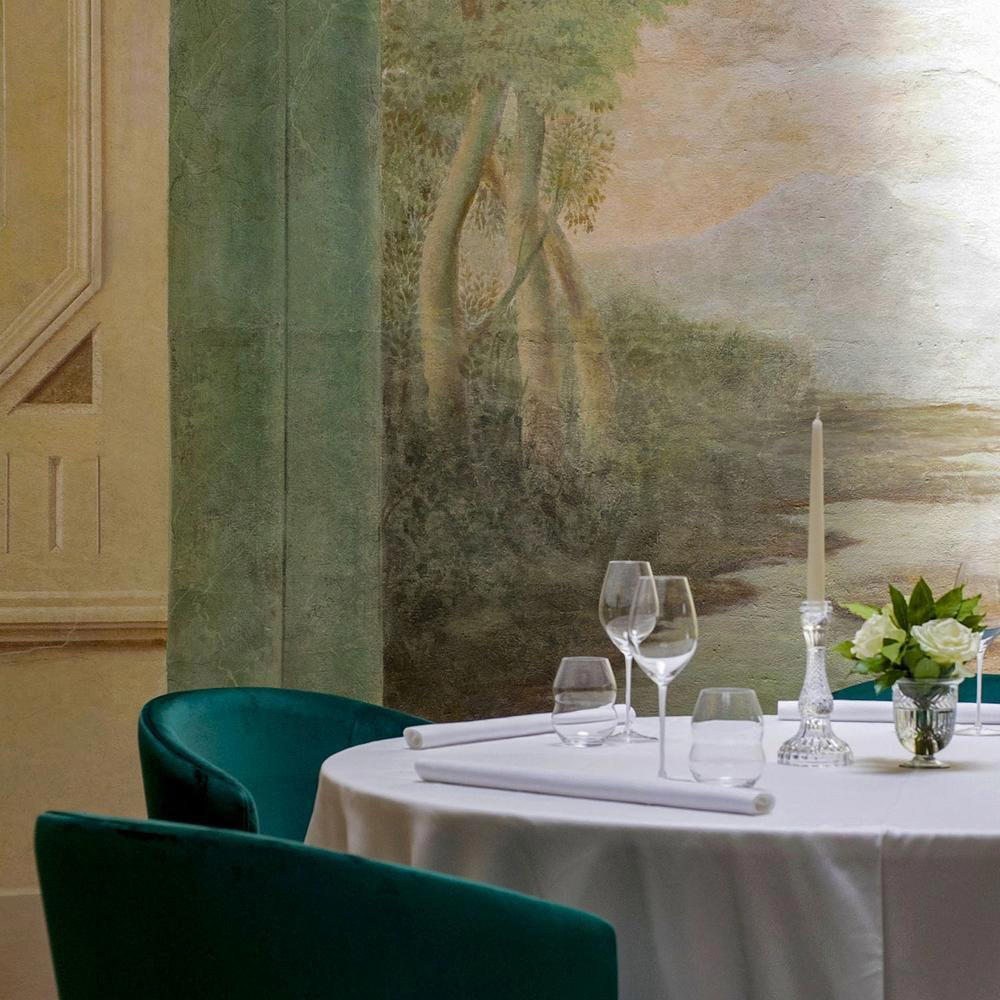
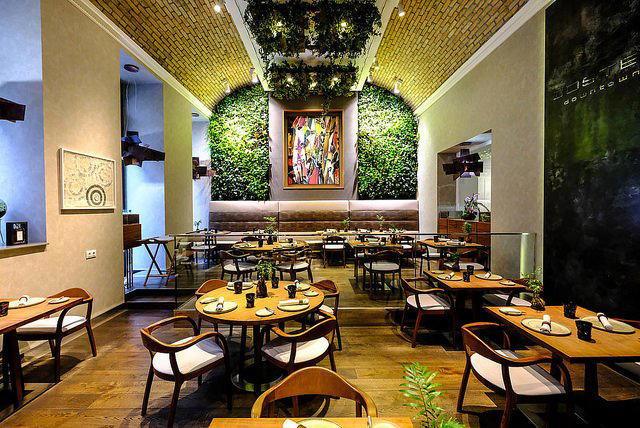
Bars in Budapest
Browse all →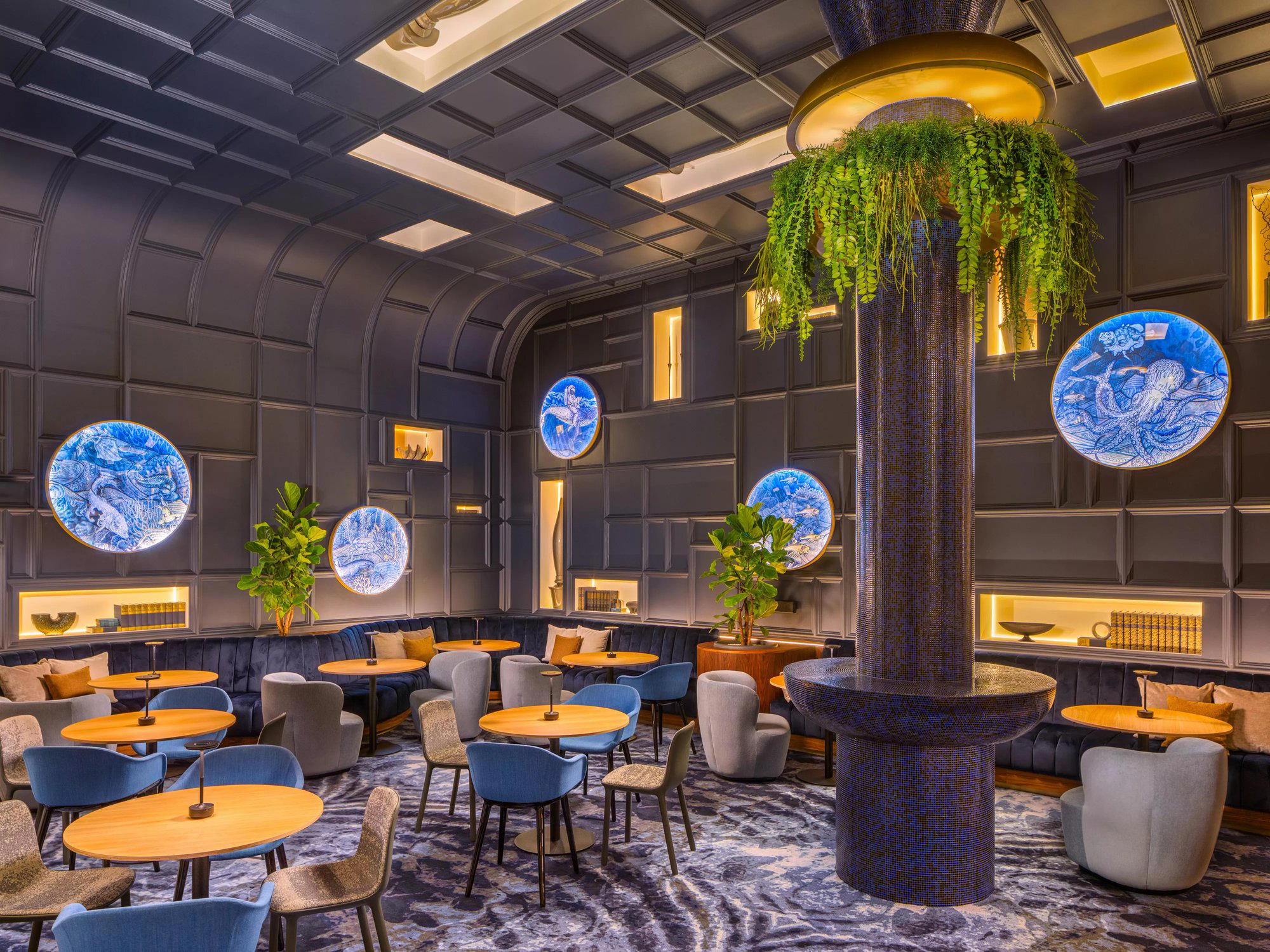
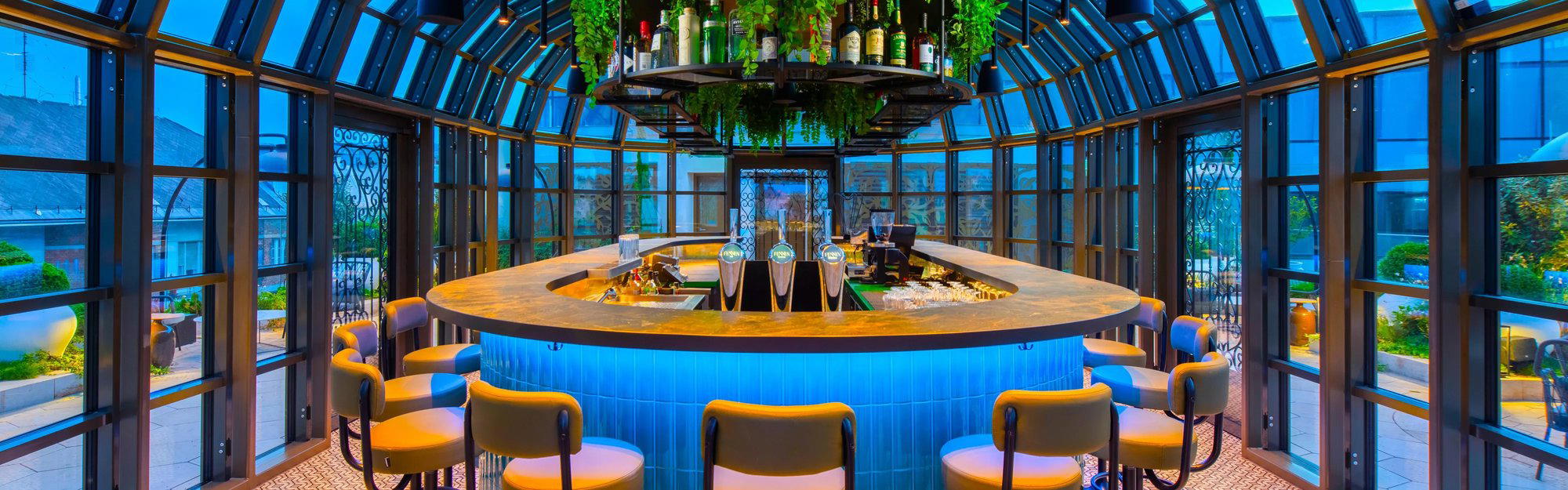
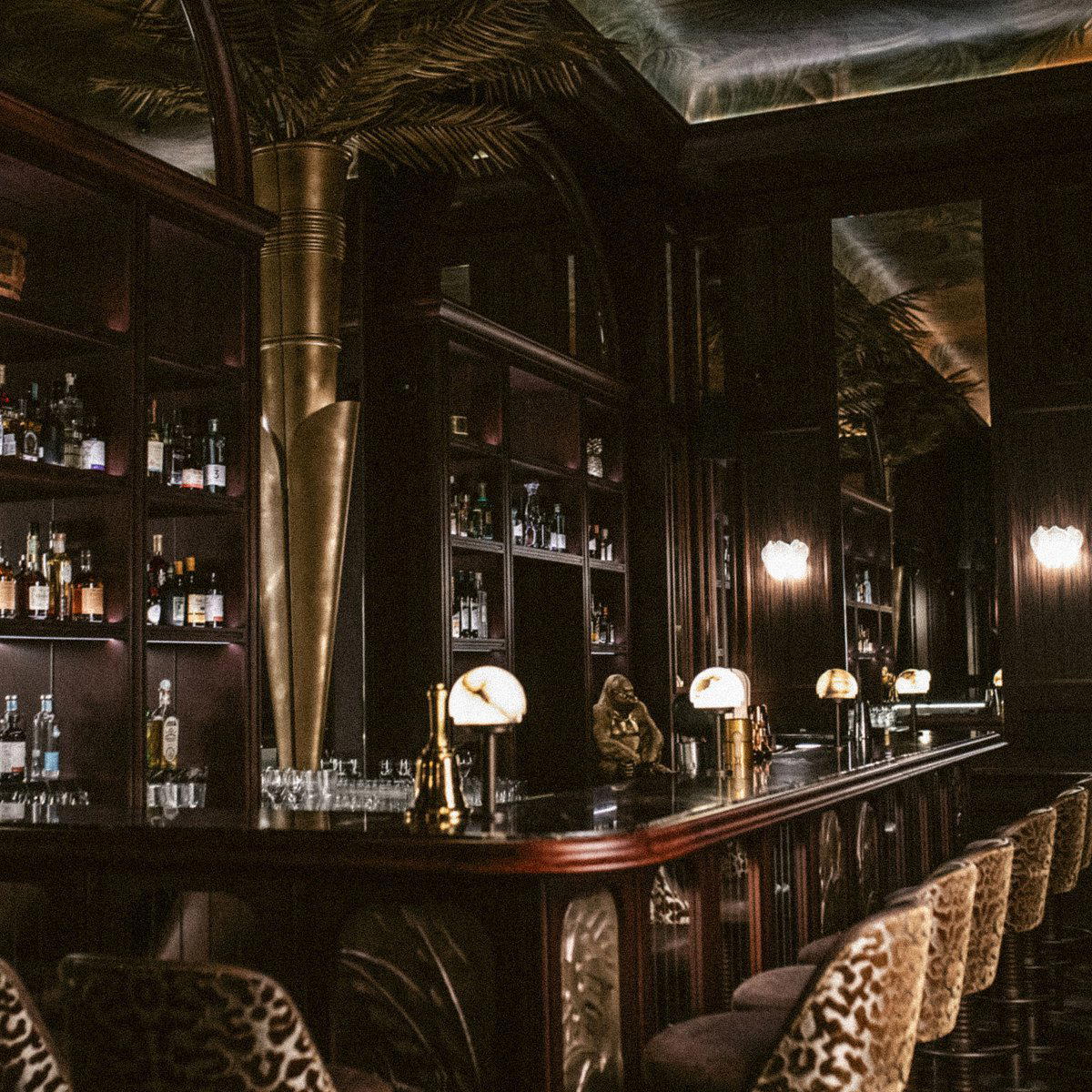
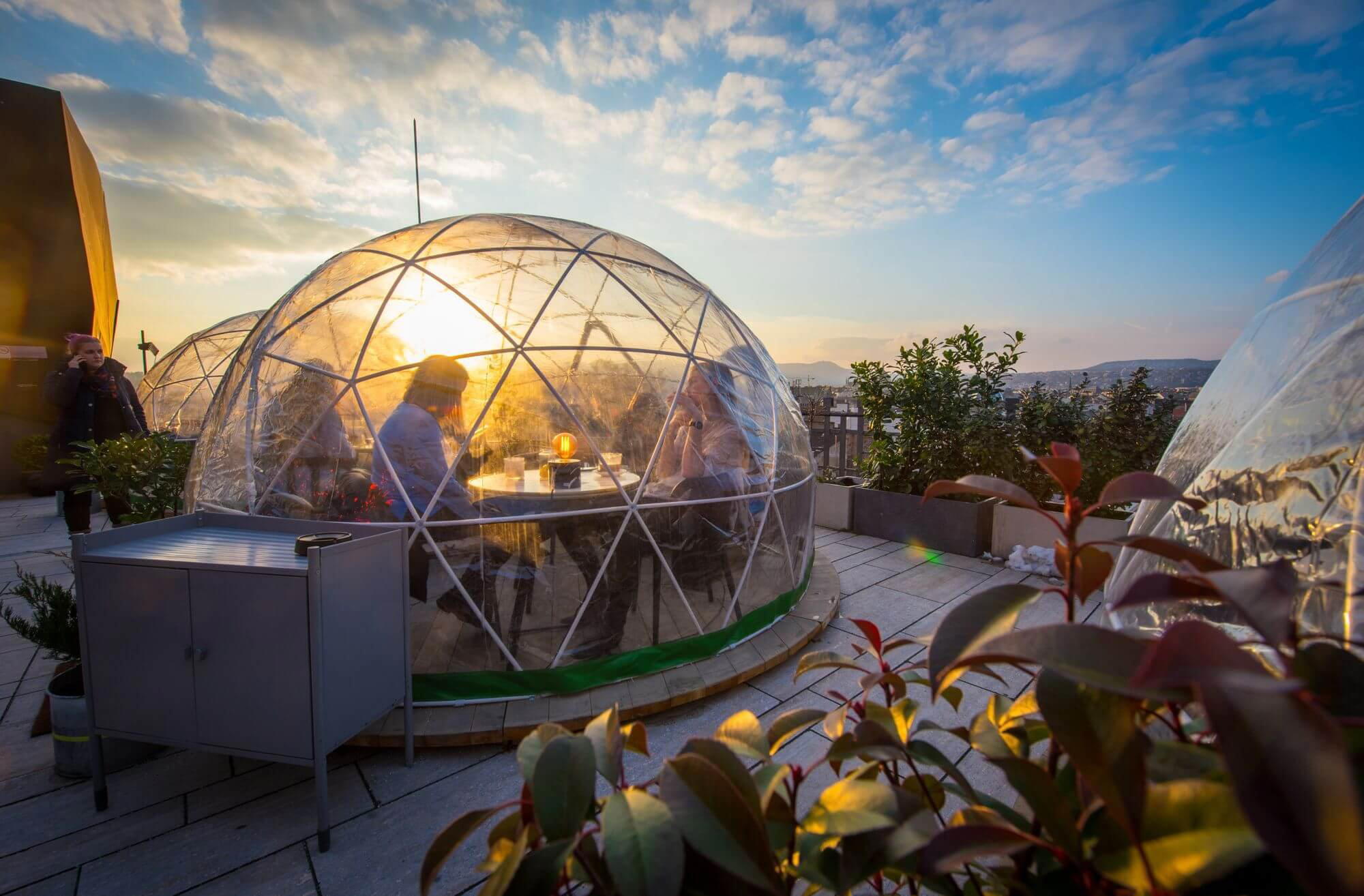
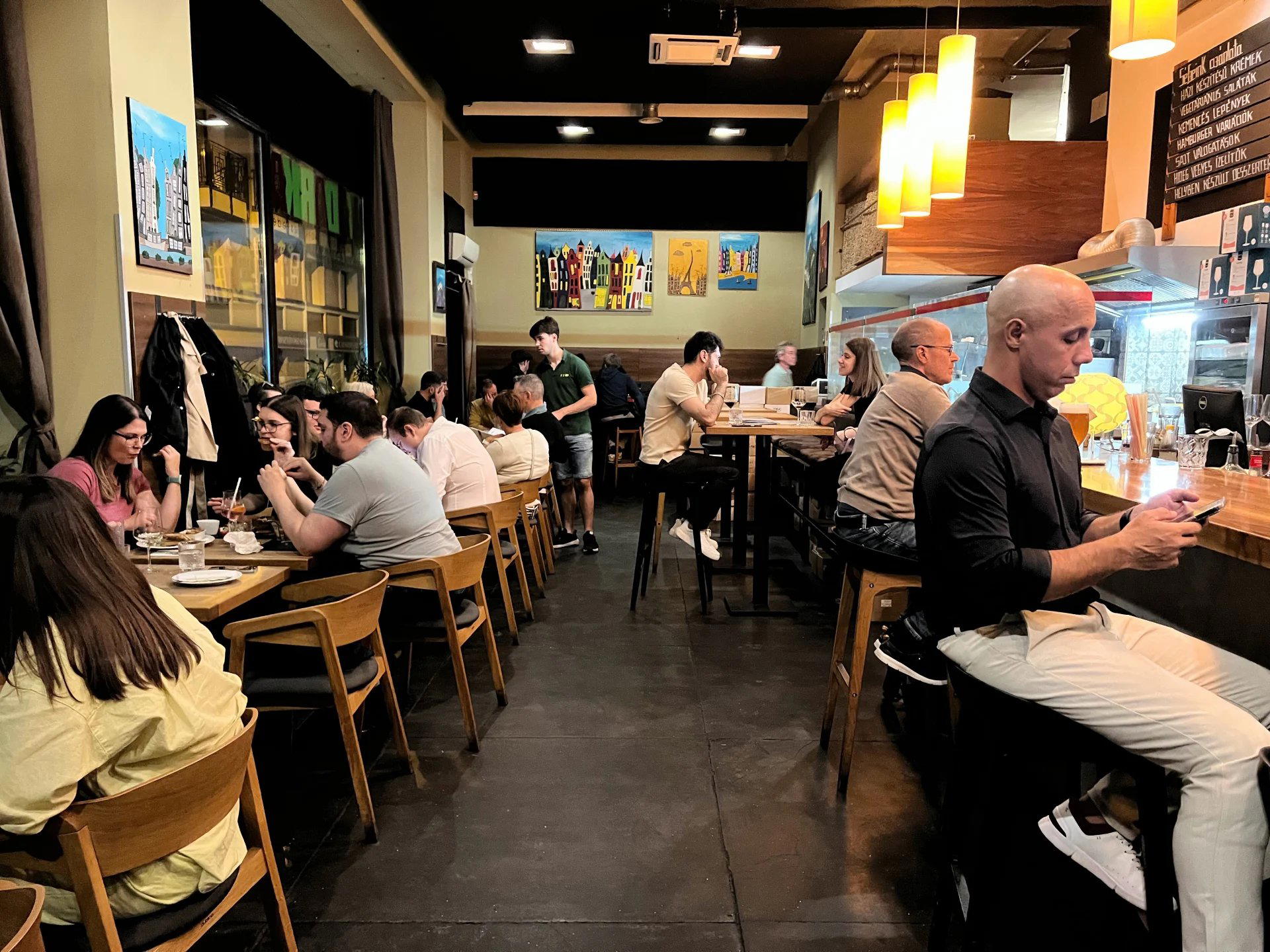
Hotels in Budapest
Browse all →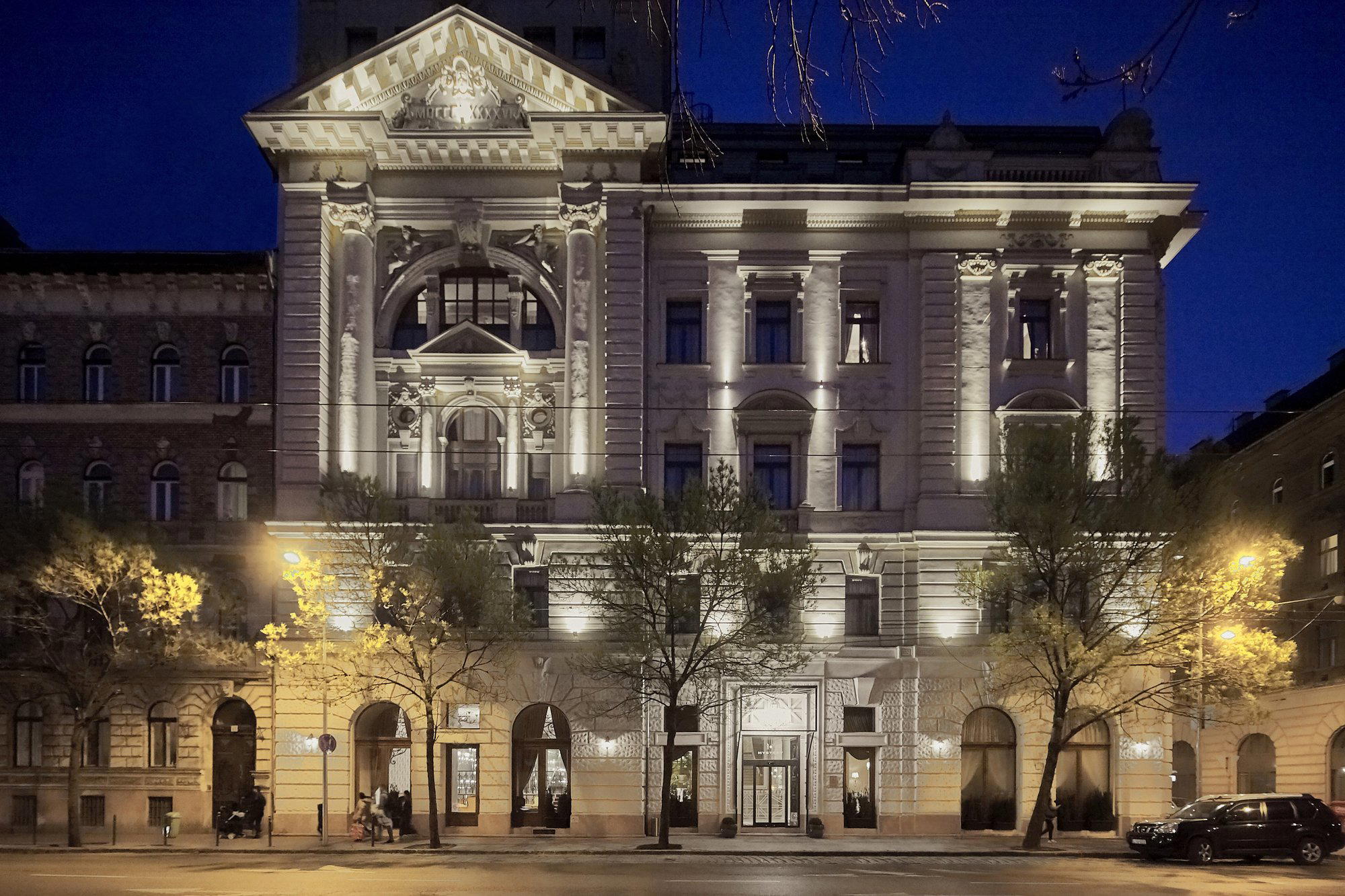

At a Glance
- Classic
- Elegant
- Cozy
- Brunch
- Family
- Casual Hangout
- Live Music
- Terrace
- Historic Building
- Craft Cocktails
- Street Scene
Current opening hours
- Monday
- 9 AM–6 PM
- Tuesday
- 9 AM–6 PM
- Wednesday
- 9 AM–6 PM
- Thursday
- 9 AM–6 PM
- Friday
- 9 AM–6 PM
- Saturday
- 9 AM–6 PM
- Sunday
- 9 AM–6 PM
Hours can change for holidays and private events. Last verified .
Elegantly sleek 1930s interior with authentic modernist decoration, comfortable seating, and a fresh modern feel, enhanced by live piano music in the evenings.