On Landhausstraße in Stuttgart's eastern residential belt, Vietal Kitchen occupies a part of the city where neighbourhood restaurants carry more weight than destination dining rooms. The kitchen's position in the 70188 postcode places it within a different register than the Michelin-tracked tier clustered closer to the city centre, making it a useful reference point for understanding how Stuttgart's broader dining scene distributes itself beyond its headline addresses.
Pearl is the En Primeur Club membership app — saves, bookings, and concierge access live there. Same editors, same standards.
- Address
- Landhausstraße 181, 70188 Stuttgart, Germany
- Phone
- +4971172233578
- Website
- vietal-kitchen.de
- Directions
- Get directions
 Saves & bookings on Pearl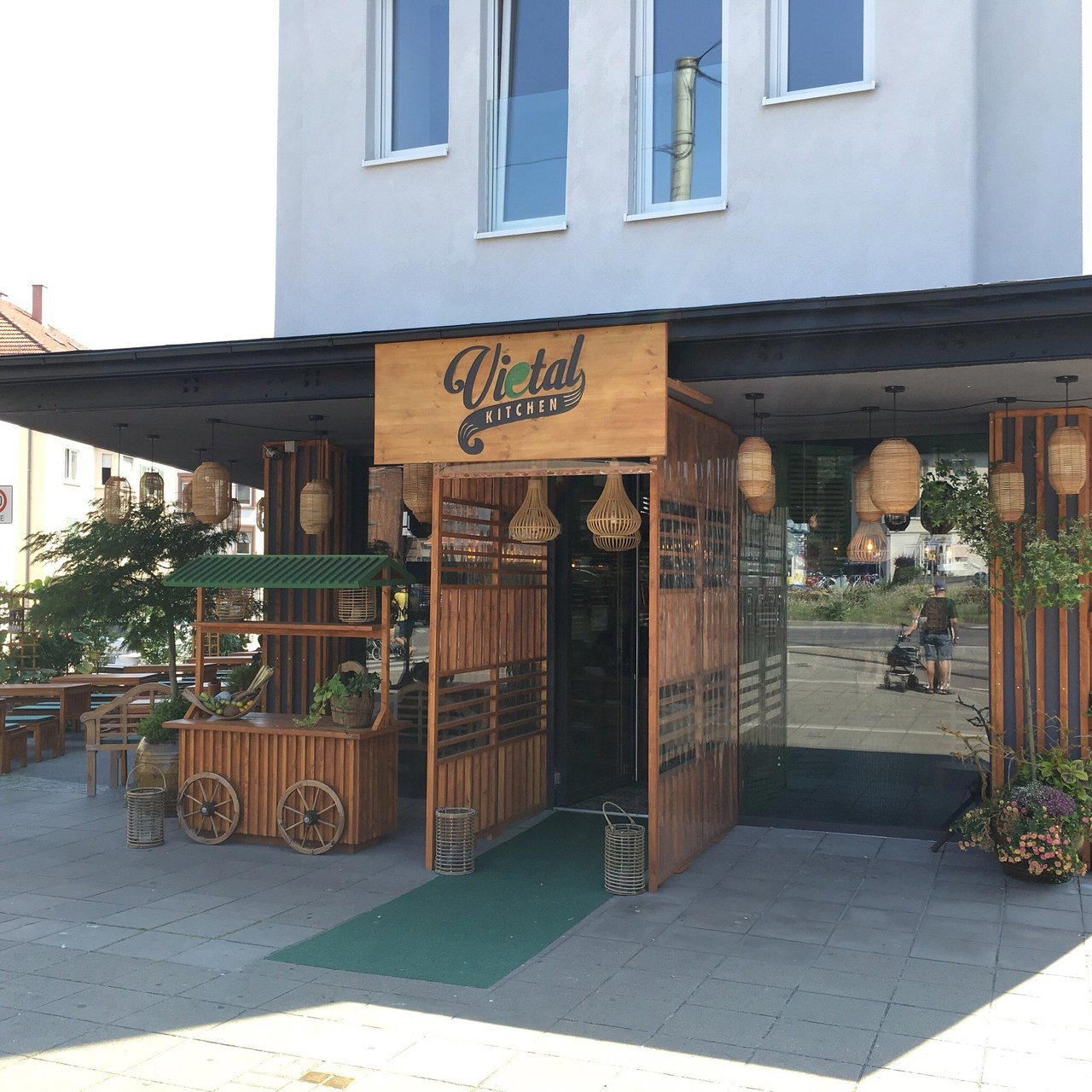
A Street, a Postcode, and What They Tell You About Stuttgart's Dining Geography
Vietal Kitchen is a restaurant in Stuttgart's Ost district serving Authentic Vietnamese cuisine at a price level around $20 per person. Stuttgart's restaurant identity tends to get narrated through its starred rooms: the creative tasting menus at Speisemeisterei, the modern precision of 5, the longer-standing creative ambition of Der Zauberlehrling and Délice. But the city also has a second layer, one that receives almost none of the critical attention and functions in a different register entirely. Landhausstraße, running through the 70188 postcode in Stuttgart's Ost district, belongs to that second layer. It is a residential artery of the kind that every German city has and that most restaurant guides overlook: lined with Gründerzeit apartment buildings, small practitioners, and the occasional café or kitchen that serves a neighbourhood rather than a dining circuit.
Vietal Kitchen sits on this street at number 181. The address itself is an editorial data point. It places the restaurant in a residential rather than gastronomy-district context, which shapes everything from the likely customer profile to the probable atmosphere. Neighbourhood kitchens in this part of Stuttgart operate under different pressures than destination rooms. The expectation is regularity and accessibility over theatrical occasion, and the physical environment tends to reflect that: lower ceilings, street-facing windows, the sound of a normal street rather than a curated dining soundtrack. Whether Vietal Kitchen follows this pattern precisely is a question the address alone cannot answer, but the postcode is a meaningful starting point for calibrating expectations before arrival.
Stuttgart Ost as a Dining Context
The Ost district has a distinct residential character that separates it from Mitte's commercial density or the Halbhöhenlage neighbourhoods to the west where several of Stuttgart's formal dining addresses are concentrated. It draws a younger, mixed demographic, with a higher proportion of long-term residents relative to the transient population that circulates through the central hotel and conference belt. Restaurants that take root here tend to succeed by becoming genuinely local, not by attracting out-of-district traffic.
This is not the zone where you find the tier of dining that competes with Hegel Eins in ambition or price. Nor is it the zone where you expect the kind of format discipline that defines Germany's leading tables, places like Aqua in Wolfsburg, JAN in Munich, or the Black Forest institution Schwarzwaldstube in Baiersbronn. That gap is not a failure on the neighbourhood kitchen's part; it reflects a different function. The leading residential district restaurants in German cities solve a different problem: they become the room a street returns to, across seasons, without a special occasion as justification.
What the Sensory Register of a Neighbourhood Kitchen Typically Signals
The atmospheric cues that distinguish a neighbourhood kitchen from a destination dining room are worth naming specifically, because they shape how you experience a meal before a dish arrives. In residential-district restaurants across German cities, the sound environment is typically open: tables close enough that conversation carries, a kitchen that isn't fully separated from the room, street noise that enters when the door opens. The light tends toward warm and functional rather than designed. The smell on arrival is often the first honest signal about the kitchen's priorities, whether it leans toward long-cooked stocks and rendered fats or toward something lighter and more herb-forward.
These sensory conditions create a particular kind of meal: one where the food has to carry the experience without the scaffolding of theatrical service, elaborate mise en scène, or the weight of a starred reputation to prime the diner's expectation. That is a harder test in some respects than the one faced by a room where the investment in environment does significant work before a fork is lifted. The restaurants that pass it consistently, places that make a neighbourhood queue on a Tuesday, tend to have a kitchen with real conviction about a small number of things rather than ambition spread too thin across a long menu.
Germany's most discussed neighbourhood-format successes in recent years have come from kitchens with a clear identity: CODA Dessert Dining in Berlin carved out a single-minded format and held it; at the other scale, the formal rooms like Vendôme in Bergisch Gladbach, ES:SENZ in Grassau, and Victor's Fine Dining by christian bau in Perl demonstrate what sustained editorial identity looks like at the opposite end of the ambition spectrum. The useful question to ask of the restaurant is not how it compares to those rooms, but what its version of conviction looks like at the Landhausstraße scale.
Practical Orientation
Landhausstraße 181 is reachable from Stuttgart Hauptbahnhof in roughly fifteen minutes by tram, with the U1 and U2 lines serving the Ost district. For visitors already in the city centre exploring the broader Stuttgart scene documented in our full Stuttgart restaurants guide, the Ost district represents a natural extension into residential dining territory that the headline guides rarely cover. Parking on Landhausstraße is available on-street, which is the norm for this part of the city rather than a specific amenity. Hours are Monday to Thursday 12 PM to 10 PM, Friday to Sunday 11 AM to 11 PM. Reservations are recommended.
For readers planning a multi-day Stuttgart itinerary that includes higher-commitment dining, the formal end of the city's scene connects outward to Germany's broader fine dining circuit: Waldhotel Sonnora in Dreis, Restaurant Haerlin in Hamburg, Schanz in Piesport, or internationally, rooms like Le Bernardin in New York City and Atomix in New York City, all of which represent the tier against which Stuttgart's own aspirant rooms are beginning to be measured by a more internationally mobile readership.
Nearby-ish Comparables
Comparable venues nearby, for context on price, style, and recognition.
| Venue | Cuisine | Price | Notes |
|---|---|---|---|
| Vietal KitchenThis venue — the venue you are viewing | Authentic Vietnamese | $$ | Not listed |
| Weinstube Zur Kiste | Traditional Swabian German | $$ | Gablenberg |
| Burger House | American Burgers | $$ | Gablenberg |
| Plenum - Stuttgart | Modern Regional German with Swabian Influences | $$ | Gablenberg |
| Il Pomodoro | Authentic Southern Italian Pizza & Pasta | $$ | Gablenberg |
| Mauritius | Mediterranean Beach Food with Caribbean Influences | $$ | Gablenberg |
Continue exploring
More in Stuttgart
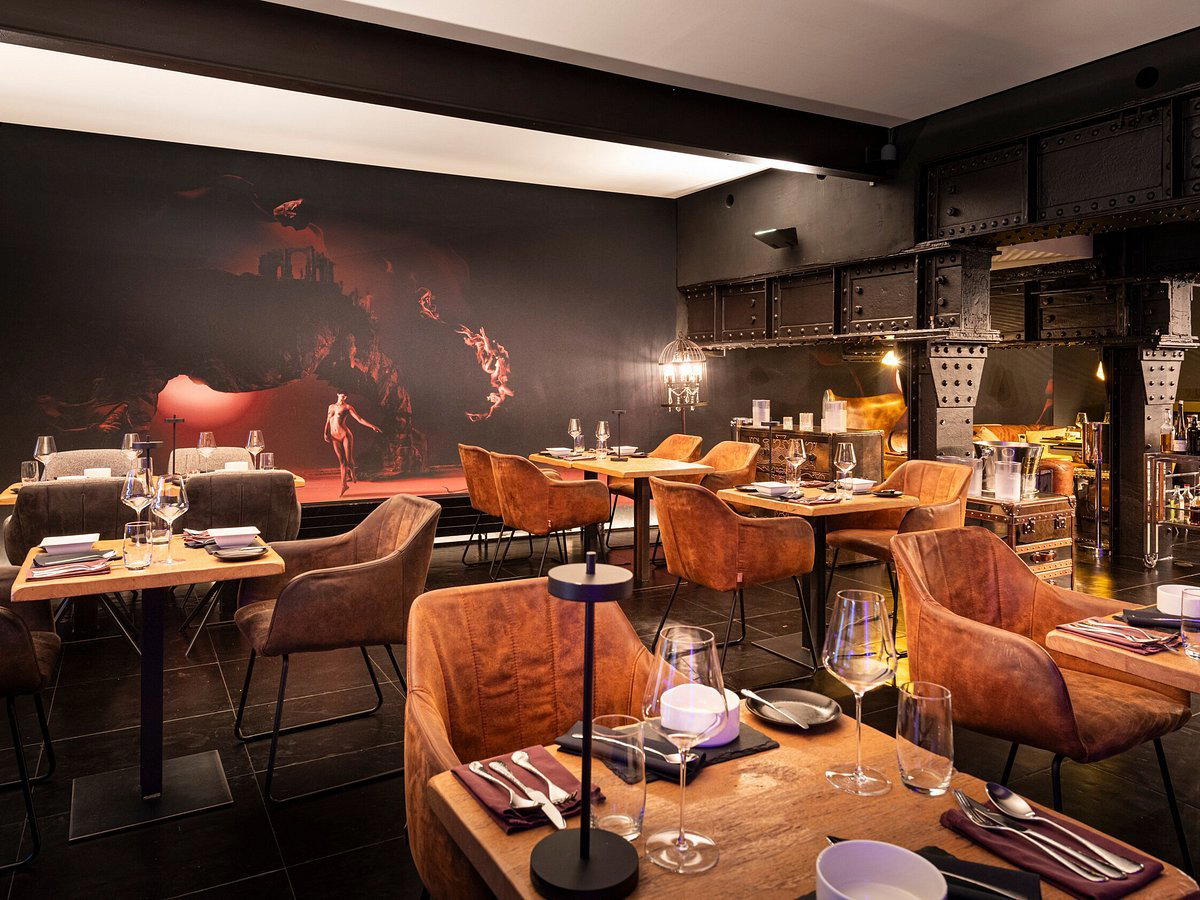
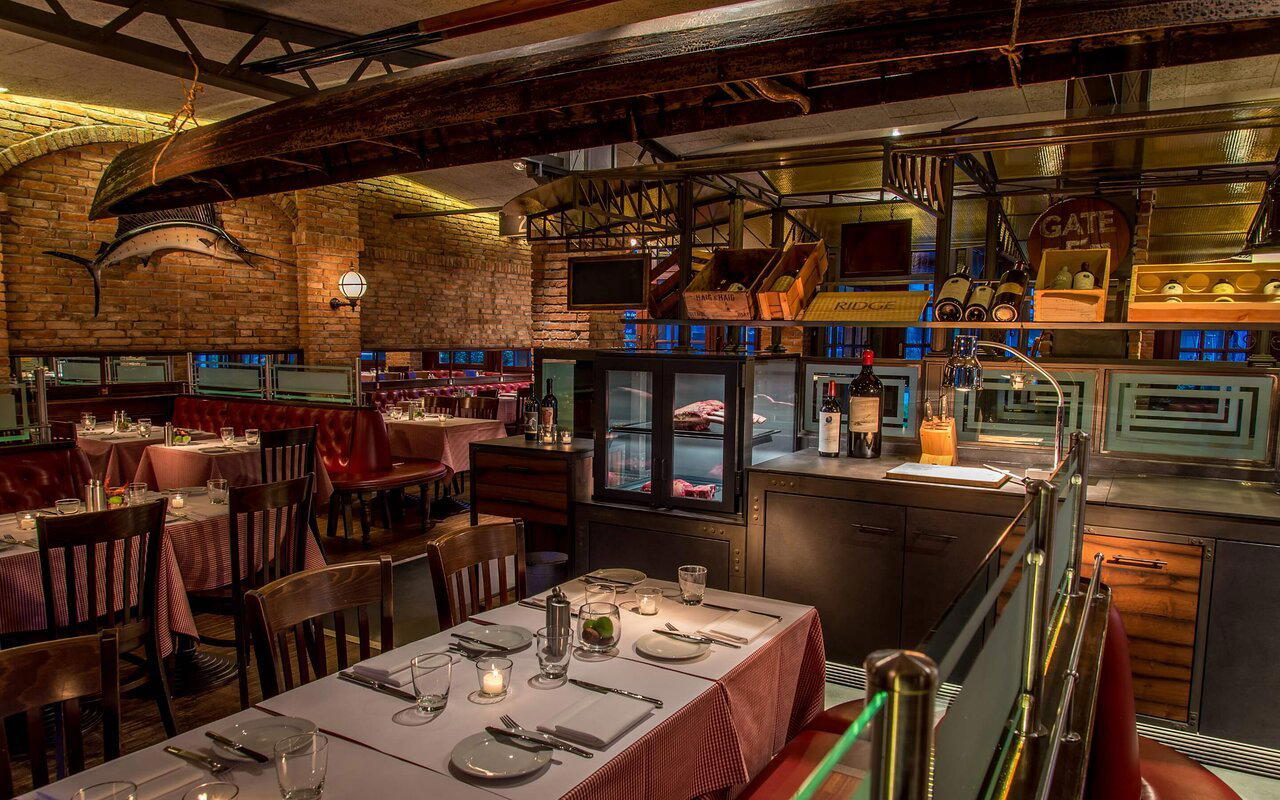
Restaurants in Stuttgart
Browse all →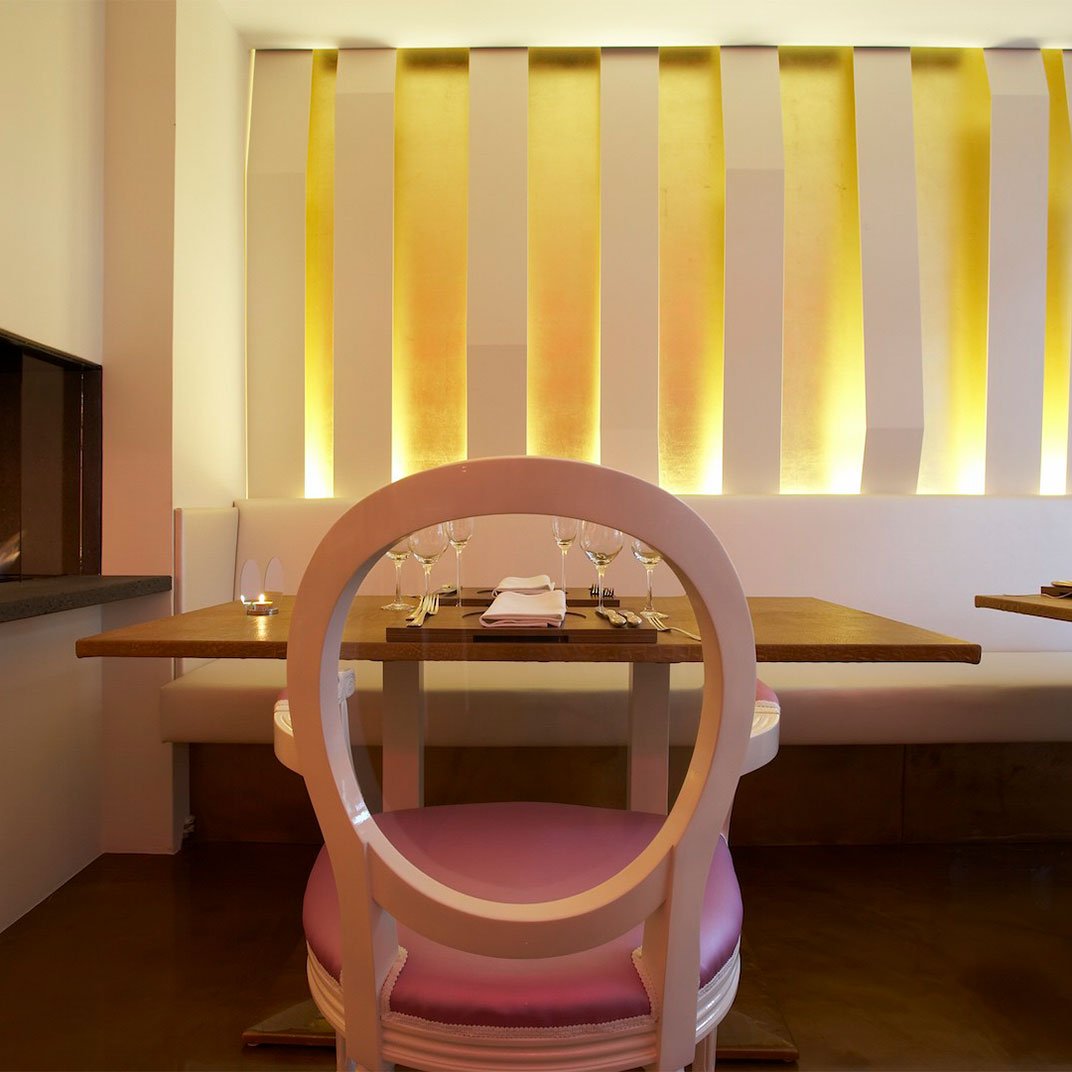
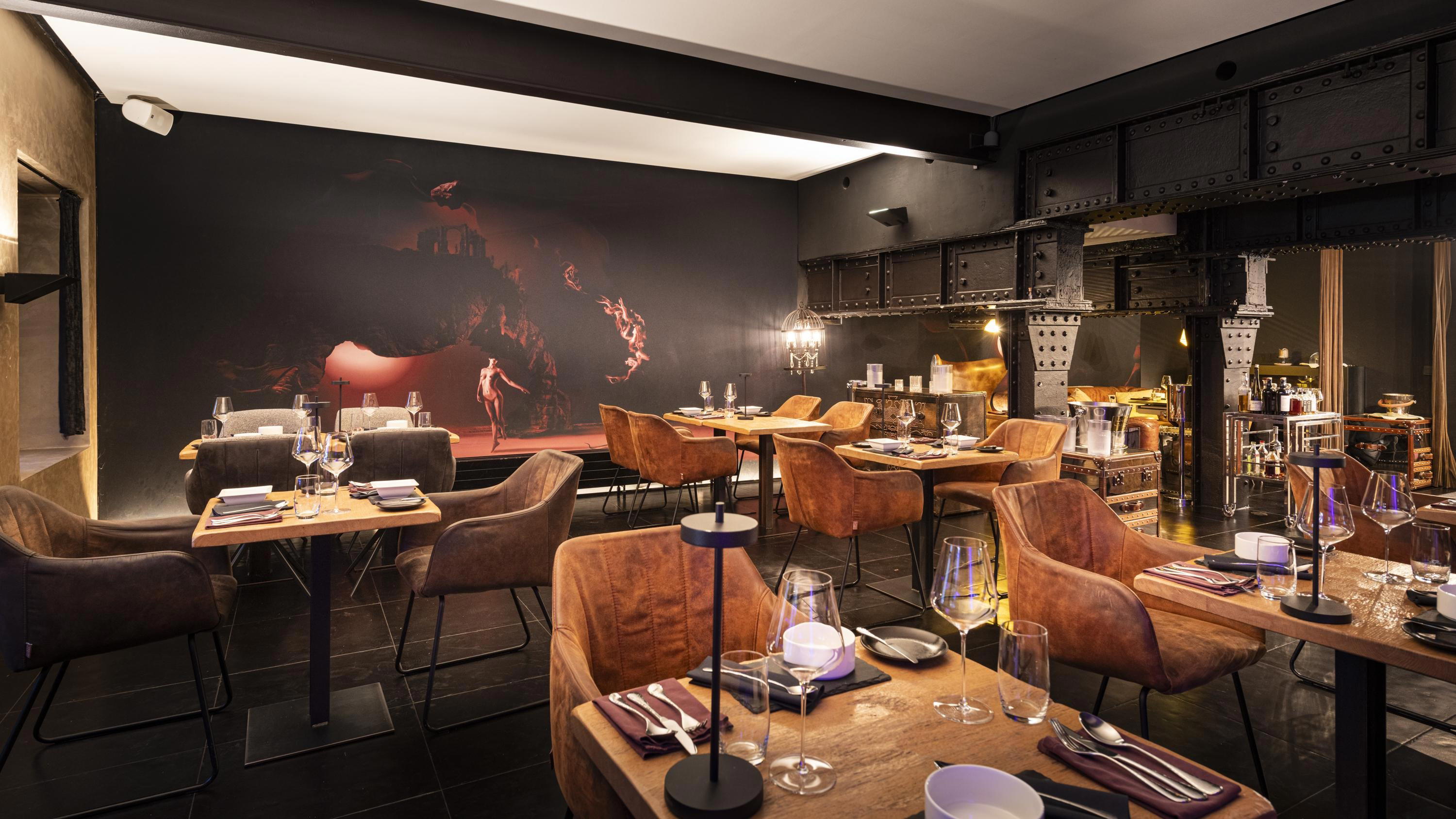
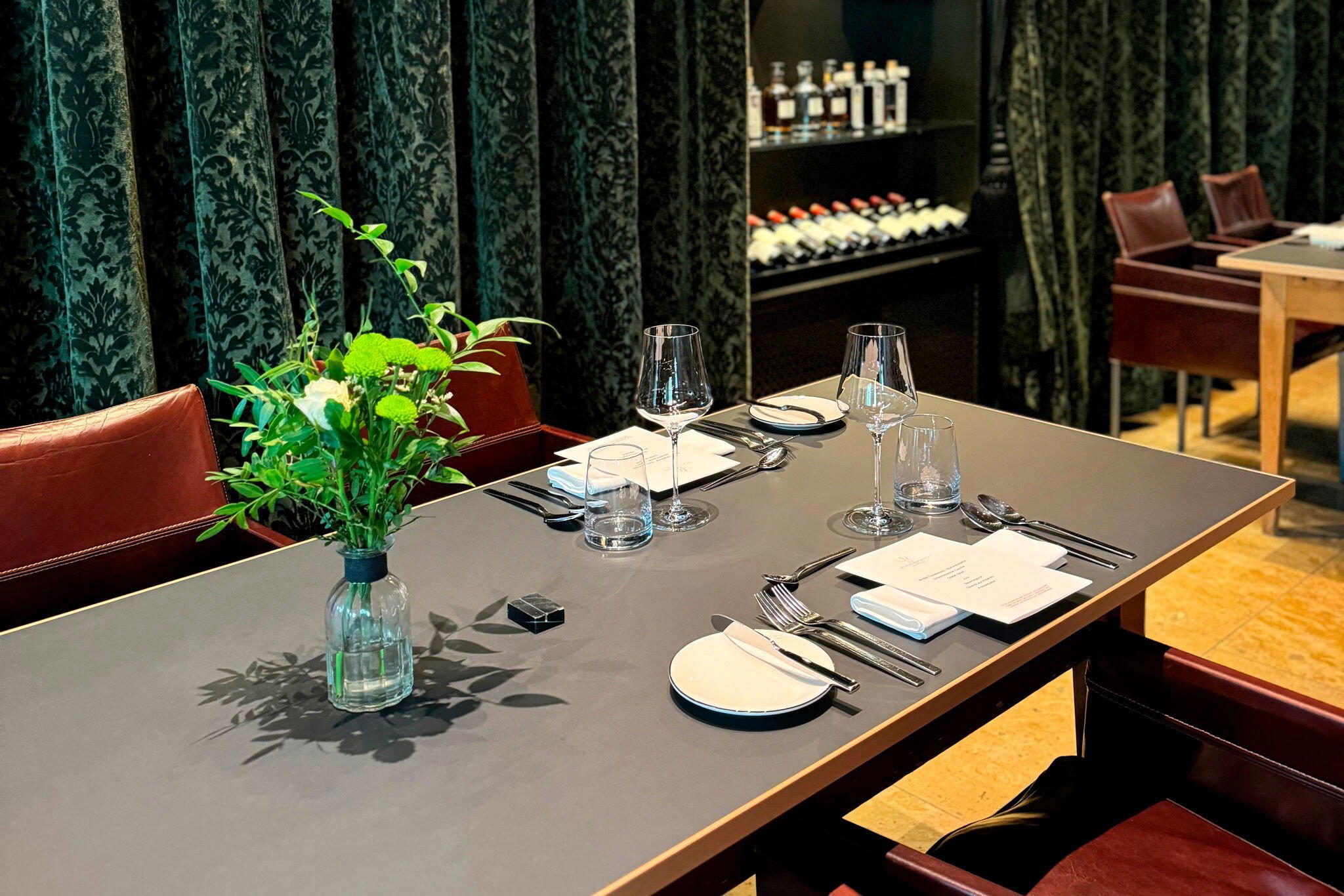
Bars in Stuttgart
Browse all →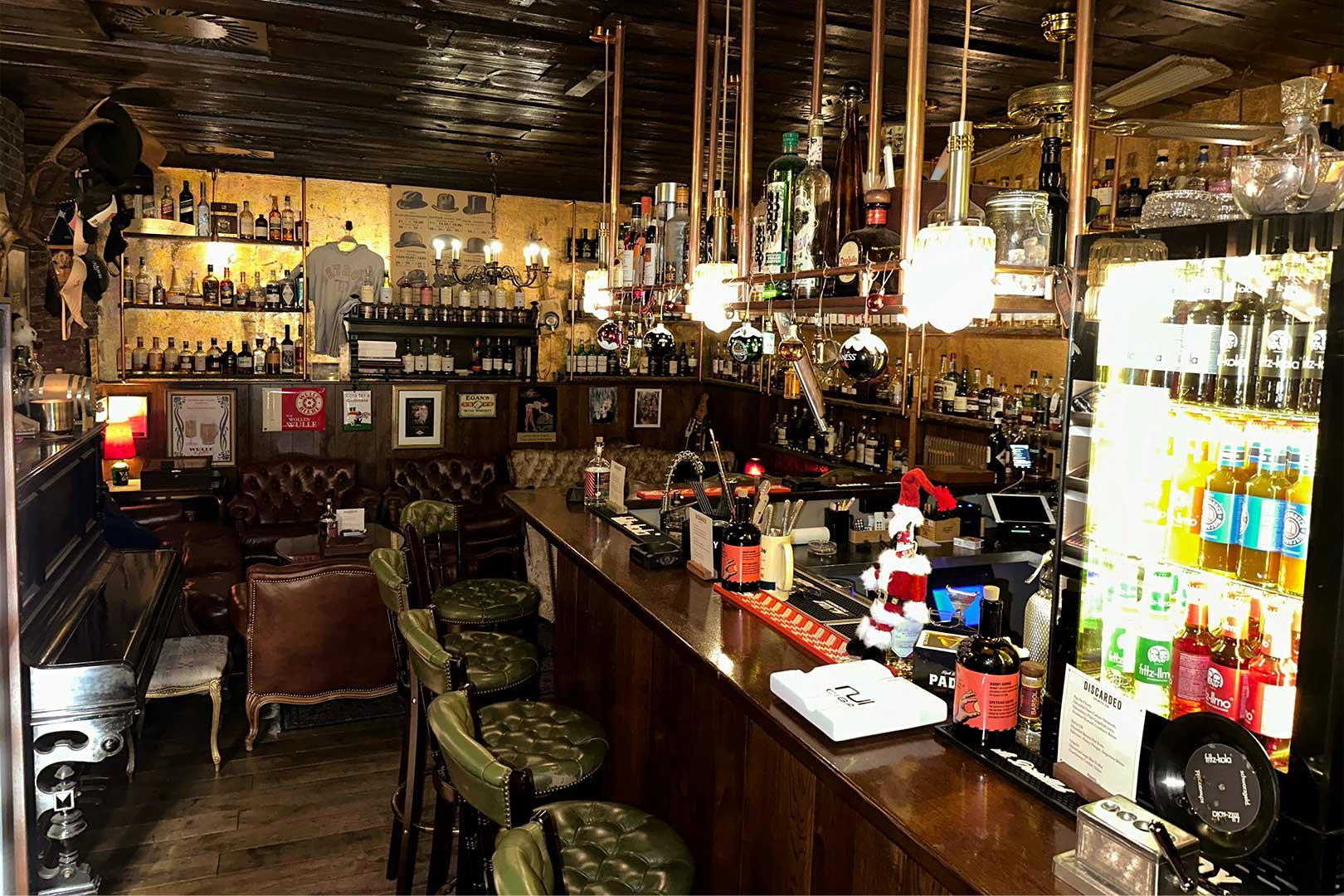
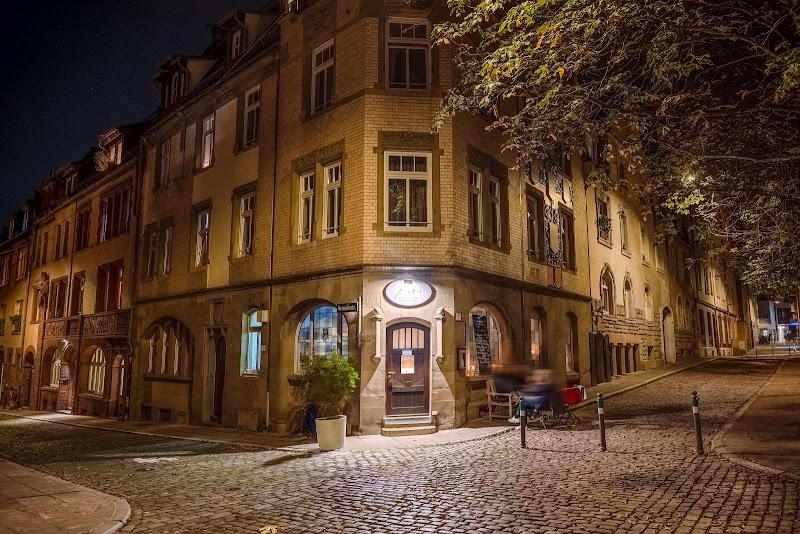

Hotels in Stuttgart
Browse all →

At a Glance
- Cozy
- Relaxed
- Casual Hangout
- Family
- Open Kitchen
- Local Sourcing
Current opening hours
- Monday
- 12–10 PM
- Tuesday
- 12–10 PM
- Wednesday
- 12–10 PM
- Thursday
- 12–10 PM
- Friday
- 11 AM–11 PM
- Saturday
- 11 AM–11 PM
- Sunday
- 11 AM–11 PM
Hours can change for holidays and private events. Last verified .
Relaxed and cozy with an authentic Vietnamese country house feel.