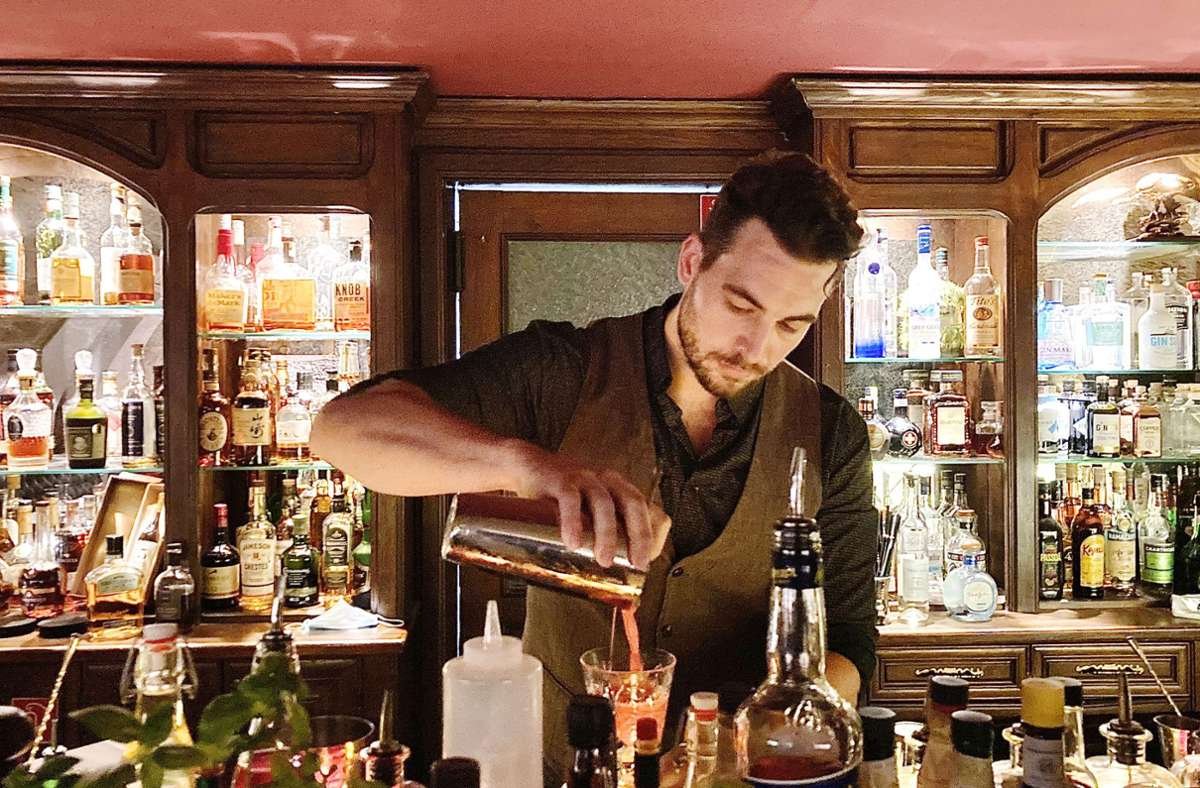
vhy in plants we trust serves creative vegan cooking in a casual, leisurely format with craft cocktails, so it suits brunch, lunch, or dinner without a rushed pace.
Pearl is the En Primeur Club membership app — saves, bookings, and concierge access live there. Same editors, same standards.
- Address
- Reinsburgstraße 13, 70178 Stuttgart, Germany
- Phone
- +4971116917447
- Website
- vhydowe.care
- Directions
- Get directions
 Saves & bookings on Pearl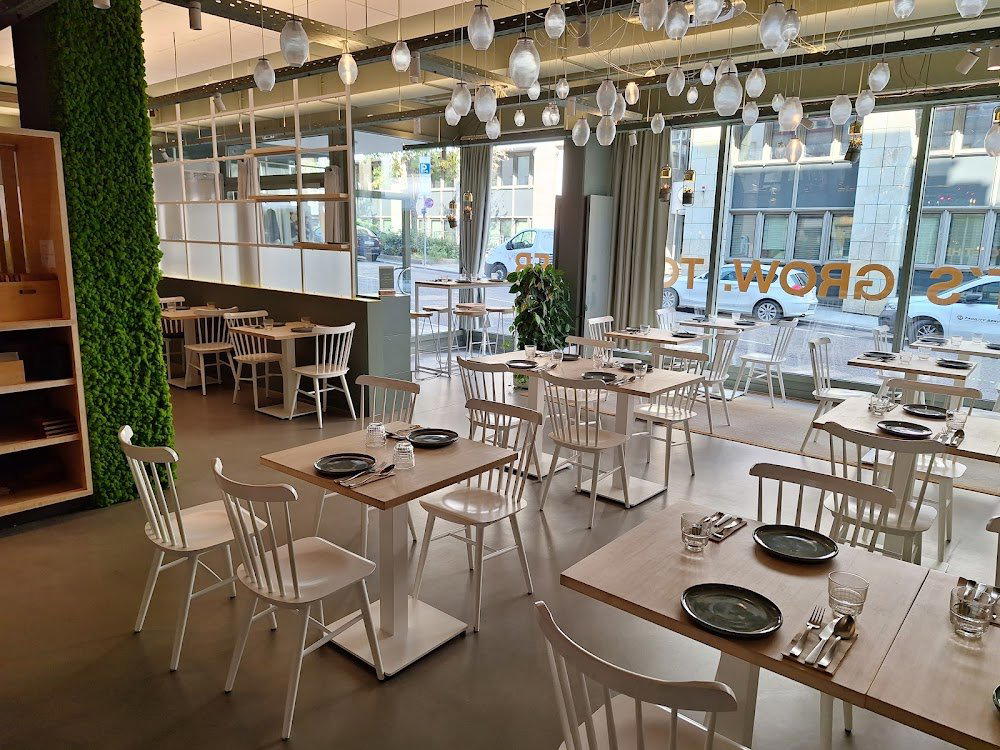
Plant-Forward Dining in Stuttgart's Reinsburgstraße Quarter
Stuttgart's restaurant scene has long oriented itself around Baden-Württemberg's wine country heritage and the kind of Franco-German fine dining you find at places like Speisemeisterei or Délice. Against that backdrop, a venue whose name opens with a philosophical declaration about plants occupies a genuinely different register. Vhy in Plants We Trust is a creative vegan restaurant at Reinsburgstraße 13 in Stuttgart, with a casual dress code and reservations recommended. Vhy in Plants We Trust sits on Reinsburgstraße 13 in the 70178 postcode, a stretch of Stuttgart's western districts where independent operators have steadily replaced the kinds of businesses that defined the area a decade ago.
The name itself signals intent before you arrive. In a city where meat-centred tasting menus and classic French technique remain the dominant prestige format, a venue that frames its entire identity around botanical sourcing is making an argument, not just a menu choice. That argument connects to one of the more consequential shifts in European restaurant culture over the past five years: the move from vegetable-as-accompaniment to plant-based cuisine as a primary, technically sophisticated discipline.
The Sustainability Frame: Why Plant-First Matters Here
Germany has become one of the more active European markets for plant-forward dining, driven partly by a well-documented shift in urban consumer behaviour and partly by a generation of chefs who trained under classical frameworks and have since applied that rigour to non-animal ingredients. The restaurants that do this well are not simply removing meat and filling the gap with grains. They are restructuring how a menu is conceived, how sourcing relationships with growers are built, and how kitchen waste is managed across a service.
At the category level, venues operating under a plant-trust framework tend to prioritise regional and seasonal sourcing as structural constraints rather than marketing language. The seasonality is real: when a kitchen cannot fall back on protein as a flavour anchor, the provenance and maturity of vegetables, fungi, and fermented ingredients become load-bearing. That pressure creates closer relationships between kitchen and producer, shorter supply chains, and in the better-run operations, measurable reductions in food waste per cover.
Stuttgart sits in productive agricultural geography. Baden-Württemberg's market gardens and the farms edging toward the Swabian Alb give a kitchen on Reinsburgstraße access to ingredients that restaurants in Hamburg or Berlin often have to source from much further away. For venues like vhy in Plants We Trust, this regional proximity is both a practical asset and an ethical one.
Where This Sits in Stuttgart's Dining Order
Stuttgart's formal dining bracket is anchored by Michelin-tracked kitchens, several of them in the creative and modern cuisine categories. 5 and Hegel Eins represent the modern cuisine end of that spectrum, while Der Zauberlehrling holds a creative position at the €€€ tier. These venues are not vhy's direct competition. The comparison set for a plant-committed restaurant in this city is smaller and more specific: the handful of operations in Germany that have moved botanical dining past the novelty phase and into a repeatable, technically credible format.
At the national level, German plant-forward dining is developing its own reference points. CODA Dessert Dining in Berlin has demonstrated what happens when a kitchen commits fully to a single-concept format and executes it with precision over years. That model, low volume, high concept, sustained recognition, has influenced how the broader market understands specialist dining formats. The restaurant operates within the same general argument: that a restaurant built around a philosophical commitment can generate its own authority, separate from the Michelin-star infrastructure that defines venues like Aqua in Wolfsburg, Schwarzwaldstube in Baiersbronn, or Vendôme in Bergisch Gladbach.
Internationally, the plant-forward fine dining conversation has matured considerably. Kitchens like Le Bernardin in New York City have long demonstrated that a singular ingredient focus, handled with classical discipline, can sustain three-star recognition across decades. Atomix in New York City shows what happens when cultural specificity drives a tasting format rather than generic luxury signals. These are not direct comparisons to vhy, but they illustrate the broader context: restaurants that commit to a clearly stated premise tend to build more durable reputations than those hedging between formats.
The Atmosphere and Approach
Reinsburgstraße sits in a part of Stuttgart that runs between the central Heslach neighbourhood and the western inner city, an area with a mixed character of residential blocks and independent commercial operators. A venue at number 13 on this street is not in a tourist corridor or a prestige dining district. That location choice is itself a kind of editorial statement: the audience this kitchen is speaking to is local, considered, and self-selecting rather than captured by hotel proximity or guidebook foot traffic.
Plant-centred restaurants in this bracket, operating outside the conventional fine dining postcode, tend to cultivate a more direct relationship with their regulars. The room, the format, and the booking rhythm all shape a different kind of loyalty than trophy-destination dining. Germany's leading specialist kitchens outside the obvious city centres, venues like ES:SENZ in Grassau or Schanz in Piesport, have demonstrated that removing yourself from the metropolitan prestige circuit does not diminish credibility when the cooking is focused and consistent.
Planning Your Visit
The restaurant is located at Reinsburgstraße 13, 70178 Stuttgart, in the city's western district. Given the venue's plant-committed positioning and the broader trend toward neighbourhood-led specialist dining in German cities, Stuttgart's public transport connections from the central station (Stuttgart Hauptbahnhof) extend reliably into the western districts, making the address accessible without a car.
JAN in Munich, Restaurant Haerlin in Hamburg, and Victor's Fine Dining by Christian Bau in Perl each represent how deeply different commitments, to terroir, to classicism, to innovation, can anchor a restaurant's identity over time. The restaurant is working from a different set of principles, but the underlying logic, that clarity of purpose sustains a kitchen, is the same. Waldhotel Sonnora in Dreis offers another reference point for how a strongly defined culinary identity can hold across decades in a regional German context.
At a Glance
Comparable venues nearby, for context on price, style, and recognition.
| Venue | Cuisine | Price | Notes |
|---|---|---|---|
| vhy in plants we trustThis venue — the venue you are viewing | Heslach, Creative Vegan | $$ | Not listed |
| Energetic Life | Not listed | $$ | Gablenberg, Vegan Gluten-Free Bakery & Cafe |
| Valle | Not listed | $$ | Gablenberg, Authentic Italian Pizza and Pasta |
| Pinto Mama | Heslach, Authentic Thai | $$ | Not listed |
| Kwan Kao - Taste of Thailand | Heslach, Authentic Thai | $$ | Not listed |
| Onkel Otto | Gablenberg, Traditional German Schnitzel | $$ | Not listed |
Continue exploring
More in Stuttgart
Restaurants in Stuttgart
Browse all →
Bars in Stuttgart
Browse all →

Hotels in Stuttgart
Browse all →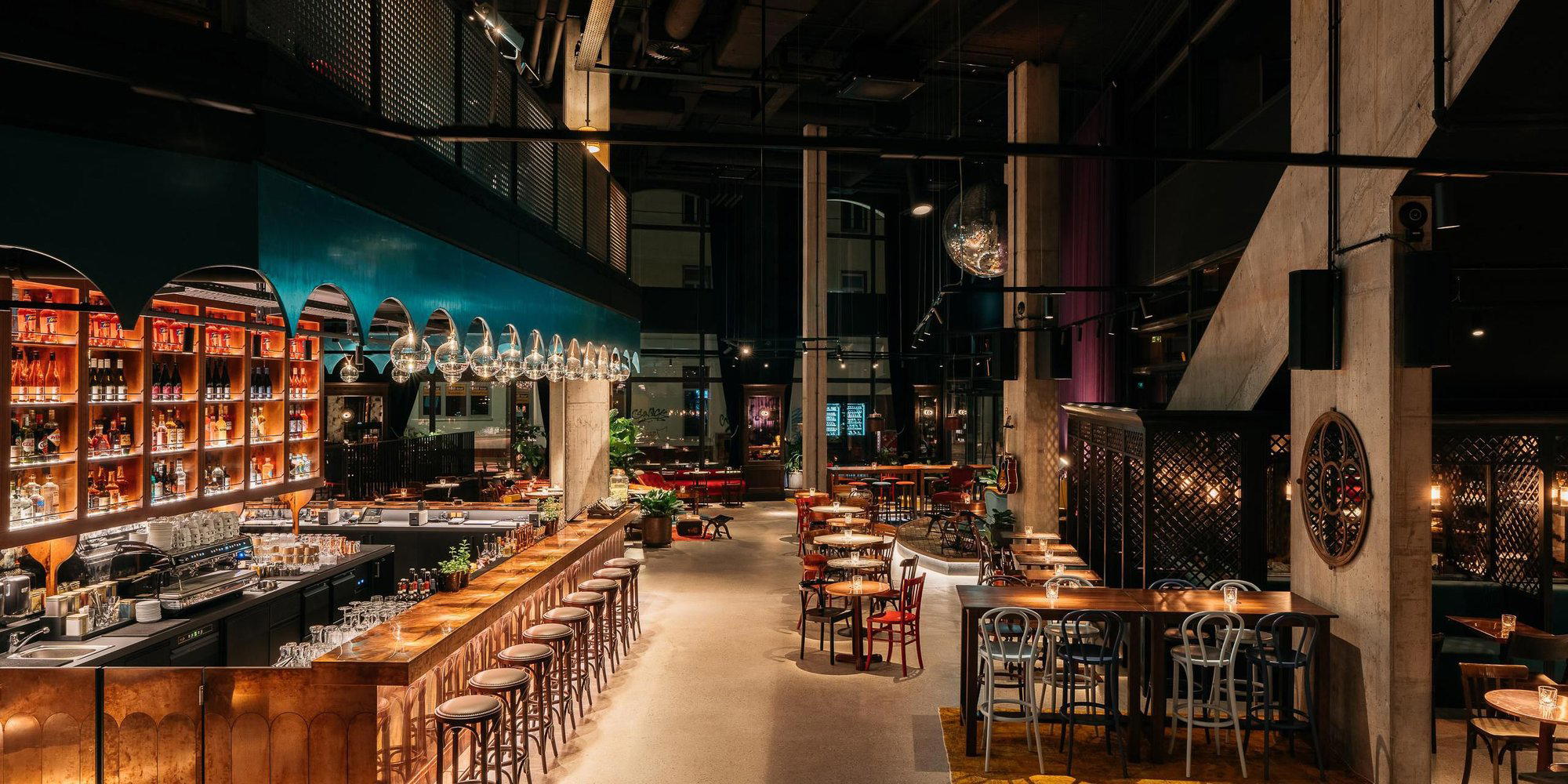

At a Glance
- Modern
- Trendy
- Cozy
- Date Night
- Casual Hangout
- Group Dining
- Garden
- Open Kitchen
- Craft Cocktails
Current opening hours
- Monday
- Closed
- Tuesday
- 11:30 AM–2 PM, 5:30–11 PM
- Wednesday
- 11:30 AM–2 PM, 5:30–11 PM
- Thursday
- 11:30 AM–2 PM, 5:30–11 PM
- Friday
- 5:30–11 PM
- Saturday
- 10 AM–1 PM, 5:30–11 PM
- Sunday
- 10 AM–1 PM
Hours can change for holidays and private events. Last verified .
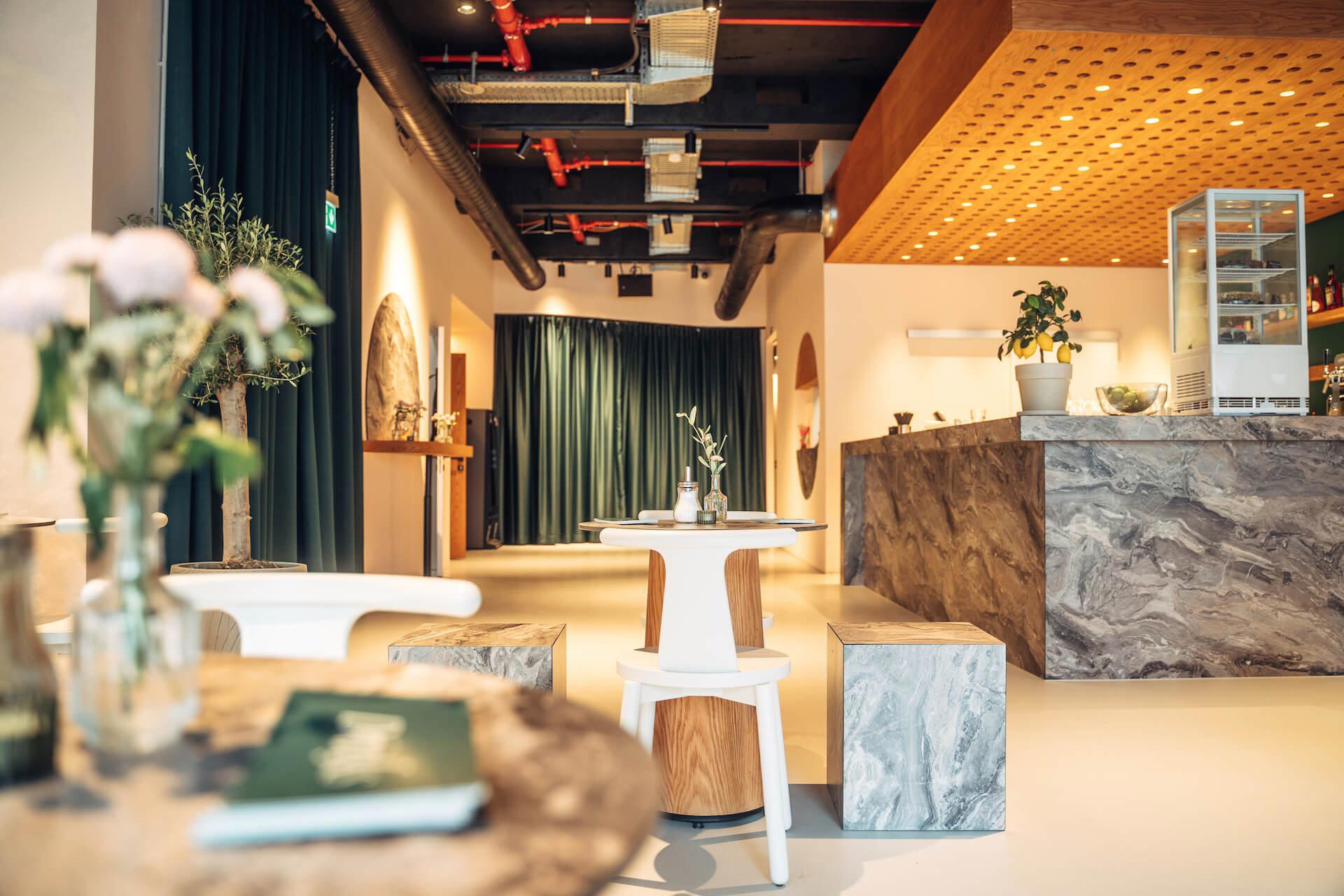
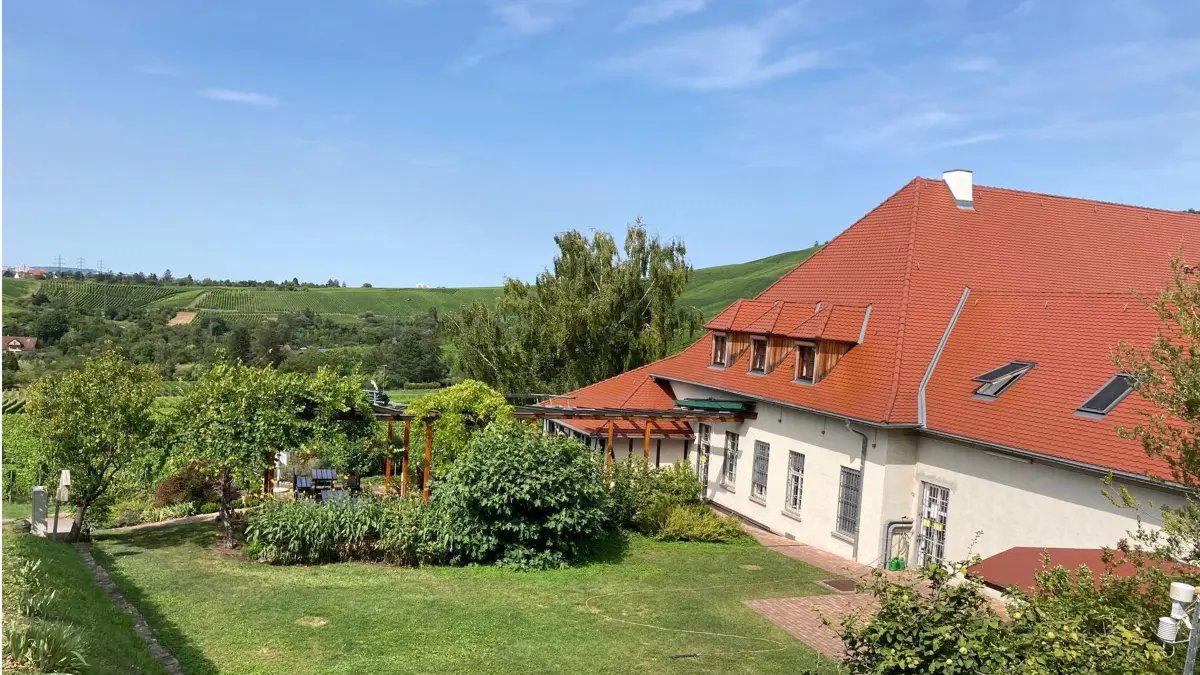
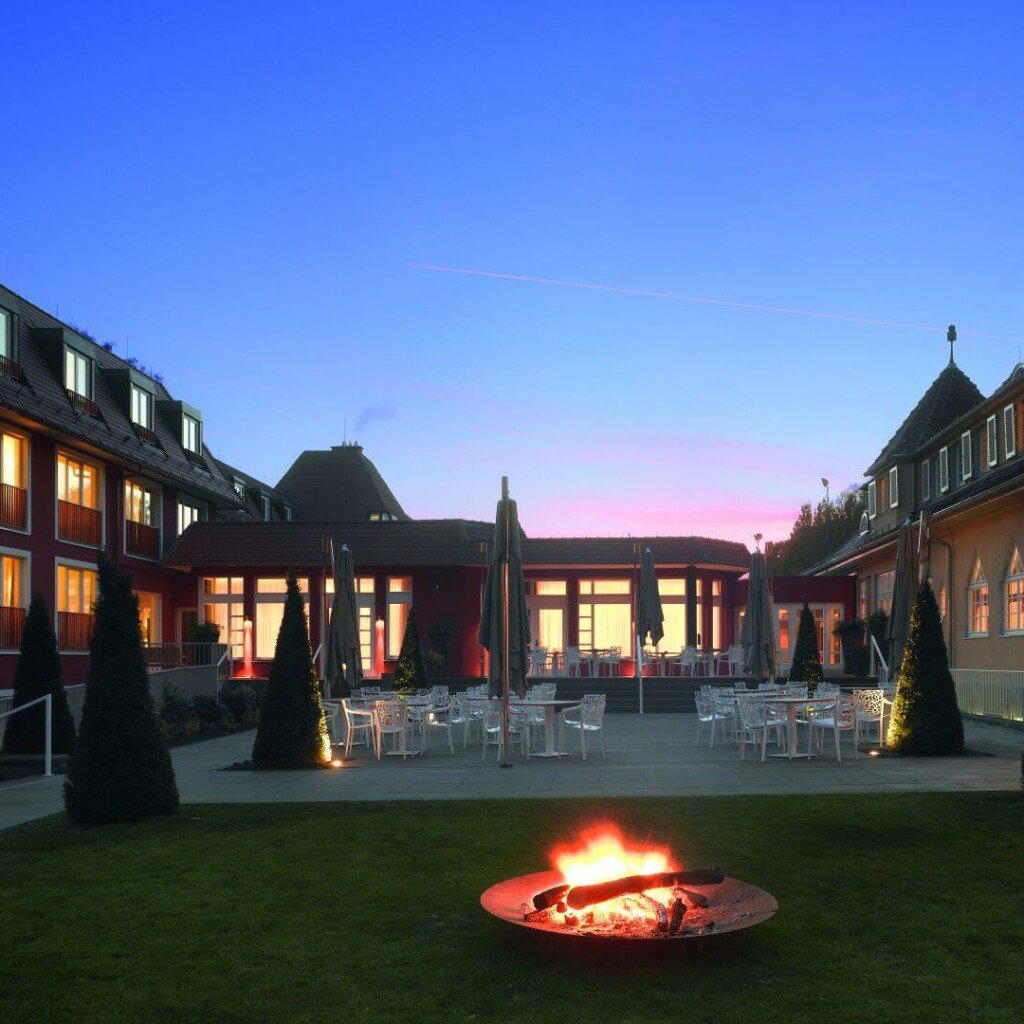
Contemporary industrial design with a relaxed atmosphere, cozy back garden terrace.